

Immoral: An archive of sexual diversity in the narrative of Chronicle and popular media
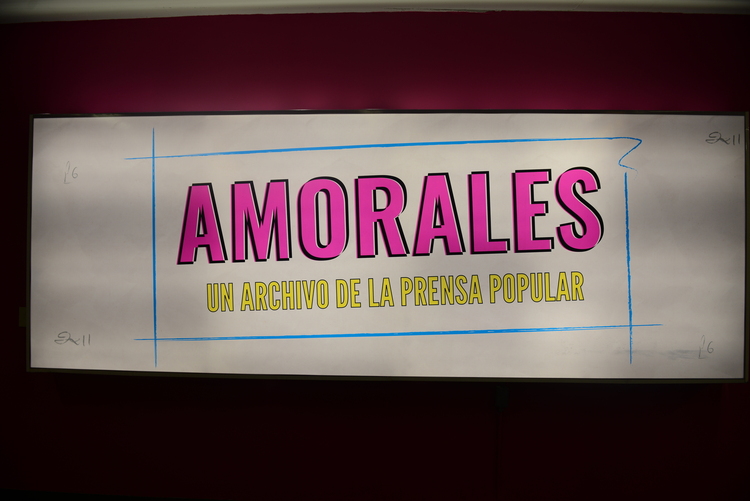
"Amorals" is an exhibition that documents how the popular Argentine press portrayed sexual diversity. With its complexities, sensationalism, and contradictions, it can be seen at the Museum of the Book and Language until the end of the year.


Share

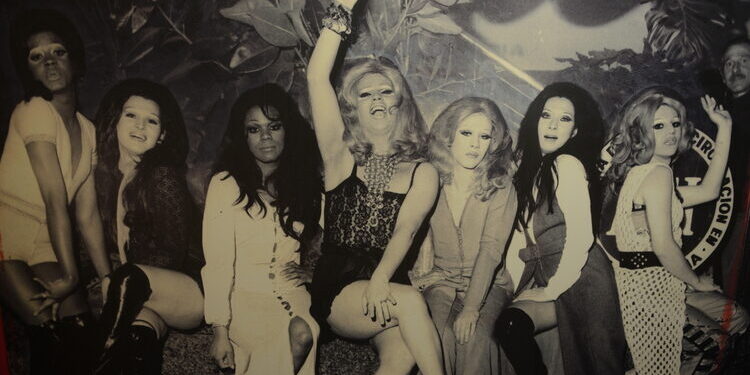
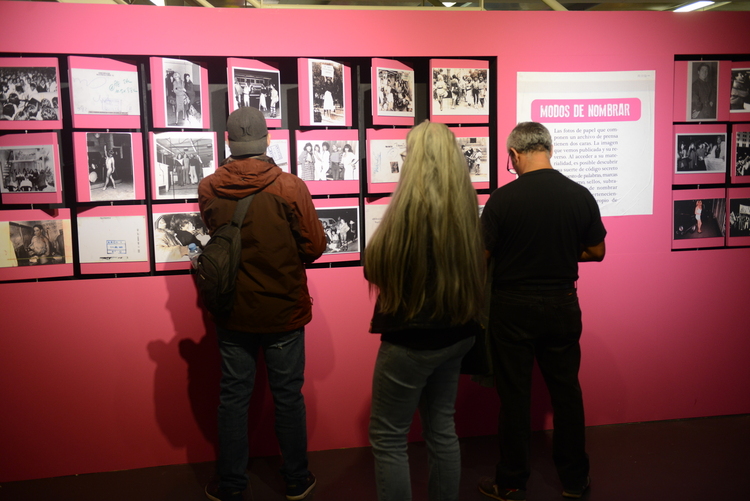
BUENOS AIRES, Argentina. The archives of Argentina's popular press, which arrived at the National Library to be digitized and made available to the public and researchers, stretched for three kilometers. They came from the newspaper Crónica and the magazines Esto! and Así. Among their many materials and journalistic sections, they contained relevant information on diversity, police reports, bulletins from the Homosexual Liberation Front, letters, photographs, and envelopes. From these archival materials and an exercise in LGBT+ memory emerged the exhibition " Amorales: An Archive of the Popular Press ," currently on display at the Museum of the Book and Language, under the direction of writer and journalist María Moreno. Amorales is a selection from these archives and expresses the complexities and contradictions with which the press reported on gender-diverse identities in the 1970s, 80s, and 90s.
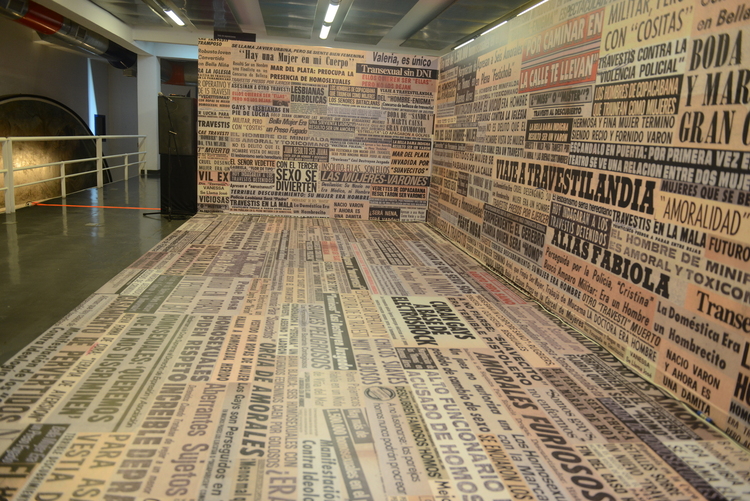
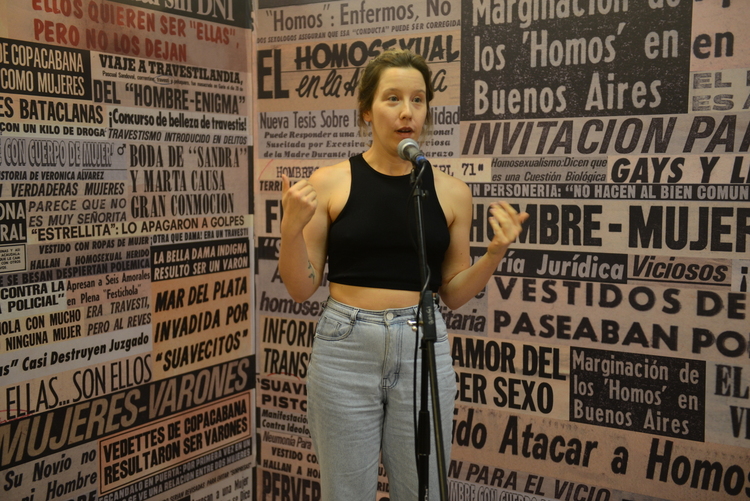
There, the entire room is covered, from the walls to the floor, with news articles and headlines from Sarmiento Publishing House (the newspaper Crónica and the magazines Esto! and Así) from the 1960s to the 1990s . What stands out are the headlines that stigmatize and sensationalize gender-nonconforming identities. They include phrases like "Aberrant Subjects," "Marriage of Perverts," and "Homosexuals Are Quite Contagious," among others.
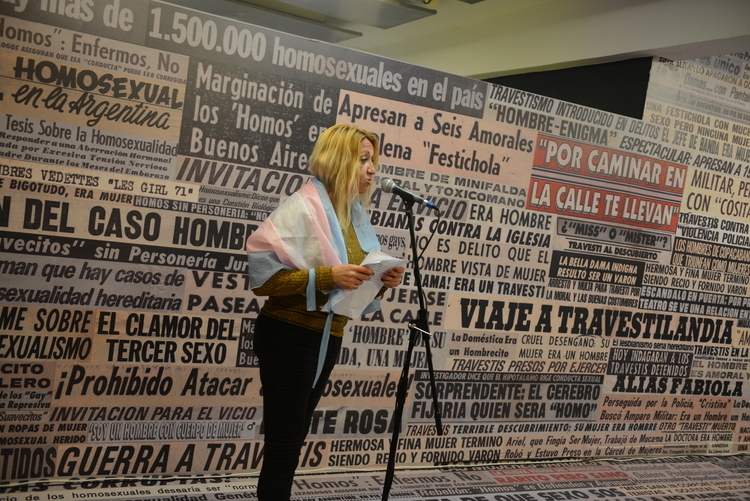
Amoral: naming what is different
“It was very impactful to read so much material about how sexual dissidents were treated over the years,” Inés Ulanovsky, photographer and curator of the exhibition, told Presentes . “That’s where the name of the show, Amorales (Amoral), comes from. It was one of the ways of referring to difference.” The archive began in 1964 and arrived at the National Library fifty years later.
Just look at the room a little more closely to notice something unexpected. The headlines also include phrases unthinkable decades ago for publications like Crónica .
“Apparently, homosexuality is natural.”
“We are gay, not sick.”
““Gay” demonstration against repressive ideology
The approach of these news stories coexists side by side with the discriminatory words and mocking tone of the previous ones.
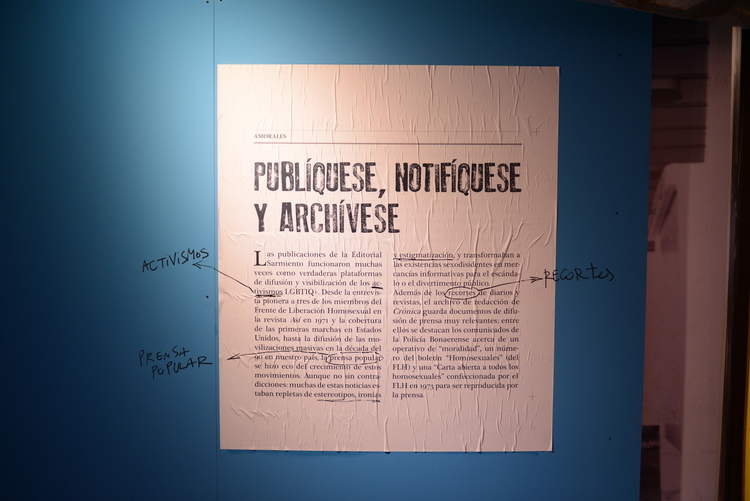
“We try to work with and emphasize that these are materials that resist easy judgment,” Lucía Cytryn, a researcher and part of the curatorial team, explains to Presentes . “You can’t say whether these identities are well or badly represented. We are dealing with extremely unique material.”
Of sensationalism and activism
In addition to interviews with the Homosexual Liberation Front in the 1970s and their press releases, there is coverage of the marches and mobilizations of transvestites to the Plaza de Mayo for the transvestite genocide on Panamericana in the 1980s. One of the notes even suggests that perhaps trans women should have an identity document in accordance with their self-perceived gender.
The document also includes the ways in which various LGBT groups were referred to. Among them were "the third sex," "male star," and "man woman" (the latter referring to trans masculinities).
Throughout the exhibition, it's clear that so-called "true sex revelation" stories—when someone married or interacted with another person and discovered their transgender identity—were very common. So common, in fact, that they frequently appear in the headlines plastered throughout the Museum. "It was understood that these were objects of interest. They were unusual subjects, and the stories were presented from that perspective, as something freakish and even circus-like. As if they were life stories crafted and presented for the sake of spectacle," Cytryn explains.
Yesterday's archive, today's struggle
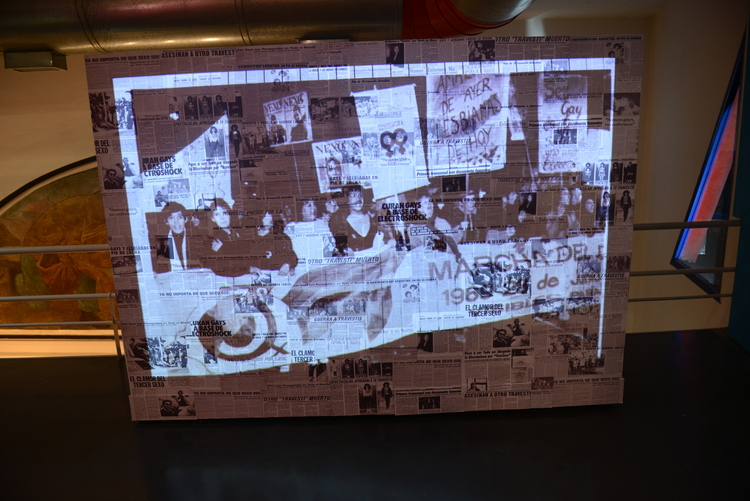
The paradox between the present and the past makes this material so valuable. “What we can learn from these publications is that there were many people very concerned about the existence of these individuals, in very unexpected places,” Cytryn adds.
Whether in a celebratory or sensationalist tone, media outlets like Crónica , Esto!, and Así were among the few—if not the only—in the field of communication that cared about these lives. “Even with its contradictions, this photographic and content archive on transvesticide, femicide, police repression of the LGBTQ+ community, activism by transvestite and transsexual organizations, etc., is very important and unavailable to any other media outlet,” says Ulanovsky.
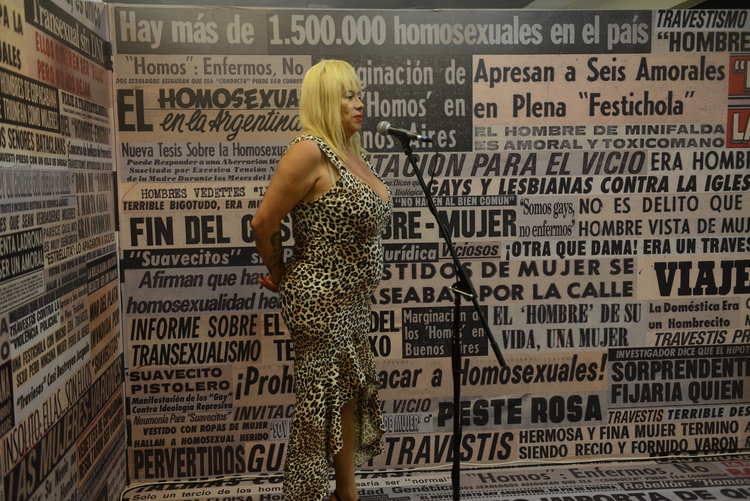
Thus, the importance of this exhibition transcends the journalistic realm. Beyond the richness that a rhetorical analysis of the terms used and the narratives explored within the LGBT community can offer, the existence of this archive, and the resonance it has created with these lives and their activism, is fundamental to supporting current calls for the historical reparations for trans and gender-diverse survivors of institutional violence .
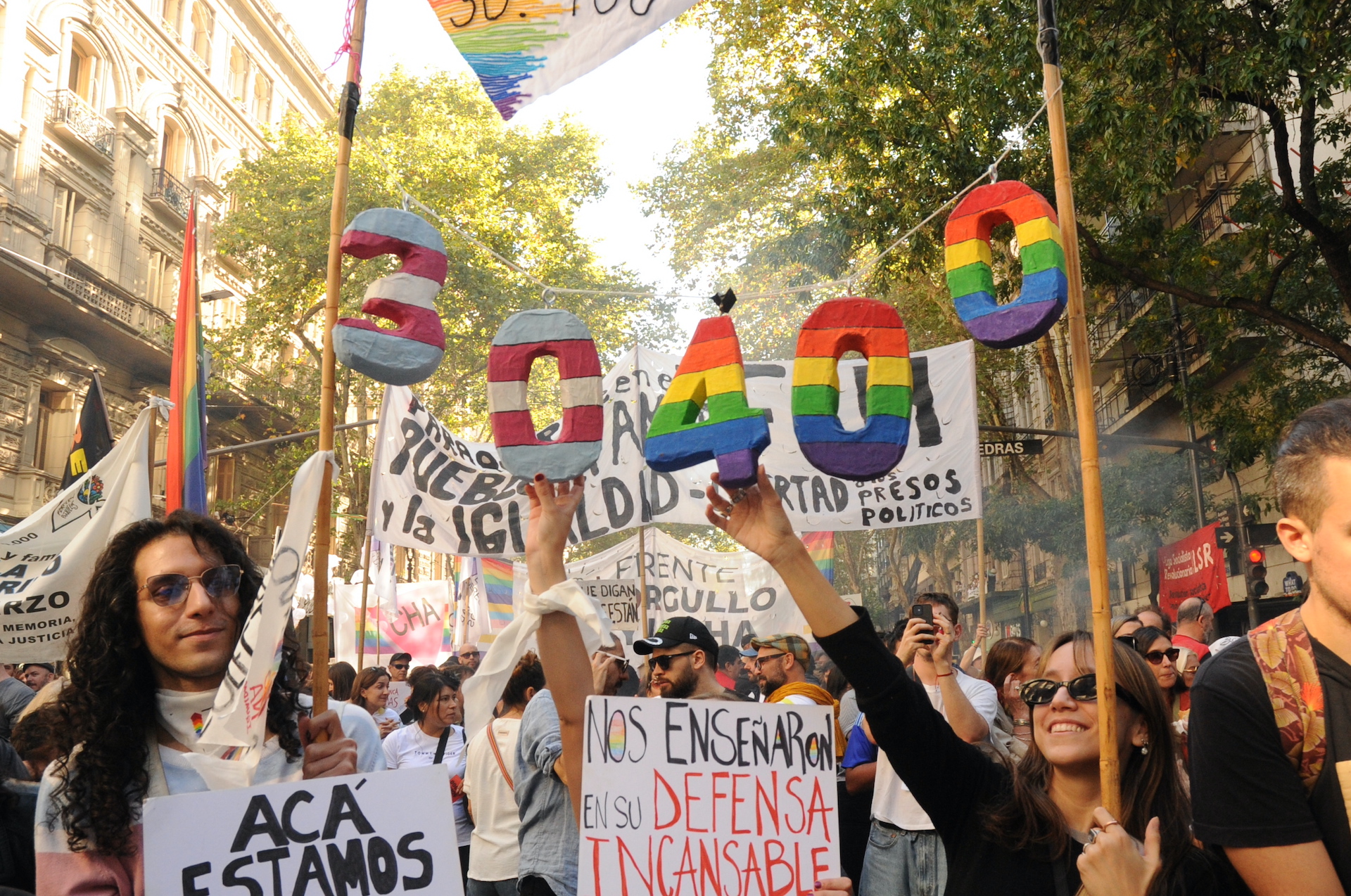
“The day we opened the exhibition, there was a march demanding the Historical Reparation Law for trans and gender-diverse survivors . This archive contains a lot of photographs and documents that show the situations they were subjected to,” Cytryn explained. “They were taken from a sensationalist perspective of the arrests, but it was the only media outlet that was taking those photographs. They are evidence. They are proof that it happened. And they are also proof and evidence of life. Of existences that, if they weren't in those photographs, might have been completely erased.”
Immoral. An archive of the popular press can be visited until December 30, Tuesday to Sunday, from 2 pm to 7 pm at the Museum of the Book and Language, Las Heras 2555, City of Buenos Aires. Free admission.
We are present
We are committed to journalism that delves into the territories and conducts thorough investigations, combined with new technologies and narrative formats. We want the protagonists, their stories, and their struggles to be present.
SUPPORT US

FOLLOW US
Related notes

We are present
This and other stories are not usually on the media agenda. Together we can bring them to light.