

Histórika: a cultural, political and transfeminist commitment in Chiapas
A transfeminist collective runs a cultural hostel for women and gender non-conforming people. It's a project based on collective, community-based, and artistic work.


Share

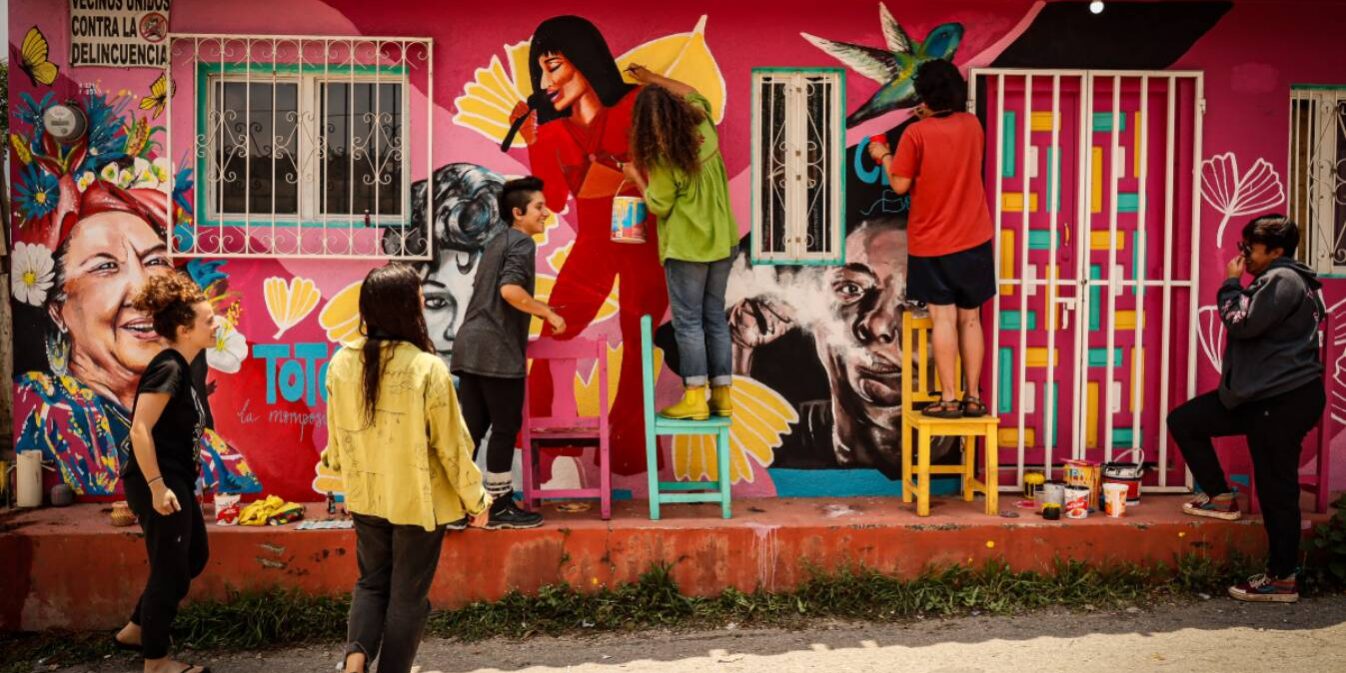
The idea began to take root in the mind of Yanil Abu Aiach , an Argentine feminist, lesbian, musician, and artist, several years ago, but it never came to fruition. She did, however, gain experience, particularly within community feminism, while continuing to travel to other places. In 2012, she spearheaded the creation of Legüereale , a community of independent Argentine artists.
Several more years passed until August 2022, when she founded Histórika in San Cristóbal de las Casas , Chiapas, in southern Mexico . The opportunity to launch this project arose after a friend offered her financial support. Yanil began to develop it in San Cristóbal de las Casas , where she led a drum ensemble. Through this work, she invited other artists to join the initiative, and the transfeminist collective that now supports Histórika was soon formed.
Art, politics and diversity
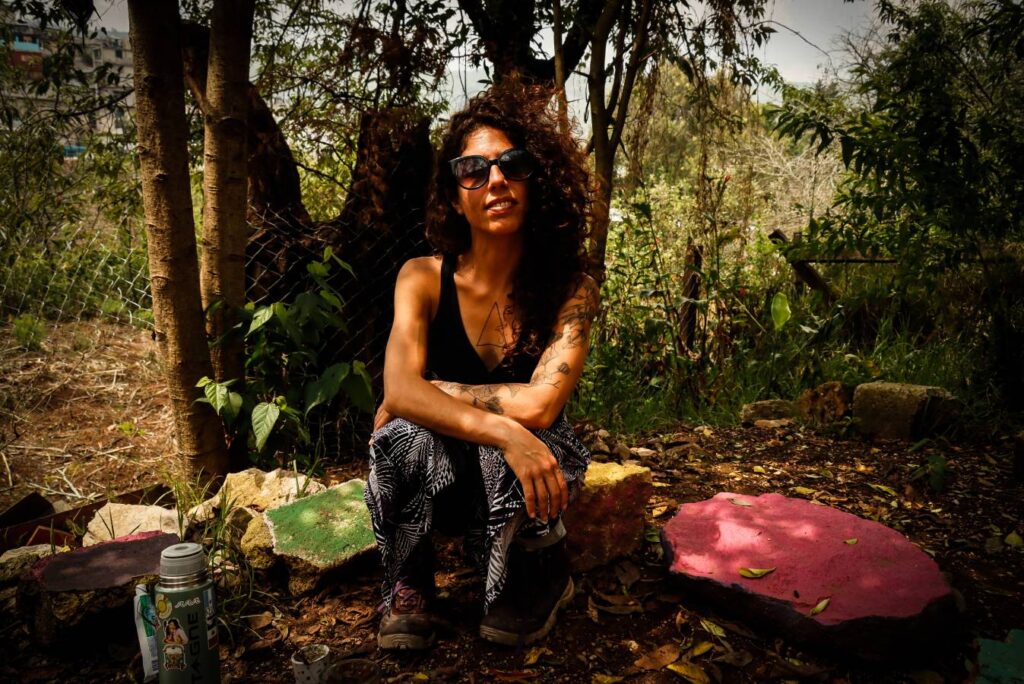
Histórika emerged as an art and community space focused on women and gender non-conforming people. As someone who has traveled to different parts of the world, Yanil knows that finding safe spaces isn't easy. "As an artist, as a musician, as a migrant, I've faced these obstacles," she says.
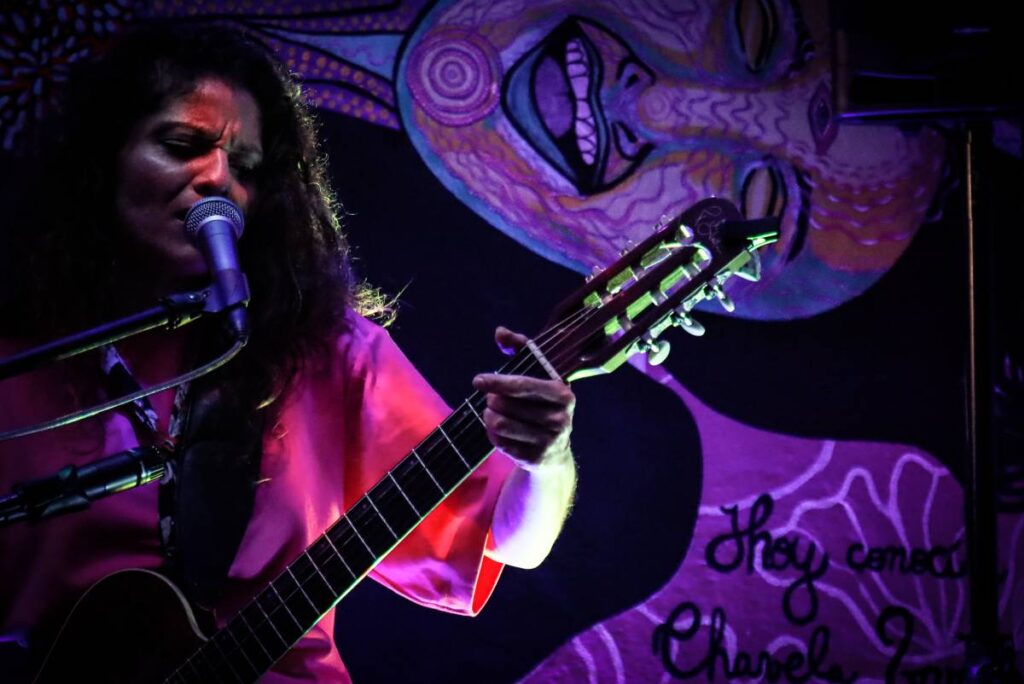
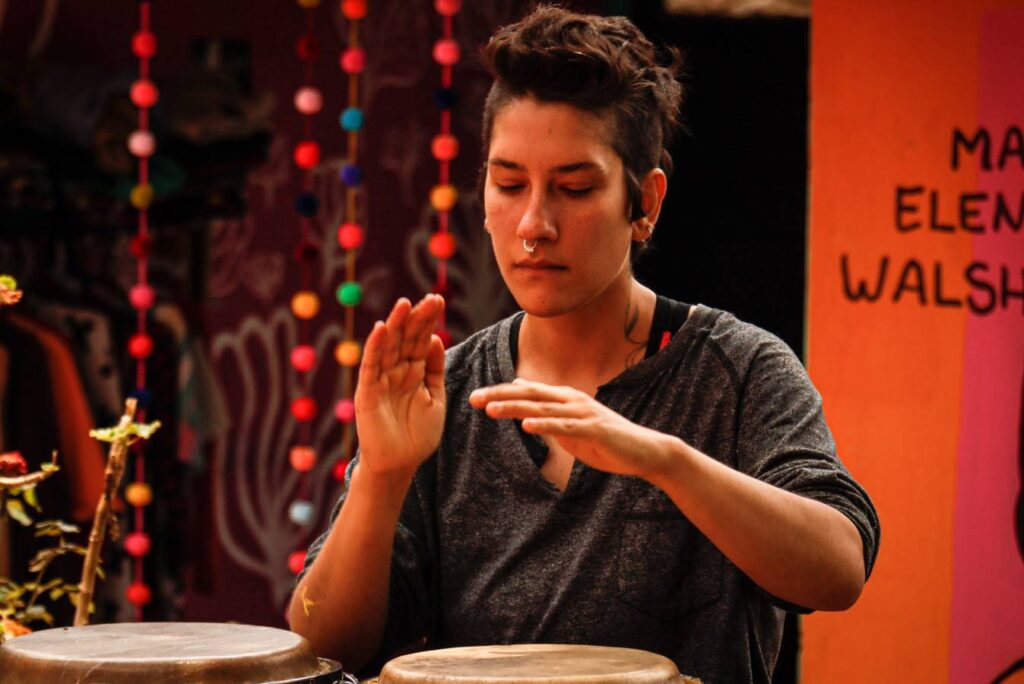
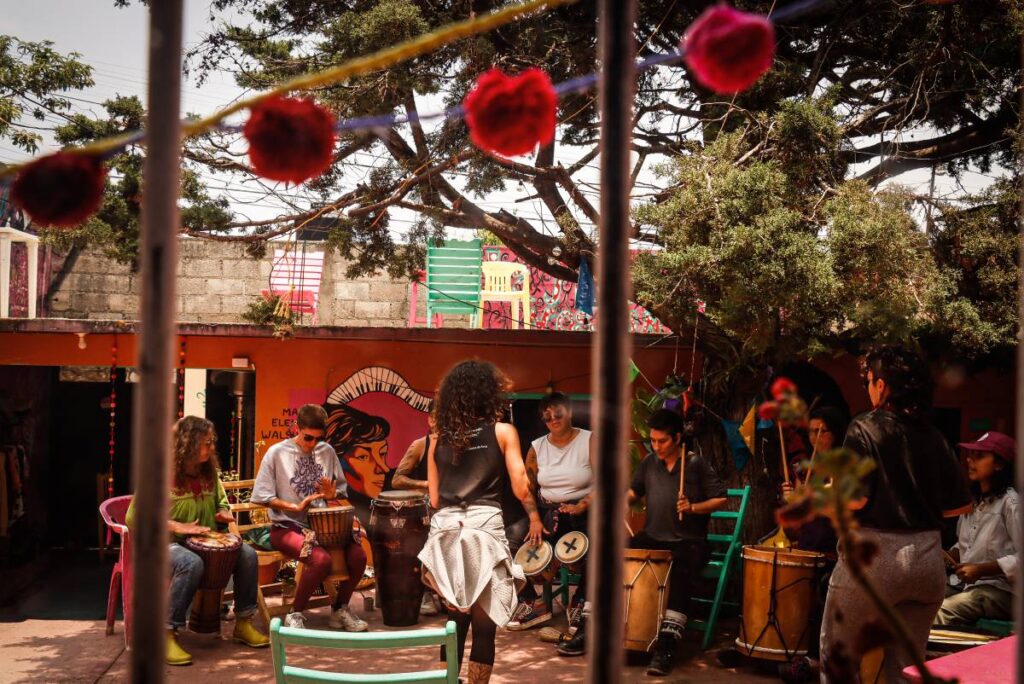
The space has several pillars ranging from the political to the cultural and social, always with art at its core. The political and cultural aspects include workshops in languages, singing, dance, mural painting, percussion, and guitar; they also promote the visibility of women and gender-diverse individuals on stage (musicians, singers, composers), and advocate for fair compensation for work in the arts.
They promote circular economies, resistance economies, and alternative economies "in order to legitimize the work of the artists and also those who manage the events," Yanil explains. She always dreamed of it being a cooperative "in the sense that everyone's effort is a militant effort, but that it also has equitable financial compensation."
Building territories
The social pillar is called Project Phoenix, which focuses on the needs of the most vulnerable populations. It integrates different areas, one of which is a shelter for women and gender-diverse individuals experiencing violence, offering a support network and guidance. Collaborators from various fields work together to help them rebuild their lives. Support is provided through diverse therapies and art therapy.
The hostel is the economic mainstay, open equally to women and gender non-conforming individuals. It is also open to bartering or exchanges in exchange for space.
The group that supports Histórika believes in the crucial importance of “building territory, building spaces where we can expand our consciousness, expand our intentions, have the possibility of listening.”.
They are also aware of the importance of integrating the local perspectives and experiences found in San Cristóbal de las Casas. The city attracts a large number of tourists from around the world and is not immune to the complex context of various conflicts in the state of Chiapas. In recent months, it has been the scene of violent acts . “Listening to the territory we are in without falling into gentrification processes, trying to integrate the struggles that came before,” Yanil points out.
For all feminisms
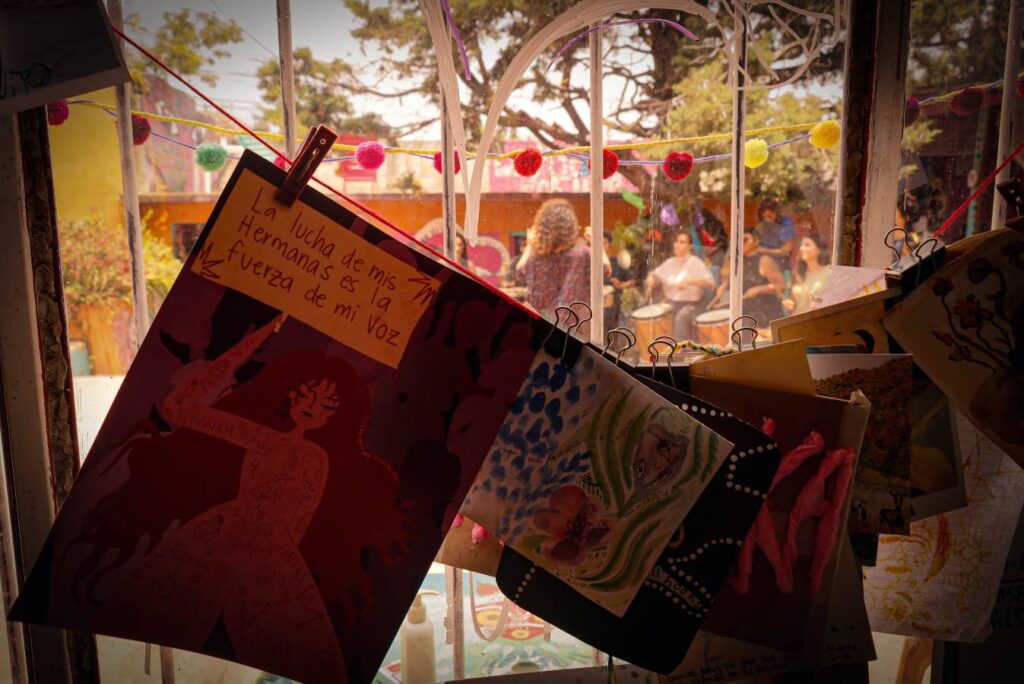
For the collective, it's important not to fall into paternalistic policies. "Nor coming and saying: we have information, you're a victim of the machismo of your culture. No, that's not our policy. We're careful. The women of the neighborhood gradually learned about the project and are getting closer and closer," Yanil also shares.
Histórika's group primarily includes women and gender-diverse individuals from Argentina, Mexico, and Guatemala. But people from all over the world participate , from volunteers to hostel guests who contribute to or get involved with what happens in the space.
“Each person contributes from their own historical perspective. I think that’s something feminism has to learn, it has to mature. There are many feminisms, and we can all build upon those differences and subtleties, with flexibility, a structure that is permeable and constantly resists the ever-changing onslaught. Newer generations have to listen to those who came before. And those who came before also have to be open to listening to the younger ones,” says Yanil.
Autonomy and anti-capitalist life from the perspective of affections
One aspect that is important for Histórika is to appeal to the idea that it is possible to build a full life , “with independence and autonomy linked to the desire we have. We believe this is difficult, but it is possible in community, without constantly thinking that life is going to be a great sacrifice or effort, especially because for women and dissidents it is doubly so, we know, but it has to do with a human, anti-capitalist politics, basically,” Yanil points out.
Histórika proposes to consider the importance of self-knowledge in the reflection with the other in order to build a strategy that truly “strengthens us, empowers us, expands us and then the enemy is outside because we are constantly creating new things,” Yanil adds.
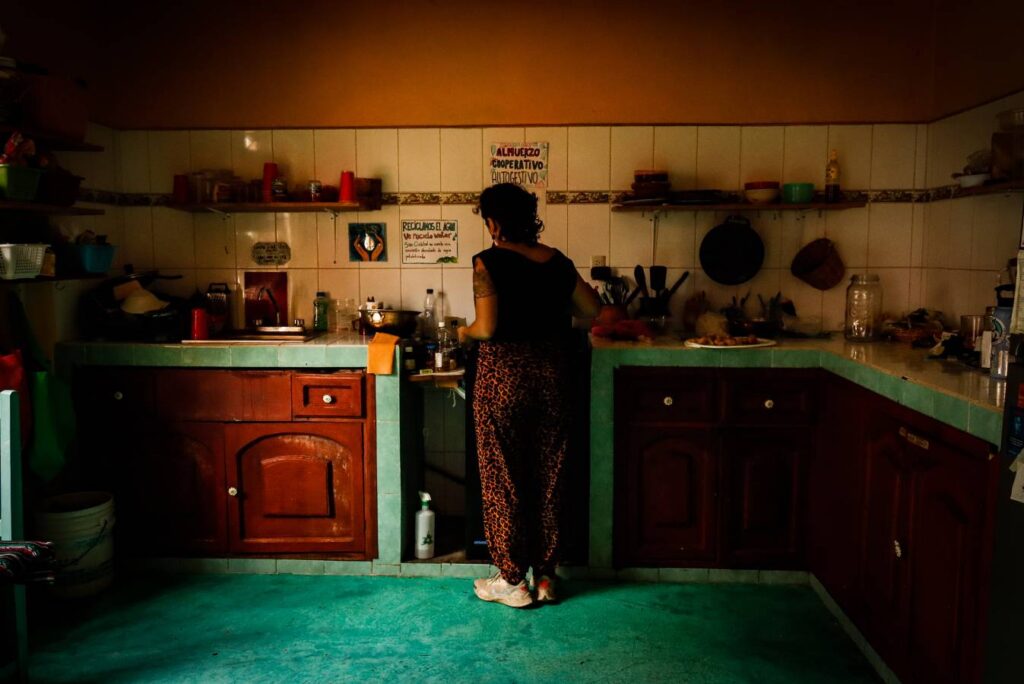
In the house that houses the Histórika hostel and cultural center, it's common to see women and gender-diverse people, as well as children, coming and going from different nationalities and backgrounds. A woman from San Cristóbal de las Casas might stop by to say hello, while a young woman might come to propose a workshop. There are times when everyone shares a table to enjoy breakfast or lunch—a vegan menu at an affordable price.
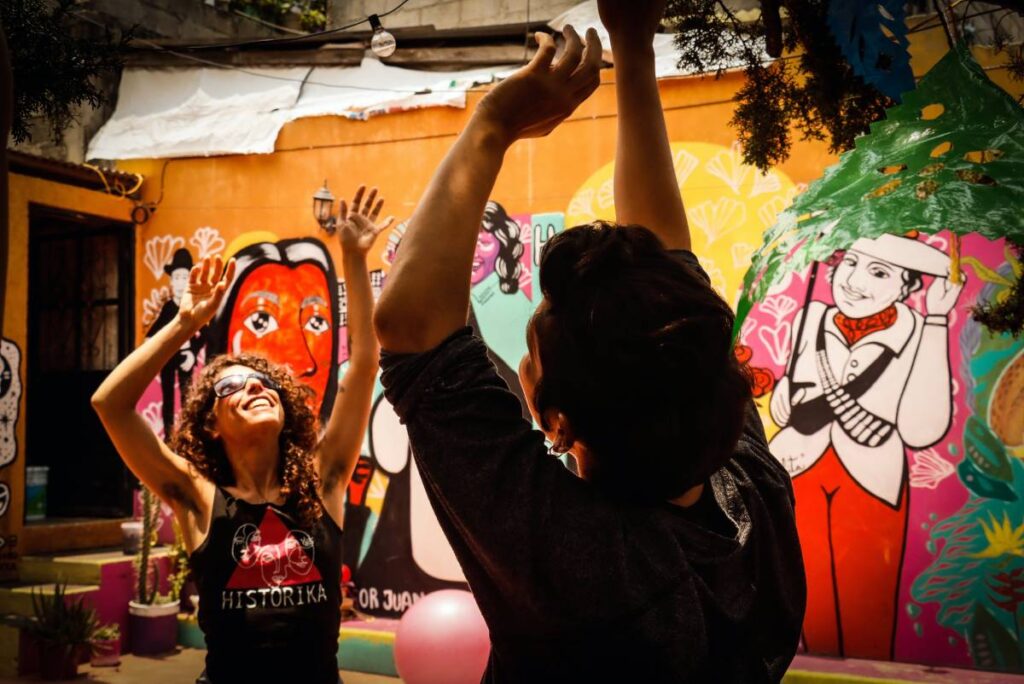
In addition, time is divided between workshops, concerts, or simply chatting.

María Moctezuma, one of the artists who has performed at Histórika Gio is another member of the collective that promotes this project, here in the percussion workshop. Percussion classes at Histórika. Histórika Music and Percussion Workshops.
Therefore, in addition to the expected hostel experience, those who arrive can meet other creators. And beyond that, Yanil points out that they are constantly moving out of their comfort zone, because a traveler might meet a woman who is a refugee there, fleeing a situation of domestic violence. The interaction can be such that, despite the difference in their lives, both people (the traveler and the refugee) can create a bond, empowering each other . “Ah, this also happened to me, but I can also empower myself like that other woman,” Yanil explains.
Far from the patriarchy
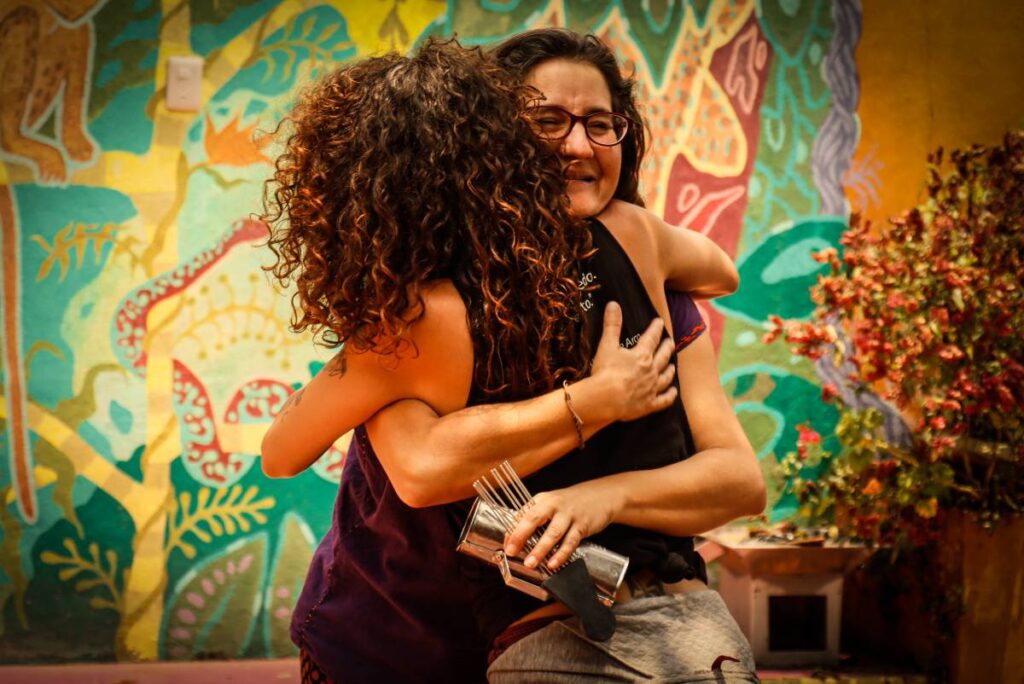
That's why, in addition to the diversity of people and stories, Yanil says that "the house is also permeated by emotions, opening yourself up to feeling in harmony. Connection is the most political aspect, it's the greatest revolution, truly wishing the best for the other person, that they shine, thinking that the cause is much more than a person or a slogan, that we are a support network. Empathy is worked on concretely with the body; we truly embody each other.".
Almost a year after its creation, the Histórika team knows there's still much to come. Julia, Primavera, Gio, and Ambar accompany Yanil. In the coming months, they'll be expanding the project by experimenting with food sovereignty and developing agroecological projects (growing vegetables for their own consumption) , continuing to support female artists and musicians, and seeking funding to expand Proyecto Fénix and build a better-equipped space to receive women and gender-diverse people who need refuge from gender-based violence. "The more we can distance ourselves from the dynamics of the traditional patriarchal system, the better," Yanil states clearly.
We are present
We are committed to journalism that delves into the territories and conducts thorough investigations, combined with new technologies and narrative formats. We want the protagonists, their stories, and their struggles to be present.
SUPPORT US

FOLLOW US
Related notes
We are present
This and other stories are not usually on the media agenda. Together we can bring them to light.