

In photos: First plurinational march for historical reparations for transvestites and trans people
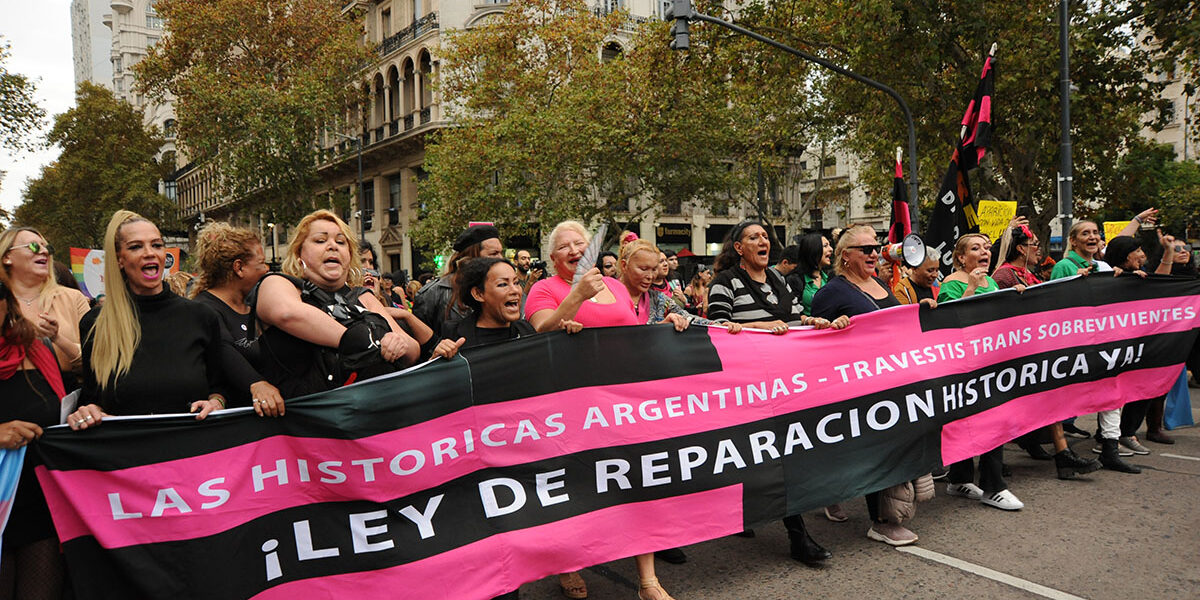
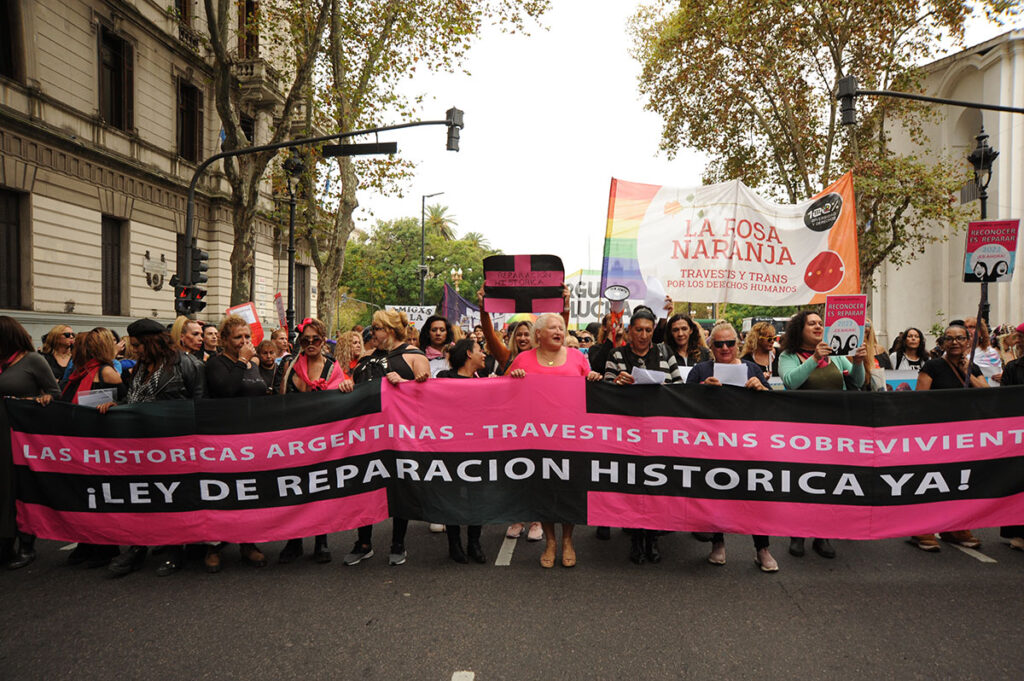
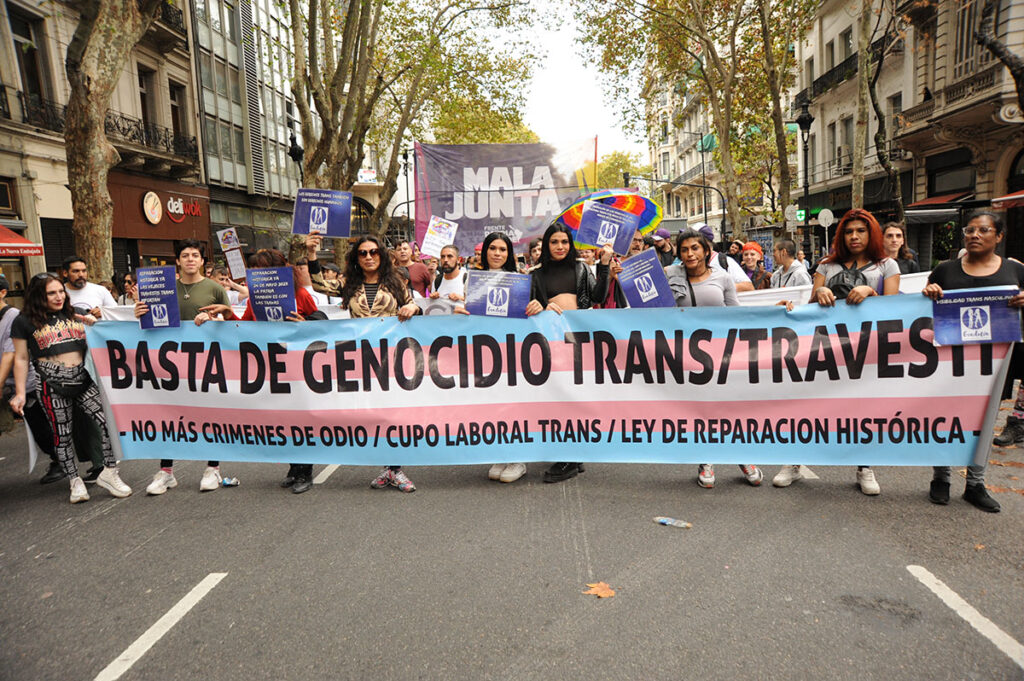
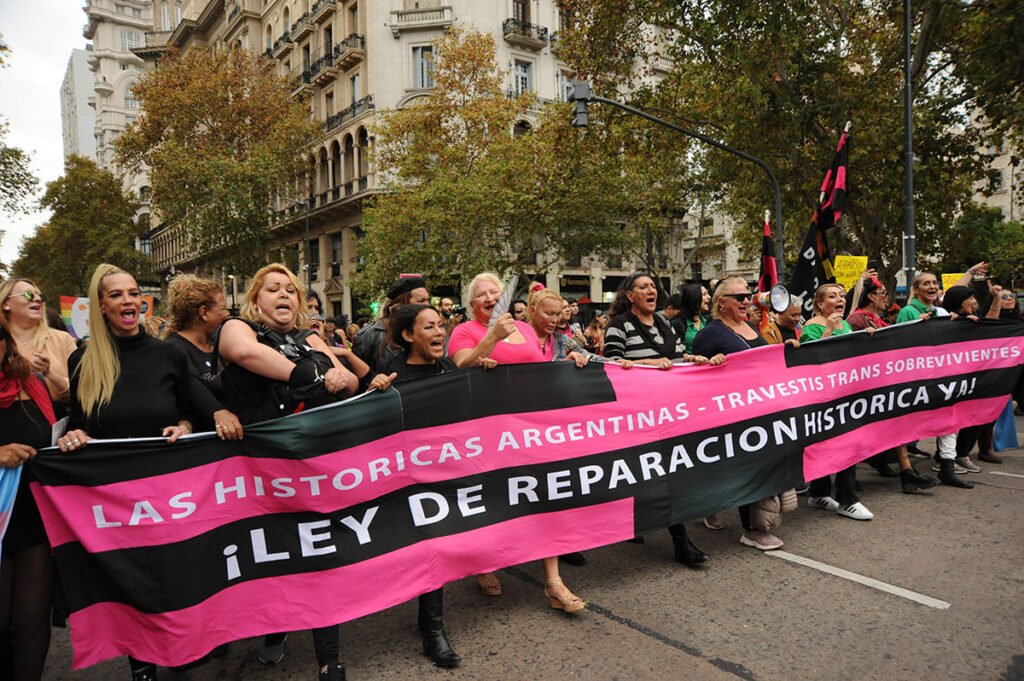
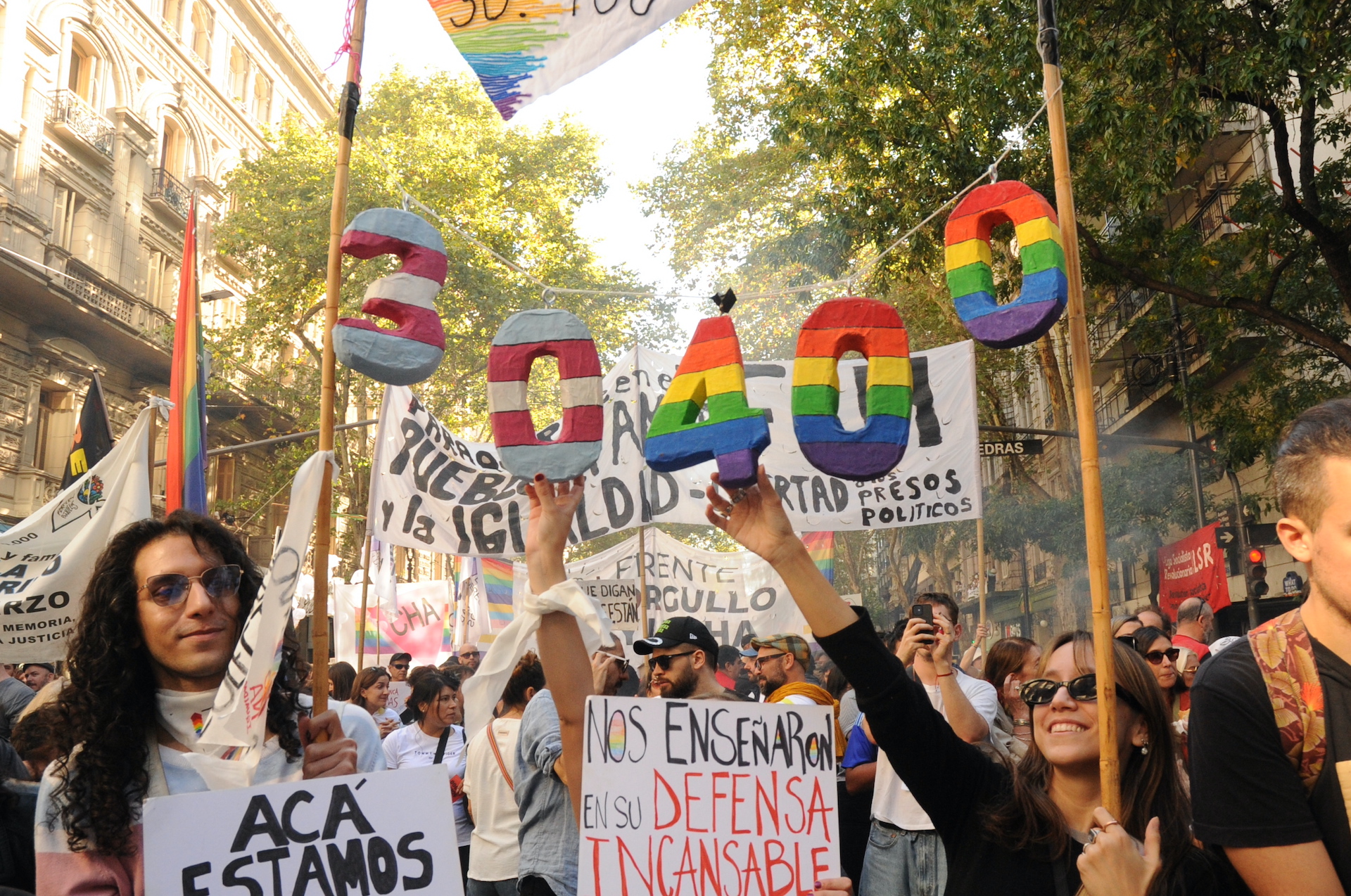
Photos and chronicle of the First Plurinational March for a "Historical Reparation Law Now for transvestites and trans people", which traveled through the streets of Buenos Aires from Avenida de Mayo to the National Congress.


Share

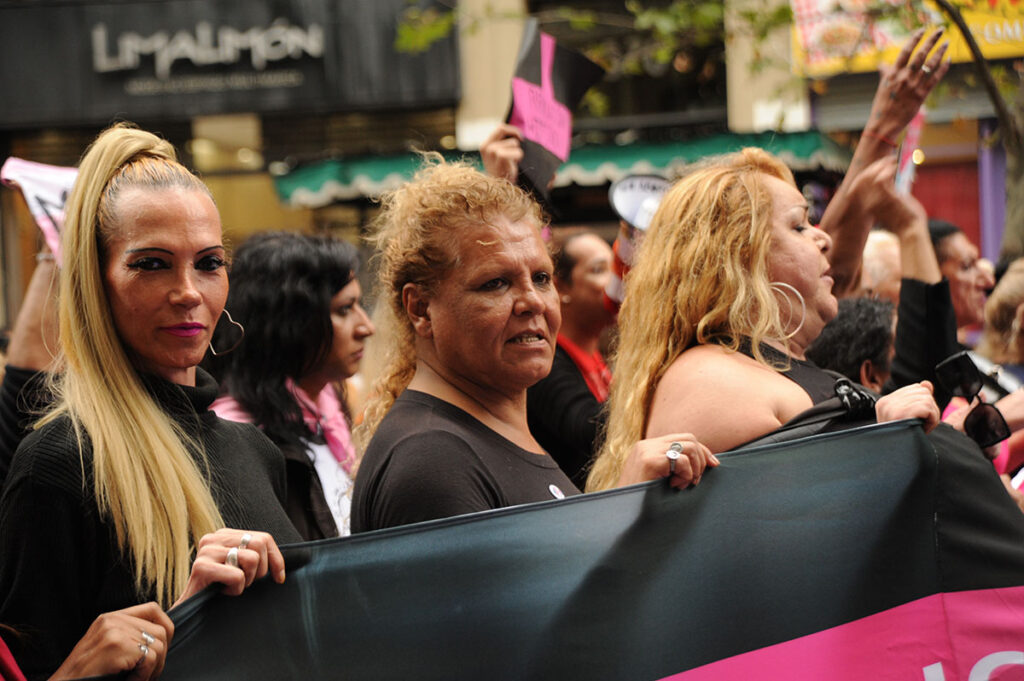
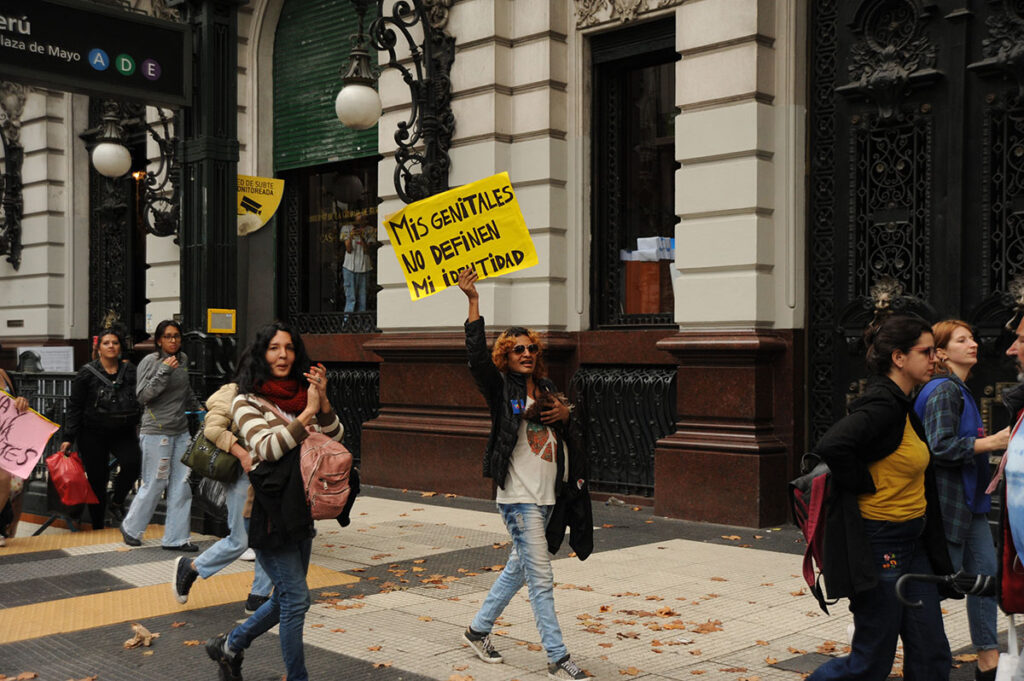
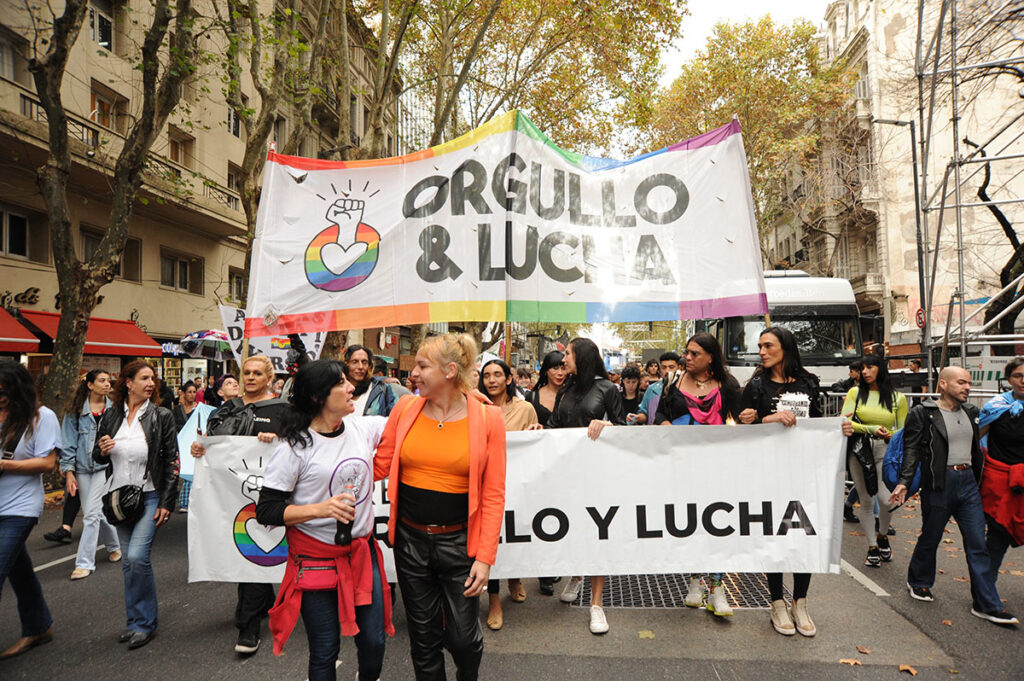
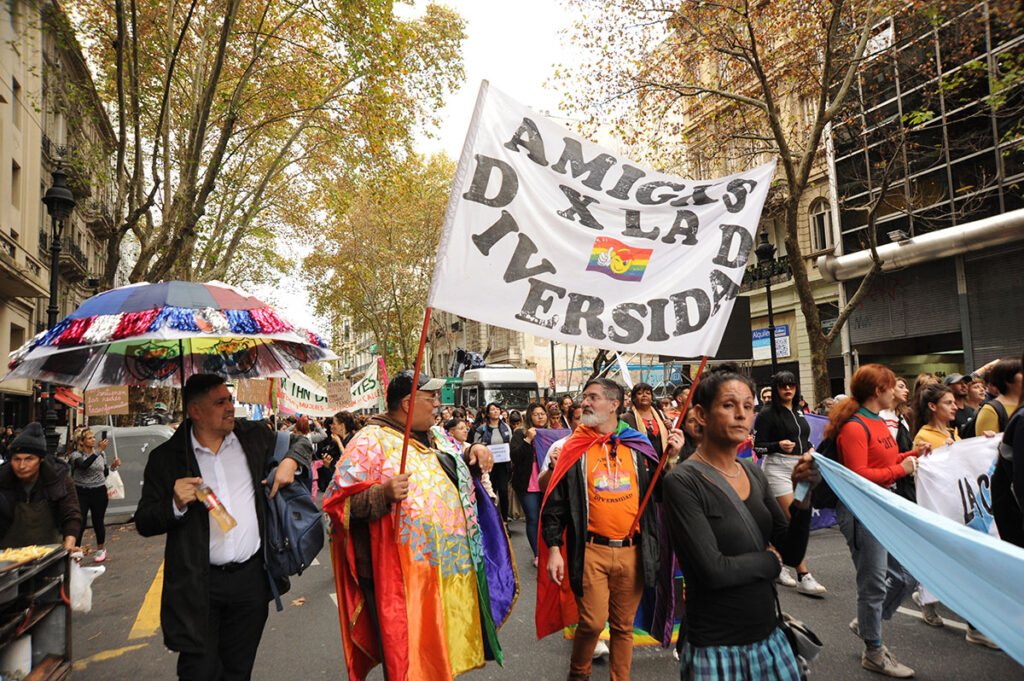
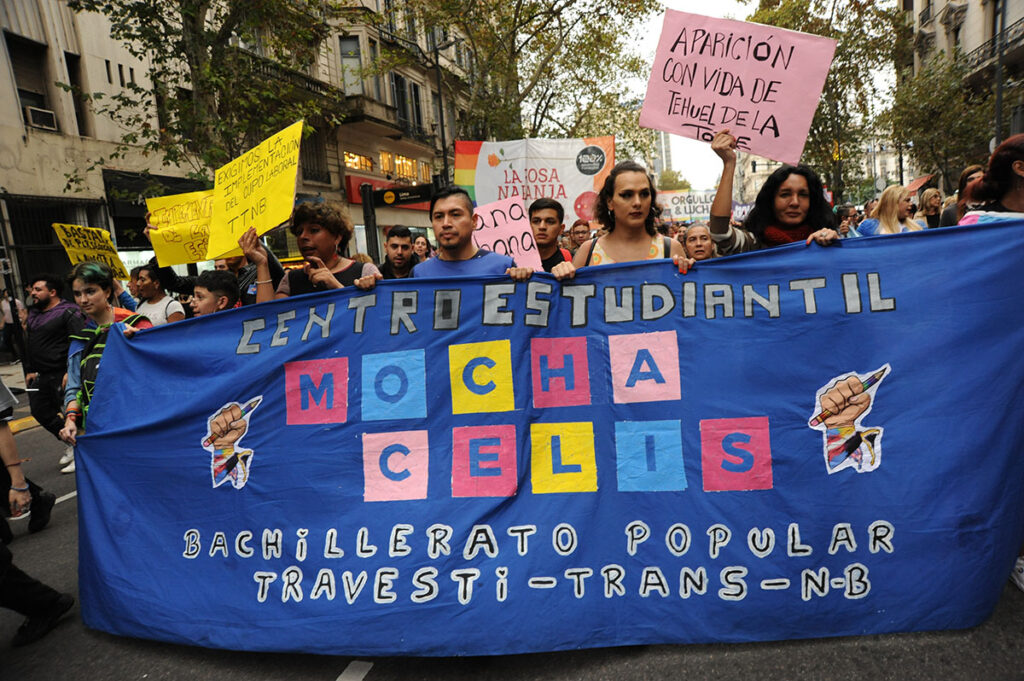
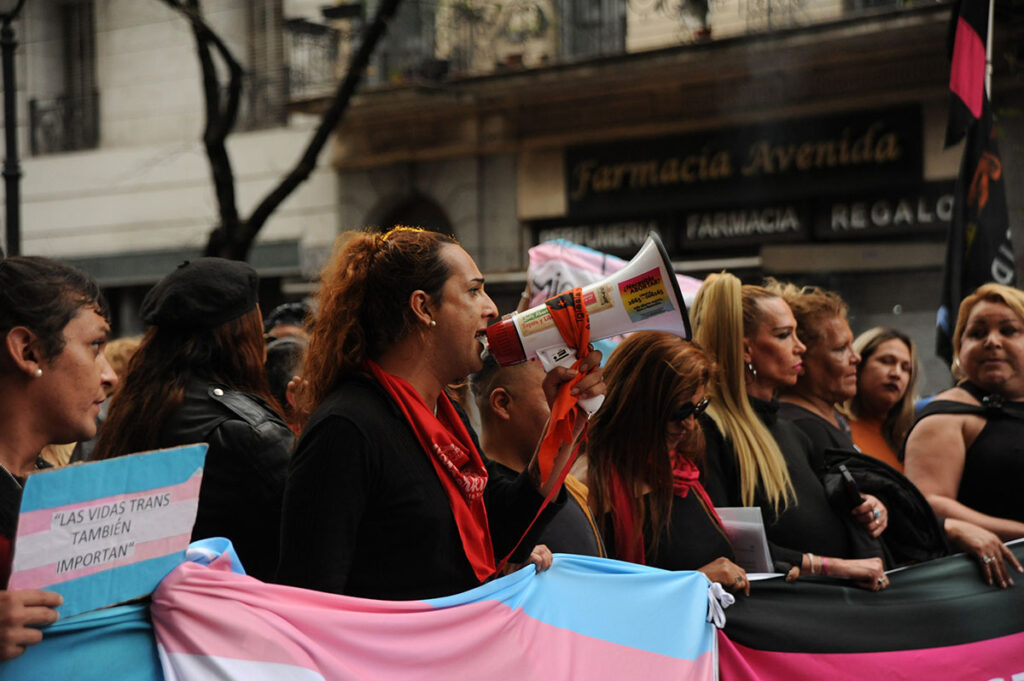
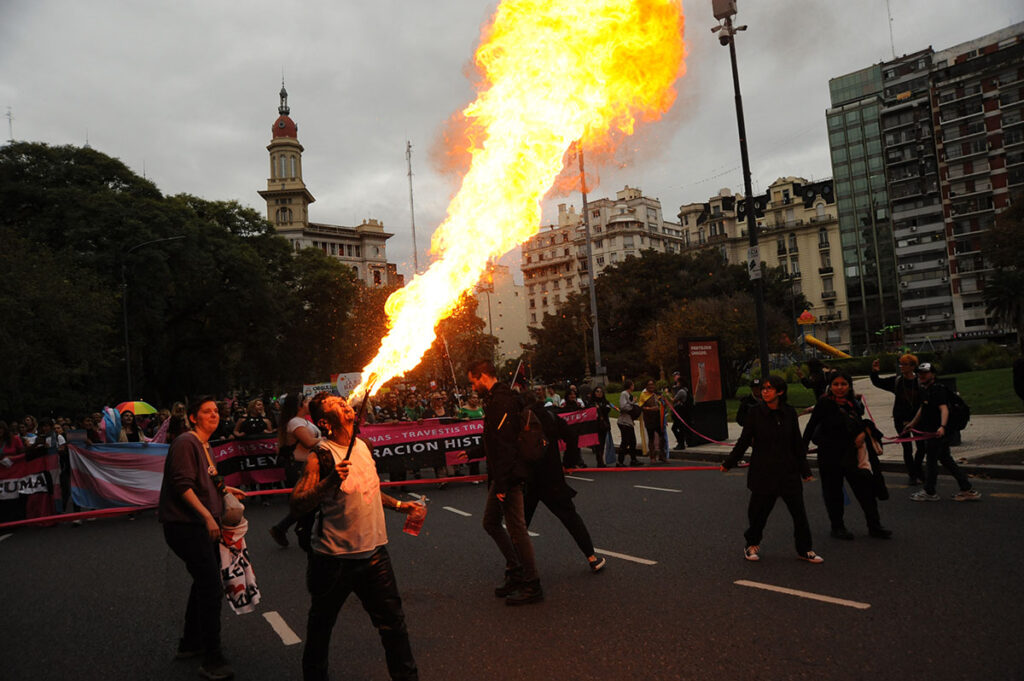
BUENOS AIRES, Argentina . More than 90 organizations participated yesterday in the First Plurinational March for a "Historical Reparation Law Now . It was also a historic march for being the first of its kind—it is estimated that more than 2,000 people participated—and for the large number of transvestite and transgender people who came from various provinces to participate in the event organized by the organization Travestis-Trans Las Históricas Argentina .
Also present were LGBTQ+ groups, social organizations, and some student, political, and union activists. Even transvestites and transgender survivors of state terrorism who went into exile in Spain and Italy were also in attendance. Among them was Fabiana Gutiérrez, one of the five transvestites and transgender people who testified a few weeks ago in the trial for crimes against humanity committed at the Banfield Detention Center, where she was taken as a teenager.
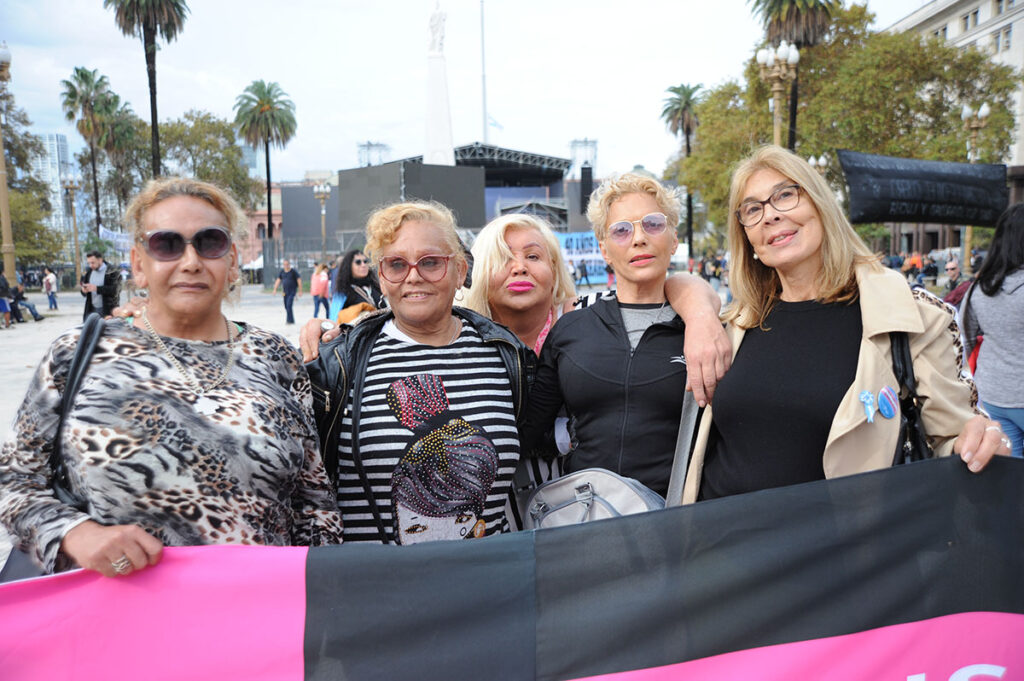
“Repairing things is almost impossible. But perhaps this is an opportunity to bring the country face to face with a community that hasn't yet looked deeply enough. We need to address the country's emotional agenda,” said artist and activist Susy Shock, who participated in the march.
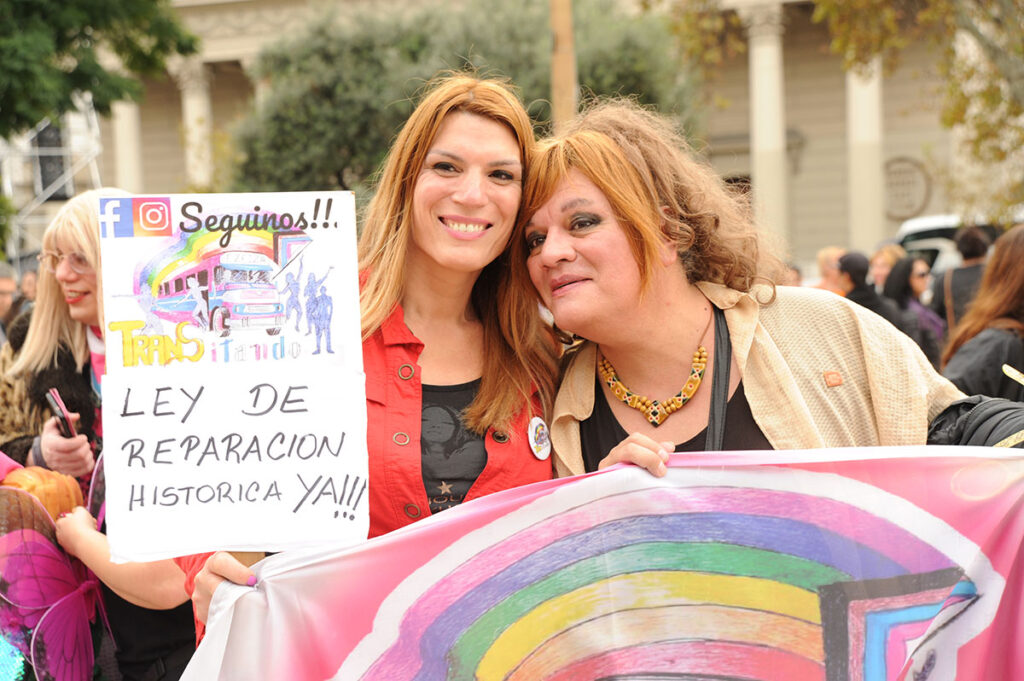
Sonia Hernández from the Trans Memory Archive stated: “As an adult trans woman, I was left out of the system. In all governments, both military and democratic.”
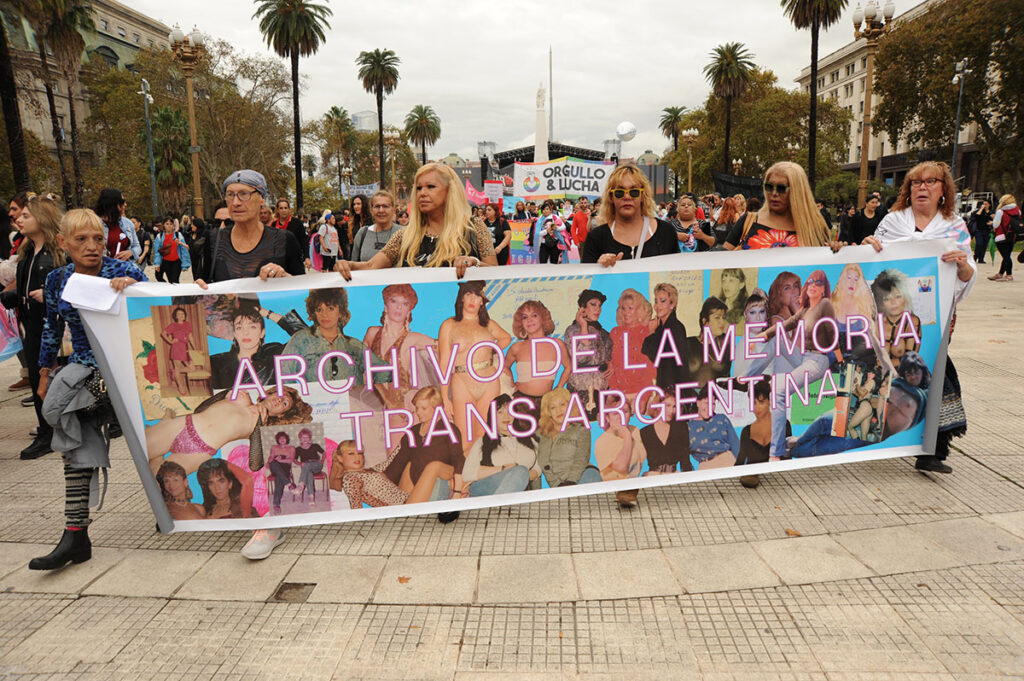
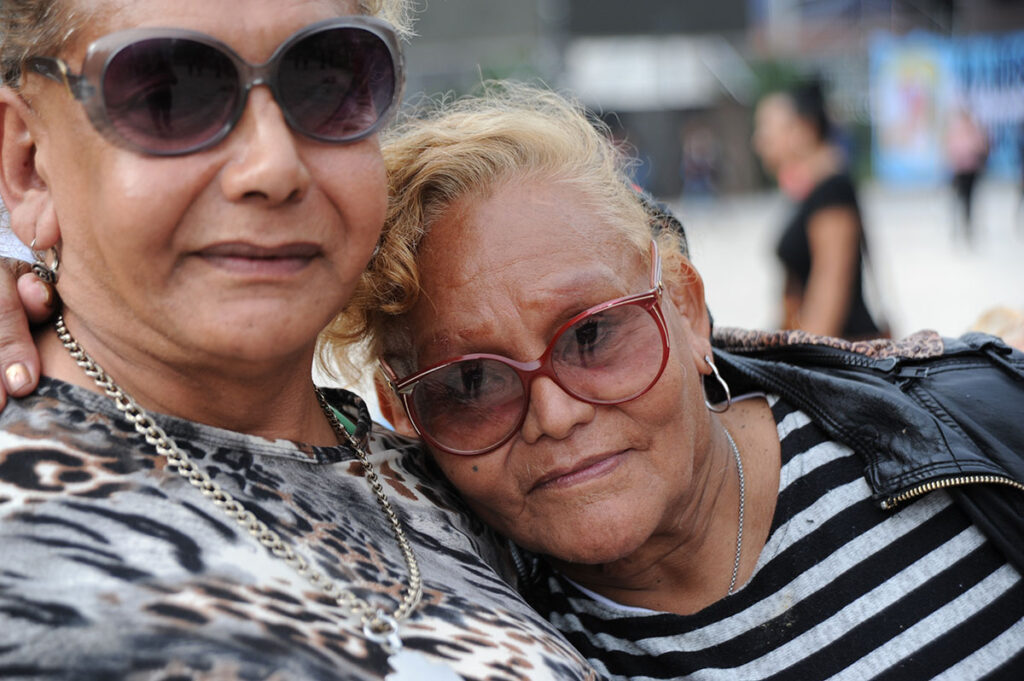
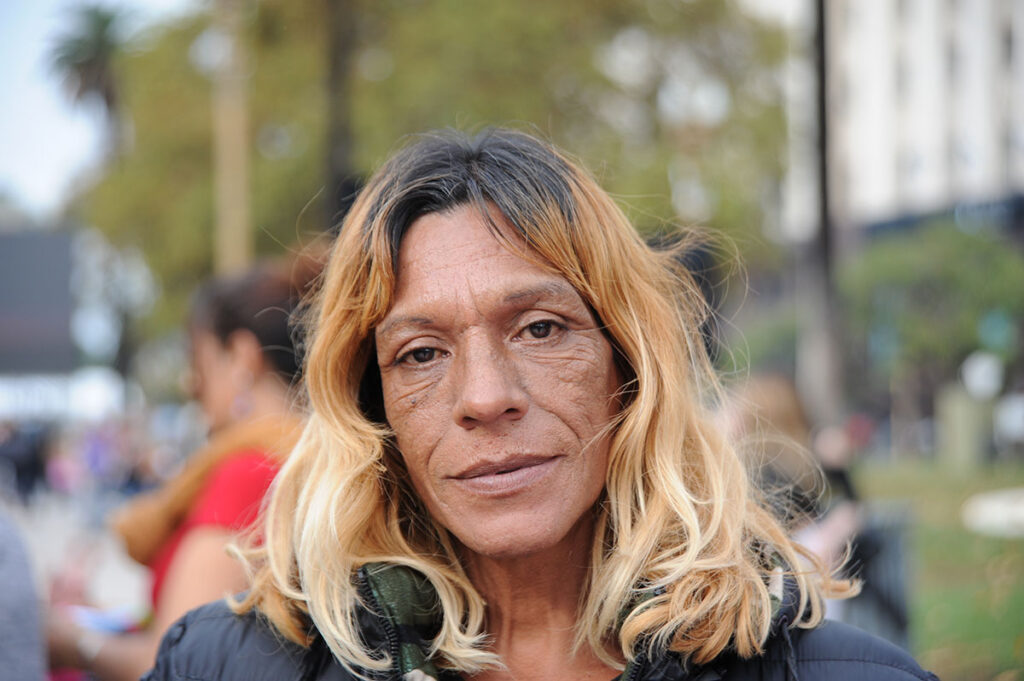
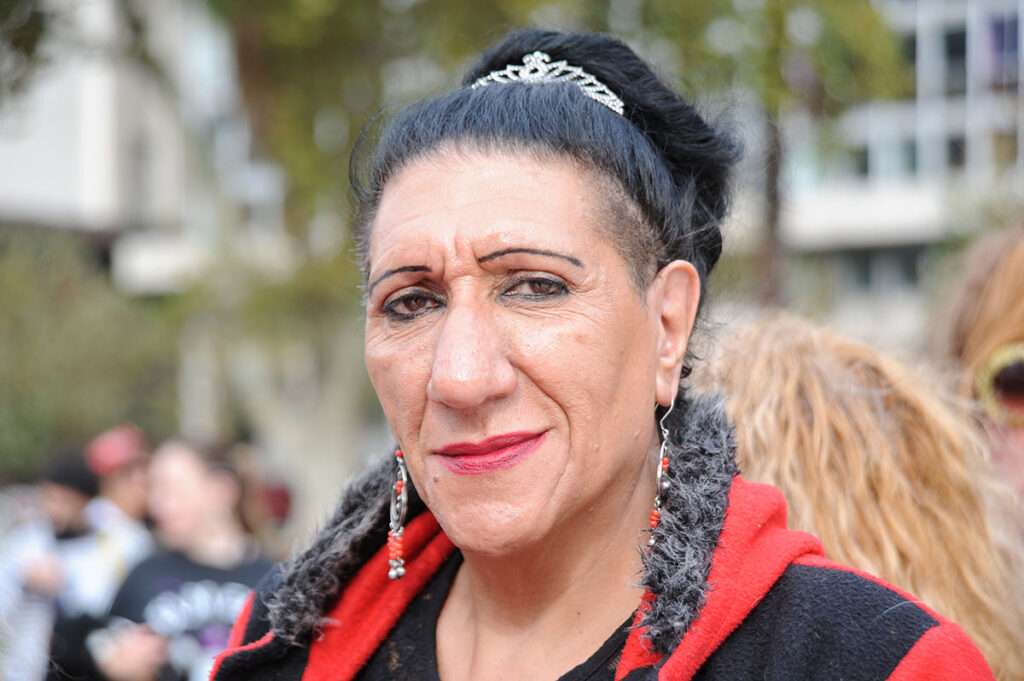


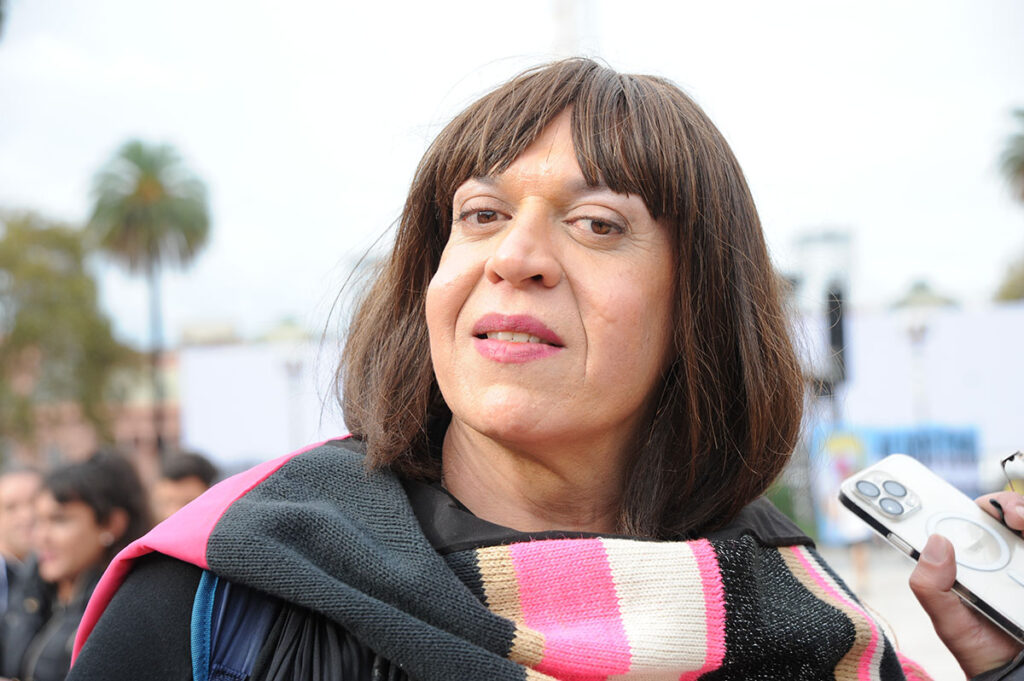
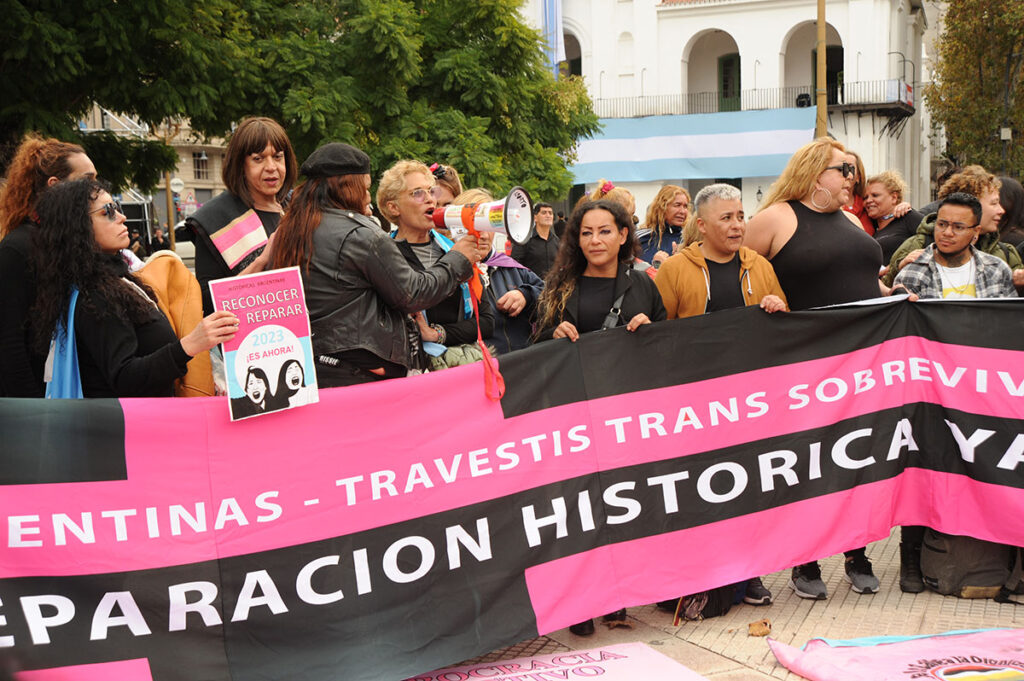
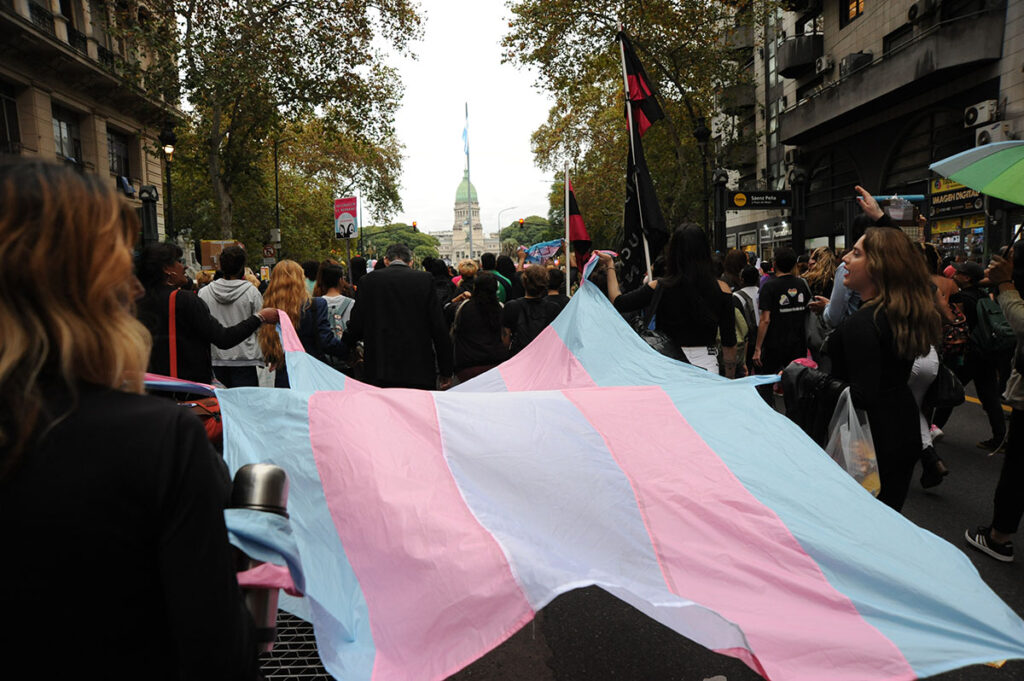
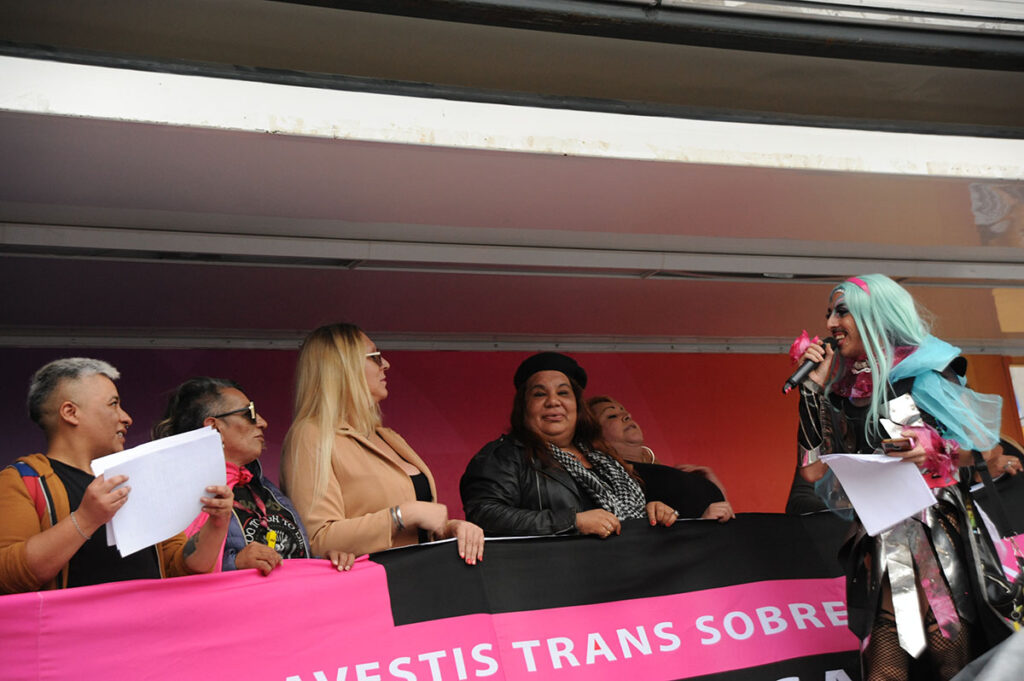
The march set off around 5:00 p.m. from Plaza de Mayo, where the groups had gathered beforehand to prepare a communal meal, and proceeded along Avenida de Mayo to the National Congress. There, the activists took turns reading the statement. The day concluded with a festival that lasted into the night.

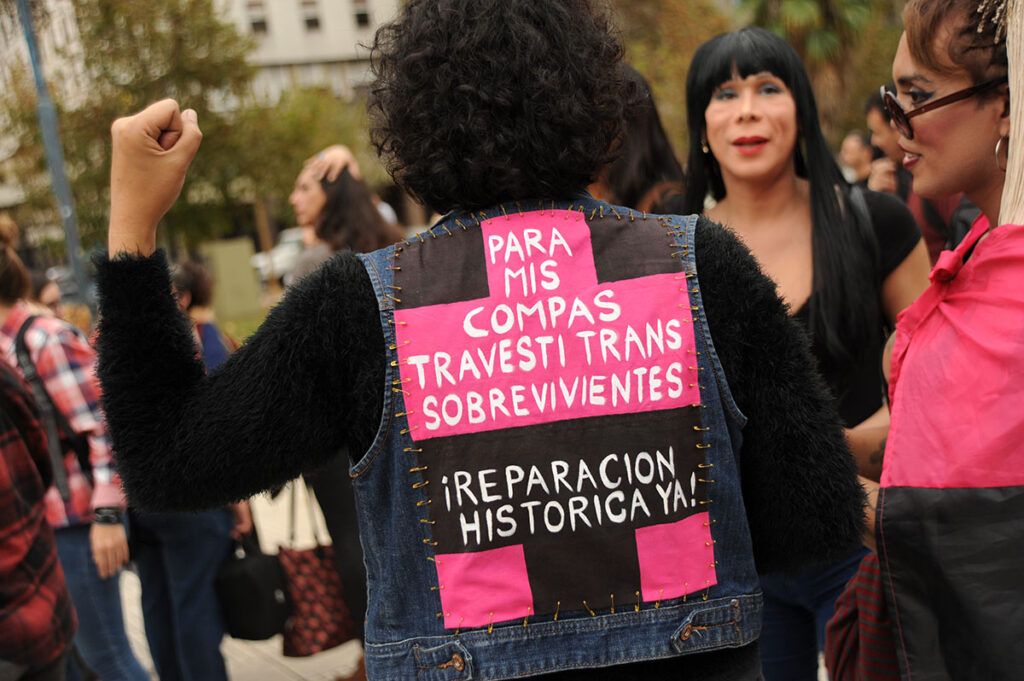
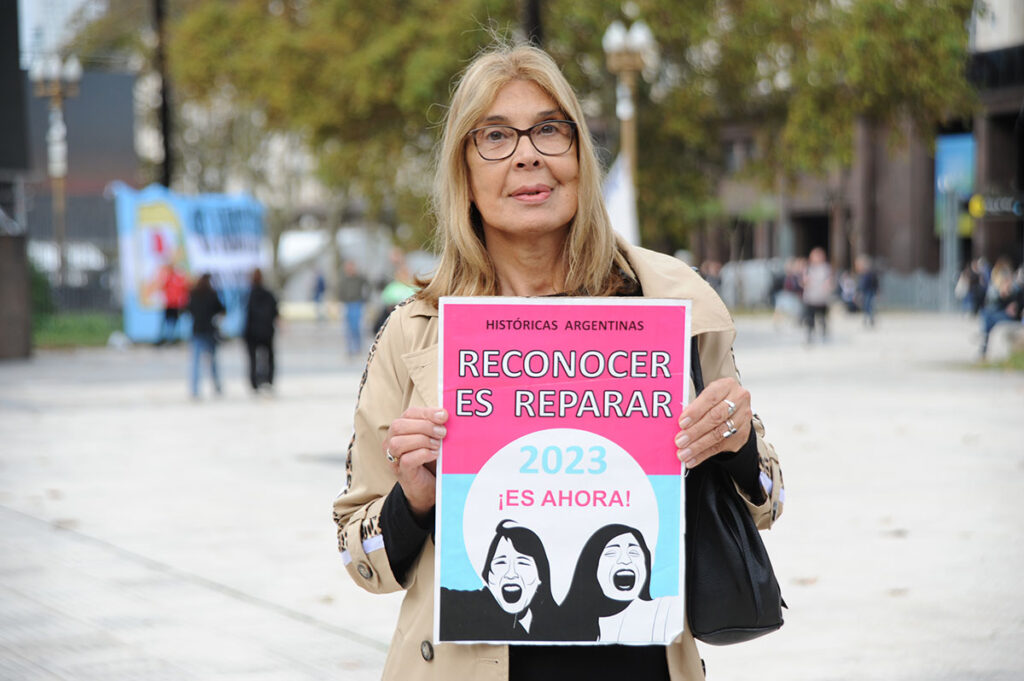
To recognize is to repair
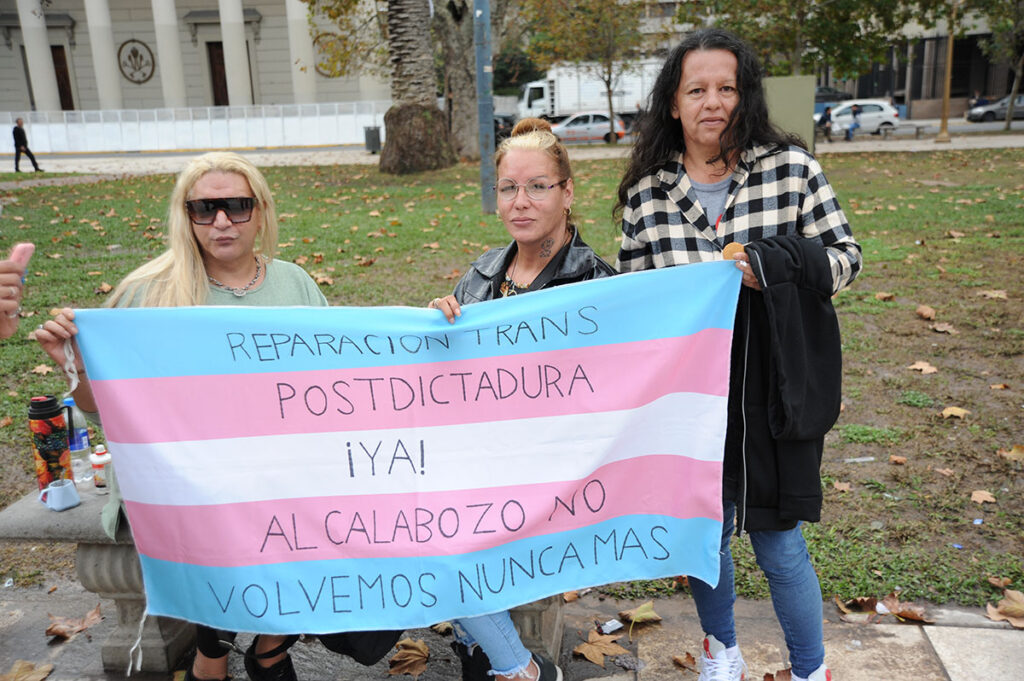
Eleven years after the legal recognition of gender identity in Argentina— the law that brought democracy to trans and travesti people—the community is now demanding reparations for survivors, victims of institutional violence. "It's a recognition of all the harm they caused us ," the activists stated. The harm was inflicted not only during the State Terrorism in Argentina (1976-1983) but also in the years that followed, when police edicts and regulations continued to stigmatize these communities with physical and psychological violence, arbitrary arrests, torture, sexual abuse, and fabricated charges.
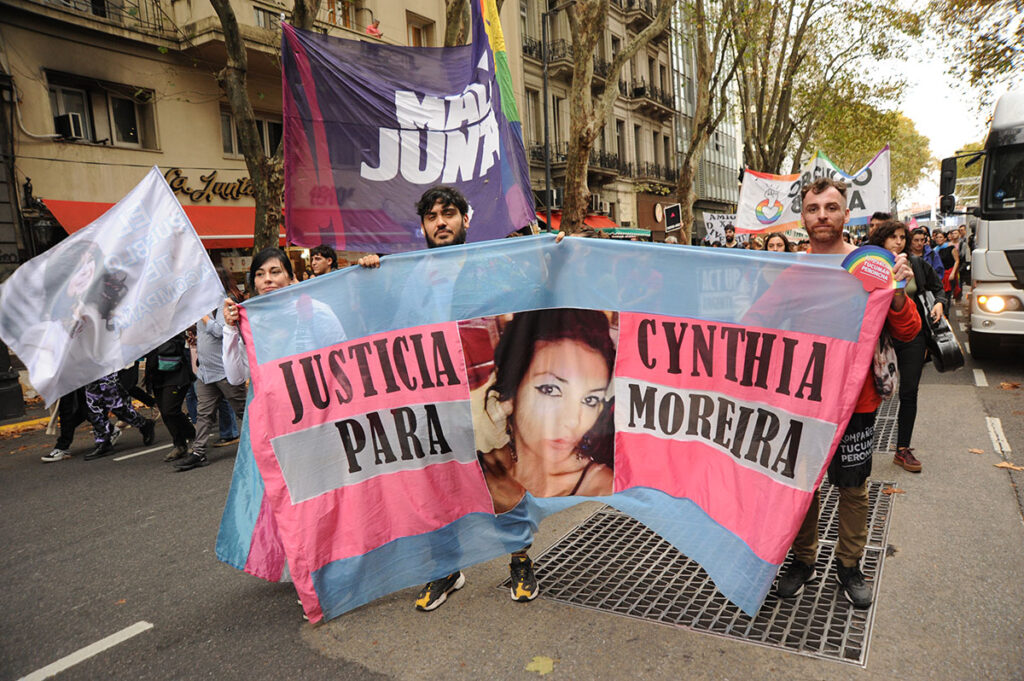
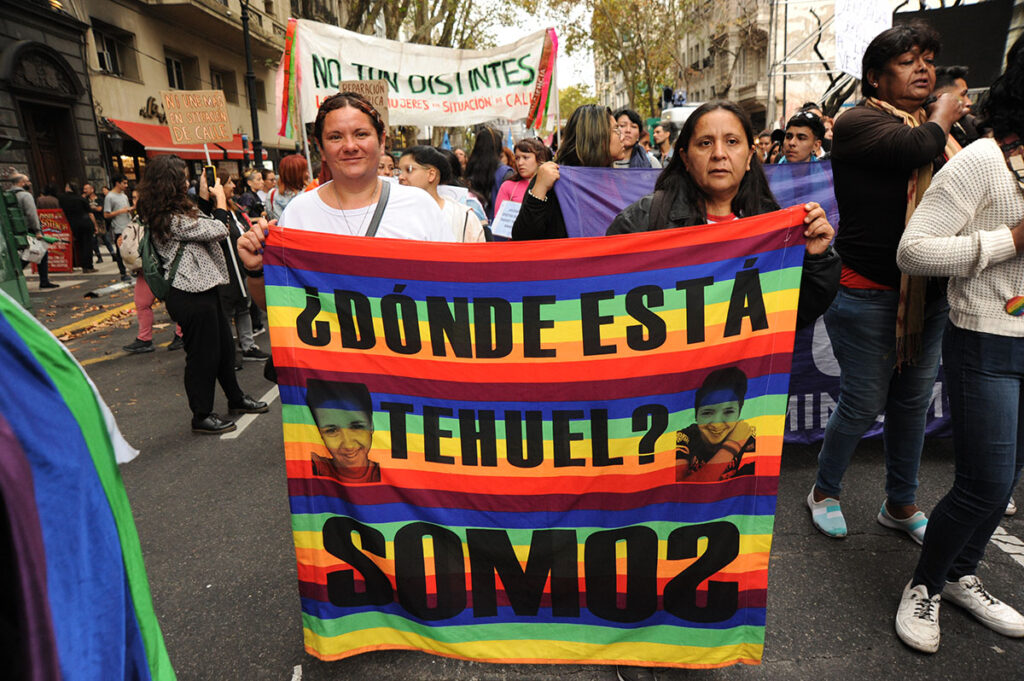
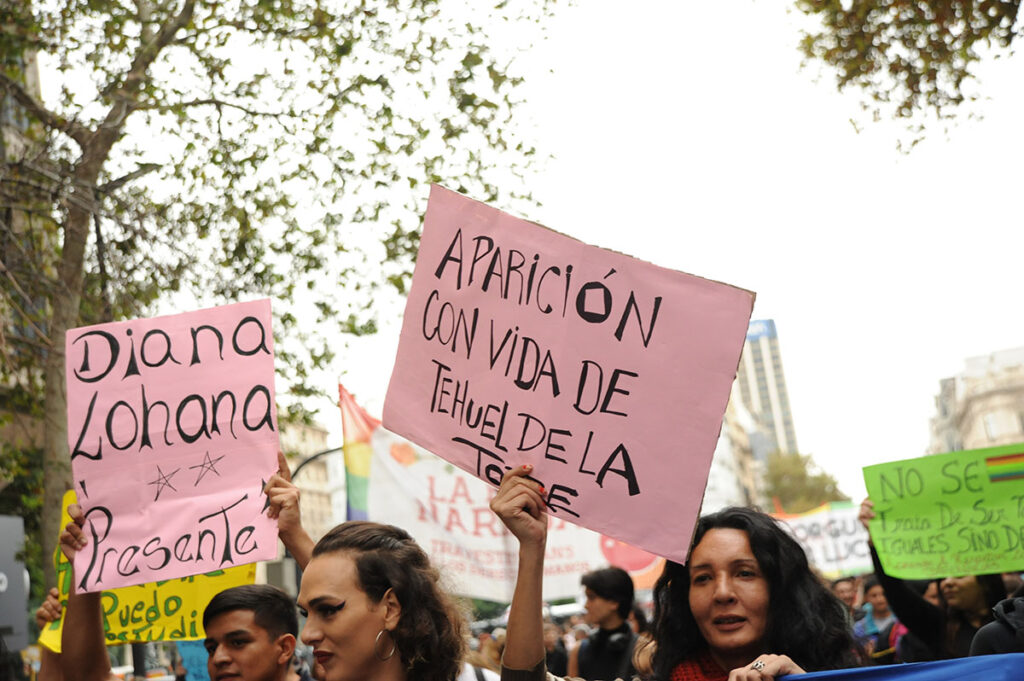
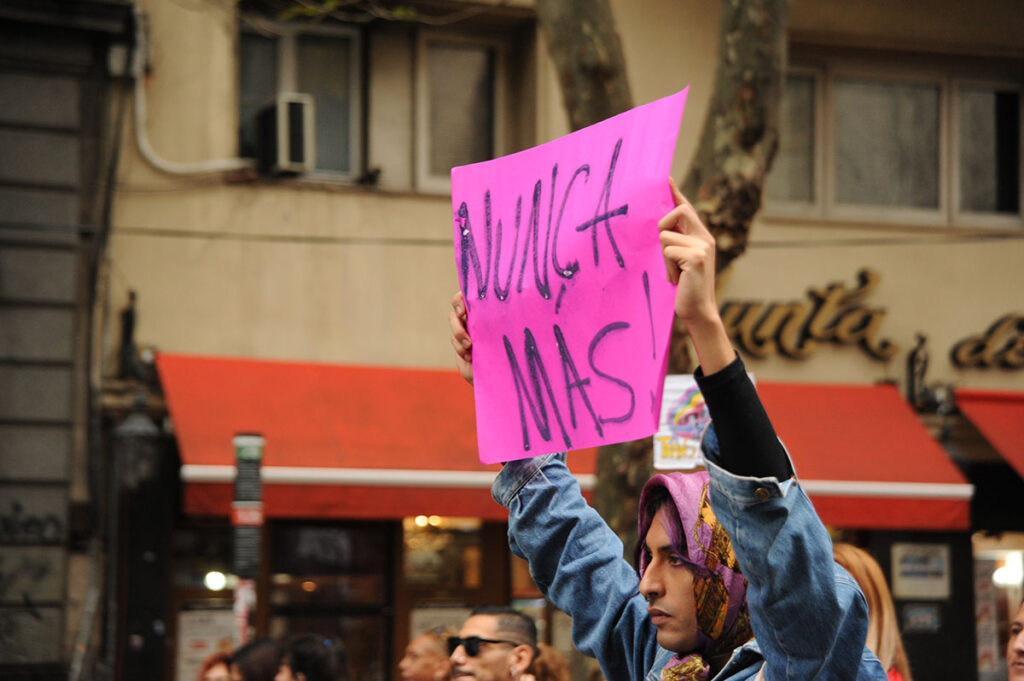
Throughout the march, the names of Diana Sacayán and Lohana Berkins were present in the chants and on the signs. So too were the names of many other victims of violence who continue to demand justice. There were also calls for Sofía Fernández, whose suspicious death in a police station is still under investigation; for Cynthia Moreira , murdered in Tucumán; and for so many more. The question "Where is Tehuel ?" echoed along the march, a reminder of the ongoing question about the young trans man who remains missing.
Janet Morales arrived from Mendoza, like many other women who came from different provinces of Argentina to Buenos Aires. In her speech, she recalled the unpunished transfemicides of Josefina Cruceño and Melody Barrera.



Three reparations bills
In the morning, the Chamber of Deputies began debating the bills for historical reparations for trans and travesti people. The speeches delivered on Wednesday, May 24, inside the Congress building featured trans and travesti activists, leaders, and officials. All of them, with their diverse arguments, spoke about the exclusion and structural violence that this sector of the population has endured. They emphasized the urgency and necessity of guaranteeing income equivalent to the Universal Pension for Older Adults.
“We are here to safeguard the future of our girls, boys, and children. To build them a future free from horror, we know their capabilities and we demand that they work on a law that provides satisfaction to the victims and guarantees of non-repetition,” said activist Marlene Wayar, director of the Futuro Trans Civil Association , social psychologist, journalist, and writer, in Congress.
The initiatives - there are three projects in Congress - promote legislation that allows the delivery of a monthly and reparative pension to trans and transvestite people over 40 years of age who have been victims of institutional violence based on their gender identity.
One bill was introduced by Representative Mónica Macha , another by Mara Brawer , and one by Gabriela Estevez , all from the Frente de Todos coalition. "They are working with advisors from the Women's Commission to draft a summary bill so they can issue a ruling," Brawer told Presentes , clarifying that "the idea is to get it passed this year."
Furthermore, in the province of Buenos Aires, at the initiative of the Ministry of Women, Gender Policies and Sexual Diversity , Governor Axel Kicillof sent a bill to the legislature last October seeking to recognize and provide reparations to the LGBTQ+ community. "The bill is very far along," Tobaldi told Presentes referring to the initiative, which she considers "a significant improvement" compared to others.
Among the speakers at the closing of the march outside Congress was Representative Mónica Macha. After her remarks highlighting the importance of finally addressing the issue, activists read the document. Representatives of trans women and transvestites, as well as trans men, took to the stage to demand not only historical reparations but also access to housing policies, the effective implementation of employment quotas across all branches of government, access to healthcare and education, and the full exercise of all rights necessary for true citizenship and democracy.

We are present
We are committed to journalism that delves into the territories and conducts thorough investigations, combined with new technologies and narrative formats. We want the protagonists, their stories, and their struggles to be present.
SUPPORT US

FOLLOW US
Related notes


We are present
This and other stories are not usually on the media agenda. Together we can bring them to light.
1 Comment