

Eleven police officers found guilty of sexually abusing cis and trans women at a police station
Women and transgender people suffered severe abuse and torture for four months while in detention. The trial was by jury, and they are now awaiting sentencing.


Share

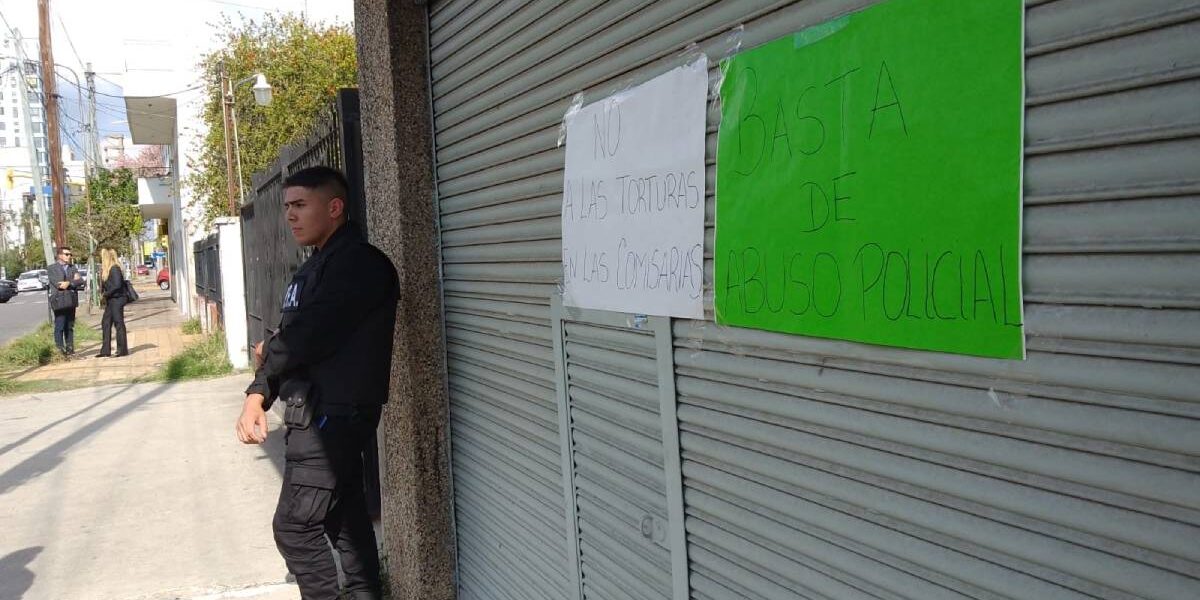
BUENOS AIRES, Argentina. A jury found 11 police officers guilty of harassment and sexual abuse. The victims were 28 cisgender and transgender women who continue to suffer the effects of the violence they endured, with persistent psychological and physical injuries. They refuse to speak. They live in fear.
The sentencing hearing was scheduled for Wednesday, May 10, but was postponed. During that hearing, the parties requested the sentence from Judge Gerardo Gayol of the La Matanza Criminal Court No. 4. The 12 jurors unanimously agreed to find 11 of the 15 Buenos Aires police officers guilty. The verdict was announced on Saturday, April 22.
Despite regulations prohibiting it, police stations continue to hold detainees far beyond their capacity. The reason? Prisons are also overcrowded, and the incarceration rate keeps rising.
The case
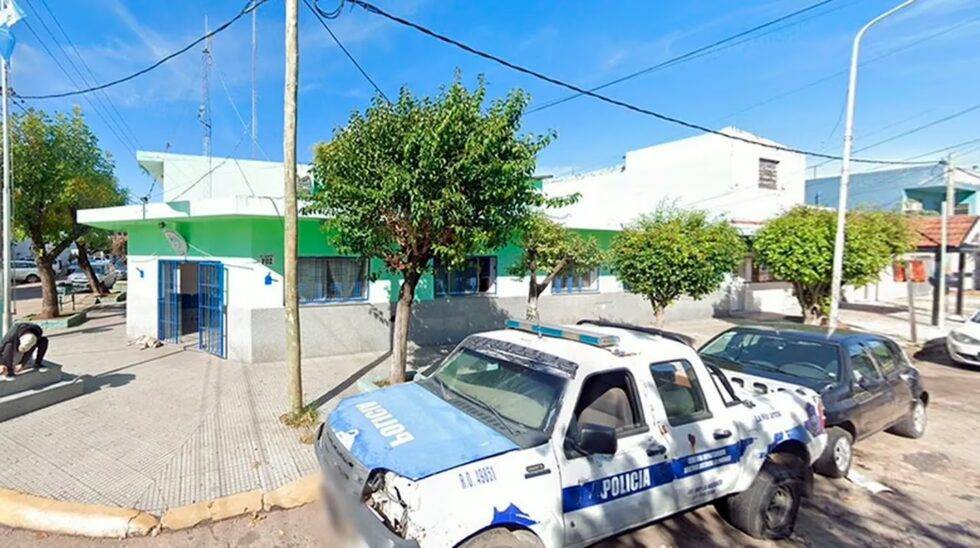
The reported events took place at the 3rd Police Station of La Tablada, in La Matanza, between September 2019 and January 2020.
The police officers were found guilty of very serious crimes. Sub-Commissioner Lionel Maximiliano Gómez, Ángel Ariel Reales, and Javier Ramón González were found guilty of aggravated assault and sexual abuse; Valeria Suárez, Silvia Solari, and Lara de las Nieves Taramazzo were found guilty of aggravated assault; Silvina Suárez was found guilty of sexual abuse; and Hernán Garzón, Yanina Vargas, Johanna Romero, and Franco Hinojosa were found guilty of harassment. Maida Ruiz, Cristian Aliaga, Leandro Maidan, and Ariel Pasquale were found not guilty by the jury.
The criminal case also involved six other police officers, members of the Departmental Support Group (GAD), charged with covering up these events; five of them signed plea bargains. One of the abuses committed by GAD occurred after a protest when they locked ten female detainees in a tiny bathroom. They forced them to undress and, after beating them, made them do strength exercises while yelling at them, “fucking niggers,” “whores,” “filthy.”
Desamparadas
Another incident occurred during a search for a cell phone. The victims stated that a police officer from the station searched at least four people's private parts with his fingers and the same pair of gloves. The searches were conducted without a warrant, and a scanner was available at the location. Therefore, the procedure could have been avoided.
Furthermore, it was revealed at the trial that theft and destruction of food brought in by the families of the detainees was commonplace, as was extreme isolation as a form of punishment in small cells for extended periods, where they were forced to urinate and defecate in bottles and disposable bags. They were also starved; fresh food was thrown into the courtyard and left to spoil in plain sight.
They were given water in conditions that were dangerous to their health.
The context
The case can (and should) be viewed as a series. Sofía Fernández (39) died in a cell at a police station in Pilar, and it is still unknown what maneuver caused the asphyxiation that ended her life. Last year, Sasha Barrionuevo (38) died in custody in Mar del Plata due to lack of medical attention. She was being held in cellblock 44 of the Batán Prison Complex. She had lost more than 30 kilos recently, was losing her vision, and had almost no mobility when she was taken (too late) on a stretcher to receive care outside the prison.
According to a report issued by the Argentine Federation of Lesbians, Gays, Bisexuals, and Trans ( FALGBT ), there were 129 hate crimes in Argentina during 2022. Of that total, 5% were perpetrated specifically by members of the security forces in the exercise of their state function, constituting cases of institutional violence. The report also indicates that 84% of the cases (108) involved transgender women as victims. Of those, 12 were murdered.
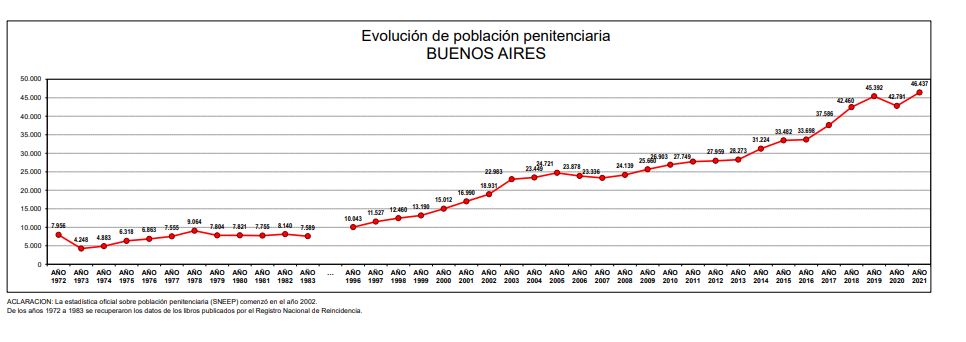
According to the National System of Statistics on the Execution of Sentences , the country's official prison statistics, which show the evolution and characteristics of the incarcerated population in penitentiary units, in 2021, in the Province of Buenos Aires, there were 92 transgender women and one transgender man detained , out of a total of 46,437 people. Women numbered 1,689, meaning that men represent 96.2% of the total prison population. Information on what happens in police stations is not publicly available, but it can be inferred that the proportions are similar. Let's see how the number of detainees is growing without this strategy significantly improving security levels.
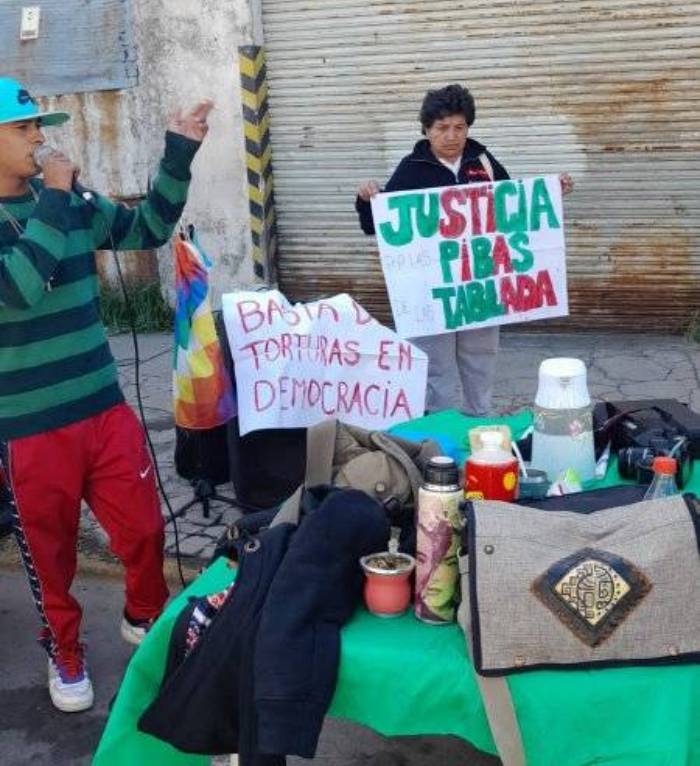
Photo: Permanent Assembly for Human Rights (APDH) La Matanza.
The trial
Lily Galeano is a member of the HIJOS group in La Matanza. She is one of the activists who supported the development of this trial. “My perspective as a daughter, in this other type of trial, so closely linked to social justice,” she says, comparing it to the experience of being the daughter of disappeared persons from the last civic-military dictatorship (1976-1983), a state terrorism that also targeted the trans community .
The woman builds an activism rooted in her territory, centered in the most populous district of Greater Buenos Aires. She supports families facing ongoing situations of serious human rights violations, which continue to be (re)produced to this day.
“The trials against the perpetrators of genocide already have a different framework,” she points out, “a different legal system, a different level of social acceptance. But in trials for police brutality, for example, there are other stereotypes that carry social weight: the petty thief, the trans person, the sex worker. These are social subjects who continue to encounter multiple barriers, both economic and symbolic, to accessing justice,” Lily explains.
“It was a trial against poor women, and a class-based trial: sexist, racist,” she emphasizes in an interview with Presentes . This is one of the reasons why the victims don't feel safe speaking out. The defense of the accused police officers was very aggressive toward them. It was to no avail with the jury, who “understood the victims' pain” and decided to protect them and convict the police officers.
The Provincial Commission for Memory represents 17 of the 28 victims. As a plaintiff, it denounced the "systematic nature" and responsibility of the institution in practices that constitute acts of torture, with the intention of causing serious suffering and pain to the victims, given that they are public officials with the duty to ensure the safety and integrity of detainees.
A network of good
The judicial investigation began with a complaint from the General Defender's Office of La Matanza and the then-Defender of Cassation, Mario Coriolano, who channeled a habeas corpus petition filed by relatives of the victims and a subsequent criminal complaint from the CPM on January 21, 2020.
The hearings were accompanied by HIJOS and APDH of La Matanza, the La Matanza district of Suteba and gender and human rights collectives from the region.
We are present
We are committed to journalism that delves into the territories and conducts thorough investigations, combined with new technologies and narrative formats. We want the protagonists, their stories, and their struggles to be present.
SUPPORT US

FOLLOW US
Related notes
We are present
This and other stories are not usually on the media agenda. Together we can bring them to light.
1 Comment