

Historical Reparation Law: The Urgent Demand of Transvestite and Transgender Collectives
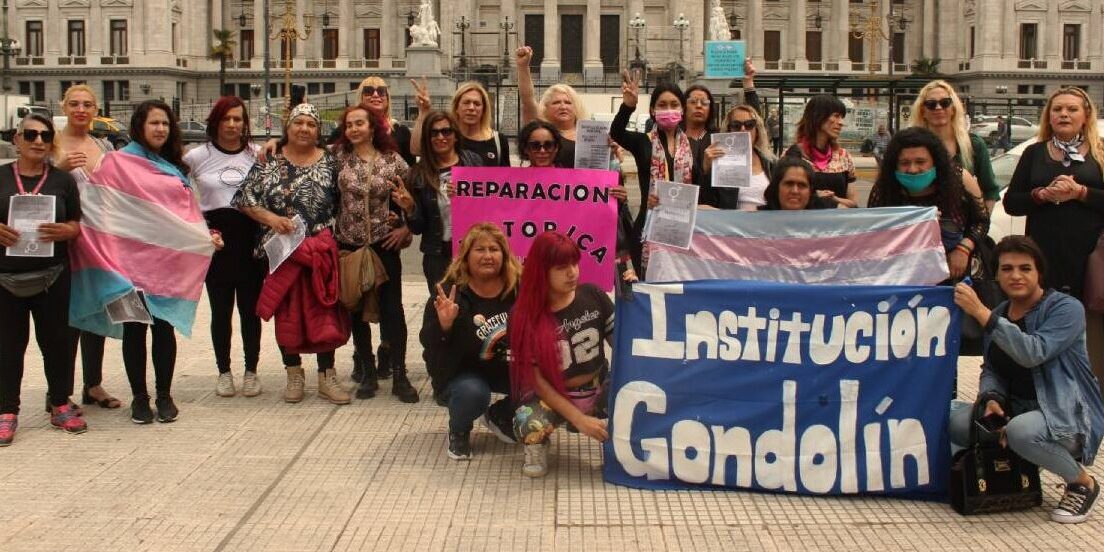
The transvestite and trans collective is calling for the first plurinational march for a historical reparation law.


Share

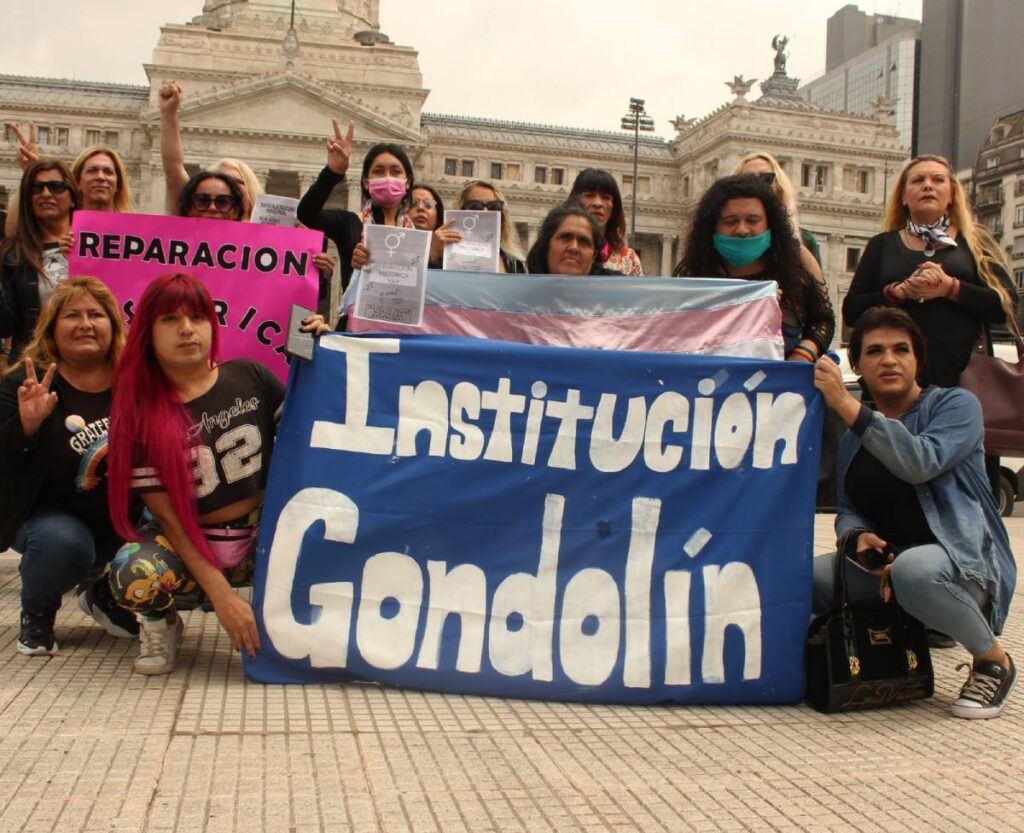
BUENOS AIRES, Argentina. Eleven years after the legal recognition of gender identity in Argentina— a law that brought democracy to trans and travesti people—the community is now demanding reparations for their past experiences. “It’s a recognition of all the harm they caused us,” say the activists. This May 24th, they will hold the . ”
“It’s a recognition of all the harm they caused us: the persecution, the rapes, the torture, the imprisonments, the murder of so many comrades and friends. It’s an institutional persecution by the State, by society as a whole, and even by our own families. They denied our existence, they killed us, and they outlawed us simply for existing Patricia Rivas, a 56-year-old trans survivor and activist with Travestis-Tras Las Históricas Argentina told Presentes .
This is a regulation that allows the delivery of a monthly and reparative pension to trans and transvestite people over 40 years of age who have been victims of institutional violence based on their gender identity.
A real democracy
The group warns that this violence occurred not only during the last military dictatorship. Democracy did not arrive for them in 1983 with the end of state terrorism. Police edicts that criminalized them simply for being transvestites or transgender people—which were only repealed in 1998 in the City of Buenos Aires and a decade later in the Province of Buenos Aires—led to their arrests, imprisonment, and the violence unleashed by police personnel both in these establishments and on the streets.
“We demand historical reparations because we know that it was the State that perpetuated state terrorism against trans and travesti bodies, not only during the dictatorship but also for much of the democratic period. We can say that almost two decades later we began to acquire some rights. But with minor offenses, until almost 2000, trans and travesti people were fined and imprisoned. The State was the one that criminalized our identities and generated terror against our life projects and identities. That is why the State must answer for this,” Alejandra Silvestre, a teacher and activist with Mujeres Trans Argentina (MTA) Presentes .
In addition to the repeal of police edicts, Argentine human rights legislation that began to be implemented from 2010 onwards contributed to improving the situation of the transvestite and trans community.
“We don’t have 40 years of democracy, we have 12, since the Gender Identity Law was passed,” declared trans survivor Marcela Viegas Pedro in her testimony at the trial for crimes perpetrated in the brigades of southern Greater Buenos Aires , known as the Brigadas case, before the Federal Oral Court (TOF) 1 of La Plata. When she was very young, she was detained in the Pozo de Banfield, one of the 230 clandestine detention centers that operated in the province of Buenos Aires under State Terrorism.
Towards more rights
For Marcela Tobaldi, a trans activist and president of La Rosa Naranja " currently exists in Argentina marriage equality , the national gender identity law, and the quota law that mandates 1% of public and private sector jobs for transgender people." Within this framework, however, there is still a need to "establish this floor of rights through recognition and reparations, which is an acknowledgment of our lives, our struggles, and our journeys."
Currently, there are three bills in the Argentine Chamber of Deputies seeking historical reparations. One was introduced by Deputy Mónica Macha , another by Mara Brawer , and one by Gabriela Estevez , all from the Frente de Todos coalition. "Advisors from the Women's Commission are working on a summary bill so it can be reviewed," Brawer told Presentes , clarifying that "the idea is to pass it this year."
Furthermore, in the province of Buenos Aires, at the initiative of the Ministry of Women, Gender Policies and Sexual Diversity , Governor Axel Kicillof sent a bill to the legislature last October seeking to recognize and provide reparations to the LGBTQ+ community. "The bill is very far along," Tobaldi told Presentes referring to the initiative, which she considers "a significant improvement" compared to others.
This project foresees a higher pension amount than previous ones since it is equivalent to "three basic salaries of the Category of Entrants of the Administrative Grouping - Class 4".
Santa Fe, the pioneer
Furthermore, in 2018 the province of Santa Fe was a pioneer in interpreting its local laws related to crimes against humanity in favor of the transvestite and trans community.
In this regard, the Director of the Provincial Social Pension Fund extended the application of Provincial Law No. 13,298 of 2012, which provides pensions for political, union, and student prisoners (1976-1983), to this group. Furthermore, a reparations bill was introduced in April of last year.
The projects generally target transvestites and transgender people over 40 because the average life expectancy for this group is between 35 and 40 years. "We're talking about a population where most don't reach 40. All those who are over 40, those who lived through the terrorism, are survivors," Silvestre told this agency.
Claiming rights
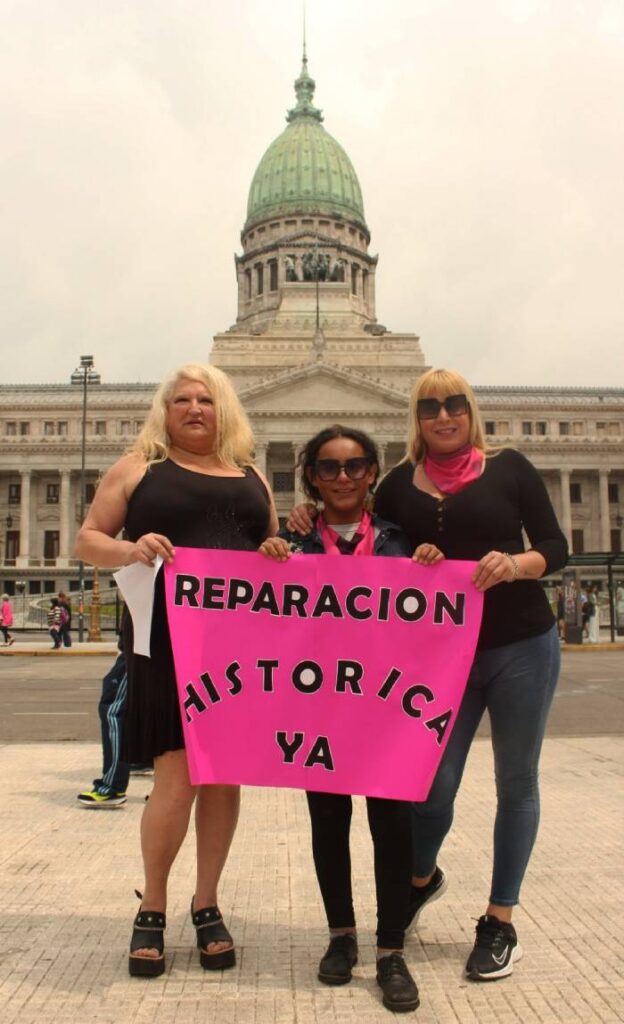
This reparation "means erasing the wounds and all the police persecution we had to endure simply for having a different identity," acknowledged Marcela Saibek, 57, an activist with Travestis-Tras Las Históricas Argentina. "Our rights were violated in every way, physically and morally. They took away our rights. We didn't exist as citizens. That's why this reparation means reclaiming our rights, not just ensuring that we are no longer disrespected," she concluded.
The march will take place at 3 PM nationwide on May 24th. In the City of Buenos Aires, it will start from Plaza de Mayo and end at the National Congress.
To make this happen, the various organizing groups are raising funds to host participants, provide sound and technical equipment (for a festival following the march), water, and food. To contribute to this fundraising effort, you can send money to the alias HISTORICASARGENTINAS.
We are present
We are committed to journalism that delves into the territories and conducts thorough investigations, combined with new technologies and narrative formats. We want the protagonists, their stories, and their struggles to be present.
SUPPORT US

FOLLOW US
Related notes


We are present
This and other stories are not usually on the media agenda. Together we can bring them to light.
1 Comment