

They demand justice for Sofía Fernández, a trans woman who died in a police station.
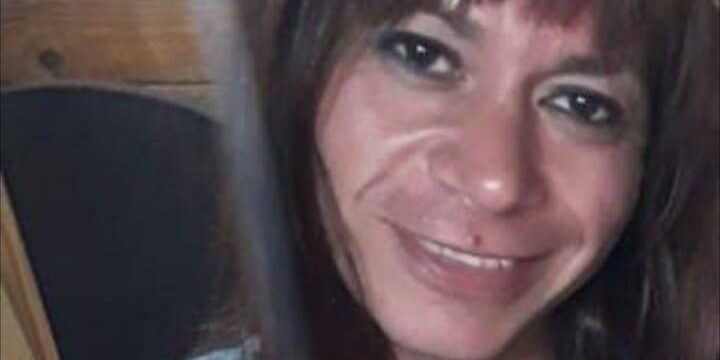
Three weeks after her death in a police station in Buenos Aires Province, Sofía Fernández's family still doesn't know what happened. Sofía was 39 years old and wanted to be a nurse.


Share

BUENOS AIRES, Argentina. Three weeks have passed since the day Sofi Fernández, a 39-year-old trans woman, was last seen alive. Her family still has no exact information about her death, which occurred under unclear circumstances at Police Station 5 in Derqui, Buenos Aires province.
According to the police report, Sofía was found dead in the cell where she had been detained since April 8. Few details about her death have been released, as her family has not yet been allowed to read the official report.
The case was classified as a suspicious death and the family, three weeks later, continues to request access to the case file, which is in the UFI 4 of Pilar, under the responsibility of prosecutor Gonzalo Agüero.
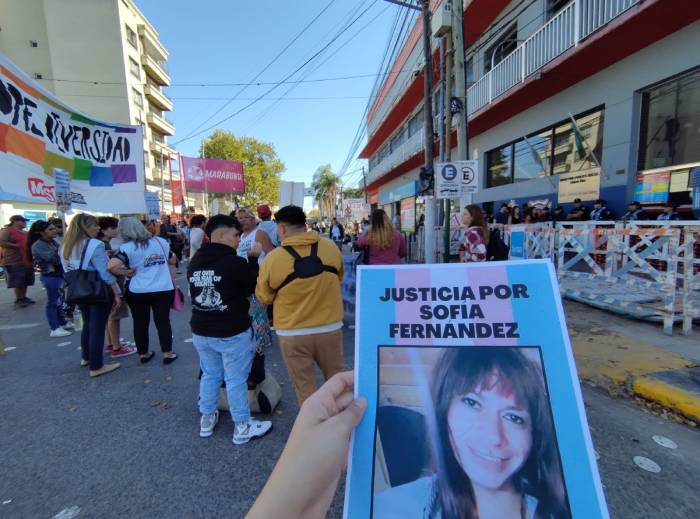
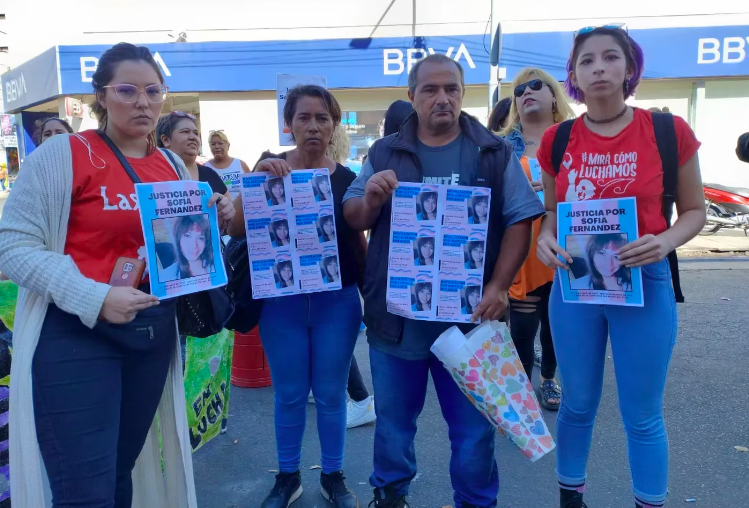
On April 28, a demonstration was held in front of the prosecutor's office to demand justice. This week, the Ministry of Women, Gender Policies, and Diversity of the Province of Buenos Aires contacted the family to offer their support.
What happened to Sofia?
On Saturday, April 8, a patrol car arrived at the property Sofía shared with her sister Mabel, in the town of Villa Rosa, a few kilometers from Derqui, Pilar. One of the officers explained to Mabel that they had found her sister lost in the street and that she was at the police station for a background check, and that she would soon be released. The other officer, while taking down her information, told her that the arrest was for robbery.
On Sunday, Sofia's family waited for her to return. She never came back. The next day, Monday at 9 a.m., Mabel called the police station, worried. They told her to stay calm and that if she couldn't go there to bring her food, they had meals available. They also told her that Sofia was in jail for burglary.
“Sofía never had any problems with the police. She never stole anything. It’s unclear where this alleged theft came from. The strange thing is that the same prosecutor investigating Sofía’s death was the one investigating this theft, about which we know nothing: we don’t know if there was a report filed, nor if there were any witnesses,” Mabel Valdéz, Sofía’s sister, told Agencia Presentes.
That night, in the early hours of Tuesday, April 11, the Gendarmerie arrived with a psychologist to inform her that they had found Sofia dead inside the cell.
At that time, they told her they didn't know if it had been a sudden death or cardiac arrest. However, after the autopsy, it was revealed that Sofía died from "asphyxiation with airway obstruction."
The contradictory data
Another detail that caught Mabel's attention was that the autopsy revealed Sofía Fernández died between Sunday and Monday. The prosecutor's office told them they found out at 4:30 p.m. on Monday, but they weren't informed many hours later. They also weren't allowed to see her body.
As a family, they only have conflicting accounts of what might have happened. One version says there was a complaint filed against her by a neighbor who denies having reported Sofía. Another version claims they saw her being chased by two people who wanted to rob her. “There are so many versions, I feel like the prosecutor is putting up a lot of obstacles in all of this. We don't understand anything that's going on.”
Mabel was the last family member to see Sofía alive. “She was chatting with me until 1 a.m., and then she went home, which is on the same property. I went to look for her at 10 a.m. on Saturday, and she was gone,” she recalls.
A senseless accusation
Vanessa is Sofia's niece. Lately, she's been the one answering the phone and talking about what happened to her aunt.
“Sofi never set foot in a police station, she had no record, she had never stolen anything. We find it very strange that one police officer said one thing and another said something else. On Monday, a report of burglary appeared. It doesn't make sense,” Vanesa told Presentes.
“It’s completely baffling to us. We know she couldn’t be detained for that robbery or because they were going to check her record. We never imagined this could happen,” Vanesa laments. She adds, “So far, we know she was alone in the cell and that she had no intention of killing herself. They haven’t told us anything else.”
“Sofia was all smiles, all joy”
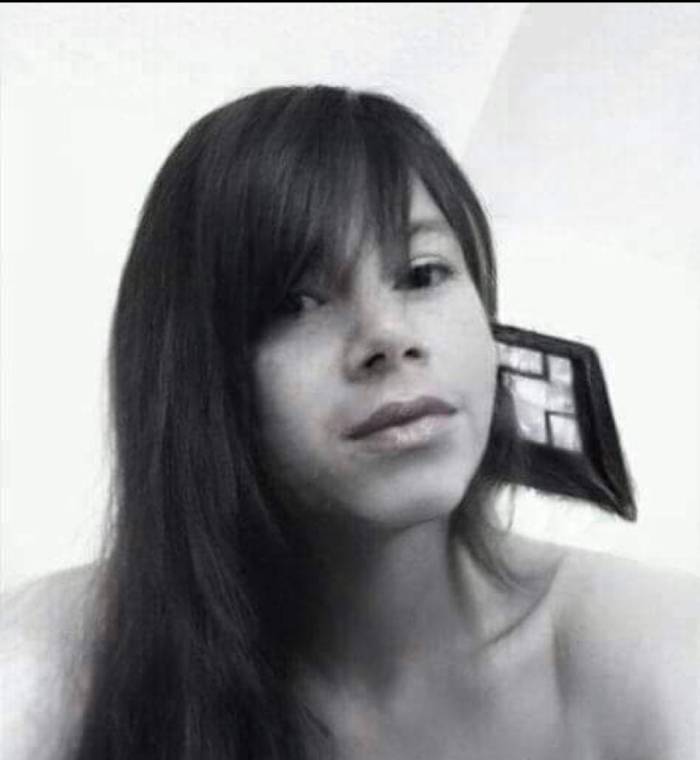
Sofia was processing her legal name change and eagerly awaiting April 17th to begin her nursing studies. “She had everything ready, she had bought everything to start her studies. She was very excited,” Mabel and Vanesa agree.
She was a literature teacher and worked for a while, but had to leave her job because she suffered too much discrimination. “She was a very good, very loving person. She went through a lot, but she never changed who she was. She helped in any way she could and was always there for everyone, lending a hand,” Vanesa recalls of her aunt.
Both completely rule out the possibility that Sofi committed suicide. “There are no reasons for suicide here, but there are reasons to kill. There are many unanswered questions in this case, and there are no answers to what we need to know,” says Mabel.
Remember that week, Sofía had choked on a chicken bone that had become lodged in her throat and ran home for help. “She was hospitalized for three days because of it. She wasn't the type of person who would commit suicide, much less in a police station. She was happy, excited to start a new career,” recalls her sister Mabel.
From the Facebook page, Justice for Sofi Fernández, they remember: “Sofía had many dreams ahead of her. She had a future plan that was taken from her with her death. Sofi's family knew and shared their family history, which means they knew what she was like, as well as what the possibilities for survival were, due to her personality: always attentive, docile, and very loving.”
One of her friends remembered her on social media: “Justice for my friend Sofía, she used to come sleep over at my house sometimes. Sofía never took anything that wasn't hers. I know what she was like, nobody here is going to tarnish her name, I'm sorry, it's an irreparable loss.”
“Sofia was all smiles, all joy. There were no set hours when it came to helping if you needed anything. We want to know what happened because she deserves to rest in peace,” her sister said.
According to a report issued by the Argentine Federation of Lesbians, Gays, Bisexuals, and Trans (FALGBT) , there were 129 hate crimes in Argentina during 2022. Of that total, 5% were specifically perpetrated by members of the security forces in the exercise of their state function; that is, they constitute cases of institutional violence.
The report also states that 84% of the cases (108) involved transgender women as victims. Of those, 12 were murdered.
Agencia Presentes contacted the prosecutor's office, but they declined to provide information.
We are present
We are committed to journalism that delves into the territories and conducts thorough investigations, combined with new technologies and narrative formats. We want the protagonists, their stories, and their struggles to be present.
SUPPORT US

FOLLOW US
Related notes


We are present
This and other stories are not usually on the media agenda. Together we can bring them to light.