

What do we talk about when we talk about violence against LGBTI+ people?
What is the cause of the violence that LGBTQ+ people experience daily and historically? Where do these prejudices originate? Can they be dismantled? These questions were debated at the IX Regional Conference of ILGA LAC.


Share

LA PAZ, Bolivia
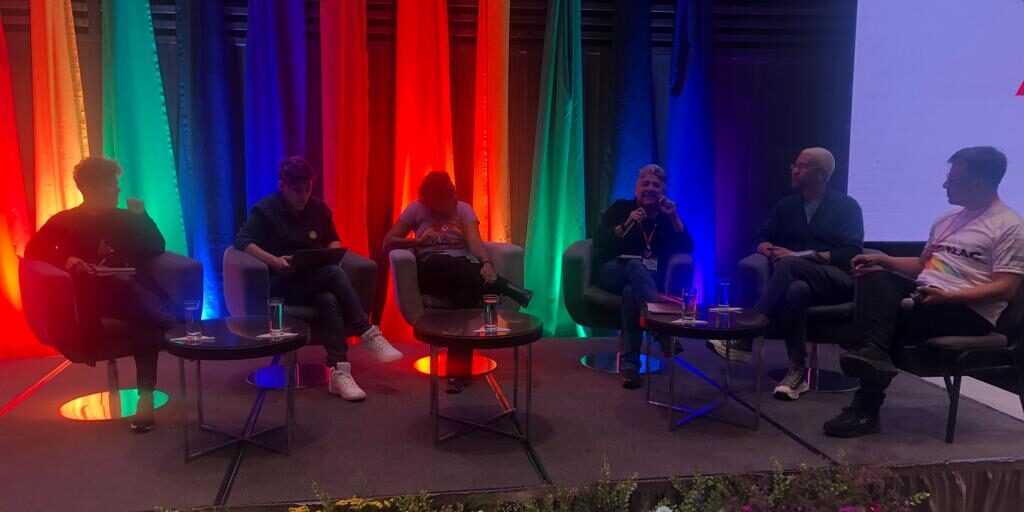
What is the cause of the violence that people of diverse sexual orientations and gender identities experience daily and historically? What do we mean when we talk about prejudice-based violence? Where does it originate? Can it be dismantled? These were some of the questions raised during the plenary session "Combating Violence Against Gender and Sexual Diversity in Latin America and the Caribbean," on the penultimate day of the IX ILGA LAC Regional Conference in La Paz, Bolivia .
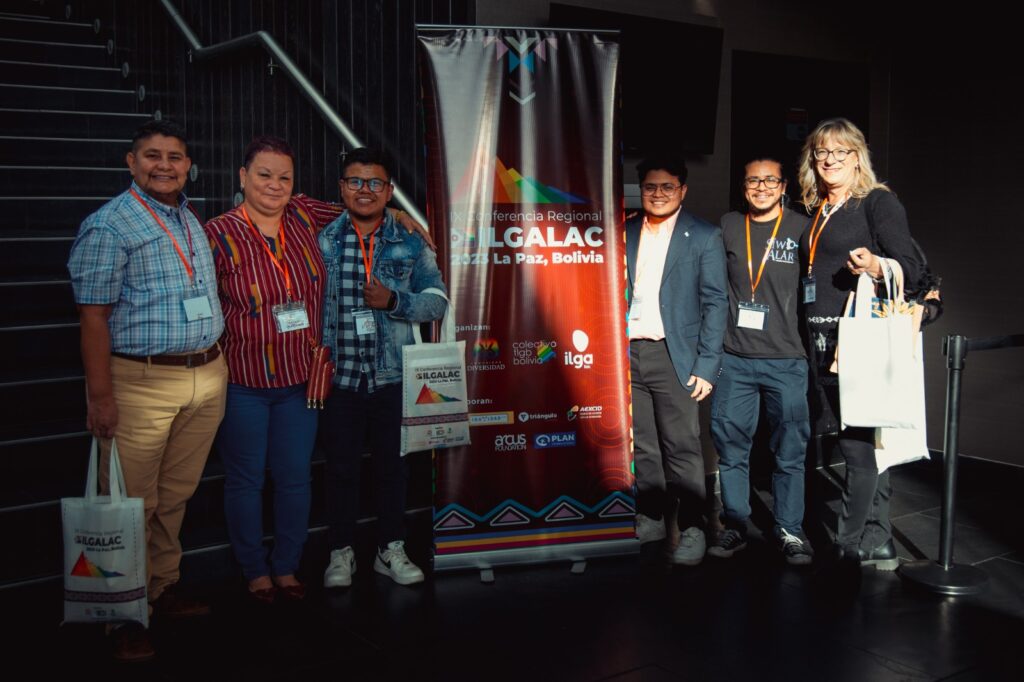
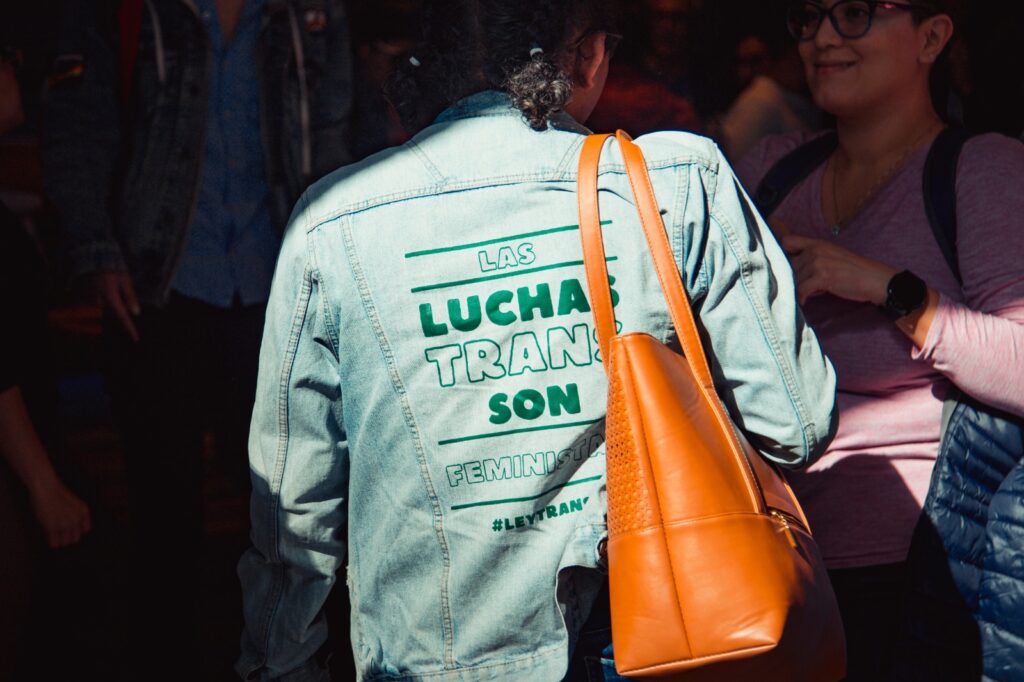
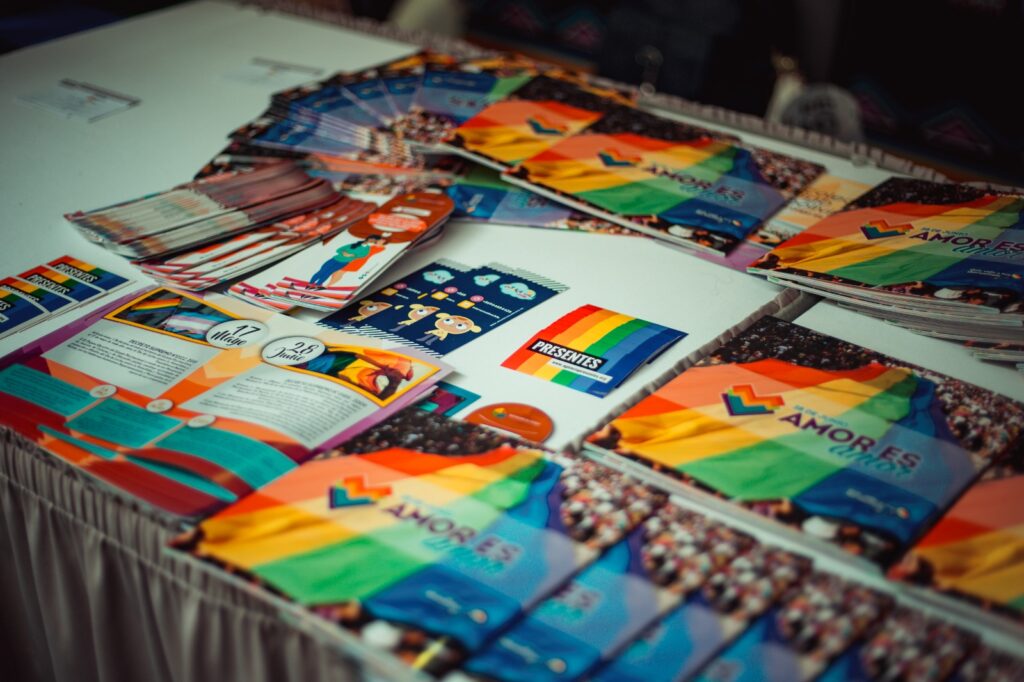
The various panels and dozens of workshops addressed the realities of LGBTQ+ people in the region from an intersectional perspective, and the issue of violence permeated all the discussions. While legislative progress has been made in several countries, Latin America remains the most violent region for LGBTQ+ people. Brazil alone has the highest number of hate crimes against transgender people in the world, and in Central America, murders of gay men have increased dramatically in the last two years. These are the most dangerous places to be LGBTQ+.
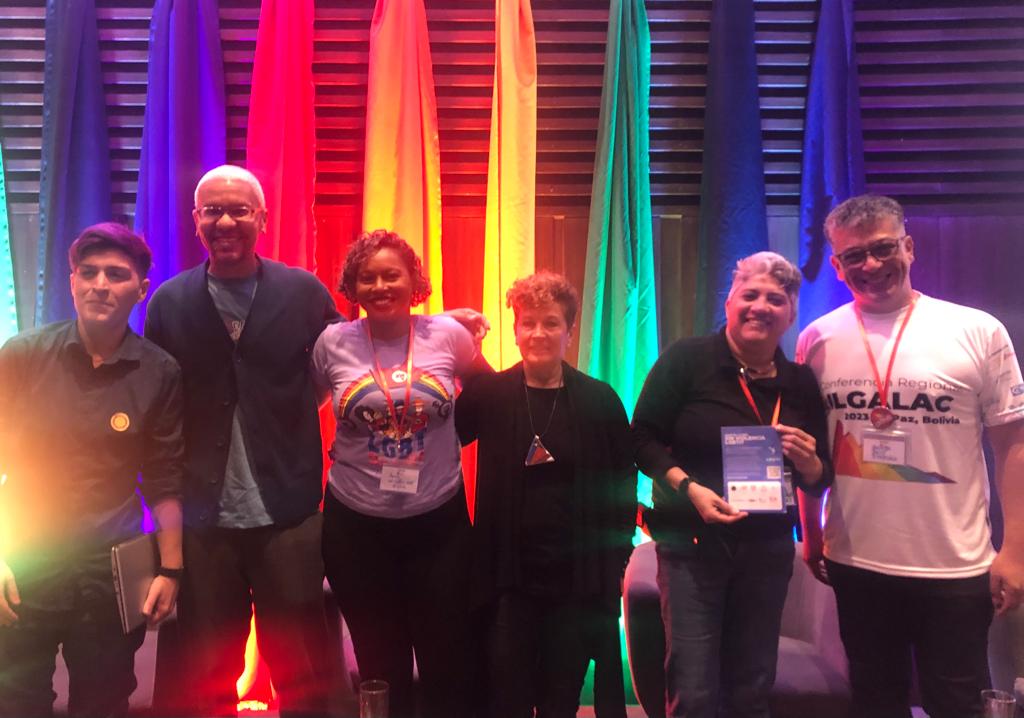
Moderated by Peruvian activist George Hale, the plenary session included Christian King (from Transsa, Dominican Republic); Luana Chaves (Landless Movement, Brazil); Ceci López Bemsch (Argentina Intersex), Indyra Mendoza (Cattrachas, Honduras) and Edda Quirós Rodríguez (CIPAC, Costa Rica).
Religious fundamentalisms and justice
The Inter-American Commission on Human Rights (IACHR) has developed the concept of “bias-motivated violence” to describe what are commonly known as “hate crimes.” These are acts of violence that seek to discipline not only the individual who receives the punishment but also an entire population group discriminated against because of their religion, ethnicity, sexual orientation, or gender identity.
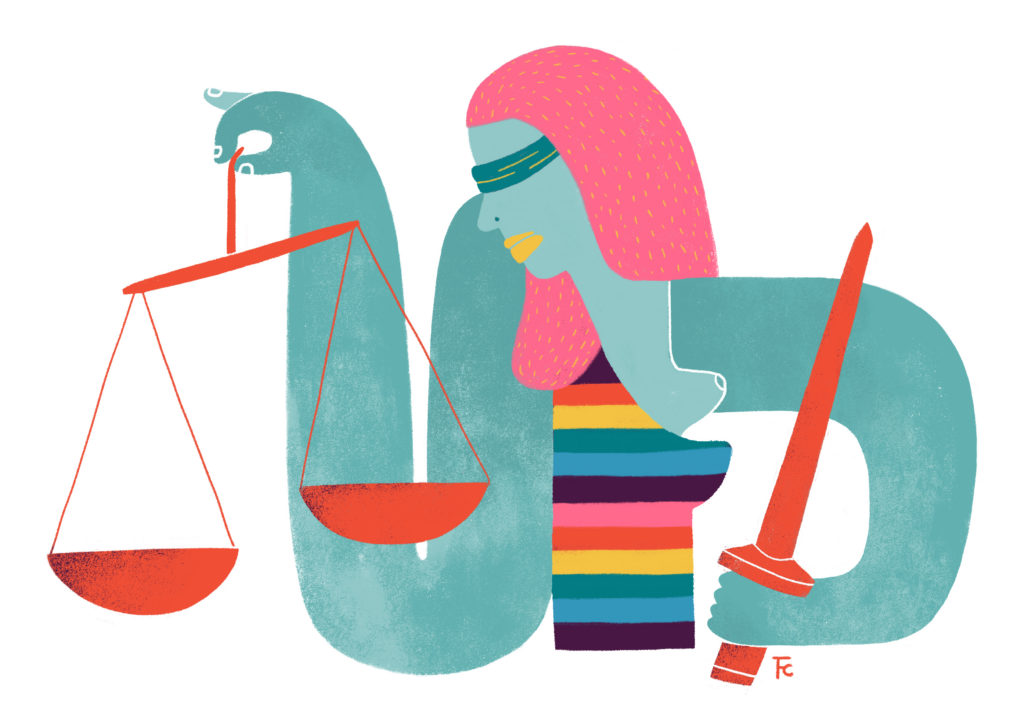
“Prejudice in Central America is based on religious fundamentalism and is spread by the media. There’s this idea that LGBTI people are always the bad guys,” Indyra Mendoza began. In Central America, neo-Pentecostal evangelical churches have managed to infiltrate all those spaces where the State doesn’t reach or doesn’t want to reach. And through social assistance programs, they traffic in ideology—an ideology that says being LGBT+ is sinful or sick.
Cattrachas , the organization founded by Mendoza, is part of the LGBTI Violence-Free Network, a regional observatory that documents and analyzes these crimes to generate quantitative and qualitative data. The latest report from 2021 reveals, for example, that the justice system is another space where these prejudices take root and violence is perpetuated.
A prime example of judicial violence in the region is the transfemicide of Vicky Hernández, murdered in 2009 in Honduras during curfew. Due to the lack of justice and thanks to the efforts of the organization Cattrachas and her mother, in 2021 the Inter-American Court of Human Rights ruled against the Honduran state for the crime against the trans activist.
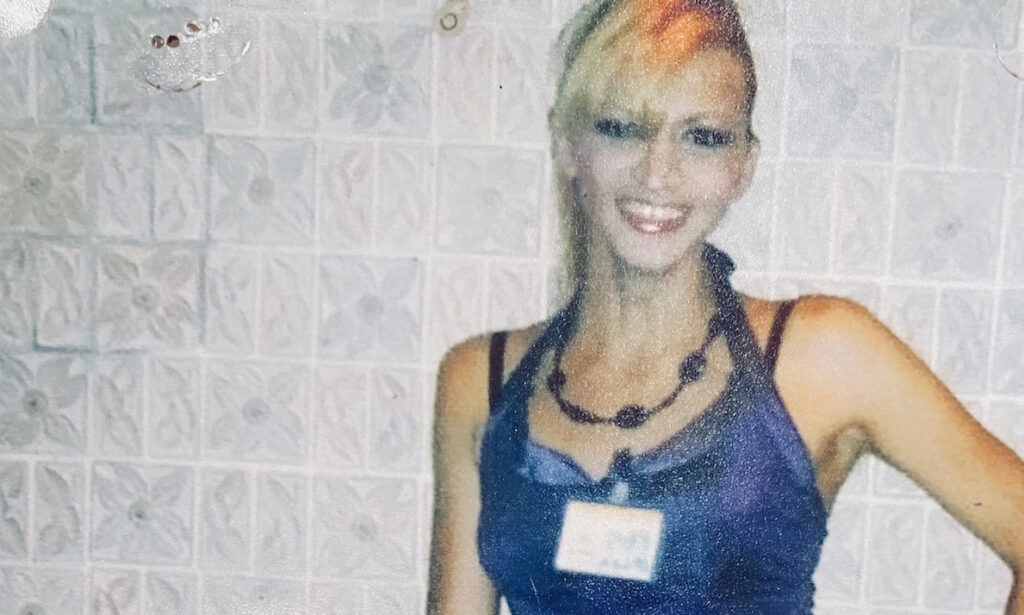
“ Of the 51 homicides against LGBTI people in the Dominican Republic, we only had five convictions ,” continued Christian King, a transvestite activist.
Analyze the data to prevent
According to the Observatory's report, in Honduras in 2021, 26 gay men, 9 lesbians, and 2 trans women were murdered, and two trans people are missing. “ We are the most violent country in the region . This report also tells us that lesbians are murdered either by their partners or in massacres (three or more people) while walking in the streets. Most of the killings are done with firearms. Another alarming fact that we have also heard in the panels and workshops of this conference is the increase in corrective rapes of lesbians and sexual harassment in the workplace,” Mendoza added.
The only positive news in recent years: murders of trans people have decreased . “This is due to awareness campaigns and because, with the lockdowns, many had to leave the streets to engage in sex work, which removed them from direct danger,” said Christian King.
But how can the increase in murders of gay men be explained? “People still think that homes are the safest places to socialize. This proves that's not the case,” King added.
Analyzing this data, seeing these patterns, helps to design prevention campaigns in communities and demand public policies, they agreed.
Blacklists and witch burnings
The roots of these prejudices that culminate in violence also lie at a deeper level, in patriarchal culture and the subjectivities of people who have been shaped by this ideology. Regarding this, Edda Quirós Rodríguez, who has worked for forty years in Costa Rican institutions with a gender and diversity perspective, said: “ There are controls within the patriarchal system that have subtly and relentlessly instilled prejudice. These controls are not only explicit but also subjective, authorizing and normalizing different forms of violence. This prevents us from recognizing them and leads us to ask for forgiveness and permission to live. The exercise of control and domination begins in the smallest units, in our own bodies.”
In that regard, the activist from Brazil's Landless Workers' Movement (MST) spoke about how patriarchy is exacerbated in Indigenous and peasant communities. She also spoke about how LGBTI+ people are constantly discriminated against and subjected to violence.
“We often forget that there are LGBTI people in rural areas . And the violence is mainly due to impunity. Those who violate our bodies do so because they will get away with it. Nothing will happen to them. With the neo-Pentecostal wave, this violence in rural areas has been reinforced, and with Bolsonaro's rise to power, it has worsened. In rural areas and Indigenous communities, there are still many murders of LGBTI people. In the Mato Grosso do Sul region, where there are large Indigenous communities with more than 7,000 people, there are lists of young LGBTI people to be killed. These lists are compiled by religious leaders who work in conjunction with large landowners. There are also women being burned at the stake for their ancestral knowledge. This is happening today. We learned of three murders, and the first two had not even been investigated up to that point,” denounced Quirós Rodríguez.
Medical and social violence against intersex people
A major debt owed by human rights activism and the LGBTI+ community is to intersex people, and this was also present in several workshops at the Conference. “Intersex people are at risk of undergoing interventions or abuse in childhood because our bodies don't conform to the gender binary . The intersex population is very unprotected throughout Latin America. While I'm here, there are hospitals operating on children. I call on all LGBT communities to stand with us because we feel very alone,” began Argentine activist Ceci López Bemsch, who shared his personal story.
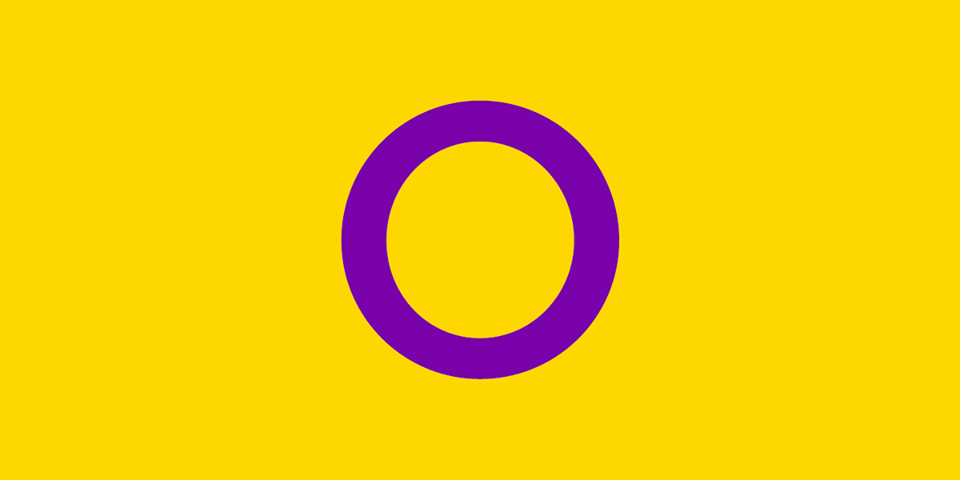
“ I was operated on by a doctor who still goes on surgical tours in northern Argentina, mutilating intersex children. This doctor trains future urologists to perform these procedures. In these surgeries, they construct vaginas for us using pieces of intestine they cut from our bodies. They insert dilators for years so our vaginas don't close, preventing us from having penetrative sex. It's perverse that at 12 years old they take photos of our genitals and that these photos are circulating at medical conferences.”
López Bemsch explained that there is a bill, championed by the Argentine intersex activist Mauro Cabral, to stop the mutilation of intersex children. It also aims to guarantee their right to the truth. Most intersex people don't know what was done to their bodies, nor can they access their medical records or speak with their families. “There is so much silence. We don't know which organs were removed. When I had the procedure, they told my mother it was because I had hernias, and I had internal testicles. The doctors had told me they had created a work of art on me. It's very difficult to talk about, but it has to be done. It's hard to undress again, but it has to be done. Thanks to increased visibility, many mothers came forward, many intersex people reached out. Activism saved my life.”
Other invisible bodies: LGBTI+ older adults
Another great debt that society and the LGBTI+ community owe is to older adults . This is the focus of CIPAC, the organization that Edda Quirós is part of.
“It all begins subjectively, personally. That’s why I wanted to bring in other invisible and silenced bodies, those of older LGBTQ+ people. These are bodies that are no longer useful because they are desexualized, because we are reduced to penetrating or being penetrated, to the most basic thing. I am much more than my age. But older people have ceased to be of interest to the capitalist reproductive system. And we continue to care for them. LGBTQ+ people who didn’t have children end up taking care of our even older relatives as if that way they could compensate for the lack of love they experienced.”
Quirós says we need to start by resolving practical issues. Having safe places to speak out without fear. Creating spaces to talk about aging. Aging with joy. Moving beyond objectification. “We need to open a dialogue with institutions. Those of us who have the privilege of retiring don't cease to exist. We need to reclaim the voice of older people and be present in decision-making spaces .”
Working with families
It is often said that homes are the most dangerous places for LGBTI+ people, many of whom are driven to the streets by the violence and prejudice of their own families. Without supportive family networks, people are left adrift, much more vulnerable to other forms of violence. That is why this plenary session emphasized the importance of working with families.
“Grassroots work has to include families. In Central America, most families are structured around religious fundamentalism. They attend churches, and the message is biased. We also have to work on the internalized violence that we LGBT+ people experience among ourselves. I am a transvestite, a trans woman, and many people in the community question me, ‘But you dress as a man?’ We have to try not to discriminate against each other, not to be violent towards each other, and try to educate our families. We are not aliens; we have experienced a lot of discrimination, and that means we can also discriminate against others,” said Christian King.
Ceci López Bemsch also pointed to families as both the root and a possible end of cycles of violence. “The issue of family is complicated because they are the ones who, through ignorance and manipulation, become complicit with the medical system. They are the ones who hold our hands when we are in pain, and who speak with shame to doctors when they say that their baby will not be happy because they will not be able to have a sex life as an adult.”
But there are also many mothers who are activists. Or who, through their children's activism, become allies in the struggles. “Silence prevails in families. When I asked my mother what happened, she told me, 'I don't know, I felt like throwing myself in front of a bus with you because of everything the doctors told me you wouldn't be able to do.' I was able to talk to her and tell her that she wasn't to blame. She didn't have the information. When I started my activism, she would ask me, 'Aren't you ashamed to put yourself out there?' Today, she's the one who accompanies me to the airport when I come to these meetings, for example. Luckily, today there are many mothers who offer support.”
We are present
We are committed to journalism that delves into the territories and conducts thorough investigations, combined with new technologies and narrative formats. We want the protagonists, their stories, and their struggles to be present.
SUPPORT US

FOLLOW US
Related notes


We are present
This and other stories are not usually on the media agenda. Together we can bring them to light.