

Diversity is defended with more diversity: the regional LGBTI+ meeting began in La Paz
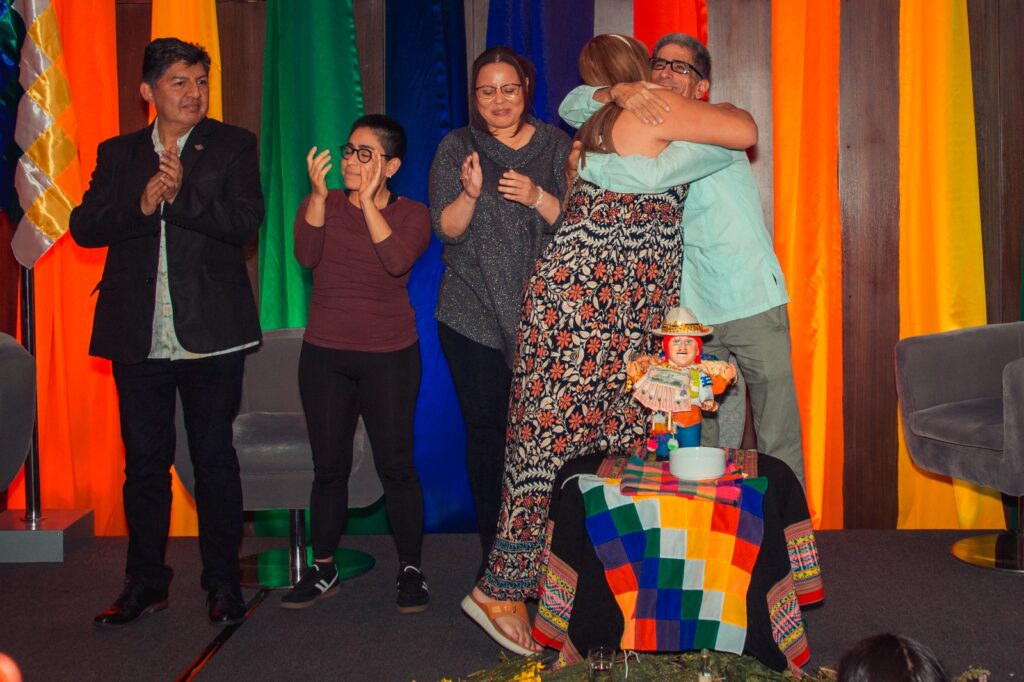
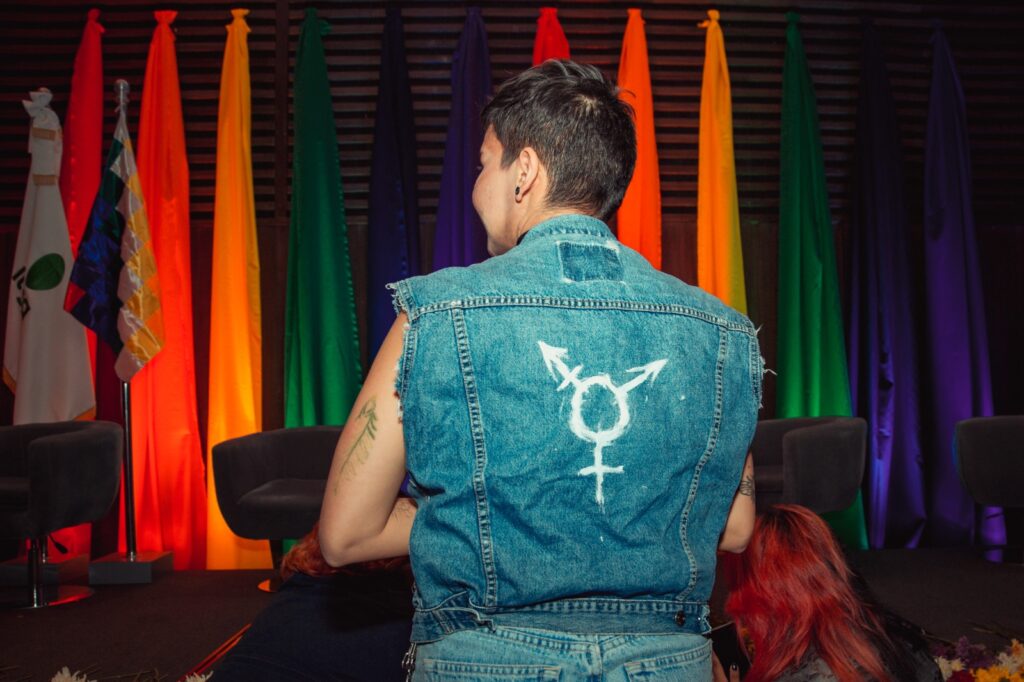
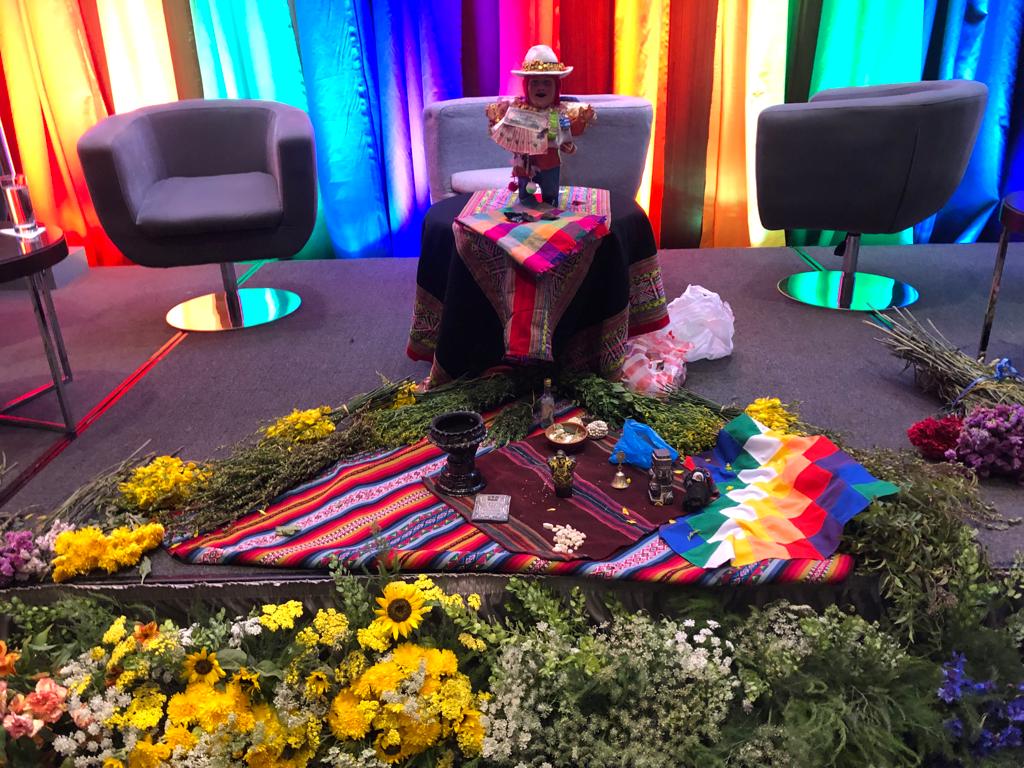
With an ancestral ceremony, LGBT+ activists from Latin America inaugurated the IX ILGA LAC Regional Conference.


Share

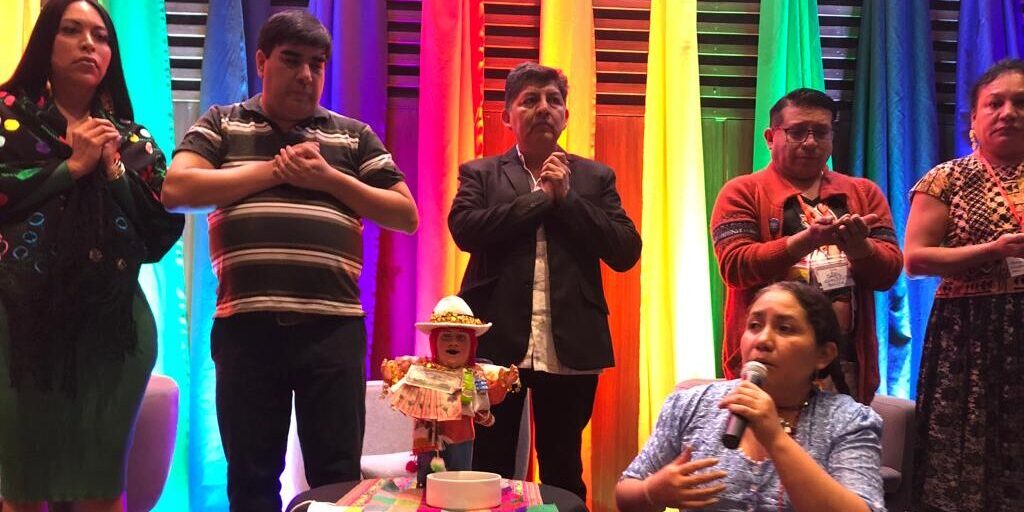
FROM LA PAZ, Bolivia (special correspondent). “Having the power and strength of diversity will allow this world to move forward,” said Viviana Camacho, a Quechua medicine woman and Director General of Traditional Medicine for the Plurinational State of Bolivia, toward the end of a ceremony of gratitude to Mother Earth. In her hands, she held a bowl of fire where incense, coca leaves, and tobacco were burning.
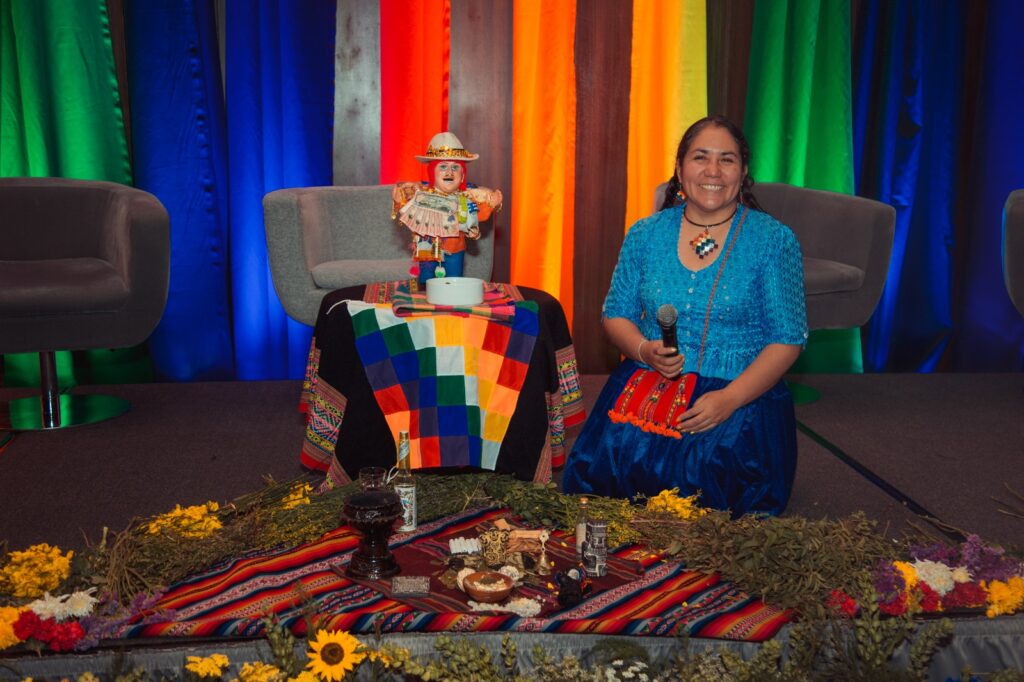
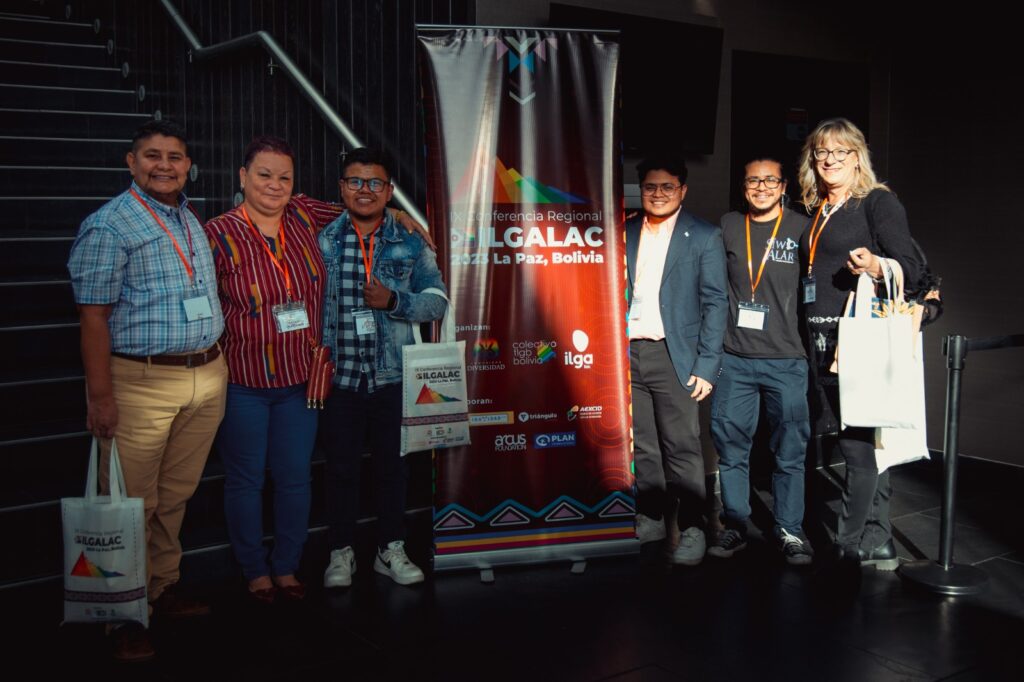
Camacho's words were a tribute to the ancestors, to those who are no longer with us, to those who gave their lives fighting for rights or were crushed by colonial and patriarchal violence. Is the antidote to the historical massacre and the current social and environmental crisis? More diversity: cultural, ethnic, and sexual. Thus, amidst collective emotion and the certainty that the struggles against different oppressions must be one, the IX ILGA LAC on This year's theme is: “Decolonizing our struggles. Depatriarchalizing our bodies.”
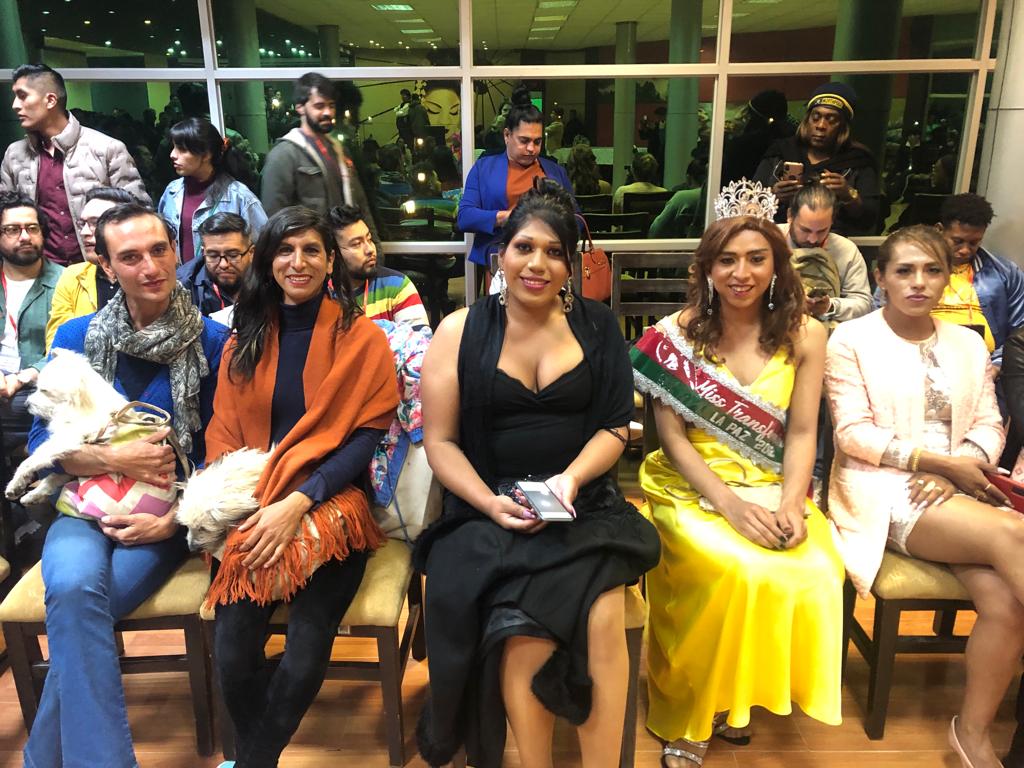
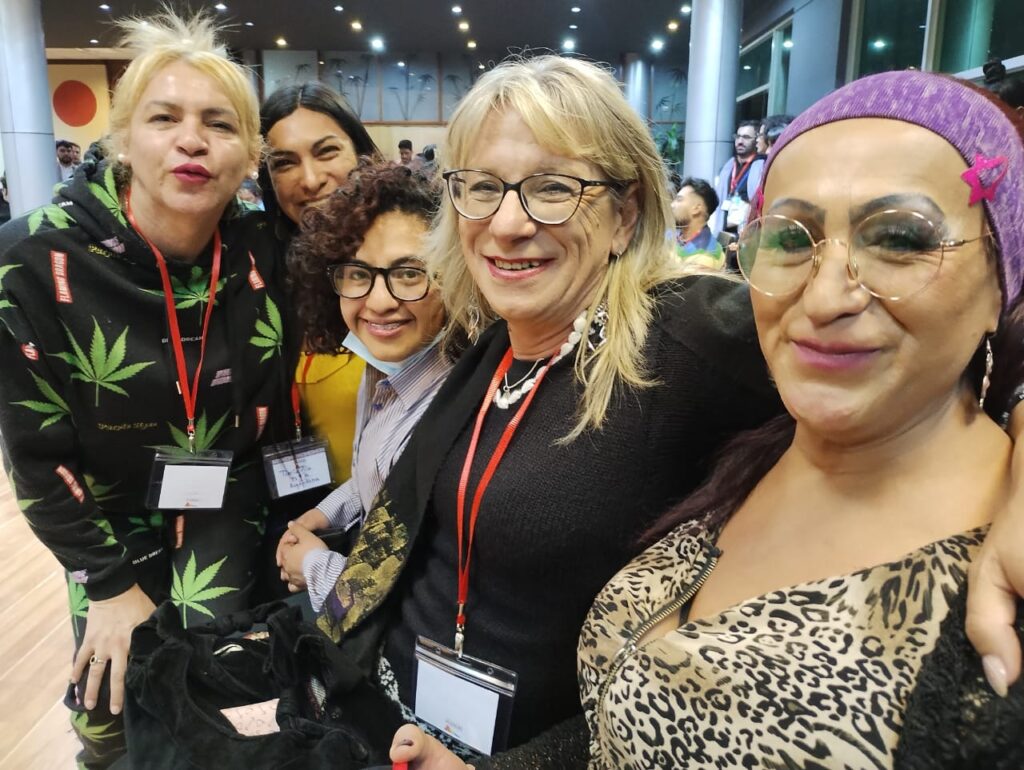
More than three hundred LGBTI+ activists arrived in La Paz, Bolivia, from across Latin America starting Sunday to participate in a four-day gathering that takes place every three years. This event provides a space for sharing local realities, collaborative thinking and planning, celebration, and solidarity. It also serves as a platform for electing the political leadership of this organization, comprised of LGBTI+ associations from various countries in the region. For the first time, the organization's executive director is a trans woman: Salvadoran activist Bianka Rodríguez.
Meeting in Rainbow City
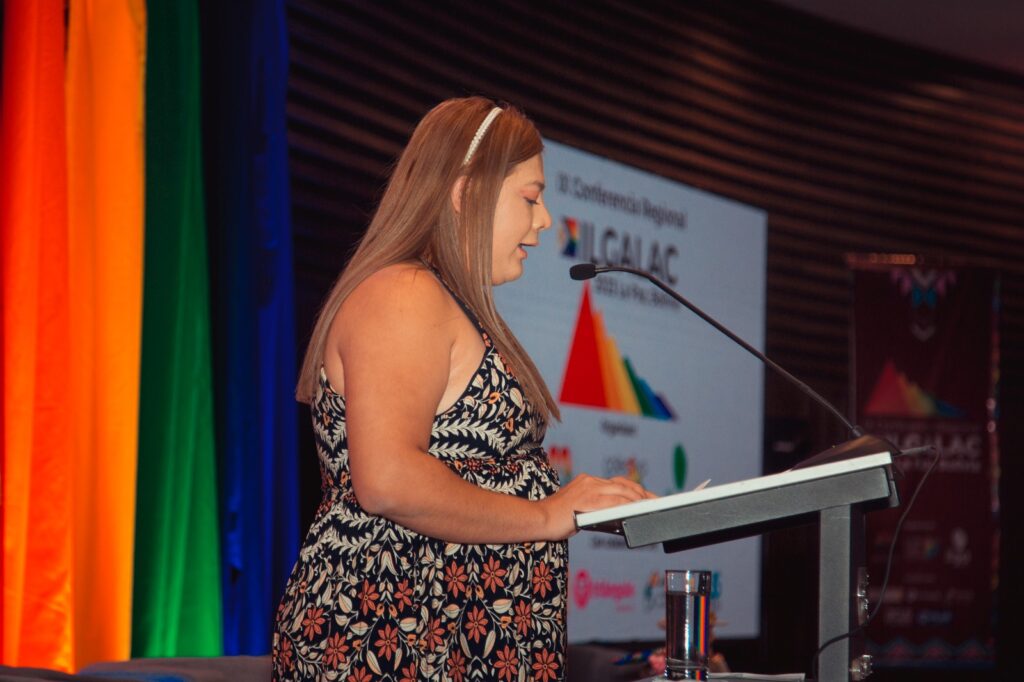
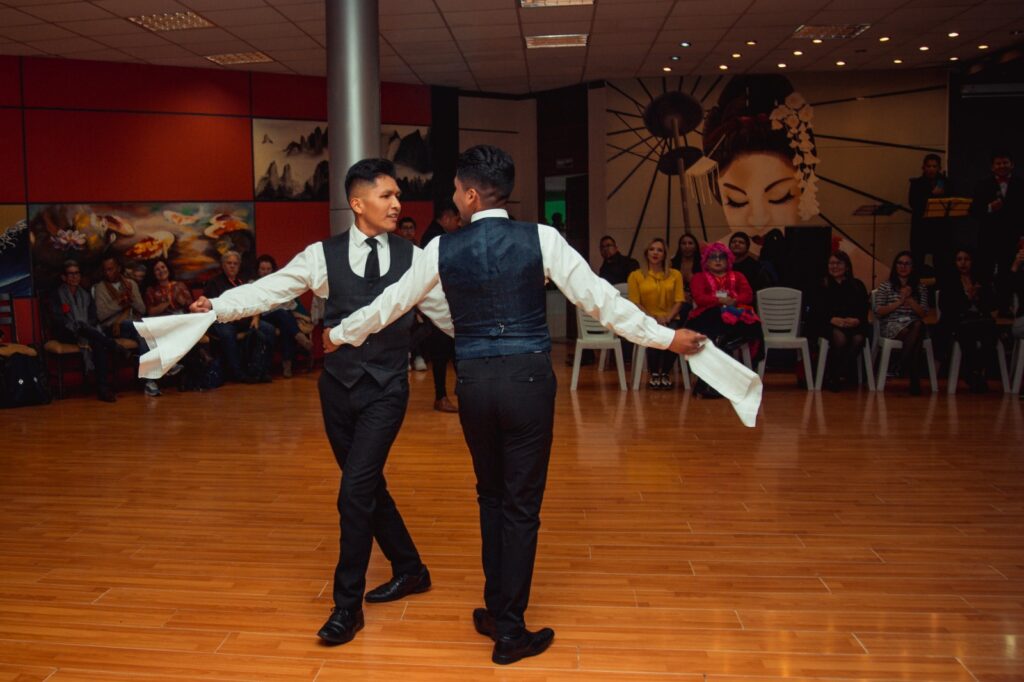
This year, the event was held in La Paz, known as the "wonder city" or "rainbow city," due to its status as part of a plurinational state and its long-standing tradition of openness to diversity in its broadest sense. Bolivia has had laws against all forms of discrimination and gender identity for years, and its Constitution recognizes same-sex civil unions . Furthermore, the policies of the last fifteen years—with the interruption of the 2019 coup—have rightly championed diversity as a defining characteristic: the past and present of a country shaped by the resistance of the Andean peoples and the Quechua and Aymara cultures.
"We are convinced that our region must be led by political and social processes of the people of the popular countryside and continue fighting against neo-fascist and neoliberal projects," said Darío Arias, co-regional secretary of ILGA LAC and founder of the Argentine organization Conurbanes por la Diversidad .
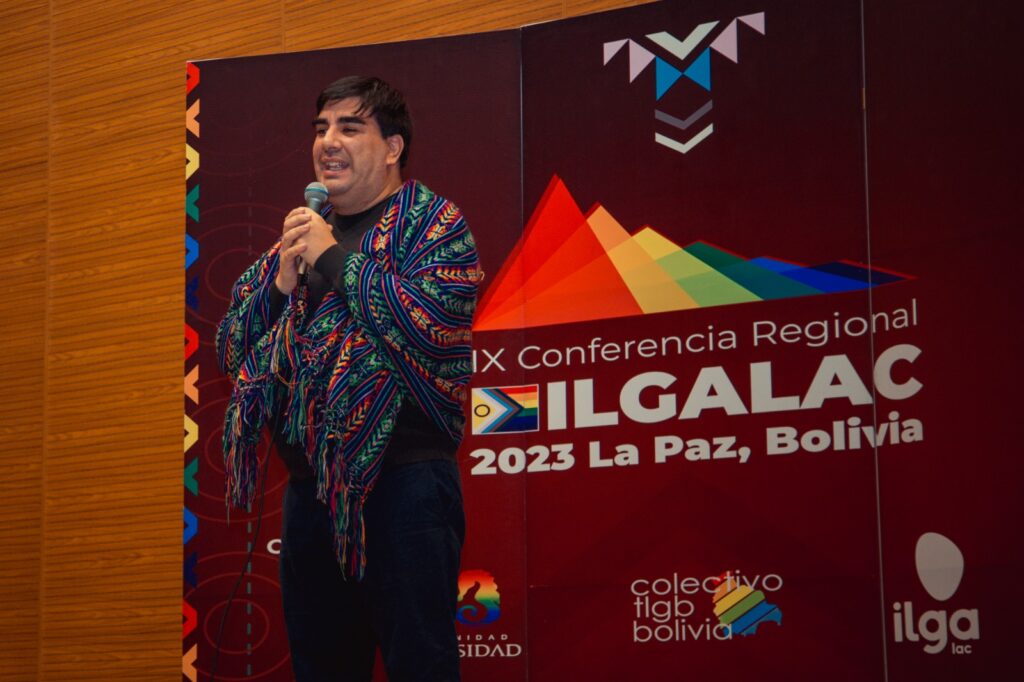
“Today we have many people who are not here. Many people died from Covid in our countries. Our work has been arduous. The TLGB collective of Bolivia welcomes you. We do not accept anti-rights groups, fundamentalism, or fascism. We are many more than you think. We are not victims. Comrades like Lohana Berkins still resonate. Here we are, the butterflies, flying. And Diana Sacayán , a sister who fought with everything she had. We live in community and have our own spirituality. For those who came before and those who will come after, this rainbow struggle will always fly. May this conference in La Paz leave a political agenda so that we can fight throughout Latin America,” said representatives of the TLGB Collective of Bolivia, co-host of the conference, before beginning the first plenary sessions of the day.
“It is not fair that diversity continues to cost us our lives.”
Speaking via videoconference, Roberta Clarke, the Inter-American Commission on Human Rights (IACHR) , addressed the progress made in human rights in the region, but also the brutal conservative backlash being experienced in almost every country. This was the topic of the first plenary session of the conference, titled: “The Situation of LGBTI+ Rights in the Latin American and Caribbean Region in the Face of the Advance of Neofascist and Neoliberal Projects,” which brought together activists and government officials.
Participants included Greta Pena (lesbian feminist activist and head of the National Institute Against Discrimination, Xenophobia, and Racism in Argentina ); Wilson Castañeda (director of the Colombian organization Caribe Afirmativo and member of the Peace Agreement's gender committee); Duda Salabert (Brazilian federal deputy and trans activist); and Victor Víctor de Wolf Rodrigues (Brazilian LGBT Association). The panel was moderated by Mexican trans activist Ari Vera (co-secretary of ILGA LAC and founder of the organization Almas Cautivas ). The plenary session focused on the profound economic and social crisis facing Latin American countries and how this situation—exacerbated during the pandemic—is fertile ground for the rise of conservative reactions.
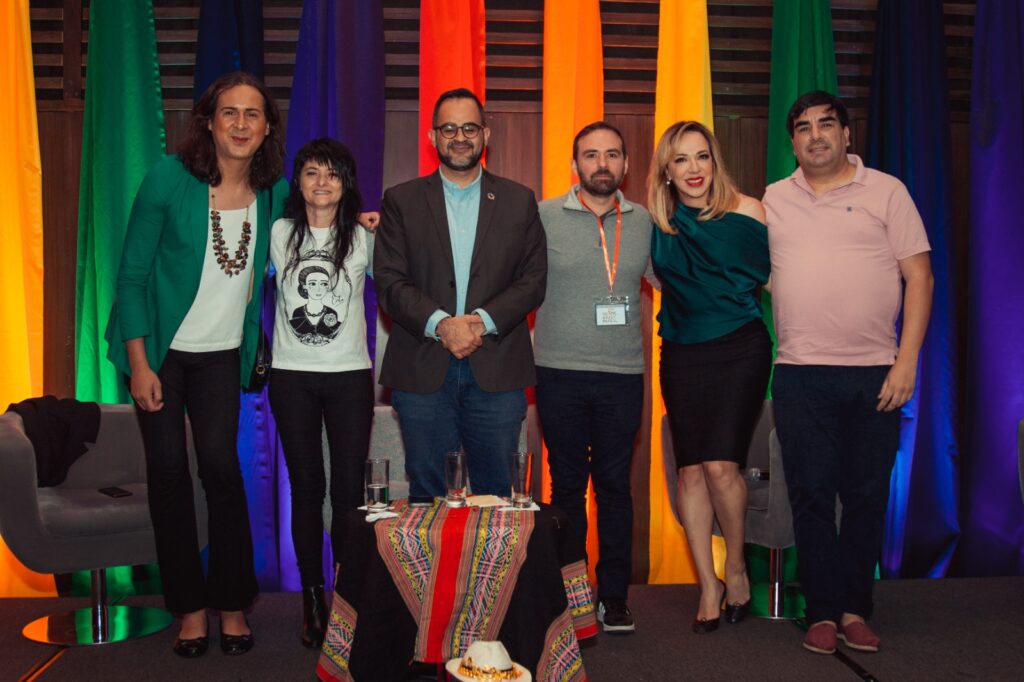
“In recent years, we have witnessed the rise of neo-fascist movements as a result of a neoliberal economic model. We saw it in Brazil with Bolsonaro persecuting our identities. We need to think about another economic model. Lula's victory in Brazil will not eradicate neoliberalism. His victory is not a dream come true, but rather the defeat of a nightmare. We are marked by the exploitation of natural resources; it is impossible to think about sovereignty if we continue selling off mountains and our riches to mining companies,” began the socialist Duda Salabert.
Salabert recounted that after running for office (as the first transgender candidate for Senate in 2018 and as a councilwoman for Belo Horizonte in 2020), she received numerous death threats on social media. The online and in-person pressure led to her dismissal from the school where she worked as a literature teacher before her election. Today, she cannot leave her home without police protection because she fears for her life and the lives of her family.
Echoing Salabert, Castañeda described this societal project as a failed endeavor. “Capitalism has also co-opted part of the LGBTQ+ movement and other human rights agendas. It’s not fair that diversity continues to cost us our lives. In 2021 alone, there were 1,200 hate crimes against LGBTQ+ people in Latin America. That doesn’t even include other population groups. But many political parties and organizations have managed to transform our demands into consumer issues. There’s a gay-centric, urban-centric, white, and classist agenda. We haven’t understood the call of intersectionality. We continue to operate in a ghetto, and we have to break out of that ghetto. We’re far removed from unionism and other social struggles. This also explains why so many anti-rights projects have been able to entrench themselves in the political class of Latin America.”
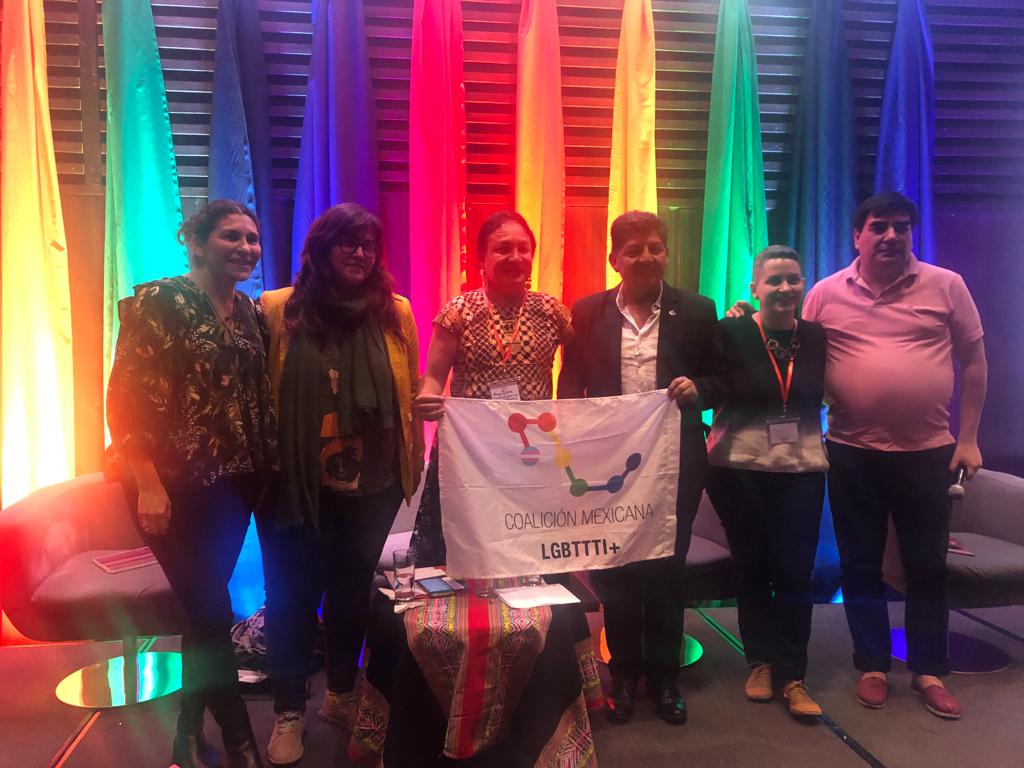
The exit is intersectional
Greta Pena said that Latin America is experiencing a critical, reactive moment, and that the political struggle cannot be sectoral. “We are being persecuted to varying degrees, with different nuances. It is time to feel more like a community. The fight for LGBTI rights is not a sectoral struggle, but rather it must target the nerve center of this colonial, patriarchal, and savage capitalist system . We have been failing in the economic and social policies of our countries. But we must continue to occupy positions of power. In Argentina, with the trans quota law, 710 people have been placed in the formal workforce.”
All the panelists referred to the need to join forces across different social and cultural sectors because, although laws have been passed at the regional level, society still views the access to rights for LGBTI+ people with suspicion, and conservative political parties are taking advantage of this. “We have to win over society, make them realize that this is a profound social transformation. Because today there is a humanitarian crisis. Our communities are dying of hunger. We need to be more loving and less rational. We also need to understand that feminism is the political theory that liberates us from oppression. The solution is intersectional and regional,” Castañeda said, offering some recommendations.
Deputy Salabert also emphasized the need to open the LGBTI+ movement to union struggles and to engage in dialogue with other social sectors: environmentalists, indigenous rights activists, feminists, in order to stop the advance of neo-fascism that comes hand in hand with neoliberal and extractivist policies.
How to decolonize our struggles?
The second plenary session focused on experiences of activism and advocacy for a transfeminist, antiracist, and plurinational agenda. Speakers included Ana Ester, a Brazilian lesbian theologian and evangelical pastor; Silvia Tostado, a lesbian activist with the Triángulo Foundation (Spain); Amaranta Gómez Regalado , a Zapotec indigenous Muxe activist from Oaxaca, Mexico; and David Aruquipa , a Bolivian researcher and activist, member of the Galán Family (an LGBT collective of artists and activists), who, along with Guido Montaño, became the first same-sex couple to marry in Bolivia. Also participating in the panel was Argentine congresswoman Mónica Macha, president of the Argentine Senate's Gender and Diversity Commission and a feminist activist. She championed the trans employment quota and the legalization of abortion, both of which became law in 2019 and 2020.
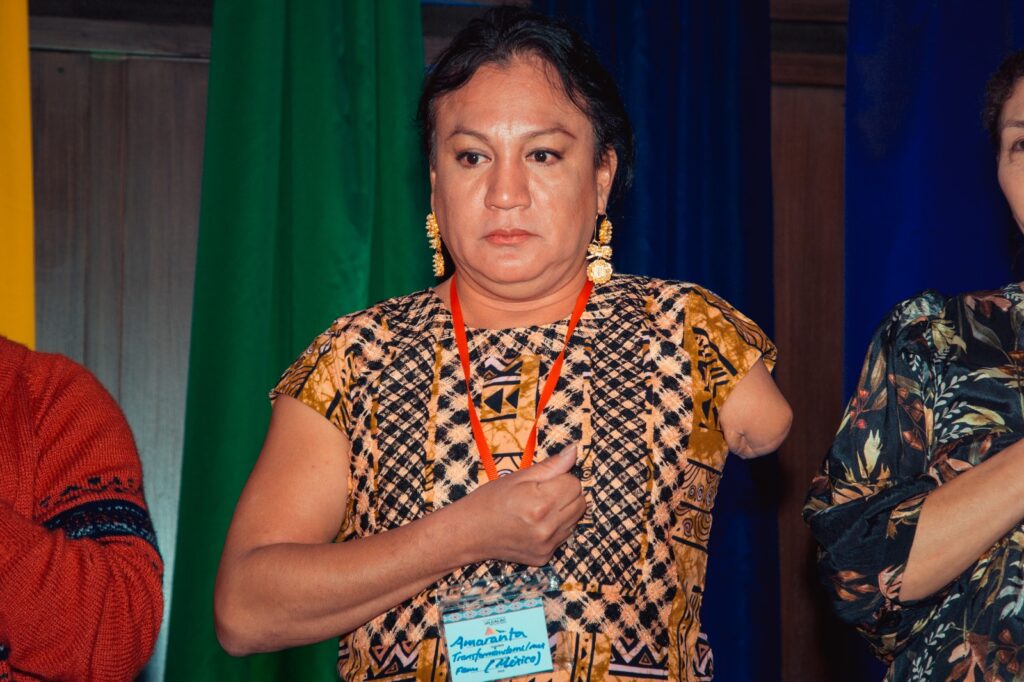
“ To decolonize our struggles, we have to start with our thoughts . Also in relation to spirituality and that Western rational thought. Our peoples have a very great spiritual wealth, and history is the first great fake news. They have told us the version that matters to those in power ,” said Macha.
In the same vein, Gómez Regalado said: “ We have to go through personal processes first. Who hasn't called us: faggot, poor black man?”
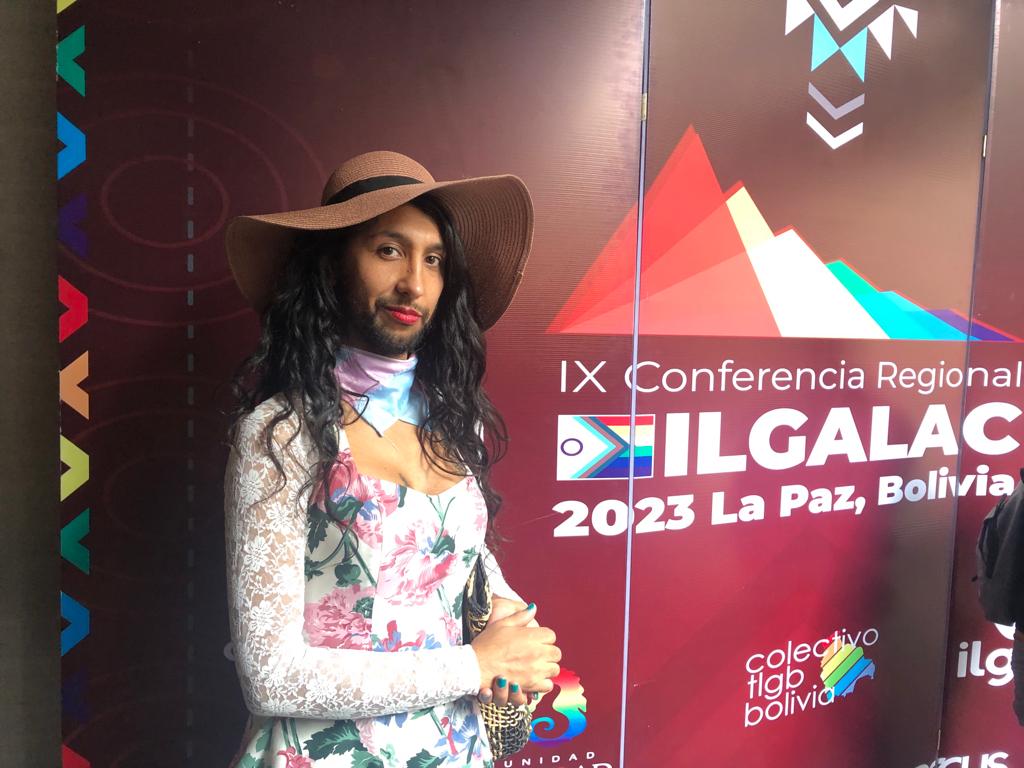
“You can’t decolonize without depatriarchalizing. From our own lives and our own bodies, we’ve been taught that we are the marginalized and excluded bodies. We’ve been taught to hate our bodies. The Church has taught us that, the school. Our families have used our bodies to unleash their hatred of difference. We’ve been taught to reject being of mixed race, being Indigenous; having the surname Aruquipa and being gay was a combination of discrimination,” said David Aruquipa.
Macha criticized the conservative idea of family, so prevalent in anti-rights and anti-gender campaigns. “We must banish any ideology that tries to instill in us that there is only one way to do things: monogamy, monotheism, that idea of the typical family that causes so much noise . I work extensively on the issue of sexual abuse in childhood and adolescence, and the prevailing view in the justice system is that children must be with their parents, even if they are their abusers. But an abuser is not a father: he is merely a parent. I believe that in this construction of a popular, plurinational, and anti-fascist feminism, it is important to also incorporate a child-centered perspective, because adultcentrism is a form of colonization and a very damaging one.”
“The acronym LGBTI does not represent all sexual diversity”
There was also talk of eradicating colonialism within sexual diversity movements. “The acronym LGBTI is only a few decades old and doesn't represent all diversity. There are diversities within ancient cultures all over the world that aren't included in that acronym,” said Amaranta Gómez Regalado. She added, “ My time is valuable, and I want to carefully consider who I want to discuss this with. I'm not going to discuss it with anti-trans feminists or TERFs. I'm not going to discuss it because they already have a set agenda. But those aren't all forms of feminism. I want to sit down with the feminisms that are questioning things with us and without us, from other perspectives. I want to sit down with the Afro-descendant movement, with the Indigenous movement .
Aruquipa added: “We can’t go to Indigenous communities and tell them, ‘You are gay, you are lesbian.’ Each community has its own way of seeing itself, of naming itself. The LGBTI movement began to take shape in the US in the 1970s, but before that there was always a lot of diversity in all territories, and we need to recover that memory.”
We are present
We are committed to journalism that delves into the territories and conducts thorough investigations, combined with new technologies and narrative formats. We want the protagonists, their stories, and their struggles to be present.
SUPPORT US

FOLLOW US
Related notes
We are present
This and other stories are not usually on the media agenda. Together we can bring them to light.