

Transfeminicide in Mexico City: Mónica Jiménez Belmont "didn't kill herself, she was killed"
Mónica Jimenez Belmont was 41 years old. Her death was reported on March 31, Transgender Day of Visibility. Family members and activists denounce revictimization and omissions in access to justice.


Share

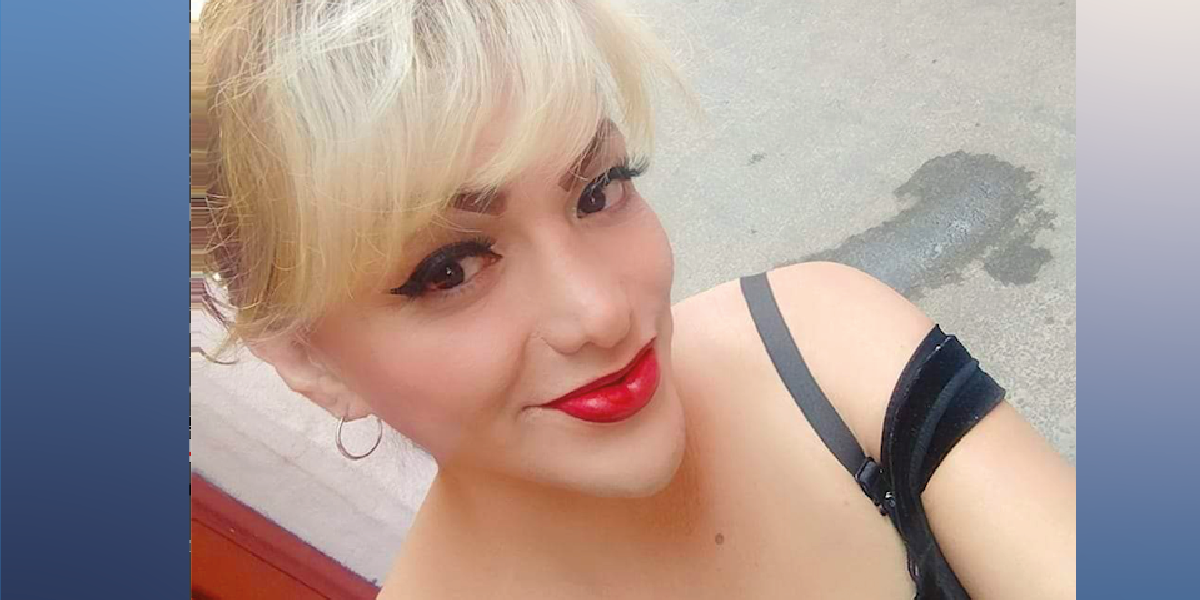
Mexico City, Mexico. Mónica Jimenez Belmont was a 41-year-old trans woman. On March 31, Transgender Day of Visibility, her body was found with signs of violence in the bathroom of her home in the Magdalena Culhuacán neighborhood, in the Coyoacán borough, in southern Mexico City. Family members and activists denounce revictimization and denials of access to justice.
Human rights defender Kenya Cuevas told this publication that the investigation opened by the Coyoacán mayor's office was for suicide. However, from the beginning, Mónica's family demanded that it be treated and investigated as a transfemicide.
One version indicates, according to information from the media outlet Nmás , that Mónica's romantic partner, Rene 'N', stole her cell phone and has not yet been located.
While Mexico City does not have a specific crime of transfeminicide, the Mexico City Prosecutor's Office for Femicides has a Transfeminicide Investigation Unit (created in 2020 and the only one of its kind nationwide). This unit is responsible for investigating and recognizing the gender identity of victims and the context of transfeminicidal violence.
Casa de las Muñecas Tiresias , an organization headed by Cuevas, supported Mónica's family. They succeeded in getting her violent death investigated by the Mexico City Prosecutor's Office for Femicides.
Omissions and revictimization of Monica
“The first responders* (see footnote) from the Secretariat of Citizen Security were the ones who determined it was a suicide. Unfortunately, those same responders are the first to discriminate, to perpetrate violence, to deny violence. And they say things happened this way because that's how we see it . It's a common phenomenon; they're not trained,” says Kenya Cuevas.
The first contact police officers and the Territorial Prosecutor's Office of the Coyoacán mayor's office violated Mónica's human rights by not recognizing her gender identity and revictimizing her.
“It wasn’t just the police. At the Public Prosecutor’s Office in Coyoacán, they also referred to Mónica as ‘a man in women’s clothing’ and determined that it was ‘ a man’s suicide .’ That’s how it was recorded in the investigation file, and that’s how it remains. The public prosecutors are not trained, they are not sensitive, and they have difficulty legally interpreting transfemicide ,” Kenya Cuevas points out.
The family repeatedly explained to the Public Prosecutor's Office that Mónica was a trans woman. However, officials denied her gender identity and argued that "until she has a document indicating that, then she must be treated as such."
“She didn’t kill herself, she was killed.”
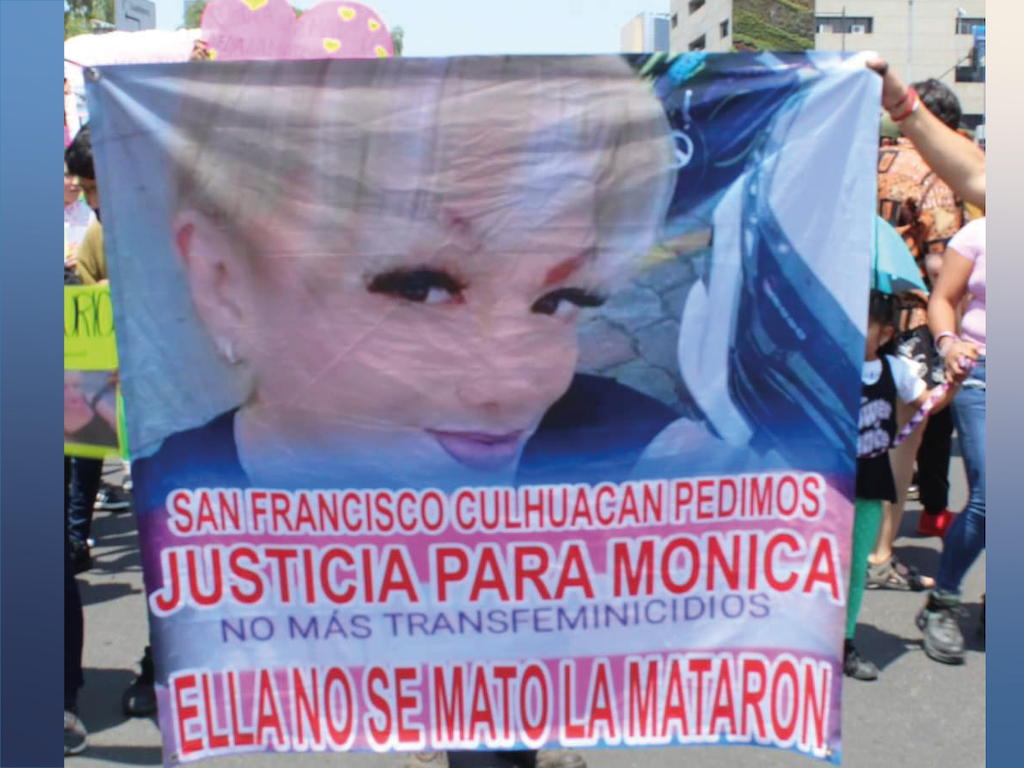
Mónica's wake was adorned with flowers, music, and cries for justice. “Today it was Mónica, tomorrow it could be anyone. As trans women, or as cis women since birth, we are tired of so many femicides and of prosecutors trying to cover them up as suicides. Because Mónica didn't commit suicide, Mónica was murdered. They took away a sister from us, they took away my mother, and we demand justice for her,” expressed during Mónica's wake on April 2nd, in a TikTok video.
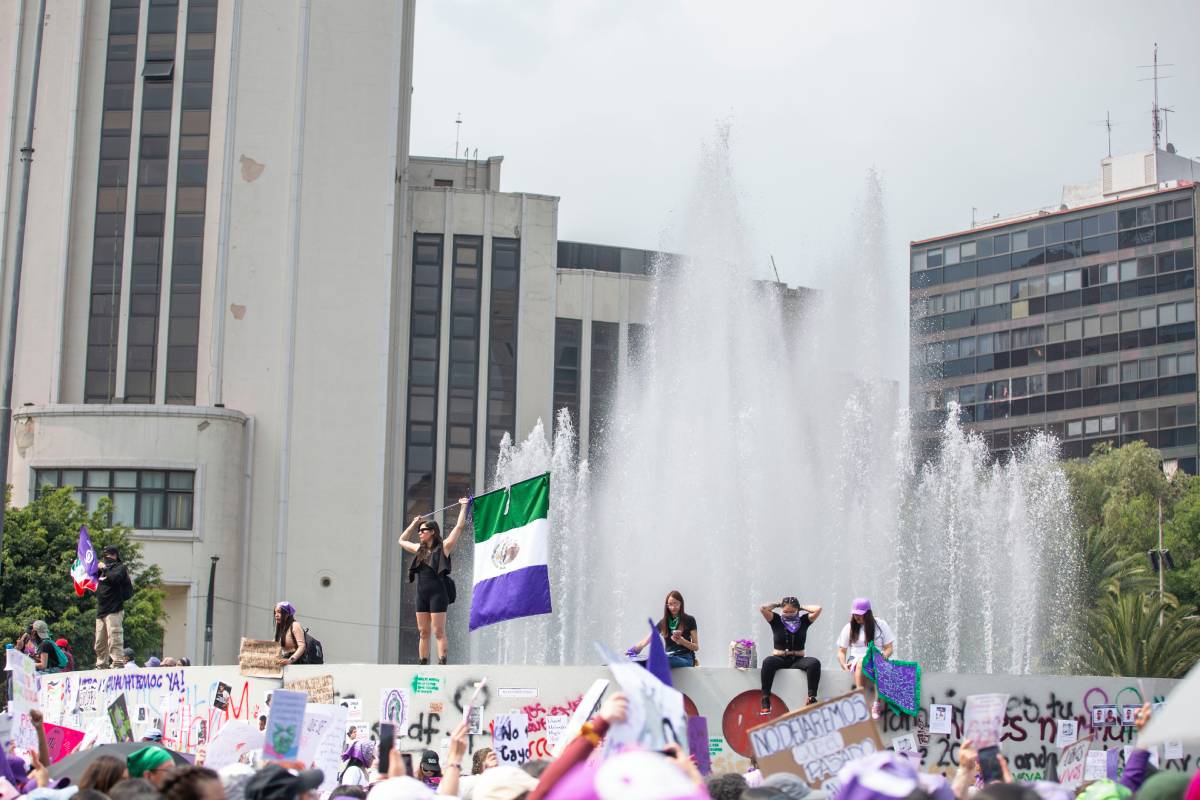
In response to the institutional violence perpetrated by the police and the Public Prosecutor's Office of the Coyoacán borough, Mónica's family and friends reached out to the organization Casa de las Muñecas Tiresias (House of Tiresias Dolls). On April 5, they demonstrated at the Attorney General's Office of Mexico City with the slogan: "She didn't kill herself, she was killed."
Following that demonstration, they succeeded in having Mónica recognized as a trans woman, and the case was referred to the Transfeminicide Investigation Unit of the Prosecutor's Office for Femicides, the authority that is now investigating this crime .
They also managed to get the Center for Socio-Legal Support to Victims of Violent Crime (ADEVI), of the Prosecutor's Office itself, to provide emergency support in funeral expenses and psychological support to Mónica's family.
Officials under investigation for mistreatment
Casa de las Muñecas Tiresias also succeeded in getting the Internal Affairs Unit to launch an investigation into the officials of the Public Prosecutor's Office of Coyoacán , "for the undignified and discriminatory treatment they gave to the family and the direct victim," Kenya Cuevas explained to Presentes .
The Internal Affairs Unit (which belongs to the Prosecutor's Office) is the body in charge of monitoring the actions of the public prosecutor's agents, secretary officers, investigative police and experts.
Why the role of families is crucial
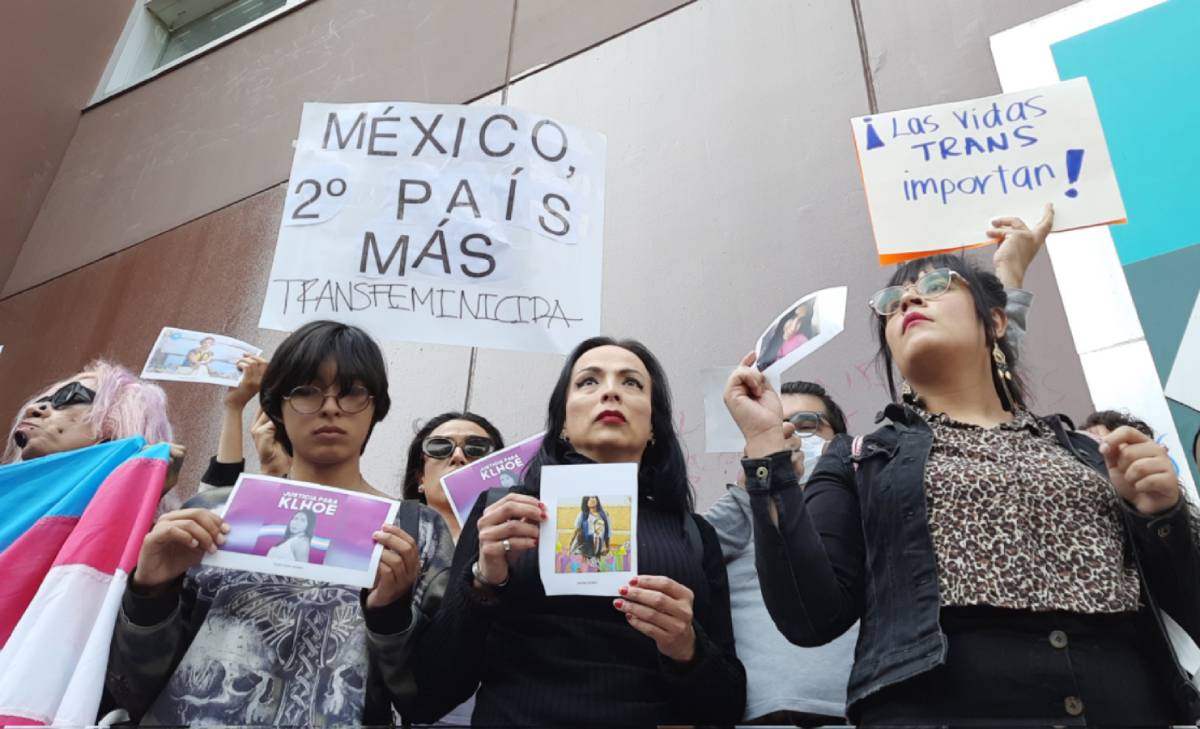
In the recent trans femicides in Mexico City, families—and not just those chosen by the victims—have taken to the streets to protest and demand justice . Mónica's family is no exception.
Regarding the importance of family involvement in the pursuit of justice, Kenya Cuevas reflects: “It is very important that the family be present, because unfortunately, even after death, we continue to face discrimination based on gender identity. And when the family reaffirms this identity, it can change the situation, firstly for the victim, and secondly for the case and its social implications .”
*The first authority with public safety functions that arrives at the scene of an "intervention" where a crime has been committed is known as the "first responder," according to the National Protocol of Action of the First Responder Police .
In Mexico City, the first call is received by the public security forces of the Secretariat of Citizen Security. They, in turn, are required to inform the femicide prosecutor's office whenever there is a violent death of any woman, cis or trans.
This is stipulated in the National Protocol for Police Action in Cases of Violence against Women and Femicide , which states: “It is necessary that police personnel, due to their proximity to the crime scene, know the operational aspects of preliminary findings and identify discrimination or gender-based reasons as possible motives that explain the violent deaths of women.”
Furthermore, “in cases where women of diverse sexual orientations are victims (direct or indirect) of violence, police personnel must always keep in mind the differentiated approach.” This same principle is found in the National Protocol for Action for Personnel of the Justice Administration Agencies of the Country, in cases involving Sexual Orientation or Gender Identity .
We are present
We are committed to journalism that delves into the territories and conducts thorough investigations, combined with new technologies and narrative formats. We want the protagonists, their stories, and their struggles to be present.
SUPPORT US

FOLLOW US
Related notes
We are present
This and other stories are not usually on the media agenda. Together we can bring them to light.