

What is it like to be a trans person in competitive sports?
The demands placed on transgender people when competing in sports are increasing. Mara Gómez, the first transgender woman to play professional soccer in Argentina, and Anna Scappini, a runner, share their experiences.


Share

BUENOS AIRES, Argentina. When considering the inclusion of LGBT+ people in sports, it's necessary to analyze various factors, not just physical appearance. This is the view expressed by trans athletes and LGBTQ+ activists. Because every time a member of these communities achieves a victory, myths are revived and discriminatory rhetoric is promoted.
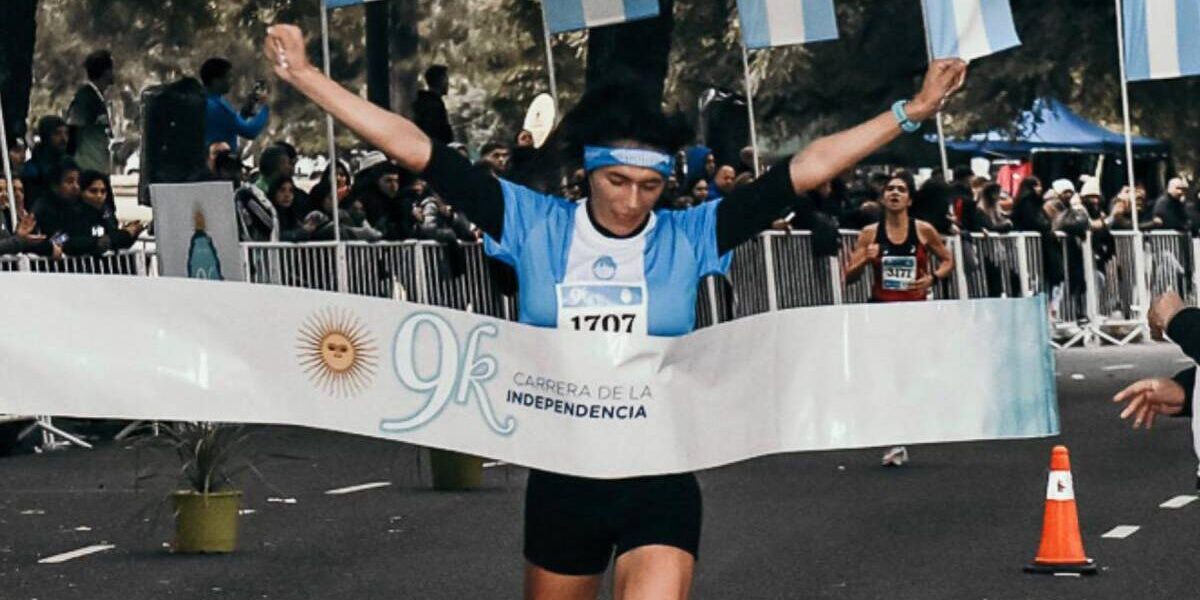
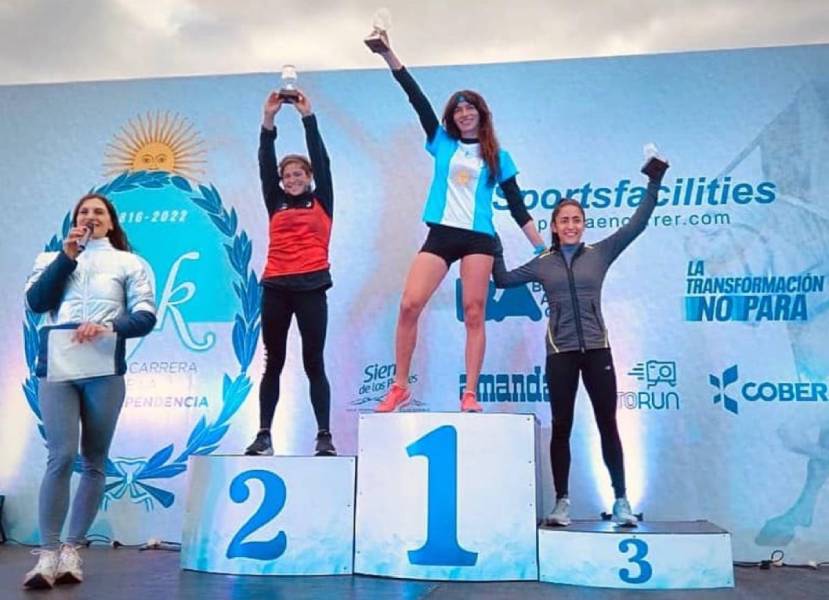
“My gender isn’t questioned when I sign up. Nobody tells me, ‘You can’t run.’ The problem is when you win. Many times I’ve come in third, second, fifth, and nobody said anything. When I won, that’s when the problem started. It’s like, ‘This is as far as you can go. You can get to second place, but not first,’” Anna Scappini, a 33-year-old trans runner, told Presentes . In July 2022, she took first place in the 9K Independence Race .
On March 23, World Athletics (the governing body of world athletics) issued a new resolution to prohibit the participation of trans women in all international competitions .
Anna's Story
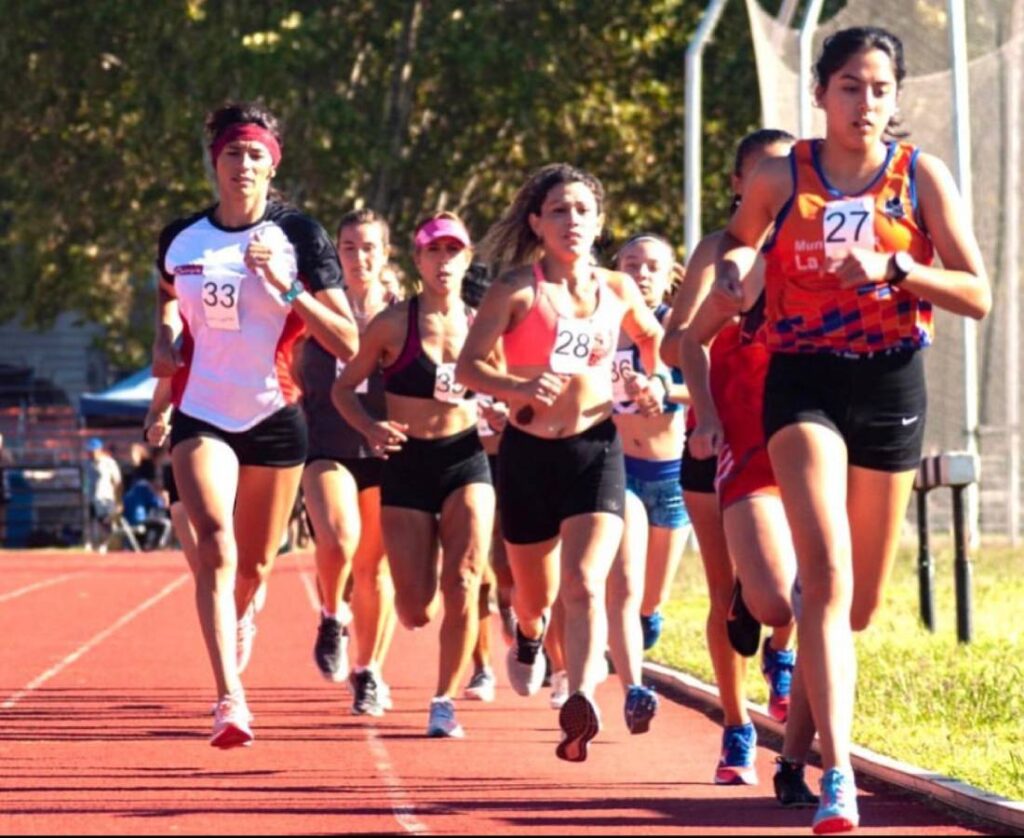
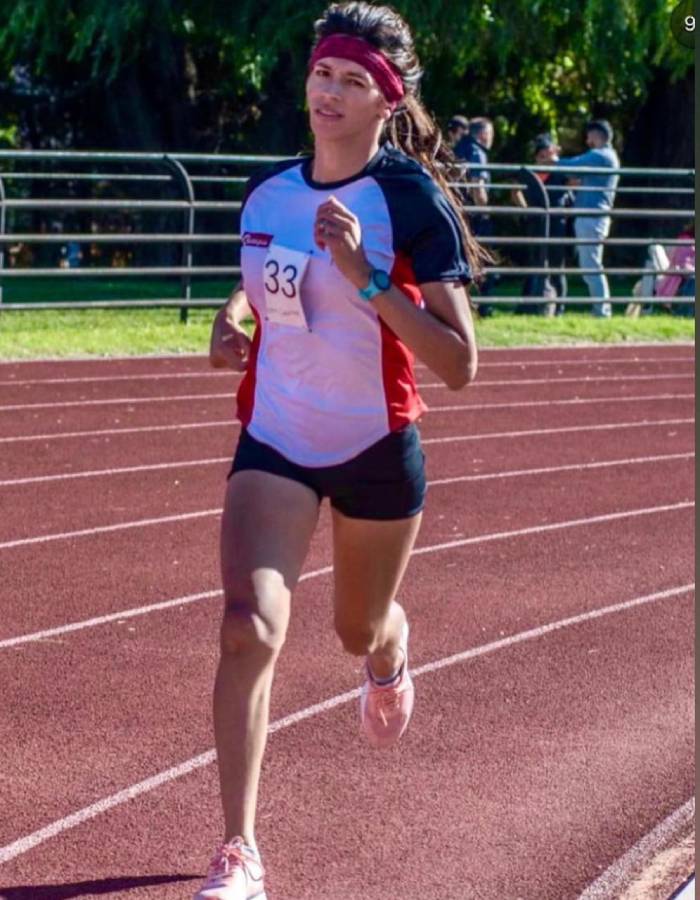
Anna was born in Paraguay and currently lives in Avellaneda, Buenos Aires. She works as an administrative assistant and event organizer while studying International Business at the University of Quilmes and training. “I work, train, and study. I need to mention that. I get up at 6 a.m., work until 5 p.m., and then go for a run, often already tired. After that, I go to university until 10 p.m. I get home around 11:30 or 12. And then the routine starts again,” she described her daily life.
When she came in first in the 5th edition of the 9-kilometer Independence Race on July 9, 2022, she became the first transgender athlete to win a race of this kind in Argentina. She triumphed with a time of 34 minutes and 11 seconds, at a pace of 3 minutes and 48 seconds per kilometer. Her name appeared in headlines across various media outlets, and criticism quickly followed.
The runner believes she has no "comparative advantages over other cis women" and stressed the importance of considering other variables, beyond physical build.
“There are women who easily outpace me. I suffer just as much as everyone else. For me, there are other factors that also need to be taken into account when competing. There are girls who have more financial resources, more time, they take a supplement every 8 hours. There are many factors that allow a girl to run at 3.3 kilometers per hour and set a record. It's not just testosterone ,” she explained.
Anna trains six times a week and rests one day. The most she can afford is to buy "slightly better shoes so I don't hurt myself." "There are other determining factors: social class, where you live, time, food," she says.
Access for trans people
The transgender population faces greater vulnerabilities than the rest of the population. From an early age, upon assuming this identity, transgender people are exposed to various types of discrimination, ranging from familial to social and institutional.
The first form of exclusion occurs within families that do not accept this identity, forcing them to leave their homes. Many even come to Argentina from their countries of origin seeking greater protection under national law. The second form of exclusion is in education. Due to harassment from students and teachers, and a lack of support, most of them end up dropping out of school.
The lack of education, coupled with workplace discrimination, leads trans women and transvestites, in particular, to see prostitution as their only means of survival. This brings with it greater vulnerability: exposure to the streets, the cold, sexually transmitted infections, and violence from the police, society, and the healthcare system.
These words are reflected in reality. The First Survey on the Trans Population (2012) in Argentina revealed that only 64% had completed primary school or basic general education (EGB). Furthermore, 50% lived in substandard housing, while 85% of trans women reported being or having been involved in prostitution.
Meanwhile, while a cisgender woman in Argentina has a life expectancy of 78 years (according to 2022 INDEC census that of a transgender woman is 40: less than half . In this context, access to sports and consistent participation in this environment for the transgender population is not an easy task.
Mara, the first in football
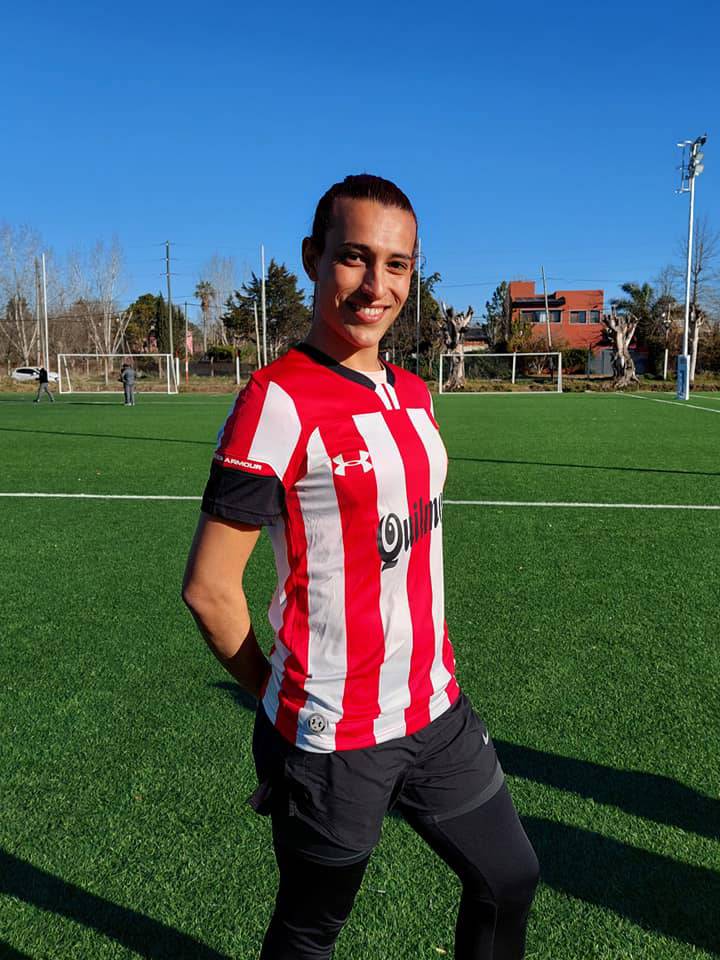
Mara Gómez is the first trans woman to play in the top tier of professional soccer in Argentina. She currently plays for Estudiantes de La Plata , where she signed a contract in January 2023. She is also a nurse. Reaching the top division was a significant achievement for her.
“It was quite difficult because I had to face a lot of discrimination, exclusion, and receive many rejections,” she told Presentes about her sports career. She added, “I had to undergo hormone therapy, which negatively affects me both physically and emotionally.”
In order to play professionally, Gómez made an agreement with the Argentine Football Association (AFA) that takes as its model the recommendations of the International Olympic Committee (IOC) for the inclusion of trans people in sports.
Mara believes that “while the agreement isn't ideal,” it was a “very important” step. “Being involved in the sport can perhaps change the perspective on the regulations. It's about that: gradually changing the way we view sport and inclusion,” she stated.
Gender identity law, is it being enforced?
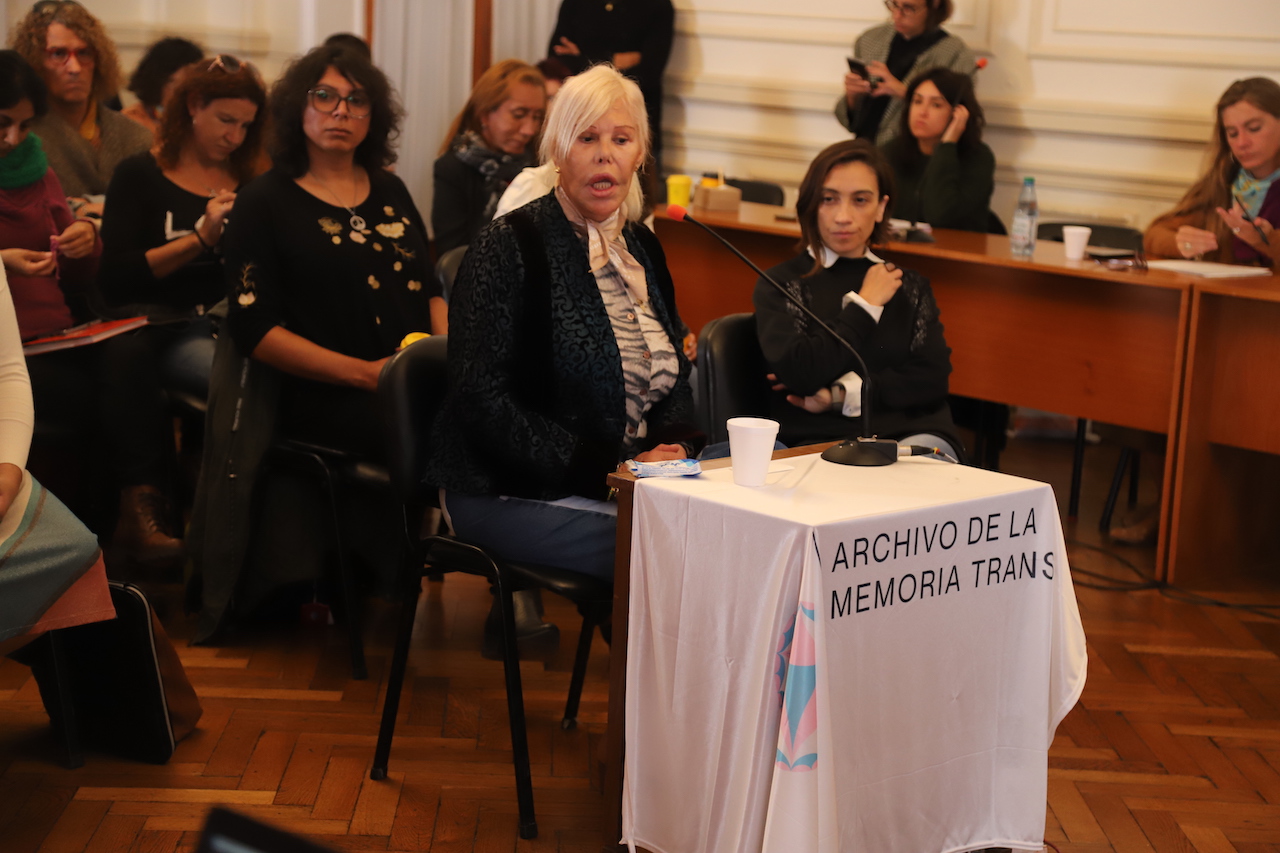
“Some Argentine organizations or federations believe they don't have to comply with the Gender Identity Law if an international body tells them not to. This is happening with the International Olympic Committee, which in recent years has had different positions regarding how to include transgender people. The Argentine Olympic Committee and the country's federations followed these recommendations—which weren't a rule—to the letter,” Juan Pablo Morino, Secretary of Sports for the Argentine LGBT Federation Presentes .
In 2003, the IOC stipulated that transgender people could compete in the Olympic Games, but only those who underwent gender reassignment surgery. This requirement was eliminated in 2015, but the condition remained that transgender women possess a testosterone level below 10 nanomoles per liter for at least 12 months prior to their first competition. Finally, in 2019, the IOC consulted for the first time with 250 athletes and stakeholders affected by these regulations, and in November 2021 launched a new regulatory framework.
Based on 10 guiding principles (including inclusion, non-discrimination, equity, and privacy), the IOC maintained that no athlete should be excluded from competition because they are presumed to have an advantage due to their gender . It also stated that sex testing and “invasive physical examinations” used to verify an athlete's gender were “disrespectful” and “potentially harmful.” However, its decision is not legally binding, leaving the responsibility for the final decision to individual sports federations.
“They washed their hands of it. They said they weren’t going to impose any limitations, but they are giving that decision-making power to each of the federations, given that the pathologizing of trans people was highly questionable,” Morino said.
She recounted that “the International Swimming Federation (FINA) has already started with something outrageous: that one has to transition before the age of 12. ” An emblematic case in aquatic sports was that of trans swimmer Lia Thomas, who was targeted when she achieved victories . “ There are a lot of things that, from our perspective as Argentinians, with a Gender Identity Law that has been in place for 10 years, are impossible for us to understand,” Morino added.
In this regard, Law 26.743 recognizes in its Article 1 the right of individuals to the free development of their gender identity and to be treated accordingly. Article 12 also recognizes the right to dignified treatment. Furthermore, it does so from a perspective that does not pathologize gender identity. It is not necessary to provide proof of genital reassignment surgery, hormonal therapies, or psychological or medical treatments.
“Of course, since the Gender Identity Law does not pathologize, we do not agree with any kind of analysis because that would mean pathologizing,” Morino stated regarding the conditions for transgender people to access professional sports. “We also do not agree with creating a third category that only perpetuates and reinforces discrimination. It's saying they are neither men nor women,” she added.
The media doesn't care about talent.
The media plays a fundamental role in shaping the public debate on the inclusion of trans people in sports, athletes and specialists pointed out.
“Beyond focusing on the athlete’s achievements or skills, they always focus on the advantage, on the fact that if she is trans and in a women’s sport, she has advantages,” Ingrid Bravo, coordinator of Institutional Development and Outreach at Somos Versus Presentes . This Mexican organization aims to “achieve a more inclusive society through sports.”
According to her, “many times when a media outlet refers to an athlete using discriminatory terms, it’s because they don’t know how else to refer to them.” That’s why Somos Versus created a Basic Guide for Inclusive and Prejudice-Free Communication , which media outlets can use. She also urged them to “reach out to experts so they can be provided with these tools.”
Meanwhile, Mara Gómez sees the media as “creators of meaning within society.” She also sees them as “responsible for ensuring that people who read a newspaper or listen to the news take away a positive message, and that this generates a change that fosters respect for every person, regardless of sex or gender.”
“Today I’m not alone anymore. I’m joined by a group of trans and non-binary women who will also have their chances at some point,” Scappini said. She concluded, “I represent a group excluded from society that didn’t previously compete. I go out running motivated to pave the way. I’m going to lower my times to bring visibility to a community that’s always been in the shadows in sports.”
We are present
We are committed to journalism that delves into the territories and conducts thorough investigations, combined with new technologies and narrative formats. We want the protagonists, their stories, and their struggles to be present.
SUPPORT US

FOLLOW US
Related notes


We are present
This and other stories are not usually on the media agenda. Together we can bring them to light.