

Trans women denied participation in elite athletics: what does it mean and how does it impact?
World Athletics issued a new resolution to prohibit transgender people from competing internationally.


Share

MEXICO CITY, Mexico. On March 23, World Athletics , the governing body for world athletics, banned transgender women from participating in all international competitions. The new “eligibility measures” also affect intersex women and women who naturally express high levels of testosterone. The new regulation will take effect on March 31, Transgender Day of Visibility .
“The Council decided to prioritize fairness and integrity in women’s competition over inclusion,” said the organization’s president, Sebastian Coe.
In a statement , World Athletics (WA) says that the reasons for prohibiting the participation of trans women are “guided by the general principle of protecting the female category.”
At the same time, WA asserts that: “currently there are no transgender athletes competing internationally in athletics and, consequently, there is no specific athletic evidence of the impact these athletes would have on the equity of female competition in athletics.”.
At the Olympic level, only one transgender woman has been allowed to compete. In Tokyo 2020, Laurel Hubbard , a New Zealand weightlifter, was the first transgender woman to compete in the Olympic Games. Her participation was brief, as she failed all three of her lifts in the women's heavyweight division.
This new regulation will also affect intersex women and those who naturally express high levels of testosterone. Their participation will be contingent upon maintaining a testosterone level of no more than 2.5 nanomoles per liter of blood for two years, both before and during any international competition.
What do these regulations entail? What impact might they have on transgender people who participate in sports?
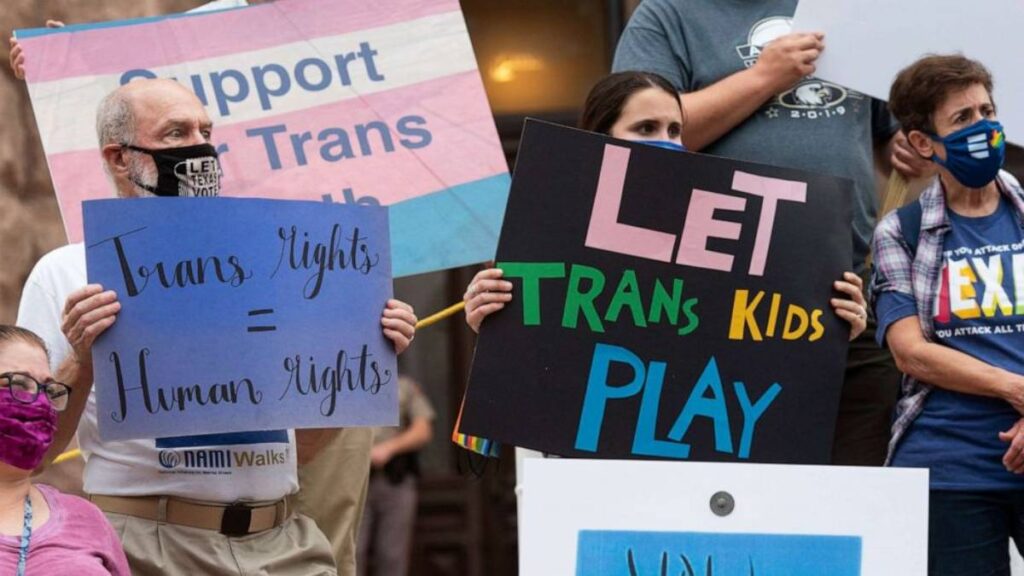
“Regulations must adhere to human rights”
In November 2021, the International Olympic Committee (IOC) published a new “ framework on equity, inclusion and non-discrimination on the grounds of gender identity and sex variations ” with a central role in the eligibility criteria in the female categories.
The document states that "there is no scientific consensus on how testosterone affects performance in sports and the role it plays in measuring an unfair advantage is unclear, because performance is measured differently in each sport.".
The IOC determined that each sports federation must establish its own eligibility criteria to regulate participation in the women's and men's categories. They must do so "in accordance with human rights, with sound scientific evidence that considers the contexts and ensures the well-being of the athletes.".
The new World Athletics eligibility regulations only issued criteria for women.
A sexist and racist regulation
This is not the first time that World Athletics (WA) and the International Olympic Committee (IOC) have sought to regulate the participation of female athletes in elite competitions by monitoring their bodies.
Since 1940, the world athletics federation has violated the human rights of female athletes through "sex tests" and "femininity certificates" for "eligibility" purposes. This forced athletes to undergo gynecological and physical examinations and other degrading practices, as revealed in the Human Rights Watch (HRW) investigation, " They're Driving Us Out of Sport: Human Rights Violations in Sex Tests of Elite Female Athletes ."
According to our reporting, we found that from 2009 to the present, these types of regulations have been systematically applied against women of color. At least ten elite athletes have publicly stated that their professional careers have been affected by these rules.
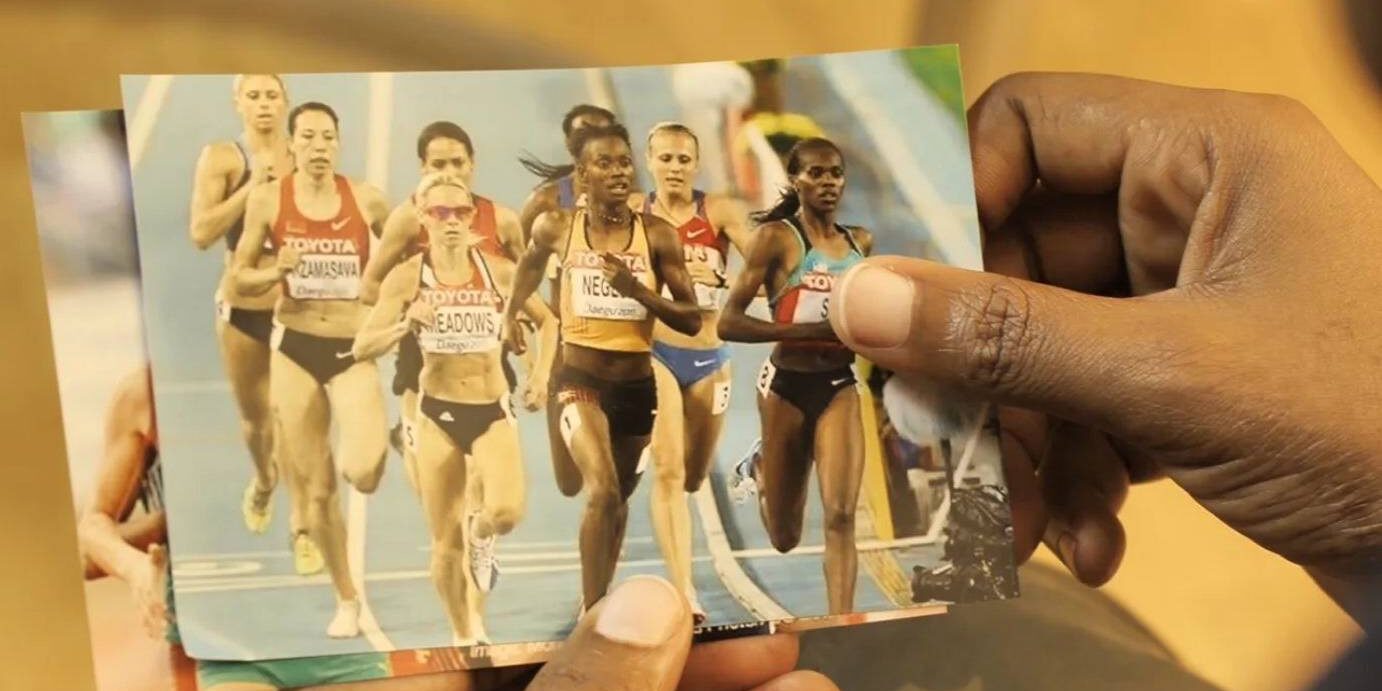
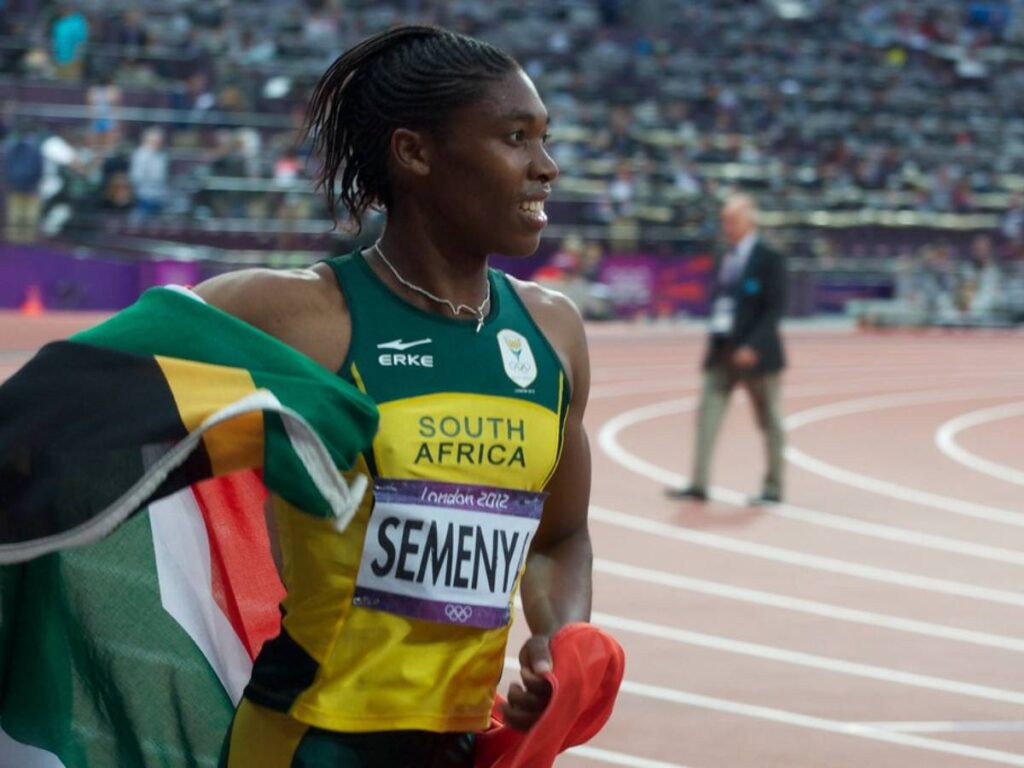
They are: Caster Semenya from South Africa; Dutee Chand from India; Francine Niyonsaba from Burundi; Maximila Imali and Margaret Wambui from Kenya; Aminatou Seyni from Nigeria; Annet Negesa from Uganda; Christine Mboma and Beatrice Masilingi from Namibia; and in Tokyo 2020, Cece Telfer, a black trans woman from the United States, was denied participation.
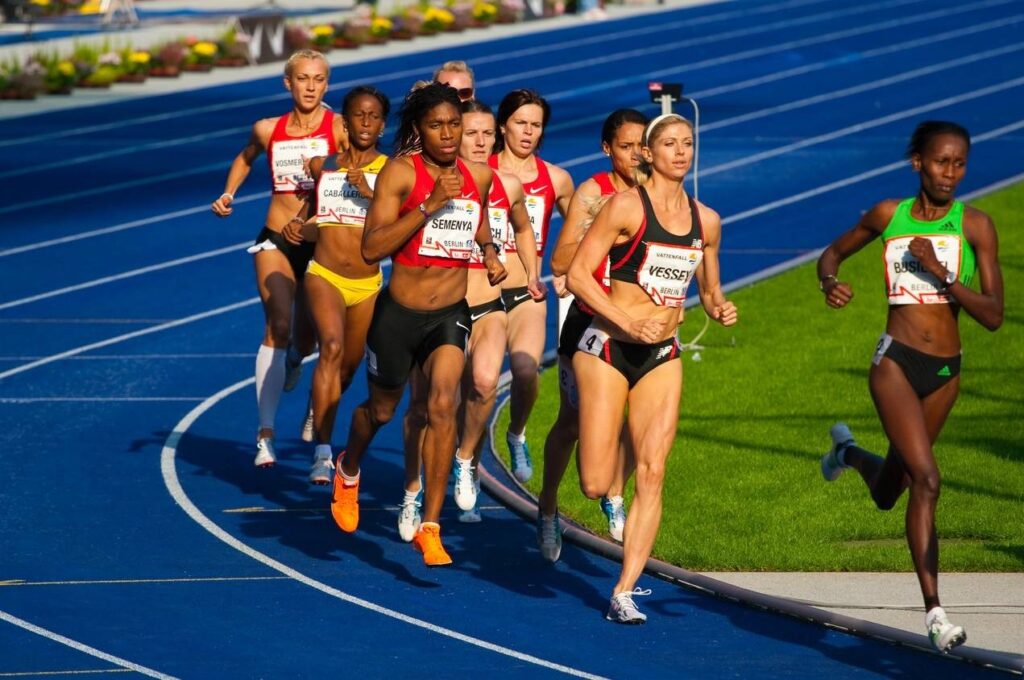
In the article "Would Caster Semenya Have Been Banned If She Were White?" written by Ruby Hamad, a Syrian journalist and doctoral candidate in media and postcolonial studies, she comments that the perception of the bodies of Black athletes and other racialized women has been driven by 19th-century scientific racism. This racism determined that being a "real" woman meant being white, European, or of European descent.
She adds, “The fact that the application of the sex binary is now being used not only to exclude trans women from the status of woman, but to justify the exclusion of high-performance cisgender athletes already has implications for black athletes who are considered 'too masculine' to compete with them, more 'feminine' (read: white) runners.”.
UN: “These are unnecessary, humiliating and harmful mechanisms”
HRW believes these practices cause physical, psychological, and economic harm to female athletes. Success in athletics often means an improvement in their living conditions.
Furthermore, HRW points out that “identifying athletes through observation and suspicion is a way of controlling women’s bodies based on arbitrary definitions of femininity and racial stereotypes.”
The UN has described these exclusionary mechanisms as “unnecessary, humiliating, and harmful.” It explicitly recognizes that there is a particular form of discrimination in sports against Black women and girl athletes from the Global South.
Under the guise of seeking “equality and sporting equity,” World Athletics and other sports federations such as the International Swimming Federation (FINA) currently exclude and regulate the participation of women by exercising racial discrimination, discrimination based on gender identity, and discrimination based on sexual variations.
The ban on trans people in sports is not exclusive to the sports elite.
The impact on trans people
In recent years, it has been argued, without conclusive scientific basis, that the participation of transgender women in sports represents an alleged "unfair advantage" for cisgender women. This narrative has been used not only by sports federations but also by anti-rights groups in decision-making positions.
“Every time an International Federation makes a policy that prohibits trans athletes, we see a trickle-down effect on other policies,” said Chris Mosier, athlete and founder of Trans Athlete , a platform that seeks the inclusion of trans people in sports in the United States, statement
He added, “The real impact will be felt by young athletes around the world who are now unable to pursue their athletic dreams and are bombarded with messages from sports organizations and legislators telling them they don’t belong and don’t deserve the same opportunities as their peers to experience the joy, connections, and camaraderie that comes with playing sports.”.
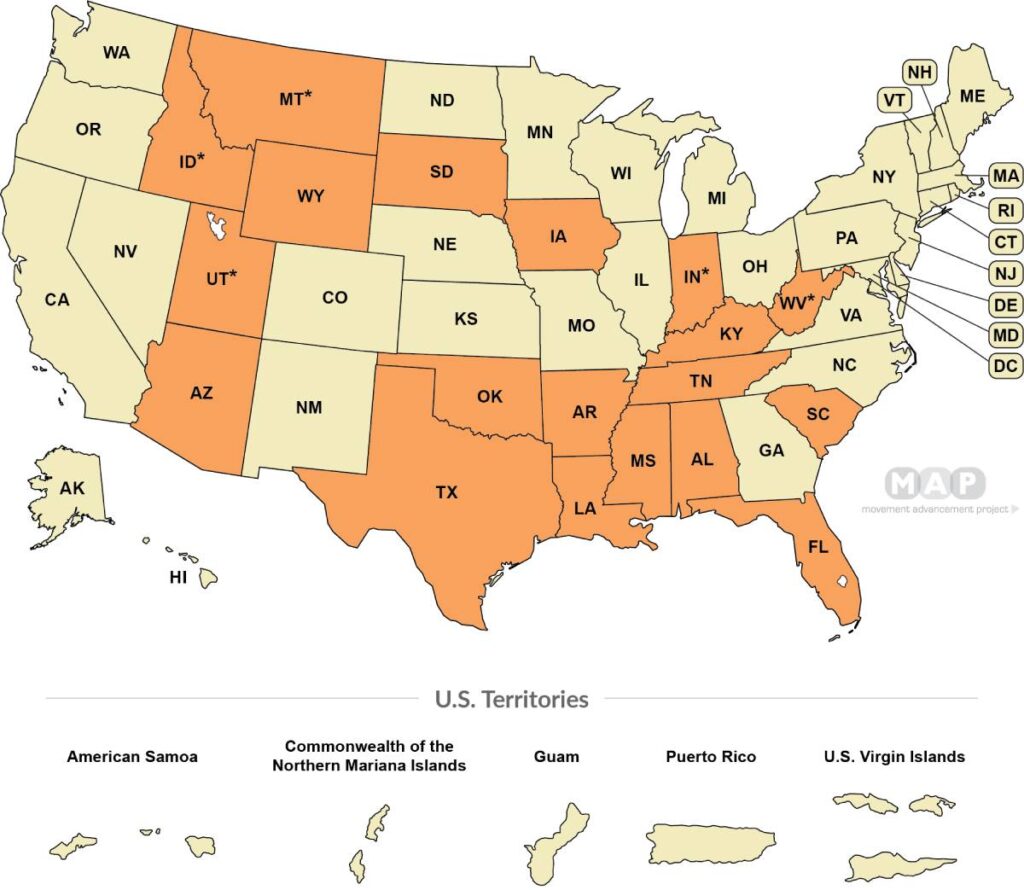
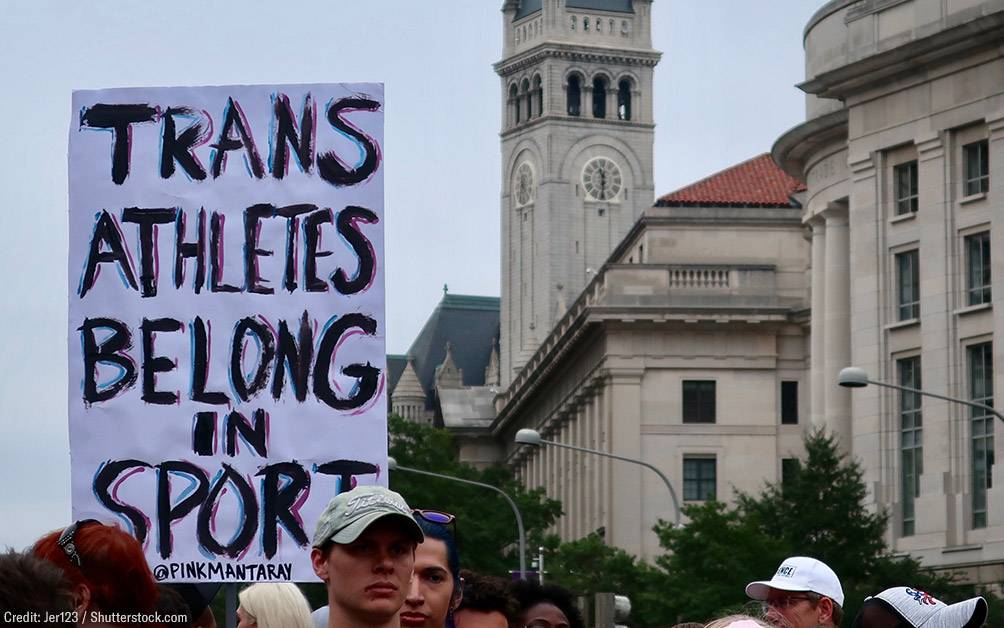
Currently in the United States, 19 states prohibit transgender girls, young women, and women from participating in school sports and competitions. All of these policies apply at the elementary school level, and 15 of them extend to the high school and even university levels.
These laws primarily target trans girls and women. The way they seek to prohibit their participation fosters suspicion and surveillance of their bodies. This directly affects and further endangers girls, young women, and women (both trans and cis).
The Transgender Law Center states that the participation of transgender children and youth in sports that align with their gender identity can provide "a huge boost to their self-confidence and self-esteem, leadership skills, and positive experiences that will help them in all other areas of their lives."
Ensuring a place for trans people in elite sports and at the school level could influence trans children, young people and adults to have positive role models so they don't have to give up the sport they love just for being who they are, and to work in their sporting discipline without fear that they can achieve the Olympic dream.
We are present
We are committed to journalism that delves into the territories and conducts thorough investigations, combined with new technologies and narrative formats. We want the protagonists, their stories, and their struggles to be present.
SUPPORT US

FOLLOW US
Related notes


We are present
This and other stories are not usually on the media agenda. Together we can bring them to light.