

Indigenous women showcased their ancestral power through song
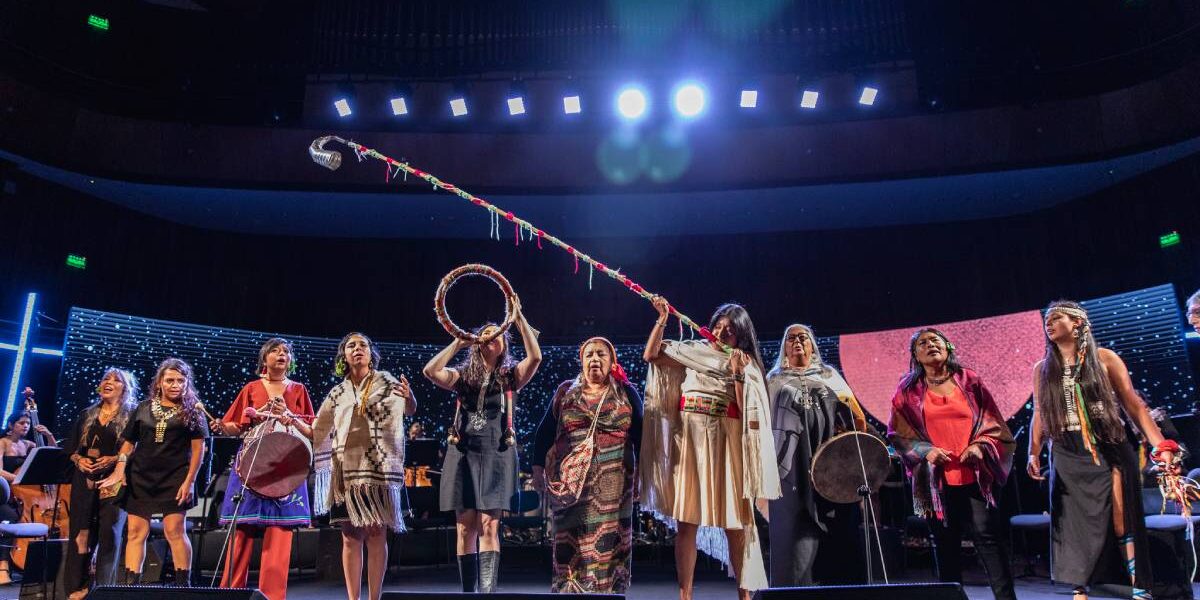
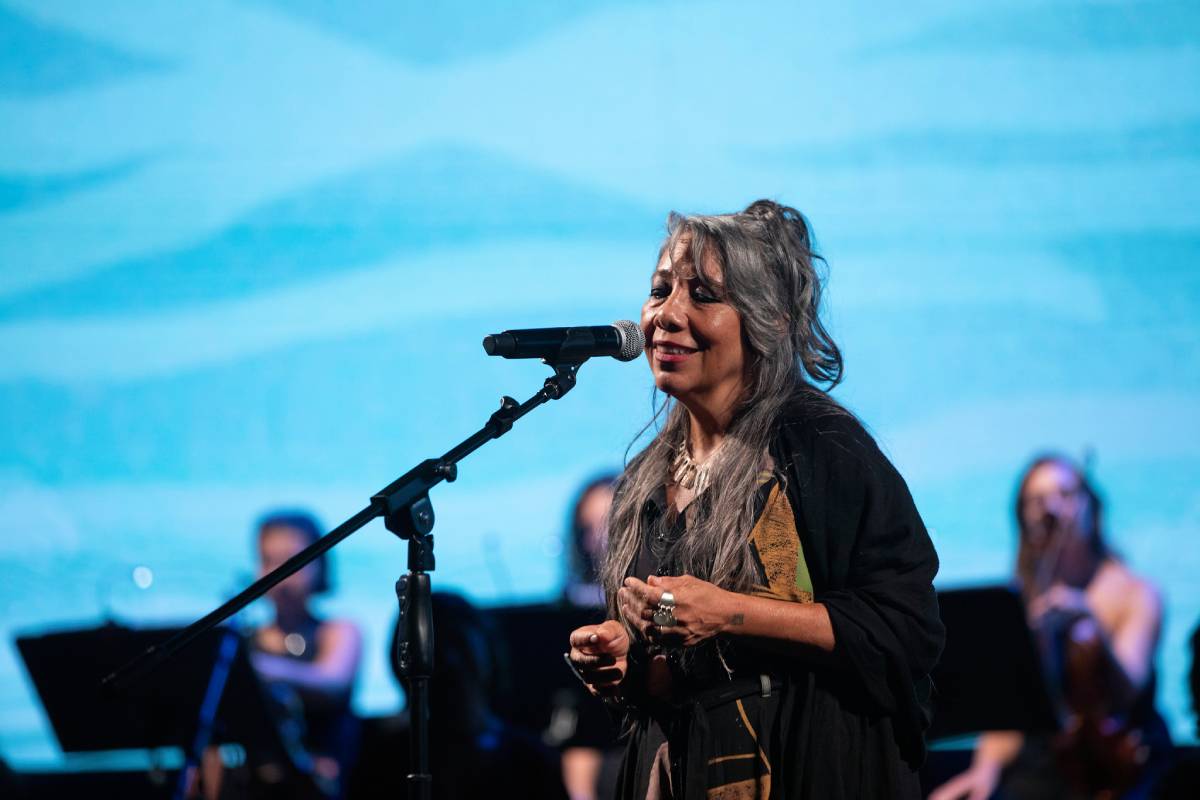
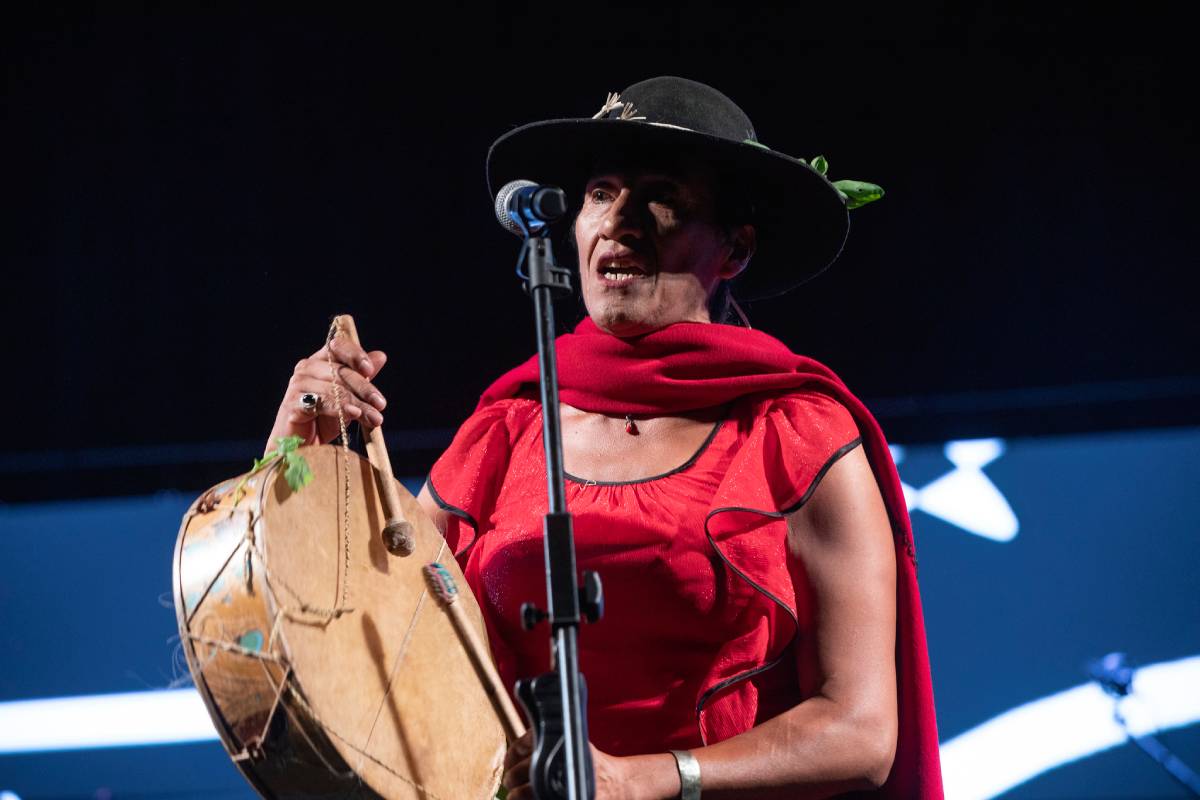
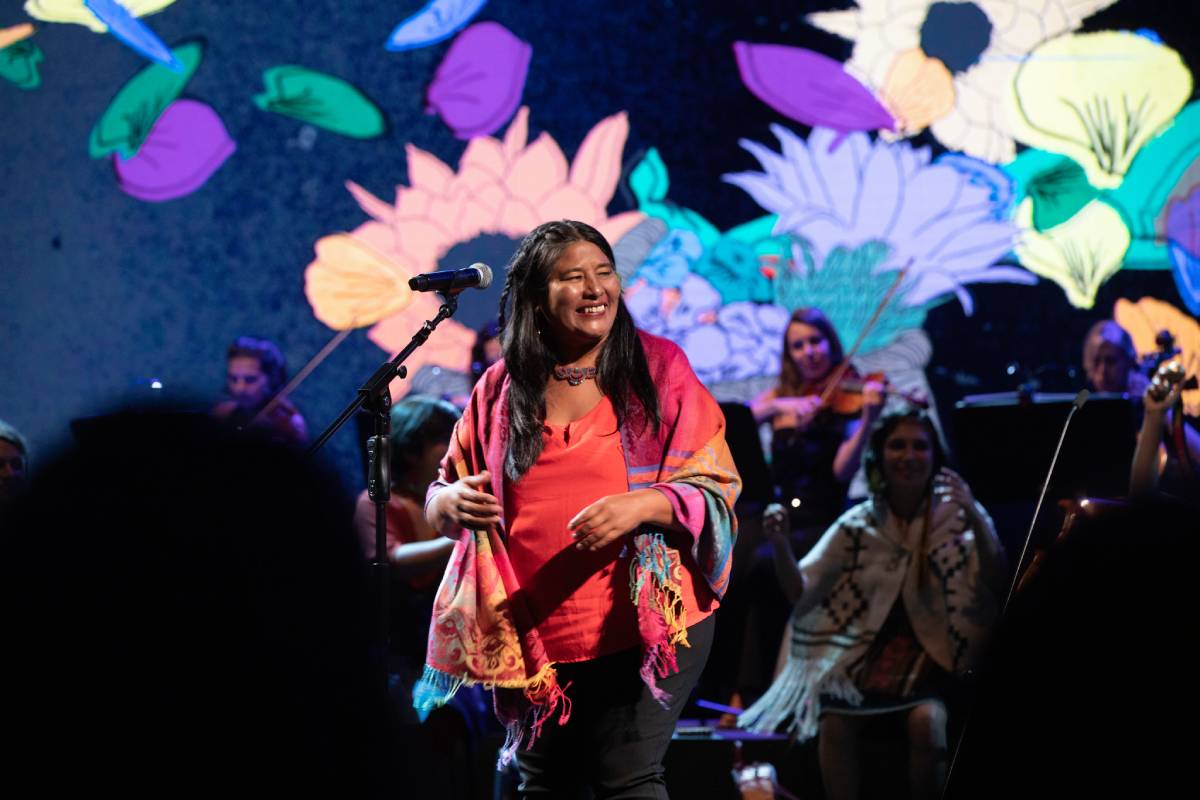
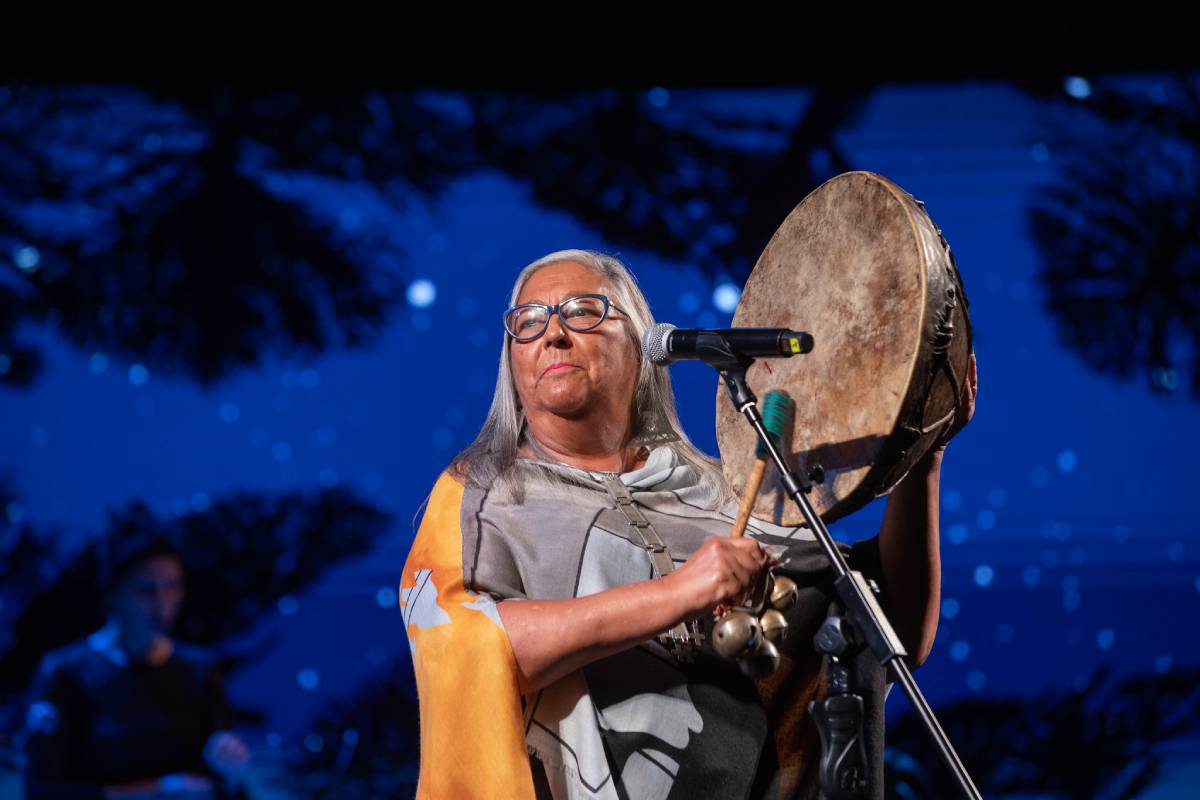
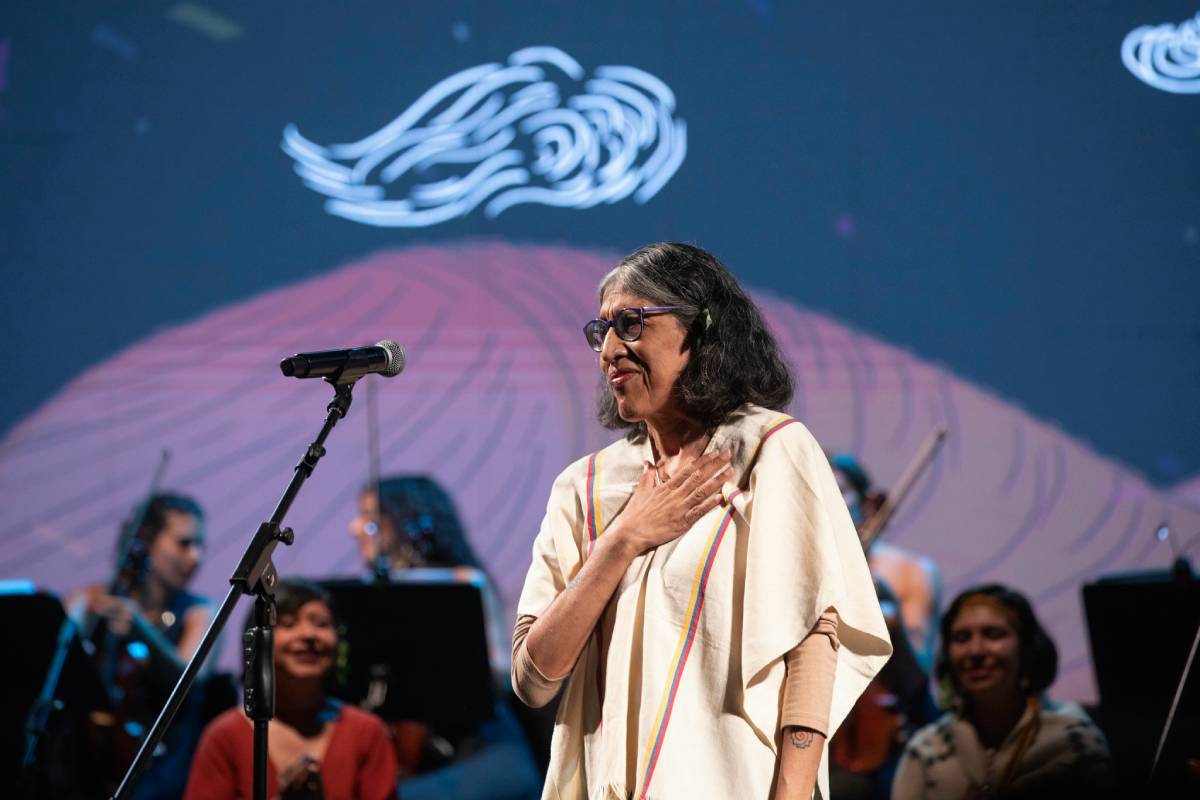
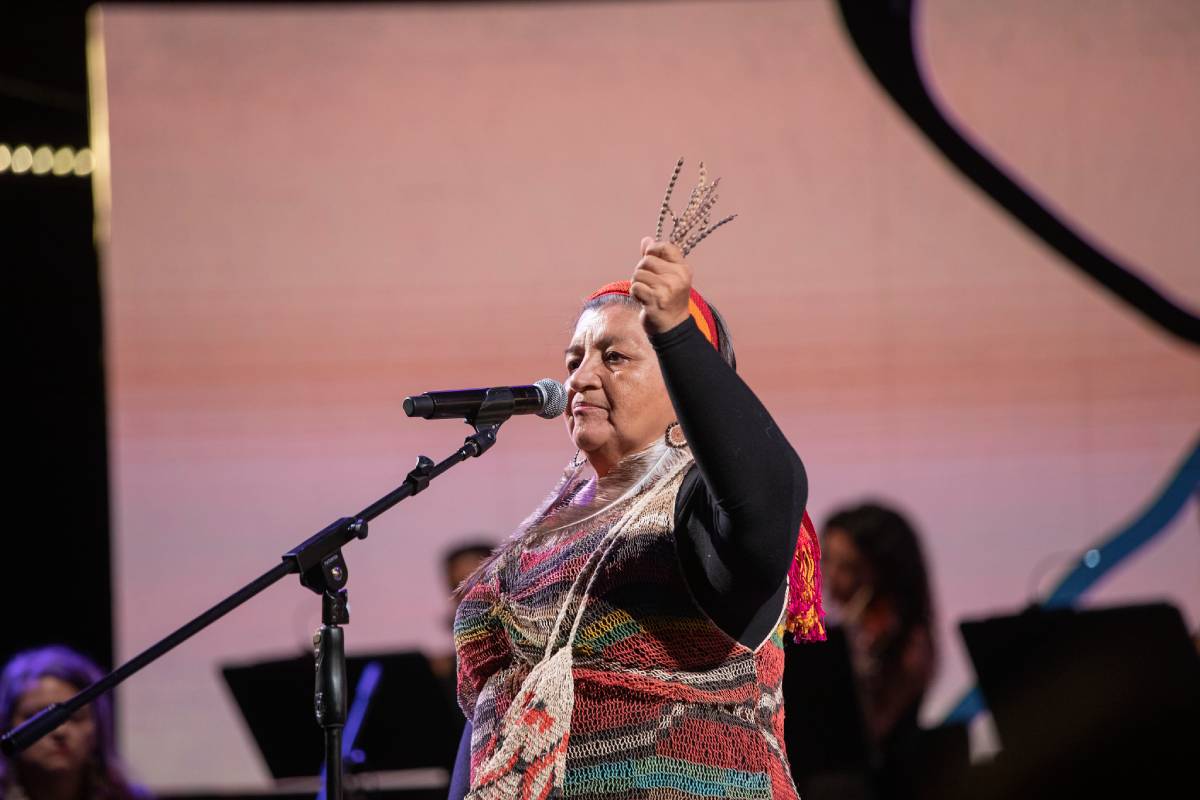
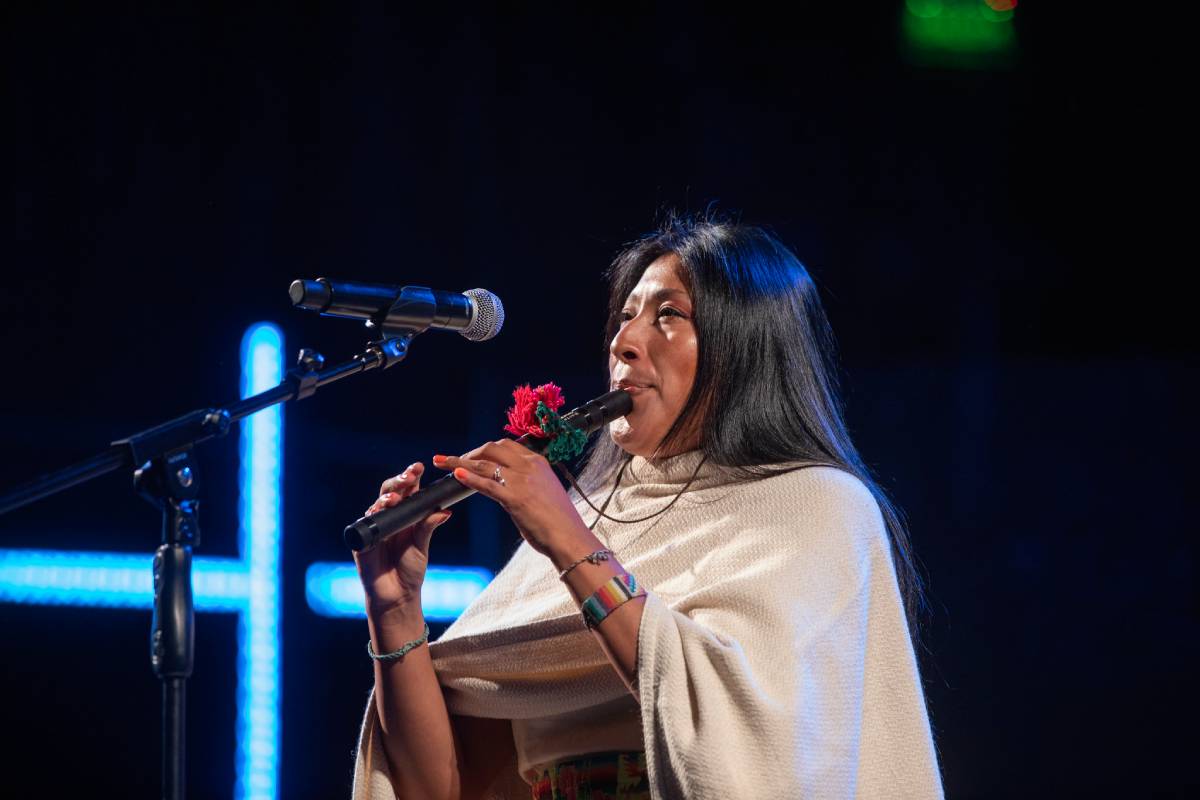
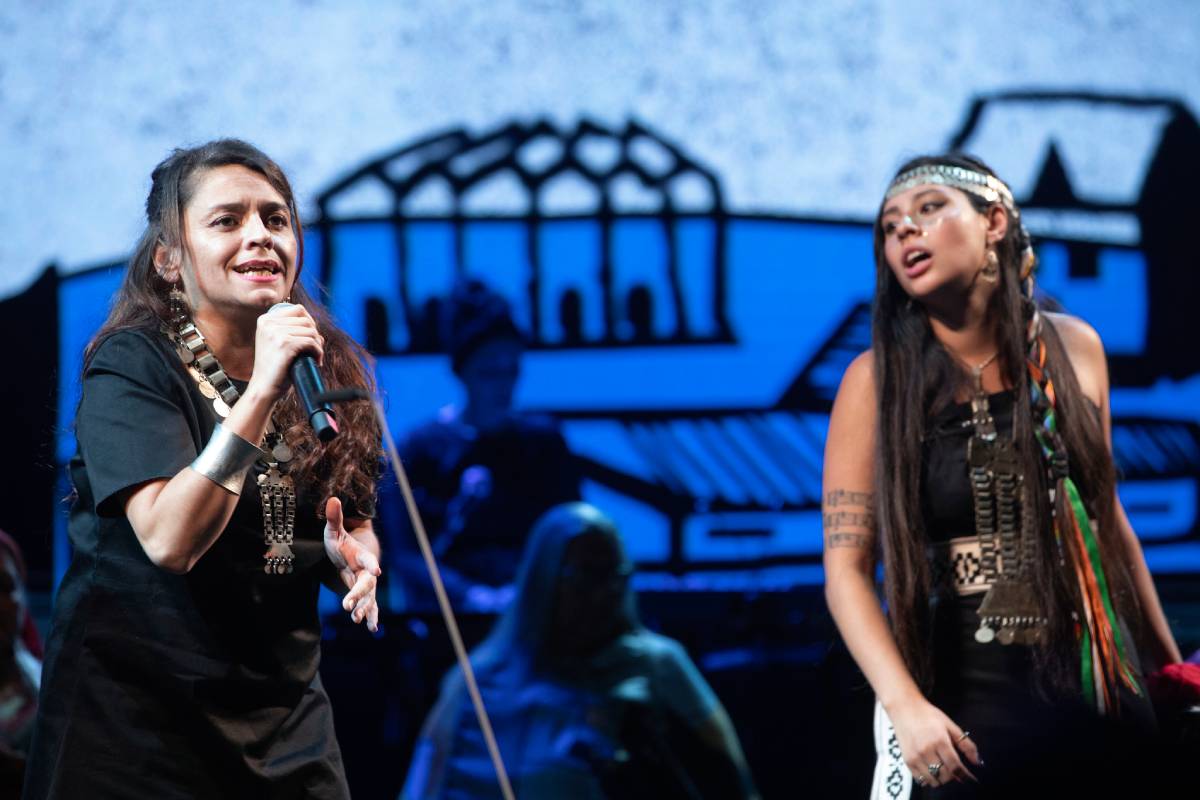
Territories of song is the name of the concert that brought together twelve female singers from various native territories.


Share

BUENOS AIRES, Argentina. Twelve singers. Twelve ancestral voices with their messages, their laments, their laughter, their poems, their teachings, and their songs. That's what the show Territorios del Canto (Territories of Song) , a collective work by indigenous women from the diverse nations within Argentina.
Beatriz Pichimalen, Andrea Mamondes, Ema Cuañeri, Micaela Chauque, Lorena Carpanchay, Cristina Paredes, Awka Liwen, Sara Mamani, Nadia Larcher, Noe Pucci, Verónica Condomi and Anahí Mariluan were part of one of the most interesting activities offered by the fourth edition of Nosotras Movemos en Mundo , which took place at the Kirchner Cultural Center.
The idea for the concert arose from the content produced for the podcast "Territorios del Canto" (Territories of Song) , which recently premiered as part of the Kirchner Cultural Centre's programming. The podcast features testimonies from singers of the Qom, Diaguita Calchaquí, Mapuche, Kolla, Vilela, and Guaraní peoples. It was created by singer Anahí Mariluan and journalist Estefanía Cajeao, who curated the show.
The collective song
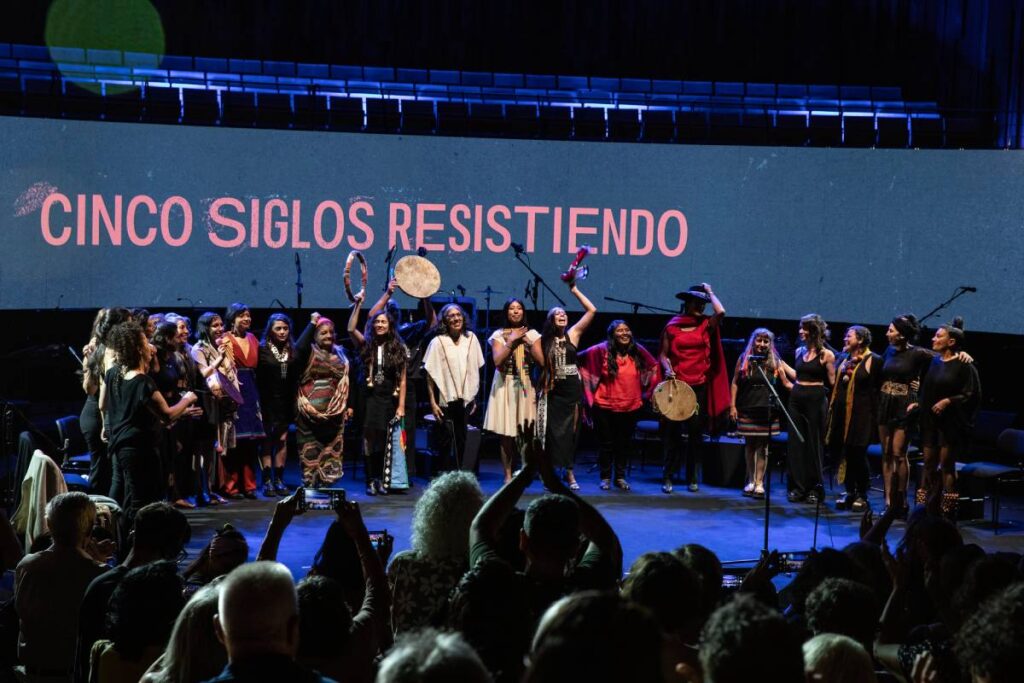
The spectacle itself is a demonstration of the power of the struggle and resistance of indigenous women in this country.
“We wanted to emphasize the territories inhabited by women who, through song, inhabit it, transform it, give it new meaning, and reclaim the thousands of grandmothers they carry in their eyes,” Anahí Marilúan, a Mapuche singer and one of the curators of Territorio del canto Agencia Presentes
“A conscious and attentive curation was important. This was enriched by the contributions of many of the song creators who valued placing another song in the place we had envisioned. This made us stand out even more,” she adds.
“We worked from a collective perspective, omitting leadership figures that don't align with the worldviews of the Indigenous communities participating. We sought to work by embracing and supporting one another, without overarching directives, guidelines, or directives,” Mariluan emphasizes. “Each woman autonomously and sovereignly embraced her own territory of song. This is how we achieved this coexistence of singers. This way of working is purely in keeping with the Mapuche spirit, a way of life and a philosophy that the people have for expressing themselves every day.”
The creation of the show stemmed from research for the podcast Copla Viva , which premiered in 2021, produced by Tucumán-based singer Nancy Pedro and Estefanía Cajeao. “Since then, we had the idea of bringing together some female singers. Among the concepts we were exploring, we understood the importance of the presence of Indigenous languages through the poems. We wanted to show that these languages are alive, that we're not just talking about things from the past, but something very present, very much alive,” Cajeao reflects.
Everyone sings
Once they had the names of the singers and the collection of poems, they had to put together the musical part. For that, they called on the only male musician who participated in Territorios del canto: the pianist, director, and producer Popi Spatocco.
“It was a real challenge to find languages to combine, to musically commune and to build something that ended up being a work and not just an artistic presentation,” Cajeao explains.
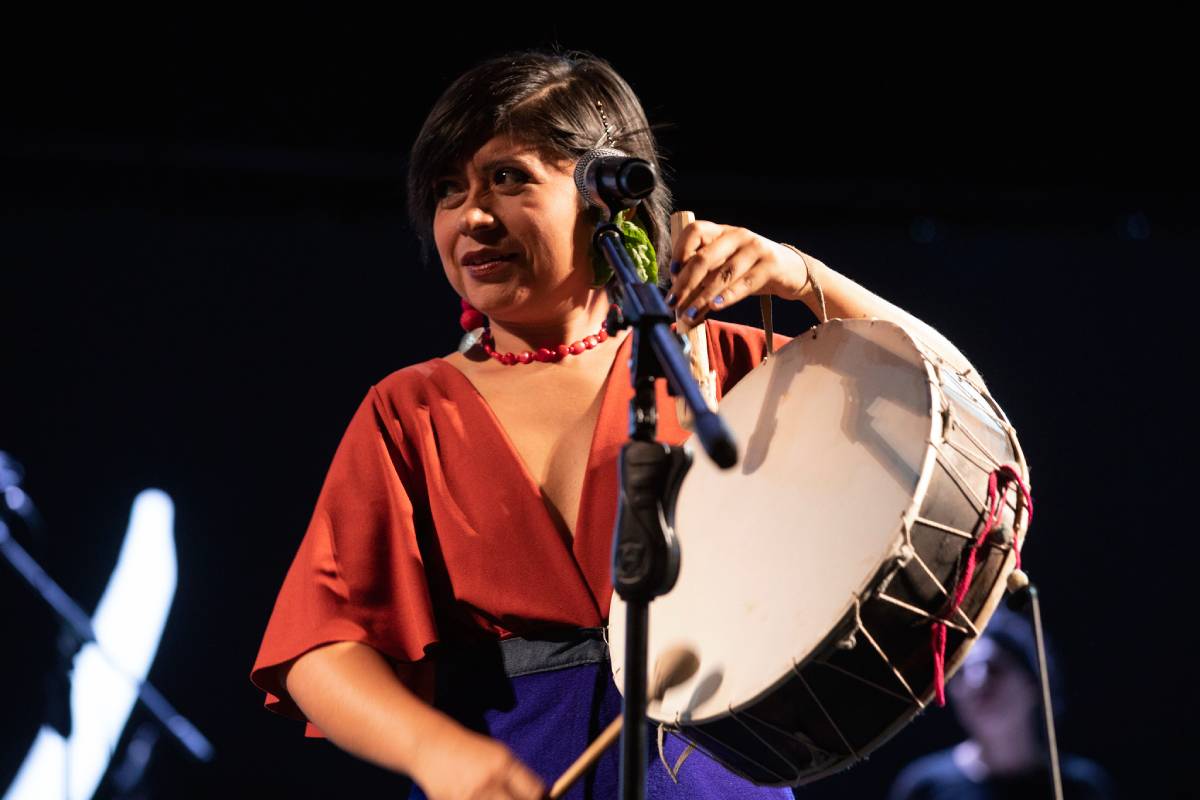
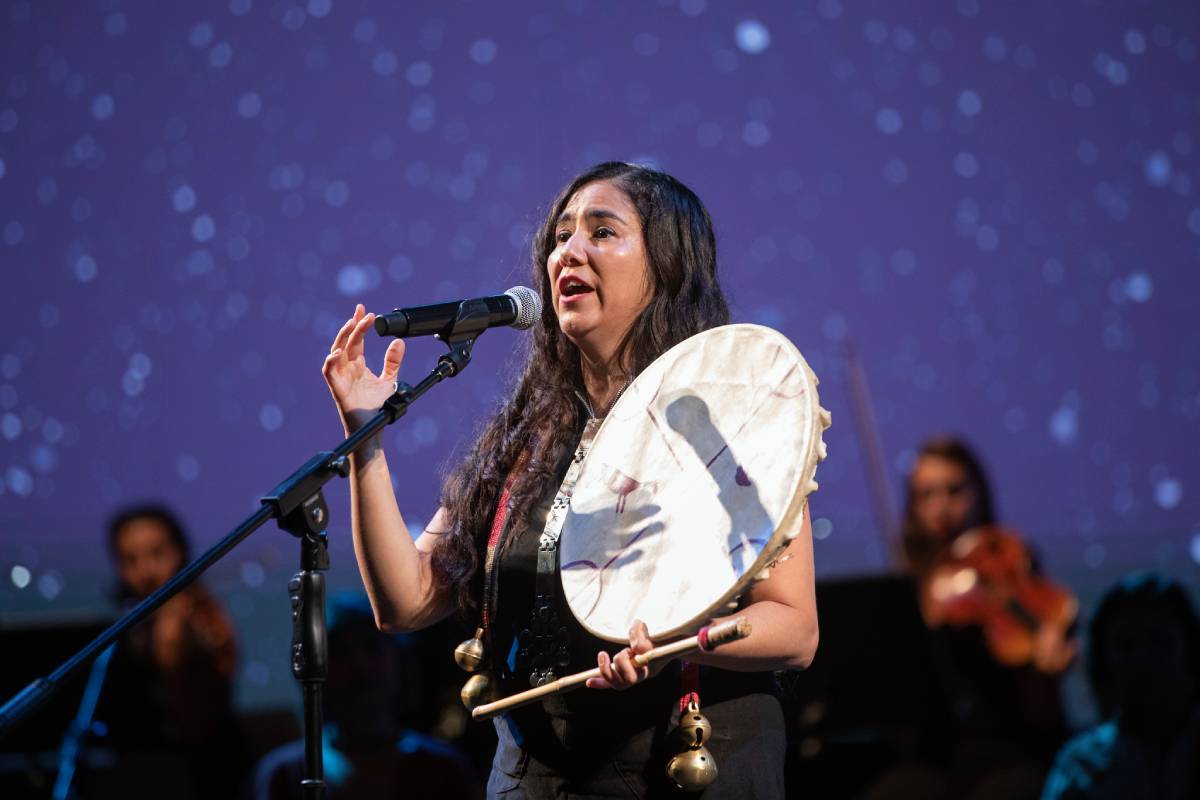
“I am convinced that these territories are irreplaceable. Indigenous singers are countless and boundless. Something very important that all these singers convey is that they are just some of the singers in their communities. Everyone sings. So it's not that they have anything special, but rather that they are disseminators, they perform on stages, they dedicate themselves to this in particular, but they have learned from their brothers and sisters.”
She adds, "The singers conveyed the joy of realizing what they had been dreaming and longing for for a long time: sharing the stage with other colleagues and sisters."
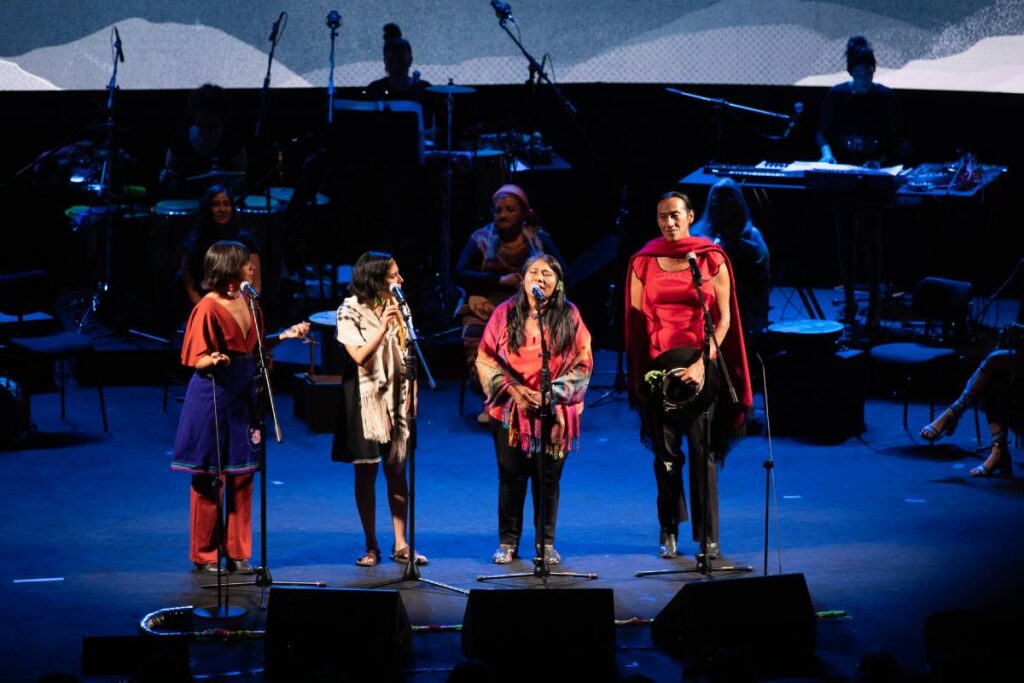
Photo: Ministry of Culture of the Nation.
Nadia Larcher, Andrea Mamondes, and Lorena Carpanchay performed the vidala “La vida mía”; Cristina Paredes sang the huayno “La canastita”; Noe Pucci and Awka Liwen rapped over a reggae background; Beatriz Pichi Malen performed “Müxun Tayül”; Sara Mamani presented “Mi fuerza”; Anahi Mariluan sang “La espera – Üngüm”; Ema Cuañeri performed her traditional Qom song “La algarroba”; Verónica Condomí sang “La Negra Eulogia,” by Teresa Parodi, about the story of an Afro-Guaraní woman; and Micaela Chauque sang her song “Jallalla.”
With arrangements by Popi Spatocco , the songs were performed by the instrumentalists Nuria Martínez , Silvia Fernández , Natalia Cabello , Mariana Baraj , Pao Fassi , Van Shake , Clara Aita , Diana Arias , Mariana Levitin , Carolina Rodríguez , Cecilia García and Ernestina Inveninato .
The full concert can be viewed here:
8M
The show took place within the fourth edition of Nosotras Movemos el Mundo (We Move the World ), a cultural event held as part of the commemoration of International Women's Day and Working Diversities.
The Argentina Hall at the CCK was packed on Saturday night, the 4th, when the concert took place. The emotion was overwhelming as the singers moved an audience that refused to leave the hall.
After the show, Mariluán said, “In conclusion, we can say that today the good news is beauty, it’s tenderness. It’s the room of women who, as a result of activism, emerge singing all together as a single voice, born in the context of March 8th. Where our singing has become a profession, and in that sense, we celebrate Women’s Month in the program ‘We Move the World.’”
“This invitation was extended to us within the framework of 40 uninterrupted years of democracy, and I believe it is essential to emphasize that, in order to strengthen democracy, it is urgent to put a stop to discrimination, racism, violence, and the criminalization of the Indigenous peoples of our country. Their pre-existence in this territory, which we now understand to be within the political boundaries of Argentina, goes back much further than these last 40 years. And to strengthen democracy, we must recognize this, recognize ourselves when we look at each other, recognize where we come from, who we are, and where we originate. It is above all from there, from those peoples, from those first inhabitants, from this land,” Cajeao concluded.
Listen to the Territorios del canto podcast here:
We are present
We are committed to journalism that delves into the territories and conducts thorough investigations, combined with new technologies and narrative formats. We want the protagonists, their stories, and their struggles to be present.
SUPPORT US

FOLLOW US
Related notes

We are present
This and other stories are not usually on the media agenda. Together we can bring them to light.