

This is how March 8, 2023 was experienced: a mapping of images, demands and slogans in Latin America
We were in the streets of Asunción, Buenos Aires, Mexico City, and San Salvador. Here's what we saw, heard, shouted, reported, and what caught our attention this March 8, 2023.


Share

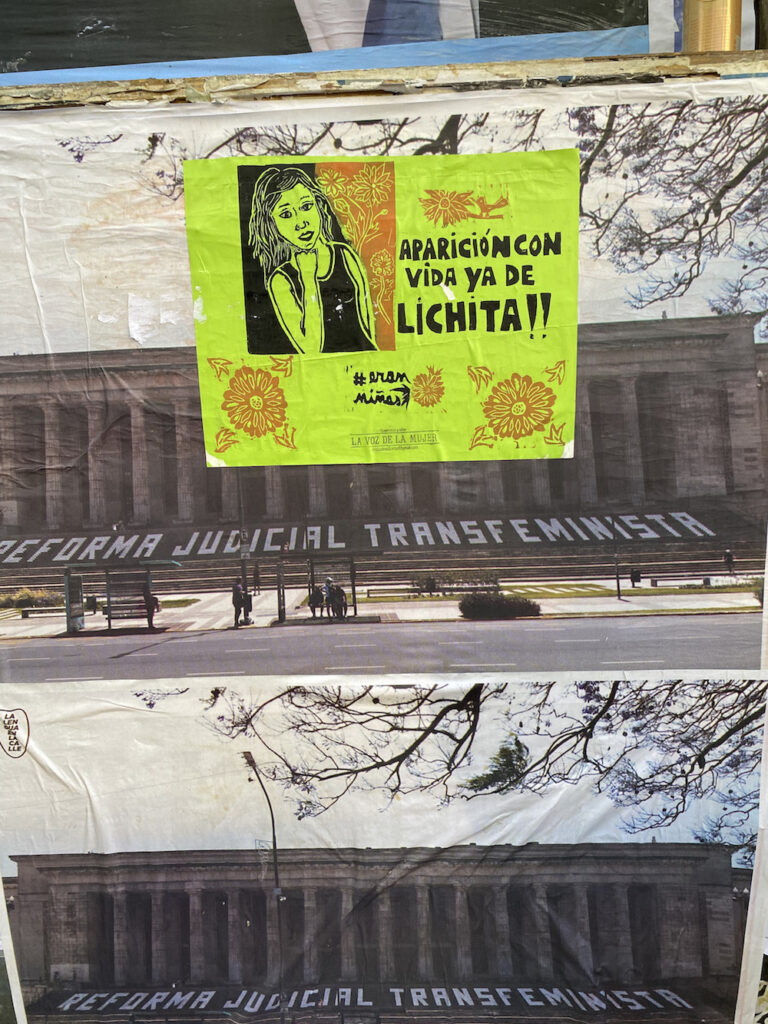
March 8th in Buenos Aires
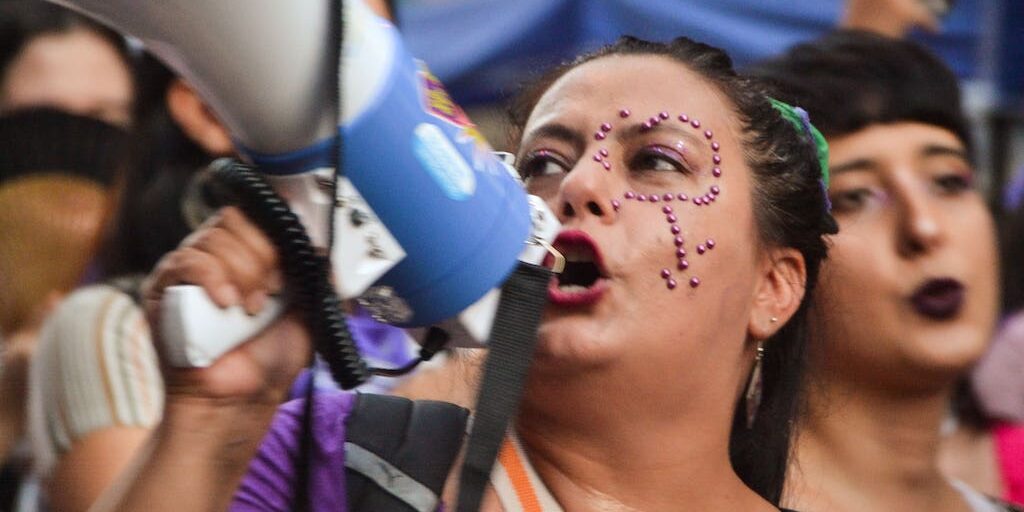
Thousands of women, lesbians, transvestites, trans people, bisexuals, and people of diverse Indigenous and feminine identities, as well as workers and migrants, participated in the 8M marches in various locations across Argentina. In Buenos Aires, there were two marches, one to Plaza de Mayo and the other to the National Congress. Both departed from the intersection of 9 de Julio and Avenida de Mayo.
Throughout the afternoon, numerous social, political, and cultural demands resonated, ranging from an end to violence to the recognition of Indigenous identities and reparations for transgender and transvestite women.
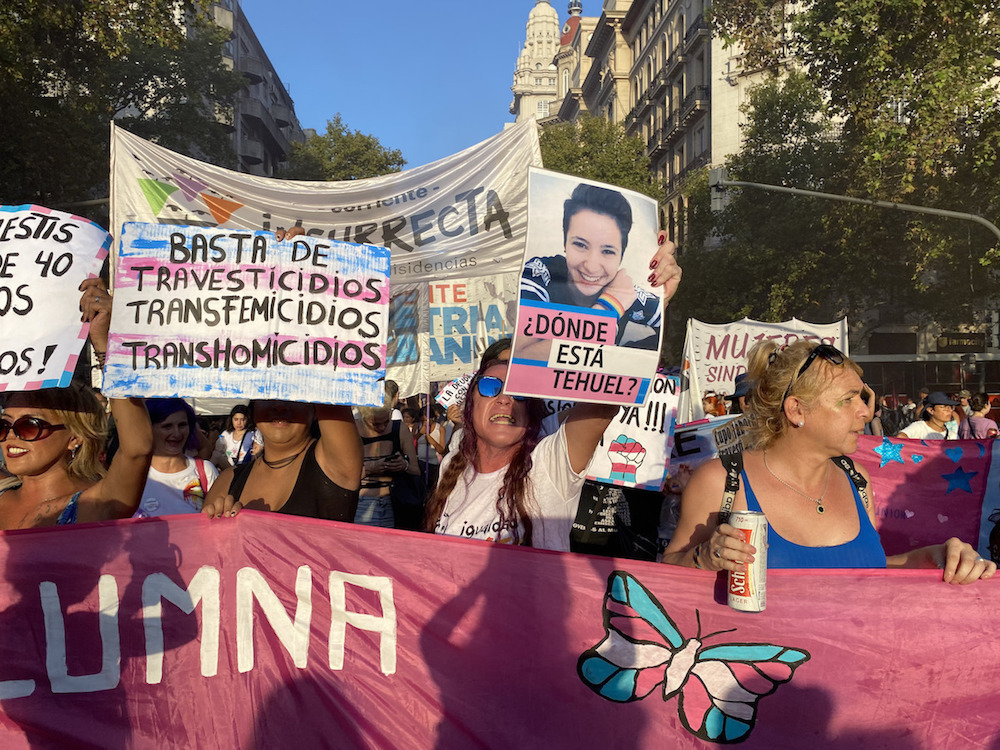
“Today we march so that this society and the State recognize that the conditions imposed on the trans and travesti population constitute genocide, and that they must provide reparations and guarantees of non-repetition for our children and defend them from external hatred,” said Marlene Wayar, in the Diana Sacayán trans and travesti contingent. There, the signs listed the demands: historical reparations, compensation for persecution, a trans and travesti employment quota, and also the question that remains relevant as another anniversary of the young trans man's disappearance approaches: Where is Tehuel?
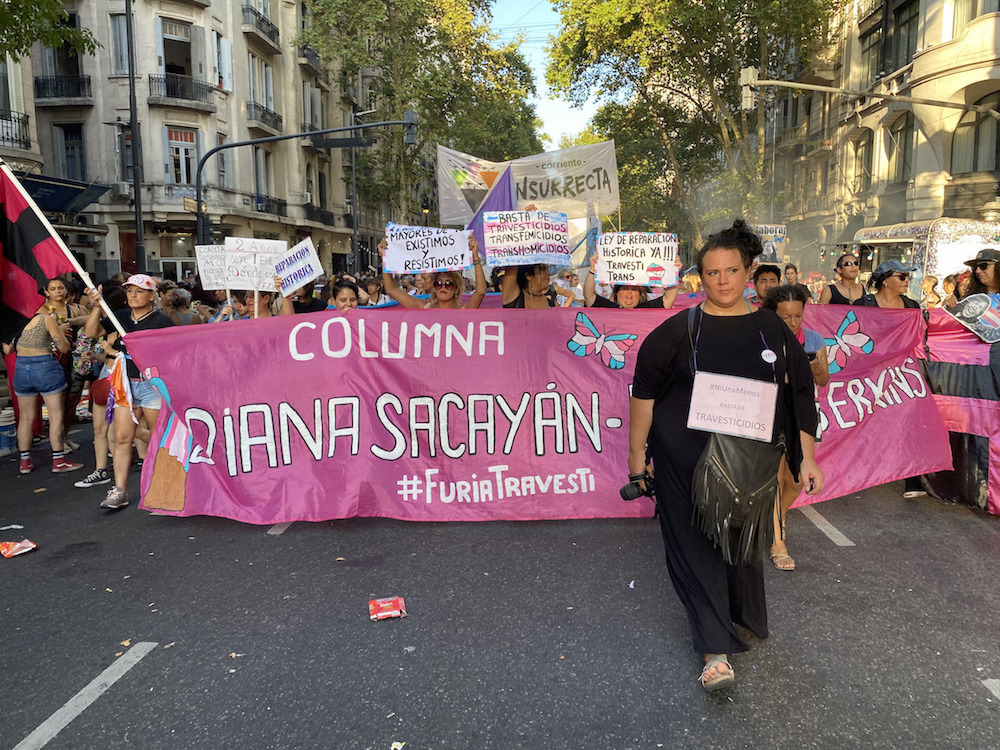
Activist Florencia Guimaraes emphasized: “We continue to demand the urgent implementation of the trans and travesti employment quota and the historical reparations law. It is a debt the State owes to our trans and travesti sisters who have been persecuted and tortured simply for their gender identity. We have spent many years demanding this; many of our sisters are no longer with us, and others are dying. The time for reparations is now!”
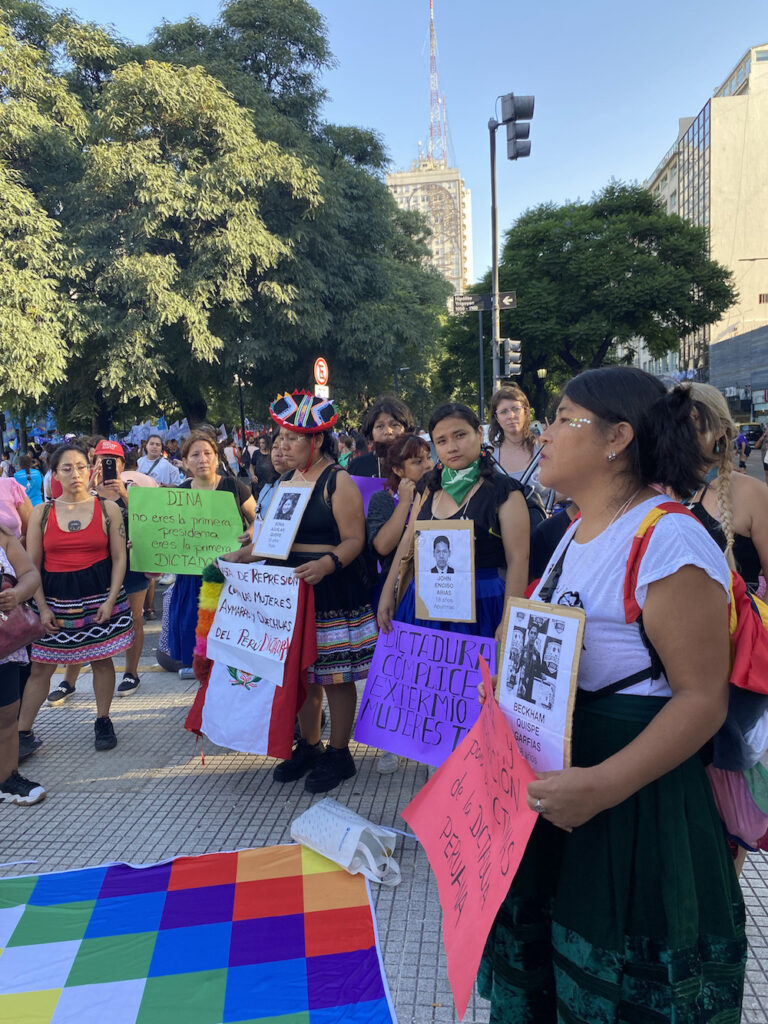
Indigenous women and diverse groups occupied a crucial space this March 8th. They demanded equality, an end to genocide and persecution, and an end to the destruction of their lands. They also called for the urgent release of Mapuche political prisoners who remain incarcerated since October 2023. Peruvian peasant and Indigenous women participated with signs denouncing human rights violations in their country.
March 8th in Asunción
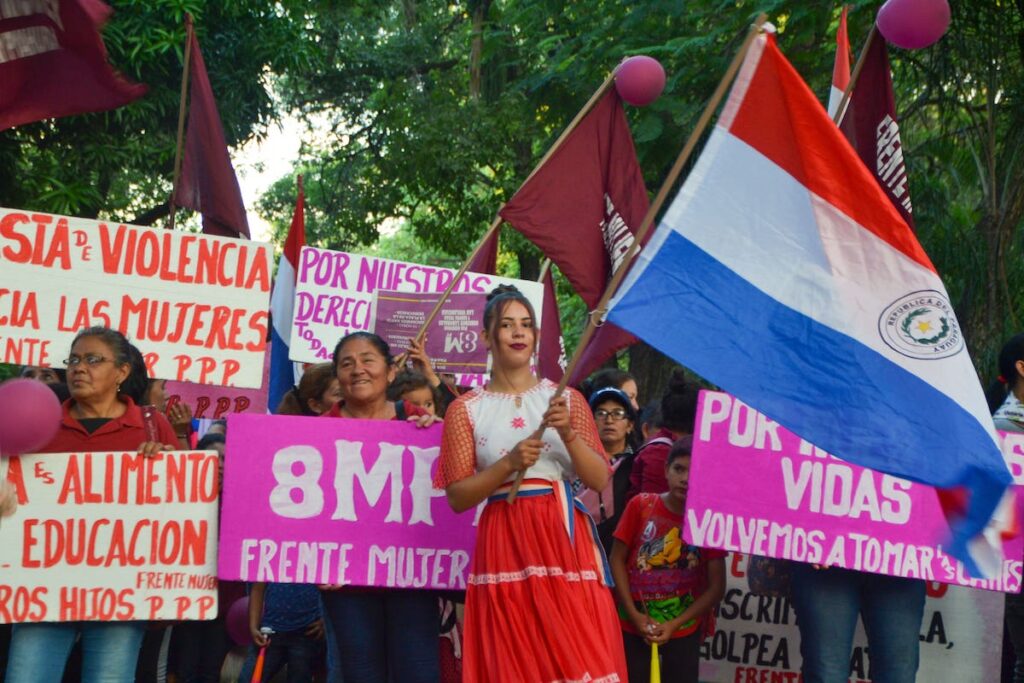
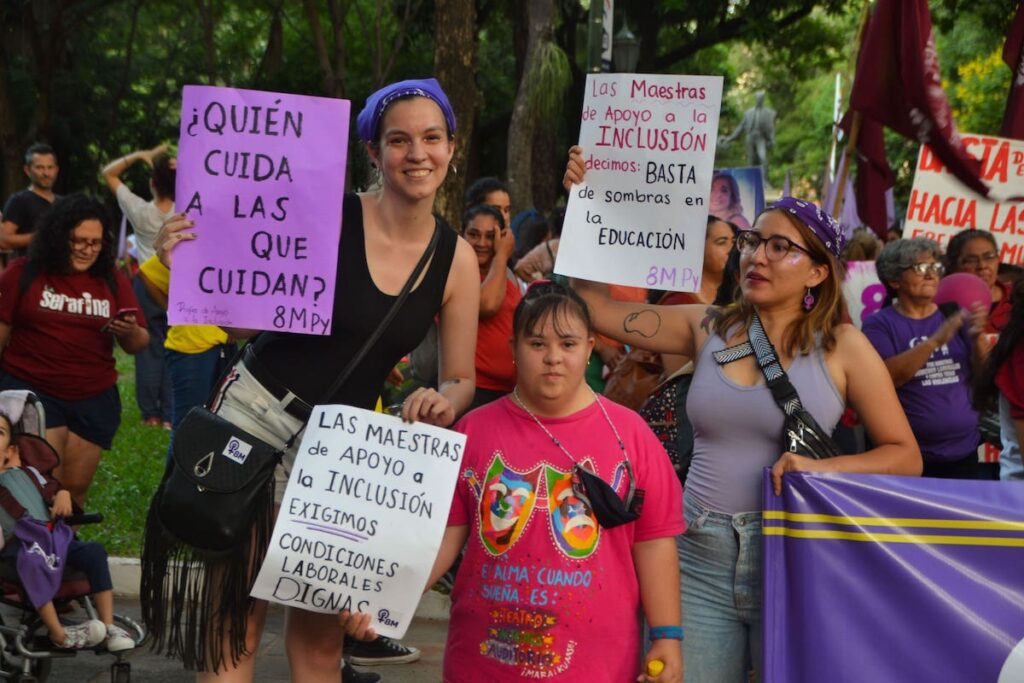
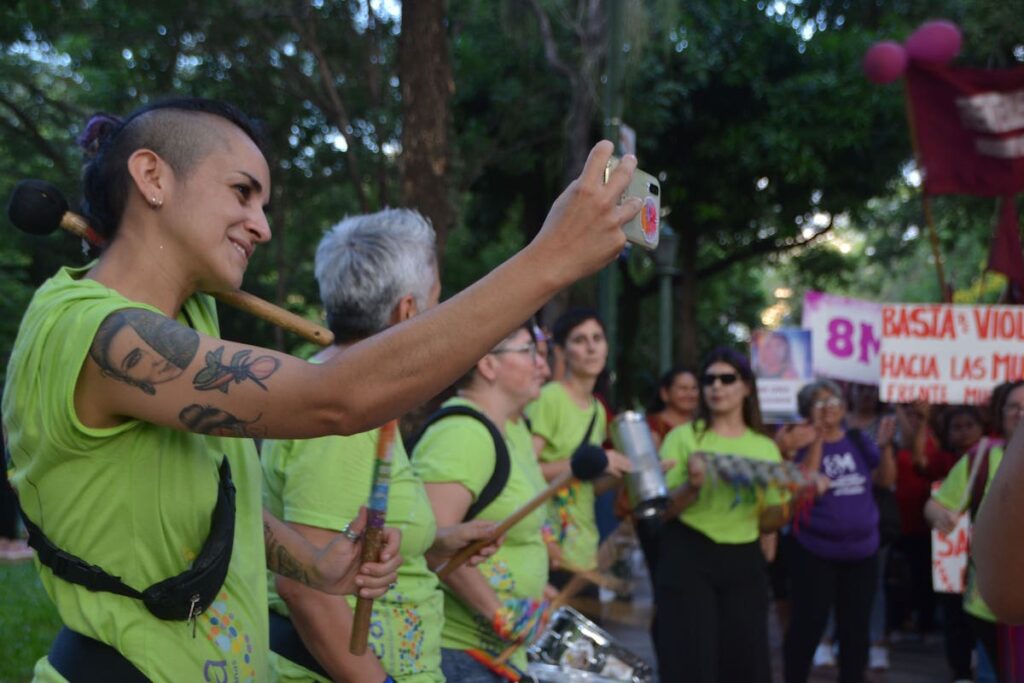
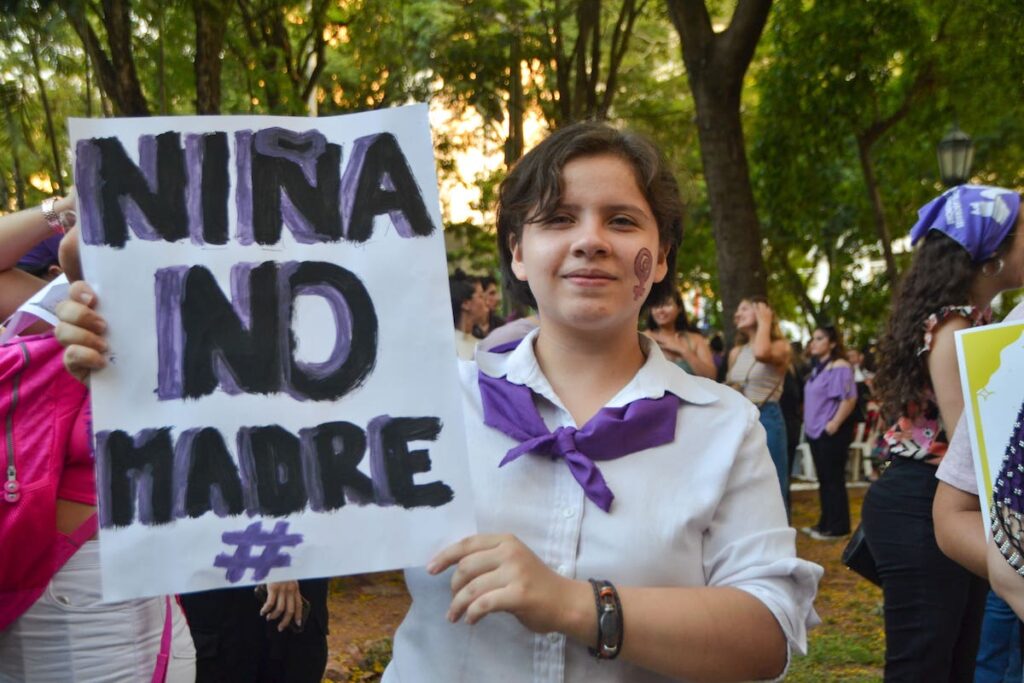
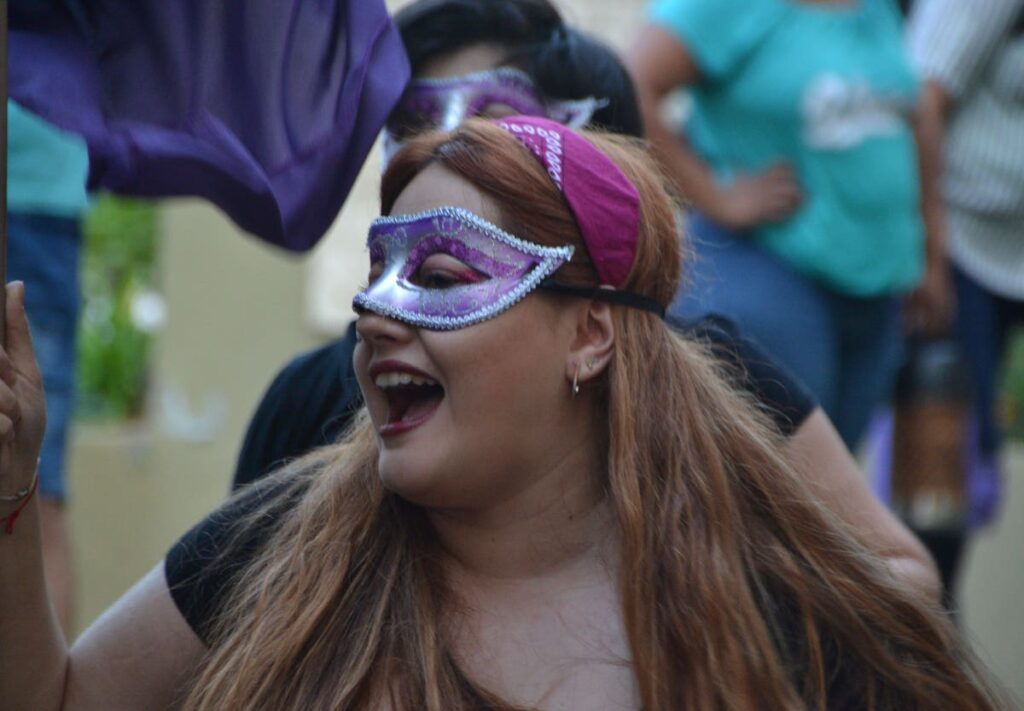
Women from various social and political organizations, both rural and urban, gathered in downtown Asunción and marched for #8MPy. This year, the Paraguayan Women's Strike coalition chose the slogan "For our labor rights and against all forms of violence" due to the current context in the country, marked by a wave of femicides, harassment, and discrimination.
“We want to live, not just survive,” “I march today with my friends so I don’t have to march for them tomorrow,” “Trans people’s rights are human rights,” “Stop sexual and workplace harassment,” “I wish I were a wall so you’d be outraged if someone touched me without permission” were some of the signs denouncing the situation of women in the country. The purple wave marched with brilliance, sweat, and ecstasy along Mariscal Estigarribia, Palma, and Independencia streets, from Plaza Uruguaya to Plaza de la Democracia.
This year, the manifesto emphasized the precariousness of working women in an election year. “We say firmly: You will not buy our future with 100,000!” they declared, referring to political patronage. They demanded public policies to reduce informal employment and combat job insecurity, as well as social security, equal pay for equal work, job security, and protocols against all forms of violence.
As of March 8, 11 femicides had been recorded in Paraguay and 2 femicide victims in Argentina (including Paraguayan migrants), a figure more than three times higher than the number for the same period last year . The coalition denounced the lack of protection for women in situations of violence and demanded compliance with Law 5777/16, the Comprehensive Law against Violence against Women.
March 8th in San Salvador
In San Salvador, hundreds of women took to the streets to demand that the Legislative Assembly legislate on the gender identity law, access to abortion, the release of thousands of arbitrarily detained people, and justice for femicides.
March 8th in Mexico City
This March 8th in Mexico City, contingents of mothers and fathers of victims of femicide and disappearance, protesting militarization, racism, vicarious violence, and acid attacks, along with students, doctors, musicians, Indigenous women, women with disabilities, cannabis users, street vendors, Black women, Maroons, embroiderers, girls, teenagers, older women, trans women, lesbians, bisexuals, non-binary people, and more, took to the streets of Mexico City. They demanded justice, security, remembrance, the decriminalization of abortion, and the guarantee of the right to a life free from violence in a country where 10 women are murdered every day.
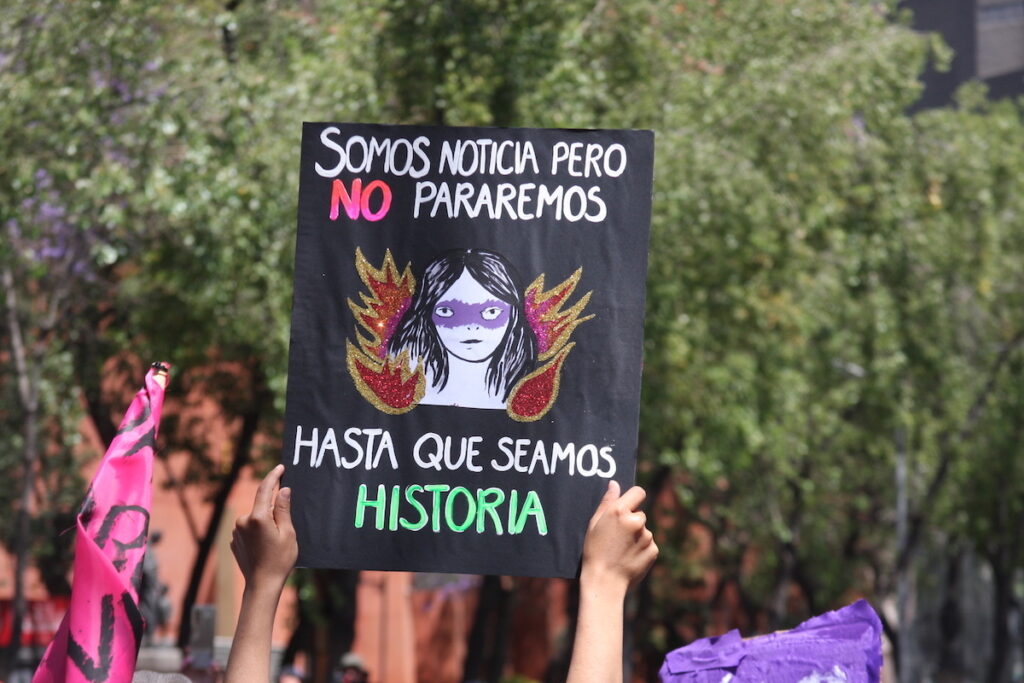
It was a massive march. According to data from the Mexico City government, 90,000 people attended, surpassing the 75,000 who attended in 2020.
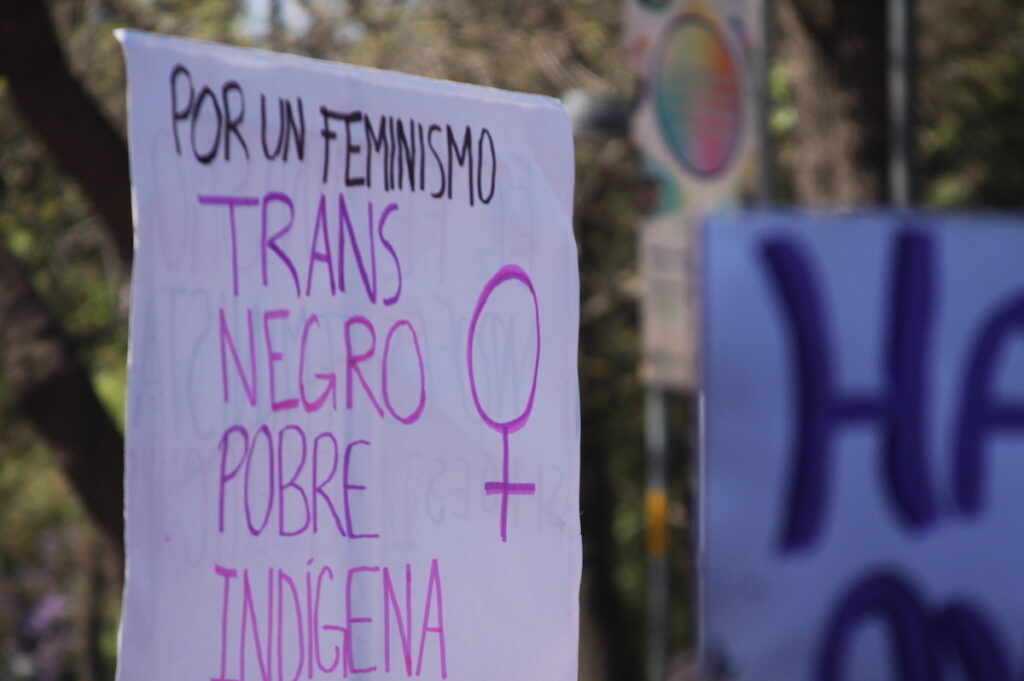
The march began from various points in the city: the Angel of Independence, the Monument to the Revolution, and the Glorieta de las Mujeres que Luchan (Roundabout of the Women Who Fight) , all heading towards the Zócalo. Throughout the march, the numerous signs with slogans against sexist and patriarchal violence were prominent.
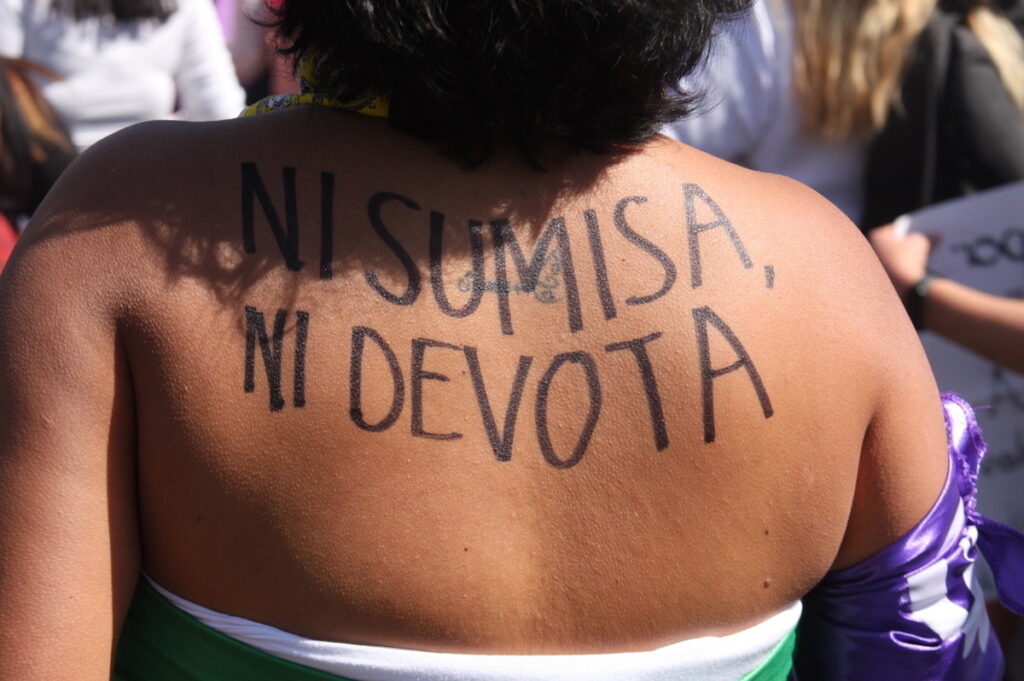
There were various artistic expressions: embroidery, dance, and music featuring wind instruments, jaranas, and percussion. There was also rap and a sound system performance by ChingonaSound in front of the Antimonumenta.
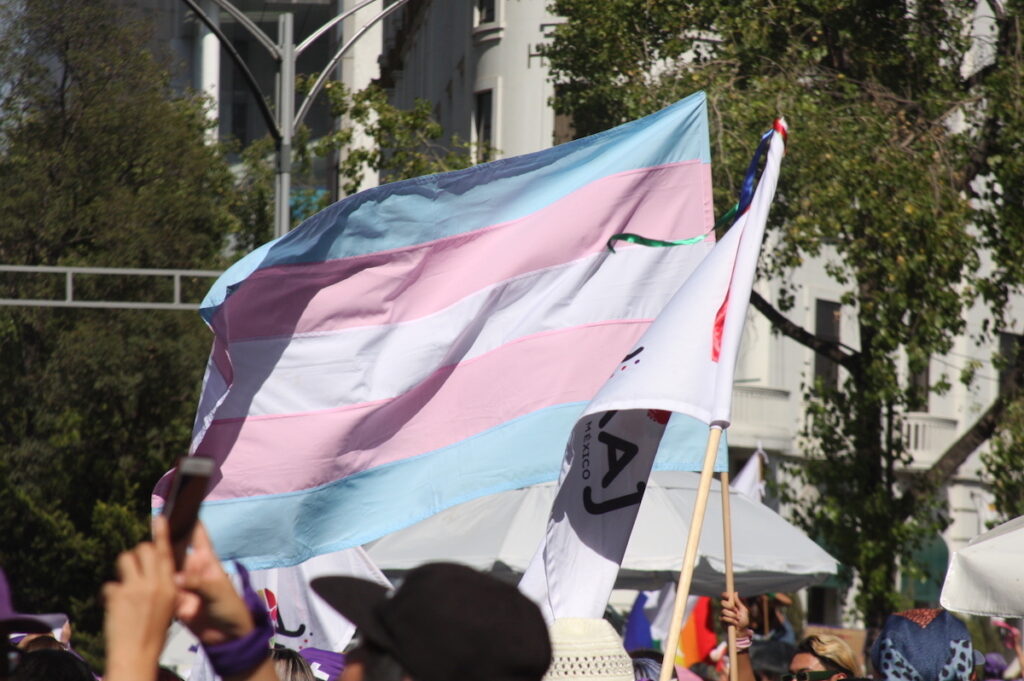
Groups that convened and identified as trans-inclusive raised trans and LGBT+ flags and chanted slogans of trans resistance. Family members of Ximena, a 28-year-old trans woman murdered this year in Teotihuacán .
Transphobic attacks and police violence
Throughout the march, transphobic graffiti could be seen. A reporter from La Lista documented the moment when Mikaelah and Marian, two trans women of color, activists, and members of the ballroom scene, were attacked by a group of women during the march. They were insulted, gendered, and sprayed with pepper spray.
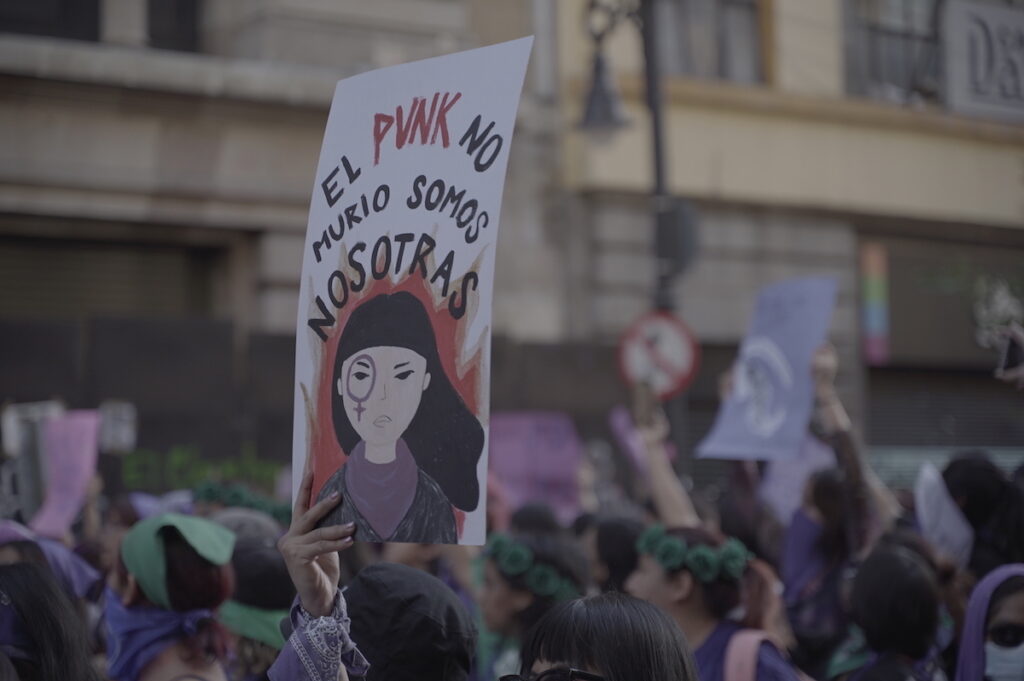
Prior to the march and during the march itself, several police encirclements occurred. The Front for Freedom of Expression and Protest documented the excessive use of fire extinguisher powder, tear gas, and the throwing of stones by the police. They also recovered tear gas canisters that had been launched as rockets. They identified the use of metal pellets that came from the police barricades. Other misconduct included police officers not wearing identification, dressed in civilian clothes, and taking photographs of the protesters.
The march, which started at one in the afternoon, ended in the Zócalo square after seven at night.
We are present
We are committed to journalism that delves into the territories and conducts thorough investigations, combined with new technologies and narrative formats. We want the protagonists, their stories, and their struggles to be present.
SUPPORT US

FOLLOW US
Related notes


We are present
This and other stories are not usually on the media agenda. Together we can bring them to light.