

Indigenous women, brown women, and dissidents: what was discussed at the Plurisexual Reunion in Calilegua
Recovering rights and liberating the body as territory were the central themes of the reunion that took place in Calilegua Park.


Share

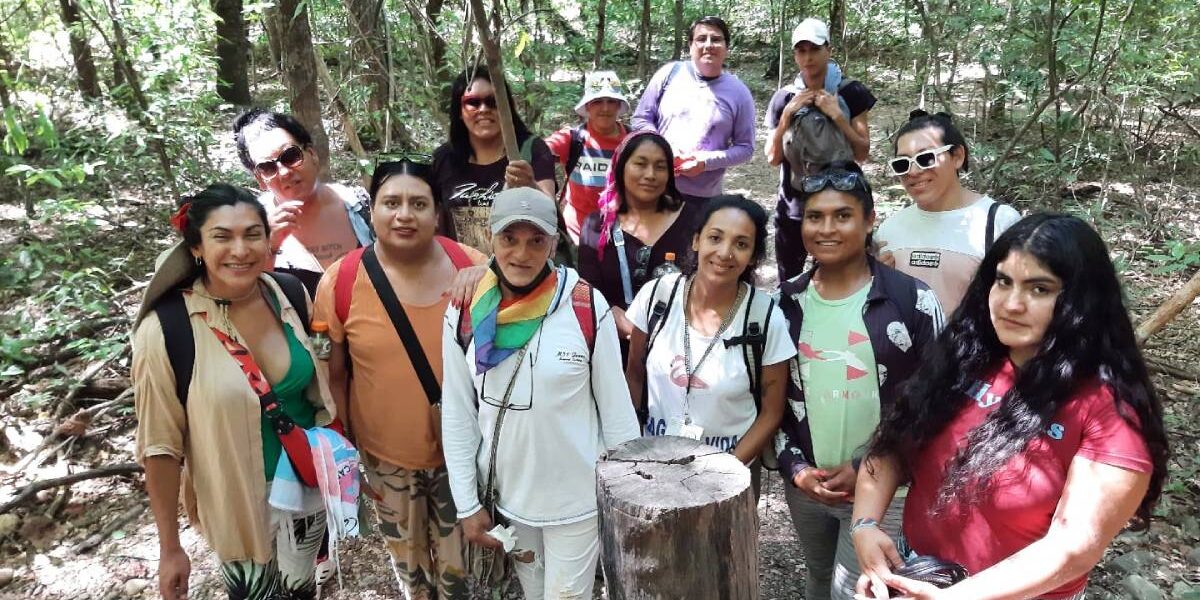
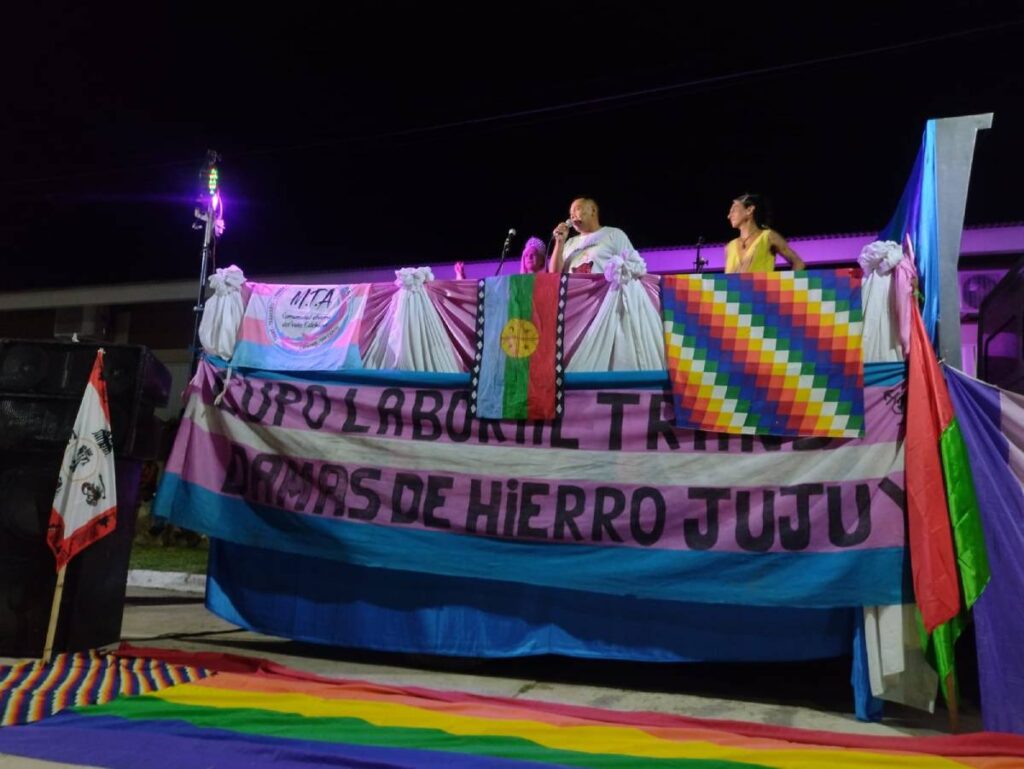
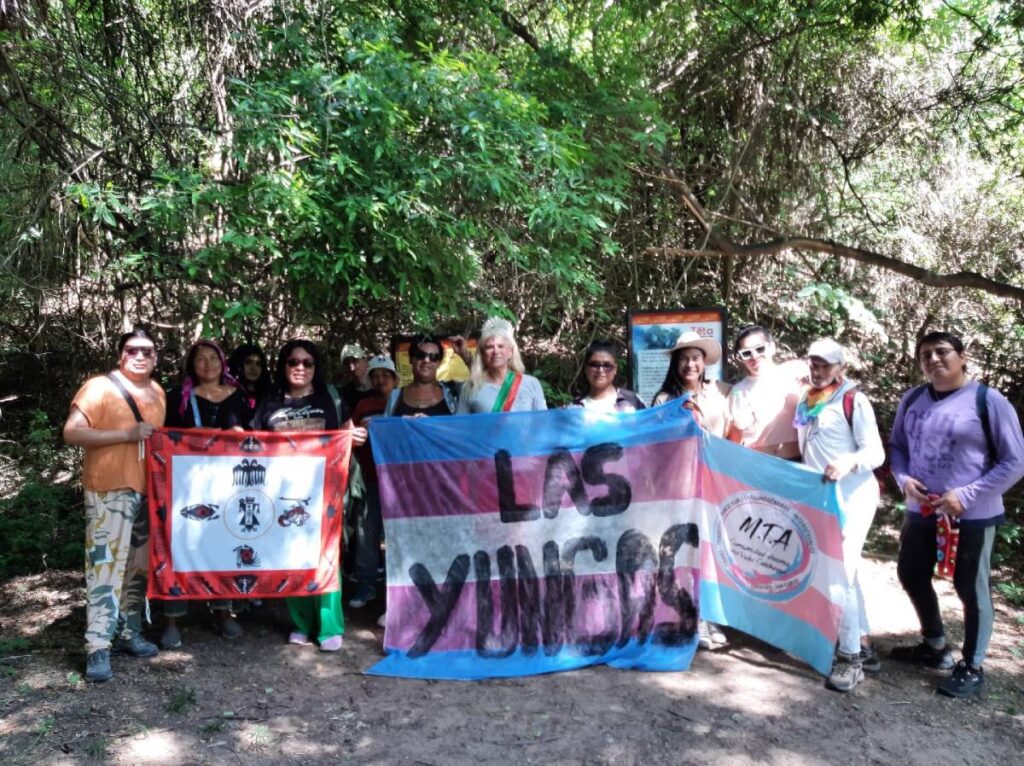
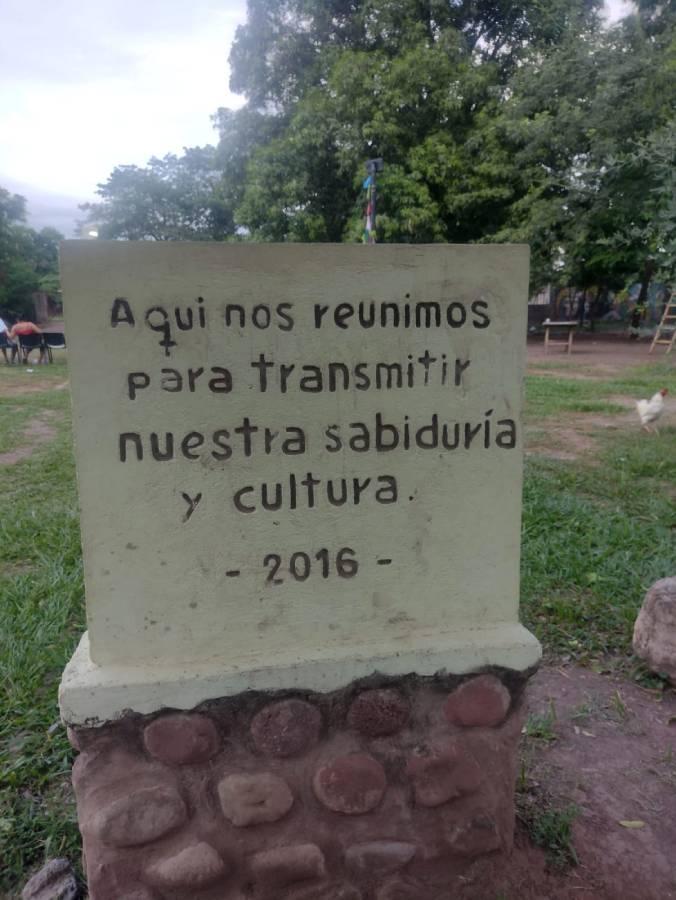
JUJUY, Argentina. In Kolla-Guarani territory, in the town of Calilegua in Jujuy, we Indians, brown people, aboriginal people and dissidents gathered in the “Plurisexual Reunion”, so named because we know that our ancestors have already met in other lives.
More than forty brothers and sisters arrived from distant territories on the first day. We awaited them with homemade bread and pizzas in the Guarani community that opened its doors to the dissident Kolla, Omaguaca, Diaguita Calchaquí, Mapuche, and Wichi Indigenous peoples.
We chose the Yungas, a body-territory in transition. The heat of this rainforest at the foot of the Andes encompasses different biomes and a great biodiversity of birds, animals, plants, and trees, ascending the slopes of the mountain range to the Omaguaca Ravine.
This transition is also present in the people who live there. Where the boundaries are not Western, it is a diffuse coexistence. This diffuse, transitional nature was the perfect setting for this reunion. Transvestites, trans men, trans women, lesbians, and other trans people came here to raise issues of political urgency inherent to racialized and dissident experiences.
A reunion in nature
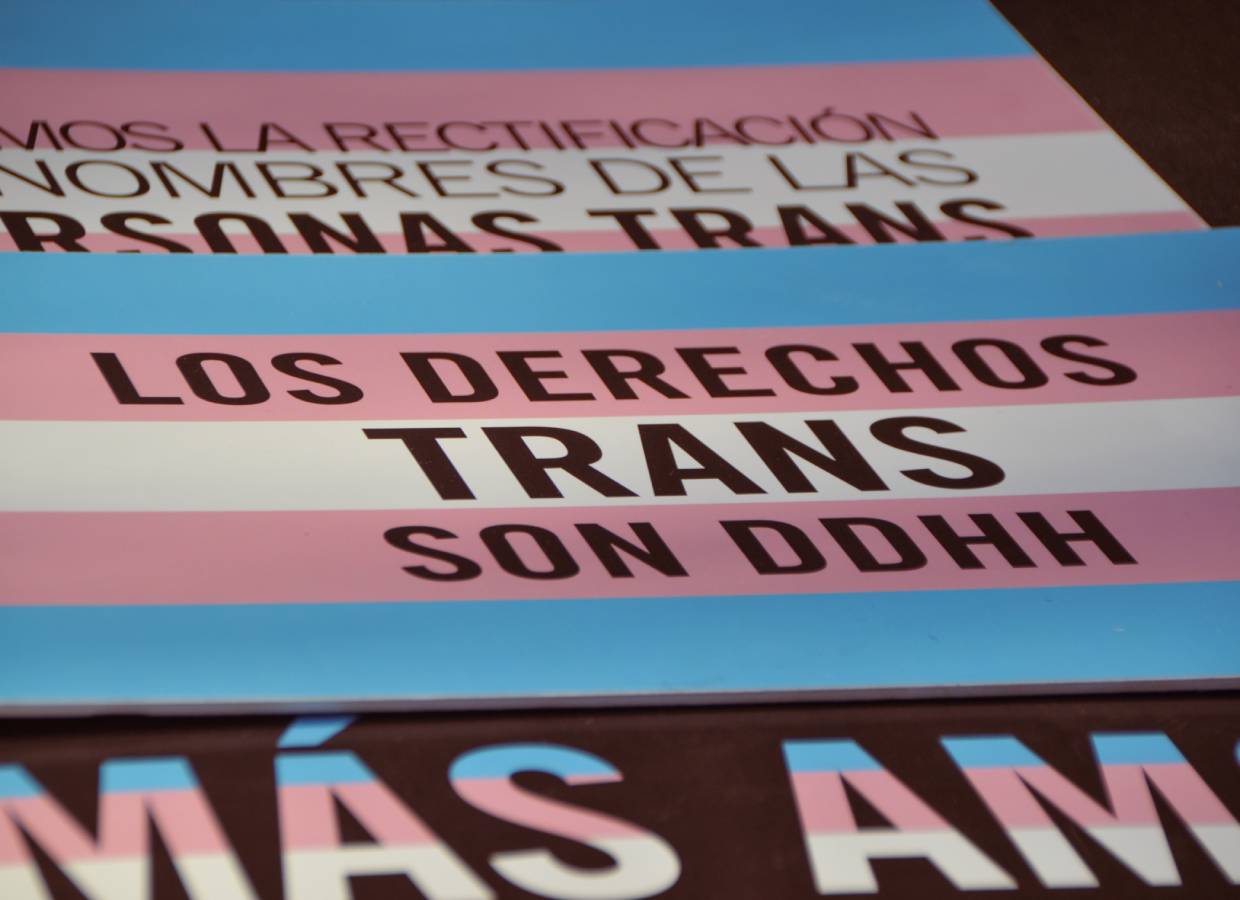
Together with Sharlotte Plaza, a trans Indigenous leader from the Guaraní Cuape Yayembuate Community, we organized this tremendous event. She recently obtained her corrected ID. She also landed her first formal job through the implementation of the Transgender Employment Quota Law within Calilegua National Park .
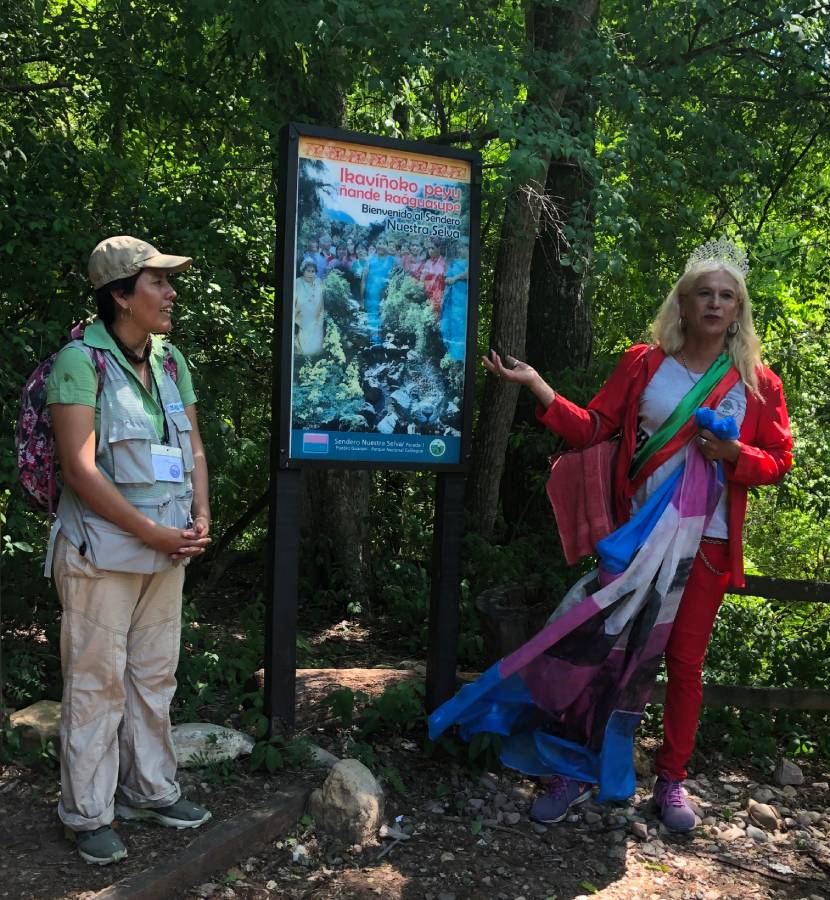
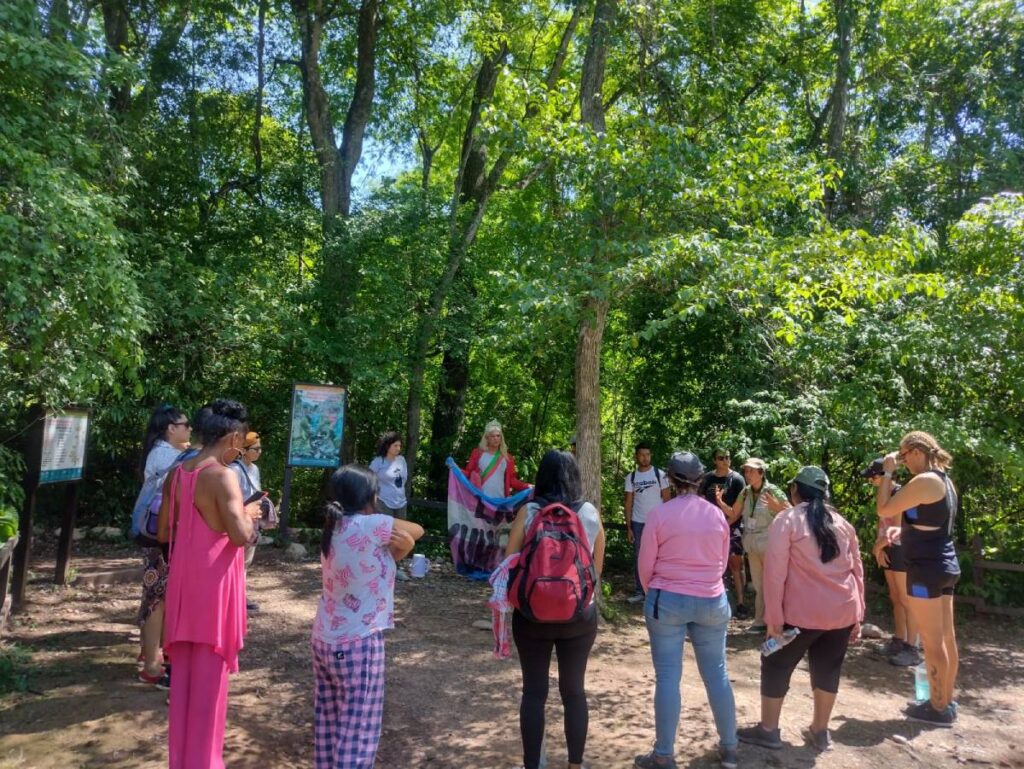
On the second day of the Reunion, Sharlotte began guiding the Guarani trail within the park, explaining that her father was Guarani and was one of those who worked on creating this trail. “I am proud to be able to work in the same park where my father worked. Today I continue my family's legacy, and with the support and respect of my community, I represent and protect the diversity of the Yungas,” she said, her voice filled with emotion.
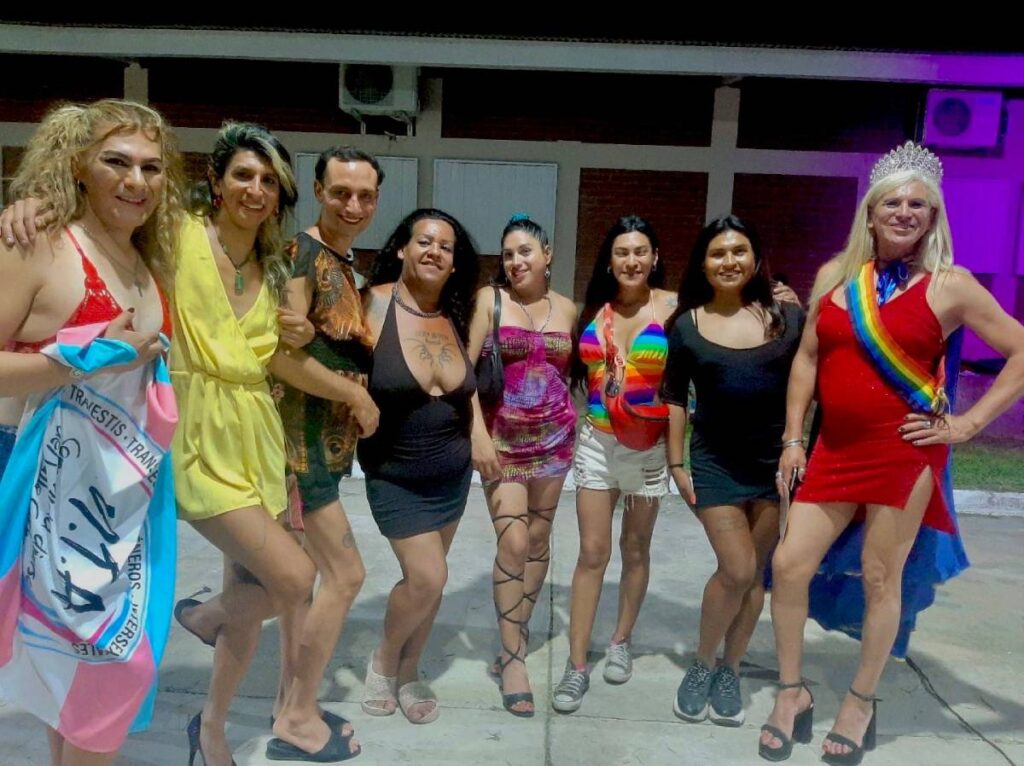
Together with Jimena Piqué, an authority from the Kolla-Guaraní Community of Calilegua , they performed the Yerure, an ancestral ceremony, to ask permission from the mountain and its guardians before entering. Together they shared stories and memories of the Guarani worldview with the visitors. It was fascinating to see the trans women surrounded by lush greenery, making them seem like characters in a film we had made.
The energy of the territory
Gustavo Cabana, from the Omaguaca people, a Qariwarmi and community feminist, is part of the dissident collective Orgullo Quebradeño (Quebrada Pride). Together with Cris Paredes, a renowned copla singer and lesbian from Tilcara, they led a moment of embrace between the lowlands and the highlands. It was a powerful and moving ceremony of (re)encounter where they summoned the forces of their Andean worldview to be present, to embrace and reunite with the non-heterosexual Guarani energies and ancestral traditions that inhabit Ka'a Guazú. This vast forest is protected from the deforestation that the Ledesma mega-corporation insists on continuing. Gustavo goes further and proposes this powerful moment of empowerment to disrupt and, as he says, " transvestize everything."
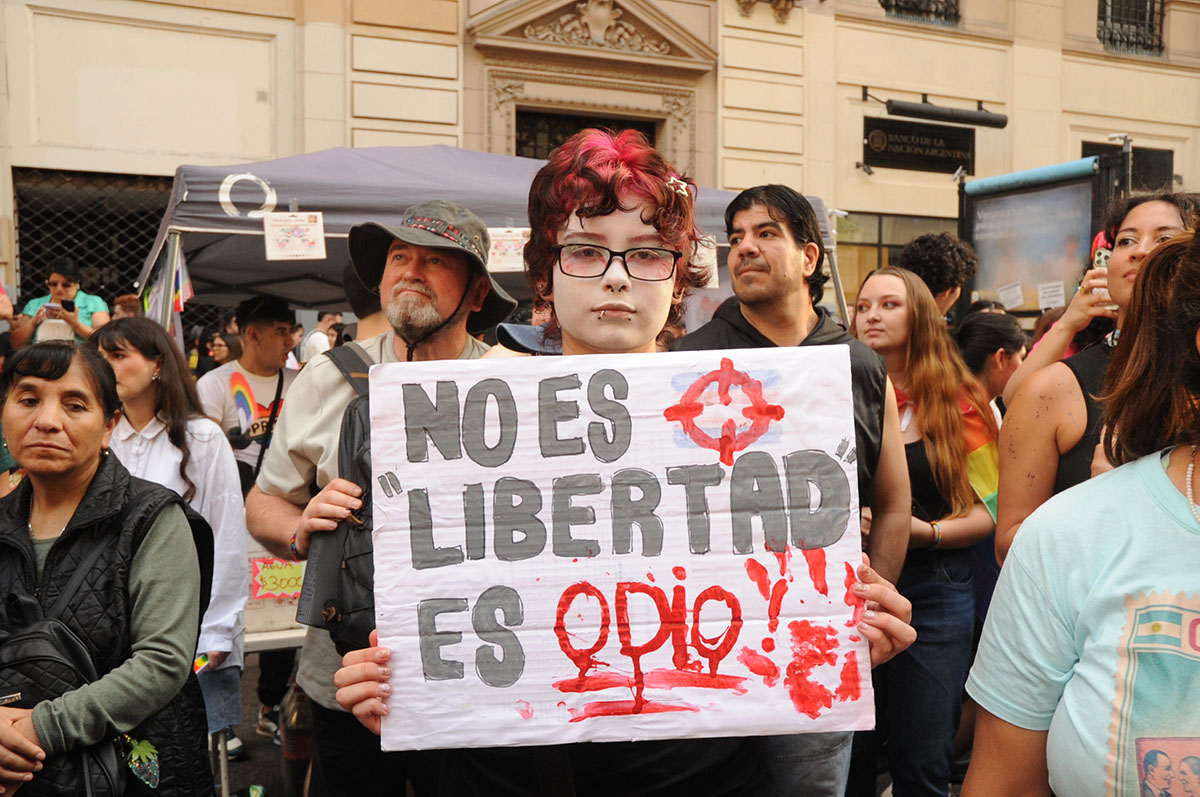
Ingrid, a historic leader of the Guaraní Indigenous trans community in the neighboring town of Ledesma, participated with emotion in the first well-attended LGBT+ Trans Pride March, which concluded the third day of the Reunion. She shared with us the captivating Pim Pim dance performed along the march route, a traditional Guaraní dance from the Arete Guazú, or Grand Festival.
Ingrid recounts, “I lived through the dictatorship, persecuted by the police who constantly arrested me because, since childhood, I went out dressed as a woman. I spent a lot of time in jail, suffered a lot of discrimination, but always fought to be respected, for my rights as a proudly Trans and Indigenous person. Today we demand the Historical Reparation Law for our older trans survivor sisters . ”
Native, indigenous and brown
People from different brown territories have begun a path of anti-racist recognition. A complex path, since within us resides a double silencing and multiple intersections. We are Indigenous, Aboriginal, brown, and we are also transvestites, trans people, lesbians, and plurisexual dissidents.
In this Reunion, we seek to strengthen ourselves as protectors and guardians of the territories currently being ravaged by extractivism. The United States and local businesses are once again on the lookout for our natural resources. Water, our lifeblood, is gold to them, and faced with this fascist wave we are experiencing in Indo-America, our diverse agendas point toward the recovery of fundamental rights and the liberation of our bodies, territories, and water.
We are present
We are committed to journalism that delves into the territories and conducts thorough investigations, combined with new technologies and narrative formats. We want the protagonists, their stories, and their struggles to be present.
SUPPORT US

FOLLOW US
Related notes
We are present
This and other stories are not usually on the media agenda. Together we can bring them to light.