

Smiley: a series about LGBT+ love stories coming out of the closet
"For years, I looked for any LGBT reference on television," says Tucumán journalist Milagros Mariona, referring to the Netflix series.


Share

TUCUMÁN, Argentina. For years, I searched for LGBT representation on television. Thousands of romantic comedies, which had nothing to do with my life or the lives of my friends, portrayed love stories as exclusively heterosexual.
When the protagonists were lesbians, tragic endings were common. A dear friend wrote a piece on this topic in 2011 titled “ And they lived happily ever after .”
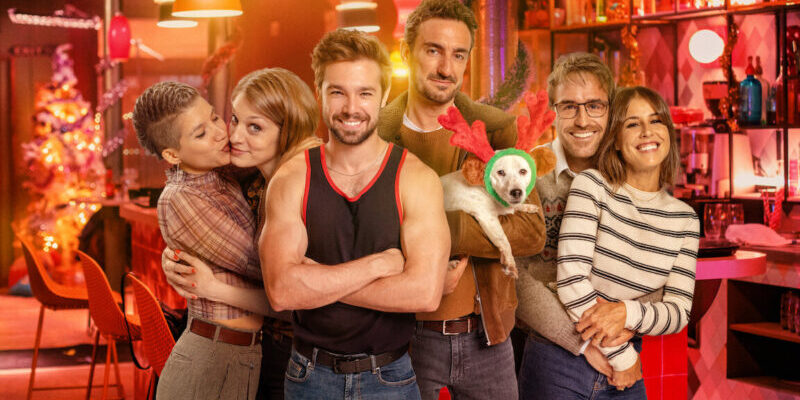
This week I binged Smiley . The eight-episode Spanish series premiered on December 7th on Netflix. It's based on the play of the same name by Guillem Clua, directed by Marta Pahissa and David Martín Porras.
The series tells the story of the adventures and misadventures of two gay protagonists, navigating the era of dating apps, where Grinder appears as an antagonist to the desire for a long and lasting relationship.
There's also the story of a lesbian couple who have been in a relationship for seven years and are going through a crisis. Discussions about the strain on relationships, the impositions of patriarchy, polyamory, and threesomes intersect with the experiences of coming out.
Everything unfolds in a distinctly LGBT atmosphere, featuring a drag queen who owns a bar (Bar Bero) that serves as a meeting point and link between the various characters in the series. This chosen family knows how to build the LGBT community in the face of early expulsion from their homes.
Is the series perfect? Of course not. And demanding that it meet all the standards of LGBT activism is too much. Clearly, hegemonic bodies abound, some stereotypes are repeated, trans people don't appear, and I'm probably overlooking many other things. Because it's a television series, not a political manifesto. Smiley is above all a tribute to romantic comedy, and that's why many common clichés of the genre are deliberately included.
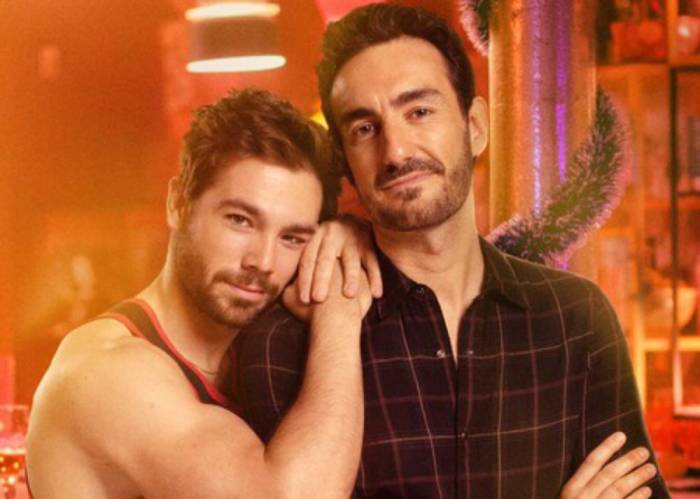
What playwright Guillem Clua set out to do was to demonstrate that the world doesn't stop and the script doesn't get lost, by placing non-heteronormative couples as main characters instead of the blonde's eternal gay friends, and freed, moreover, from dramas, traumas and STIs, connotations that this type of figure always seems to drag on screen.
The vast majority of films where lesbianism is depicted end with the suicide of one of the protagonists, the abandonment of identity because it could not be sustained in a homophobic world, or some other misfortune.
Twelve years ago, Gatta Colombres Garmendia, a journalist from Tucumán, wrote: “It happens in life and it happens on television. There is also another reality: being a lesbian and being happy. Our stories don't tell how a heterosexual couple, straight out of a Disney fairytale, is turned upside down by the appearance of an unconventional woman—'Eloise,' 'Imagine Me and You'—but rather the story of two women who know they are lesbians, who live every second of their lives as lesbians, and who can smile every day despite the horror of those who believe we belong only in rehabilitation clinics, psychiatric hospitals, or hell. I, we, are happy lesbians, and we intend to stay that way. Are you willing to see it?”
Today, we're everywhere—on television , in film , on social media, but above all, we're out of the closet. Cheers to that.
*This article was published in La Nota Tucumán and is reproduced through an alliance with Agencia Presentes .
We are present
We are committed to journalism that delves into the territories and conducts thorough investigations, combined with new technologies and narrative formats. We want the protagonists, their stories, and their struggles to be present.
SUPPORT US

FOLLOW US
Related notes


We are present
This and other stories are not usually on the media agenda. Together we can bring them to light.