

Chile 2022: marriage equality, parity in Congress and an increase in hate crimes
Despite the progress and in the context of an inclusive government, there is concern about discrimination and the increase in gender-based crimes.



Share

SANTIAGO, Chile. Homophobic and transphobic crimes in Chile increased by 66% between January and October 2022, according to preliminary data from the Movement for Homosexual Integration and Liberation (Movilh) .
Excluding activity in mid-November and December, the organization believes this year could see the second-highest number of reported hate crimes in the country, after 2020. The updated number and its details will be released in March, in the classic report on violence and rights that Movilh publishes every year.
The report does not include the death of trans activist Claudia Díaz Pérez. The 73-year-old woman was found dead on December 12 in her home in Cartagena, a town on Chile's central coast. The Homicide Brigade said this week that she had a head injury that is “consistent with the actions of a third party.” The case is still under investigation, but the Movement for Homosexual Integration and Liberation (Movilh) has demanded that the Public Prosecutor's Office thoroughly investigate a possible transphobic hate crime.
Claudia was a spokesperson for the 1973 Survivors Senior Citizens Club and owner of the Claudita Unisex Hair Salon.
This growing wave of violence is occurring in a country where same-sex marriage has been legal since March, even with a new government that is pro-LGBTIQ+ rights. In March, a gender-balanced cabinet was appointed, which for the first time in history included representatives of diverse sexual orientations and gender identities, such as Professor Marco Antonio Ávila in the Ministry of Education and athlete Alexandra Benado in the Ministry of Sport. They are the first openly gay man and the first openly lesbian woman to hold these positions.
On October 14, the first non-binary identity card in the country was also issued. The card was registered to Shane Cienfuegos, an activist, social worker, and gender studies specialist.
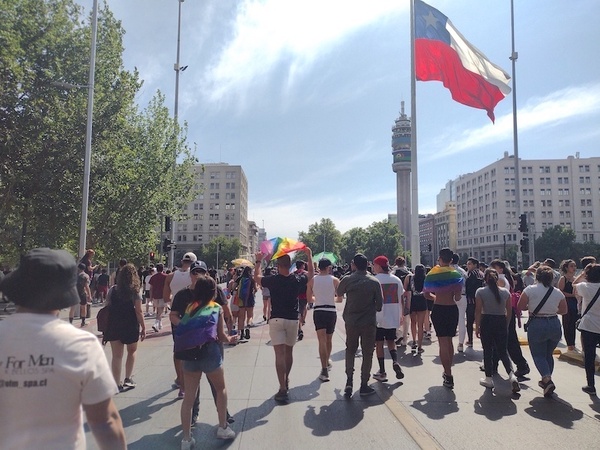
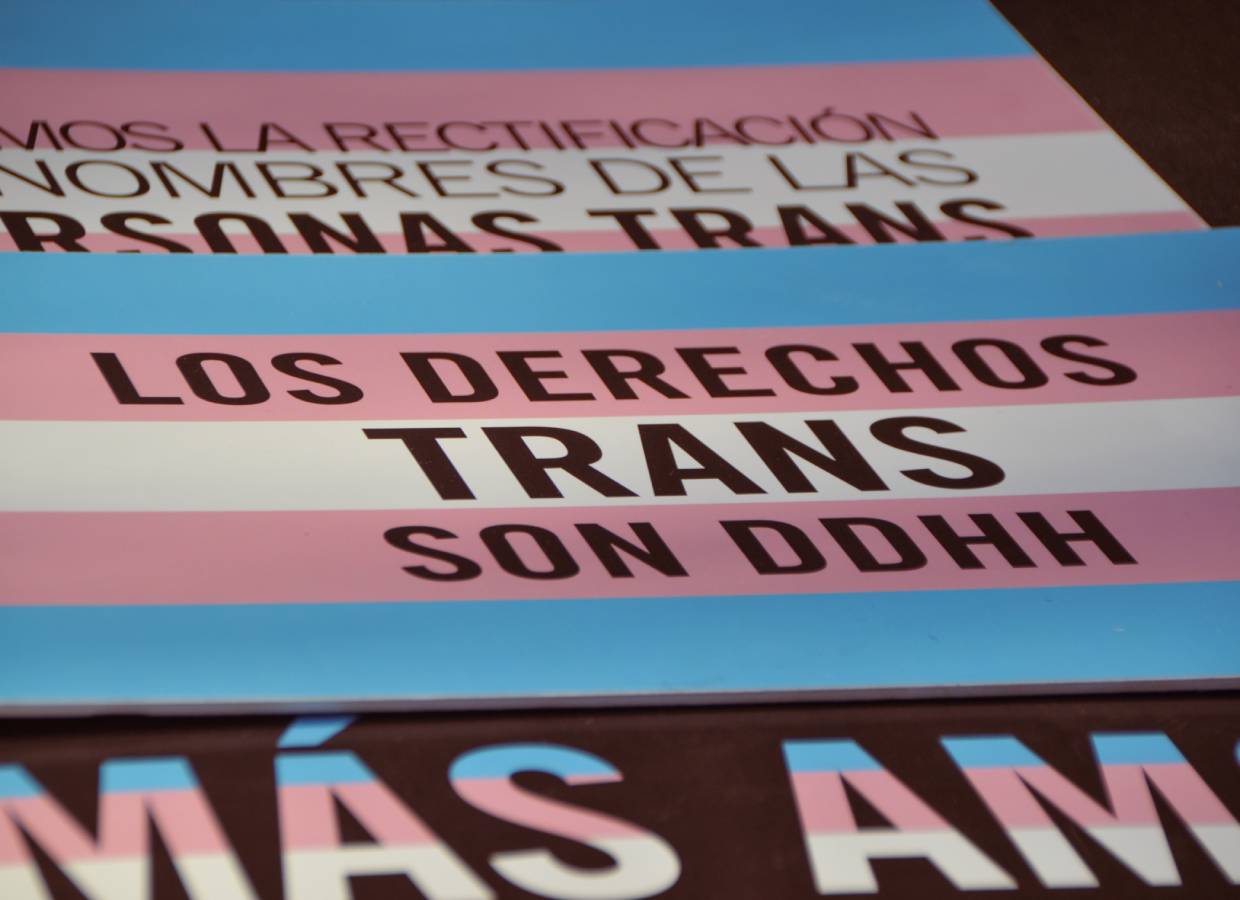
Photo: Airam Fernández.
“When rights are advanced, it awakens hatred from minority groups.”
Ramón Gómez is in charge of human rights at Movilh. He says that when it comes to hate crimes, it's difficult to find a reason to explain why they are increasing, considering that their records only include reports from relatives, family members, or friends of victims who dare to come forward.
“Beyond that, and understanding that each hate crime is specific to each person and each situation, we have observed that when there are positive advances toward the rights of LGBTIQ+ people, those who oppose equality react with much more violence and on repeated occasions. We know that in Chile, sociocultural discrimination against LGBTQ+ people is decreasing, and those who discriminate are fewer in number. But those who remain are much more aggressive, violent, and intolerant in the face of progress. That is why it seems that the violence is exacerbated,” he explains.
Gómez says the Chilean state has failed to grasp this paradox, and that's a problem for the community. “It's something we've been demanding for a long time. The state shouldn't only take responsibility when crimes occur, but also when rights are advanced. Because that's when the hatred of these minority groups that oppose equal rights is unleashed.”
Report, train, raise awareness
The Observatory of Violence Against LGBTIQ+ People , which operates under the auspices of the National Prosecutor's Office, registered 22 victims and 21 cases in 2021. This year, the count has risen to 23 victims and 20 cases. Roberto Rodríguez, a social worker with that unit, clarifies that these figures cannot fully capture the extent of the violence experienced by LGBTIQ+ people. He explains that these are cases reported by LGBTQ+ organizations so that the Observatory can intervene. But there is still violence that goes unreported.
In 2022, in addition to supporting victims and their families, this institution's work focused on raising awareness and training staff at the Prosecutor's Office: from those who serve the public to prosecutors. They even held five days of specialized training on gender-based violence, with an LGBTI focus, which are now mandatory for any staff member working in this area of investigation.
Reform of the Zamudio Law: “A great outstanding debt”
Ramón Gómez, from Movilh, says that despite the government's feminist and pro-diversity stance, its performance during the year "was bittersweet." There was a strong willingness to sit down and talk with leaders and representatives of the LGBTQ+ community to develop assessments. "From an activist perspective, we've had a very clear diagnosis for many years, and I think time was wasted on an excessive number of working groups that, in practice, didn't accomplish anything," he argues.
He also says that Movilh was expecting a clear statement on an anti-discrimination institution, within the framework of the reform of the Zamudio Law, which is still under discussion in Congress: "That is a great outstanding debt."
Regarding the equal marriage law, the activist laments the disarray observed in its implementation throughout the year, which means that many people still cannot access this right on truly equal terms: “There are still delays in scheduling appointments and administrative errors when registering the children of same-sex couples. And when it first came into effect, the printed forms were still the same as before the law was passed.” For him, these kinds of delays are inexplicable.
We are present
We are committed to journalism that delves into the territories and conducts thorough investigations, combined with new technologies and narrative formats. We want the protagonists, their stories, and their struggles to be present.
SUPPORT US

FOLLOW US
Related notes
We are present
This and other stories are not usually on the media agenda. Together we can bring them to light.