

Feminist movements unite to stop right-wing forces in Central America
Central American women put forward a common agenda to discuss the problems of repressive policies in the region.


Share

Central America is experiencing a complex period. Authoritarian governments, dictatorships, corruption, widespread violence, violence against women and sexual minorities, criminalization of social protest, limited access to sexual and reproductive rights, militarization, persecution of human rights and land defenders, and political prisoners.
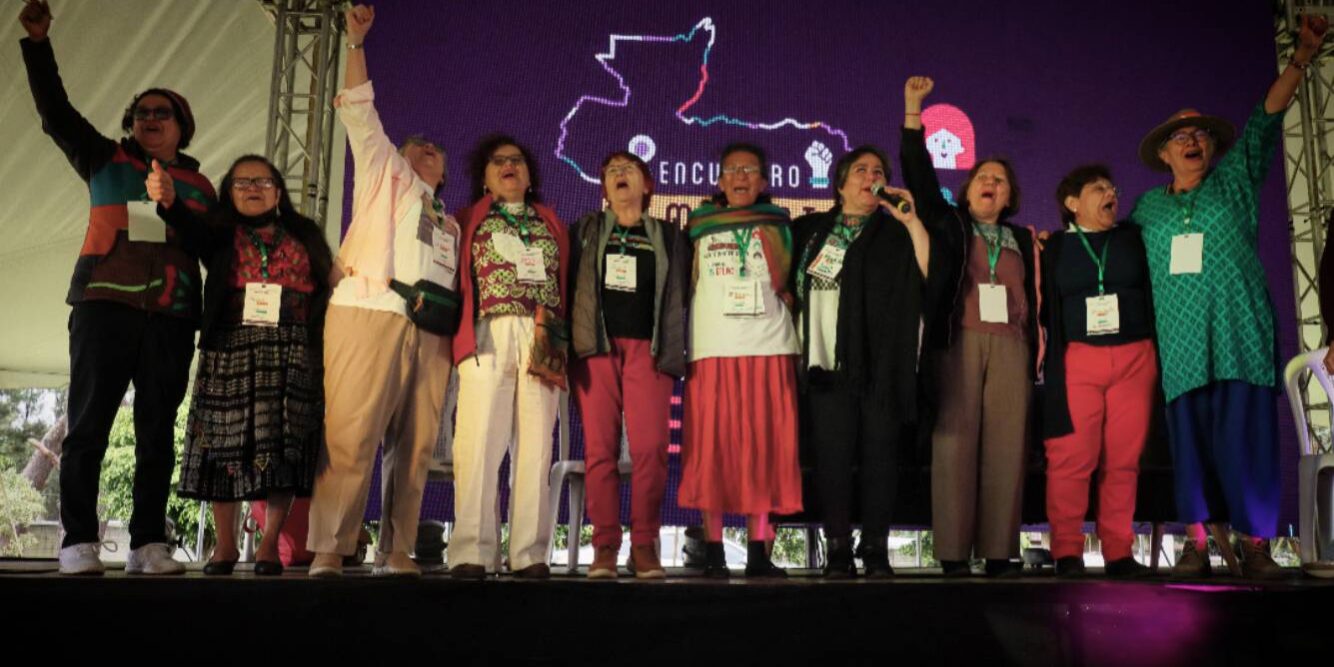
Faced with this situation, more than 500 women from Guatemala, El Salvador, Nicaragua, Costa Rica, Honduras, and Panama met to revive a unity project. Their goal is to organize for the XV Latin American and Caribbean Feminist Meeting (EFLAC), which will take place in El Salvador in November 2023.
They resumed the historic step of articulation that took place in March 1992 with the Central American Women's Meeting in Montelimar, Nicaragua, and this 2022 they held the Central American Feminist Meeting.
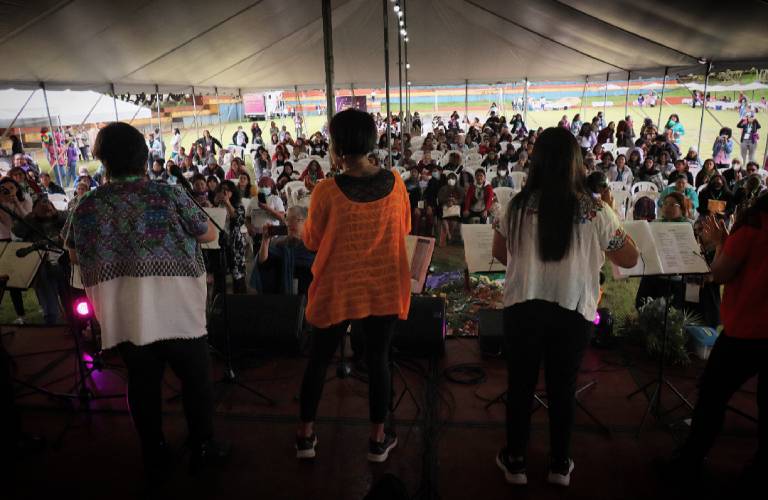
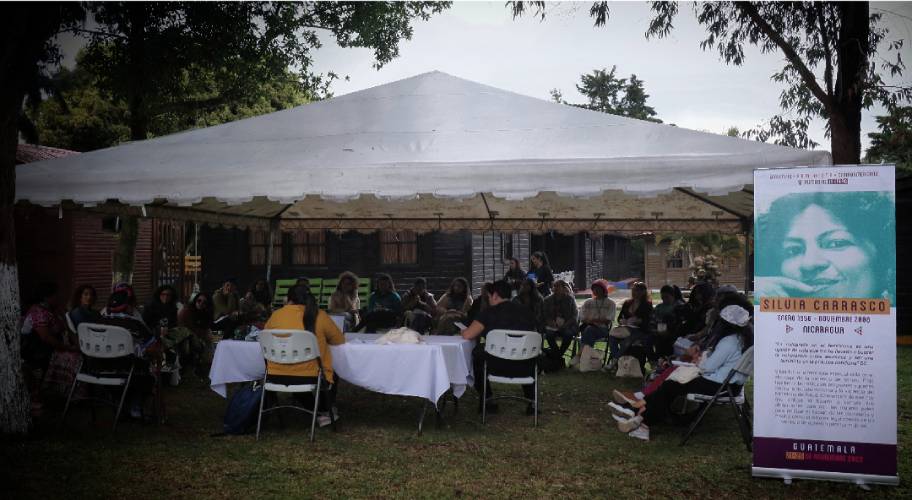
For three days, from November 22nd to 24th, Central American women gathered in Mixco, Guatemala. In Presentes, we share some of the voices from the Central American Feminist Encounter (EFC).
“ Women’s bodies are our first territory ”
María Elena Reynoso Velázquez is from Guatemala. She began her activism in 1988, joining the Mujeres Tierra Viva . Later, she participated in feminist gatherings in Chile and El Salvador. “For me, feminism has contributed by recognizing that women's bodies are our primary territory. If we don't take care of them, we are destroying ourselves. And I reclaimed that sense of self through healing practices, recovering my identity as an Indigenous woman,” she shares.
She attended this EFC as a representative of the Latin American and Caribbean Network of Popular Education Among Women , REPEM LAC. “Unifying efforts is important at this time because we are currently facing a difficult context in Latin America. I believe this moment presents the challenge of uniting political agendas to do something collectively and join forces to break with many things: violence against women, racism, discrimination, and to open new paths ,” she says.
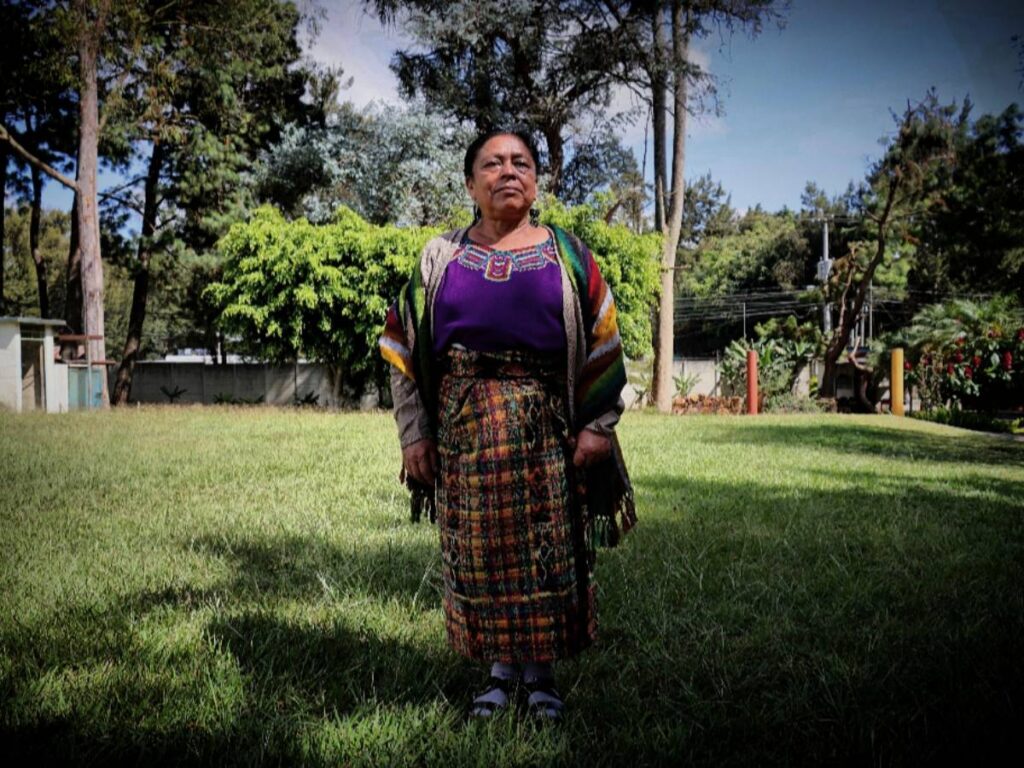
Photo: Lizbeth Hernández.
“The regime has been the main enemy of feminists”
Mariángeles Delgado had to leave her country, Nicaragua, in 2021, after several of her friends were arrested. “I had to leave to protect my safety and my life.”
She lives in Costa Rica. There, she doesn't participate in political advocacy, but she works to raise awareness of the situation of political prisoners in Nicaragua. She is part of the volunteer group Sé Humano , which carries out various initiatives to support these individuals.
“The regime has been the main enemy of feminists; there has always been a witch hunt against them,” she says. She explains that in Nicaragua, no protests can be carried out, and there is no access to sexual and reproductive rights, such as abortion. But despite this, “women are organized.”
The EFC was her first feminist gathering. In Nicaragua, she had attended commemorative marches like the one on March 8th, but she hadn't had an experience like this. She had many questions. Her background is thanks to her mother, who is an unorganized feminist. “I was quite moved, I enjoyed it. I realized that I'm not alone, that there are many of us who have criticisms and questions about organized movements. But at the same time, we feel a lot of openness from organized groups and individuals towards this group of unorganized women.”
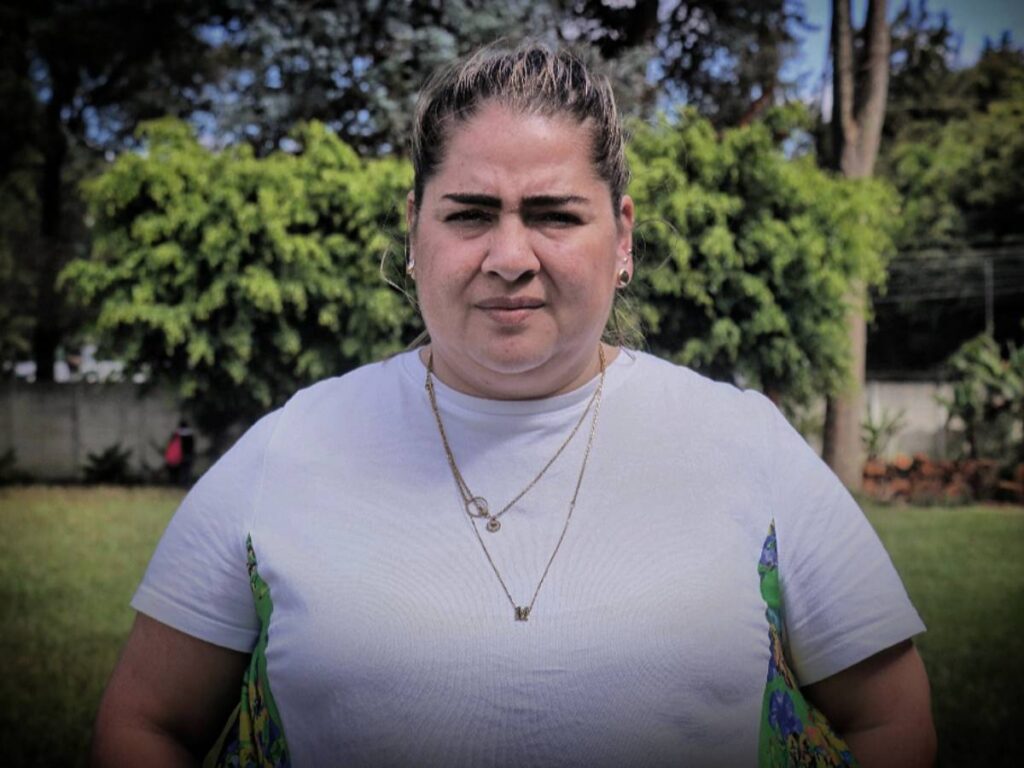
Photo: Lizbeth Hernández.
“Nothing is normal in Nicaragua; there is a dictatorship that violates, abuses, and transgresses against women in all their diversity.”
Yasuri Potoy Ortiz was forcibly displaced from Nicaragua four years ago. In 2018, when the social upheaval in Nicaragua erupted, she joined the medical units treating people injured in the marches against the regime of Daniel Ortega and Rosario Murillo.
She was studying for a nursing degree, but after her acts of assistance, she was arbitrarily expelled from her program. In that context, she also witnessed the abuses against trans women who were protesting. That's why she decided to leave the country. "Nothing is normal in Nicaragua; there's a dictatorship that violates, abuses, and transgresses against women in all their diversity."
She recently received refugee status in Costa Rica. She now lives in a rural area and carries out her activism from there. She coordinates an LGBTI+ space that provides legal and social support to other displaced trans and LGBTI women. She also works with other women who experience violence.
Regarding her experience at the EFC, she says: “ A Central American Encounter with a commitment to recognizing identity, diversity, and the construction of womanhood beyond the biological meant a great deal to me . I know there are many challenges, but we are taking steps to ensure that no woman is excluded from spaces like this, from building networks.”
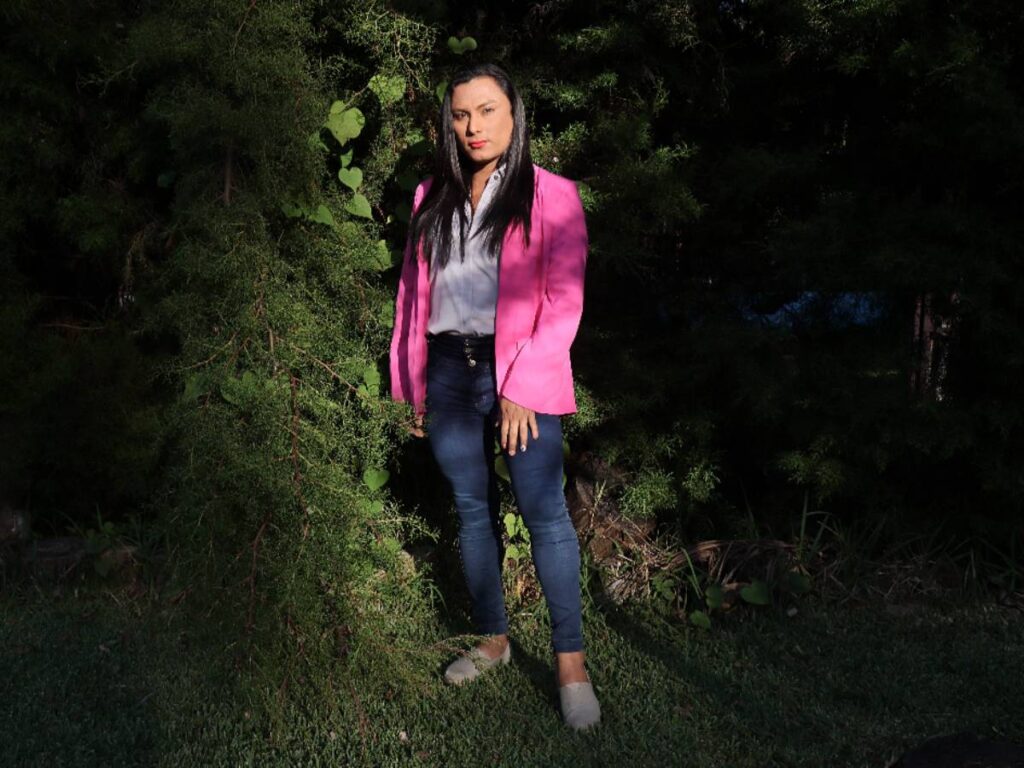
Photo: Lizbeth Hernández.
“The circumstances have worsened and have motivated migration”
Isabel Ascencio is from El Salvador. From a young age, she positioned herself as an independent woman. She faced life as an orphan. She began her feminist activism in 1990 in the context of the fifth EFLAC in Argentina. She participated in the Central American Women's Meeting in Montelimar (1992).
Isabel identifies as a cosmic Mayan woman . She shares her concern about the setbacks in El Salvador due to the fundamentalisms that have gained strength in the last four years.
“Gender-based violence, institutional violence, climate change, the exceptional regime of guarantees that has led to the imprisonment of women from impoverished sectors, whether accused of illicit association or in defense of their children or relatives, and the continued disappearance of people, mostly young people. All these contexts have worsened and motivated migration to save their lives.”
For Isabel, the EFC achieved its objectives. “From the pluridiversity that characterizes us, we share the contexts of dictatorships and religious fundamentalisms, but we also share the different struggles to eradicate patriarchy. We strengthened our dreams and aspirations and committed ourselves to holding the 15th EFLAC in 2023 in El Salvador.”
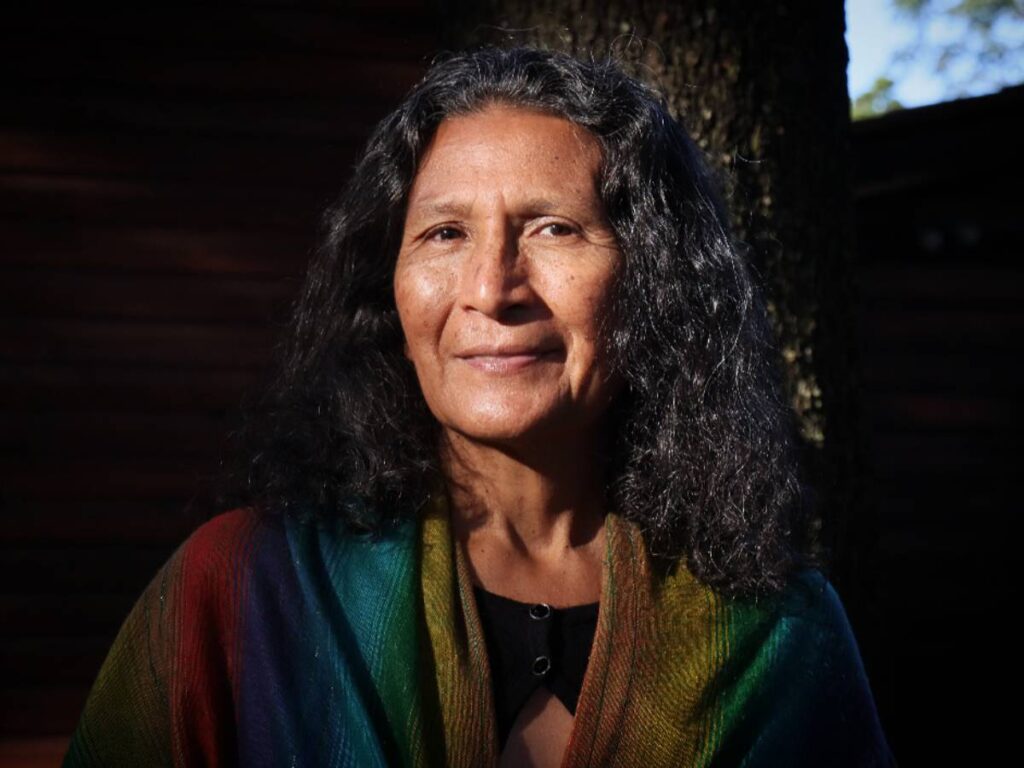
Photo: Lizbeth Hernández
Declaration of the Central American Feminist Meeting
Central American feminists developed proposals for the region's agenda with one objective: "Our feminisms are the voice of those of us who fight for a united and resisting Central America."
1. Fight together to prevent authoritarian governments and dictatorships from being established and perpetuated in Central America.
2. To fight against all forms of violence against women and dissident bodies in all their diversity, including that which comes from the state itself and from transnational corporations.
3. To defend the secular nature of the state as an indispensable condition for the recognition and exercise of women's rights, and in particular those related to sexuality and reproduction.
4. Defending the right of women, girls, and gender-diverse people to migrate in safe and dignified conditions. It is the responsibility of states that both send and receive migrants to ensure the human rights of the migrant population.
5. Defend the land and territories that ensure the sustainability of community life. No more projects that threaten common goods and the quality of life for everyone.
We are present
We are committed to journalism that delves into the territories and conducts thorough investigations, combined with new technologies and narrative formats. We want the protagonists, their stories, and their struggles to be present.
SUPPORT US

FOLLOW US
Related notes



We are present
This and other stories are not usually on the media agenda. Together we can bring them to light.