

Why is December 10th Human Rights Day?
Since 1950, December 10th has been commemorated as Human Rights Day around the world. Why and for what purpose is this day observed?



Share

December 10th is commemorated as Human Rights Day because on December 10, 1948, the United Nations General Assembly adopted the Universal Declaration of Human Rights (UDHR).
With the adoption of the Universal Declaration of Human Rights at the end of World War II, the modern practice of human rights began. This historic document consists of a preamble and articles that describe, with varying degrees of specificity, the protections it establishes.
Human Rights Day began to be commemorated in 1950. Based on General Assembly Resolution 423 (V), which invited States to adopt this date.
What is the purpose of the Declaration?
The Universal Declaration of Human Rights proclaims the inalienable rights that belong to every human being, regardless of race, color, religion, sex, language, political or other opinion, national or social origin, property, birth or other status. It is the most widely translated document in the world, having been translated into more than 500 languages.
It was drafted by a team representing diverse philosophical, cultural, and legal perspectives. Over time, it was accepted as a contract by many states around the world. Its drafting was the subject of much debate.
While the Declaration is not a legally binding document, its consensus was a historic event. And it inspired the creation of more than 60 human rights instruments .
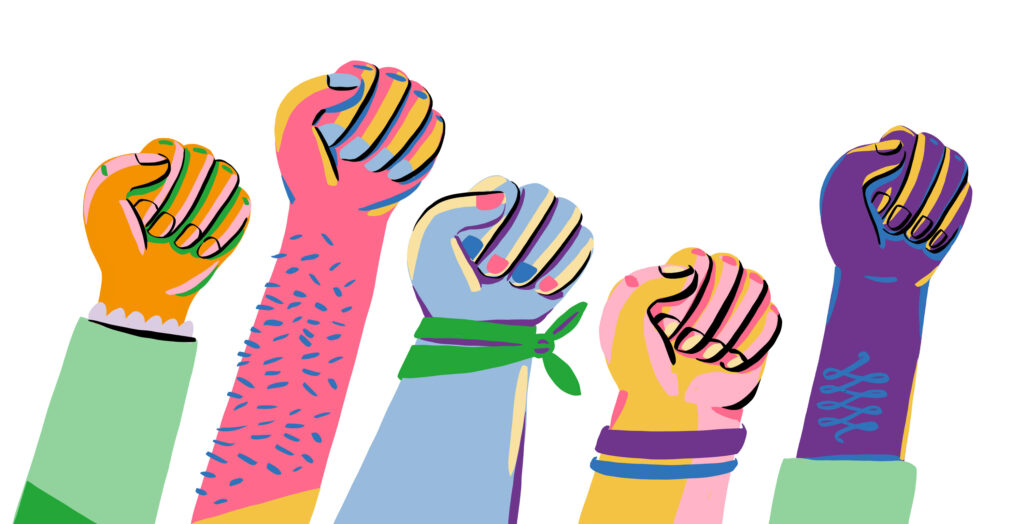
International human rights doctrine recognizes the Declaration, along with the International Covenant on Civil and Political Rights and the International Covenant on Economic, Social and Cultural Rights, as the International Bill of Human Rights that forms the basis of international human rights doctrine. These covenants were adopted in 1966 and addressed points that were not agreed upon in the Declaration. Latin American countries participated actively and critically to ensure the recognition of economic rights.
Charles R. Beitz, philosopher and professor at Princeton University, a scholar of the philosophical foundations of human rights and global political theory, wrote one of the most important books on the subject: *The Idea of Human Rights*. Among other things, he analyzes how this emerging human rights practice develops from existing instruments. He also recalls the turbulent historical context in which the articles of the Declaration and its enforcement mechanisms were debated.
“There are no provisions for the independent investigation of complaints of human rights violations, no sanctions system, and no human rights court. The United States, the United Kingdom, and the Soviet Union opposed these mechanisms. The failure to reach an agreement on effective mechanisms for implementing states’ commitments must be considered one of the most significant disappointments regarding the aspirations of the architects of human rights,” he wrote.
Dignity, freedom and justice for all
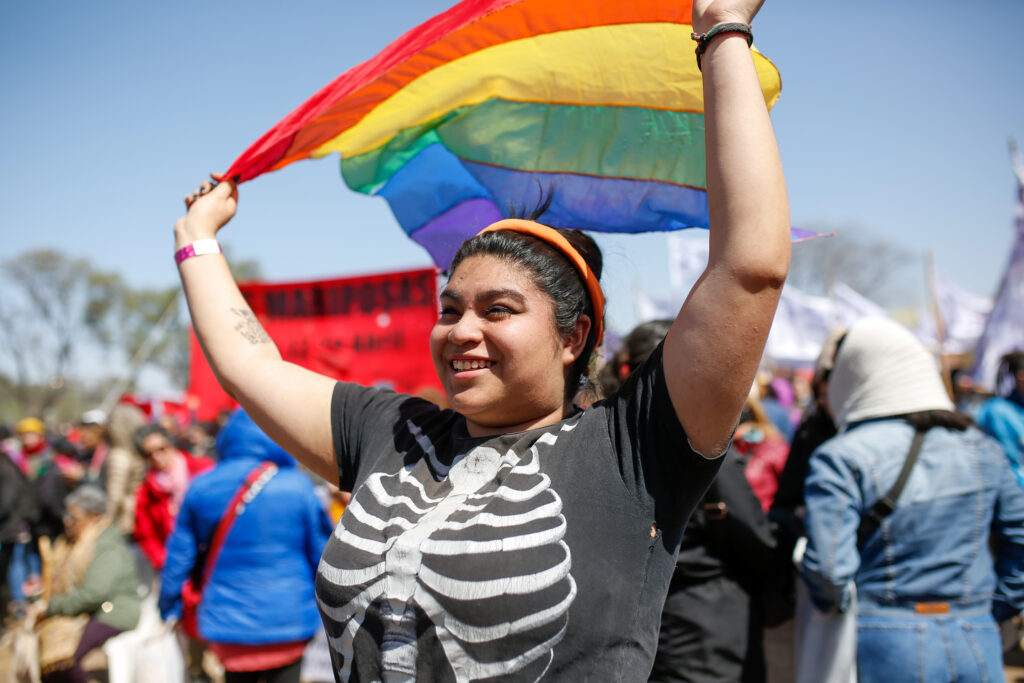
Attacks on human rights
“In the decades since the adoption of the Universal Declaration of Human Rights in 1948, human rights have become more widely recognized and guaranteed around the world. Since its inception, it has served as the foundation of an expanding system of human rights protection that now focuses on vulnerable groups such as persons with disabilities, indigenous peoples, and migrants,” says the UN.
The same organization acknowledges that the UDHR's promise of equal rights for all has been under serious attack in recent years. Some attacks stem from the pandemic, others from rising inequalities, racism, climate change, and the international financial system. In this context, the UN states, “the values and rights enshrined in the UDHR serve as a guide for our collective actions that leave no one behind. The year-long campaign aims to refocus our work and efforts toward a greater understanding of the UDHR's universality and the activism associated with it.”
Share
We are present
We are committed to journalism that delves into the territories and conducts thorough investigations, combined with new technologies and narrative formats. We want the protagonists, their stories, and their struggles to be present.
SUPPORT US

FOLLOW US
Related notes
We are present
This and other stories are not usually on the media agenda. Together we can bring them to light.