

First plurinational LGBT pride march in the Calchaquí Valleys
Cafayate was the setting for the second LGBT pride march and the first one recognized as plurinational.


Share

SALTA, Argentina. Under the slogan "We are an embrace," the Second Pride March of the Diverse Community of the Calchaquí Valley took place in Cafayate. It was the first Pride March recognized as Plurinational in Diaguita territory.
From the different provinces that make up the vast Calchaquí Valley, this march broke down the current provincial borders and unified the Valley.
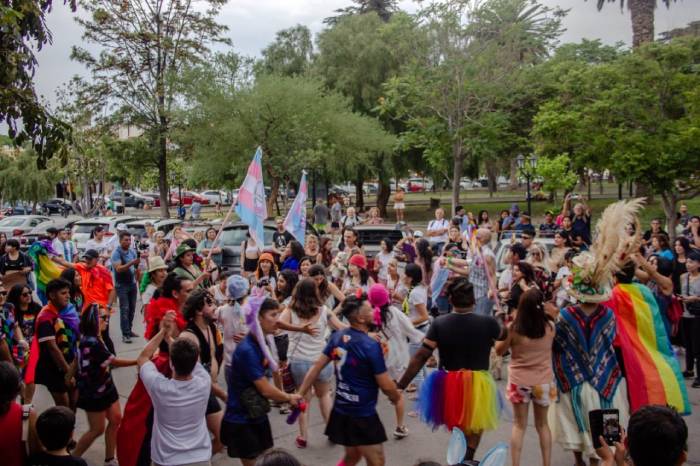
The demands of this mobilization included respect for sexual diversity in local media, comprehensive sex education with a gender perspective and real commitment from teachers, real access to health, land and housing, urgent implementation of the transvestite and trans job quota law, and the historical reparation law.
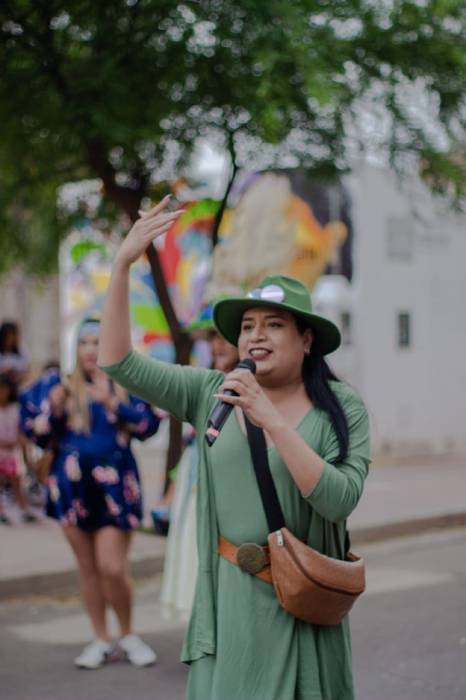
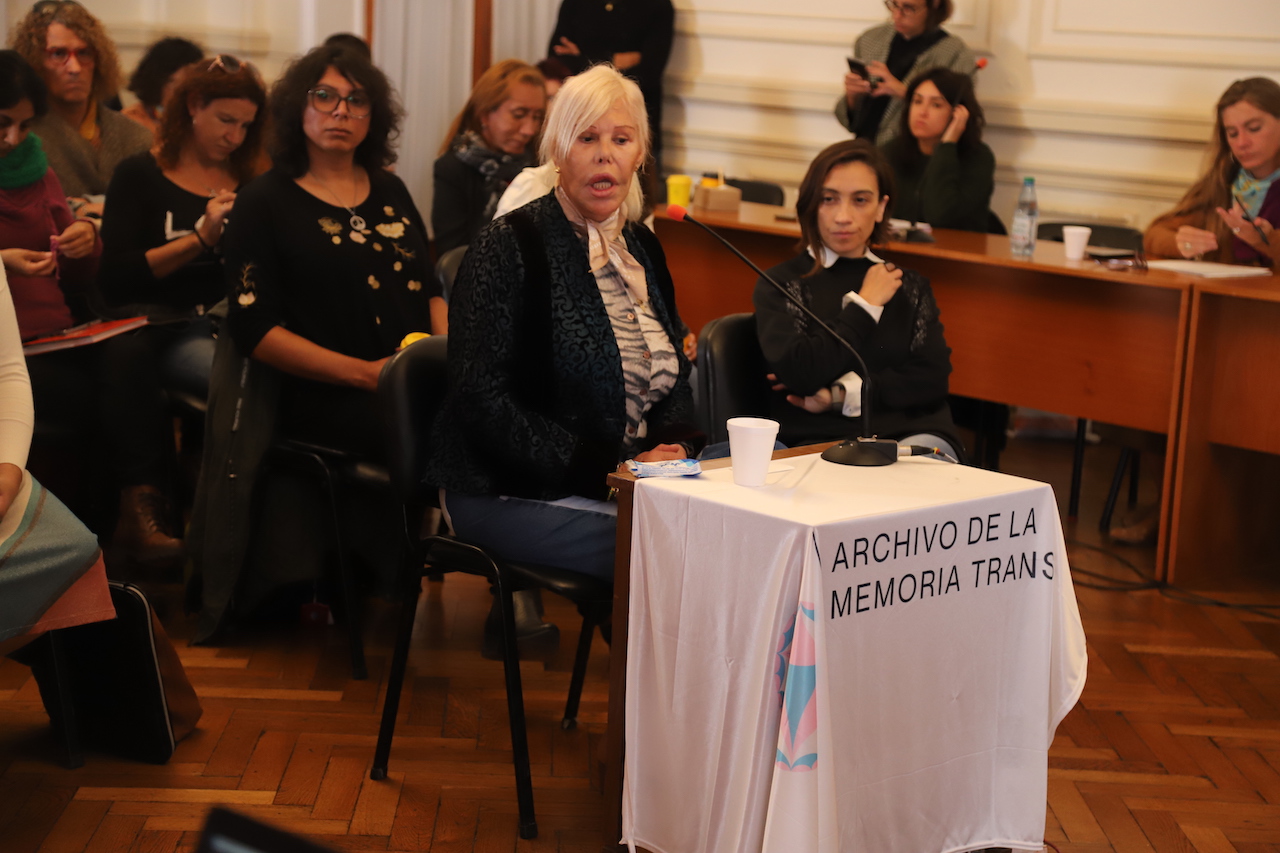
Beatriz Agustina, better known as Aunt Betty, an elderly trans woman from Salta, says, “ I feel incredibly proud to be the oldest in the group of trans women. I feel useful, not to guide the new ones, but to embrace them and give them a wonderful experience as a trans woman, with everything we, the few older survivors, have lived through. I'm here to support my companions . The affection the younger ones give me makes me stronger; our lives don't have to end on the street, made up and prostituted.”
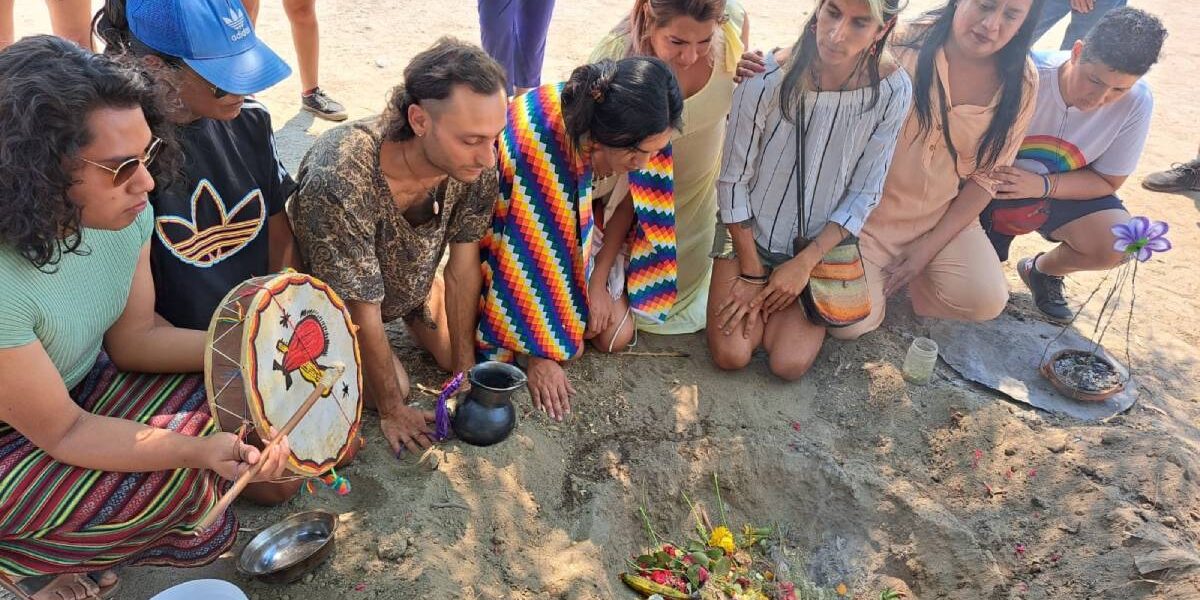
The gathering took place around the protective fire to offer prayers and ask for the sisters who are no longer with us, and to strengthen those who remain. Pachamama and Ñuke Mapu represent diversity and harmony, and today they face the worst form of extractivism and dispossession by the winka (non-Mapuche people): the dispossession of body, territory, and spirit.
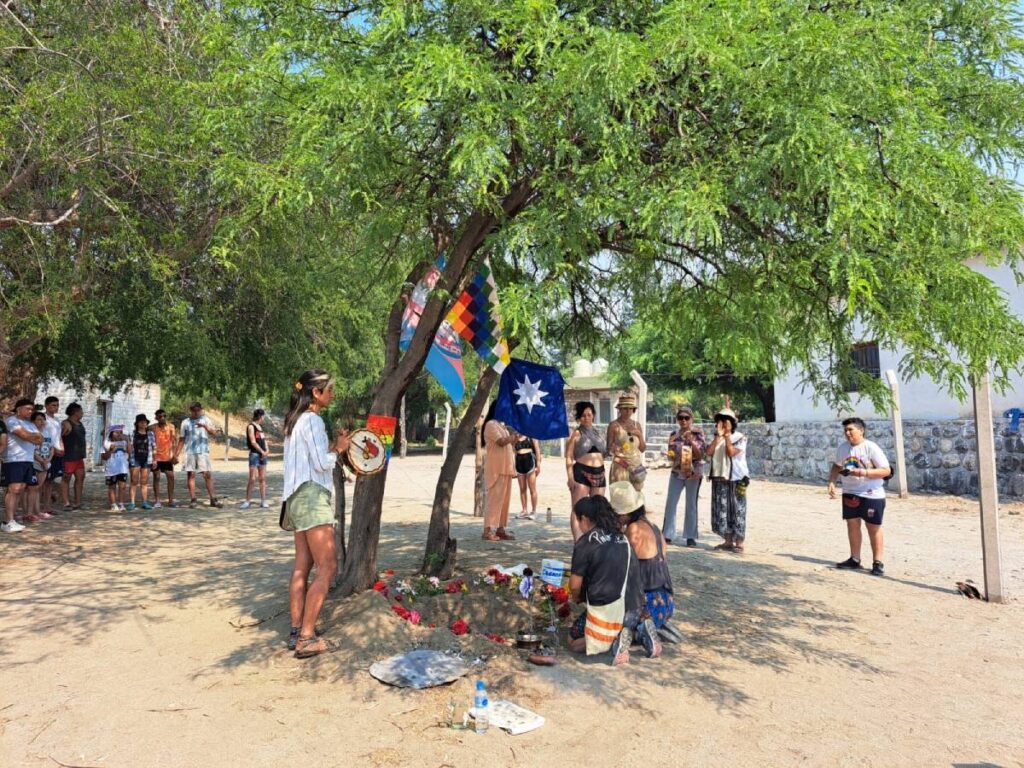
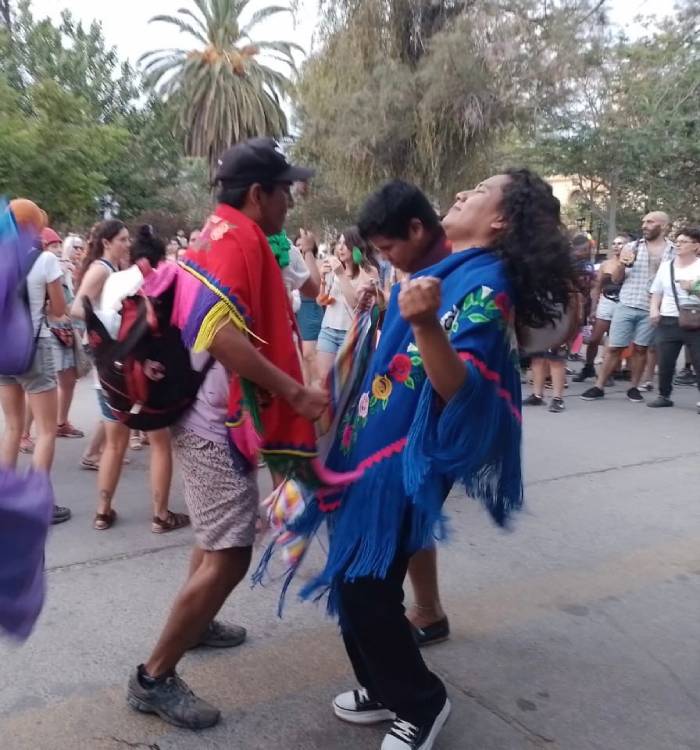
Once the march began , the Churkis warmikuna , Sicuri women, danced in a circle, recalling the sound of the wind and the earth of the valleys. Little by little, the necessary strength emerged to embody the Diaguita, the indigenous.
A tour through the Valleys
In Cafayate's main square, Carla Morales Rio, a transgender actress and dancer from the Colla region, created an art circle. The march was characterized by its revival of Indigenous art . It also included folklore as part of the music that accompanies the high-altitude valleys today. Once the sun touched the Andean peaks, and the Apus (mountain spirits) of the area were invoked, House of TEB shared the culture of ballroom dancing. Arde Kali accompanied the march with fire until its end in the Family Park, on the city's highest hill.
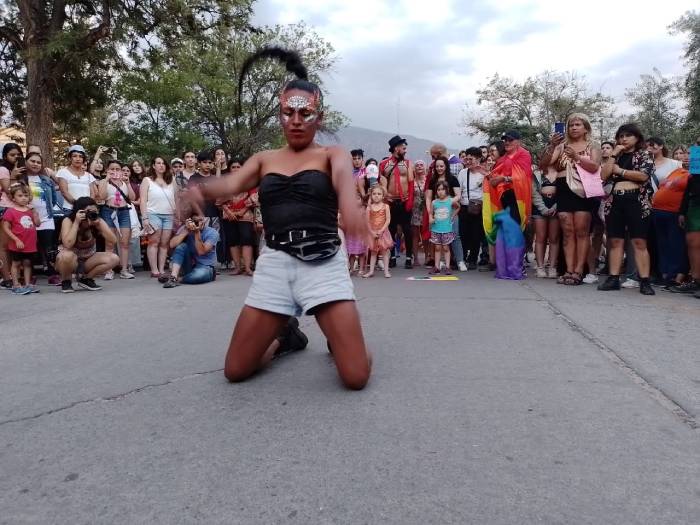
Alexis Méndez , a transvestite queer man from the Humahuaca nation, a sicurera dancer, tells Presentes : “Arriving in the community of Cafayate in the morning, hearing the ancestral song of the copla, and seeing our wise transvestite sisters gathered around the pachita (mother earth), was another step towards the revolution. We, qhariwarmis, born on the periphery of the periphery, the dispossessed, the voiceless, the hormonally charged, with sweet eyes, were able to raise our signs and, above all, our pride to carry forward the queer fury towards the liberation of our bodies.”
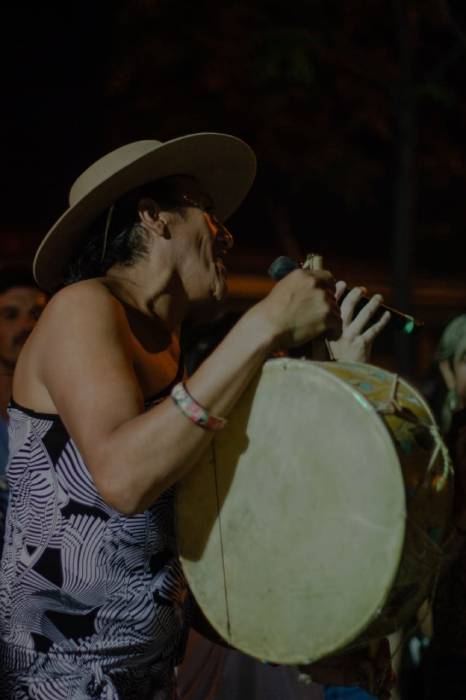
Bella Mamani, an elderly trans woman, also gave a stunning performance, disrobing the audience. Finally, the renowned and celebrated Diaguita trans singer Lorena Carpanchay took to the stage. Also present was the mayor of Cafayate, Fernando Almeda, who pledged to fully and effectively implement the Transgender Employment Quota Law in the region.
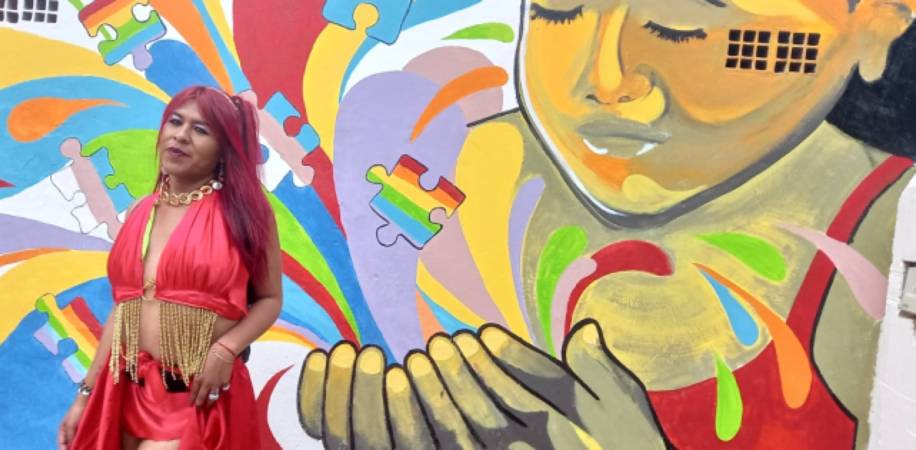
Photos by @senku.fotos
We are present
We are committed to journalism that delves into the territories and conducts thorough investigations, combined with new technologies and narrative formats. We want the protagonists, their stories, and their struggles to be present.
SUPPORT US

FOLLOW US
Related notes
We are present
This and other stories are not usually on the media agenda. Together we can bring them to light.