

Chile: Pride and demands in the streets of Santiago
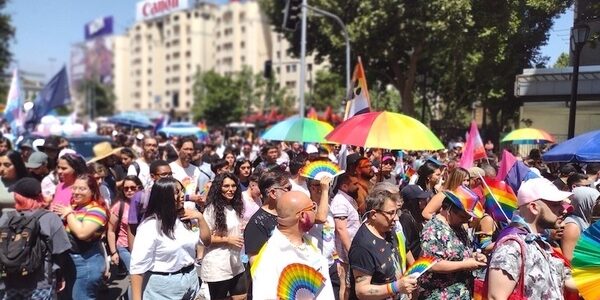
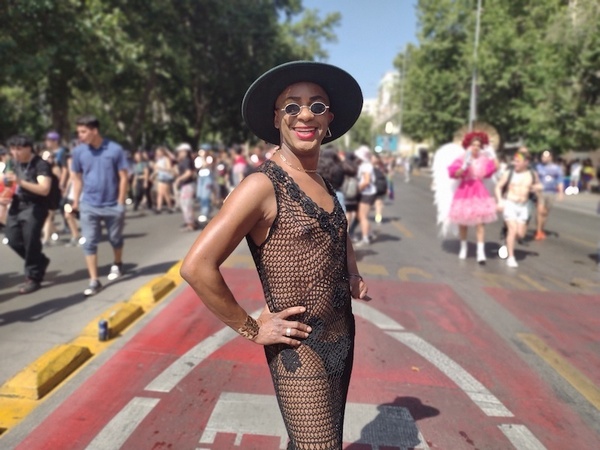
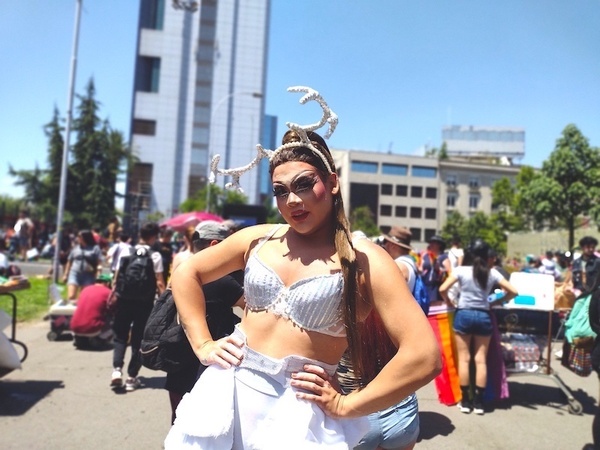
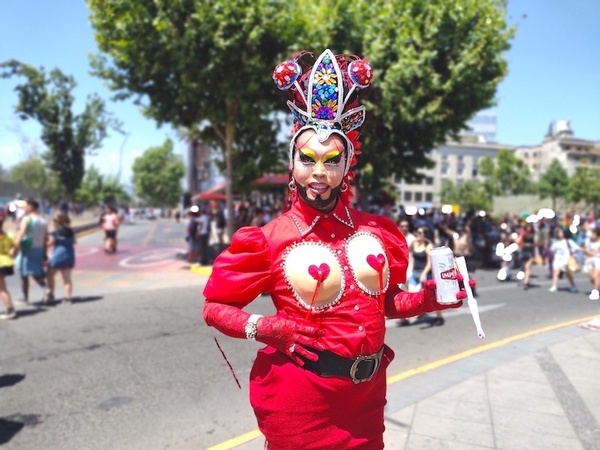
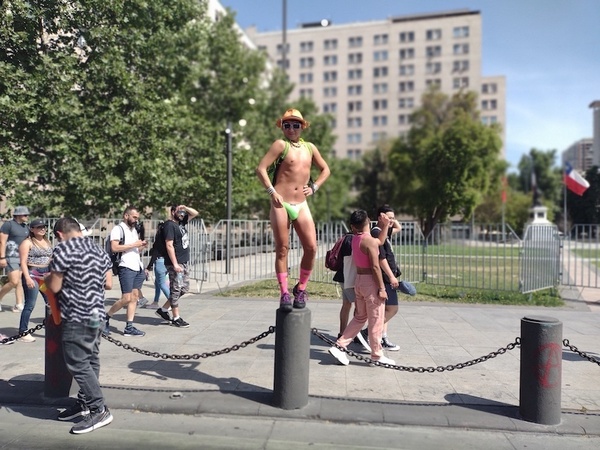
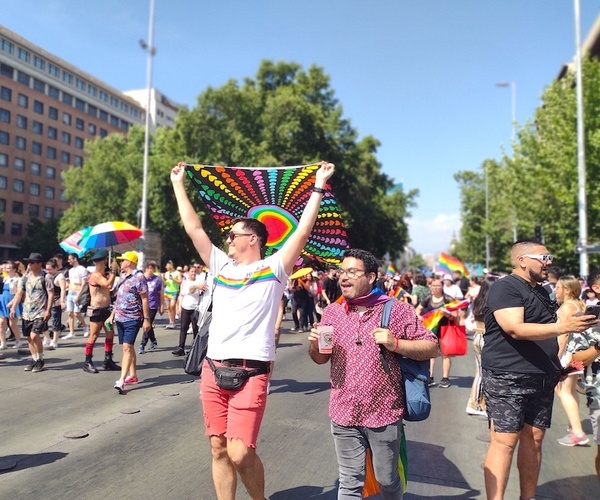
Thousands of people participated in the 15th edition of the "Santiago Parade, March for Equality" in Santiago, Chile, organized by the Movement for Homosexual Integration and Liberation (Movilh). It was the least attended in recent years.


Share

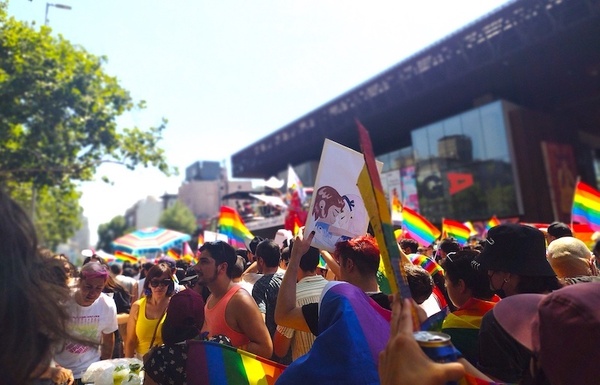
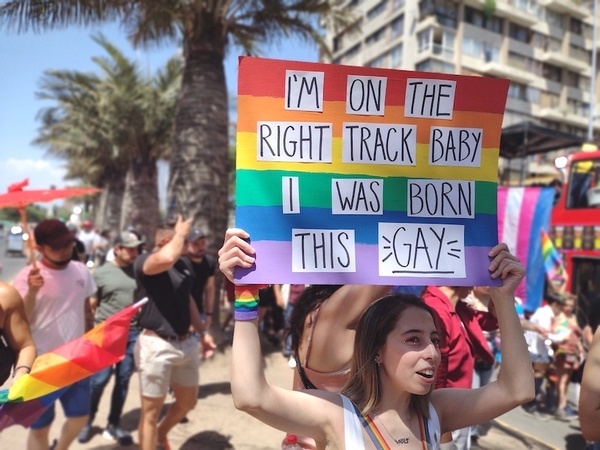
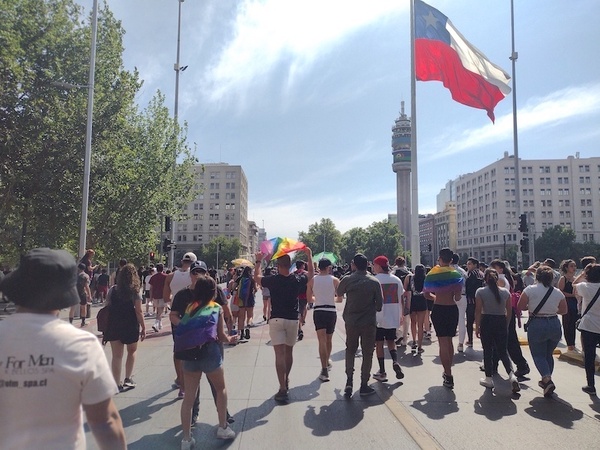
SANTIAGO, Chile. Thousands of people participated in the 15th annual "Santiago Parade, March for Equality" in Santiago, Chile, organized by the Movement for Homosexual Integration and Liberation (Movilh). Music, flags, and signs accompanied the march from Plaza Italia to Plaza Los Héroes.
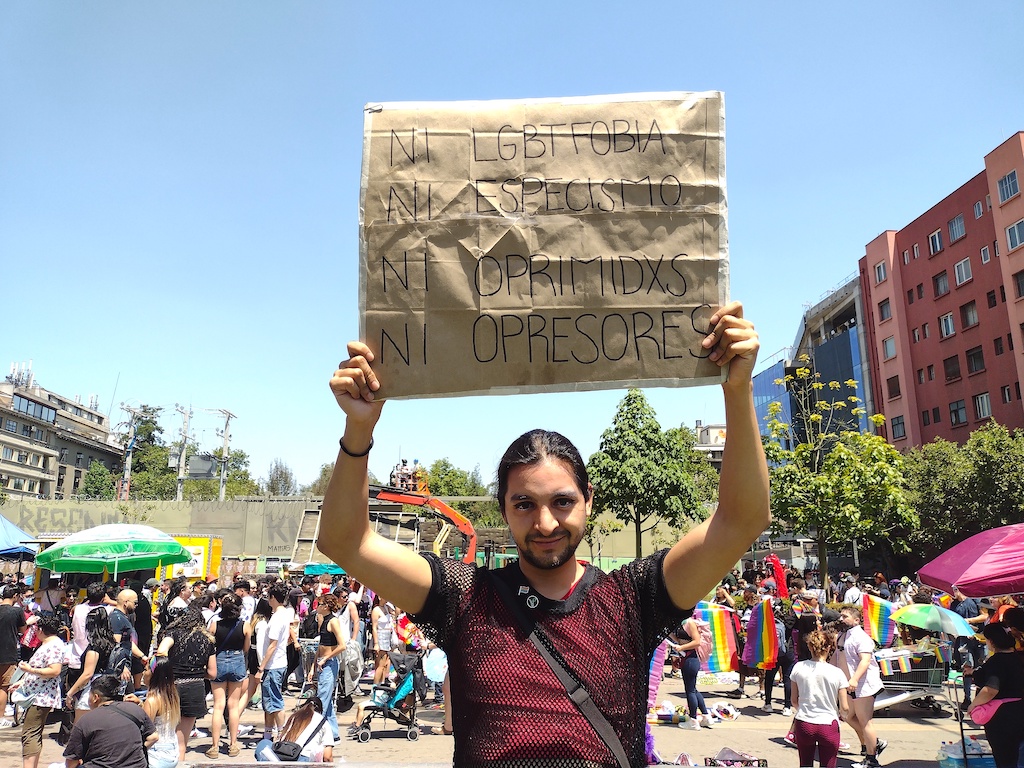
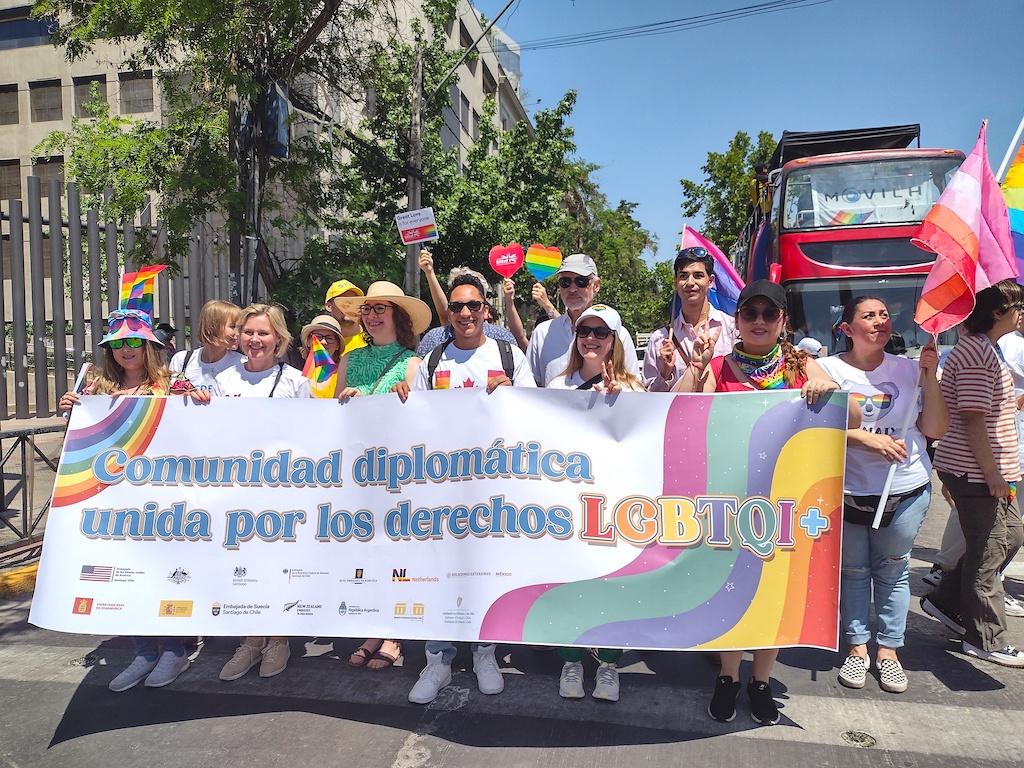
It was the least attended march in the last five years. Many of the participants attributed this to the sun and the 30-degree Celsius temperature that afternoon. Only three organized groups marched down the main avenue of the Chilean capital: the Movilh group, a group of diplomats with representatives from more than ten countries, and the Selenna Foundation group. The rest of the crowd did not visibly identify with any organization.
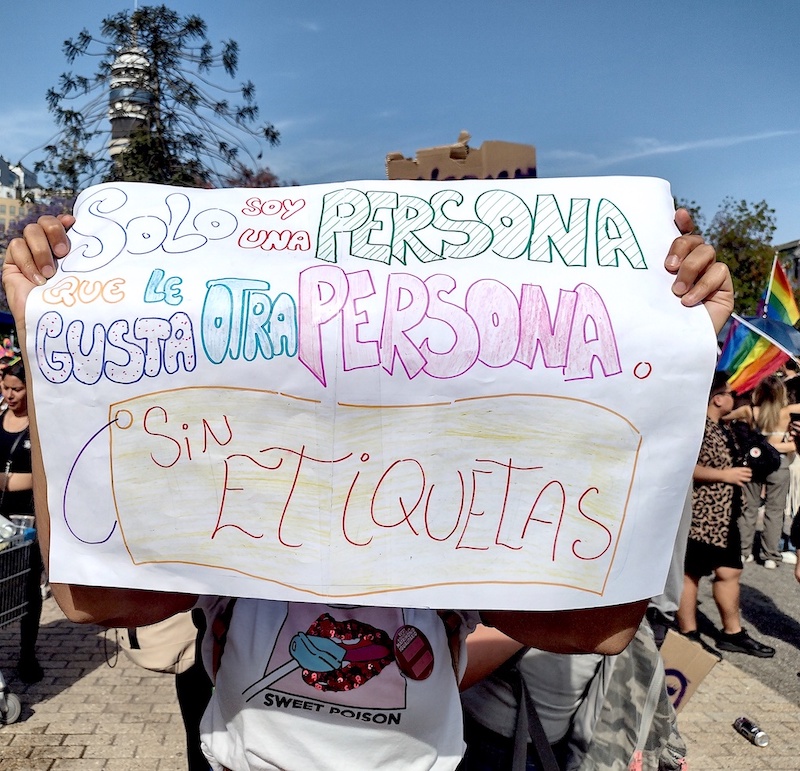
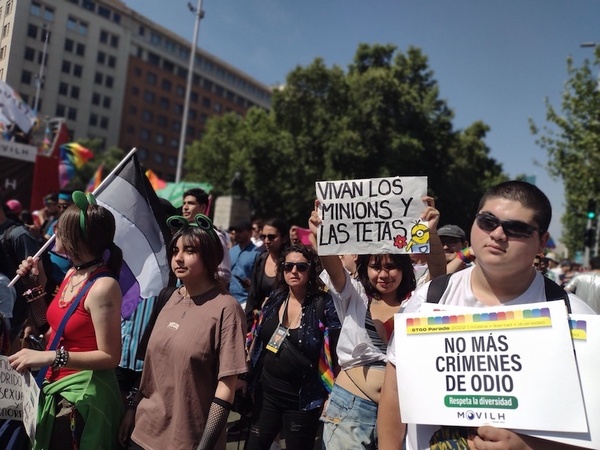
The central demands of the march were the creation of an anti-discrimination institution, the reform of the Zamudio Law, and the approval of the José Matías Law . This law, currently being debated in Congress, is named after the young trans man who committed suicide in 2019 after suffering bullying and harassment at his school. This bill seeks to strengthen school coexistence and increase penalties in cases of discrimination against students from the LGBTIQ+ community.
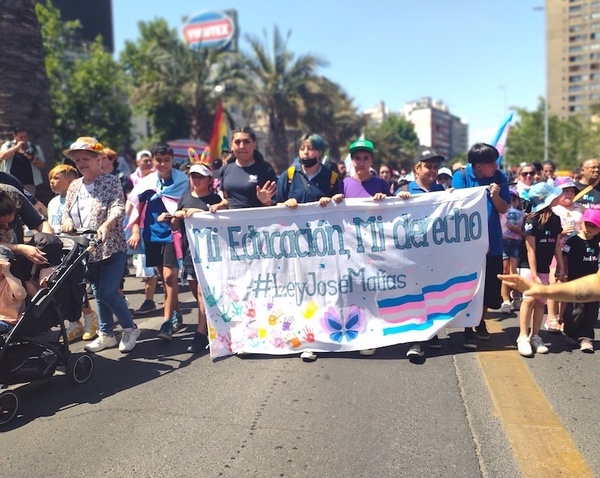
“We are demanding the urgent passage of the José Matías Law. We are also here to highlight that this community has become adult-centric, because trans children are still waiting and there are no support programs,” said Evelyn Silva, founder of the Selenna Foundation and mother of the youngest child recorded in the history of the trans struggle in Chile.
Before the demonstration ended and the party continued, Ramón Gómez, from Movilh, named each of the 56 people who have been murdered in Chile and whose deaths they have documented: “We don’t want any more deaths. We want justice for those who have fallen.”
We are present
We are committed to journalism that delves into the territories and conducts thorough investigations, combined with new technologies and narrative formats. We want the protagonists, their stories, and their struggles to be present.
SUPPORT US

FOLLOW US
Related notes

We are present
This and other stories are not usually on the media agenda. Together we can bring them to light.