

A sticker album to promote diversity in sport
Émilien Buffard photographed more than 500 players and 18 LGBTQI+ sports groups from 8 provinces of Argentina.


Share

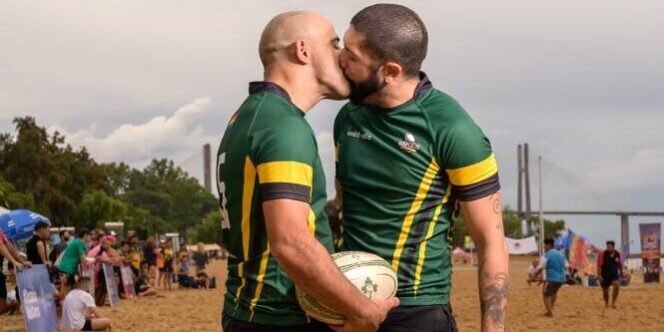
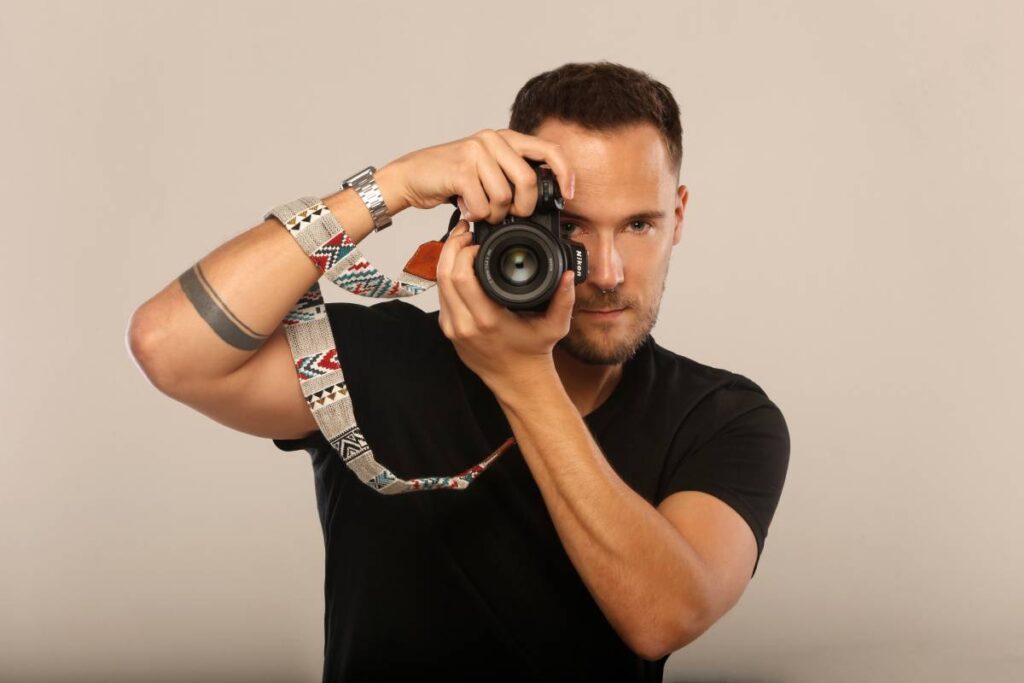
BUENOS AIRES, Argentina. The 2022 World Cup will be held in Qatar, where displaying flags or any type of LGBTQ+ symbol and public displays of affection are prohibited. With this in mind, Émilien Buffard, a French photographer based in Rosario, Argentina, has just published his book, Sport Friendly: The Field of Diversity!
This is a new photographic project that reinterprets the traditional sticker album. To achieve this, Buffard spent a year photographing more than 500 players and 18 LGBTQI+ sports groups from 8 provinces of Argentina.
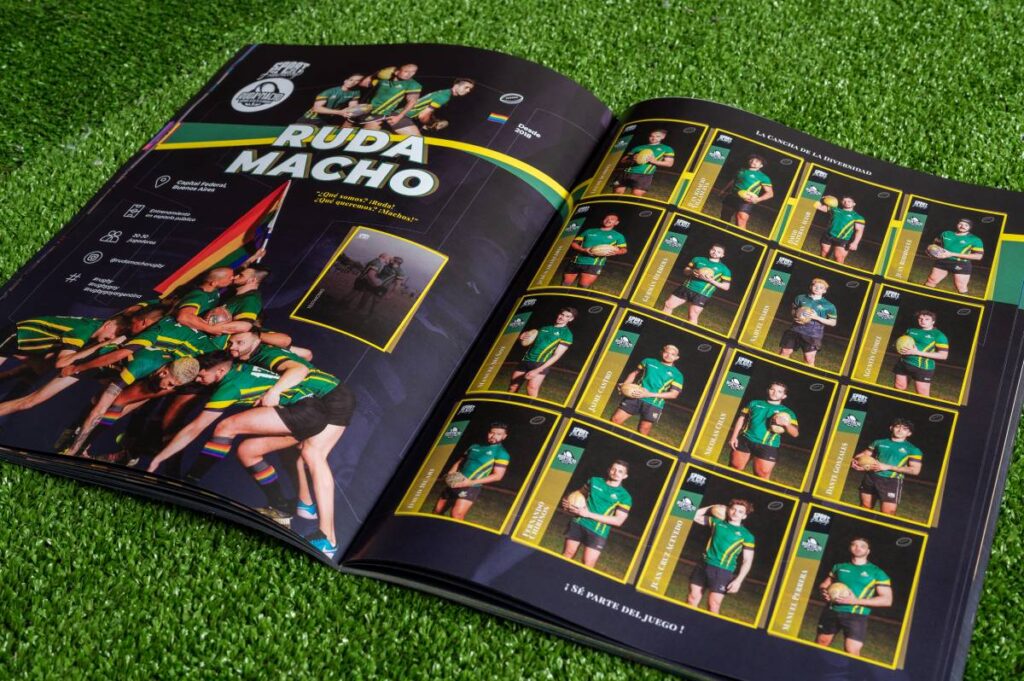
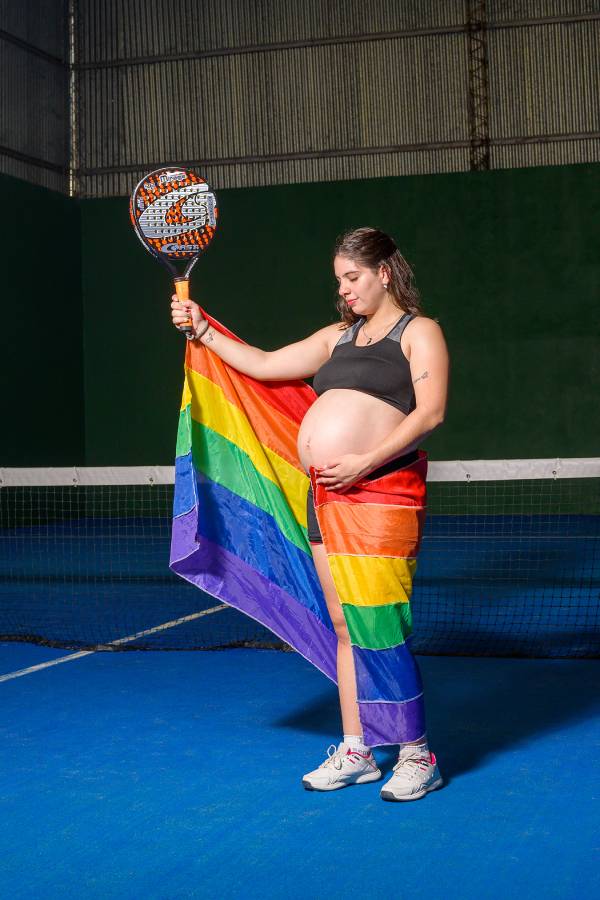
The album contains images of athletes practicing swimming, rugby, soccer, volleyball, padel, martial arts, tennis, hockey and basketball, among 12 disciplines.
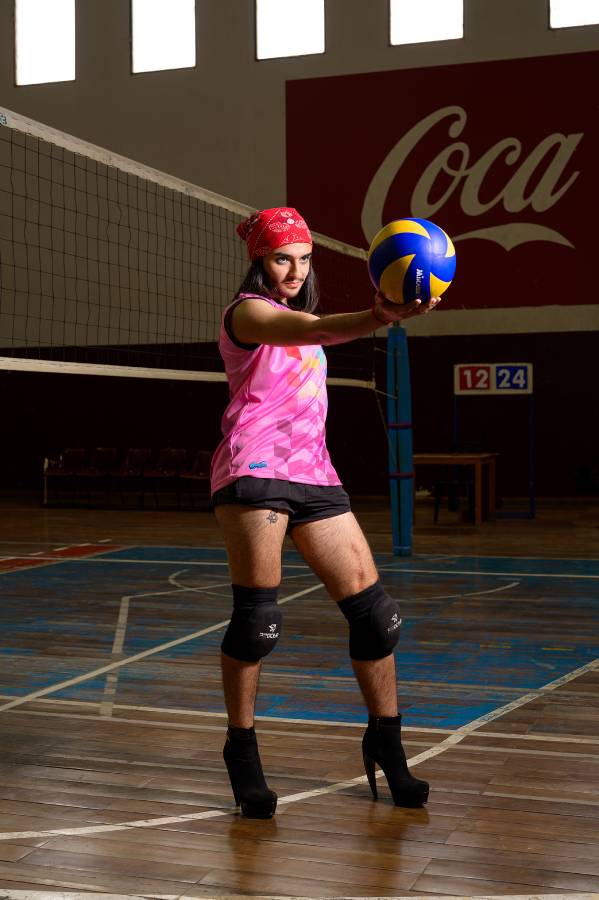
“I traveled to many provinces and contacted the team coordinators. We had them pose with the idea of creating a sticker album, but I always invited them to bring something that represented them: a piece of clothing, a jacket, or something. From there emerged fifteen photos that are the most emblematic of the project. And that show the demands of each player on the field,” Buffard told Presentes.
The art of repurposing
The World Cup was the perfect excuse for Buffard to spread positive messages in a context where hate speech is commonplace.
“This World Cup is very controversial for human rights, but especially for LGBTQ+ rights. It's a country where homosexuals are sentenced to prison. The idea behind presenting this work was to show that while Qatar doesn't allow diversity to occupy the sporting space, in other parts of the world we're playing other games. Playing the game of diversity. This project aims at that,” the photographer states.
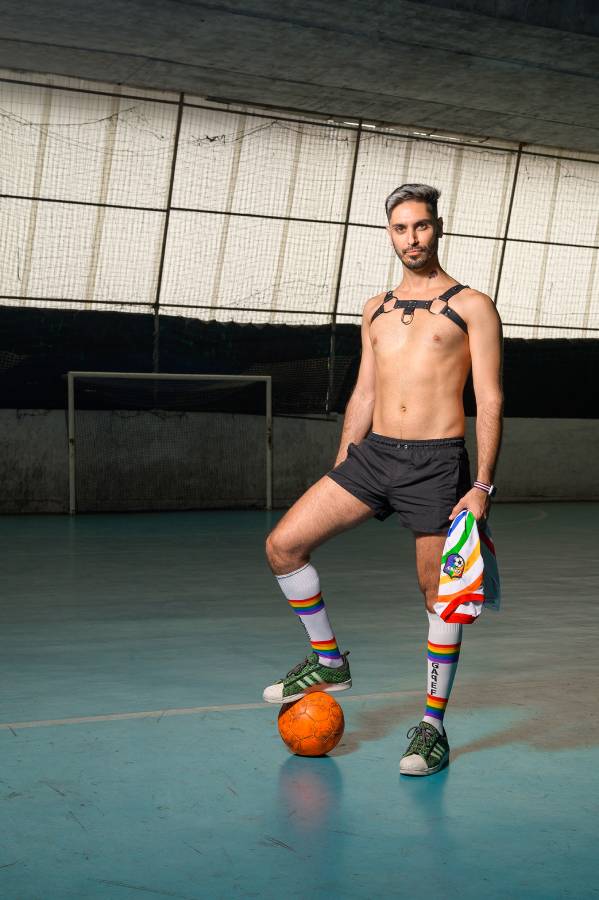
To deliver his message, Buffard pointed to the most symbolic element of the World Cup for generations: the sticker album. “The concept was designed to grab attention. If I had made a regular sticker album, it wouldn't have had the same impact. The idea was to make it inclusive. Inside this album, we're going to see other people who occupy spaces in sports,” he says.
The myth of performance
Buffard comments that athletic performance continues to be linked to sexuality, but also that sports venues do not allow for any kind of diversity.
“We find trans people who can’t set foot on the grass of the fields because we don’t give them space. We find fat people who aren’t allowed into clubs because of their bodies. Or because sports are expensive, people with limited resources can’t afford the fees and play. And what we do in the book is find these spaces so that everyone has the opportunity to be on the field regardless of their orientation, sexual identity, gender, or physical or social condition.”
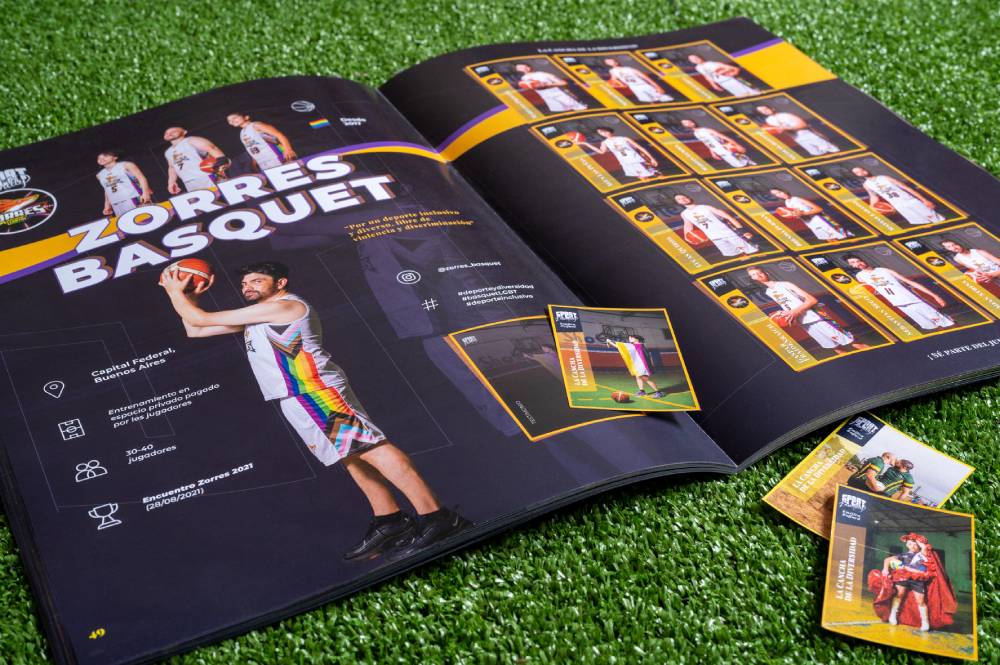
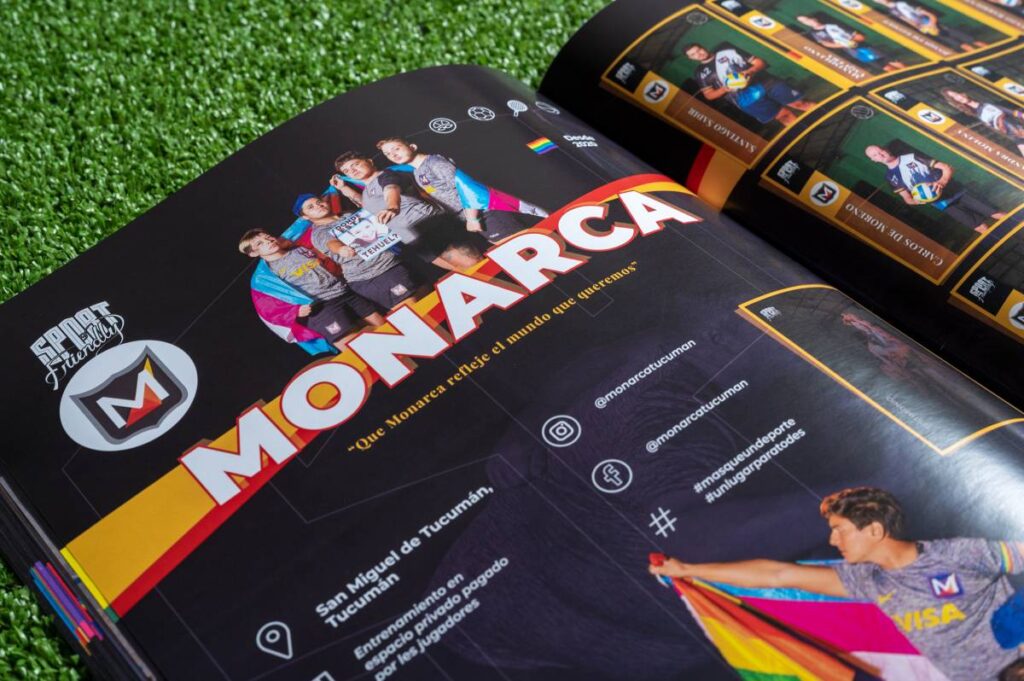
The album features stickers organized with information about each team and also includes interviews with Cecilia Carranza Saroli, Facundo Imhoff, and Jessica Millaman. These three professional LGBTQ+ athletes share their experiences of inclusion at the elite level of sports.
Qatar bucking the global trend
There have been many debates about Qatar's conditions, and FIFA is trying to overturn some of those provisions. However, so far, what is known is that the LGBTI+ community faces serious risks in that country.
“If you look at the international political response in football, clubs are saying they’re going to make jerseys with LGBTQ+ colors. It’s symbolic, but we need concrete measures. It’s not enough to raise the flag; behind the scenes at the club itself, LGBTQ+ people feel they don’t have a place,” he emphasizes.
“They feel there are no internal policies in favor of diversity. Let's focus on that. We need to provide training, educate leaders, and train club staff about LGBTphobia and how to react to a new situation. For example, if a player on the team were to come out as gay tomorrow. And if his teammates and club management could support him as well. Perhaps we're missing out on the next Messi because he's gay.”
Doing sports, enjoying it
Émilien works in documentary photography, and this is his third photographic project. It was inaugurated on April 28th on the facade of the Juan Castagnino Museum of Fine Arts, in front of the 3rd South American Youth Games in Rosario.
Sport Friendly: The Field of Diversity! challenges the established and normalized norms in the world of sports. “This work shows that we want a sport, we want to enjoy it, we want to experience it, and we want to stop thinking that sexuality impacts performance. That's not true, but it stems from a society that remains homophobic. Everything I've done, I posted on my social media and received hundreds and hundreds of homophobic comments,” he notes.
“What I hope is that this dialogue about diversity in sports will open up through cultural institutions and the media. Someone wrote to me under the promotional flyer for the project that 'if you saw your son kissing like that in the park, he'd be kicked in the ass.' We're still working on that. If I can occupy public space with images like this so that a child or a teenager can see it and say 'it's all right,' then I'll have won.”
Regarding inclusive teams in other parts of the world, Émilien comments, “I photographed a diverse team in Paris. There are inclusive sports teams in several other countries. This means that discrimination transcends borders. The stories I encountered here are the same ones I heard in France and Spain.”
Being a fan in Qatar
For the author of Sport Friendly: the field of diversity , the sports field occupies a fundamental place in contemporary society.
“They are recreational or professional spaces, designed to generate new relationships, situations, and opportunities for cultural and social interaction. They are still fraught with multiple challenges and concerns that professional and amateur players face: racism, sexism, homophobia, transphobia. Sport is nothing more than a mirror of what society produces,” the author explains in the book's introduction.
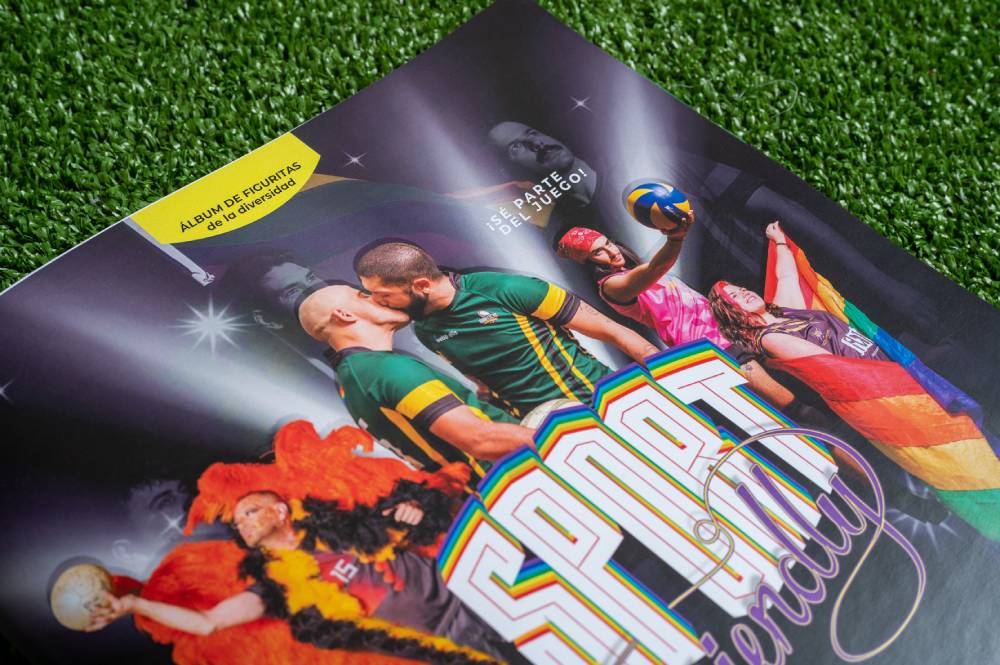
The book was launched on Wednesday, November 2nd, and is now available for purchase. It features a foreword by Raúl D'Amelio, director of the Castagnino Museum. The 96-page book includes a poster and a sheet of figurines. It can be purchased via the following link: https://emilienbuffard.com/tienda/
The photographic exhibition is free and open to the public and can be visited at the San Martín Cultural Center until November 20th.
We are present
We are committed to journalism that delves into the territories and conducts thorough investigations, combined with new technologies and narrative formats. We want the protagonists, their stories, and their struggles to be present.
SUPPORT US

FOLLOW US
Related notes


We are present
This and other stories are not usually on the media agenda. Together we can bring them to light.