

This is how the fourth Transvillero Pride March was experienced in the City of Buenos Aires
Villa 31 in the Retiro neighborhood experienced its fourth LGBT+ Pride march and this time it asserted its plurinational character.


Share

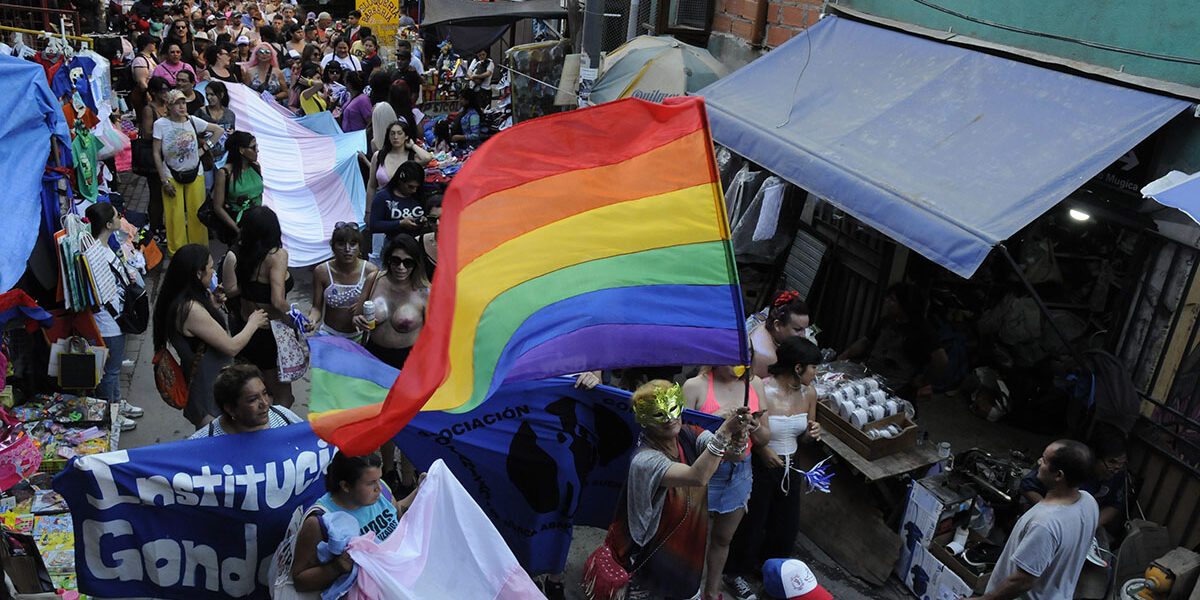
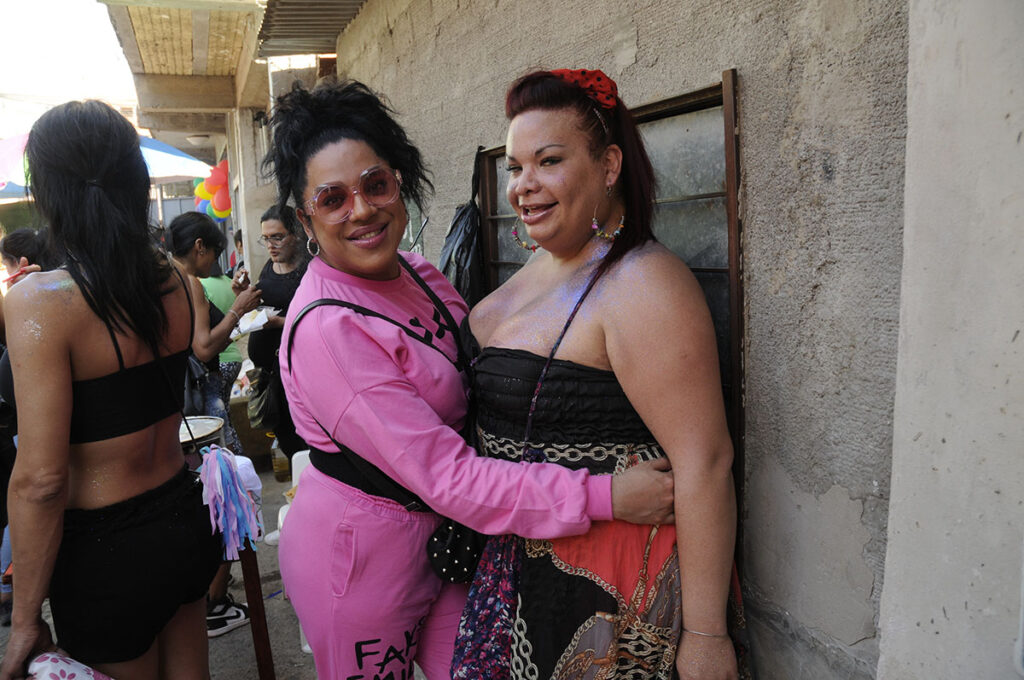
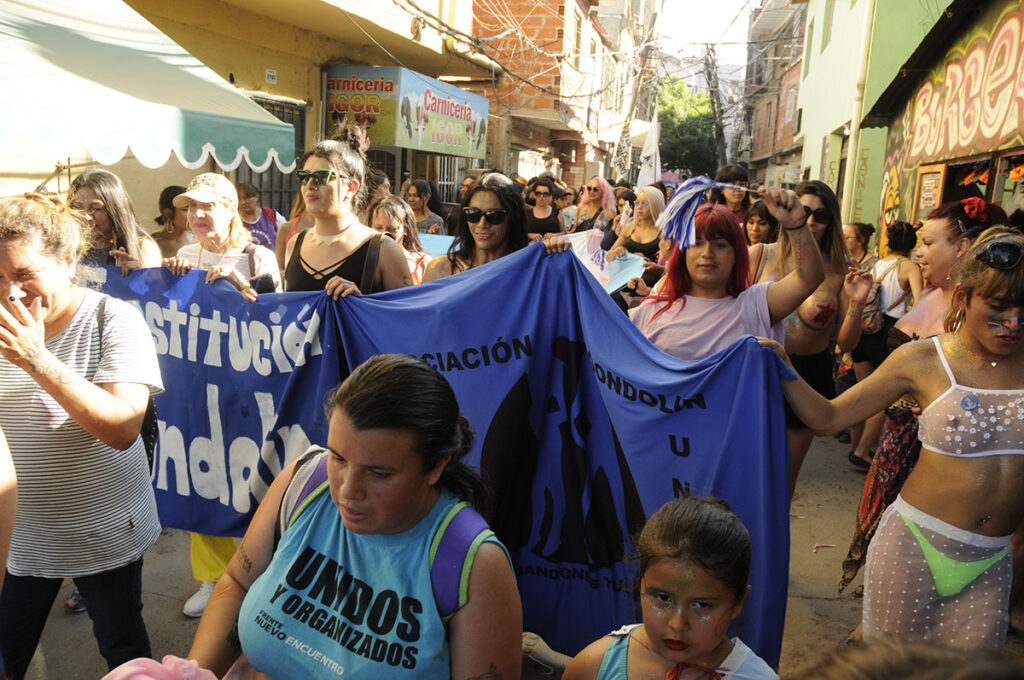
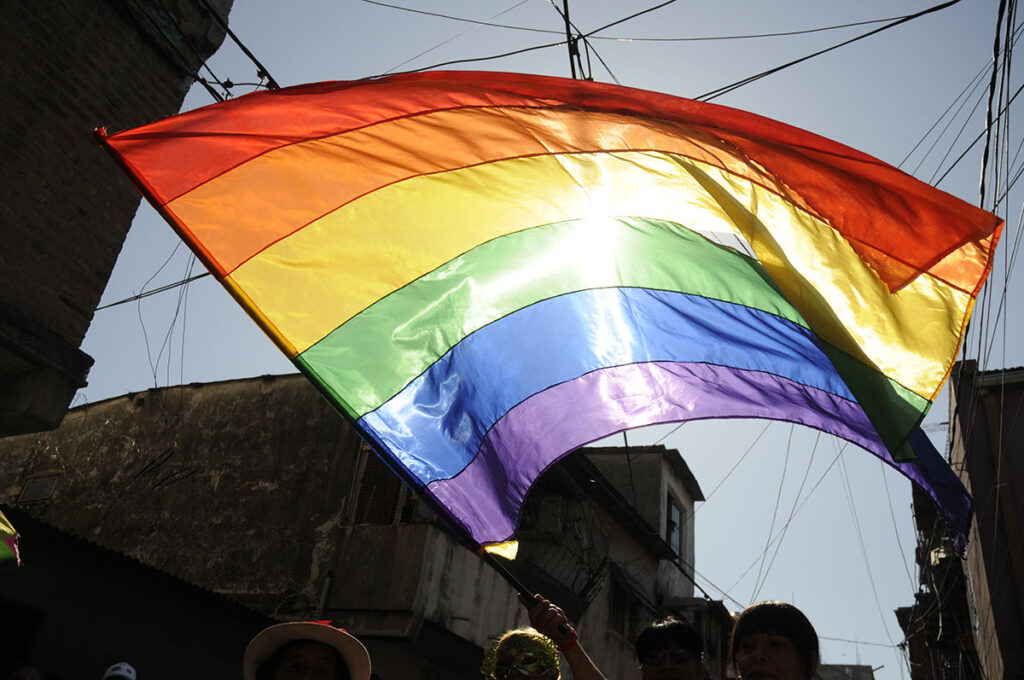
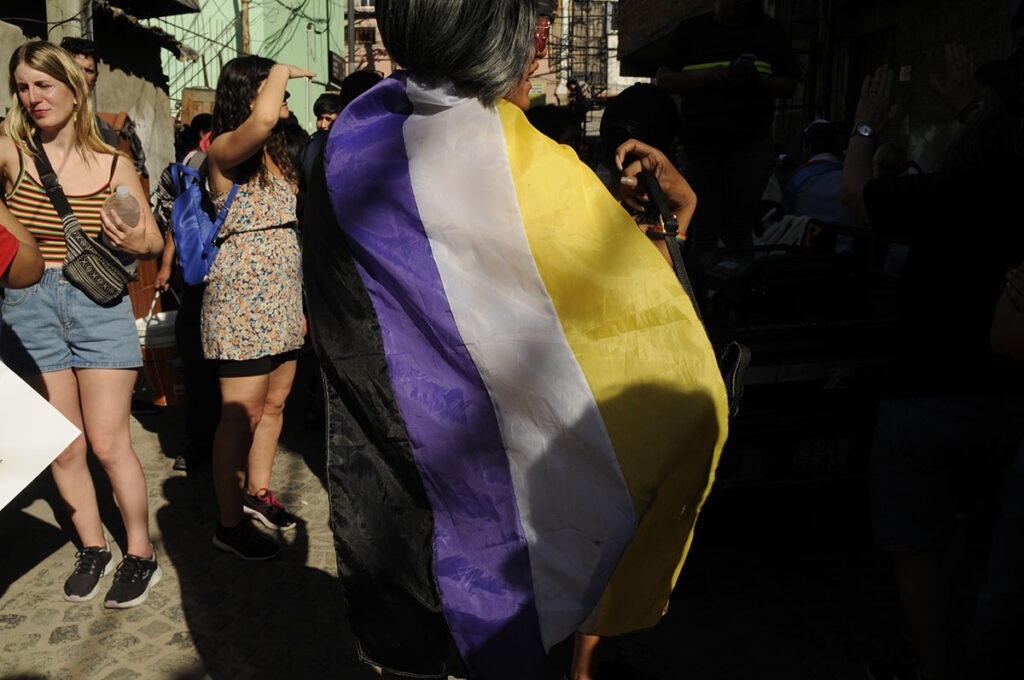
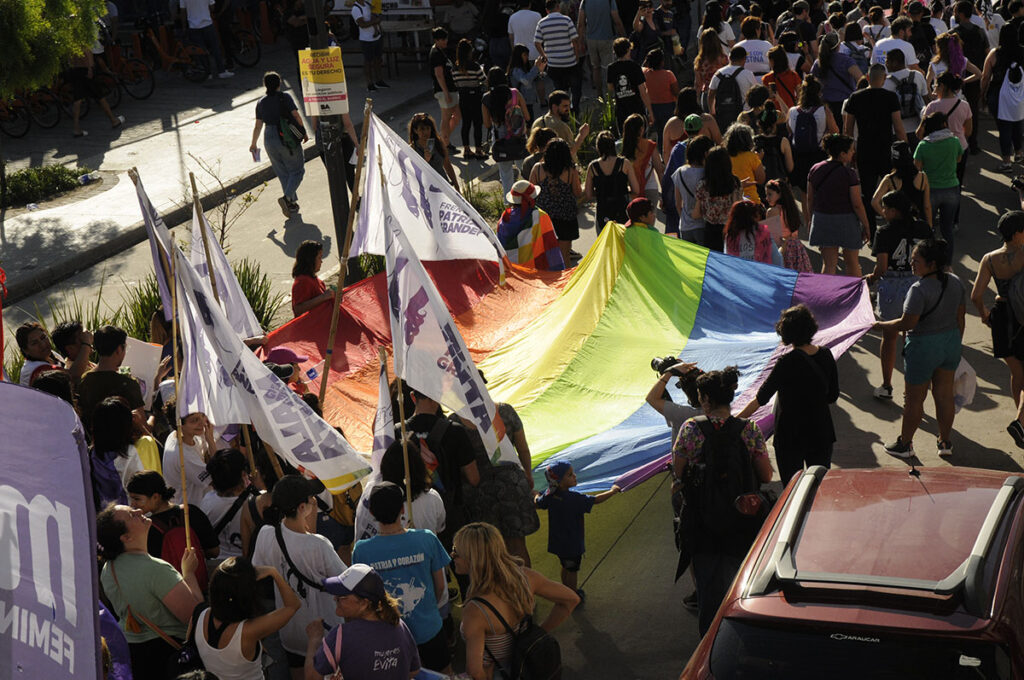
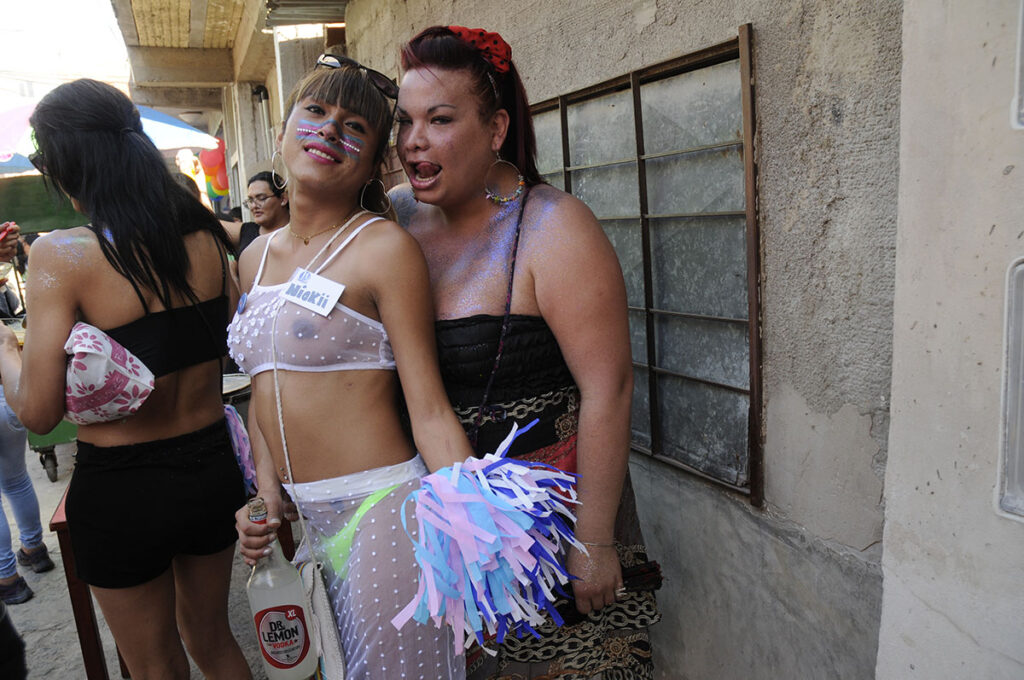
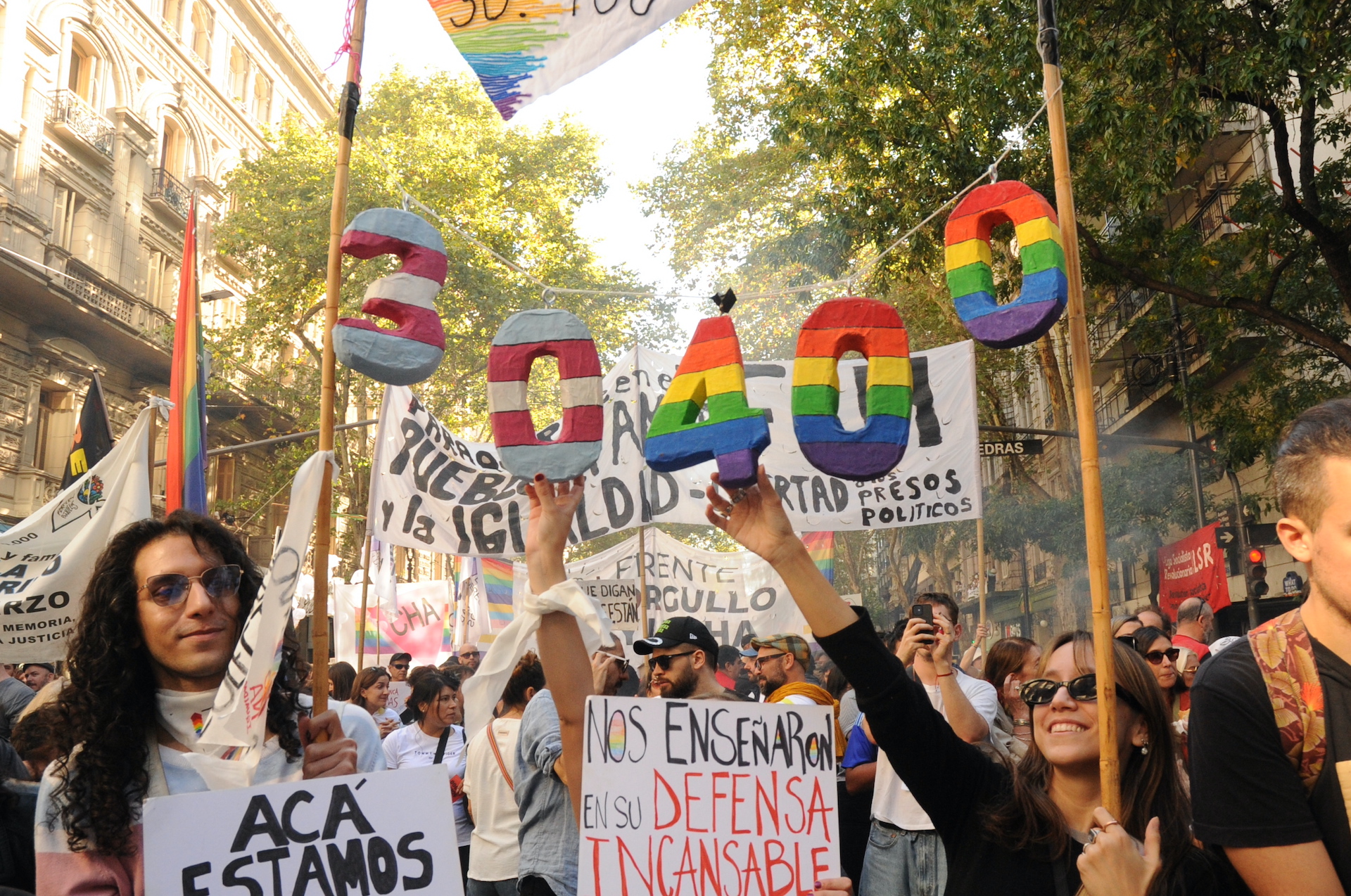
Villa 31-31 bis celebrated its 4th Transvillero Pride March, a day in which transvestite, trans, gay, lesbian, Indigenous, and migrant identities walked through the neighborhood's narrow streets under the first warm weather of the year. "One of the things we always march for is no to hate, no to discrimination," Solange Fabian, a member of the Hotel Gondolín collective, told Presentes. The activists also highlighted the "revolutionary" act of "making diversity march in the eyes of the neighborhood."
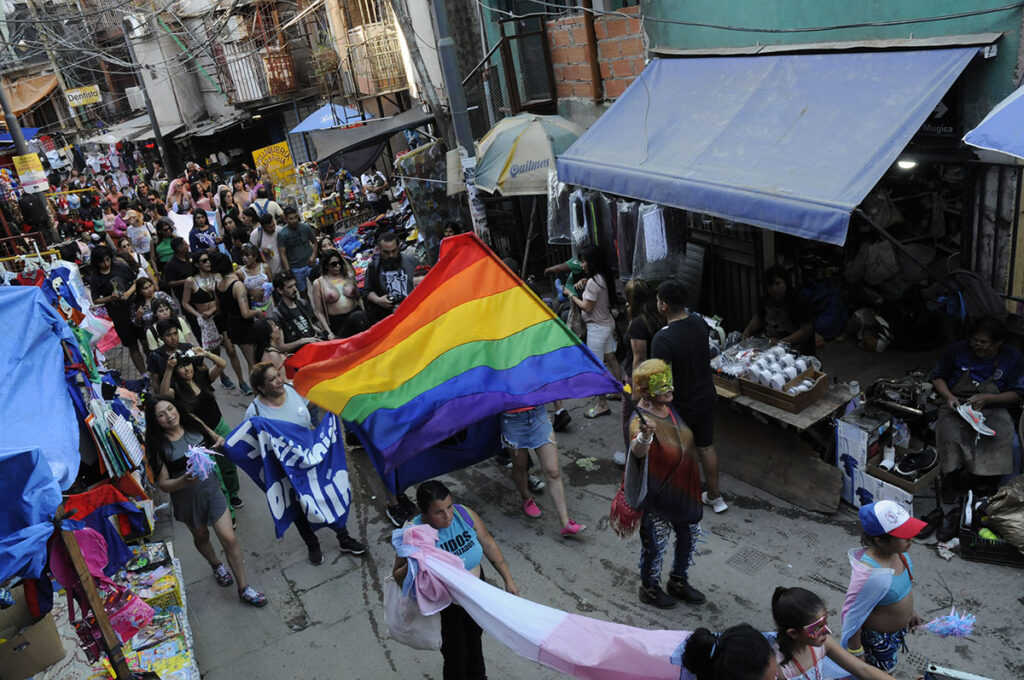
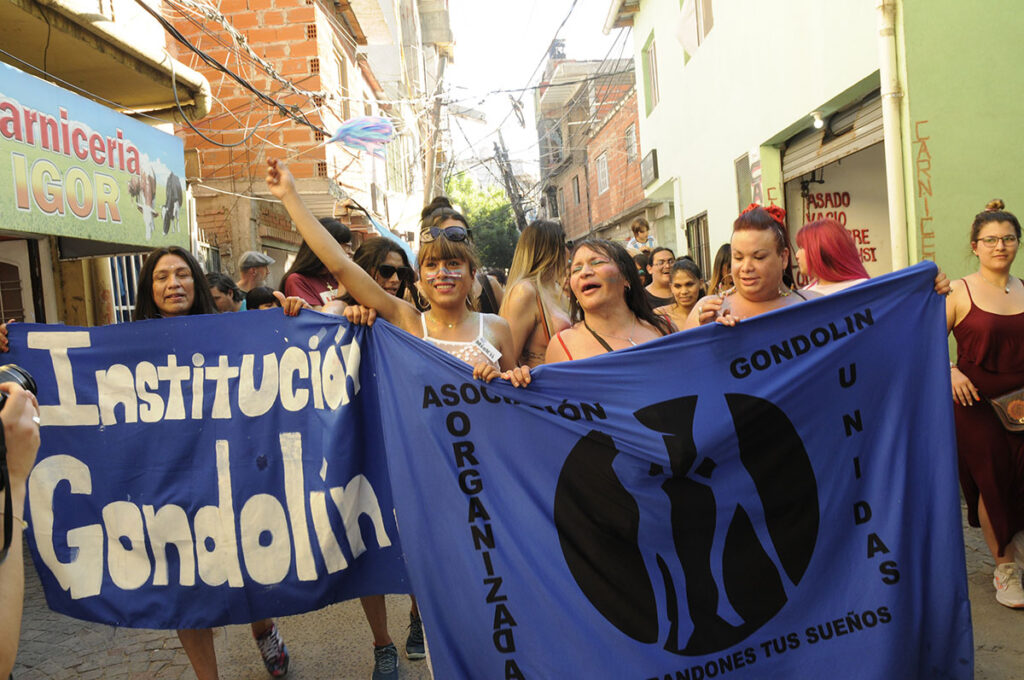
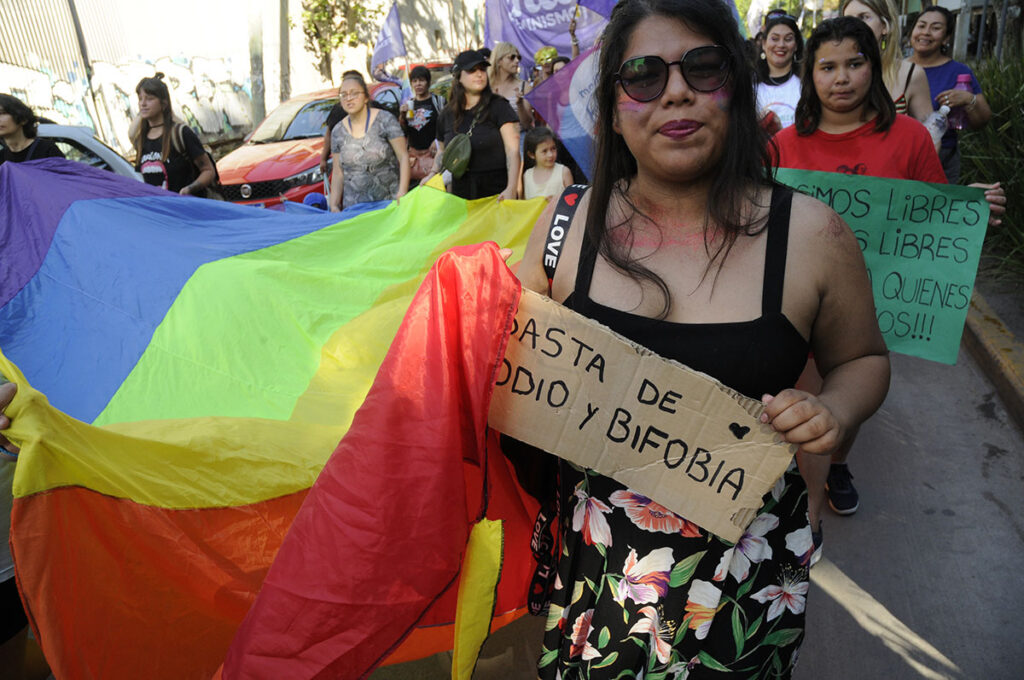
From early morning, people from the neighborhood and beyond began gathering at the intersection of Ulla Ulla and December 3, 2009 streets in the Padre Carlos Mugica neighborhood (Villa 31). Around 5 p.m., with the classic motorcycle taxis leading the way, the march began. It was spearheaded by the Hotel Gondolín , a hotel reclaimed and self-managed by transvestite and transgender women.
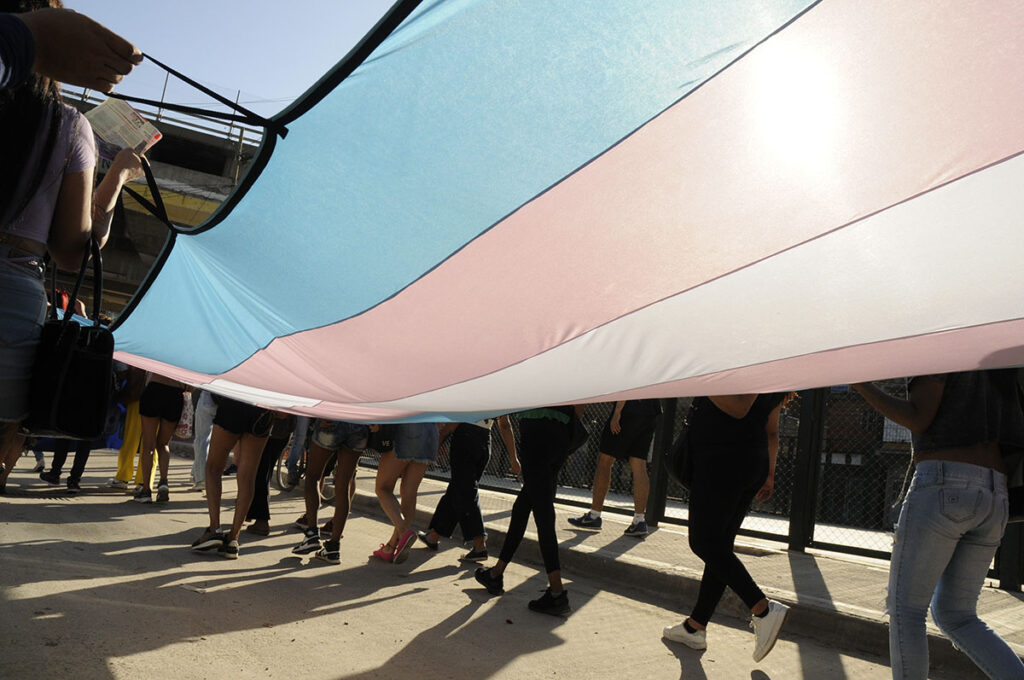
Revolutionary effect
“The demands are always the same: more social inclusion, historical reparations for trans people, and a lot of other things that the trans population needs,” Solange said.
Mónica Santino, a soccer player, activist, and coach, told Presentes that "it is of a political magnitude and a revolutionary effect that diversity marches in the eyes of the neighborhood."
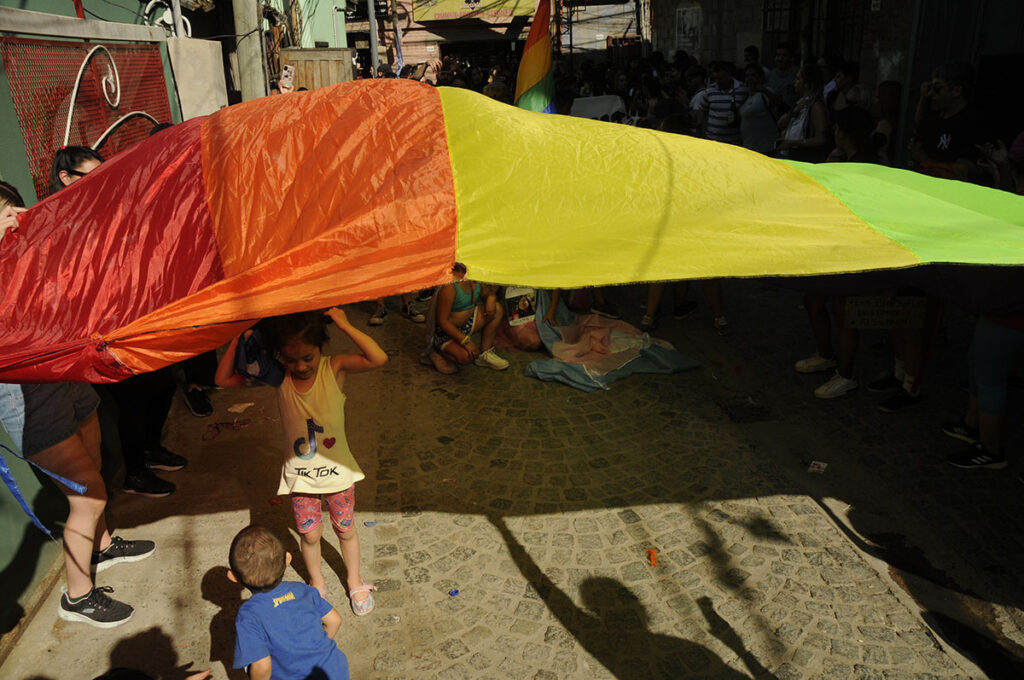
“It’s a tremendous joy to be part of this diversity and this neighborhood. I don’t know of a more genuine expression of feminism than this in the city of Buenos Aires. I believe it’s something that needs to be reflected in all working-class neighborhoods. We’re talking about a grassroots feminism with a very strong shantytown identity. From this place, we seek transformations,” said Santino, who is also a co-founder of the La Nuestra Fútbol Feminista , where around 200 young people from the neighborhood come to train.

For her, marching today, “with all the years that some of us have on our backs” and “enjoying this expansion of rights” is “immense”.

Plurinationalism at the forefront
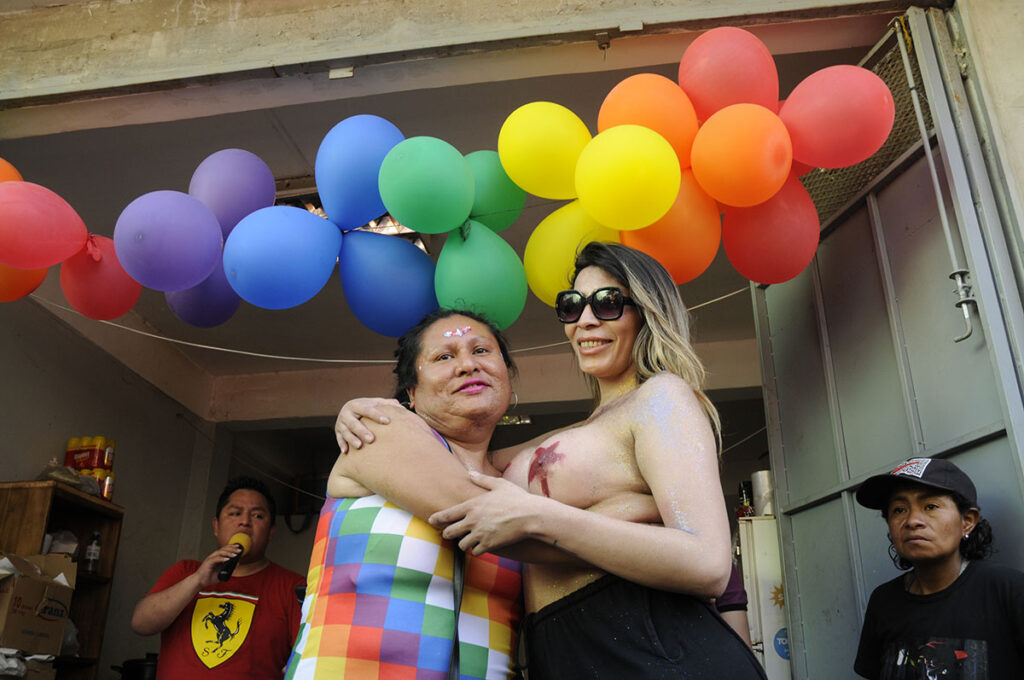
The streets of the neighborhood expressed its characteristic diversity. In this fourth march, participants emphasized their plurinational identity. Eulogia Ríos, a 75-year-old Colla woman born in Bolivia, joined the demonstration “to support my sisters.” “Because they are trans, they don’t want to give them jobs, they are discriminated against,” Ríos emphasized, who has lived in the neighborhood since the last Argentine military dictatorship. In her hands, she carried a wiphala, which she made sure to wave throughout the march. This flag, this time in the form of a dress, also adorned the body of Martina Pelinco, head of the neighborhood’s Trans Diversity Center and a driving force behind the march.
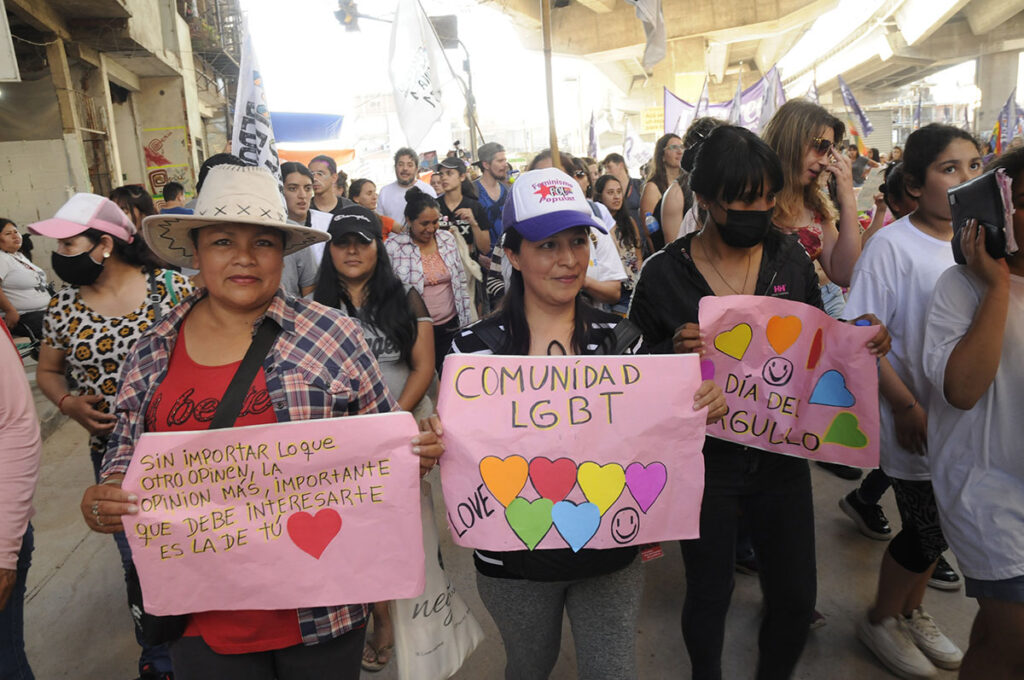
“The Transvillera march is not only from the slums, it is also popular and plurinational. It showcases those racialized bodies that inhabit these territories, migrant bodies, those that are neither hegemonic nor representative of diversity. Plurinationalism is inclusive because the territory is composed of a plurality of bodies, identities, and voices, and it originates from within the territory,” stated Lourdes Paxsi, of the Quechua and Aymara peoples, and a member of the Feminist Assembly of Villa 31 and 31 bis .

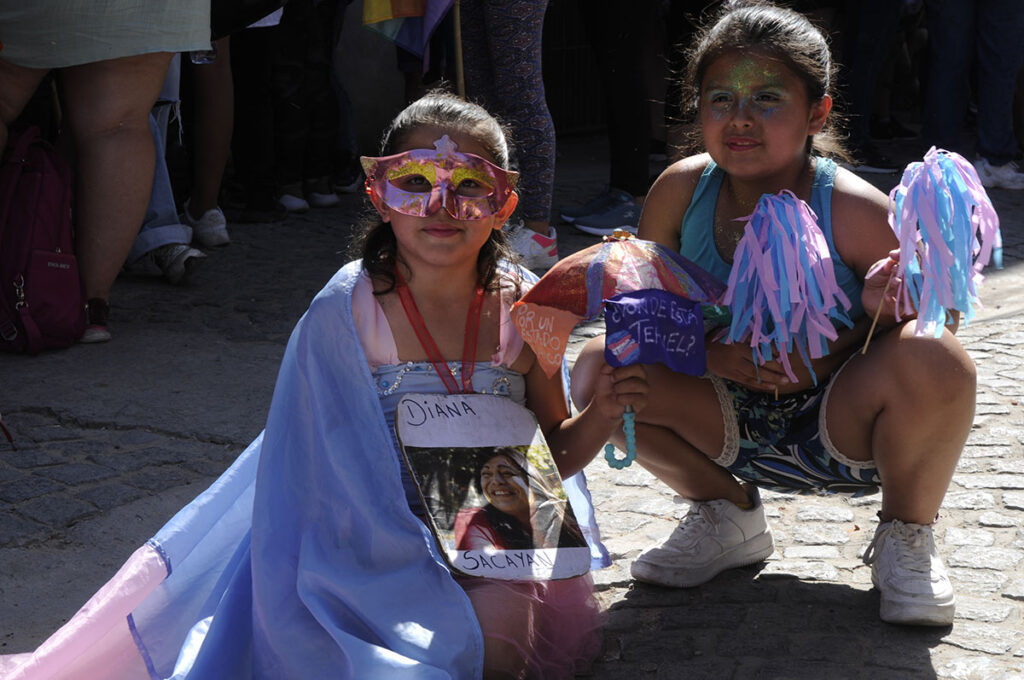
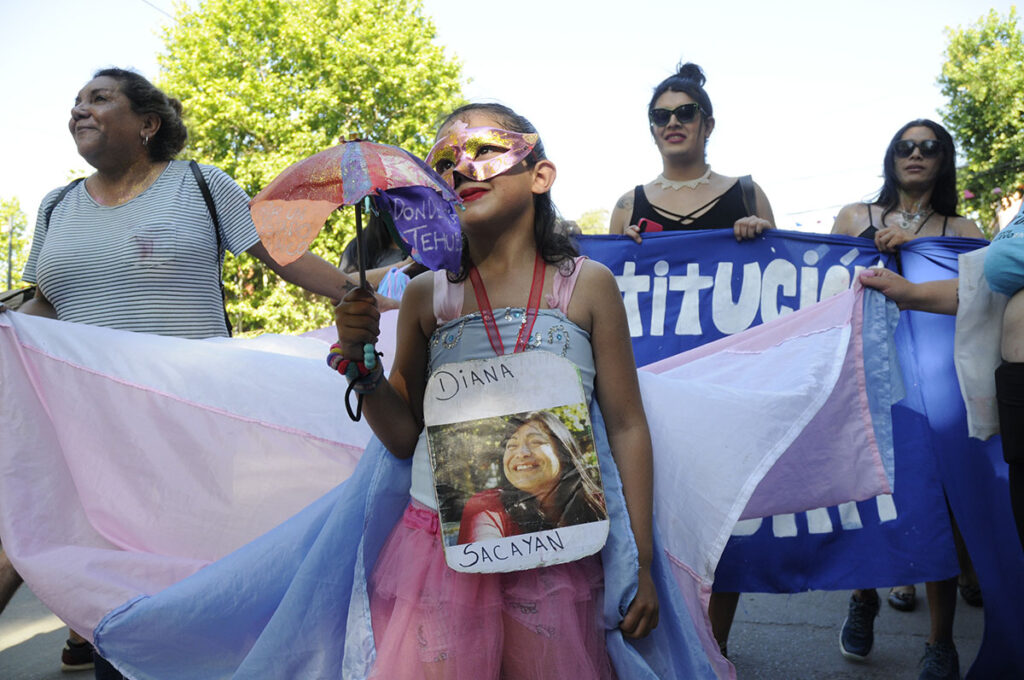
She also emphasized that “it is extremely important to exercise these rights in these communities because it embraces and empowers children.” Jesi, a transgender girl, participated in this fourth edition of the trans-slum march. On stage, with a sign on her chest bearing Diana Sacayán's photo, she thanked “my grandmother and my mother” for their support throughout this time.


We are present
We are committed to journalism that delves into the territories and conducts thorough investigations, combined with new technologies and narrative formats. We want the protagonists, their stories, and their struggles to be present.
SUPPORT US

FOLLOW US
Related notes


We are present
This and other stories are not usually on the media agenda. Together we can bring them to light.
2 Comments