

Outrage over the murder of trans activist Melissa Núñez in Honduras
This is the 34th murder of an LGBTI+ person in 2022. They are asking for respect for their gender identity.


Share

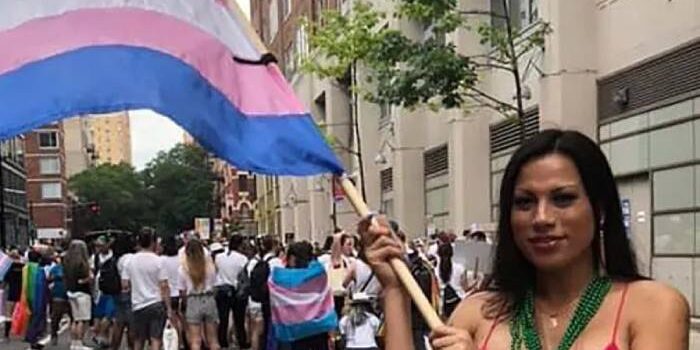
TEGUCIGALPA, Honduras. Trans activist Melissa Núñez, 42, was murdered with several gunshots on the night of October 18 in Morocelí, El Paraíso.
She died after hooded men attacked her with gunfire in the Tomás Moncada neighborhood of that municipality in the east of the country.
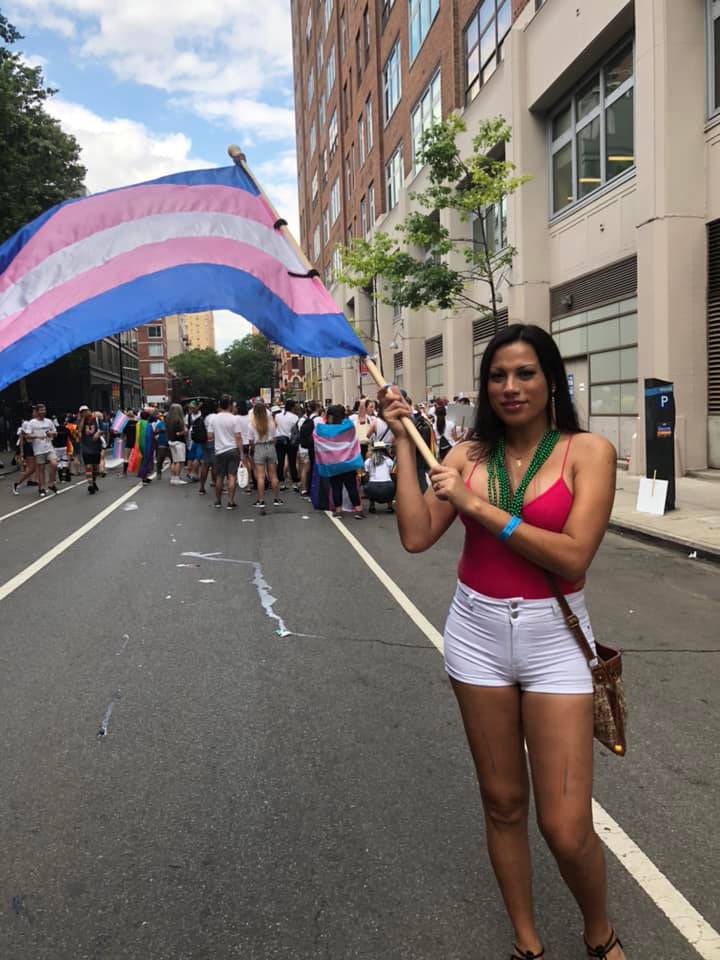
"She was a person full of life."
Melissa had arrived a few months earlier from Miami, USA, where she lived and was a strong activist for LGBTQ+ rights, especially on social media. She had over 20,000 followers on TikTok .
The Honduran National Police reported that initially Melissa's family prevented the Public Ministry from transferring the body to Forensic Medicine for an autopsy.
However, on Wednesday afternoon, authorities were able to transport the body to Tegucigalpa for the necessary examinations to determine the cause of death. According to Indyra Mendoza, coordinator of Cattrachas , preliminary information indicates that Melissa died from two gunshot wounds to the head.
“She was such a vibrant and energetic person that nothing was too difficult for her. Fly high, Melissa, a very talented woman. Unfortunately, there are evil people out there,” her friend Catrina said in a Facebook post.
The reasons for and perpetrators of Melissa's violent death remain unknown. This crime adds to the 434 members of the LGBTI+ community murdered and one missing since 2009 in Honduras, of whom 131 were transgender, according to the Cattrachas Violent Deaths Observatory.
This year alone, 34 people have died violently. “2022 has been a year that surpassed 2021 and 2017. First it was the murder of Thalía and now the murder of Melissa,” said Indyra Mendoza, coordinator of Cattrachas.
“The news media doesn’t respect” Melissa’s memory, Cattrachas wrote on her Instagram. “We demand justice and respect for Melissa, we demand that the government take responsibility for the increasing murders,” the lesbian network added.
Media outlets that spread hate and trans migrants
The media are becoming agents of disinformation by replicating fake news about LGBTQ+ communities in Honduras. This was stated in an interview with Reportar sin Miedo by human rights and trans rights defenders Rihanna Ferrera and Allison Hernández.
“Information appeared in various media outlets where they used outdated information to fill news spaces,” denounced Rihanna Ferrera, director of Cozumel Trans in Tegucigalpa.
According to Ferrera, many media outlets never called her for interviews and used her statements from other cases to fill their space.
“We are in a country where there are no opportunities, the governments don't want us. They keep giving us empty promises and are now giving us a law to recognize our name, much less respecting Vicky Hernández's ruling.”
“Melissa was a beloved and well-known trans woman in her community. The equestrian club in her city published a condolence message using her assumed name, and the media continues to perpetrate violence against trans people, both living and dead,” said Indyra Mendoza.
On June 28, 2021, the sentence was handed down for the murder of Hernández, committed by state entities in 2009.
On May 9, 2022, President Xiomara Castro issued a public apology to comply with the court's ruling, but attacks against trans people continue.
One of the demands of the ruling is that the reform of the law and regulations of the National Registry of Persons come into effect to change the name of trans people and thus eradicate transphobia in the country.
No action has been taken in this regard.
Although the new government ostensibly supports the LGBTIQ+ population, the mass media disrupts and violates the lives of trans people.
Allyson Hernández, from the Trans Feminist Association (AFET) of San Pedro Sula, pointed out that trans women are forced into displacement because the violence they suffer in Honduras is very high.
“Our colleagues are being extorted by different groups. They have no choice but to flee. Many are forced to return, only to suffer further violence because the Honduran state does not offer rights to our population,” she emphasized.
As if the violence experienced by women and sexual dissidents in Honduras were not enough, the mass media used Melissa's name to continue generating hatred.
According to gender specialist Vanessa Siliezar, the platforms have a responsibility because they continue to tell narratives that call for prejudice and exclusion.
Melissa in memory
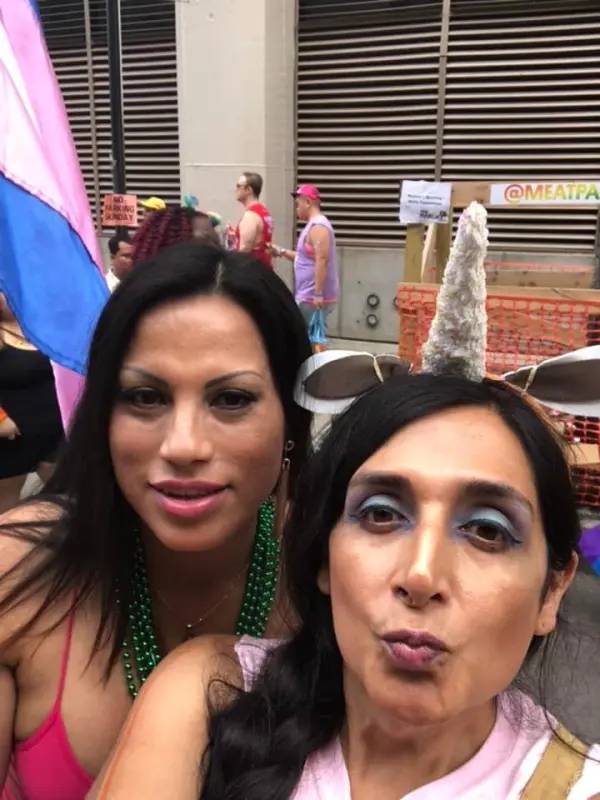
Social media has been filled since today with messages to remember Melissa Núñez's legacy as an activist dedicated to defending the rights of LGBT+ populations.
Other messages criticize the government's negligence in protecting trans populations.
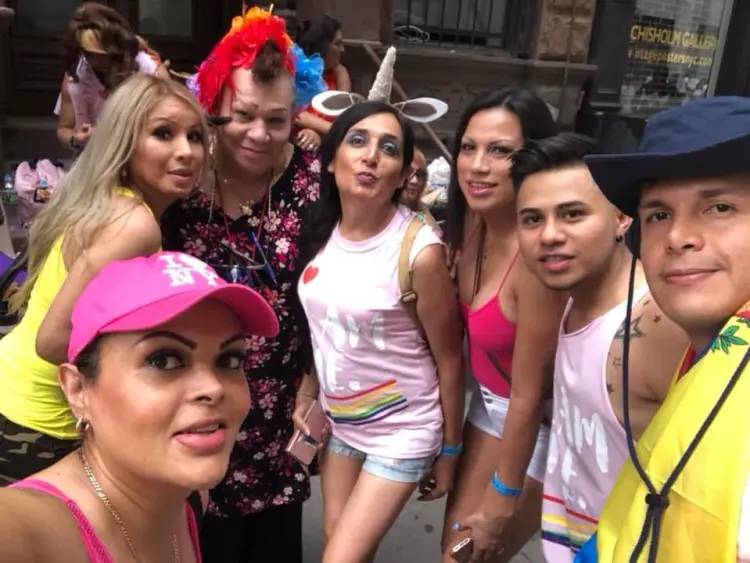
“You were a victim of a transphobic and intolerant system as well as the most cowardly evil of some human beings,” wrote her friend Daniela Simba.
Meanwhile, another friend, identified as Robert Gudiel, offered his condolences to Melissa Núñez's family. "I will remember her fondly," he commented on his social media. "We were always close and shared many memorable moments."
The article "Reporting Without Fear" was also produced in collaboration with Amelian Zerón and Dennis Arita.
We are present
We are committed to journalism that delves into the territories and conducts thorough investigations, combined with new technologies and narrative formats. We want the protagonists, their stories, and their struggles to be present.
SUPPORT US

FOLLOW US
Related notes

We are present
This and other stories are not usually on the media agenda. Together we can bring them to light.