

The Rebellion of the Flowers: The documentary that tells the story of indigenous women's struggle against terricide
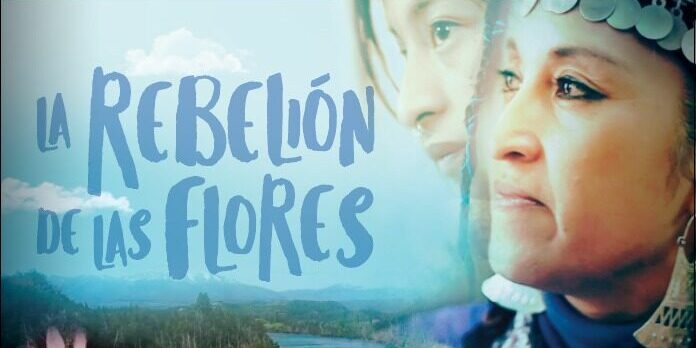
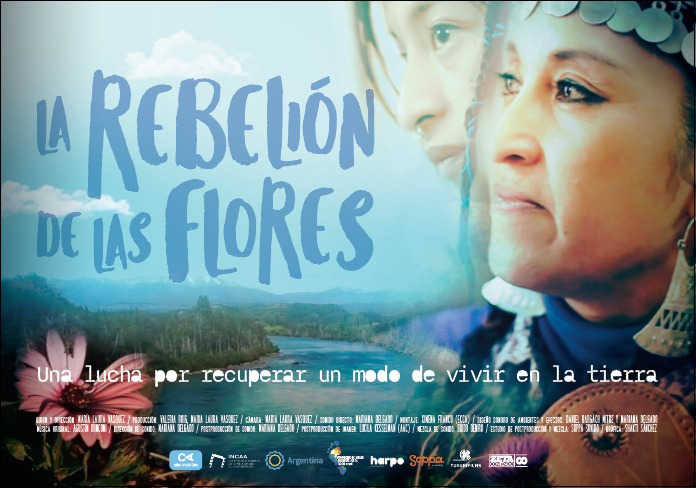
The Rebellion of the Flowers - a film by María Laura Vasquez - documents the voices and resistance of indigenous women, starting from the peaceful occupation of the Ministry of the Interior in 2019.


Share

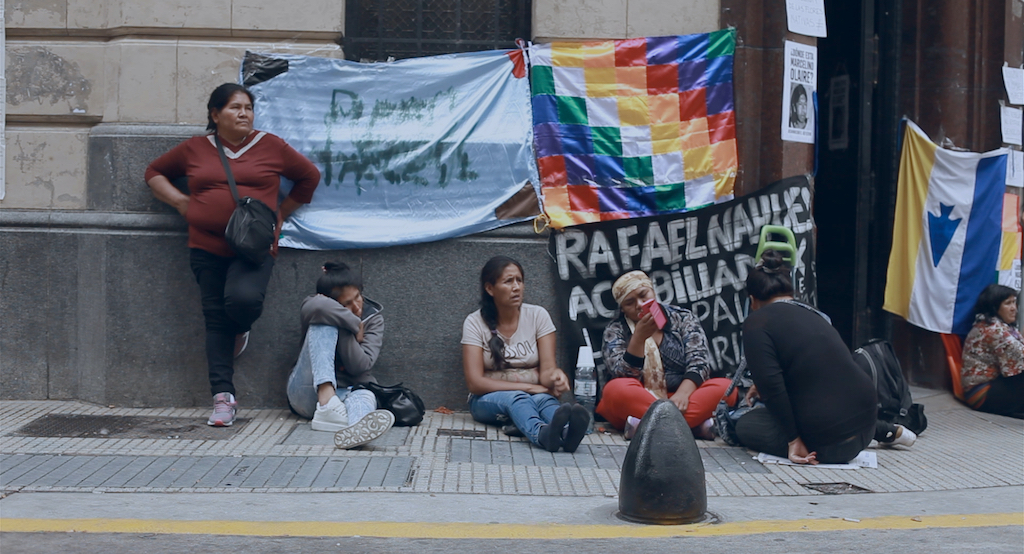
“Indigenous women, women resisting, the struggle for land is already blossoming.” This is what the Indigenous women chanted as they gathered at the Ministry of the Interior in October 2019. They came from different parts of what is now Argentina to demand an end to the destruction of their lands. They peacefully occupied the building for 11 days. Today, a film serves as a historical record of that moment: The Rebellion of the Flowers.
“And where was I at that time?” María Laura Vásquez was asked repeatedly when she showed the first cuts of the documentary she directed. The Rebellion of the Flowers premiered on September 30th at the San Martín Cultural Center Gaumont Cinema in Buenos Aires starting October 13th
"We have come to defend life"
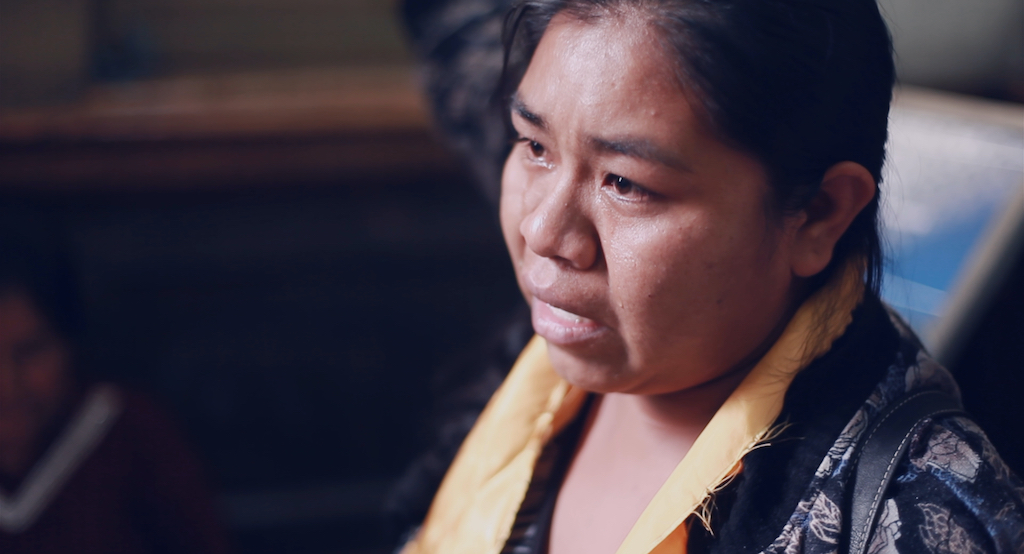
—I come from Misiones. And my idea was to have a school, a small clinic, and water, which is the most important thing to have in the community.
—I come from a community that is 10 kilometers from a small town called El Maitén, Chubut. We are threatened by a mega tourism project: they would cut down 10,000 hectares of forest to build 19 ski slopes.
—I came for my son who is missing (Marcelino Olaire). We have been in Formosa for three years searching, but there is still no news.
—They already killed my son, what more could I possibly fear?
This is how some of the 23 Indigenous women who traveled from their territories (Formosa, Chaco, Santa Fe, Misiones, Salta, Neuquén, and Chubut) to the Ministry of the Interior in Buenos Aires spoke. Their demands can be summarized in one: "We have come to defend life.".
One of them was the weychafe (warrior) Moira Millán. “ We, the women of the Indigenous nations in this part of the world (…) have historically led the defense of our territories . We have had to confront invading armies before, and now extractive companies that are committing terricide, that are murdering the land ,” Millán says during the film. And she affirms: “It seemed to us that it was an urgent imperative to tell the world what was happening and to try to stop this terricide.”
María Laura Vásquez carried captured the sisters in a very intimate way. She is an audiovisual filmmaker born in the city of La Plata, Argentina. She studied directing at the International Film and Television School of San Antonio de Los Baños in Cuba. She has made more than 20 documentaries in Venezuela, Argentina, Bolivia, Nicaragua, and Cuba. In Argentina, she had been following Moira and the Indigenous Women's Movement for Good Living for five years. When the occupation occurred, she knew that this was what she was going to portray. However, "it wasn't easy," she clarified.
"I have a Guarani grandmother, but culturally I'm not an Indigenous woman. There was a very enriching, and sometimes problematic, exchange. It was quite an issue from my perspective as a Western woman. It's not an Indigenous film. I'm not going to assume a voice I don't have," the director said at a press conference.
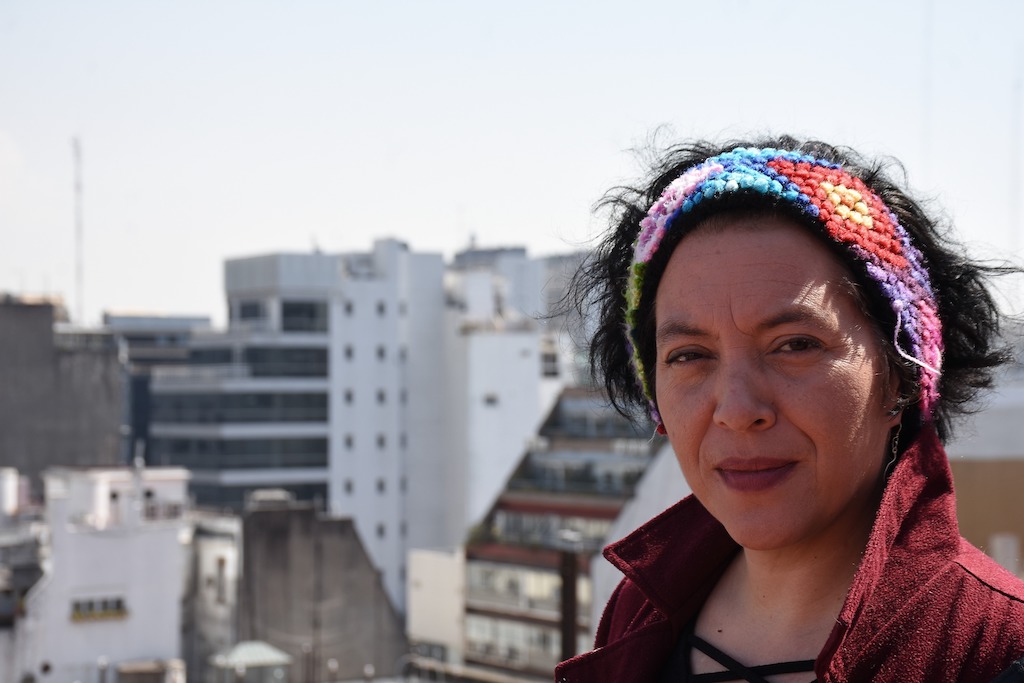
The intimacy of resistance
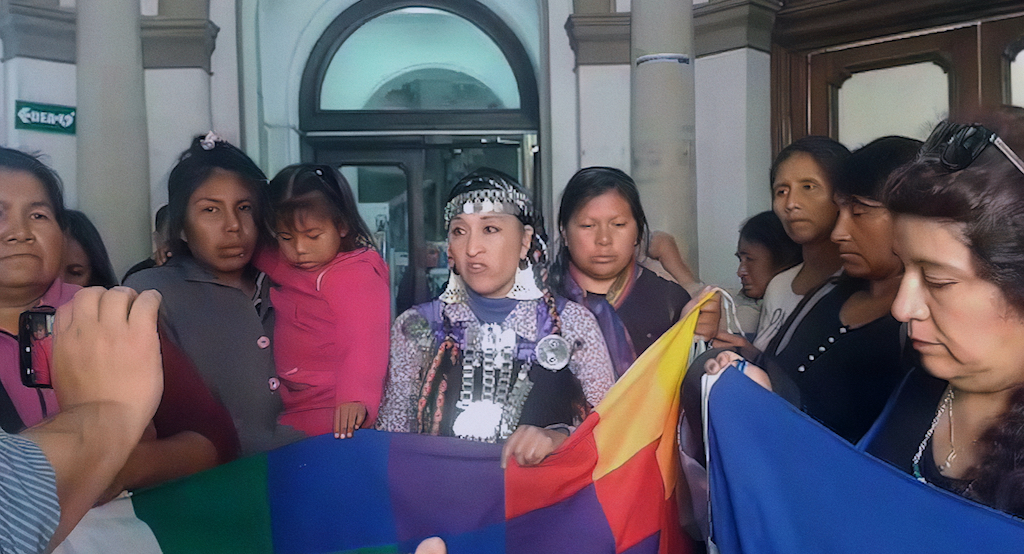
The film reflects all those years of support. "I think the film conveys communication and intimacy. What it reflects is a very close, empathetic, and intimate camera angle from the perspective of a white Western woman emotionally committed to what was happening," she said.
— We indigenous women have our voice inward — says Moira Millán at the beginning of the documentary.
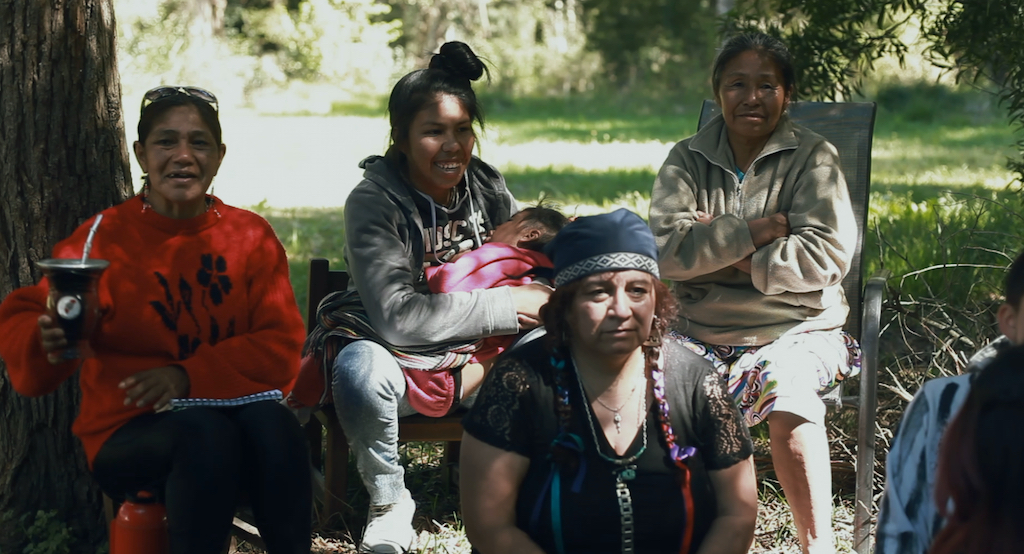
"The courageous act of these women in confronting the State and being able to carry out that act of words is one of the achievements that the film sought to reflect," Vasquez said about the film.
Irma Caupán Perriot , from the Mapuche nation, is one of the 23 women who participated in the occupation of the Ministry. On the day of the pre-premiere, she was among those who sat down to watch the film.
Three years after that action, she is "furious," but also strong, she says. "That land destruction has only grown larger because of all the dispossession we constantly experience. One also grows stronger. These sisters, despite all they suffer, still continue to propose life, and we continue to talk about reclaiming a good life. We continue to seek this way of recovering the land," she emphasized.
"I hope that we can be not only hearers, but doers of this possibility of beginning to recover our lives ," Irma said, addressing the audience who listened attentively.
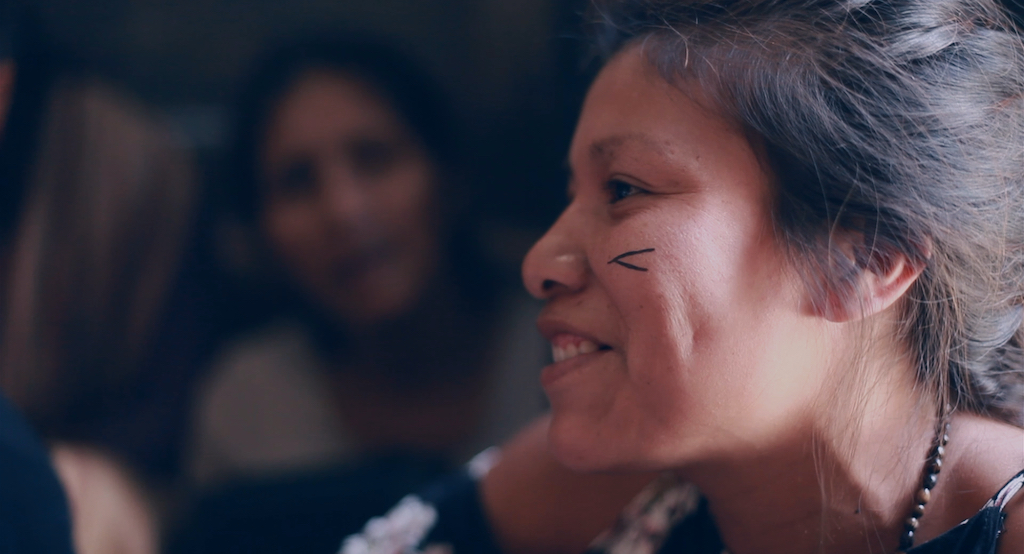
During the month of October, The Rebellion of the Flowers can be seen at the San Martín Cultural Center. It will also be shown at the Gaumont Cinema, where it premieres on October 13th and runs for one week, every day at 7 pm.
We are present
We are committed to journalism that delves into the territories and conducts thorough investigations, combined with new technologies and narrative formats. We want the protagonists, their stories, and their struggles to be present.
SUPPORT US

FOLLOW US
Related notes

We are present
This and other stories are not usually on the media agenda. Together we can bring them to light.