

This is how we experienced the 35th Plurinational Meeting and with the dissidents in San Luis
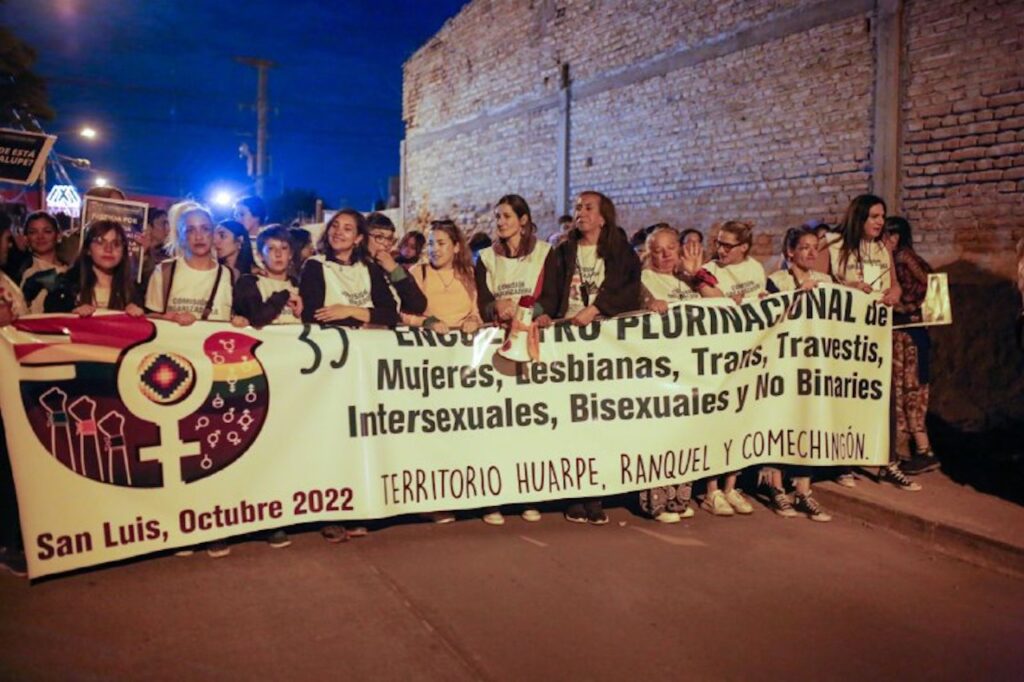
A 35th Plurinational Meeting of women, lesbians, trans, transvestites, bisexuals, intersex and non-binary people, full of meaning, in San Luis, with the urgent demand for the release of the detained Mapuche women.



Share

(Note updated on October 11)
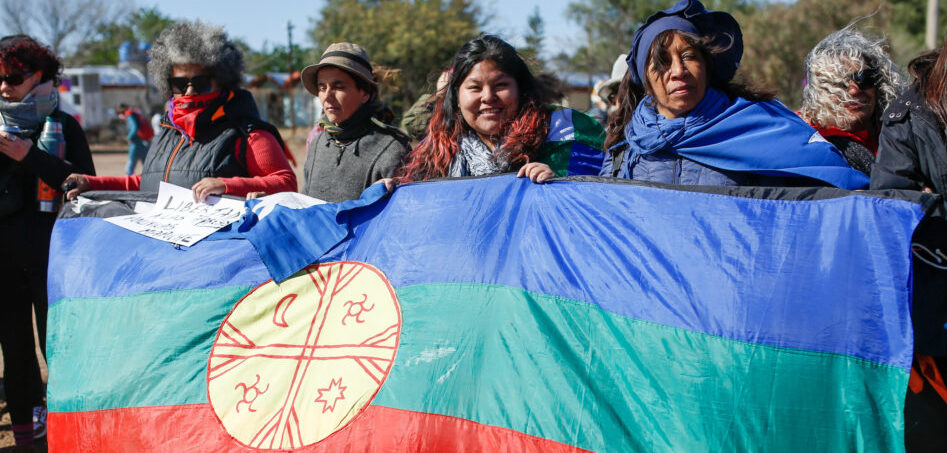
The 35th Plurinational Gathering of Women, Lesbians, Trans, Transvestites, Bisexuals, Intersex, and Non-Binary People had a deeply meaningful beginning. Hundreds of participants gathered around a fire for an opening ceremony in the vast IV Centenario Park in San Luis . The intention was to ask for the protection of the ancestors—there was no spiritual ceremony because no spiritual authorities were present—for the three days of the Gathering . We also came together around the priority and urgent demand: the release of the lagmien (Mapuche sisters) arbitrarily detained, without any information yet available regarding the charges against them.
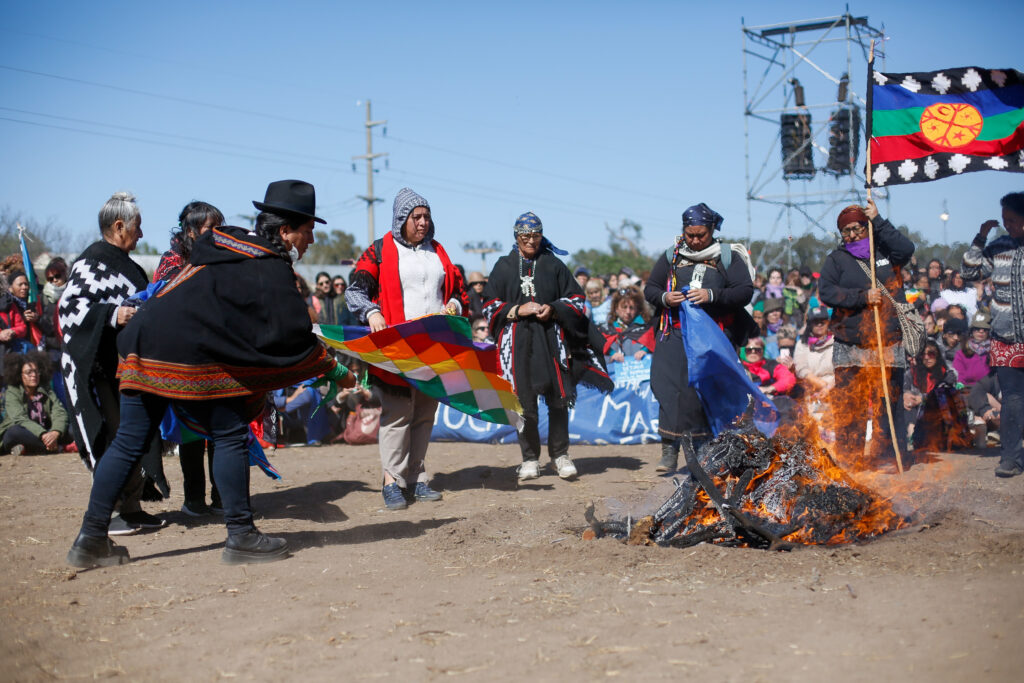
In that opening ceremony, led by women from various Indigenous nations, the fire was lit and a moment of silence was requested. Silence is not a characteristic of the Encuentros (Meetings). But here, that moment, when only the whistling of the Chorrillos wind could be heard, signified the connection and the power of being together . Of remembering those who were violated, of weaving networks, and of trying to heal, among the mountains and rivers, in Huarpe, Comechingón, and Ranquel territory. The silence culminated with the cry of “Freedom, freedom, for those imprisoned for fighting.” The slogan was chanted again and again yesterday by a multitude, there and at the opening ceremony, on the stage. It is the most urgent demand of this Encuentros, which had been postponed due to the pandemic. The previous one was in 2019 in La Plata.
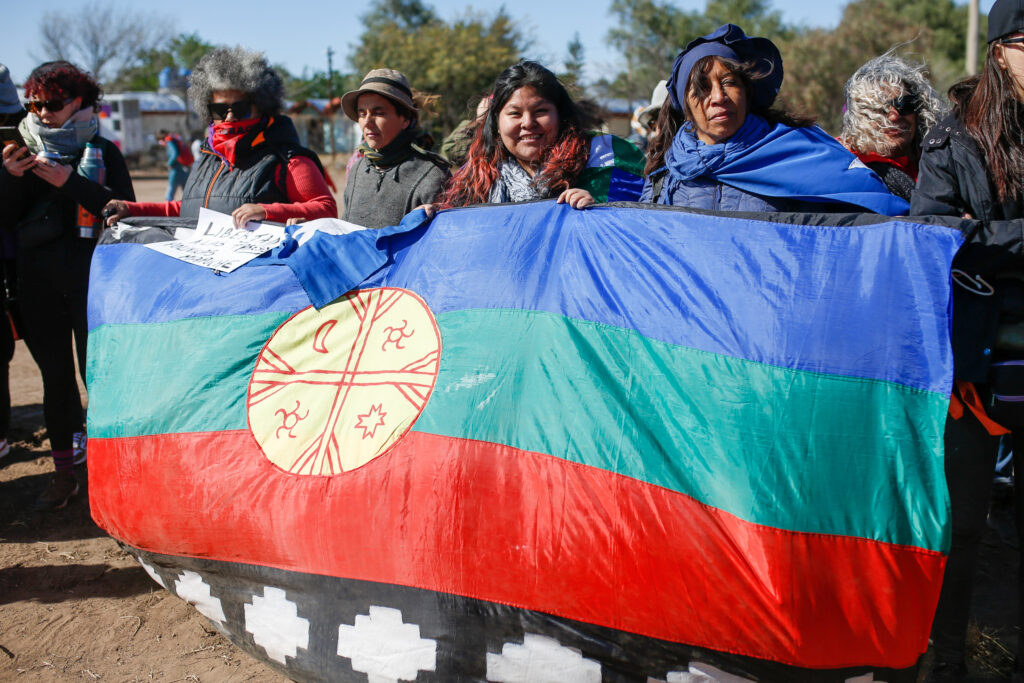
San Luis, both supportive and fearful of feminists
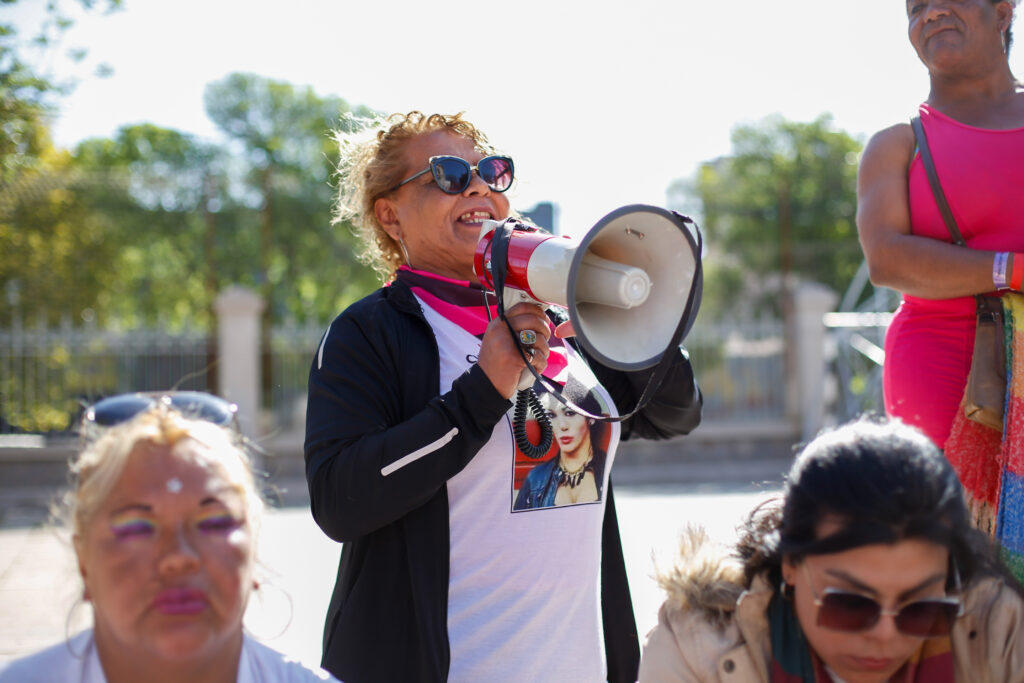
The organizing committee estimated that more than one hundred thousand people were arriving in San Luis. The city greeted us with mixed feelings. Many businesses showed their support by displaying "Friendly Businesses" signs for the Encounter. But local women reported, among other things:
-Many businesses were convinced to close their doors due to the circulation of fake news that spread through Whatsapp.
-They said that feminists were capable of assaulting men and children, of looting and stealing.
-They advised men not to leave their homes.
-Red zones were set up that were best avoided.
-They wanted to turn the province against the meeting.
-The religious schools prayed for a week that this would not turn into chaos.
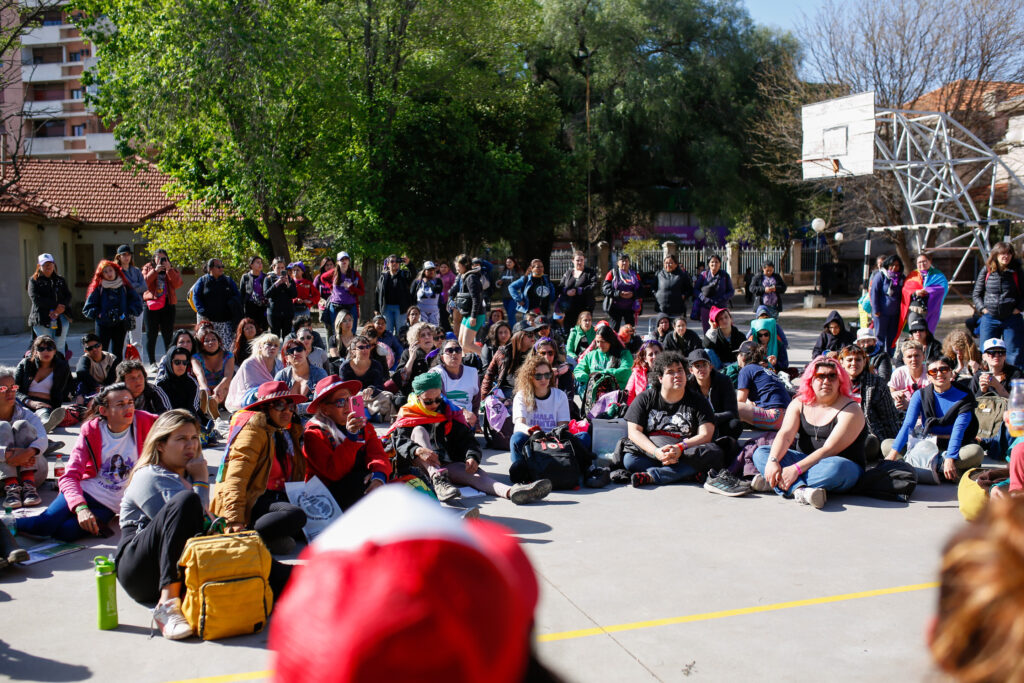
The cathedral, the Government House, the churches, and the historic buildings are neatly and heavily fenced off with enormous iron plates. Inside some of these sites, as well as in some churches of different faiths, police officers with their shields stand guard and rehearse drills, as can be seen simply by walking through the city center.
There's another side to the city, friendly and incredibly organized, available to those of us participating in the Encounter. People were directing visitors on the streets, water was available at stations, there was a mobile app, street closures facilitated traffic flow, open-air fair areas were set up, and transportation was provided to reach activity locations that were far away. It's an enormous and monumental organizational effort, and we must thank the local Organizing Committee, which had to withstand the pandemic and coordinate with many sectors to achieve all of this in a conservative province.
Who we are
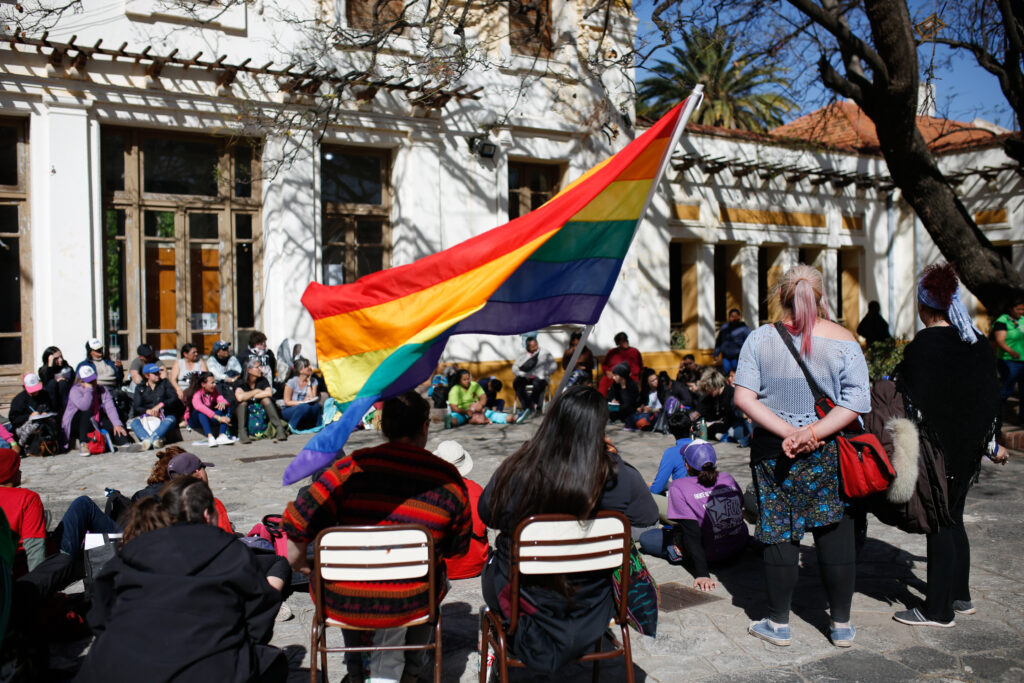
At the opening ceremony and in the loudest chants, the plurinational nature of the gathering was celebrated—it had been gaining momentum, but for the first time it was “official”—as was the embrace of dissenting voices or diversities, as they may be called. But there was also a plea: “that this plurinationality not remain just words.”
The document was read by representatives of the many collectives that fill the tents, schools and hotels: transvestites, trans people, bisexuals, lesbians, non-binary people, intersex people, indigenous people, migrants, older adults, union members, workers in the popular economy, cooperatives and recovered companies, people with disabilities, ecofeminists, peasants, indigenous people, among many others.
Freedom for the Mapuche women imprisoned for fighting
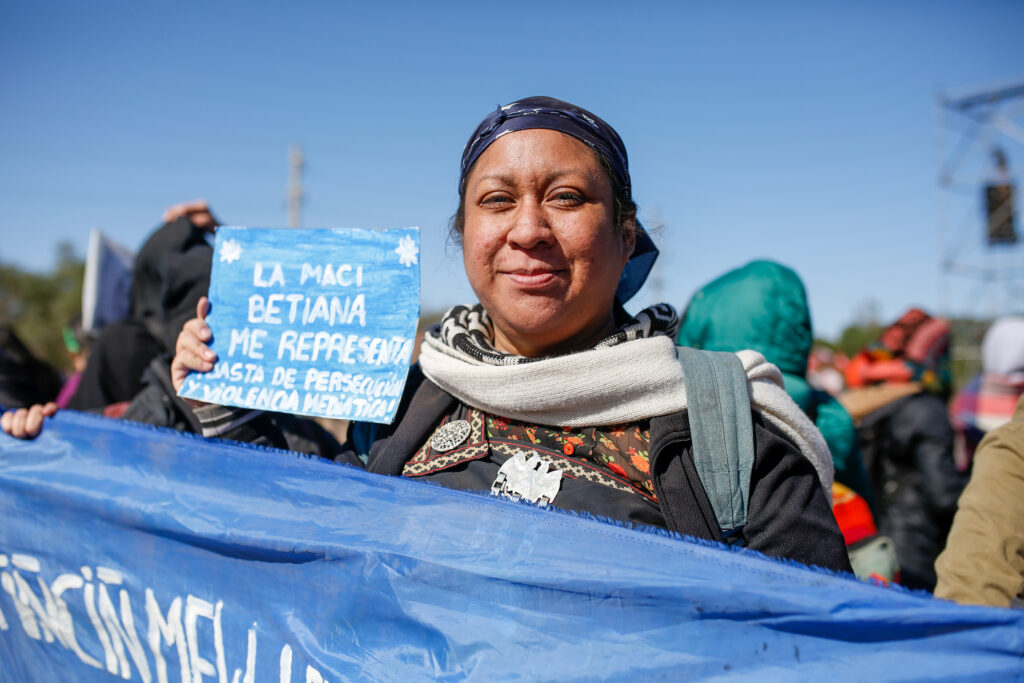
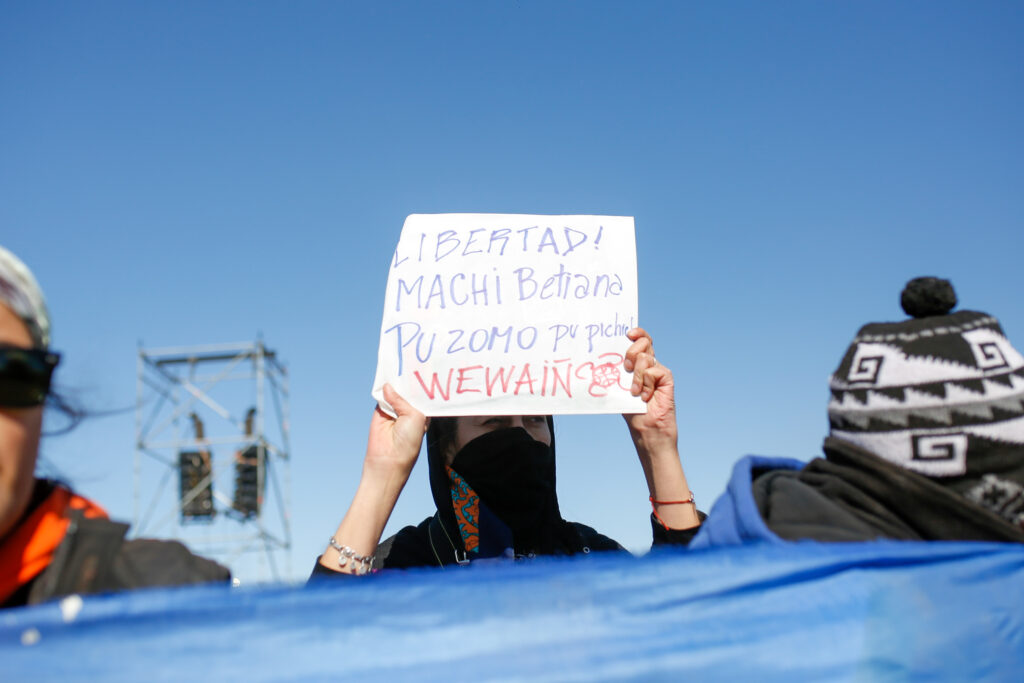
The demand for the release of the prisoners was reiterated, and the Indigenous Women's Movement for Good Living—which is leading the campaign to abolish child sexual exploitation—shared a video on the giant screen. In it, from their territories, the sisters of the Movement emphasized, “It is no coincidence that Machi Betiana has been arrested. We call on everyone to commit to taking action this October 12th to demand the immediate release of the Mapuche prisoners.”
Those who came before
This opening ceremony is much more than a declaration of the convictions, genealogies, and horizons that underpin each Encuentro. Gratitude was expressed for the struggle of the Mothers and Grandmothers of Plaza de Mayo, the Mothers of the Ituzaingó neighborhood who fought against the fumigations in Córdoba, and the historic activists for the right to legal, safe, and free abortion. Solidarity was also expressed with the struggles of Kurdish and Iranian women. Many demands were made, including anti-racist and anti-patriarchal justice, recognition of the care agenda, public policies, and equal rights. Furthermore, the attempted assassination of Vice President Cristina Fernández de Kirchner was condemned.
Where is Guadalupe?
One of the most moving and heartbreaking moments was the testimony of Guadalupe Belen Lucero , a girl last seen on June 14, 2021, in the city of San Luis . “Please, let's not stop looking for her, take the search everywhere. Remember that she has a dark-colored mole on the left side of her face,” she pleaded.
On stage, the victims of gender violence in San Luis and the historical trans activists Lohana Berkins, Mariela Muñoz, Mocha Celis, Nadia Echazu, Claudia Pia Baudracco, Maite Amaya, and Diana Sacayan were named, and they were thanked for their struggle and legacy. Interpreters translated everything into sign language.
In the afternoon, the more than 105 planned workshops had to be doubled and sometimes tripled—as was the case with the workshop on Caring for People with Disabilities—due to the number of people who joined. The classrooms where they were held in the schools were too small, so workshops were opened in the hallways, entrances, and courtyards.
Stop the murders of transvestites and transfemicides
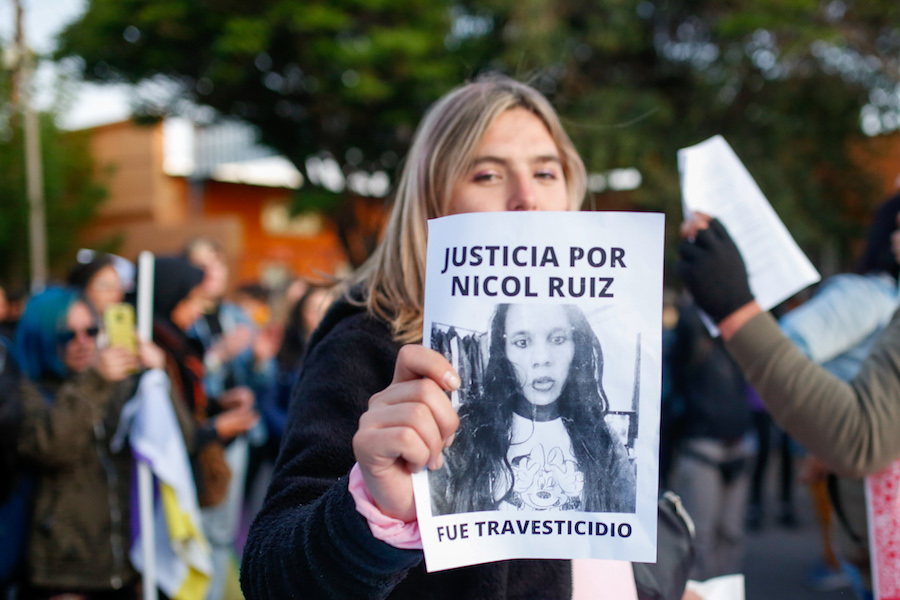
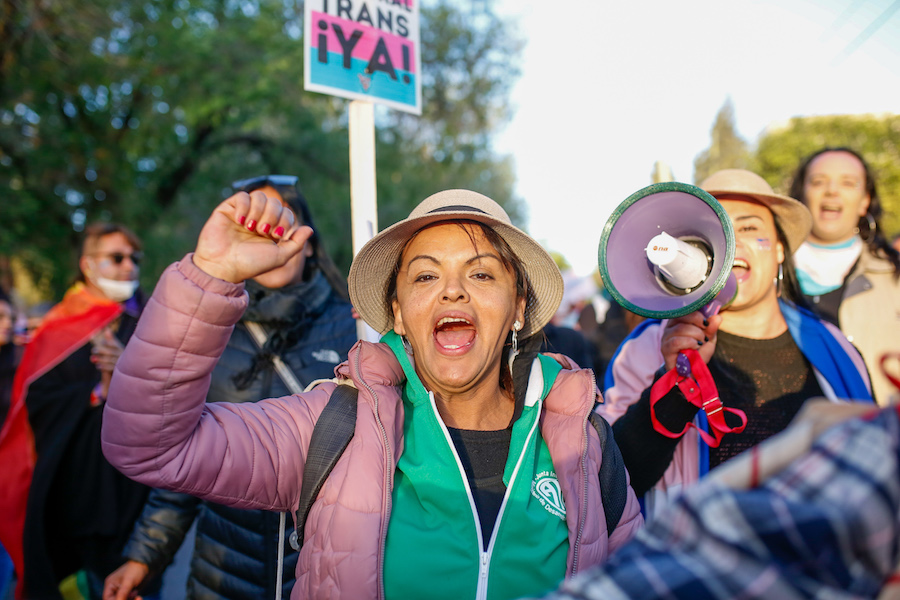
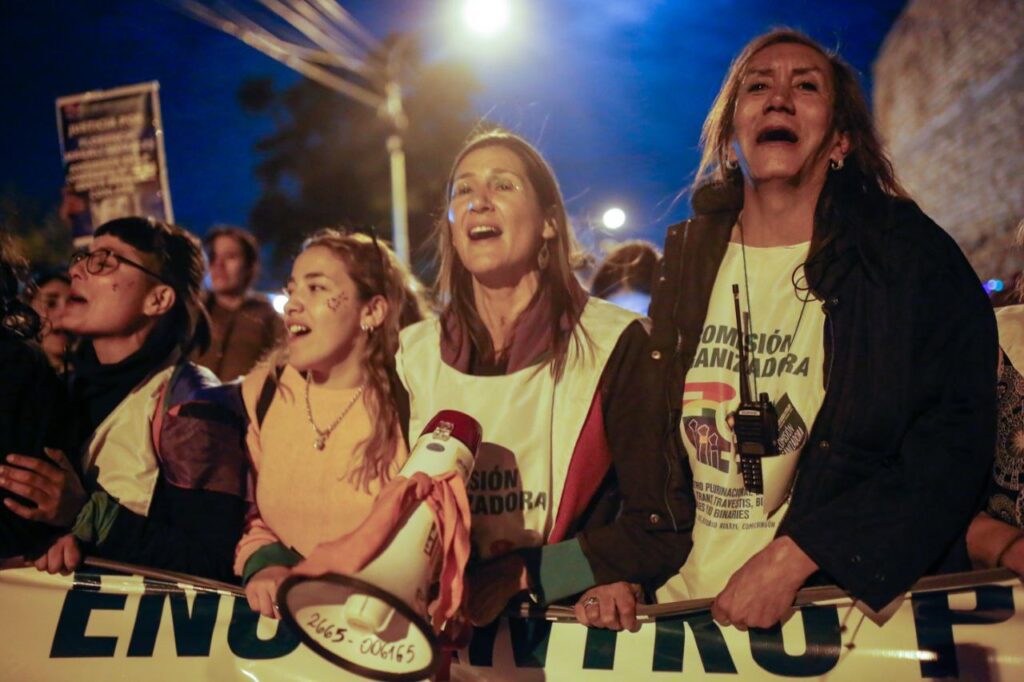
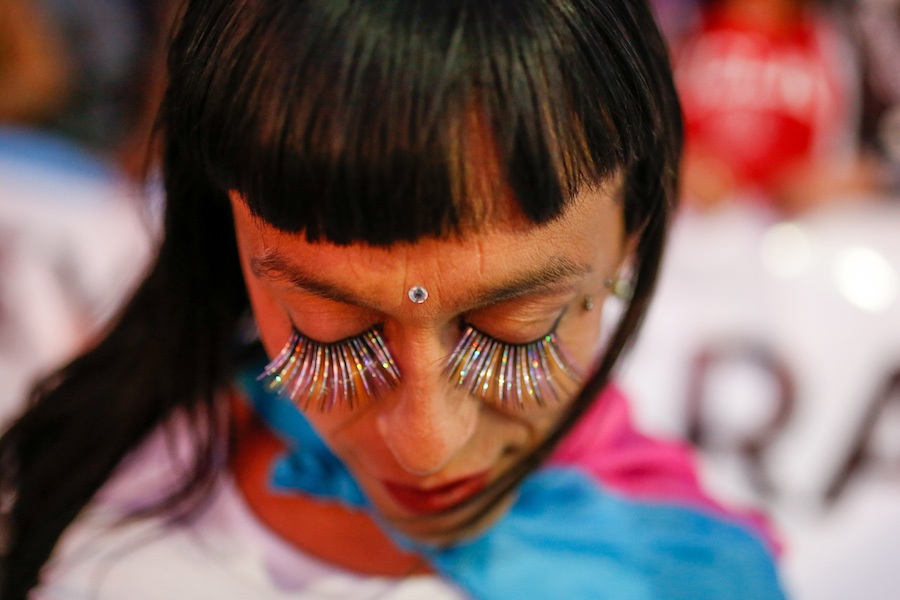
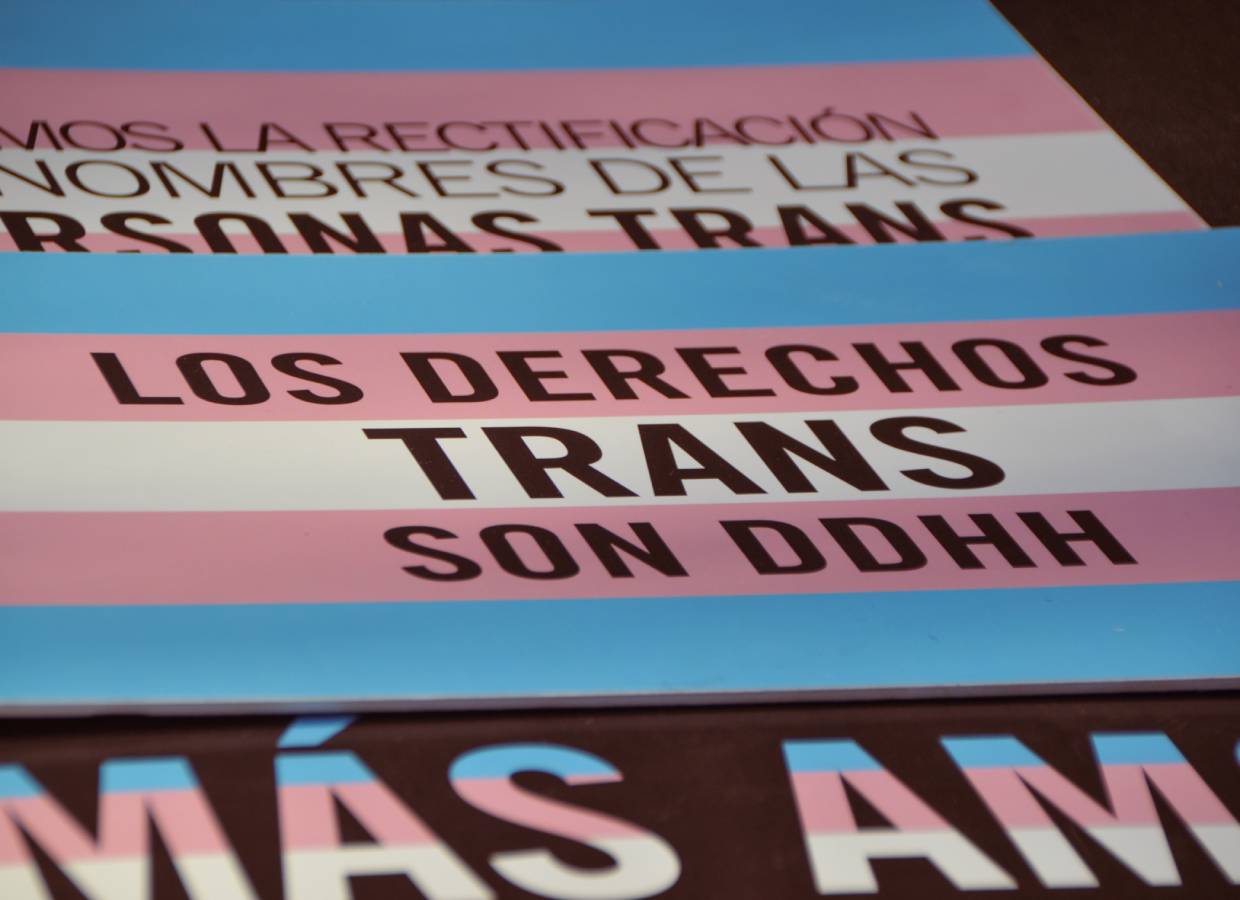
At seven in the evening, the 6th march against transvesticide and transfemicide departed from Plaza del Carmen and covered a long distance to its destination. For two hours, it filled the streets with the memory of past struggles and demands: for an end to violence and the effective implementation of the transvestite and transgender employment quota law throughout the country. “ We want to work!” chanted trans women and trans people along the route, which stretched for between eight and ten blocks, accompanied by numerous LGBTQ+ organizations and political groups.
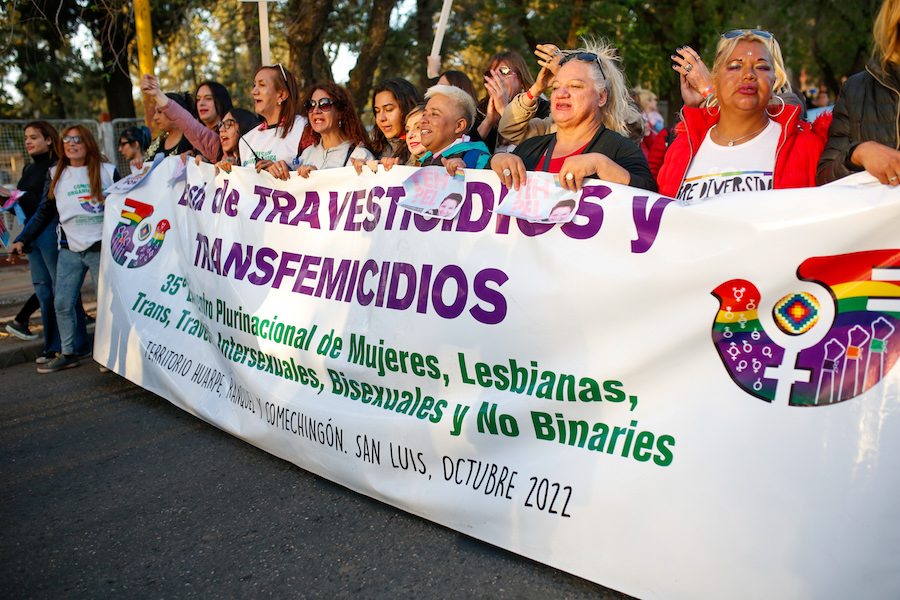
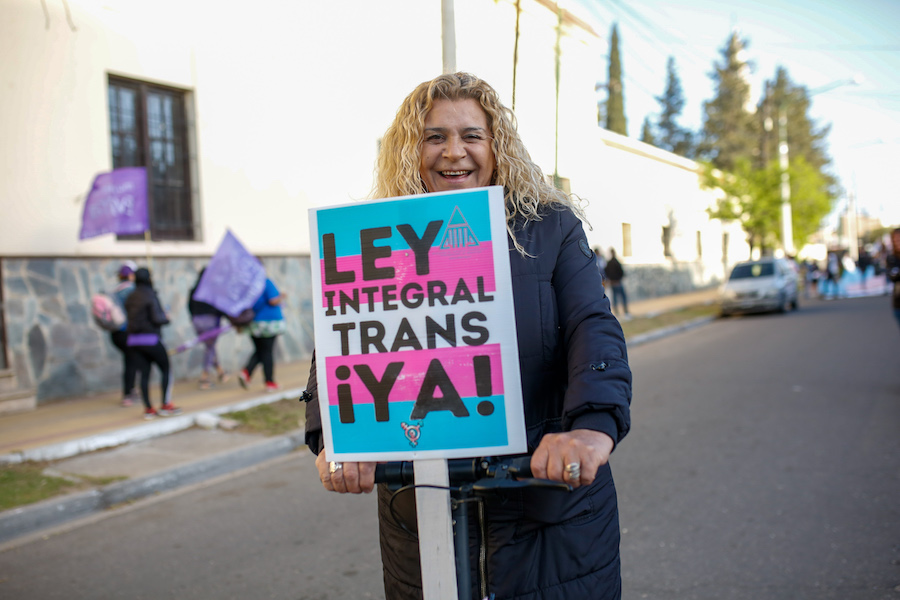
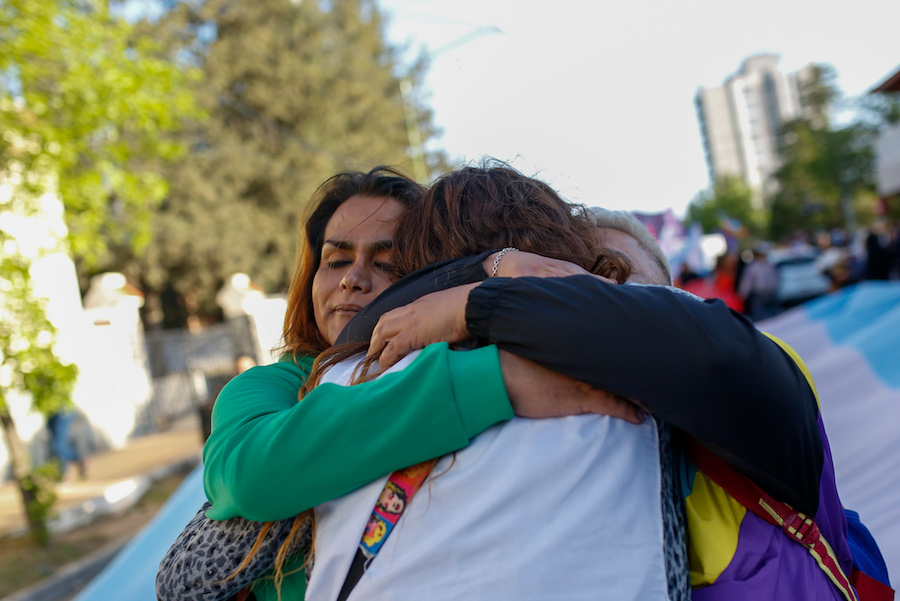
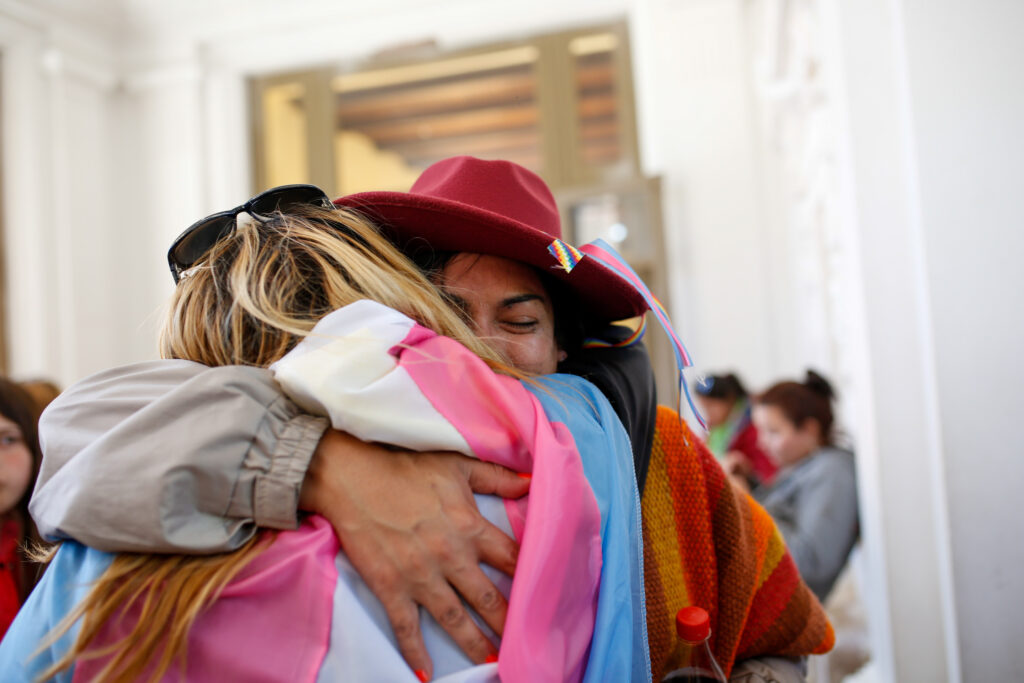
In the columns, trans women and trans people from all over the country, carrying different political party flags, reunited and embraced each other. Leading the march was an activist on a skateboard with a sign that clearly stated: Comprehensive Trans Law Now!
“We will never be silent again. We will continue to be here because it is a decision of the entire trans community. We will never again fall into invisibility,” said Zaira Rojas.
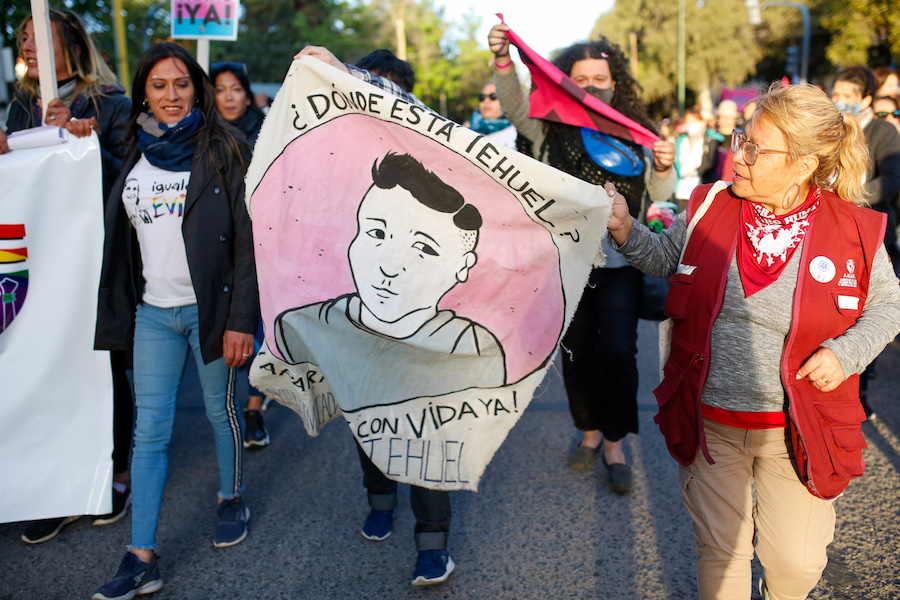
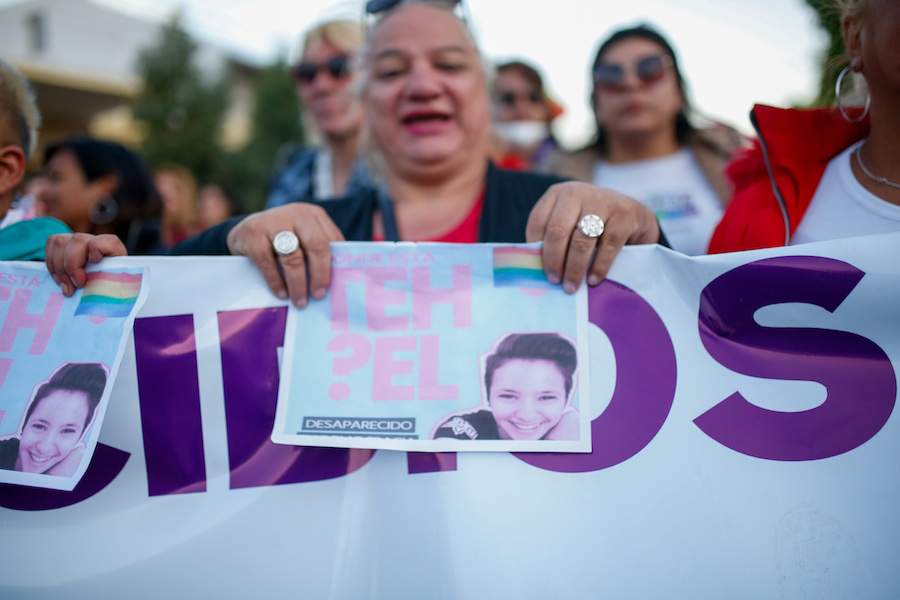
“United trans women will never be defeated,” they chanted. And also, “What’s going on, can’t you see it? We’re not all here because Tehuel is still missing,” another demand that was repeated at different times throughout the first day.
Brown women, indigenous people and transvestites
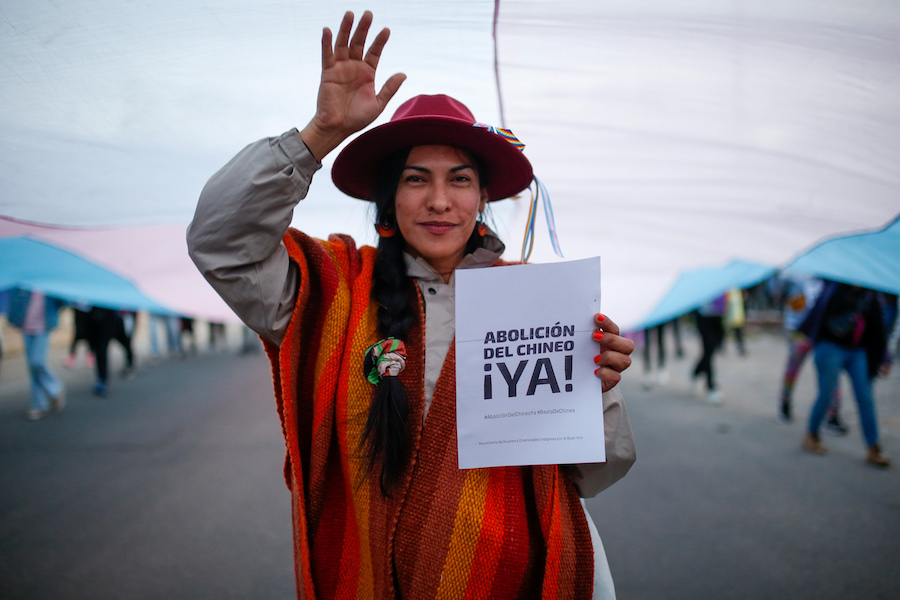
This march saw a stronger presence of trans and travesti identities from Indigenous nations and brown activists, whose workshops drew hundreds in the afternoon. It ended at one of the stages of the Encuentro, near the José La Vía Cultural Center, with a reading by the trans and travesti members of the organizing committee. “No one will speak for us. We have a voice, and we are here. We need public policies to reverse our life expectancy.”
This meeting features a huge number of performances and cultural activities, through which attendees and locals circulated throughout the opening day in spaces where art sparked new questions and answers around the big underlying theme of all this: how do we want to live in equality?
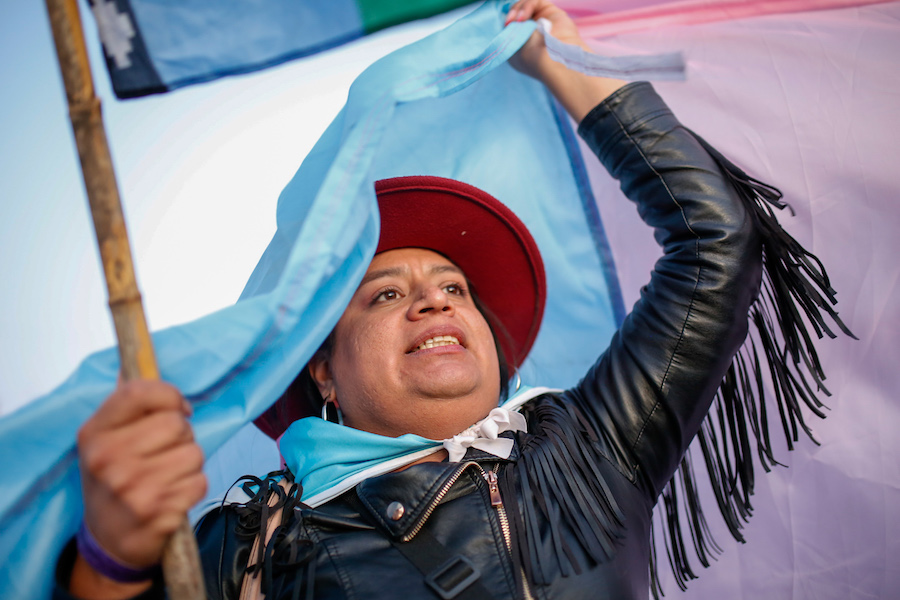
The first day concluded with the Abya Yala Music Festival and Festitorta, a vibrant celebration filled with dancing and a festive spirit that, for a time, offered a respite from the complex and challenging struggle. It's not forgotten that this long-awaited Gathering unites us at a particularly challenging moment for the anti-patriarchal fight. Among other things, the Ministry of Women and Diversity is vacant following the recent resignation of Minister Elizabeth Gómez Alcorta, who left her post. As a result, the main demand at the 35th Plurinational Gathering has become the freedom of imprisoned Mapuche women, whose rights continue to be violated.
Sunday at the Plurinational Meeting
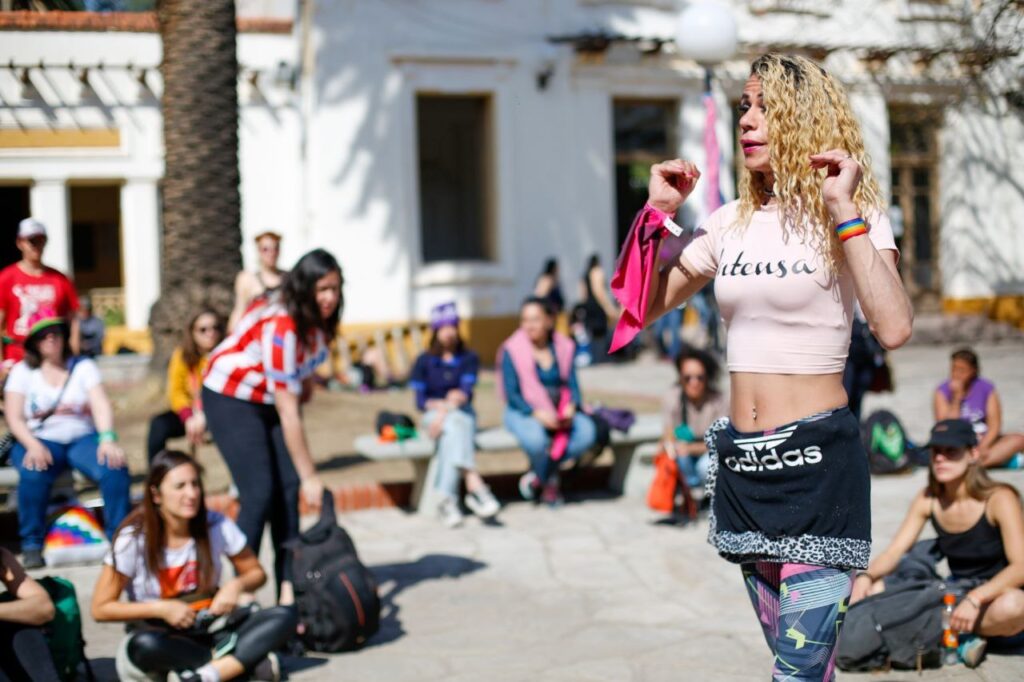
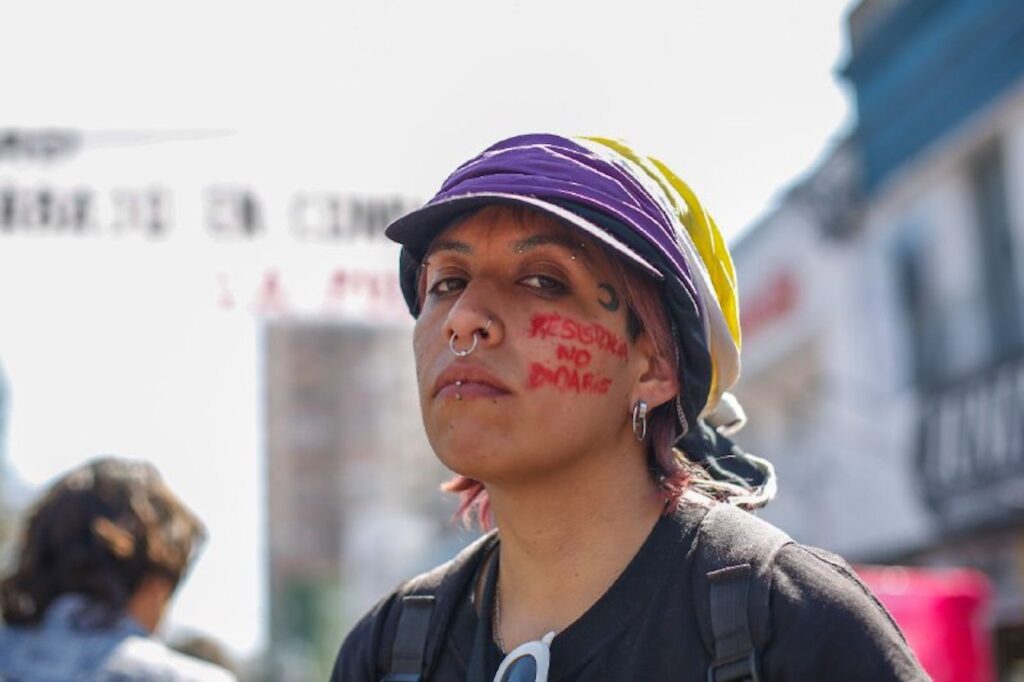
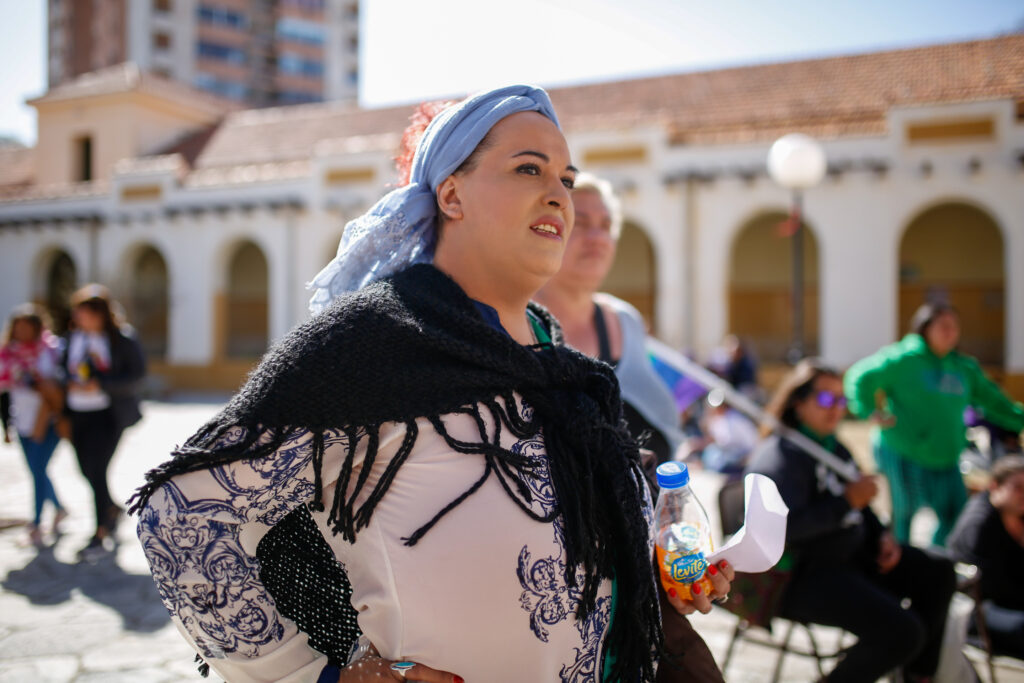
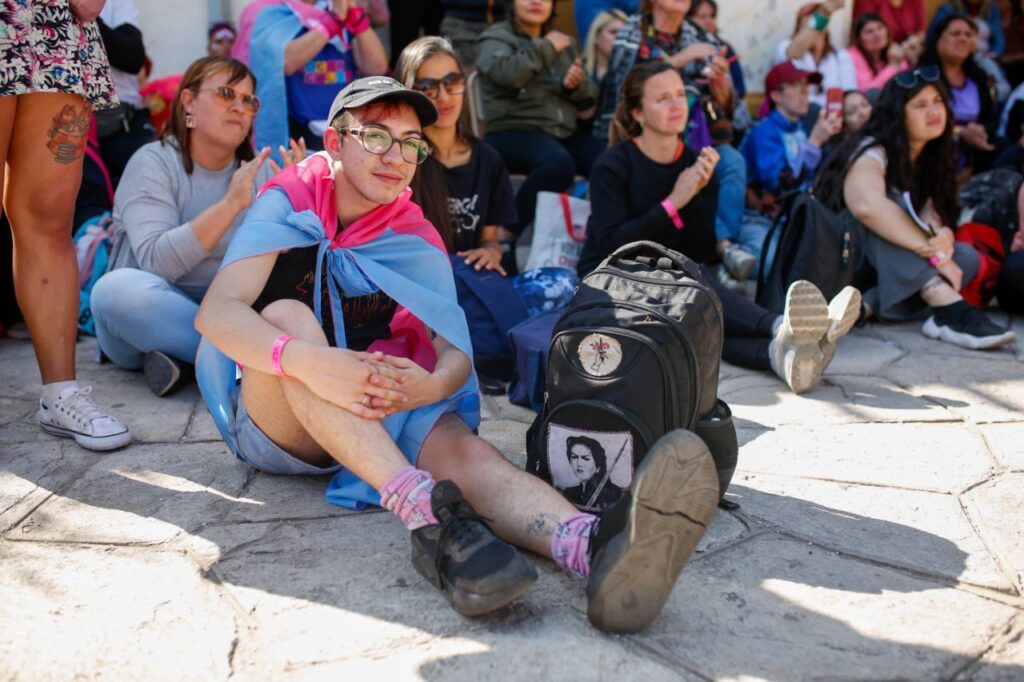
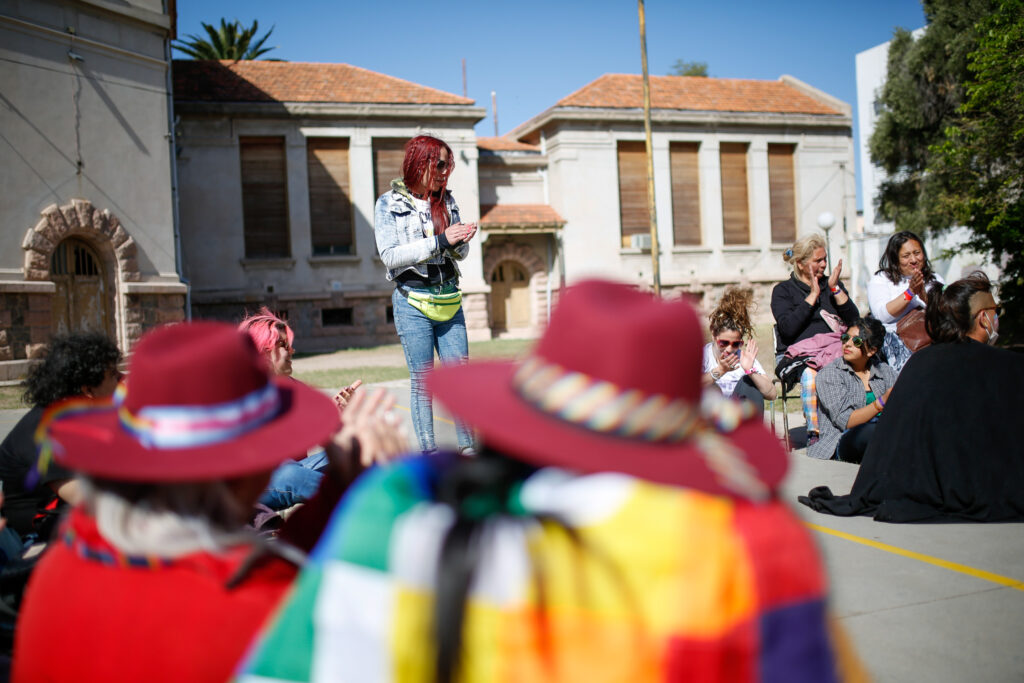
On Sunday, laughter could be heard from early morning in hotel rooms, rented houses, and the tents of the participants in San Luis. On the second day of the Plurinational Gathering, thousands of women, lesbians, trans people, transvestites, bisexuals, intersex people, and non-binary individuals spent the morning in schools, beginning to outline the conclusions of the workshops.
Assembly of Abya Yala
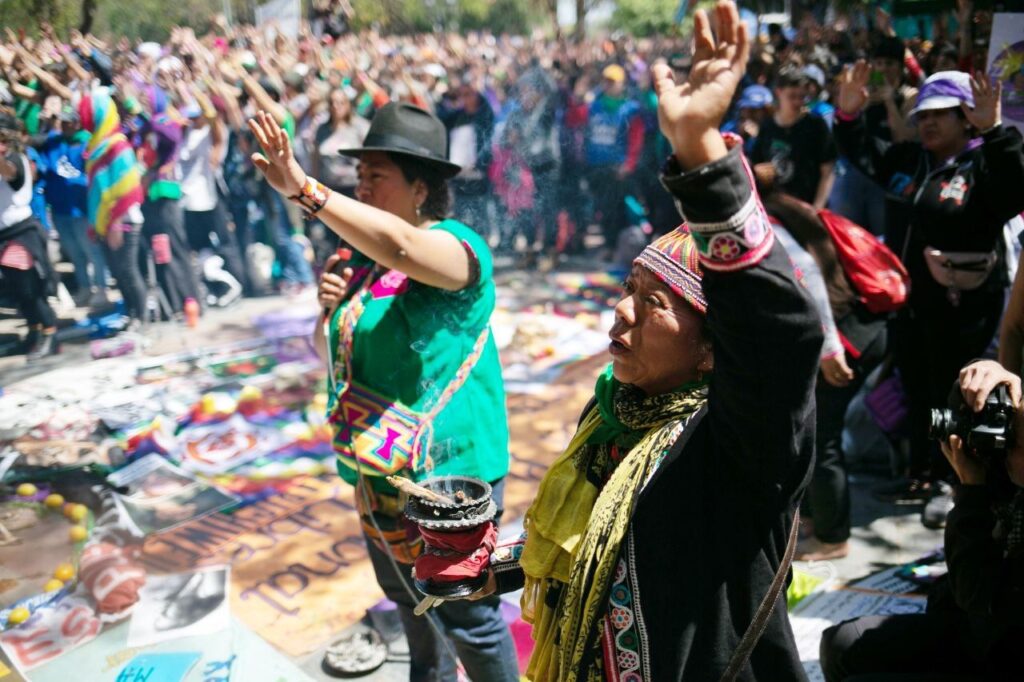
At midday, the crucial point was in Pringles Square, right in the city center. There, an Assembly of Abya Yala was held, with the participation of women and diverse members of Indigenous nations.
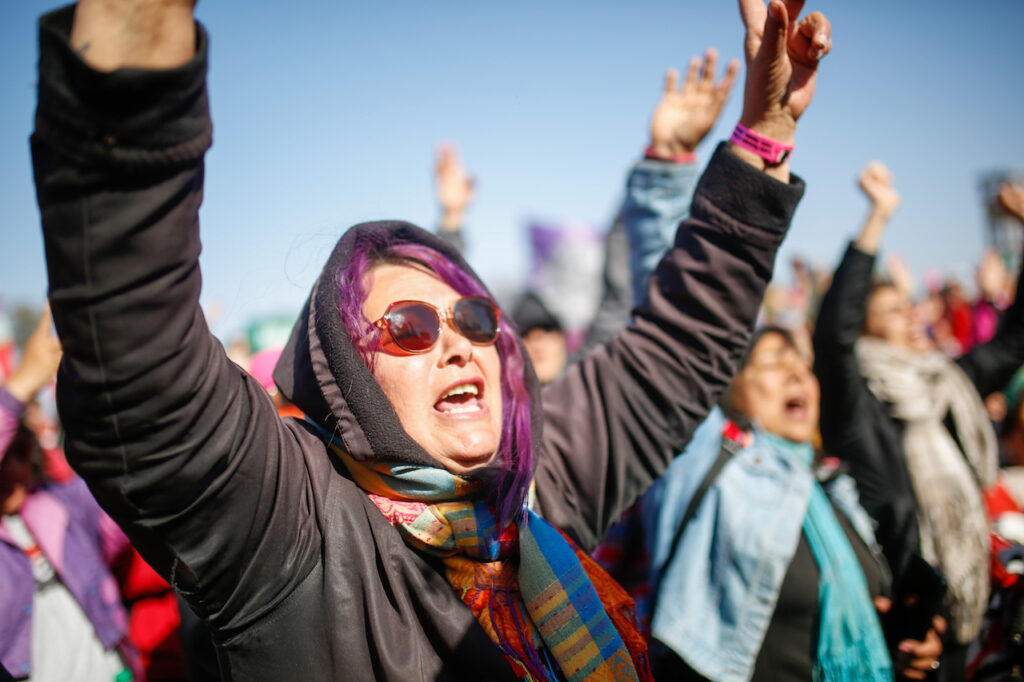
“To all the sisters who fight in defense of the territory, from different territories, we are coming to share this energy and this wisdom with the sisters,” said those who led the ceremony, which was attended by a multitude of women and LBTIQ+ people.
“We are going to summon the feminist grandmothers, those who have led the plurinational path of the Encuentro. Diana Sacayán, Lohana Berkins. The sisters who have taught us to defend the territory. Berta Cáceres, Macarena Valdés. The girls who suffered sexual abuse and violence. Those who fell in Kurdistan. All the organizations. The communities that continue fighting and resisting.”
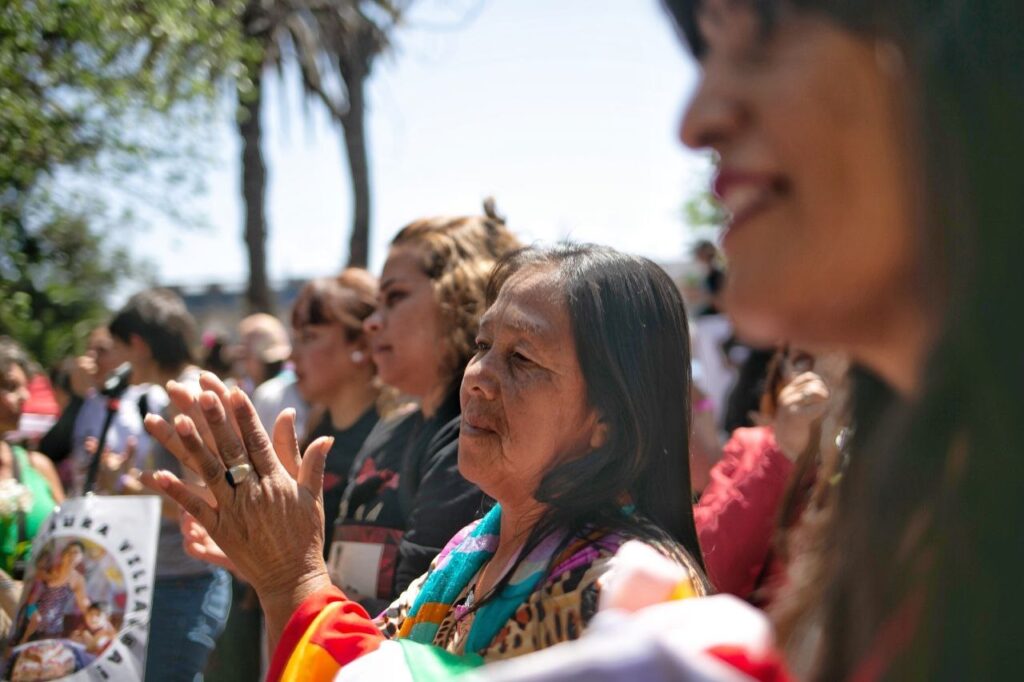
The call for the release of the detained Mapuche women also resounded. “Freedom now! Because the machis are not terrorists, they are not criminals, they are defenders, they are guides, they are healers. They are wise advisors and we respect their authority. Because so it is, so it shall be, and so it shall be, it has been agreed.”
The closing march was walked all
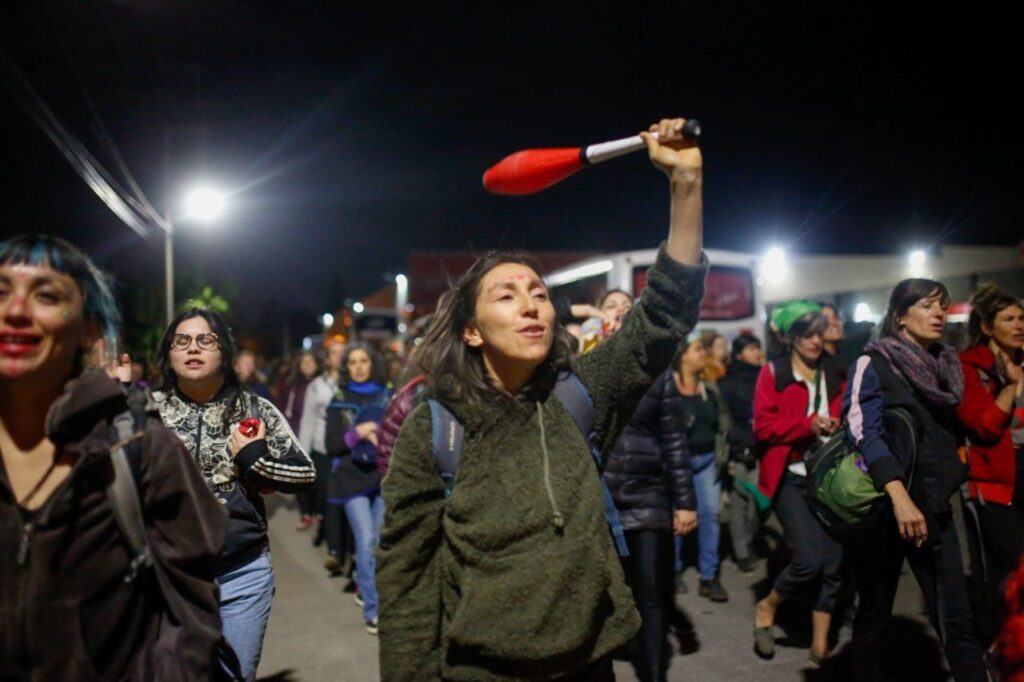
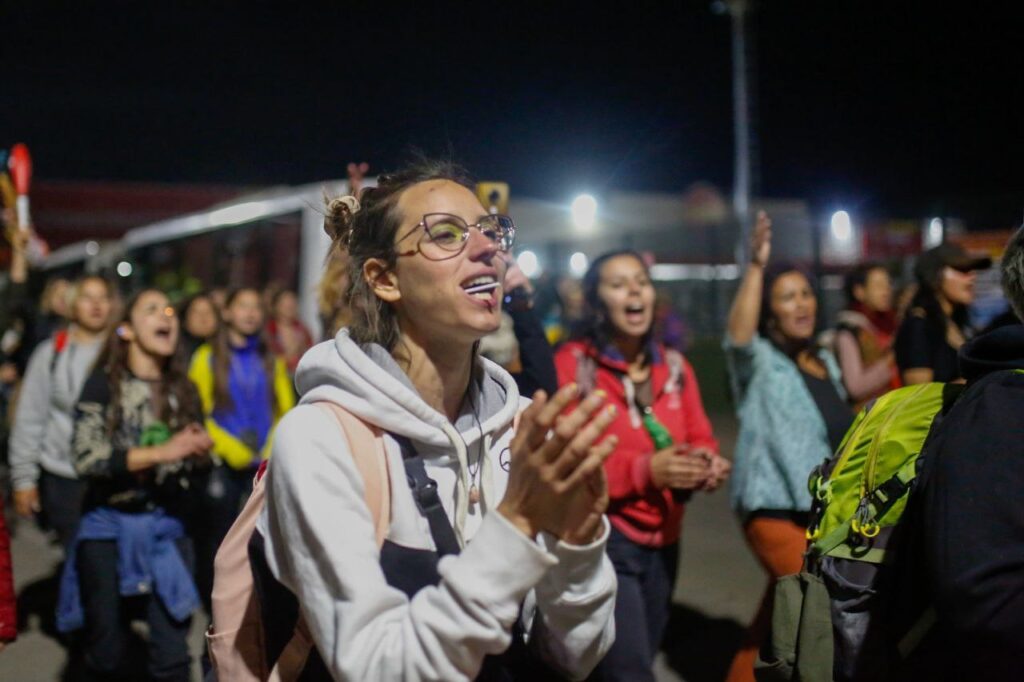
The closing march began at 6:30 p.m., led by relatives of victims, Indigenous women, and LGBTQ+ people. Many participants, like the SIPREBA workers who were at the back, were only able to start walking much later. There were so many people that they had to wait patiently for all the groups to move.
The entire column of the Encuentro stretched for more than 30 blocks. The march lasted for almost four hours. In the early hours, people on the sidewalks waved, joined in the chants—"Where is Guadalupe? Where is Tehuel? Freedom for those imprisoned for fighting"—or leaned out to watch it pass. A few waved from balconies. But for most of the way, there wasn't a massive turnout from the people of San Luis.
Next Plurinational Meeting: Río Negro
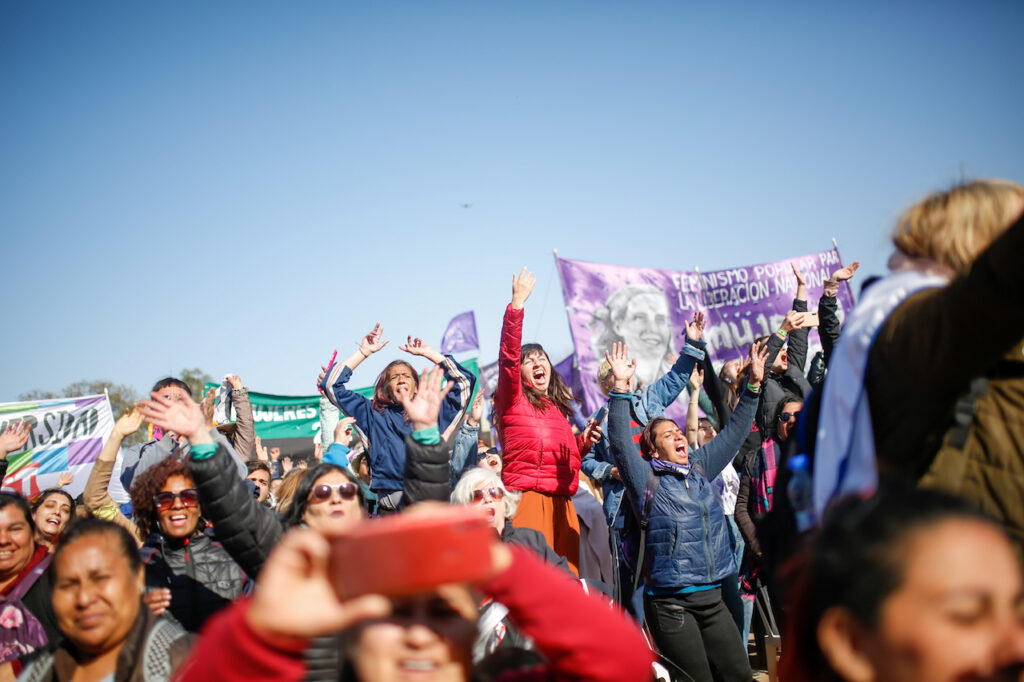
On Monday, at the closing ceremony, a vote was held using the applause meter to determine the venue for next year's meeting. The 36th Plurinational Meeting will be held in Río Negro.
A few hours later, the official announcement was released: the Ministry of Women and Diversity now has a head. It will be led by Ayelén Mazzini, head of the Secretariat for Women, Diversity, and Equality of San Luis, a political scientist, and one of the organizers of this 35th National Women's Meeting.
We are present
We are committed to journalism that delves into the territories and conducts thorough investigations, combined with new technologies and narrative formats. We want the protagonists, their stories, and their struggles to be present.
SUPPORT US

FOLLOW US
Related notes
We are present
This and other stories are not usually on the media agenda. Together we can bring them to light.