

A trans woman was murdered in a hotel in Colima.
The 22-year-old woman entered the establishment with a man who later left. LGBT organizations are denouncing the prosecutor's office for not investigating.


Share

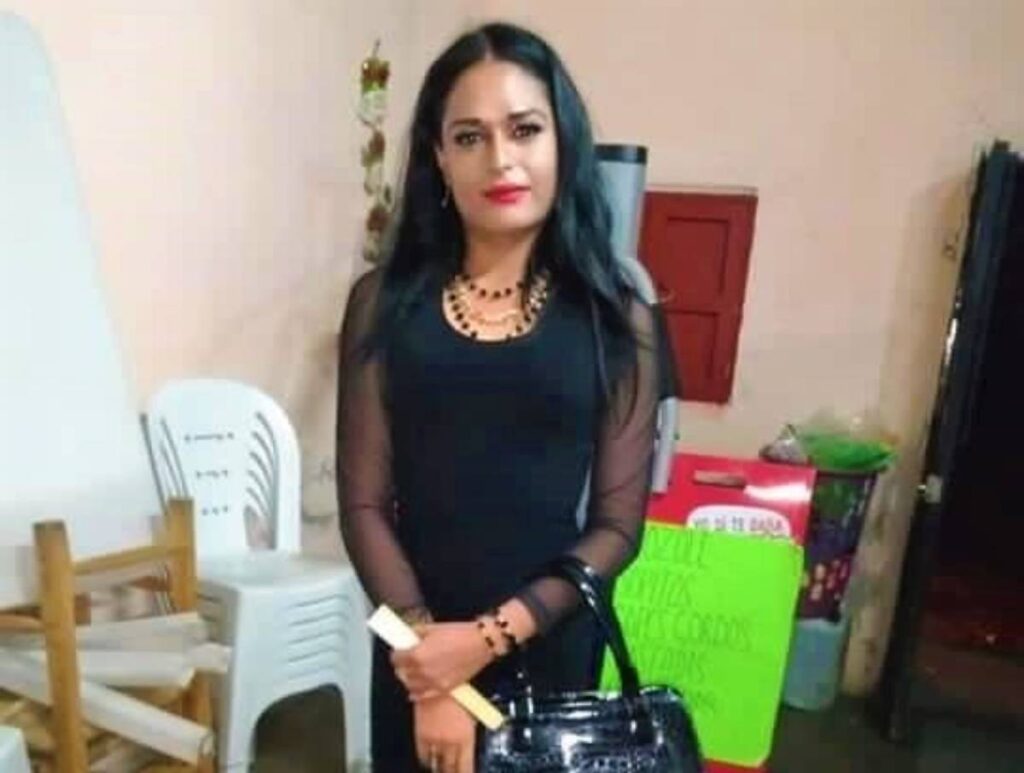
MEXICO CITY, Mexico. On the night of September 9, Teresa Montaño, a 22-year-old trans woman, was murdered in a hotel in Tecomán, Colima, in southwestern Mexico.
LGBTI+ groups and activists are demanding justice on social media, in a context of widespread violence that makes it difficult to protest in the streets.
According to the report by journalist Roberto Macías, on the night of September 9, Teresa Montaño entered a hotel with a man, whose identity is unknown, and who left the establishment after an argument.
"Unofficially, it was reported that Teresa Montaño was murdered with a knife. Hotel staff found Teresa seriously wounded. Emergency services arrived at the scene. However, the woman no longer had vital signs," reports Macías.
Teresa's transfeminicide adds to that of Yaneth, also 22 years old , which occurred on April 3 in the capital of Colima.
Lack of official data
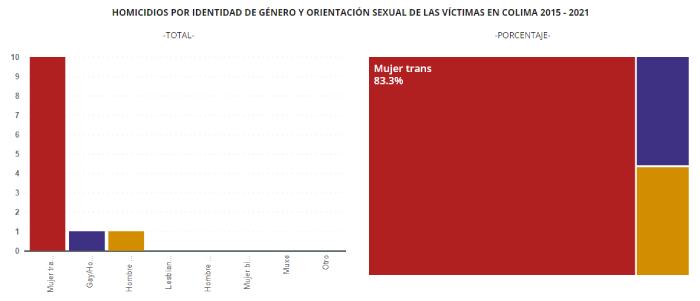
According to figures collected by the Letra Ese hate crimes observatory , from 2015 to 2021 in Colima, 12 murders against LGBTI+e people have been committed; 10 of these were against trans women and five of them happened in 2021.
On social media, friends, activists, and at least two LGBT+ groups in the state denounced Teresa's transfeminicide, expressed their outrage, and demanded justice.
“It’s a very hard blow. They cut short her goals, her dreams, and extinguished the light of a person. Not just a member of the community, but a human being like any other. And my friend, a person who was very well known here in Tecomán,” Alejandro Aviña, a friend of Teresa’s for five years, Presentes
The Colima State Prosecutor's Office did not issue any statements regarding this crime, nor did the State Human Rights Commission.
“Teresa was concerned about getting ahead”
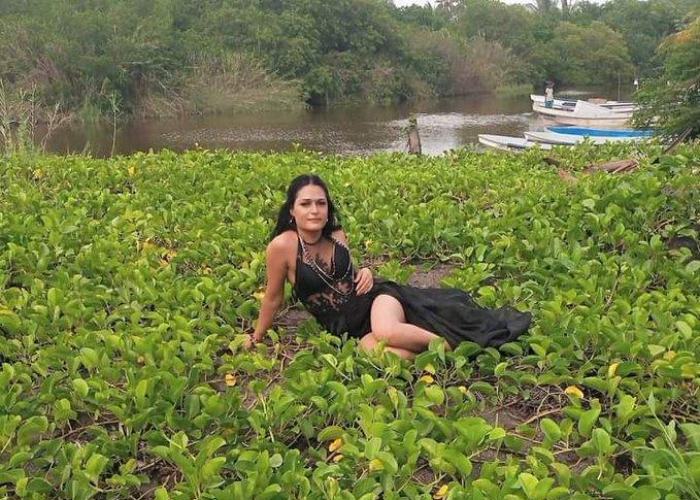
Teresa had two jobs; in the afternoons she worked at a restaurant on the beach, and at night she worked as a sex worker.
“She was extremely hardworking, she was very concerned about getting ahead, she always sought to improve herself. But here in Tecomán there is still a lot of discrimination because either you come with a masculine image or there is no work. It is one of the situations that forced Teresa to work on the streets,” Alejandro Aviña Presentes
Throughout her life, Teresa faced discrimination in the workplace. Because of this, sex work became another source of income for her and her family. She was responsible for caring for and supporting her mother.
“As a friend, what I want is for this not to be ignored. I want justice to be served, for everything possible to be done to find the person responsible for committing this heinous crime. I feel sadness, anger, mixed emotions, and I'm afraid. Not for myself, but for the other girls. And that someone like the one who killed my friend could do the same thing tomorrow to someone here or somewhere else,” Aviña adds.
Teresa was buried on Sunday at noon. Her friends will wait until the nine-day mourning period is over to "devise a strategy to ensure she is not forgotten."
“Demanding justice in the midst of violence is difficult.”
Unlike in other states across the country, LGBT+ groups in Colima are afraid to take to the streets to demand justice. The reason: widespread and escalating violence.
Colima is one of the states where widespread violence has increased exponentially. In the last three years, it has been the state with the highest number of victims of intentional homicide.
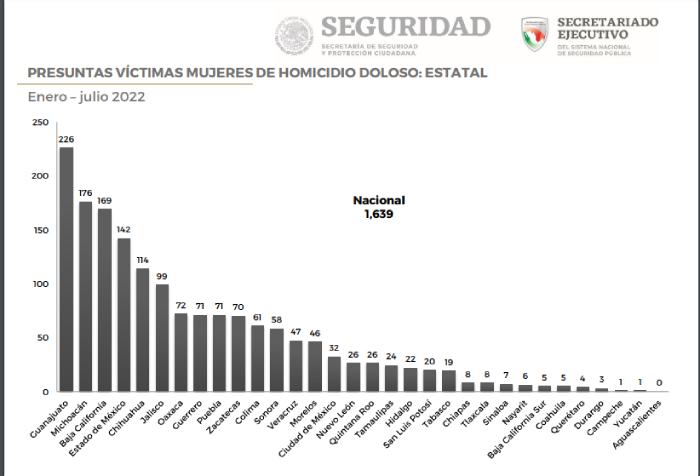
To put this into perspective, from January to July 2022, 524 people were victims of intentional homicide. From January to December 2021, there were 518 victims of the same crime, according to figures from the Executive Secretariat of the National Public Security System ( SESNSP ).
This widespread violence is taking place within a context of increased military presence on the streets and a growing wave of violence perpetrated by drug trafficking groups.
In this context, LGBT+ activists are limited in their ability to take to the streets and demand justice. Marco Antonio Gaspar, a human rights advocate and current advisor to the Colima Human Rights Commission, explains to Presentes that “there is also a fear of speaking out.”
“Widespread violence is fragmenting LGBT+ civil organizations, and this situation is exacerbated by the fact that the Attorney General's Office itself does not recognize hate crimes, nor the femicides of trans women. Unfortunately, the only recourse left to us is the crime of homicide to punish those responsible, but even that hasn't happened in twenty years. There is appalling impunity, and there are no resources for rebuilding the social fabric. Demanding justice amidst gender violence and drug trafficking is difficult,” Marco Antonio Gaspar explains in an interview.
The Orgullo Disidente collective and the Unidos por la Diversidad en el Valle de Tecomán were among the few local groups to speak out on the matter. Through social media, they are demanding an end to impunity and . ”
The femicides of trans women in Colima are not being investigated.
Colima is one of the few states in the country that has a protocol for action on the crime of femicide, which explicitly includes trans women.
It states that all femicides must be investigated “with a gender perspective, a differential approach, and a human rights approach.” And it applies “to all women, including trans women: transvestites, transsexuals, and transgender people.”
Furthermore, since 2015, the crime of homicide includes the aggravating circumstances of "hate, rejection or discrimination towards the sexual orientation or gender identity of the victim".
To find out if these protocols were being followed in the case of the trans femicide of Teresa Montaño, Presentes called the femicide unit but received no response. And in the absence of official data, it is unknown how many people have been arrested and sentenced for these crimes.
Since the current administration (November 2021) under Governor Indira Vizcaíno, the Colima Prosecutor's Office has not issued any investigation files for femicide.
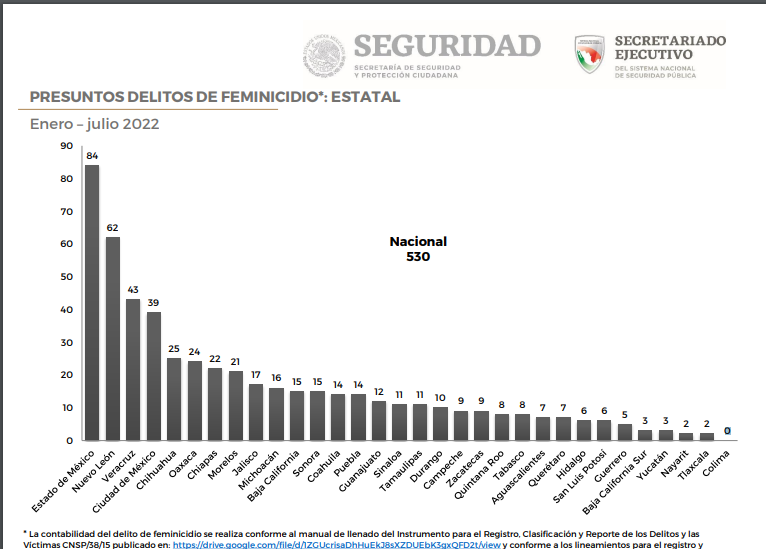
This is confirmed by data from the Executive Secretariat of the National Public Security System ( SESNSP ), where Colima has recorded zero femicides since November 2021.
However, statistics on intentional homicide show that from January to July 2022, at least 61 women (without specifying whether they are cisgender or trans women) have been victims of intentional homicide in the state.
This disparity in the figures suggests that no violent death of women (trans and cis) in Colima is being investigated under the femicide protocol.
We are present
We are committed to journalism that delves into the territories and conducts thorough investigations, combined with new technologies and narrative formats. We want the protagonists, their stories, and their struggles to be present.
SUPPORT US

FOLLOW US
Related notes
We are present
This and other stories are not usually on the media agenda. Together we can bring them to light.