

Trans activists denounce the State of Paraguay before the UN for not recognizing their names
After six years without an effective response from the Judiciary, Yren Rotela and Mariana Sepúlveda turned to international bodies.


Share

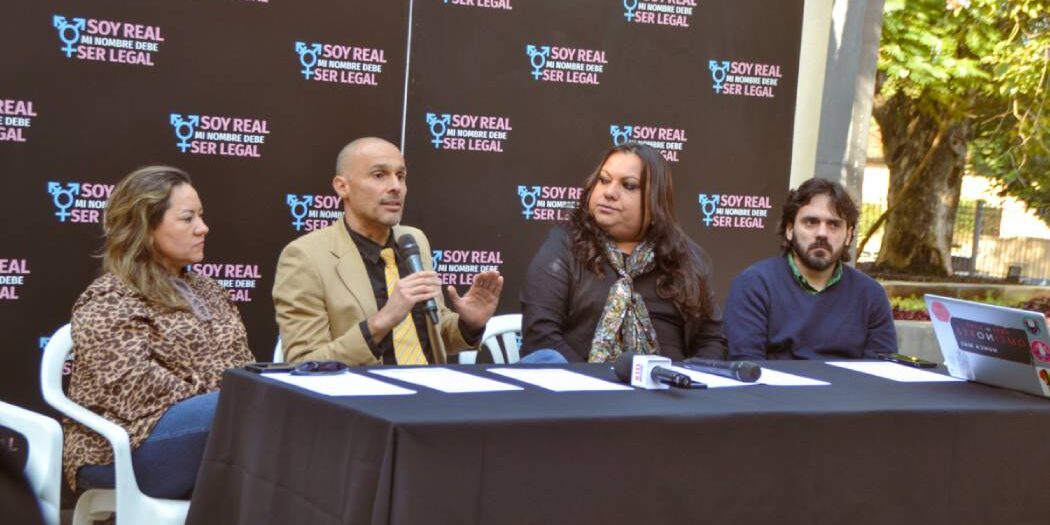
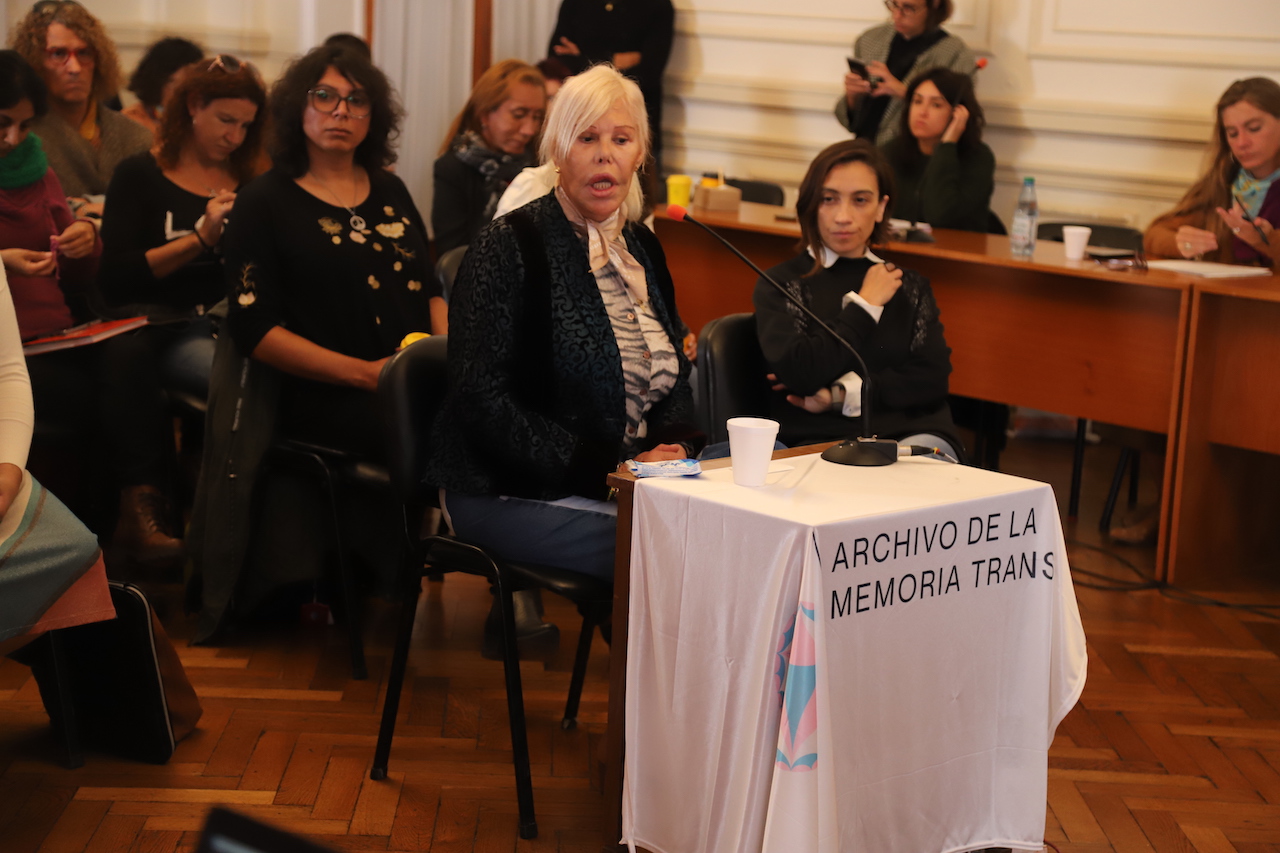
ASUNCIÓN, Paraguay. Human rights defender and founder of Casa Diversa-Casa Trans , Yren Rotela, along with trans rights activist Mariana Sepúlveda from Asociación Panambí, announced at a press conference that they have appealed to the United Nations Human Rights Committee.
Both women filed a complaint against the State for not recognizing the names they use to identify themselves. They will be represented by the Human Rights Coordinator (Codehupy) .
Yren Rotela and Mariana Sepúlveda were the first transgender people to file a name change request in an Asunción court. It was 2016 when Yren and Mariana began the process with the Paraguayan judiciary to register the names with which they identify. They did so by invoking the Paraguayan Civil Code, which in Article 42 specifies that judges are responsible for authorizing changes or additions to a name or surname.
They won the first court case in their legal challenge to change their name on their identity cards , but then the case was stalled. It is now before the Supreme Court. Generally, changing one's name is a quick and relatively simple legal process. But Yren and Mariana faced delays, psychological evaluations, and legal obstacles. What should have been a straightforward procedure became a long and arduous ordeal.
Waiting
In October 2021, ten transgender people announced they would collectively request legal name changes. This initiative, part of the “I Am Real #MyNameMustBeLegal” campaign, is a joint effort of Amnesty International Paraguay, the Paraguayan Human Rights Coordinator (Codehupy), and the Panambi Association. Its objective is to secure legal recognition of the chosen names of transgender people.
So far, nine people have requested a change of status and are each following their respective courses. In addition to discrimination, those affected face numerous problems in their daily lives due to their inability to access their rights.
Codehupy states in the complaint that the prolonged and unjustified refusal of the national judicial system to resolve the request constituted a violation of rights such as: the right to equality before the courts and to an impartial trial, the right to recognition of legal personality, the right to private life and not to be discriminated against on the basis of gender identity.
“We are not asking for a privilege, we are asking for access to our rights.”
“I never imagined reaching this moment,” Yren expressed at a press conference with the Human Rights Coordinator (Codehupy) and Amnesty International in front of the Palace of Justice. “When people ask me why we initiated the name change, I tell them: first, because in Paraguay, legally changing one's name is permitted. Second, because everything we have experienced as trans people has been linked to the name with which we created our identity. We have embraced our identity in a society that does not allow us to be free. For six years, the Paraguayan state has been violating and discriminating against us,” she stated.
Mariana Sepúlveda stated: “The name change is important because, as Mariana Sepúlveda, I suffered a lot of discrimination in school. I was expelled for transitioning and for the name I chose. With this name, I suffered various forms of discrimination, even torture, right there on the street. The most important thing for me is that I would like to receive my degree in communications with the name I identify with and the name my parents use for me.”
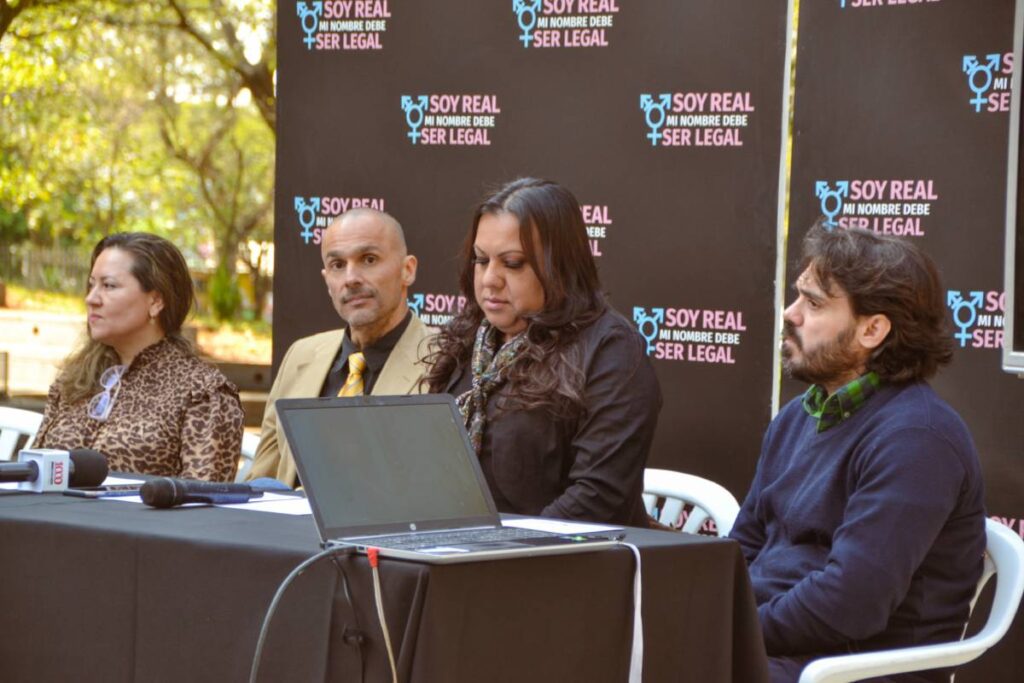
Attorney Hugo Valiente, representing both women, emphasized that in researching precedents, they found that many cisgender people have legally changed their names for various reasons. He questioned why Yren and Mariana cannot access this right because the justice system is not moving forward. “We are not asking for a privilege, we are asking for access to our rights,” Yren stressed.
Both cases, currently before the Supreme Court of Justice , are proceeding through the national justice system. The Paraguayan state could even avoid international sanctions if it resolves these cases in favor of the transgender individuals without further undue delay.
We are present
We are committed to journalism that delves into the territories and conducts thorough investigations, combined with new technologies and narrative formats. We want the protagonists, their stories, and their struggles to be present.
SUPPORT US

FOLLOW US
Related notes
We are present
This and other stories are not usually on the media agenda. Together we can bring them to light.