

I approve: Chile votes to have the world's first diverse and plurinational Constitution
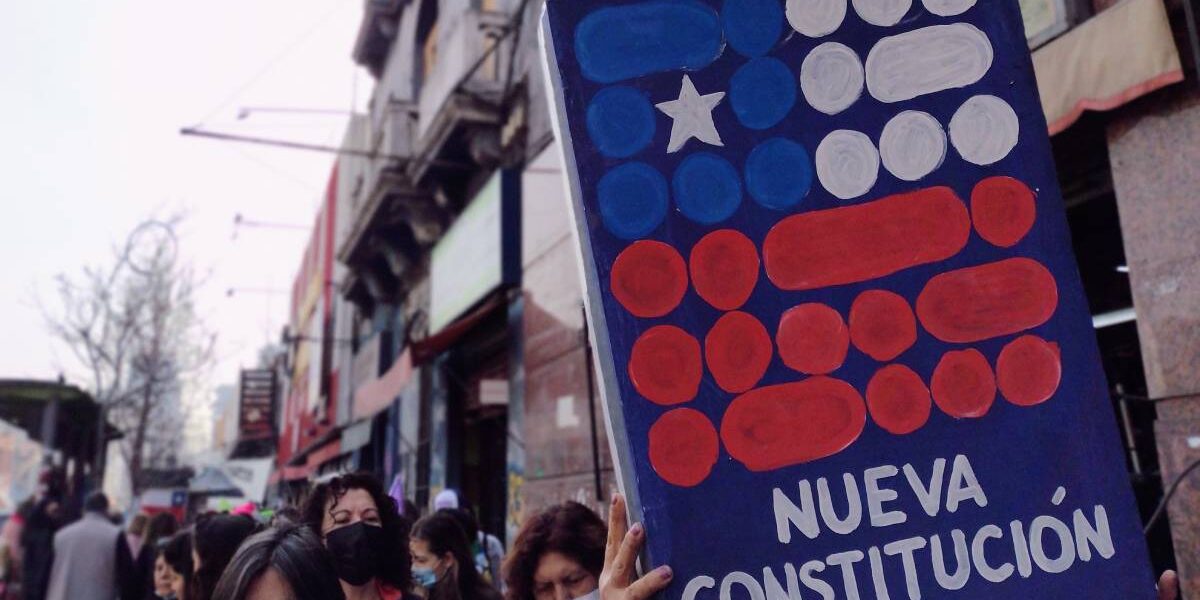
Chile's new Constitution will be voted on September 4th. It was drafted with gender parity and embodies a plurinational, feminist, and diverse spirit.


Share

SANTIAGO, Chile. Nearly 15 million people are called upon to make one of the most important decisions in the history of Chilean democracy: choosing whether or not they want a new Constitution.
If the majority approves the text worked on in the Constitutional Convention on Sunday, September 4, it will be the first fundamental charter in the world drafted in an equal way, by 77 women and 77 men , including people of sexual diversity and indigenous peoples .
The 372 articles drafted by the members of the constitutional body recognize new fundamental rights related to gender. At least 56 provisions reflect this feminist perspective and spirit. Not only are sexual diversity and gender nonconformity mentioned for the first time in a Constitution, but the possibility of establishing an institutional framework to safeguard the rights enshrined in the text itself is also opened.
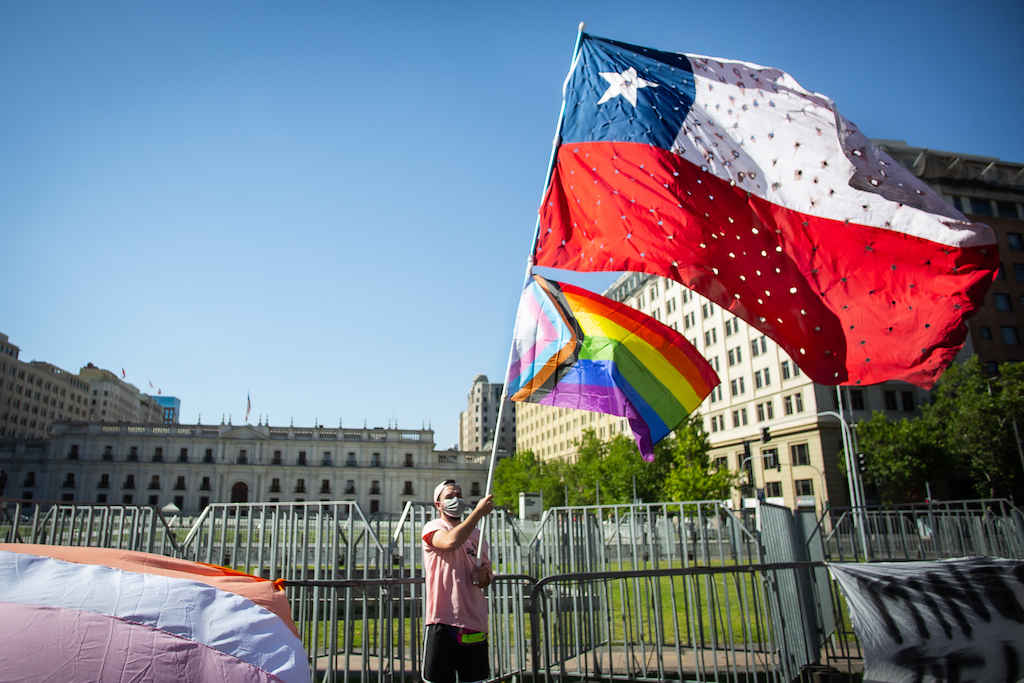
What does the new Constitution propose?
“The State promotes a society where women, men, sexual and gender diversities and dissidences participate in conditions of substantive equality, recognizing that their effective representation is a principle and minimum condition for the full and substantive exercise of democracy and citizenship,” states Article 6 in its first paragraph.
The same article establishes that all collegiate bodies of the State, the constitutionally autonomous ones, the superior and management bodies of the administration, as well as the boards of directors of public and semi-public companies must have a parity composition that ensures that at least 50% of their members are women.
https://twitter.com/Movilh/status/1564625150087090176
The vision of seven women
Over the weekend, just days before the plebiscite, hundreds of women gathered at a feminist rally in the Caupolicán Theater in Santiago. They celebrated their achievements and called for the approval of the new Constitution and the replacement of the current one, written during the dictatorship of Augusto Pinochet.
What do they think of the text they will vote on next Sunday? In general, they believe it opens paths to a hopeful future and also agree that a groundbreaking proposal has been achieved. Presentes spoke with several of them: activists, lawyers, participants in drafting the bill, students, and Mapuche people.
Equality and comprehensive sex education
All women, girls, adolescents, and people of sexual and gender diversity and dissidence shall have the right to “a life free from gender violence in all its manifestations,” states Article 27. It is the State that must adopt the necessary measures to eradicate violence and the sociocultural patterns that drive it.
Bárbara Sepúlveda , a constitutional lawyer and feminist activist, was the deputy vice president of the Constitutional Convention.
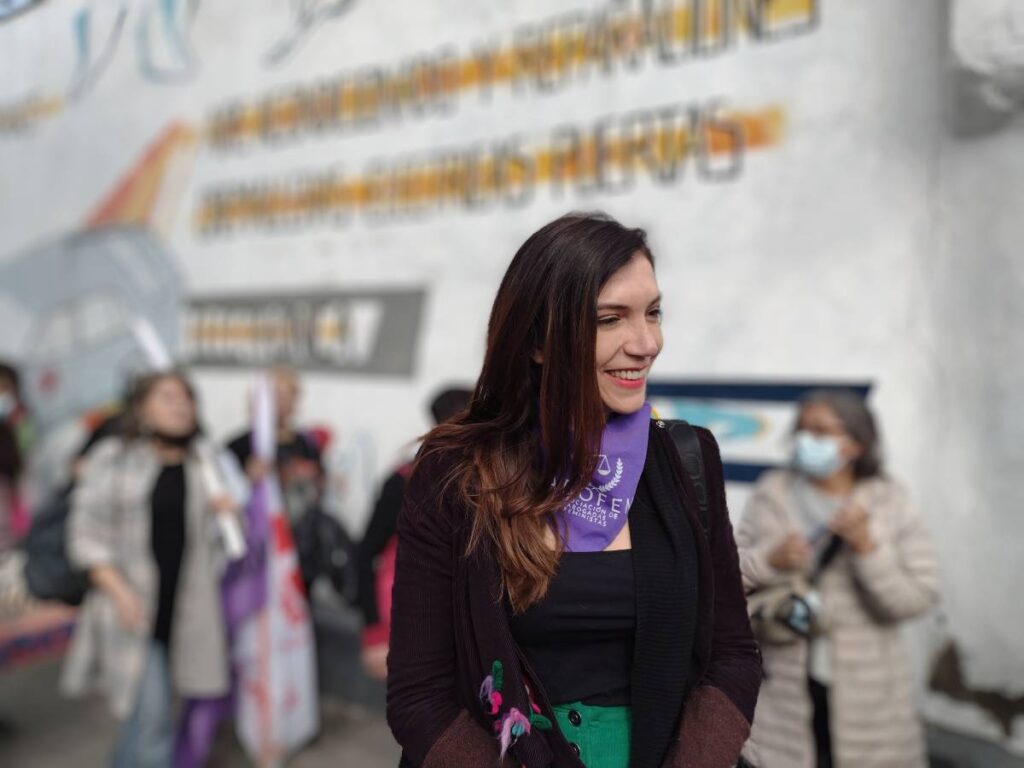
“We have identified approximately 56 regulations that incorporate a gender perspective and permeate the institutional framework, encompassing individual, social, and collective rights. Furthermore, we are working to establish that we can challenge the hegemonic power of a tool like the law, which has typically been used to discriminate, exclude, and often legitimize social hierarchies between men, women, and gender-diverse people. I believe the main challenge is to recognize that we have a transformative tool that we can use—once we approve the new Constitution—to repeal all discriminatory laws, reform all those that are necessary, and create new ones that will allow us to live better lives.”
For equality
In its article 40, the draft recognizes the right of all people to receive comprehensive sexual education “that promotes the full and free enjoyment of sexuality, sex-affective responsibility, autonomy, self-care and consent, the recognition of the diverse identities and expressions of gender and sexuality; that eradicates gender stereotypes and prevents gender-based and sexual violence.” It also establishes the right to full recognition of identity in all its dimensions and manifestations in Article 64.
Paola Vega , lawyer and partner at Abofem
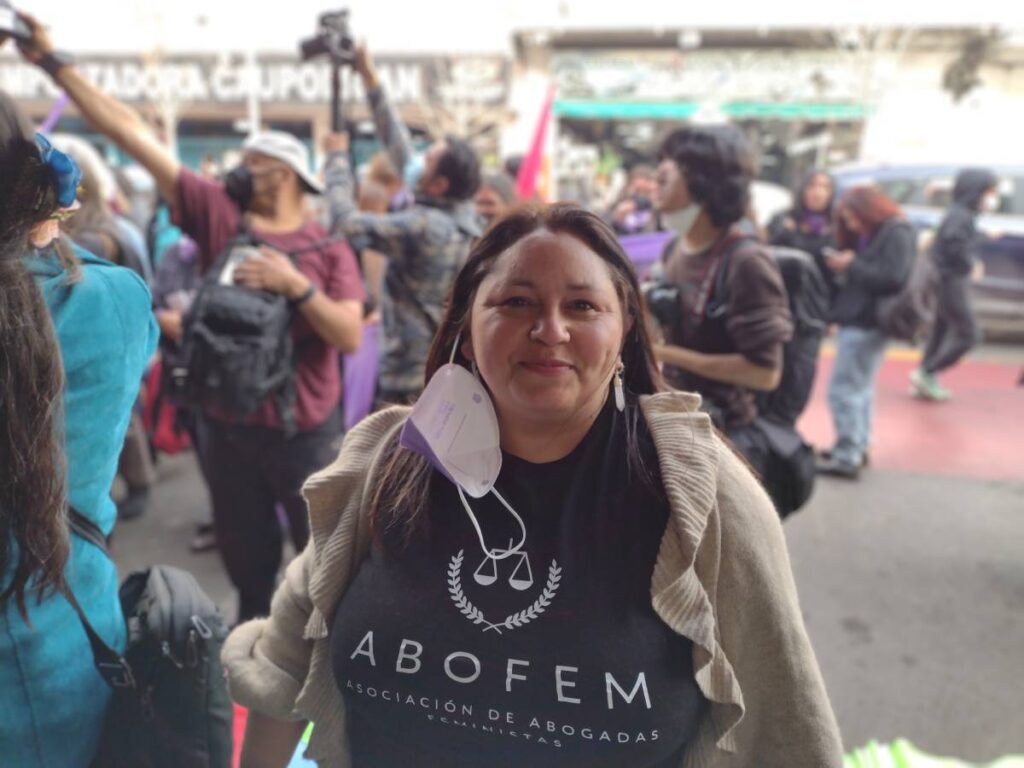
"This is the first constitution in the world written with gender parity, with representatives elected through popular vote. It's a major step forward for women, following a process that allowed our vision to be reflected in a new social pact. I believe it's a great first step towards reducing the discrimination that we have historically suffered, not only us, but also Indigenous peoples and gender minorities, because for the first time their existence is constitutionally recognized in this country."
The right to abortion
The text also opens the door to the legalization of abortion in a country that currently only has a law allowing abortion in three specific circumstances, approved in 2017. Article 61 enshrines sexual and reproductive rights. It states that these include, among others, the right to decide “freely, autonomously, and with full information about one’s own body, the exercise of sexuality, reproduction, pleasure, and contraception.”
It states that the State must guarantee “all women and people capable of becoming pregnant the conditions for a voluntary and protected pregnancy, voluntary termination of pregnancy, childbirth, and motherhood.” If the Constitution is approved, Parliament must draft a law to regulate these rights.
Ana Ferro , feminist

“This is a cutting-edge Constitution. I find the recognition of plurinationality, parity, and the guarantee of equal opportunities for women and men incredible. And the inclusion of rights that have been postponed in this country for many decades, such as the right to decide when and how we want motherhood, or whether we want it at all.”
Sexual diversity
Gender equality for women, girls, sexual and gender diversities and dissidents must also be ensured by the State, as established in article 25. If the "approve" option wins, Chile will be a country that prohibits and punishes discrimination based on nationality, age, sex, sexual characteristics, sexual or affective orientation, gender identity and expression, body diversity, religion or belief, race, or belonging to an indigenous or tribal people and nation.
Lia Guerra , student, lesbian
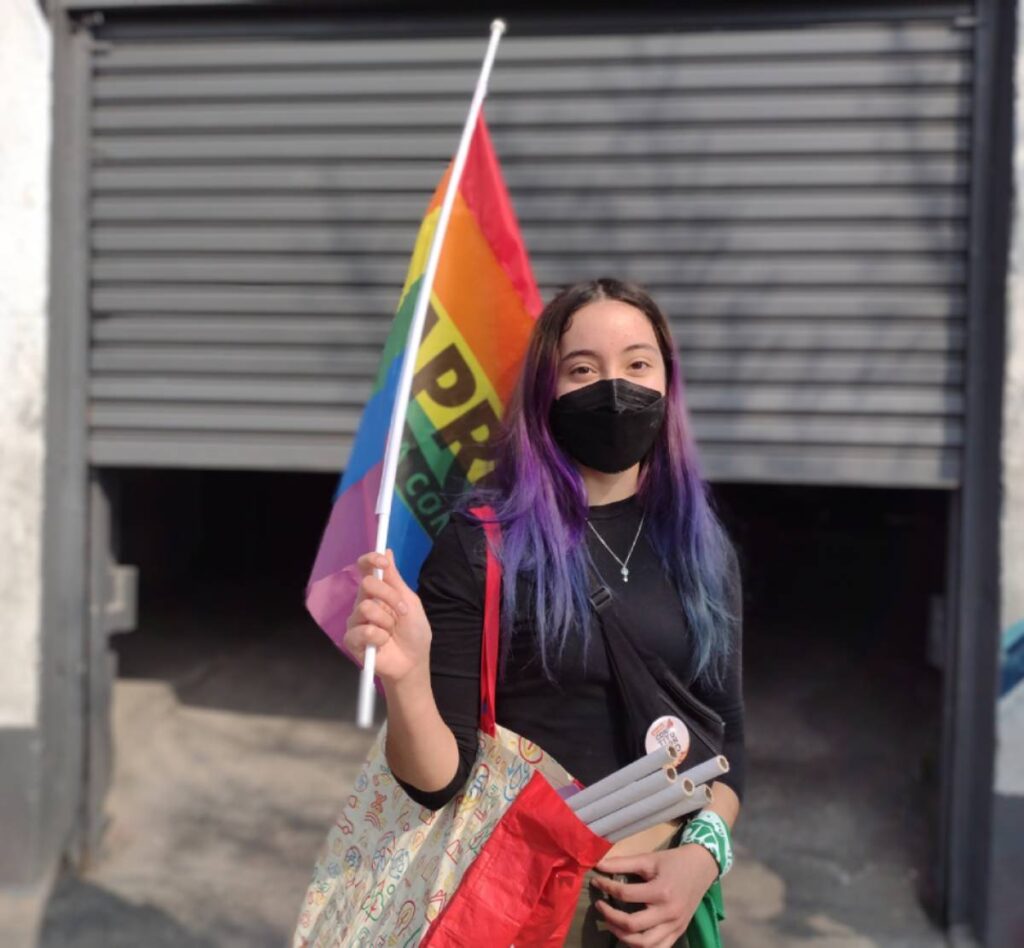
“I think this is a very progressive text that gives a lot of hope for the future. It’s a good first step towards ensuring that boys and girls have a different and safer childhood. The fact that the text establishes that all forms of discrimination will be prohibited in Chile is a tremendous guarantee and carries more weight than what currently exists, such as the Zamudio Law. In my opinion, the latter is already insufficient to prevent or punish violence.”
Antonia Rodríguez , student, bisexual
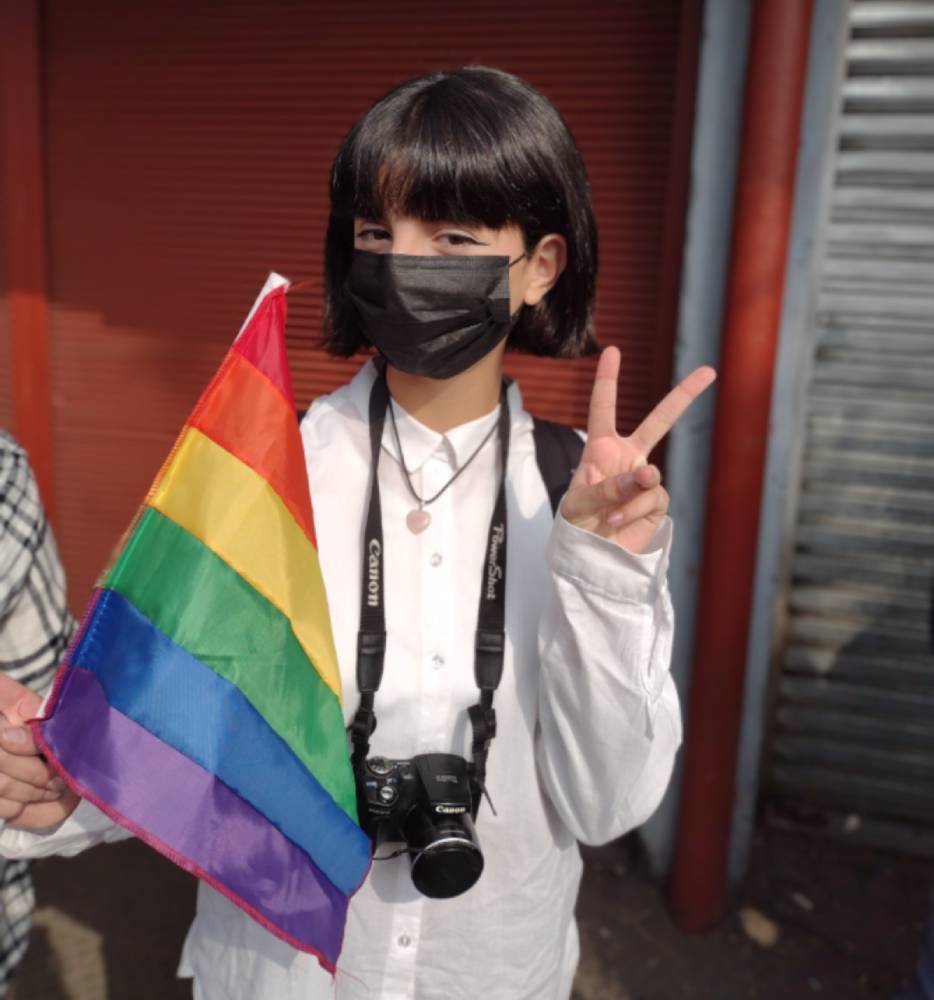
“At 13 years old, I’m thrilled to have the opportunity to grow up in a country where the Constitution includes sexual diversity. We also have rights like everyone else, and a few years ago it seemed impossible that our existence would be acknowledged as it is today. I also believe that the emphasis placed on education in this new text is one of the most positive things for my generation.”
Claudia Rodríguez , feminist activist and transvestite writer
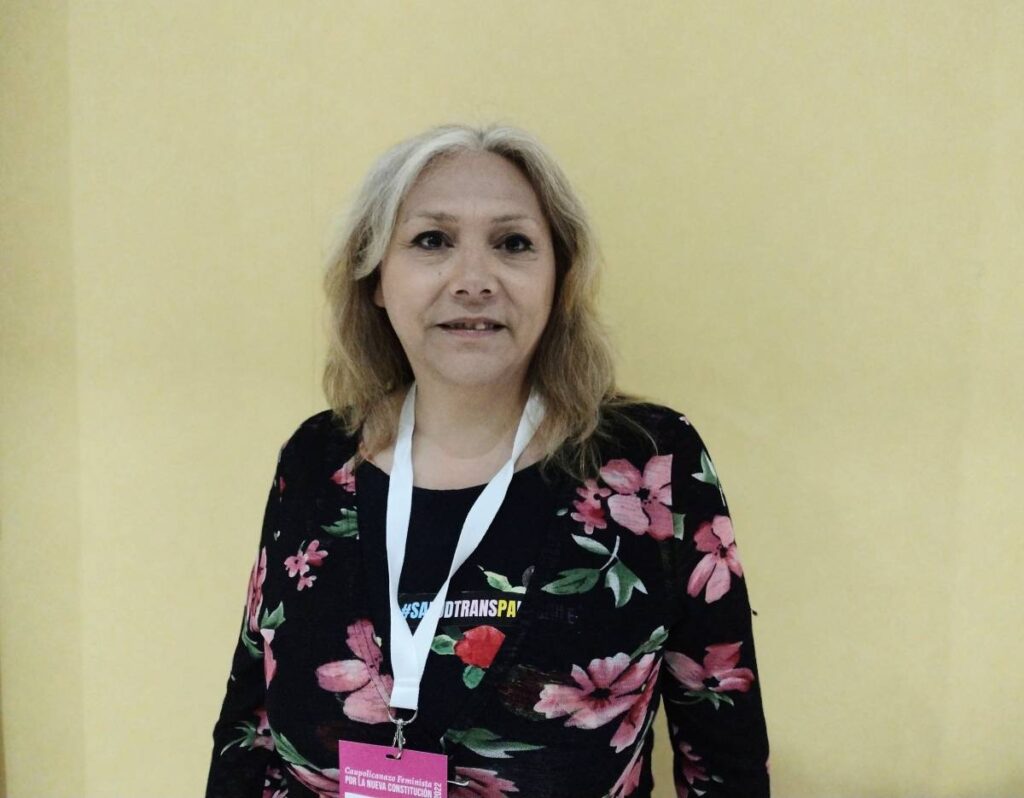
“We are going to live in a country that constitutionally recognizes the existence of Indigenous peoples, migrants, people with disabilities, and people of diverse sexual orientations and gender identities. This is the Chile that many of us have longed for for a long time. Opening the door to a text like this is especially important for LGBTQ+ people and the trans community. It comes with the possibility of being part of important conversations and spaces where we can participate in decision-making that can change our lives.”
Plurinational State
Indigenous peoples are mentioned in more than 20 provisions across different chapters. For the first time in Chilean history, rights such as constitutional recognition, their existence, participation in the political system, and territorial autonomy are enshrined. Furthermore, the restitution of lands by the State is established as a mechanism for reparations.
Article 1 declares Chile a “plurinational, intercultural, regional, and ecological” state, and Article 12 clarifies that it is also a multilingual state, where Spanish is the official language, but Indigenous languages are official in their territories and in areas of high population density within each Indigenous people and nation. Article 34 establishes that Indigenous peoples have the right to autonomy, self-government, their own culture, identity, and worldview; and Article 44 enshrines their right to maintain their own traditional medicines and health practices.
Janela García , Member of the Mapuche Women's Network
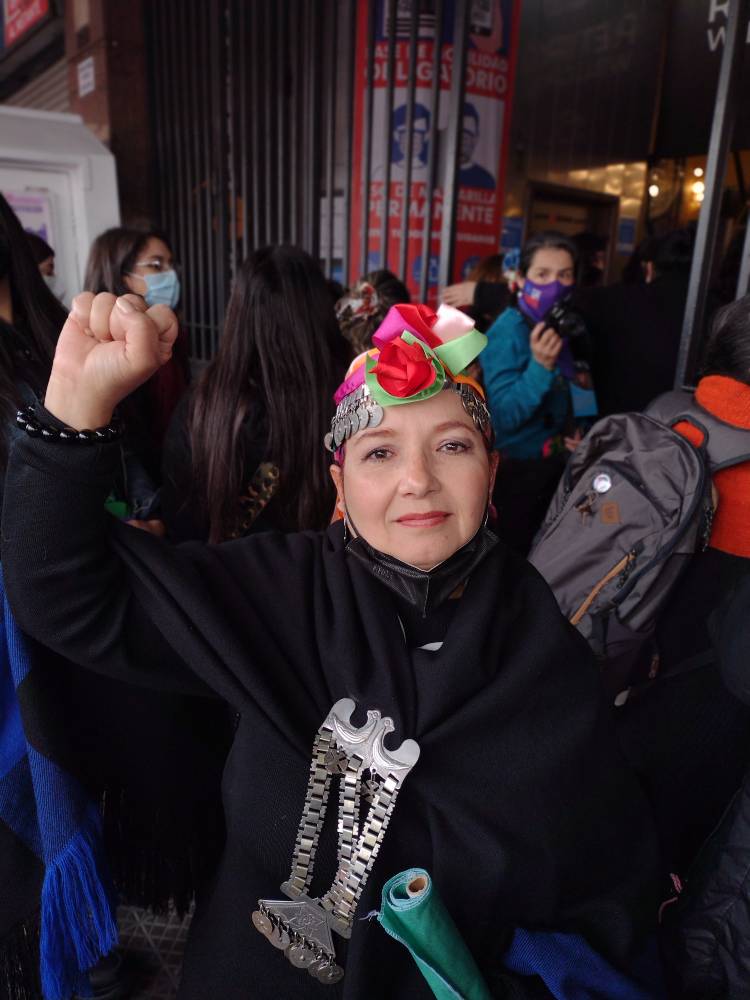
“For us, the new Constitution is tremendously important. It has a strong focus on rights, on defending plurinationality, and on establishing the concept of a caring and compassionate state. One that not only protects the rights of all people, without distinction, but also protects the rights of nature. Being recognized as a people and having our lands returned so we can live in harmony with nature is a great step forward, but this has cost many human lives, and we must never forget that.”
We are present
We are committed to journalism that delves into the territories and conducts thorough investigations, combined with new technologies and narrative formats. We want the protagonists, their stories, and their struggles to be present.
SUPPORT US

FOLLOW US
Related notes

We are present
This and other stories are not usually on the media agenda. Together we can bring them to light.