

Four stories of LGBT+ seniors
The stories of Norma Castillo, Edgardo Corts, Norma Gerardi, and Karina Pintarelli in photos. And their experience of being LGBT+ seniors, in their own words.


Share

Norma Gerardi
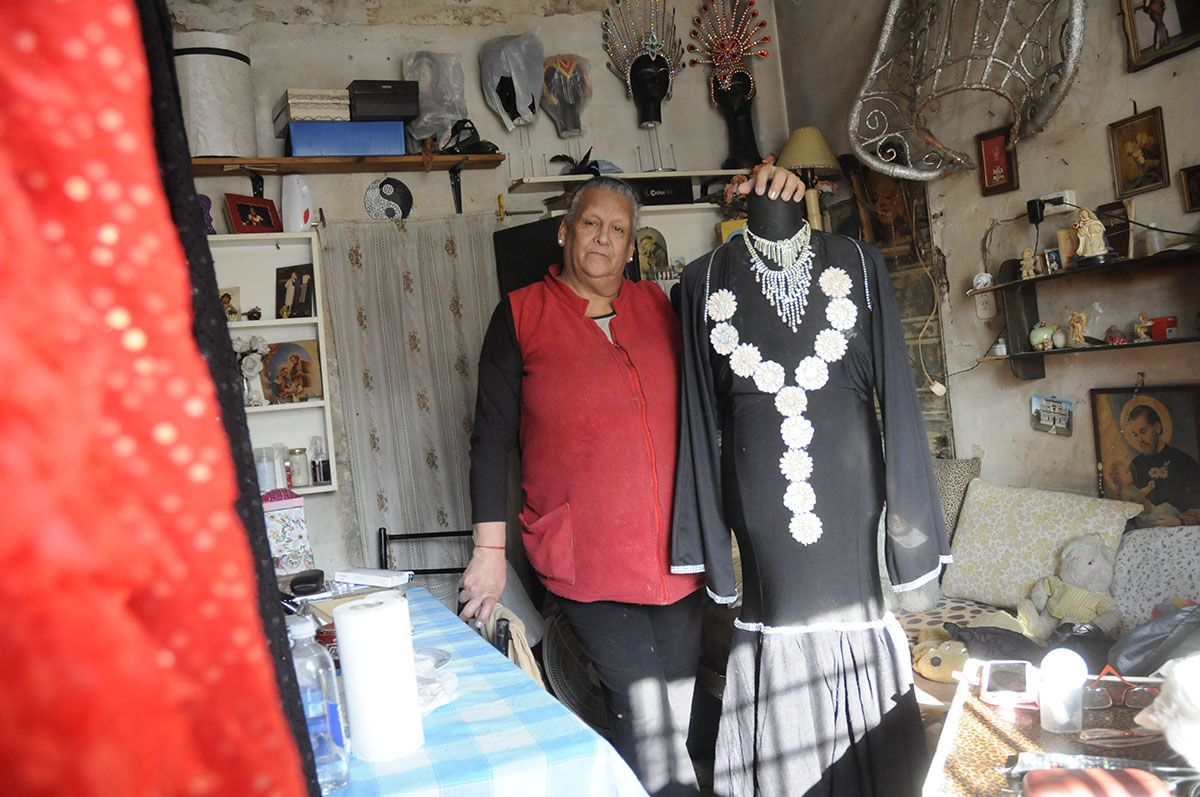
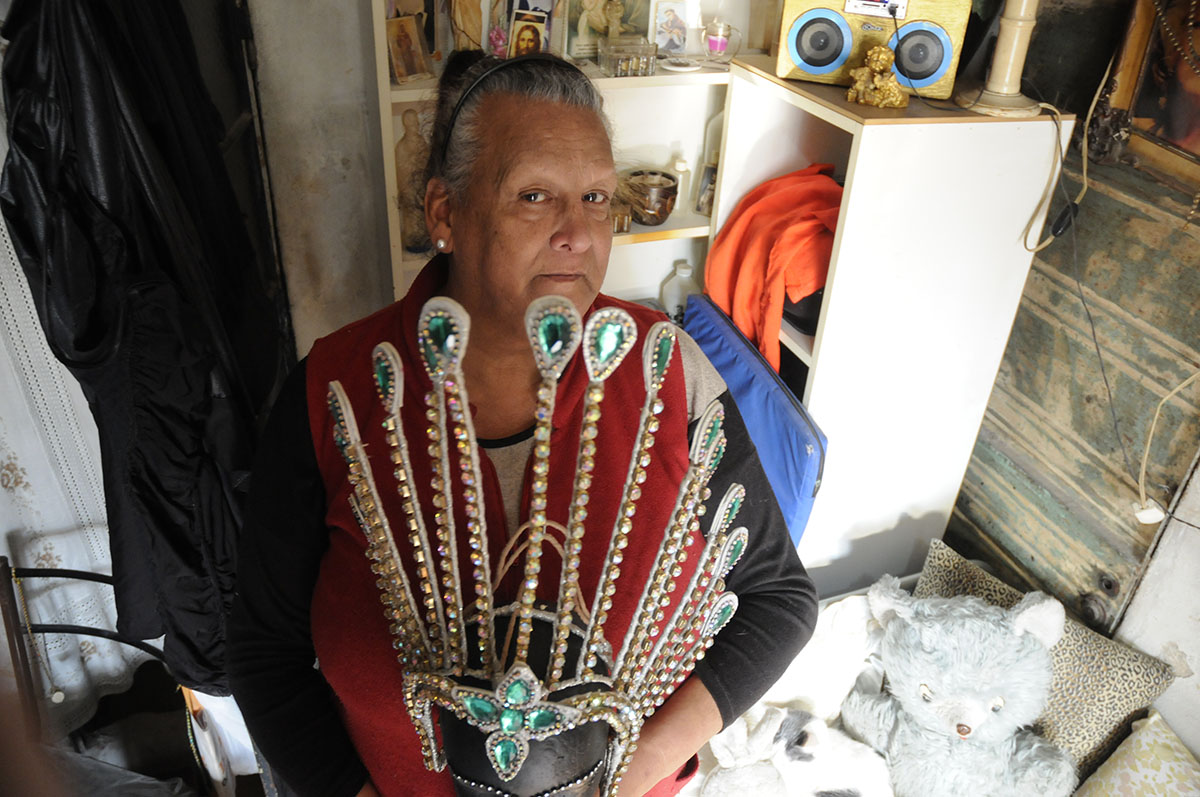
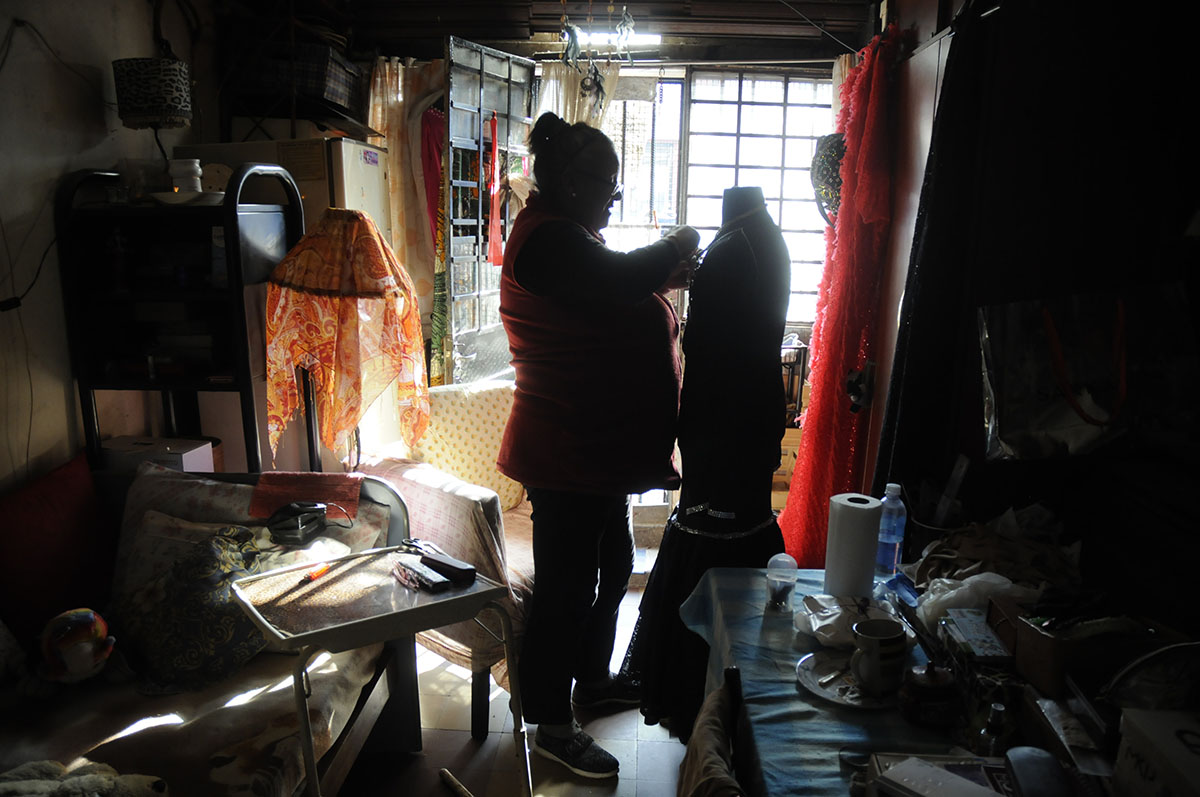
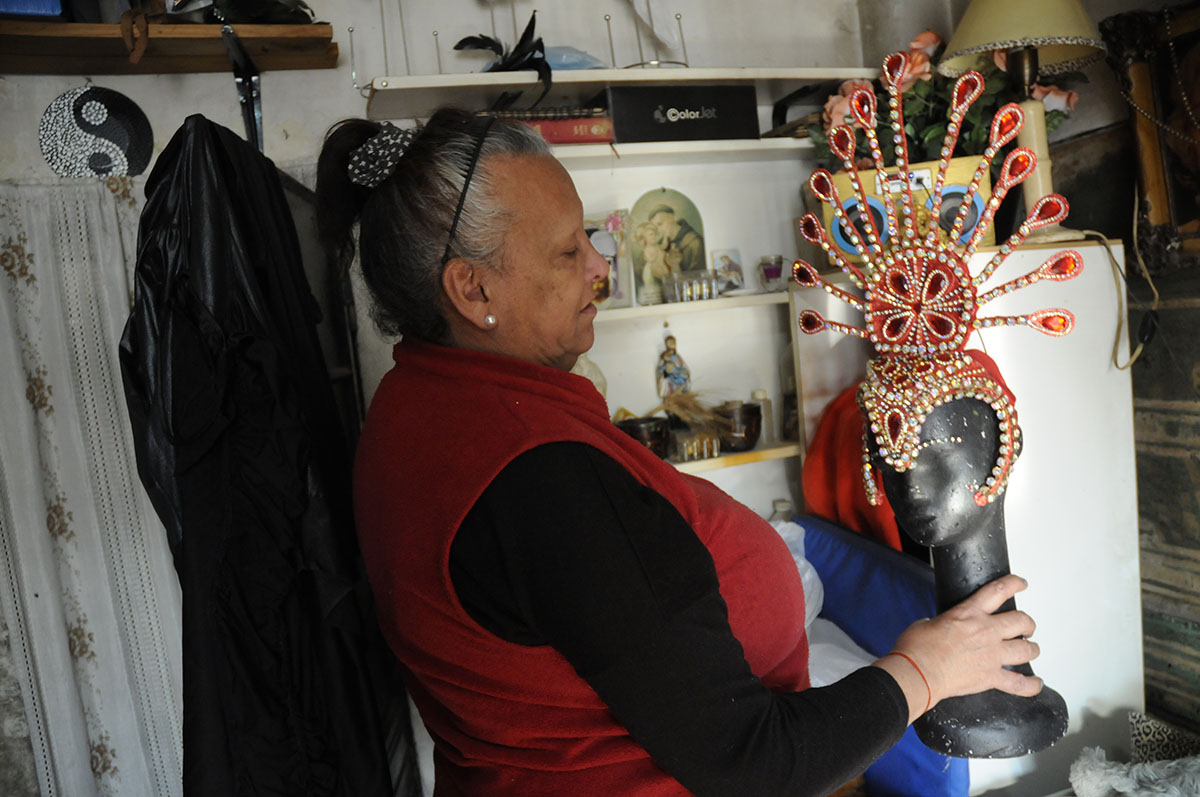
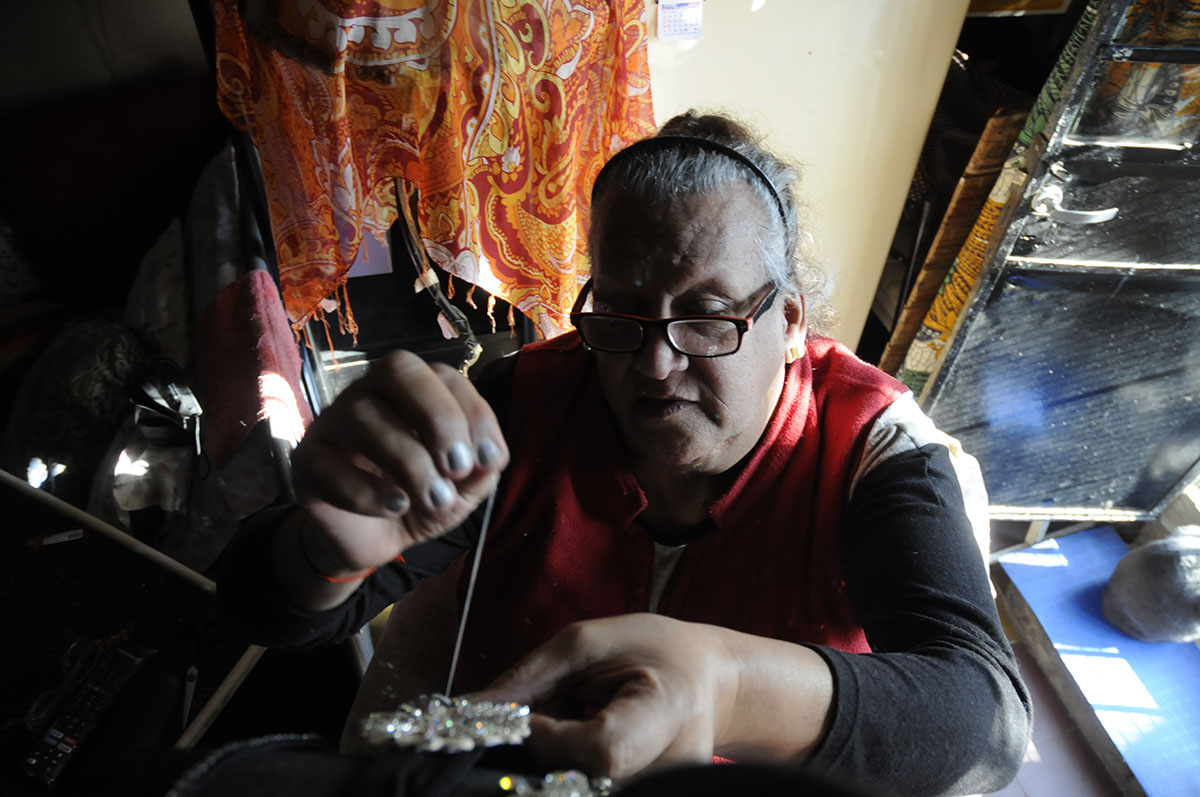
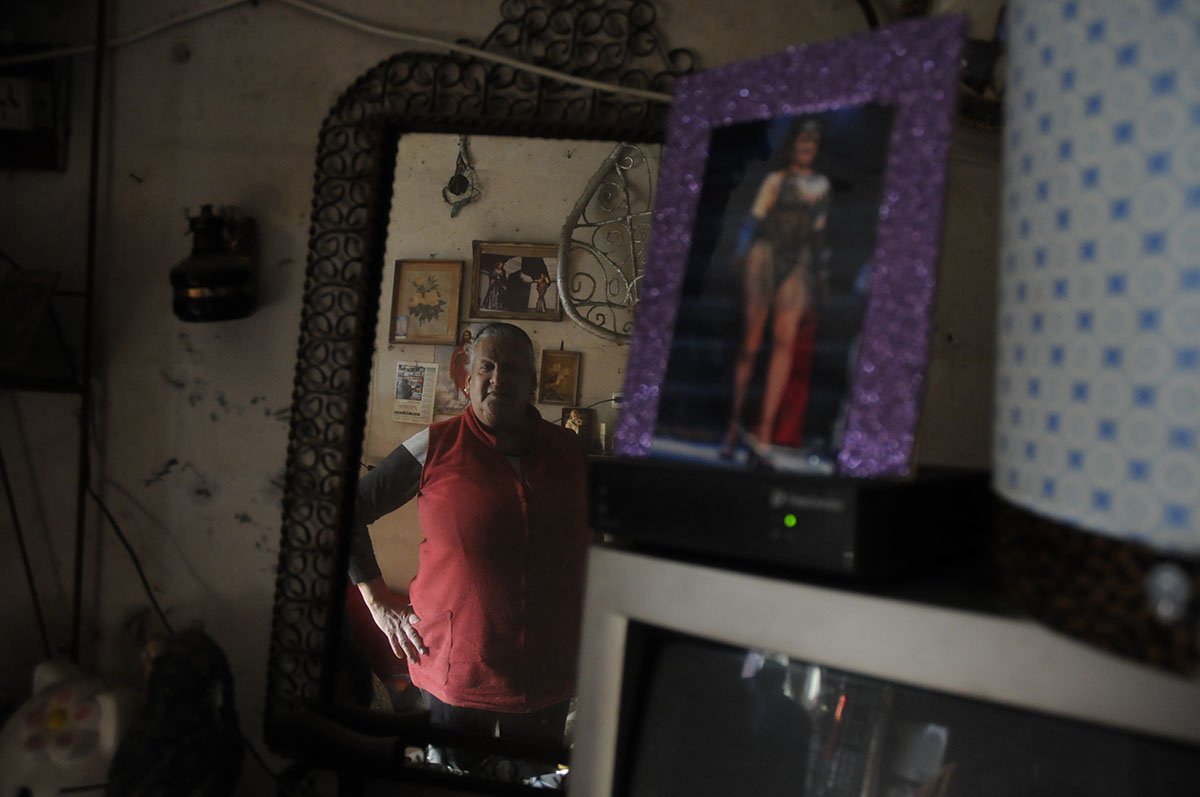
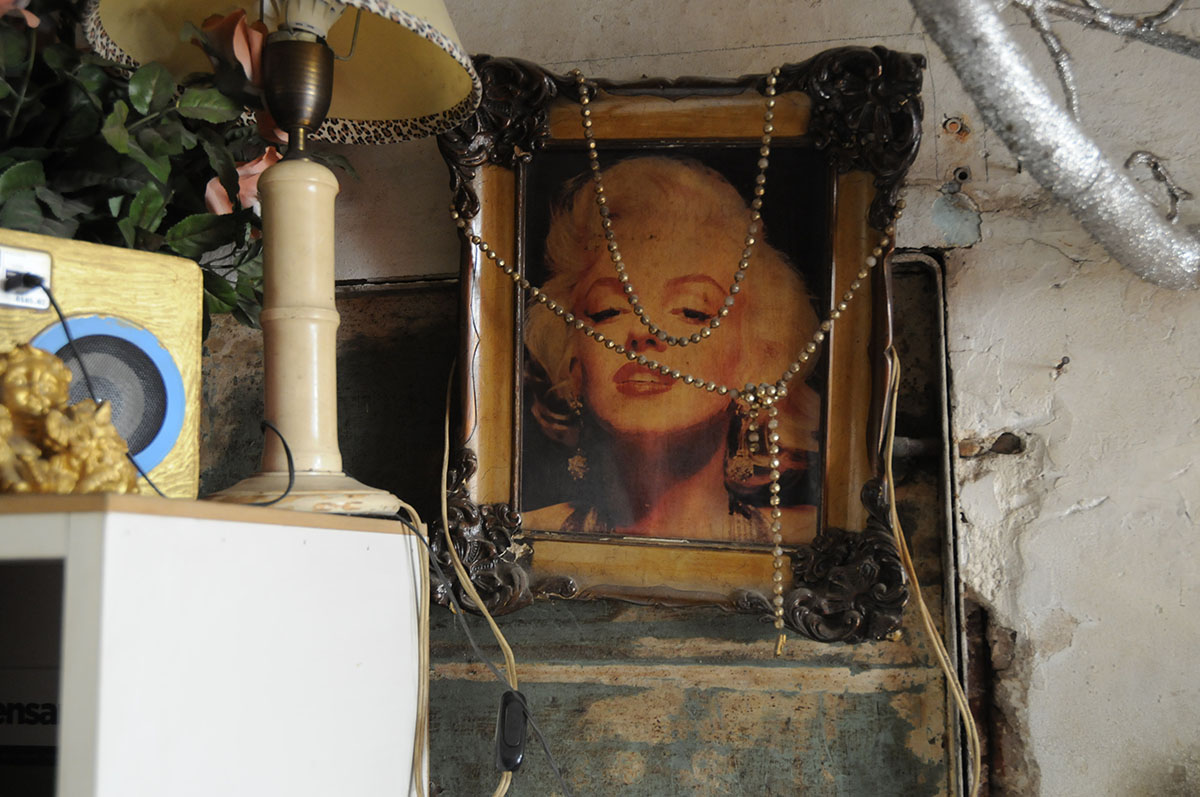
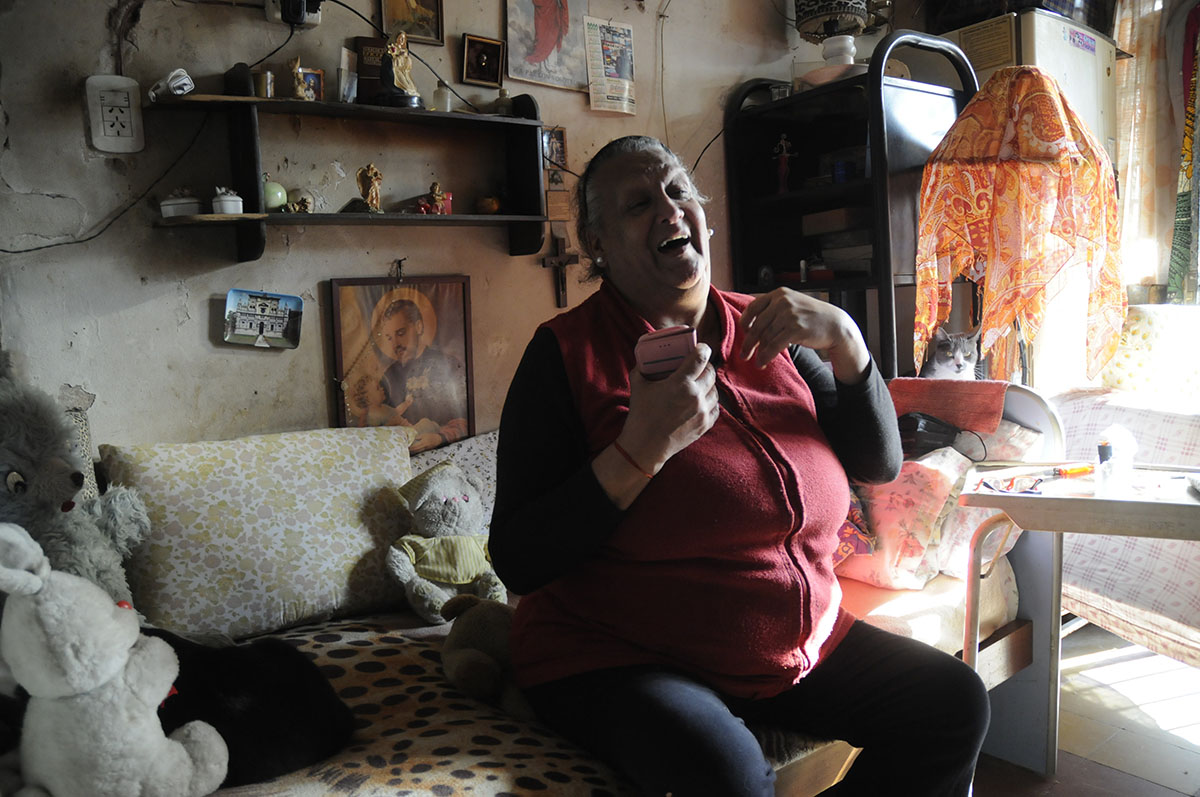
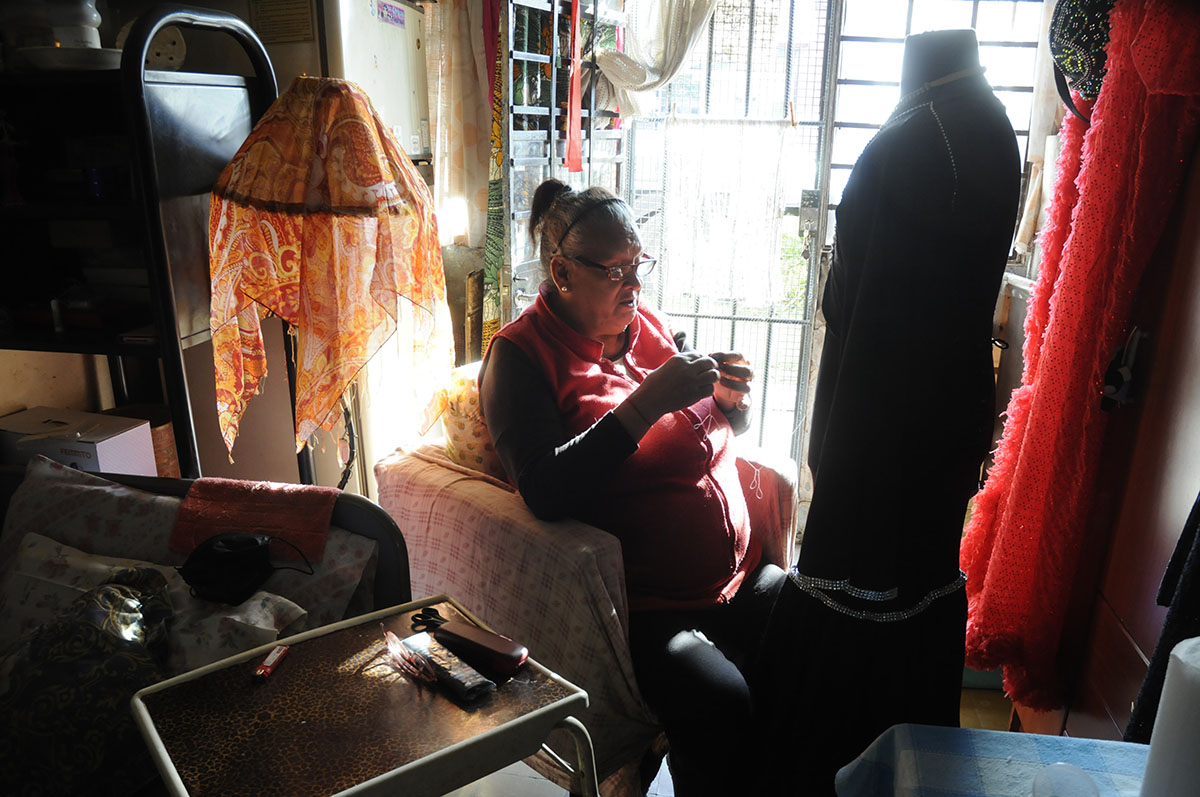
Norma Gerardi, along with activist Lohana Berkins, founded the Association for the Struggle for Transvestite and Transsexual Identity (ALLIT) and served as its secretary until Berkins' death. She will turn 69 on October 21st of this year. She will celebrate in style with a show at the Brown Theater in the La Boca neighborhood of Buenos Aires. "Our situation is complicated when it comes to reaching old age. Very few of my comrades have reached my age," she tells Presentes. "I've been lucky," she says.
Her life was marked by persecution. As a child, her family threw her out of the house. She lived through the 1960s and 70s as "horrible times," where police arrests and rapes were systematic. She had to survive by working as a prostitute, "the only" job she could find.
She has worked in show business for several years. Today she is calling for "historical reparations for all the girls who suffered abuse at the hands of the State."
Norma Castillo
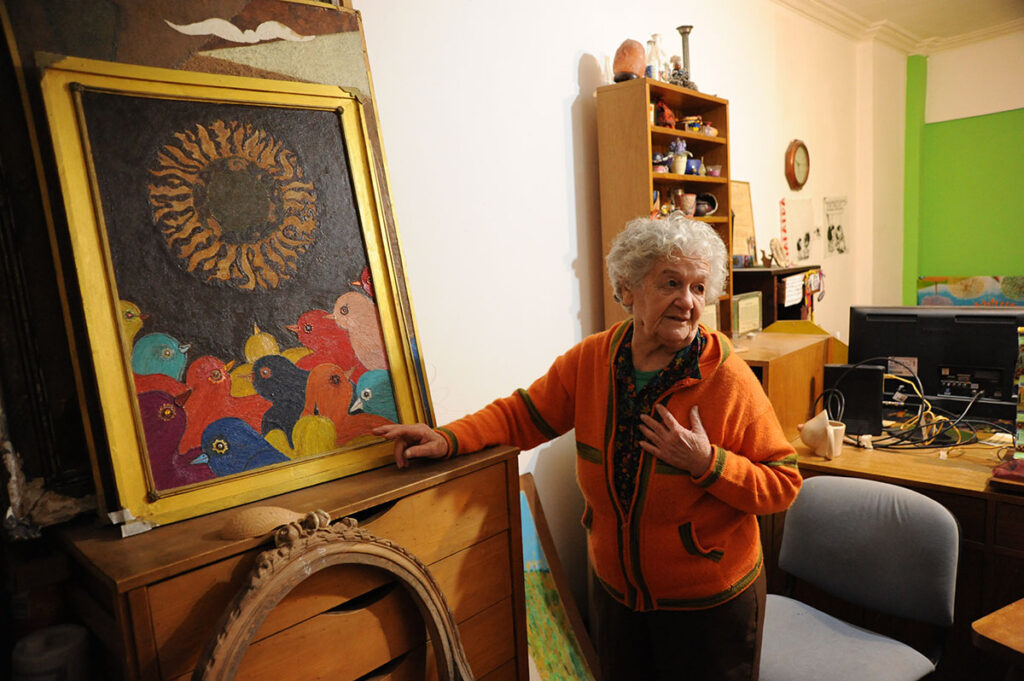
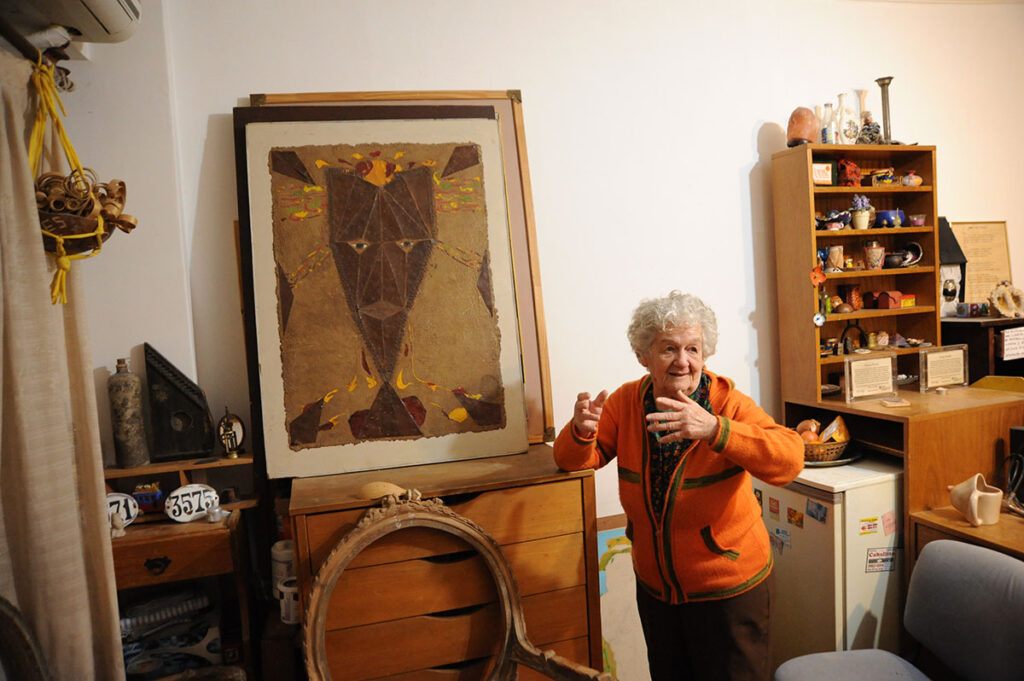
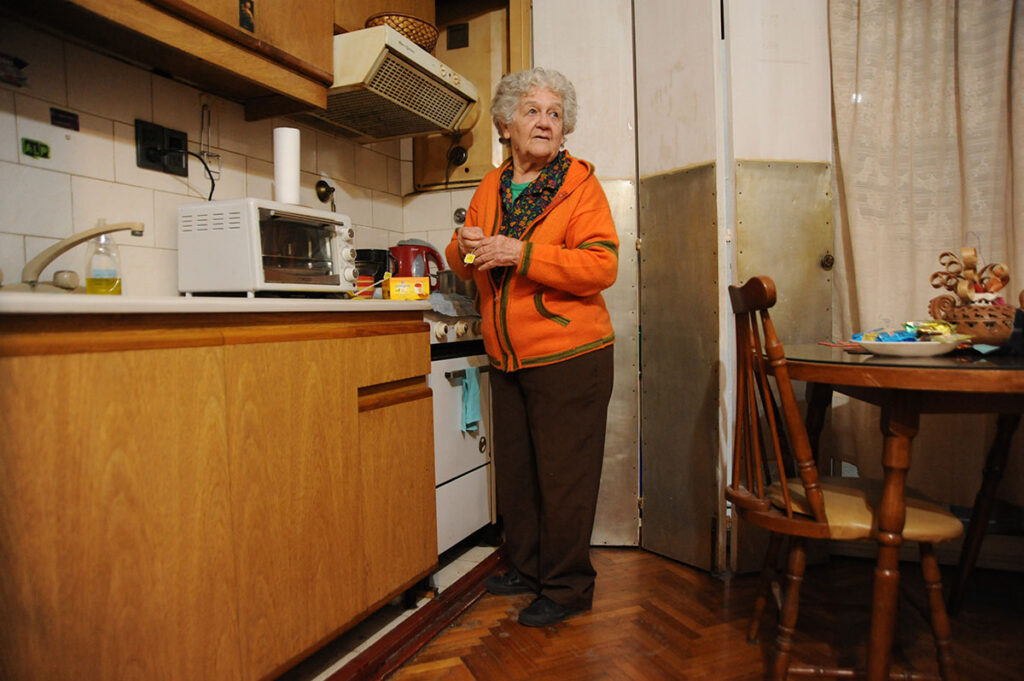
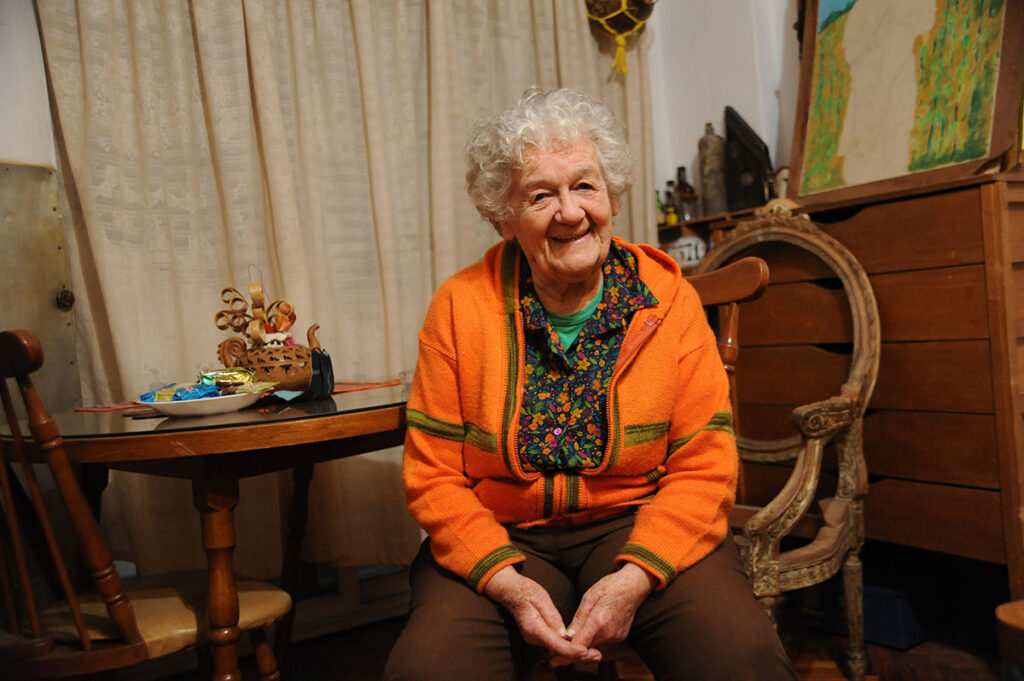
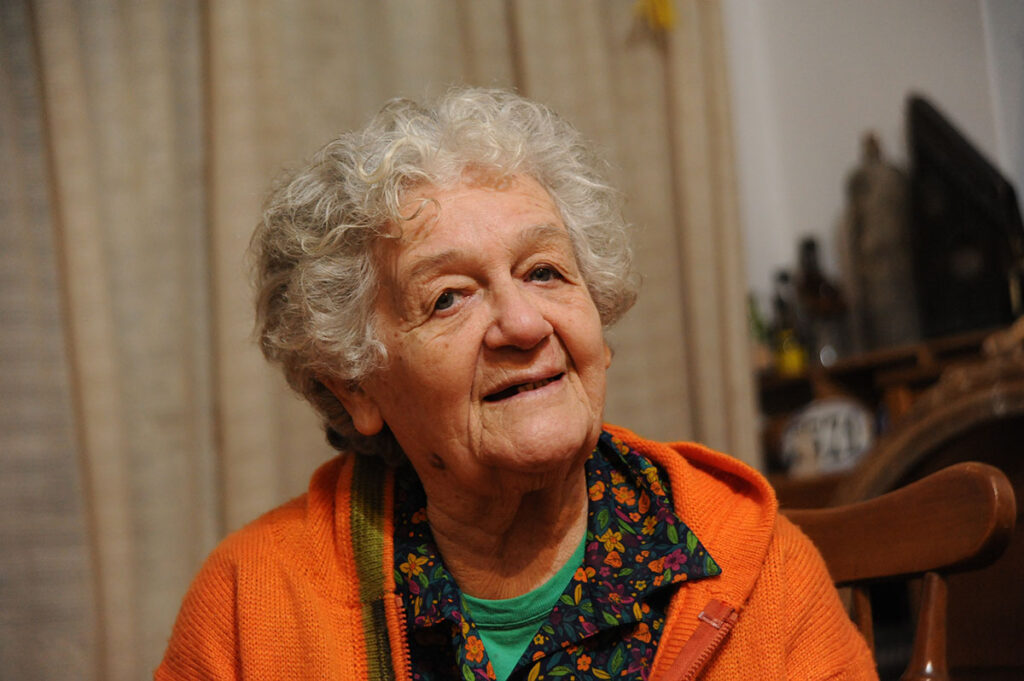
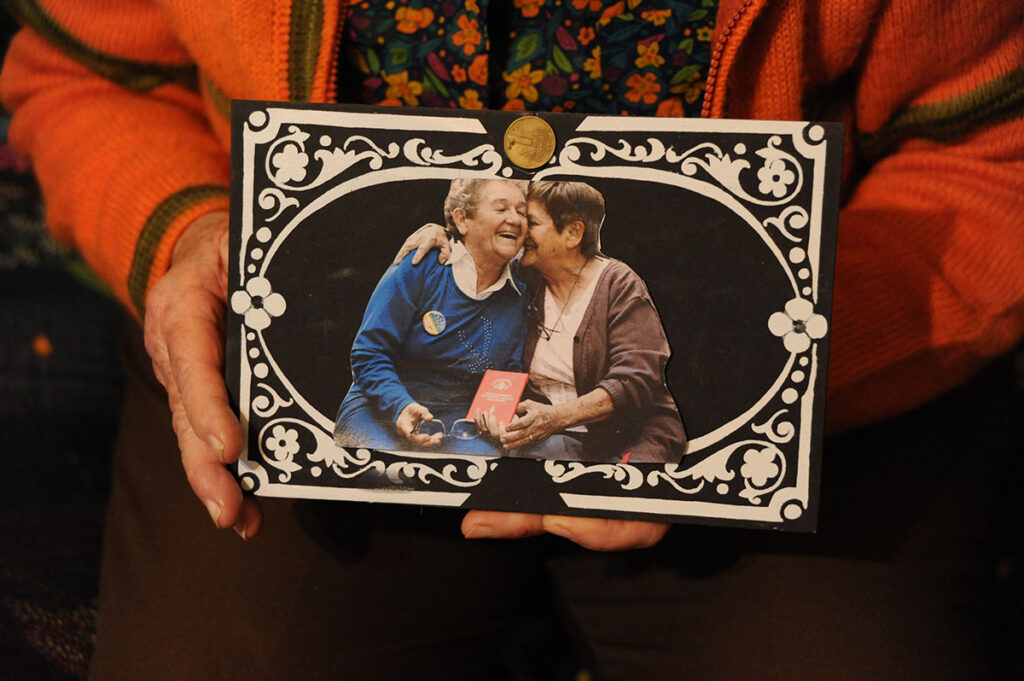
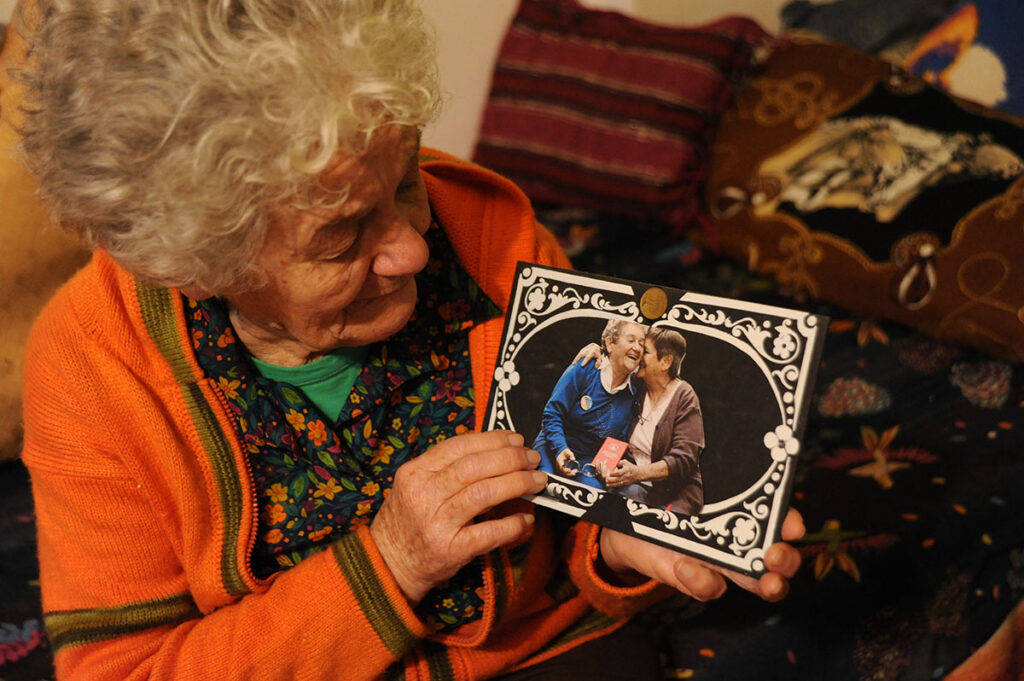
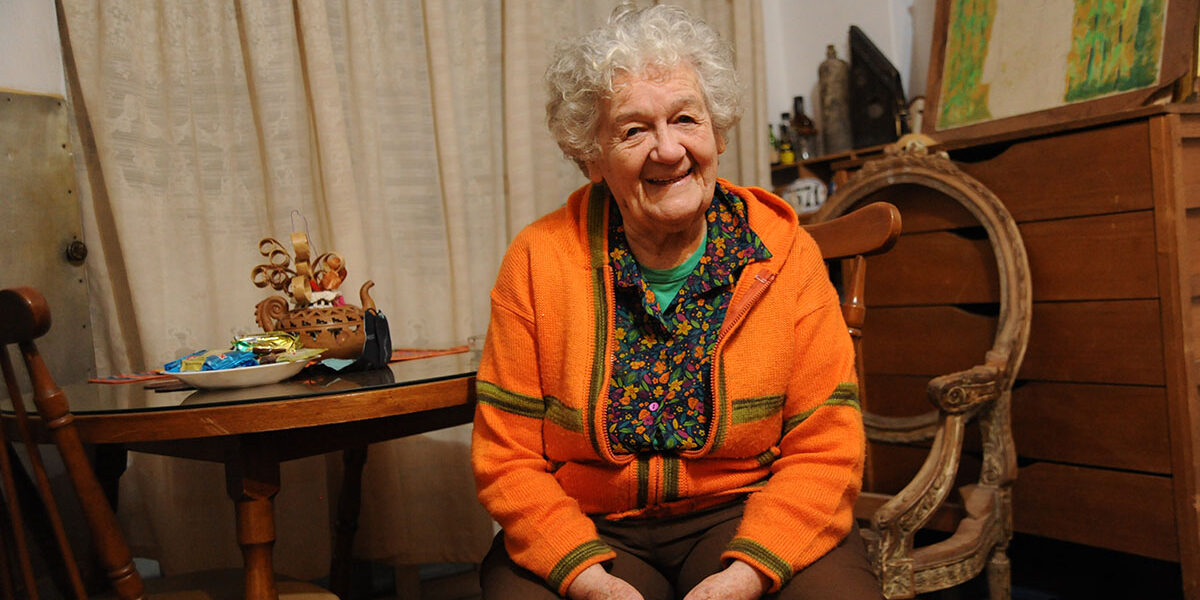
Norma Castillo is a long-time activist for human rights and the LGBTQ+ community. She was born in Goya, one of the most populated cities in the province of Corrientes. On March 10, 2022, she turned 80. Throughout her life, she dedicated herself to science and art intermittently. She always said she was rebellious. She didn't realize until she was 35 that she had been "living a life of mistaken identity." At that time, married to a man, she understood that she was a lesbian. Ramona "Cachita" Arévalo was her great love.
Cachita and Norma were married in the first civil marriage between women in Latin America and the Caribbean in 2010. Three months later, the Equal Marriage Law was passed. Cachita passed away in 2018.
“Cachita and I were very free. We had experiences, never a husband and wife relationship, or anything heterosexual. Both she and I fought to be free,” he tells Presentes .
She believes it's important to consider sexuality in old age. "It still seems that giving freedom to the erotic sensibilities of the elderly is only allowed for wealthy men."
Karina Pintarelli
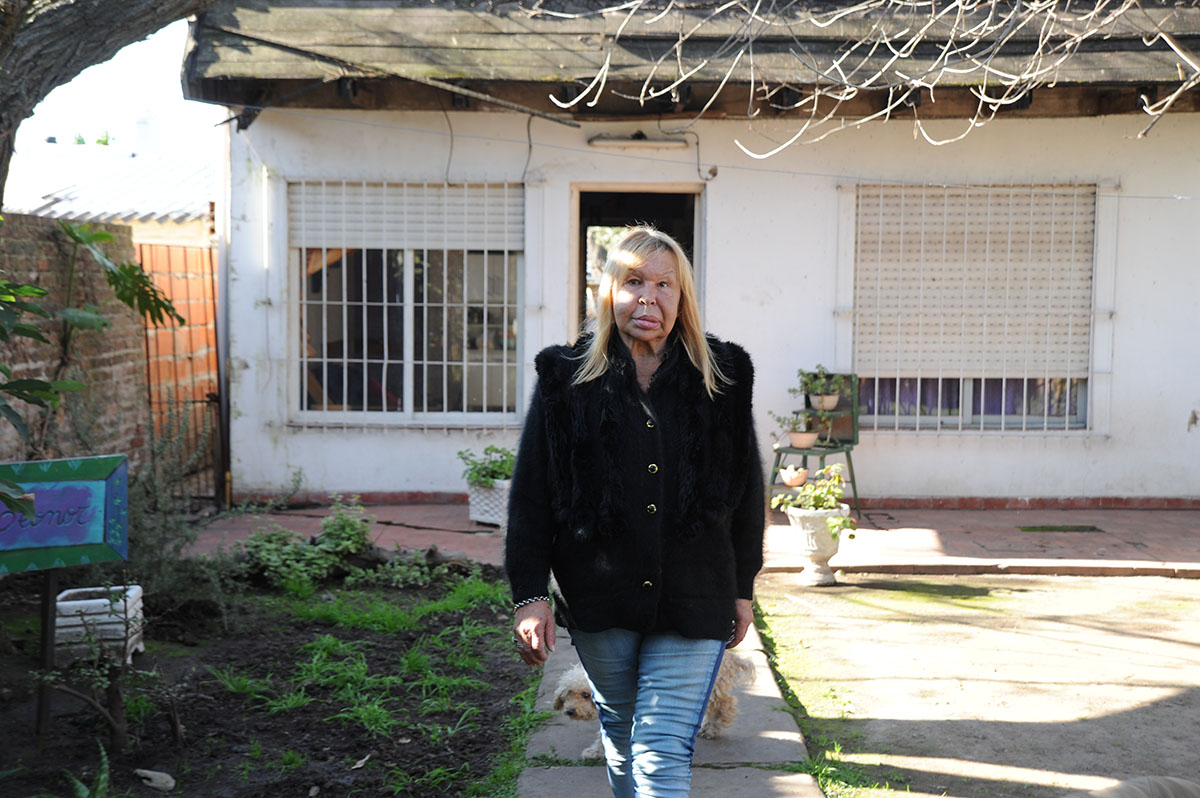
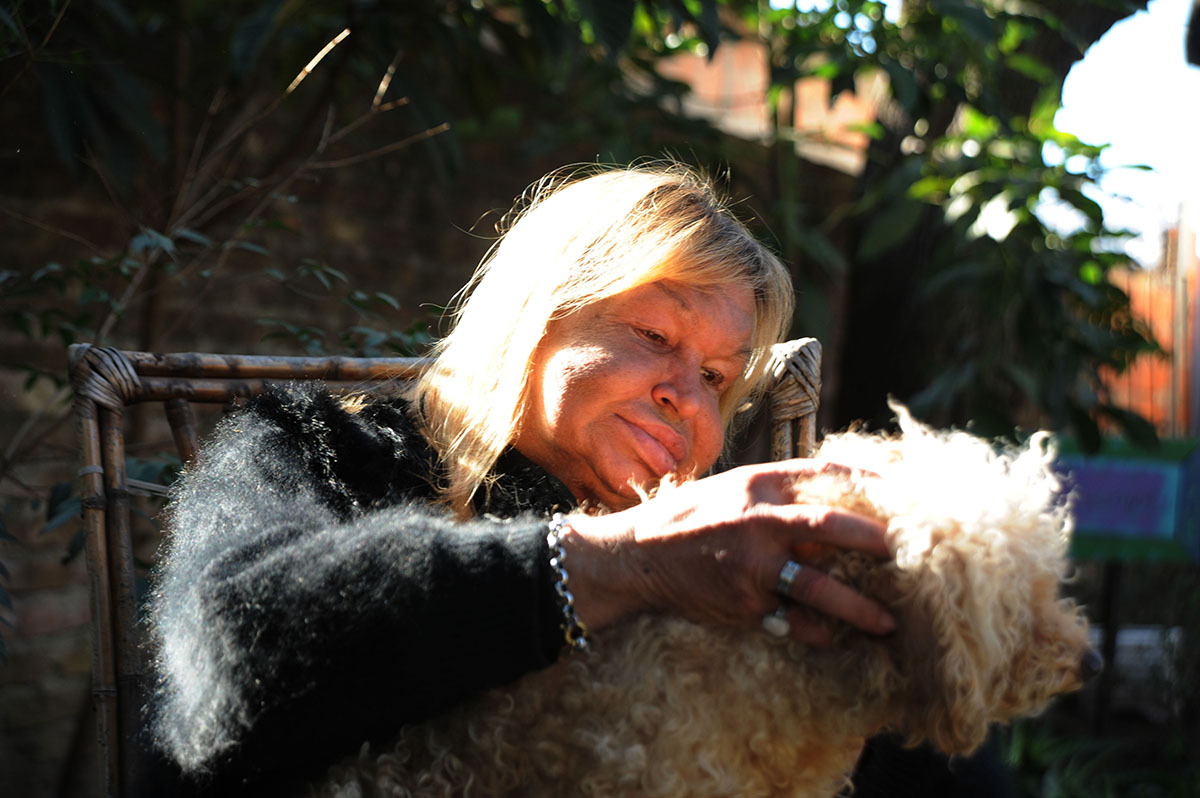
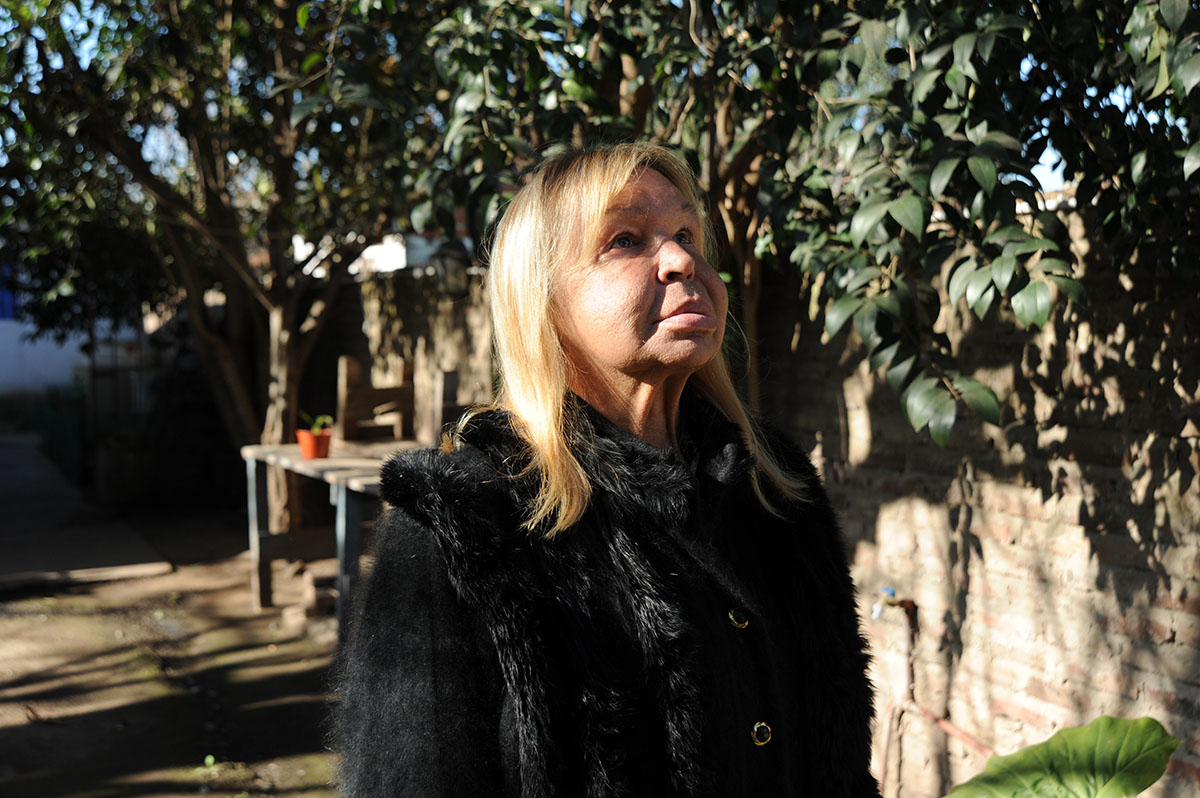
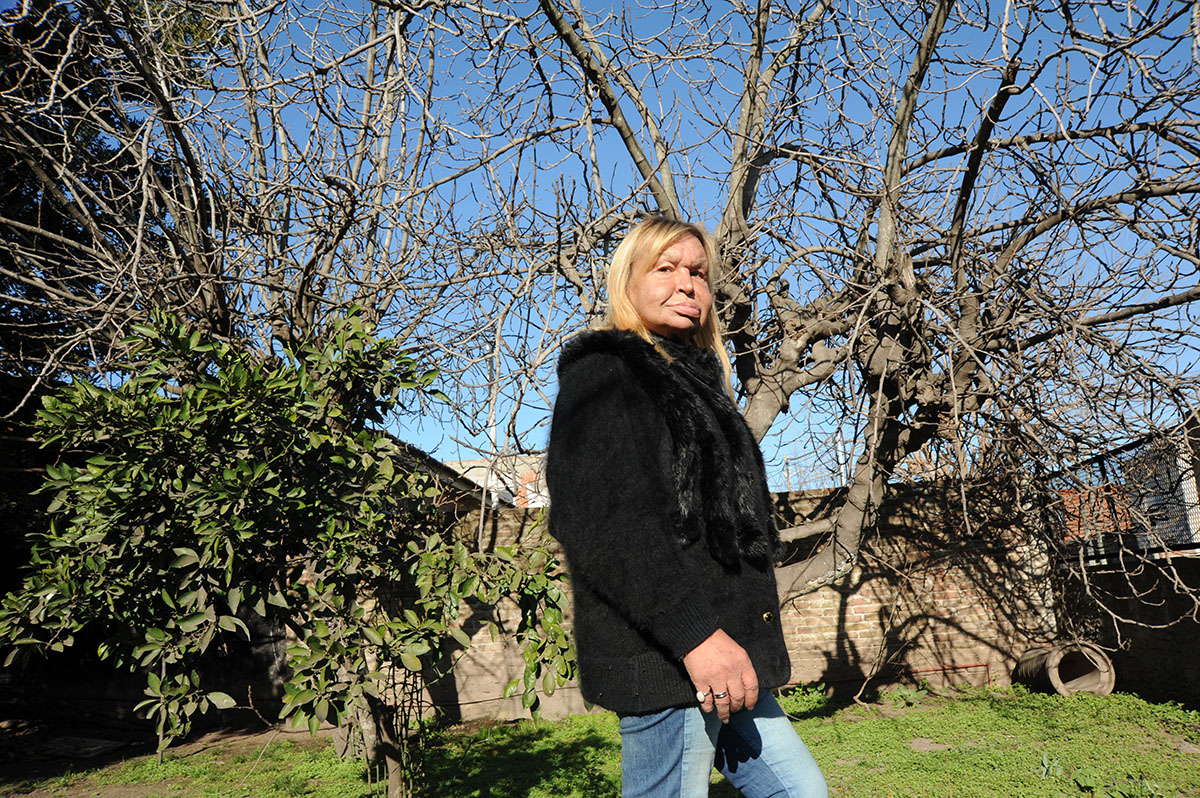
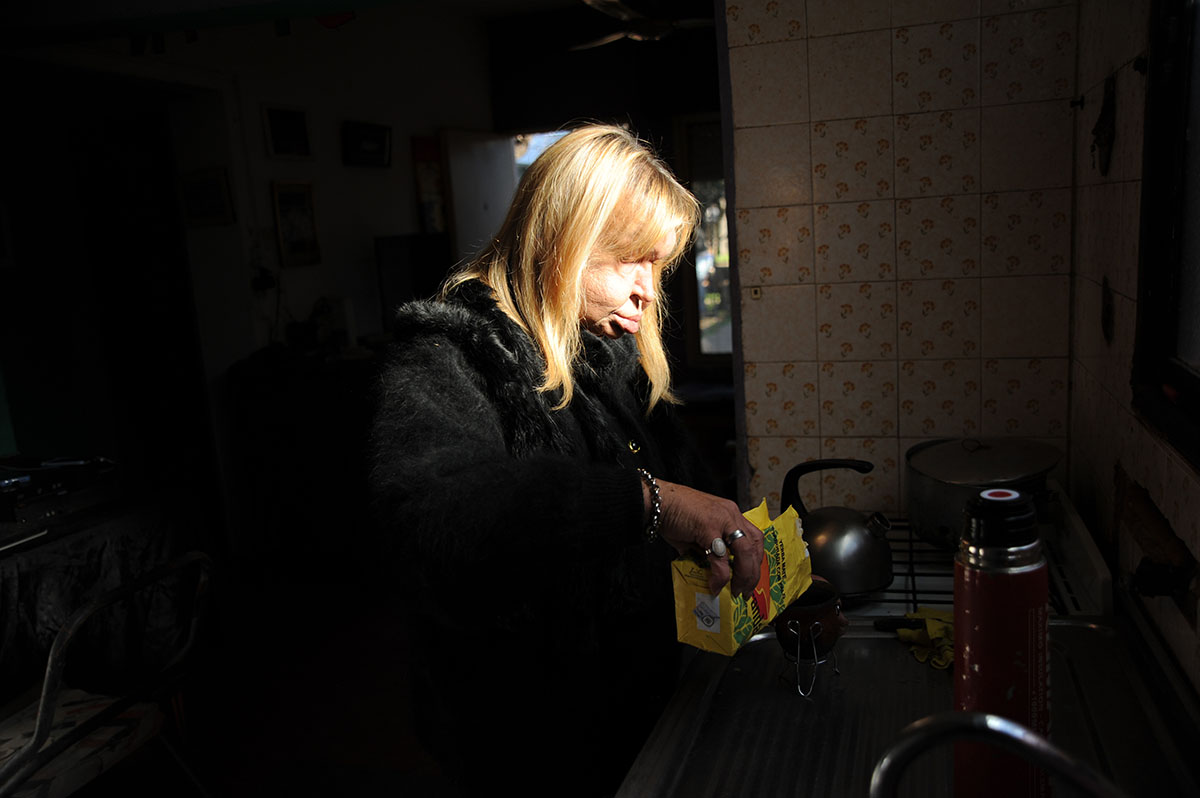
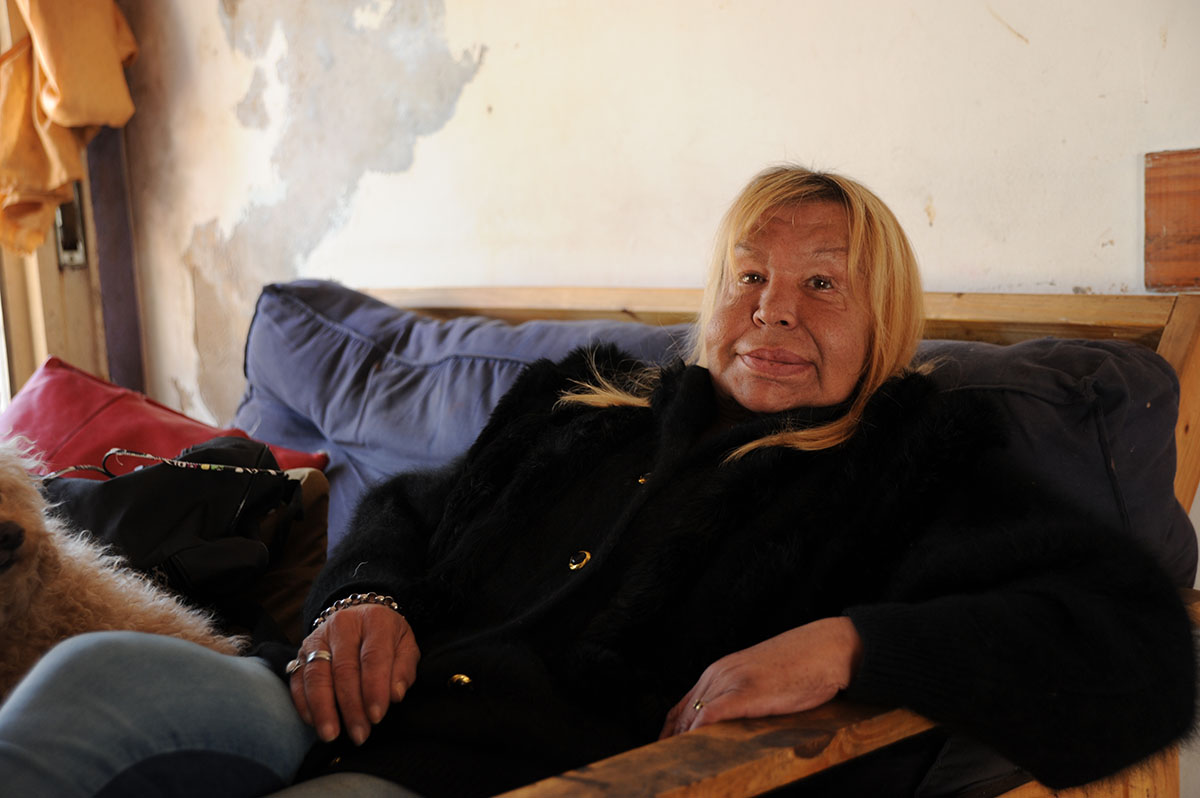
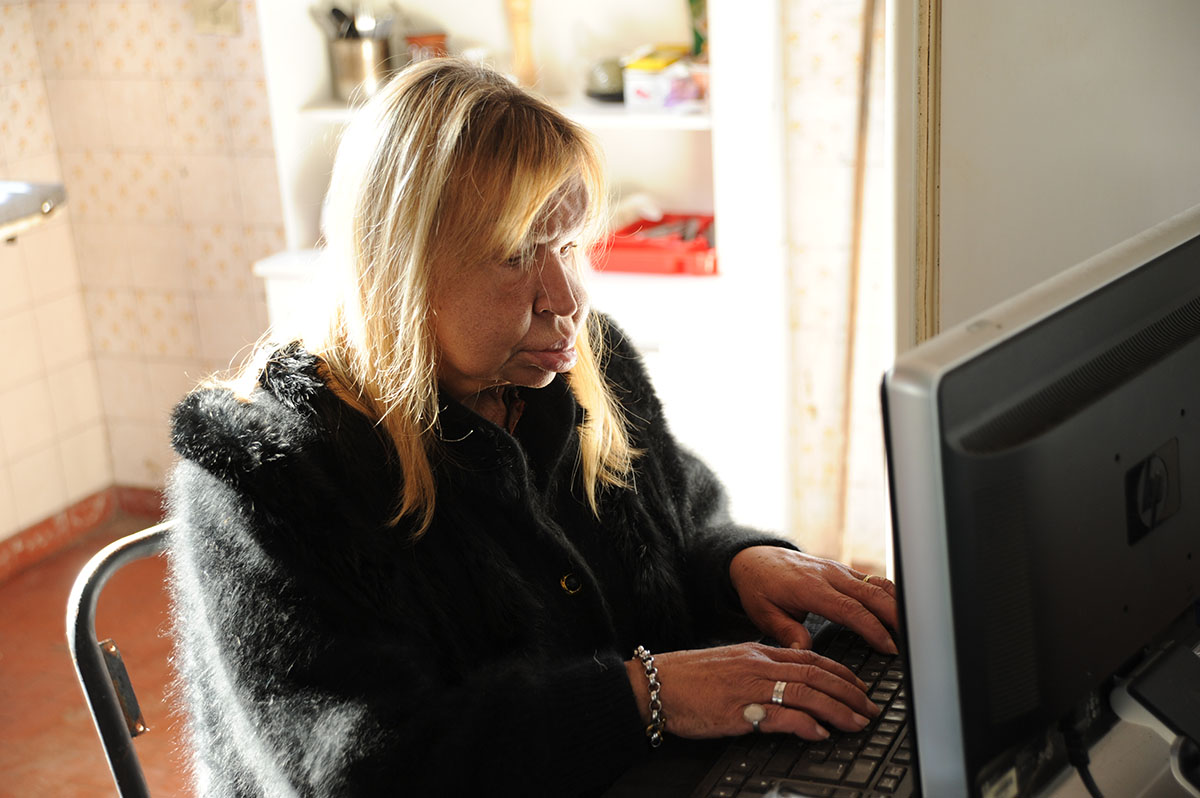
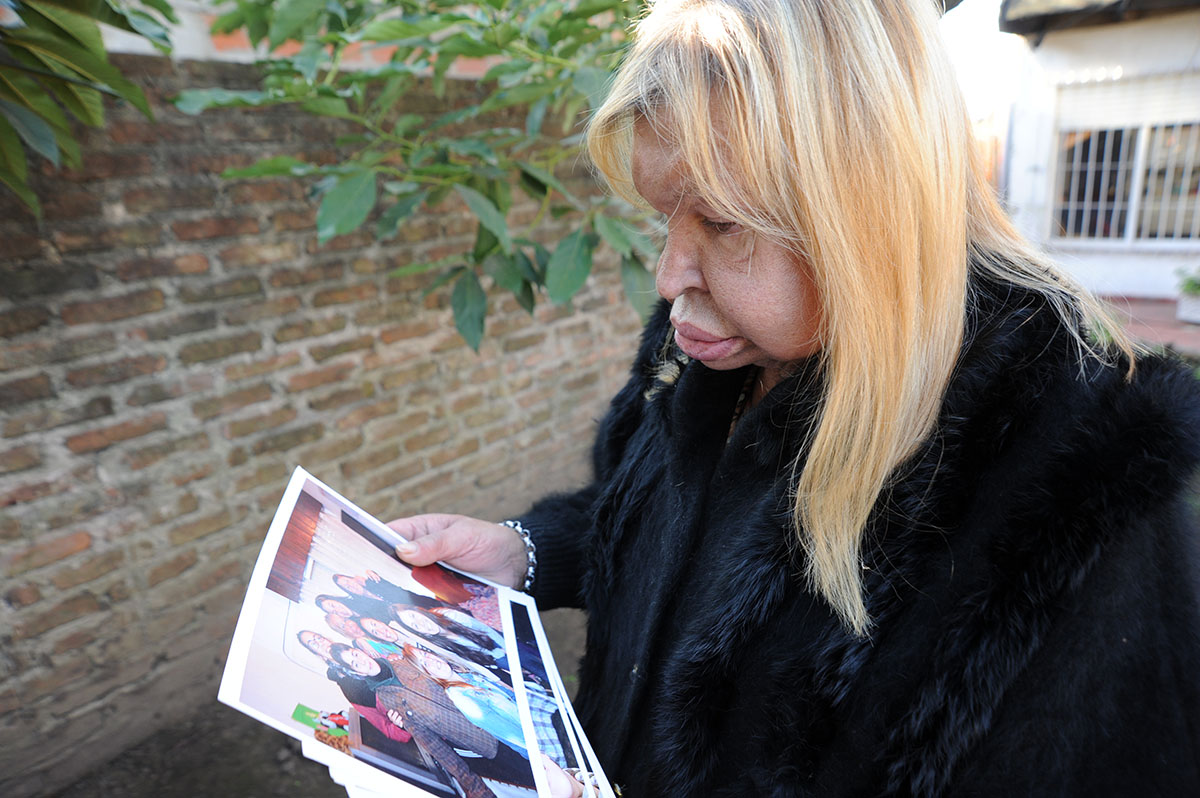
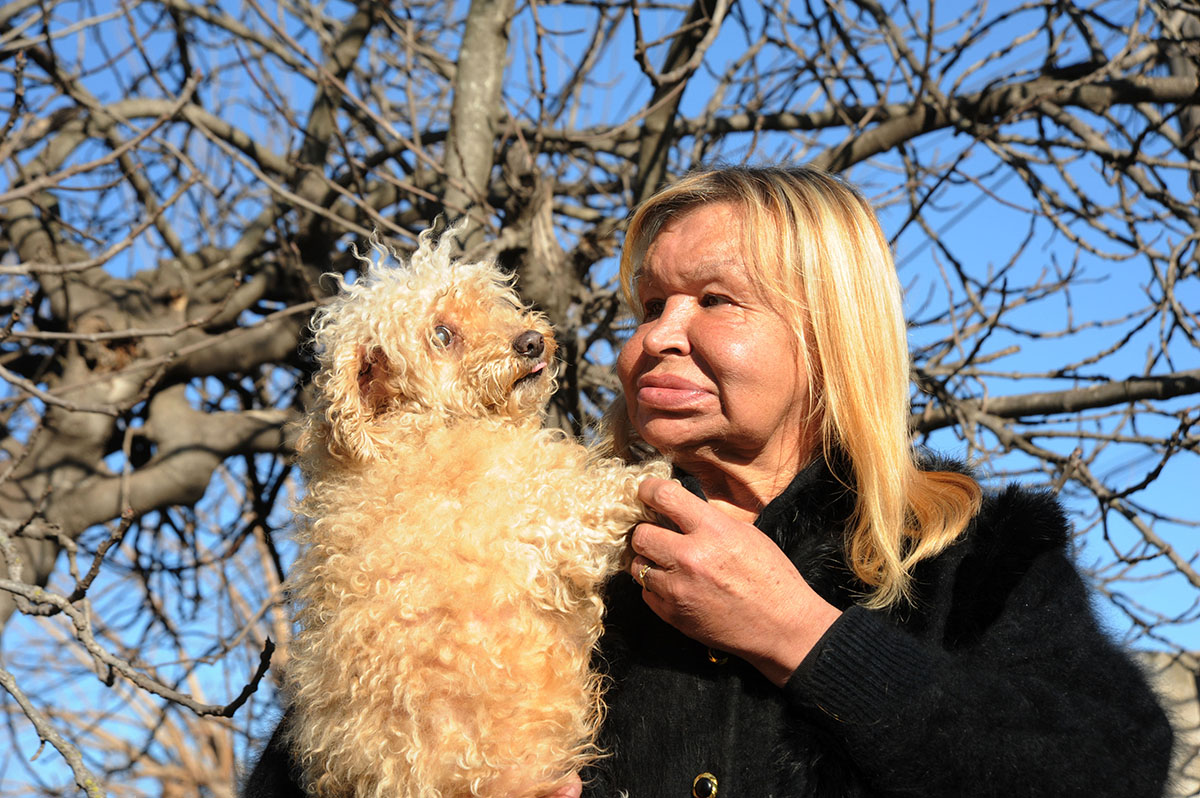
At 64, Karina Pintarelli is a survivor. She spent her childhood in a group home in the Paternal neighborhood of Buenos Aires, with two siblings and her mother, who supported her gender transition. She began working as a prostitute at 22. She endured persecution and police violence throughout her life and spent six years homeless.
After a five-year struggle, on July 15th she became the first transgender person to receive reparations from the national government . The Ministry of Justice and Human Rights recognized the violence and persecution she suffered because of her gender identity during the last military dictatorship.
“I can tell this story while I’m still alive. This is a recognition of what we went through. I would like to share what we experienced then and what we are experiencing now. To my comrades, I say keep fighting, because by fighting, you can achieve things,” Karina told Presentes . Today she lives at Casa Leonor, in the province of Buenos Aires, with three friends, and is an activist with the organization No Tan Distintes.
Edgardo Corts
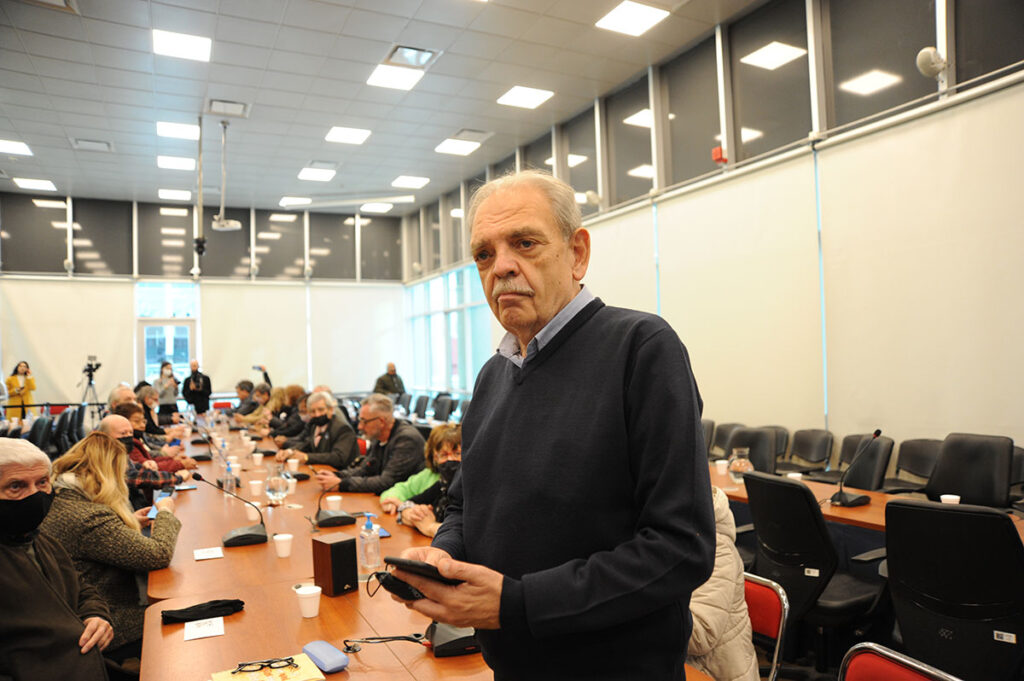
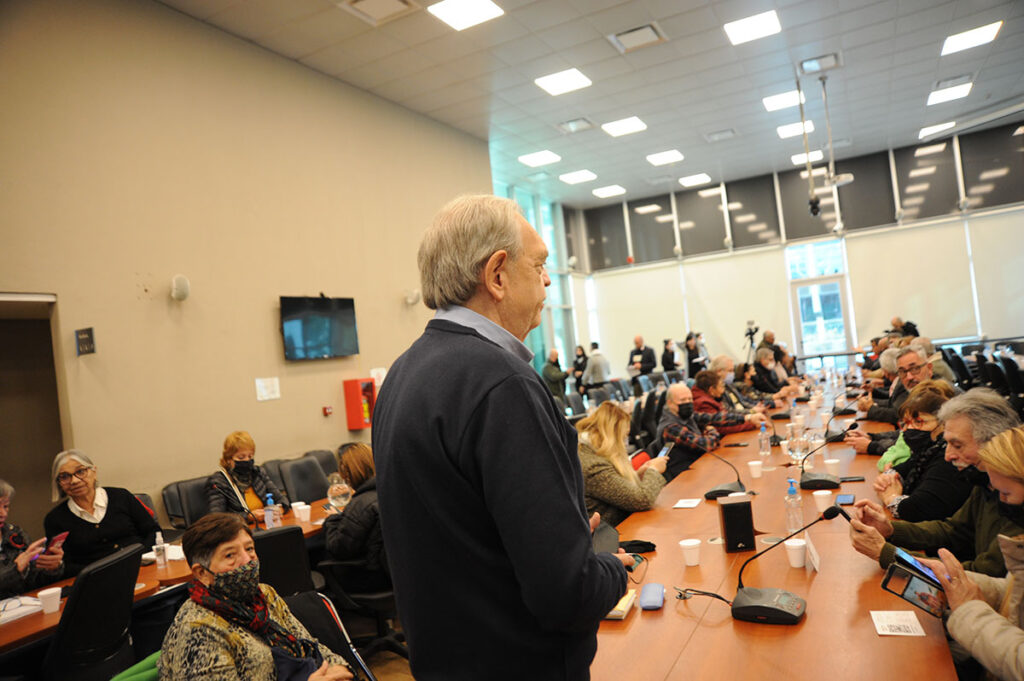
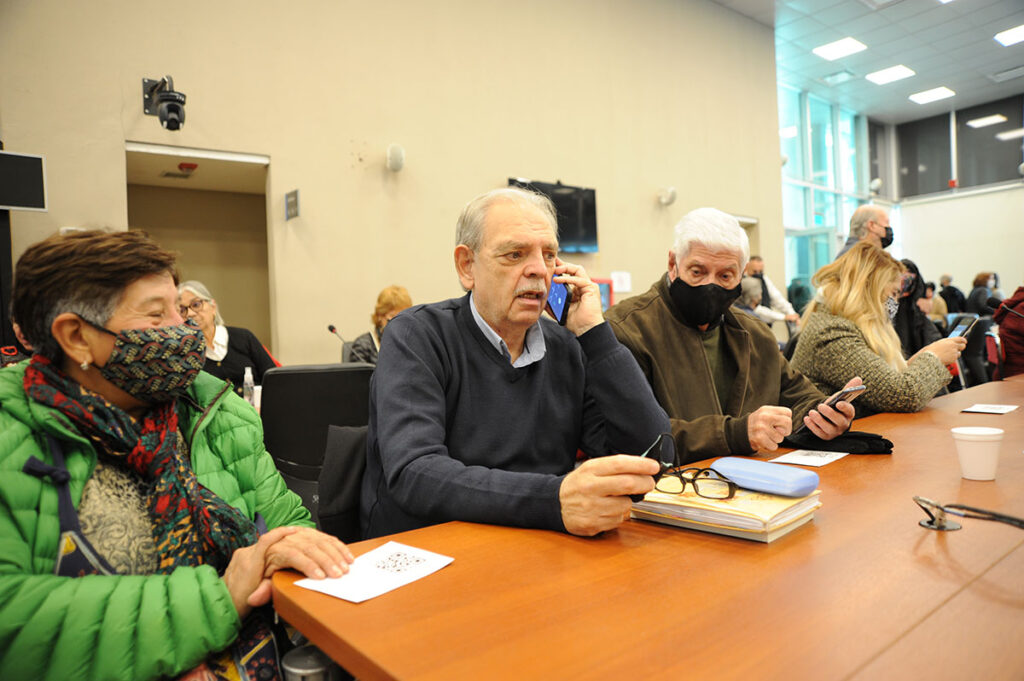
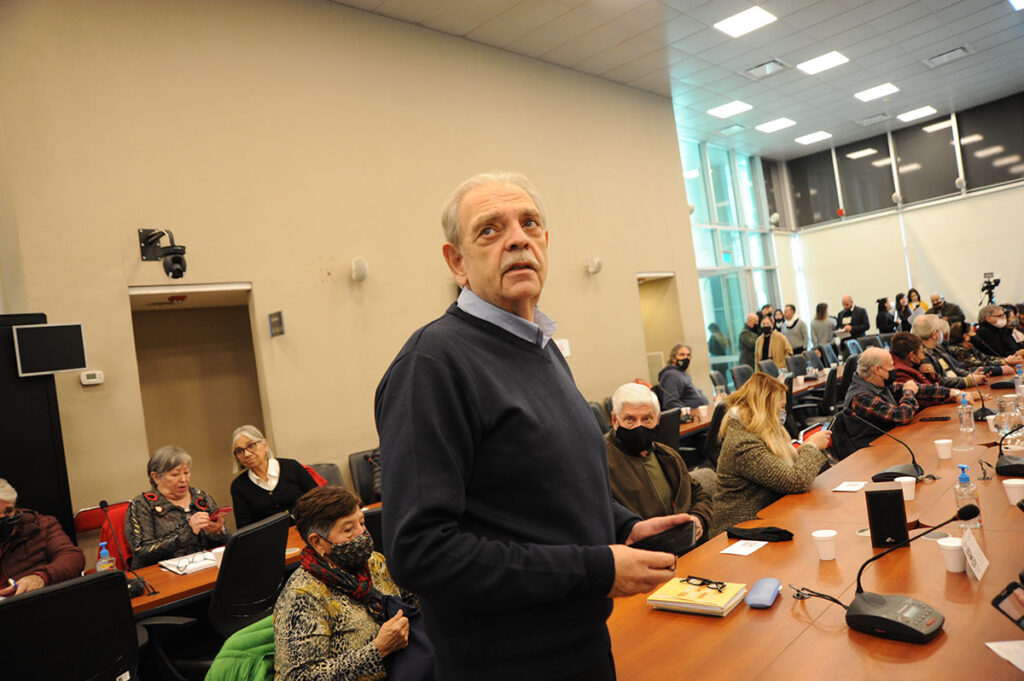
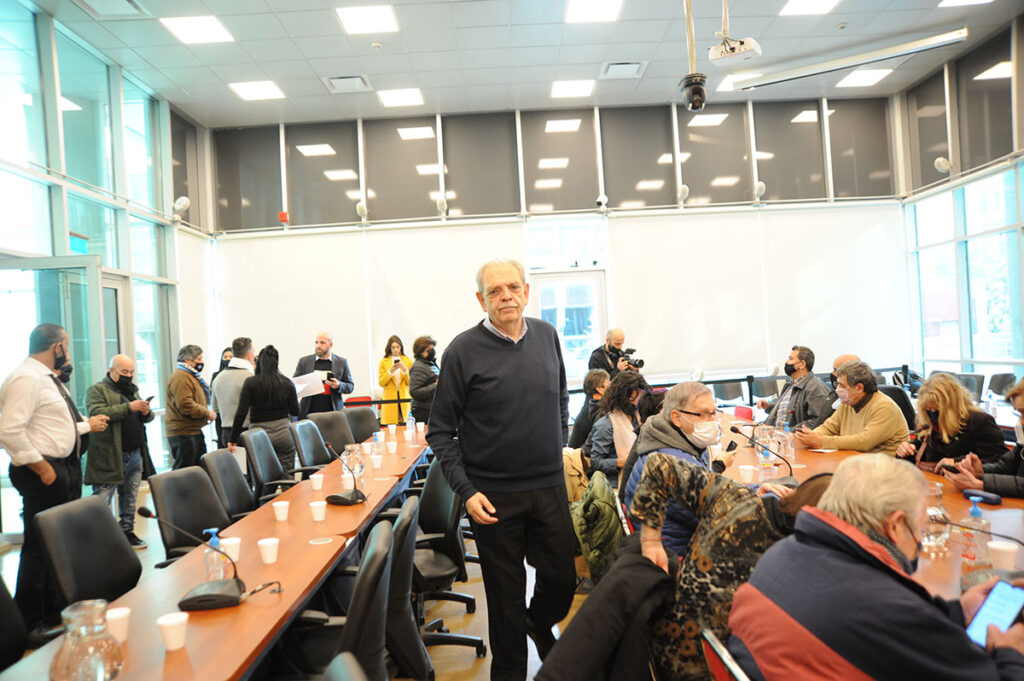
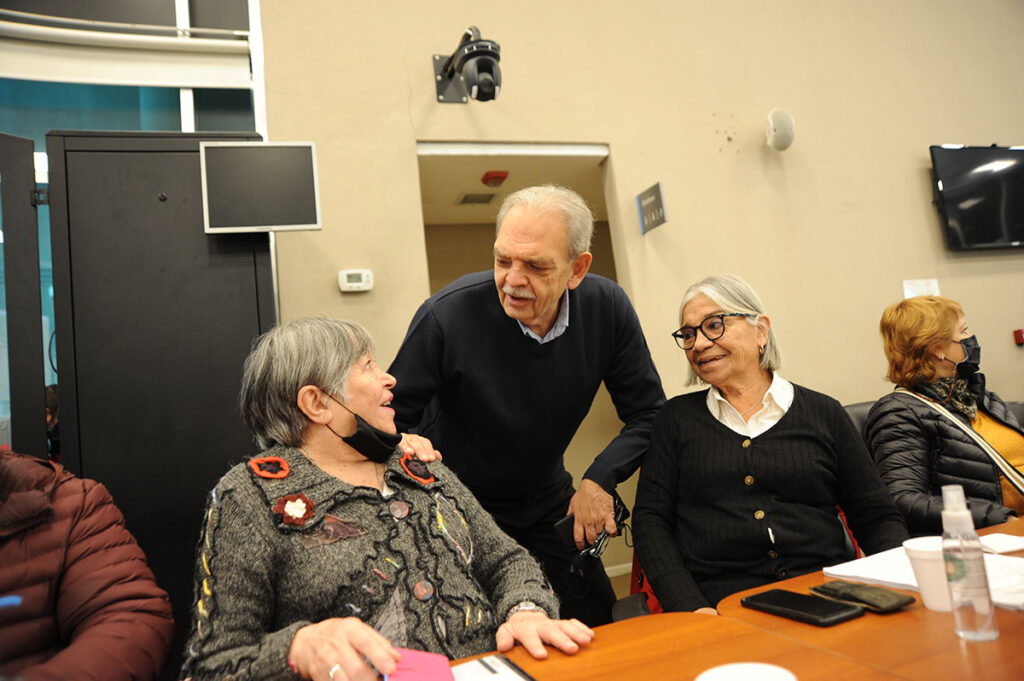
At 71, Edgardo Corts has dedicated much of his life to fighting for the rights of the LGBT+ community and older adults. He lives in Buenos Aires and is a founding member of the organization Mayores en la Diversidad (Seniors in Diversity) and the Frente de Personas Mayores (Senior Citizens' Front), as well as vice president of the ATE Capital Retirees and Pensioners Center.
She says she has lived through two pandemics : HIV/AIDS and COVID-19. She believes that the invisibility of older adults "signifies a lack of awareness of their potential." She emphasizes their ability "to continue performing tasks, thinking, and maintaining a sexuality adapted to our age." And she asserts: "The great struggle of older people is against stigma, discrimination, and personal prejudices."
We are present
We are committed to journalism that delves into the territories and conducts thorough investigations, combined with new technologies and narrative formats. We want the protagonists, their stories, and their struggles to be present.
SUPPORT US

FOLLOW US
Related notes
We are present
This and other stories are not usually on the media agenda. Together we can bring them to light.