

We, the ones in prison: a photographic project of women and dissidents in Michoacán
The main need of the project is that these women can have a printed photo of themselves in their hands.


Share

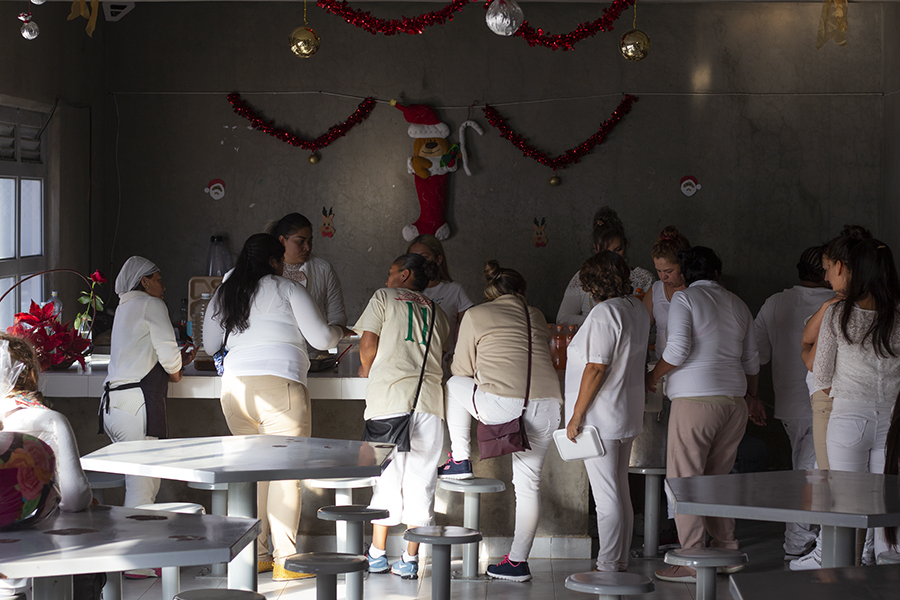
MICHOACÁN, Mexico . "We, the Women in Prison" is a visual record created collectively by Mexican photographer Doménica de la Torre and women and gender dissidents deprived of their liberty. It originated in 2019 at the High Security Center for High-Impact Crime No. 1 and the David Franco Penitentiary Center, located on the outskirts of the city of Morelia in Michoacán.
“For me, this project is a way of telling, through images, who we are, what we are like, what we experience on this side, what we want, what we feel, what we dream, what we think. And not a fabricated story about us, about who we are, what we did, or how we survived,” says Charly.
Initially only 20 people were encouraged to participate; three years later, 150 women and dissidents make up the photographic project.

“The main goal is for people to have the opportunity to look at women and people who are in prison from a perspective free of prejudice, without revictimizing them, because this project is made by the women themselves. They decide how they want to be seen and represented, and with that, we seek to create other ways of looking at those who are in this situation,” says Doménica de la Torre.
The project's main goal is for these women to have a printed photograph of themselves, with their families, their children, their friends, or their partners. This is part of an agreement Doménica proposed to the participating women. The second agreement is to exhibit the project and, in the future, sell photographs selected collectively by all the participants.
Presentes spoke with Charly (42 years old) who identifies as a trans person, with Doña Mago (61 years old) and the photographer, to learn about their experience in the project and the importance of changing “the ways of looking”.
“I’ve been detained for 18 years and they didn’t have a photo of me.”
Mago, as she likes to be called, answers the phone, laughs, and says, “Thank God we were finally able to get through.” Several weeks of attempts had passed, and at last, we were able to connect. She sounds tired, having just finished another day of work in the kitchen of the detention center where she says she has been incarcerated for 18 years.
Mago is one of the 150 women, lesbians, and trans people participating in the project "Nosotras las de la cárcel" (We the Women of the Prison). When I ask her why she decided to participate, she tells me.
“I’ve been detained for 18 years and I didn’t even have a picture of myself, imagine that. I wanted a photo to send in a letter to my children because they can’t come here. They work all the way up north and through Chiapas (in the southeast of the country), but they had already asked me for a photo, but there was no way to get one until Domi (Doménica) arrived.”
Mago recalls that the first photo Doménica took of her was in the multipurpose room, near a crucifix. “I was more or less dressed up, I had a little touch-up, and when I saw myself I felt joy because despite being 61 years old I didn't look so bad. I saw myself as my own friend, I remember saying cheer up, you're not alone, I'm here,” she says, laughing.
For Charly, the encounter with his first photograph was different. This is how he remembers it.
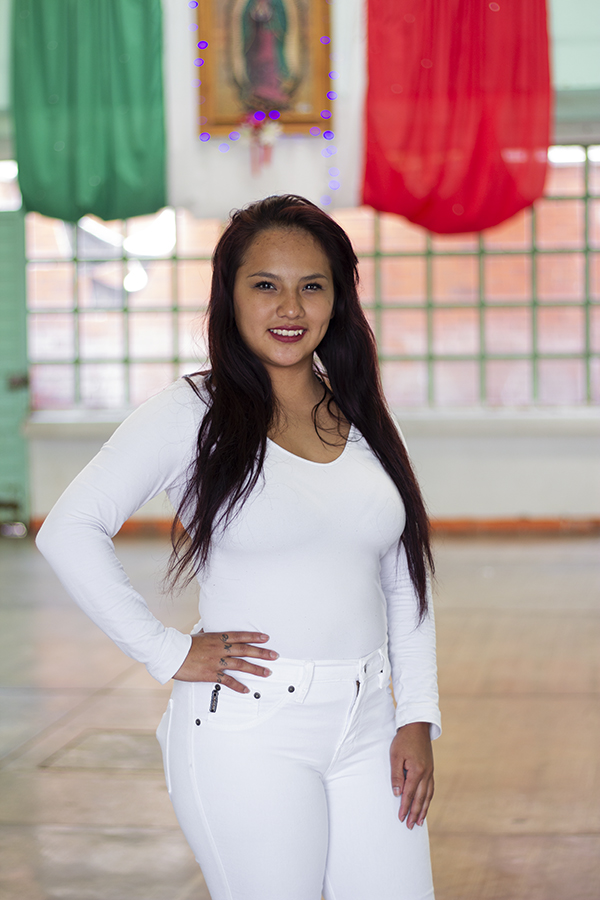
“The first photo Doménica took of me was one with my wife. I saw myself, I analyzed myself. It was the first time I saw myself wearing beige and white. The thing is, I had been in prison before, I was responsible, and I paid my full sentence. In that Cereso (Social Reintegration Center), we wore any color: blue, red, green, civilian colors. I got out, but now I'm here for a crime some bastard framed me for. How many years? I don't know. I haven't even started the legal process, and I've already been here for five years, and this is a mess. Seeing myself in beige and white made me say, 'What the hell are you doing here?' There comes a point when you lose track of yourself when you see a photo of yourself, and that first time was intense.”
In Mexico, 5 out of 10 women remain deprived of their liberty without a sentence, according to the National Survey of the Population Deprived of Liberty ( ENPOL, 2021 ). This figure has increased since 2019 after the approval of an amendment to the Mexican Constitution that expanded the list of crimes warranting mandatory pretrial detention.
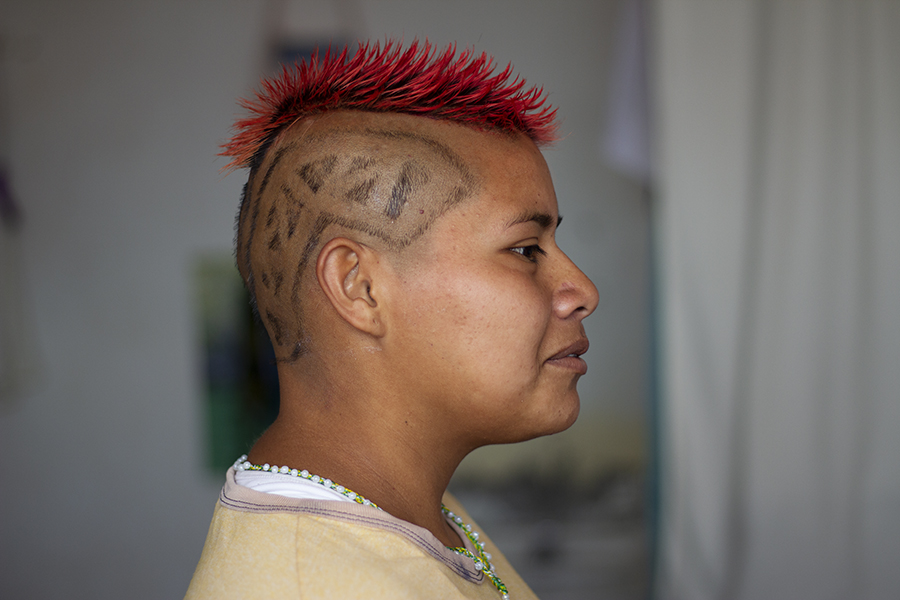
A year without visits, without economic flow and without photos due to the pandemic
“Suddenly, the administration told us that there would be no more visits until further notice. We never imagined it would be such a long process. Many of us were devastated; the atmosphere was awful. I even broke down because I had no money, I couldn't see my mother, and I didn't know if I would ever see her again because she's so old,” Charly recounts.
The visitation restriction was extended for a year and resulted in serious consequences for her finances and mental health. The " We Women of the Prison" also stalled.
The income for those deprived of their freedom comes from the handicrafts and food sales the women make there. Visitors and administrative staff are their main customers. When that income stream dried up, Charly and Mago mention that during that year, “surviving became much harder; sometimes we didn’t even have enough for toilet paper.”
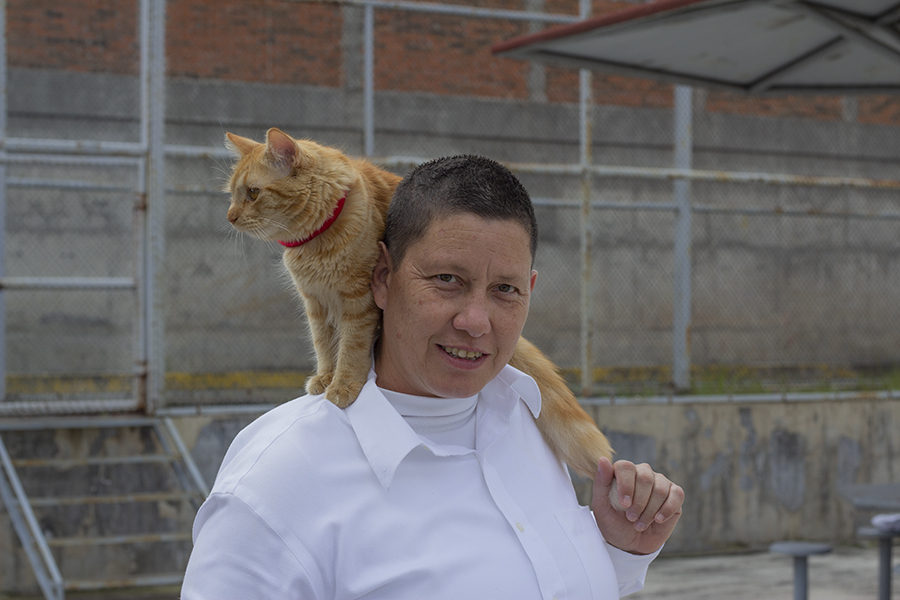
“A catalyst for emotions and a reminder of their strengths”
In carrying out this project, Doménica says that collective processes have been generated that serve "as a catalyst for emotions and a reminder of their strengths."
“Seeing a photo of themselves is a surprise. It’s an encounter with themselves. After the photo is taken, they all automatically want to see it. ‘How did I look? How do I look? ’ is the first question. We review them together, like friends looking at a photo, and in doing so, there’s always someone who’s like , ‘Dude, you look good like this,’ or ‘like that.’ This exercise has helped us to look at ourselves in more loving and compassionate ways. To begin to believe that they truly look good, that they are beautiful, that they are and look strong and powerful, and that’s what they embody. It couldn’t be any other way,” the photographer adds.
Domenica, Mago and Charly agree on one thing: photography is more than just a visual record.
“I believe this project is a political tool that can help us see women and people in prison from a different perspective. And while many of us don't have the tools to name it, in practice it has been a feminist, anti-systemic, and anti-patriarchal project,” adds Doménica de la Torre.
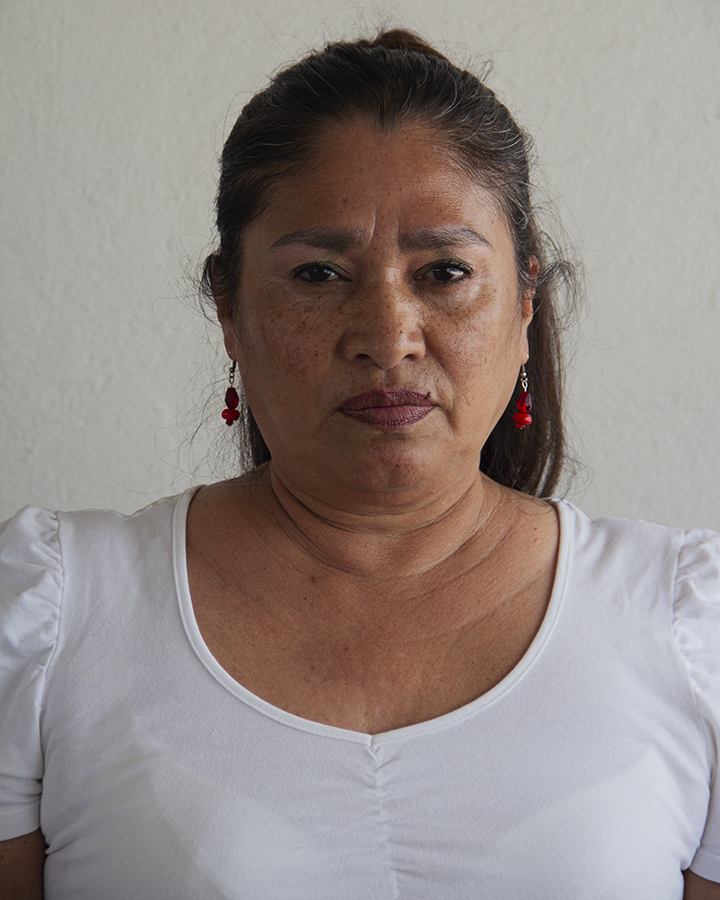
“For me, this journey has been beautiful and a hug that revives you when you're down. We formed a chain among ourselves and we didn't let go. Doménica gave us photos, but not only that, we have all given each other the opportunity to see ourselves as we are, and we are many things, we do many things, and we think in many ways. I am deprived of my freedom, but I am not imprisoned,” commented Doña Mago.
“If you look at the photos, you can hardly tell we’re here. When I see them, I don’t see the prison; I see the girls who dressed up, who put on lipstick that day. I see my wife, who is very, very beautiful. I see the girls laughing, I see smiles, sad eyes, and a tremendous need, you can’t imagine, to tell someone with that photo: I’m here, I love you. It’s a way of showing in images who we are, what we’re like, what we experience on this side. What we want, what we feel, what we dream of, what we think,” Charly concludes.
We are present
We are committed to journalism that delves into the territories and conducts thorough investigations, combined with new technologies and narrative formats. We want the protagonists, their stories, and their struggles to be present.
SUPPORT US

FOLLOW US
Related notes


We are present
This and other stories are not usually on the media agenda. Together we can bring them to light.