

How LGBT cultural spaces cope with economic crises
Self-management, transformation, and community participation were some of the strategies generated by cultural centers for their survival.


Share

BUENOS AIRES, Argentina. Cultural centers welcoming sexual diversity weathered the pandemic through networks, reinvention, and a loyal community that provided support. They also worked tirelessly. Today, with year-on-year inflation in Argentina reaching 71% as of July 2022, they continue to operate despite difficulties. They remain committed to opening their doors to maintain a safe space for connection.
Promoters of various LGBTQ+ cultural centers emphasized to Presentes the importance of these spaces. From there, they build outside of "hetero-patriarchal" logics, through cooperation, networks, and trial and error. Therefore, they point to the need for support to continue operating.

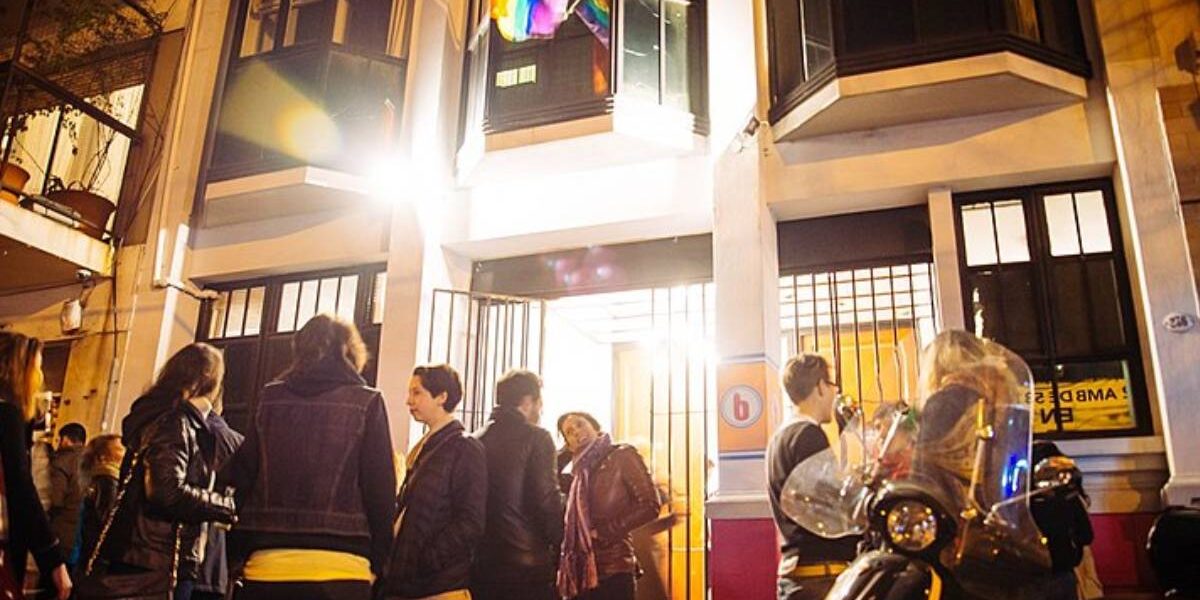
Photo: María Chara
A cooperative with pride
The various generations that passed through Pangea during its 16 years of existence contributed to the identity of the cultural cooperative. Located at 289 Laprida Street in San Miguel de Tucumán, the worker-managed collective operates as a cultural bar, “one of the few remaining in the province.”
“We have been able to sustain this project with its diverse characteristics thanks to our management approach. We continue to believe in supporting diverse and local cultural expressions, especially even though it may not be a profitable proposition right now,” they say.
The speakers are Guida, Tahiel, Elisa, and Carmen. They belong to the latest generation to start working at Pangea, six years ago. “We are a much more 'proud' group, where most of our colleagues are gay, lesbian, trans, or transvestite,” they explained to Presentes .
The cooperative emerged in 2008 with the goal of creating employment through a much more horizontal work dynamic, without a boss. Its focus is not only on profit generation but also on the personal development of its members. "One of the most important characteristics is that we are not alienated as individuals when we come to work," says one of its members.
Following this logic, they were able to survive several crises. The Macri administration and the Covid-19 pandemic presented serious challenges. “We thought we were going to keep it alive no matter what. There were months when we earned very little and were working flat out. We put in far more hours than we had planned because we wanted to keep the space going at all costs,” they recalled about that time.
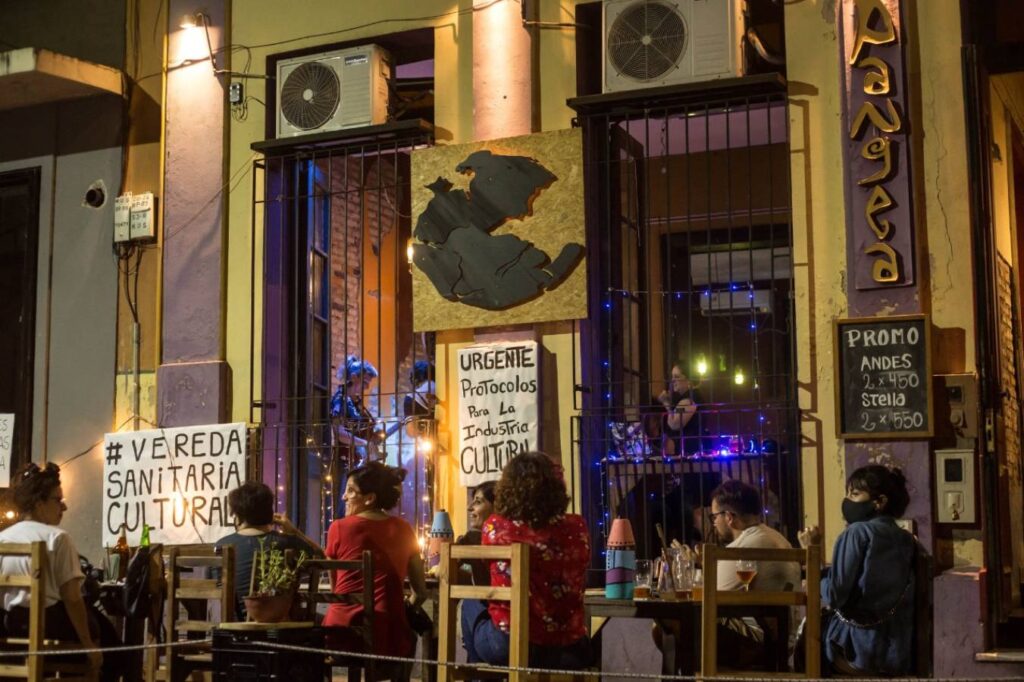
Photo: Lau Vallejo
Crisis, pandemic and community
The pandemic brought difficult conditions for the maintenance of cultural and creative industries in Mercosur and Latin American countries. In this regard, 2.6 million jobs were affected, and an estimated 80% loss in income and sales was recorded between July and November 2020. This is highlighted in the Assessment of the Impact of COVID-19 on Cultural and Creative Industries , published by the United Nations Educational, Scientific and Cultural Organization (UNESCO) in 2021.
One element was crucial to Pangea's development in this context: “We've had a very supportive response from the community. They were open to helping the space at times when sales were very low. People chose to buy from us to help sustain this place and this project,” they said.
As some social and health measures were relaxed, sales gradually increased. However, the situation for many artists remained precarious. So, they came up with a collaborative proposal: “We provided the space, and the artists themselves organized and set up a safe sidewalk. We closed off the street, put up a small sidewalk, and there was singing, recitation, theater, dance, and music. This helped to reactivate the artistic scene in a way. It was a very important process for the entire community in the capital of Tucumán,” they explained.
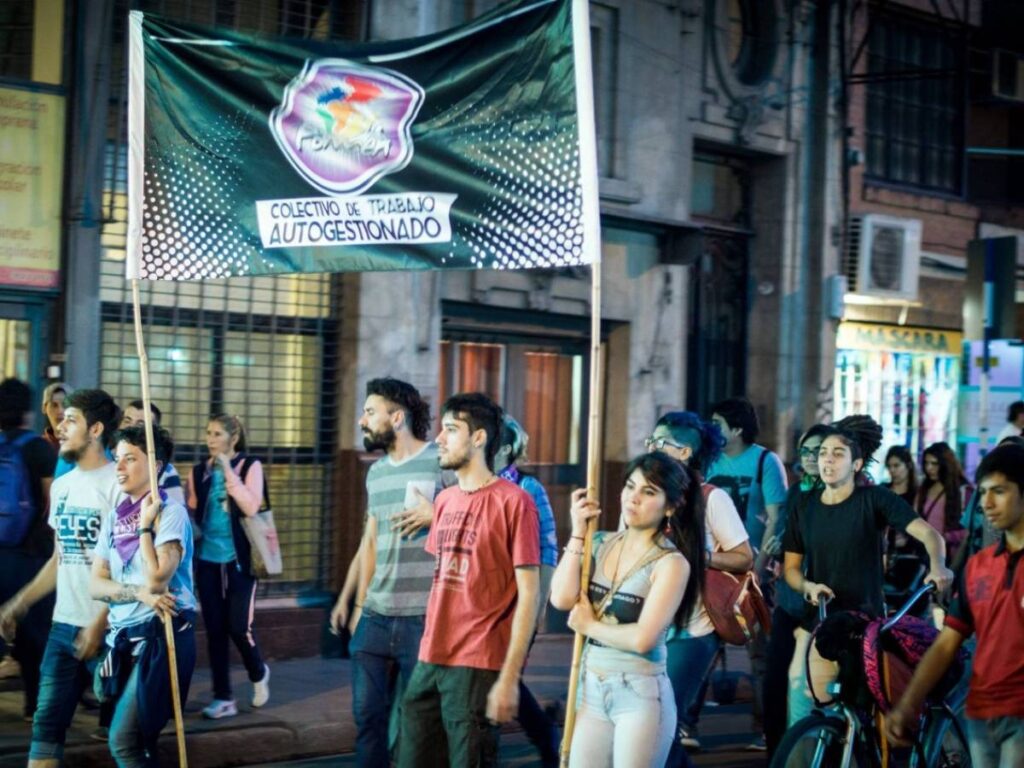
Photo: Jean Micod.
Bar, culture and LGBT activism
Pangea is “a meeting place,” say its members, recalling that the province’s first Pride Marches were planned there. “We aim to create jobs and maintain a violence-free space that is safe for the entire community and anyone who wants to come,” they agreed.
Currently, the bar's situation remains difficult. "The cooperatives' long-standing demand," they explained, "will always be for government support. When we're in the most critical moments of crisis, bailouts generally go to private companies and monopolies, leaving the informal economy sector relegated to programs like Potenciar Trabajo , which are insufficient to sustain a business like this."
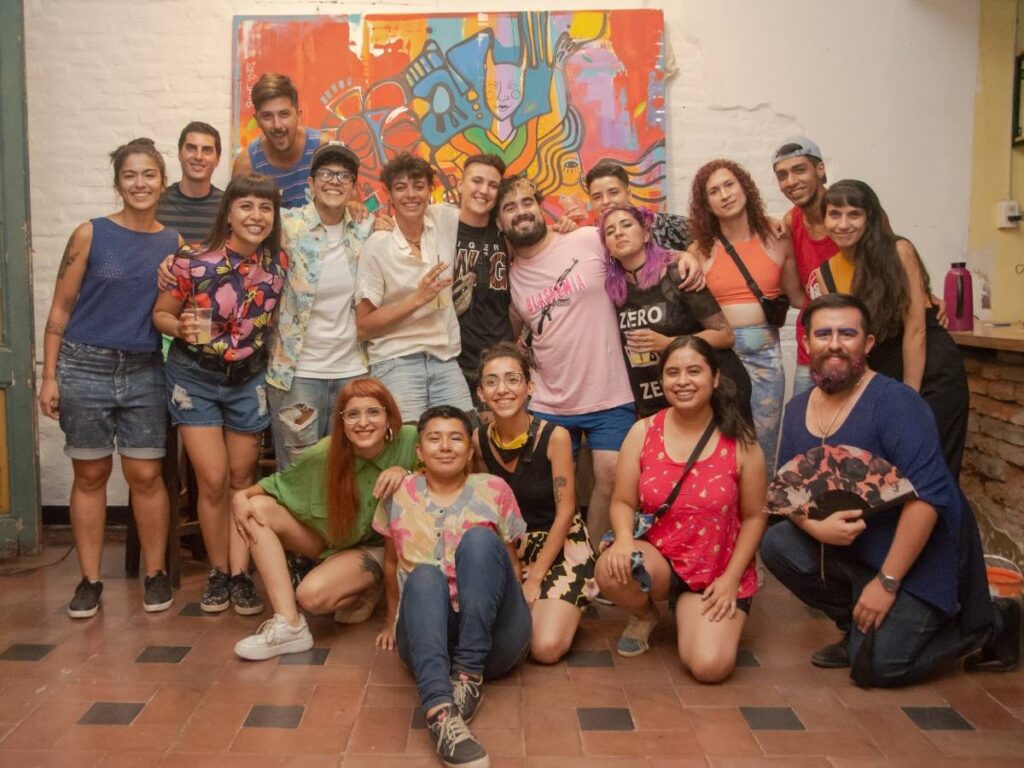
Photo: María Chara.
A contribution to local culture
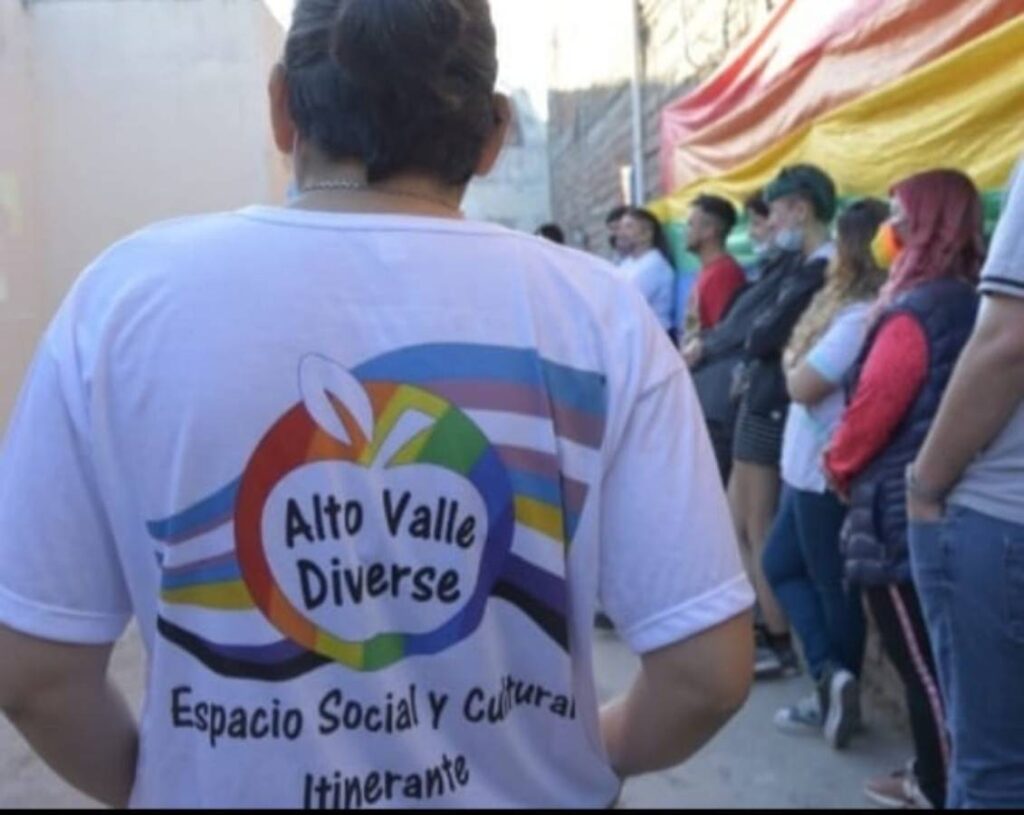
In 2019, a traveling cultural initiative, Alto Valle Diverse Sole Caballero, a cultural manager, audiovisual and theatrical producer, and member of the initiative, to Presentes
The initiative arose from a group of activists who began to ask themselves many questions. They all agreed on the need to work on three key areas. First, the accessibility of culture and art for LGBTINB+ people in that region; second, the lack of employment for artists in the area; and finally, the contribution of their art to the cultural and artistic scene.
“Our cultural work as visible LGBTINB+ people will never be like that of cis heterosexual people: we live in a different world and we are convinced that from there we contribute other forms, other ideas, another cultural activity to the artistic circuit,” Caballero said.
Diverse and itinerant
For now, Alto Valle Diverse operates on a traveling basis since it lacks its own space and the funding to maintain it. The theater, music and singing, photography, and Argentine Sign Language workshops are held in different locations through a network of partnerships with other cultural spaces. “When this fails, there are always colleagues willing to open their homes to ensure the continuity of our free workshops for LGBTQ+ people,” Sole explained.
These activities were made possible by their cultural management efforts. They apply to various calls for proposals from the National Ministry of Culture, such as the Gestionar Futuro and the Fondo Desarrollar 3 fund . They also benefit from their connections with organizations like the Red Nacional 100% Diversidad y Derechos (National Network 100% Diversity and Rights) and the Fondo de Mujeres del Sur (Southern Women's Fund ). However, Caballero noted that they have not been able to coordinate with municipal or provincial departments.
The two years of the pandemic were very difficult for the group. “All we could do was think about, manage, and deliver food packages to most of our fellow members. The funds we raised were mostly used for that purpose,” Sole explained. They started holding workshops, learned about online platforms, and suddenly this space became “a source of companionship, a way to be with others, and emotional support for many of us.”
The group will soon launch a screen printing business as a worker cooperative, within the framework of the Ministry of Women, Gender and Diversity's " Produce "It will provide the necessary and independent support for the space and also the possibility of generating employment for several of us," Caballero noted.

A bar for lesbian visibility
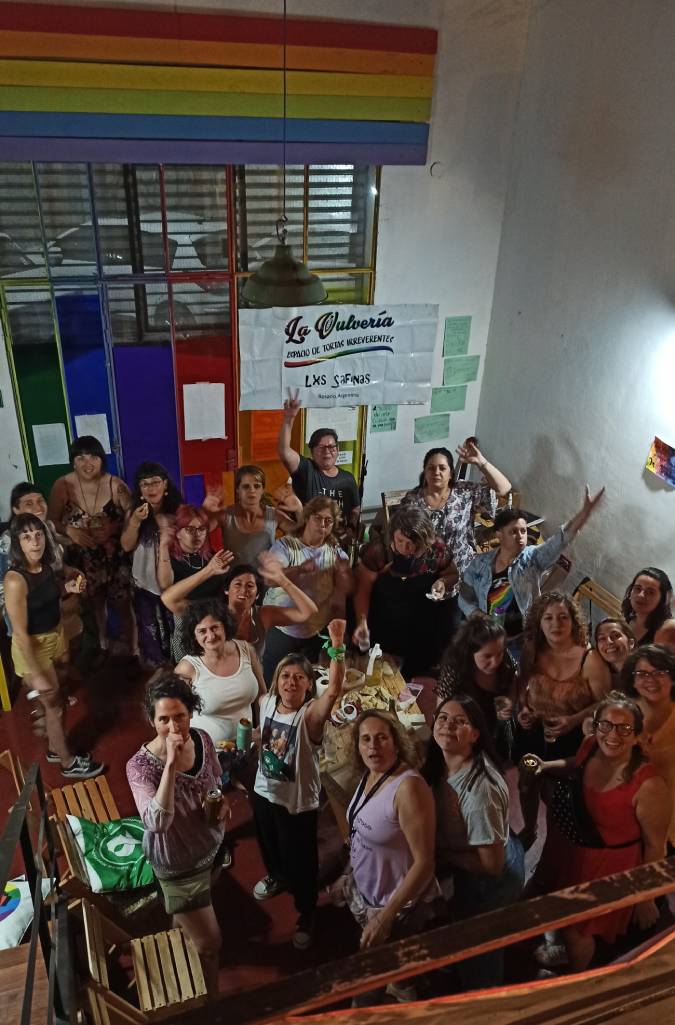
In 2019, the first lesbian-feminist cultural center in the city of Rosario, in the province of Santa Fe, also opened its doors. It is called La Vulvería , located in a space at 1158 Fabricio Simeoni passage, provided by the municipality.
“One of the central objectives of La Vulvería is to achieve lesbian visibility, building strategies to overcome conflicts and overcome inequalities based on sexual orientation and gender expression,” Lxs Safinxs , told Presentes .
Strategies to strengthen networks
Among its most important activities, the space offers vocational training for young people in sublimation printing and graphic design with the support of Santa Fe Más . It also conducts research on lesbian sexual and emotional relationships, supported by the Southern Women's Fund. In addition, it houses the Mirta Rosemberg Library, which has between 80 and 100 books on lesbian and feminist topics.
The pandemic-induced isolation restructured the space. “The harsh circumstances forced us to change our strategies in order to respond to the needs of our community. For example, by strengthening networks and collaborations between LGBTQ+ spaces and activists,” Sarrías noted.
“The reality is that we’ve tried to manage things ourselves, but it’s not enough to cover the day-to-day running of the space. It’s been very difficult. We have the advantage of not having to pay rent. If we did, we would have already disappeared,” María Eugenia explained, describing the daily life of the cultural space.

Towards training
The pandemic also highlighted the precarious situation of independent cultural spaces in Buenos Aires. From March 2020 to the same month in 2021, 85% of these venues were unable to cover their monthly operating expenses. Furthermore, by March 2021, 56.9% were in debt. Meanwhile, the number of permanent staff members fell from 2,107 to 1,436, a reduction of 30%. These figures come from the " Overview of Independent Cultural Spaces in the City ," published by the Metropolitan Studies Center.
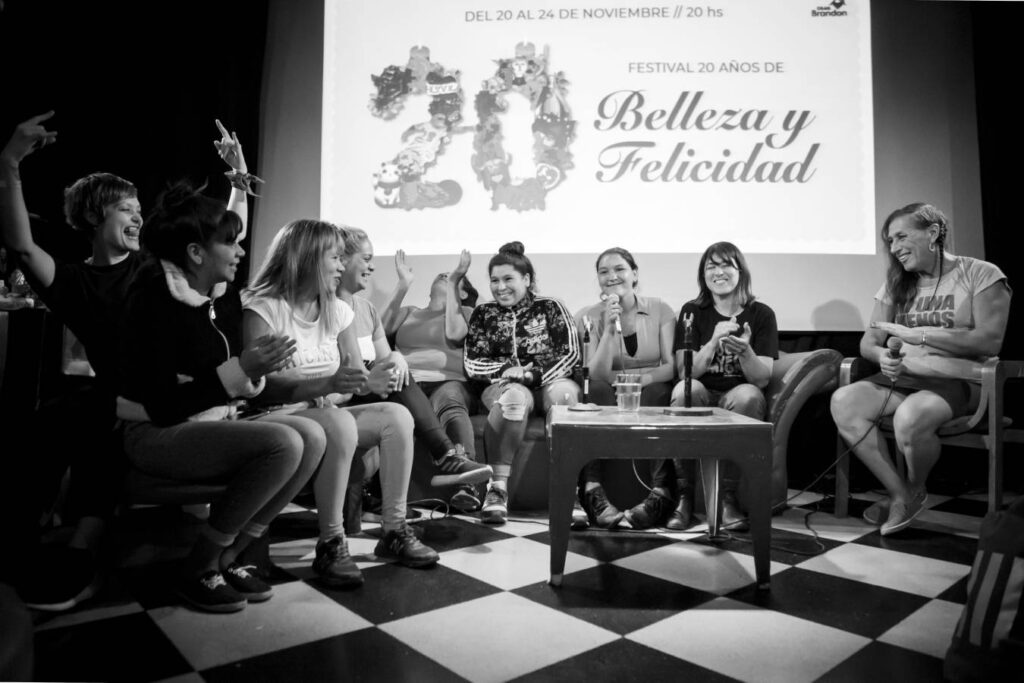
Casa Brandon , located in the Villa Crespo neighborhood of Buenos Aires, is one of the most structurally sound cultural spaces for the LGBTQ+ community in the city. However, for Lisa Kerner, one of the founders and co-director of the space, these past years have been "devastating and very distressing."
“It was a total struggle for survival. Both in terms of how to subsist economically, but also how to continue having activities and a presence in the community. For those of us in charge of managing all those activities and the responsibility of generating those resources, it was a challenge that cost us dearly,” he said in an interview with Presentes .
She also acknowledged that they worked “like never before.” “The house was closed, but to keep it going we had to apply for other funds that were no longer related to Casa Brandon’s work as a cultural center. We moved into new areas of action that we hadn’t worked in before, such as training projects,” she said.
In that sense, the space participated in the creation of the Brandon-Mocha Popular School of Gender Studies and the ESIgualdad (Comprehensive Equality) , alongside Amnesty International and the Ministry of Women, Gender and Diversity. In addition to its transformation, they also added live streaming, one of the first activities they carried out in the space when in-person attendance was not yet permitted.
A trench space
Currently, Casa Brandon continues to "recover," but the country's economic situation is significantly impacting the business. "Inflation is having a major effect... There are some funds we applied for in July 2020, of which we received 60%, and we're still waiting to receive the remaining 40%. That money has been severely devalued, and the funds aren't adjusted according to inflation rates," Kerner explained.
However, she also feels that “they are better off thanks to the formation of the cooperative.” This registration, like others granted to musical groups and cultural spaces, was made possible through an agreement between the Ministry of Culture and the National Institute of Cooperatives and Social Economy (INAES) .
“The cooperative brought a different, cooperative management idea, where we can all make decisions together and also in line with Brandon’s mission, which is to move away from heteronormative patriarchal logics,” Lisa said.
The raison d'être of Casa Brandon is to "provide artists with a space for experimentation, trial and error, equipped with professional equipment where they can develop their skills to the fullest." The space is intended not only for LGBTQ+ people, but also for "everyone."
For Lisa, any process in which demands are transformed into law requires cultural support. “In that sense, I think Casa Brandon functions as a stronghold but also as an engine for projects and associations. For example, the National Front for the Health of People with HIV was formed at Casa Brandon and today achieved the new HIV law .”
“We believe in art and culture as a powerful tool for social transformation,” he concluded.

We are present
We are committed to journalism that delves into the territories and conducts thorough investigations, combined with new technologies and narrative formats. We want the protagonists, their stories, and their struggles to be present.
SUPPORT US

FOLLOW US
Related notes


We are present
This and other stories are not usually on the media agenda. Together we can bring them to light.