

Two brutal hate crimes in one week alarm the LGBT community in Chile
In one week, two transphobic hate crimes sparked concern. What lies behind these acts of violence, and how does it affect LGBTQ+ mental health?


Share

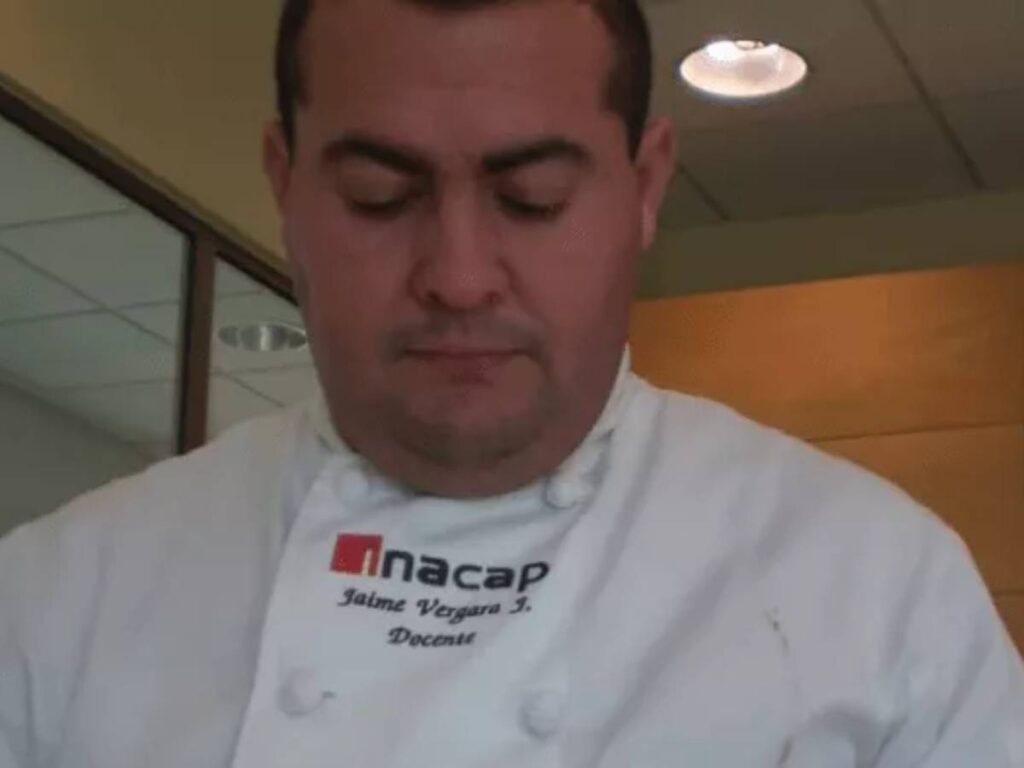
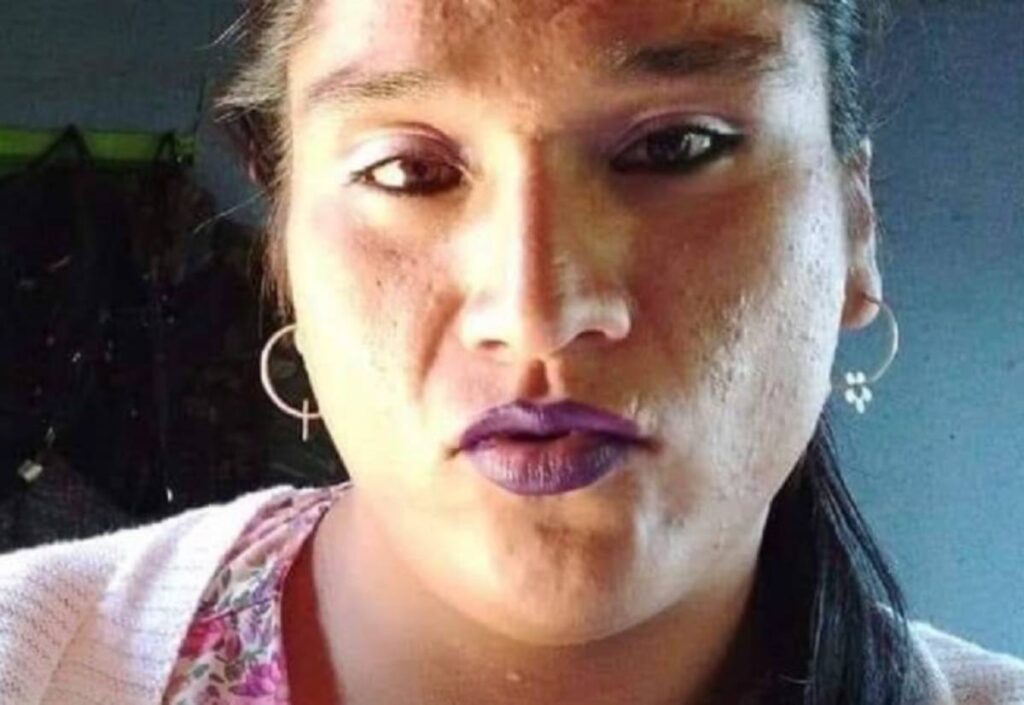
SANTIAGO, Chile . The body of Ignacia Palma, a 26-year-old trans woman, was found completely burned after a fire extinguished by firefighters in Valparaíso. Jaime Vergara, 46, worked as a chef in Quillota. He was stabbed to death during a date arranged through Grindr. With a marker, the attacker wrote on his back a word used in Chile as a homophobic slur: “Maraco” (faggot).
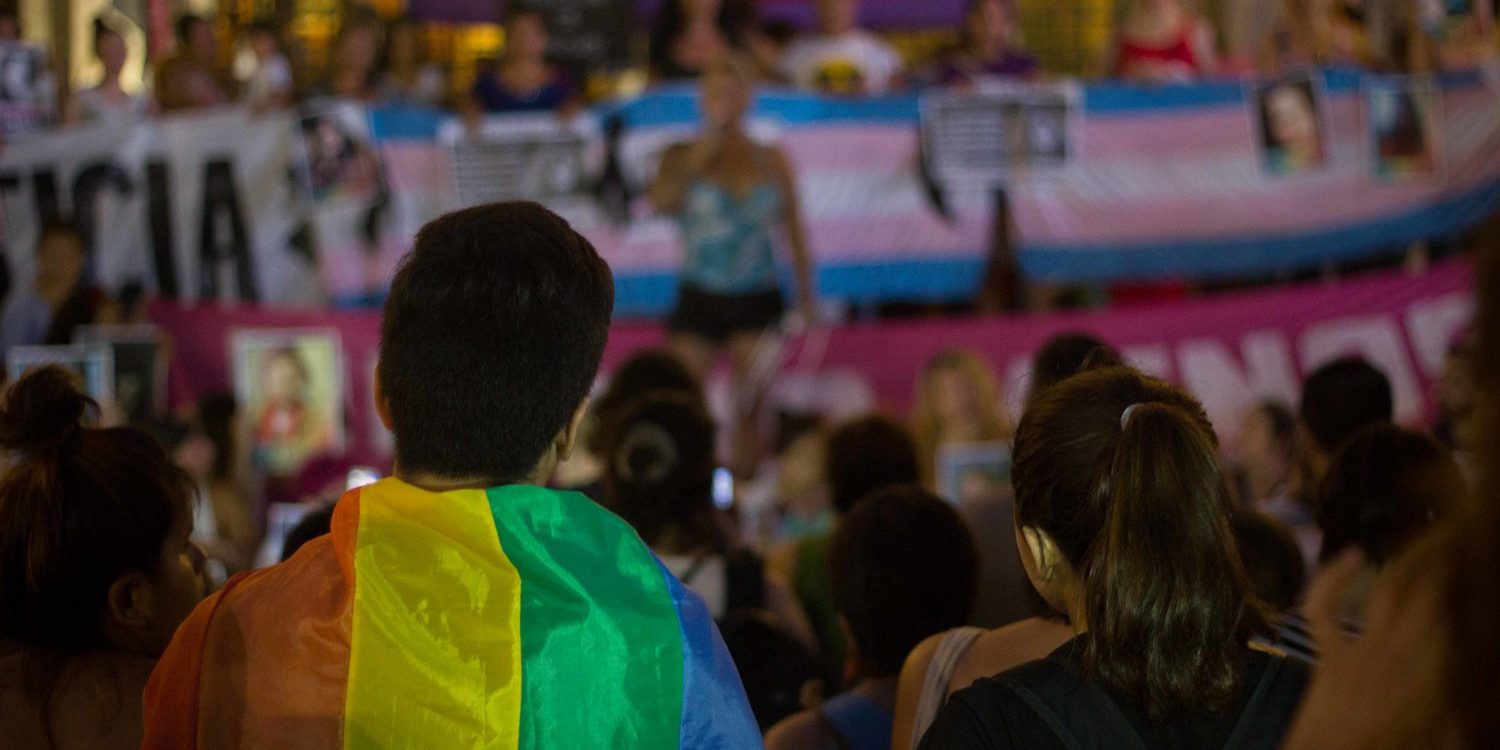
Both hate crimes occurred in different cities across the country just days apart, during the first week of August. They are causing concern in the community due to their brutality and the frequency with which local LGBTQ+ organizations and the media report them.
According to Christian Spuler, a clinical psychologist, these are not isolated incidents of violence. They are consequences of the discriminatory and hateful rhetoric that is increasingly prevalent in the media, social networks, and other spaces. And they are part of a political and cultural agenda driven by certain spheres of power.
“In all societies where the visibility of the LGBTIQ+ community has increased and they have gained the spaces and rights they deserve, the occurrence of hate crimes has also increased. That is not a justification. It is rather an explanation of a particular moment that should challenge us,” says the mental health specialist for people of diverse backgrounds, especially trans people.
“This is widely documented. We know that an anti-sexual diversity, anti-abortion, and anti-human rights agenda has long been promoted from the United States, some European countries, and some Latin American countries. This agenda is promoted by churches and ultra-conservative political movements to make dissent invisible, silence it, and crush it. And its most despicable expression is hate crime,” he analyzes.
“This is a consequence of a narrative of contempt for diversity.”
On Monday, August 8, the Quillota Guarantee Court ordered pretrial detention for an 18-year-old who surrendered to the police. He confessed to being the perpetrator of Jaime Vergara's murder.
According to information from the Prosecutor's Office, after the crime he showered in the apartment's bathroom, cleaned the place, changed his clothes and took some of the victim's belongings.
The following day, Tuesday the 9th, the Public Prosecutor's Office confirmed the arrest of the alleged perpetrator of the fire that caused the death of Ignacia Palma. He is a 20-year-old migrant residing in the country without legal status. He was charged with arson resulting in death. He will be held in pretrial detention for the 100-day period decreed for the investigation.
Subprefect Rodrigo Muñoz, head of the PDI Homicide Brigade, told the press that the attack occurred after a fight related to drug use.
But Spuler says it's important to be careful with the logic used to analyze and compare official information. “We have to be careful and not confuse things. The simplest thing would be to analyze it from the perspective of the current state of the youth psyche. But that would lead us to validate narratives that indicate young people are becoming increasingly violent. Or that this is simply a fight over drugs, and it would lead us to invalidate everything else,” he warns.
In his view, these cases must be analyzed from two perspectives. “The first is to recognize that there is a structural problem, an inequality, a lack of access to opportunities and education, which ultimately leads to the path of violence chosen by those who perpetrate these crimes. The second is to recognize that this is also a consequence of a cultural and political narrative of contempt for diversity, orchestrated from positions of power.”
“The impact on the mental health of LGBTIQ+ people is no longer just due to family or social rejection”
Nearly 90% of Chileans who are part of the LGBTQ+ community have been victims of discrimination at some point. This was revealed last year by the first state study to collect data on homophobic violence, promoted by the Undersecretariat for Crime Prevention. The document acknowledges that the mental health of the community is a significant shortcoming in the country, and this is even more pronounced among children and adolescents.
From her clinical experience, Spuler says that the rise in violence and hate crimes is taking a toll on the mental health of many people from diverse backgrounds.
She has recently observed, for example, how a masculine trans man feels “protected” by his gender expression. He recognizes it as a privilege, in contrast to the daily experiences of trans women. She also highlights the case of a trans woman who had to modulate her gender expression toward a more androgynous style because she feels afraid in the streets and prefers to “hide away” for safer spaces. “It’s a bit like going back into the closet,” she notes.
The specialist emphasizes that the impact on the mental health of LGBTQ+ people is no longer solely due to family or social rejection. “Now we must also consider the trauma generated by these increasingly frequent acts of violence. It seems that the post-traumatic stress of carjackings (a type of robbery where victims are intercepted at the entrance to their homes) is considered more important than the stress or trauma that occurs when someone from your community is killed. Or from the thought that tomorrow or the day after it could happen to you,” Spuler states with concern.
We are present
We are committed to journalism that delves into the territories and conducts thorough investigations, combined with new technologies and narrative formats. We want the protagonists, their stories, and their struggles to be present.
SUPPORT US

FOLLOW US
Related notes



We are present
This and other stories are not usually on the media agenda. Together we can bring them to light.