

Sexilios: Simone, a trans pioneer of the Drag movement in Guatemala
Simone De Janeiro Dos Santos found in the Drag Queen movement a gateway to her identity. And a platform of resistance that she continues to activate, now from exile.


Share

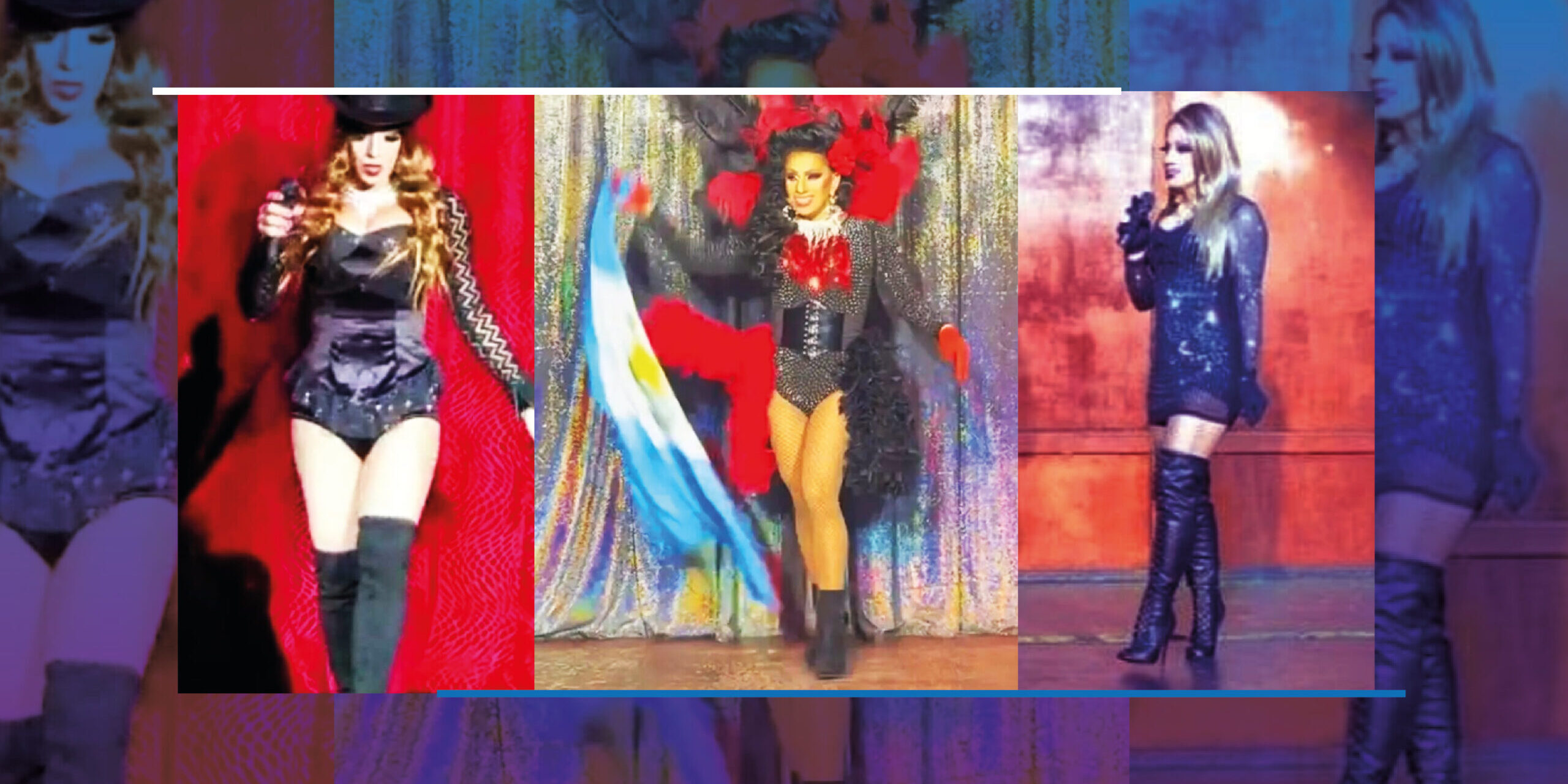
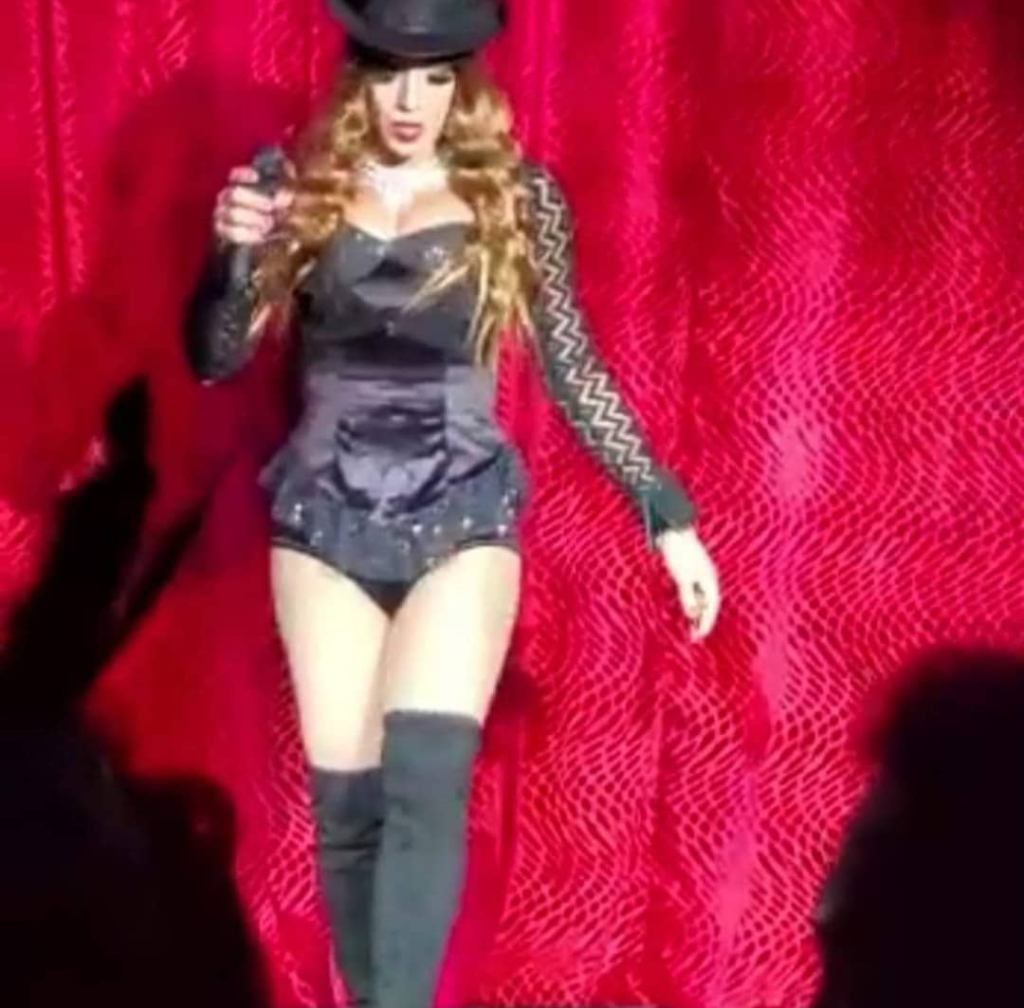
Wearing costumes she made herself, amidst lights and sequins, without any help, Simone De Janeiro Dos Santos took to the stages of the most popular nightclubs in Guatemala City during the 1990s. She began performing drag at that time, creating a platform for protest, but also an opportunity for trans women to express themselves through beauty pageants. Back then, people only talked about gay men. Little was known about gender identity. “They were joyful moments where you could escape from reality,” she describes.
Simone is a Guatemalan trans woman. Exiled in Canada, she was one of the first drag artists in those years when, along with María Conchita Alonzo, Kelly Joan Baker, Michelle Portocarrero - among others - she ushered in a turning point for the Drag Queen movement in Guatemala.
Drag queens are an art form, a popular culture movement that in this country has its origins in the transvestism of the 90s. Simone shares with us what it was like to do transvestism in a time of repression, when trans women were arrested simply for existing.
"I liked drag because of the fact of being on stage, doing something I liked and at the same time being able to use that platform as a form of protest."
-Could you introduce yourself and tell us a little about yourself?
-Simone Dos Santos : I'm 50 years old, from Jutiapa , one of the most sexist departments in Guatemala. I'm a human rights activist for the LGBTIQ community. And I've been doing drag since I was 20.
– What was school like for you knowing you were diverse? Did you have that feeling of being somewhere other than the place you were assigned at birth?
School was very difficult. Back then—in the 80s and 90s—there was three times the stigma than there is now. I only finished sixth grade because I couldn't stand so much discrimination since adolescence. In high school, I had the option of continuing to study or working, and I decided to work to support my family.
– How do you get along with your family?
-I currently get along well with my family because I only have my older sister and my nephews. My relationship with my father was always difficult because he never accepted my identity. I was rejected by him and he died rejecting me. My mother passed away before my father, but she was always protective and supportive.
– How did you get started in drag?
-In the 90s I emigrated to Guatemala City and stayed there for a long time. I knew the most famous nightclubs of that time, like Caché and Pandora's Box, where the best drag queens performed. I liked being on stage and at the same time using that platform as a form of protest.
“I began my transition through drag.”
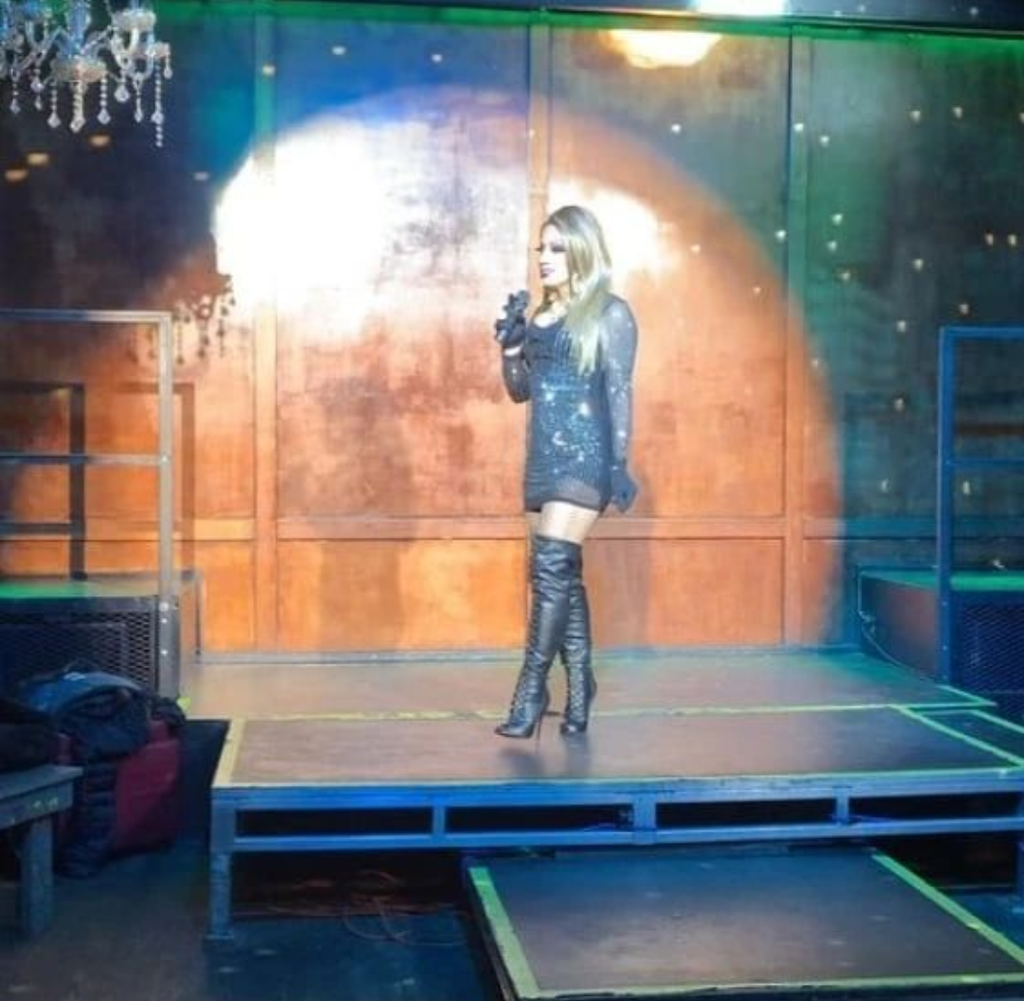
Simone says that when she experimented with drag, she realized she felt very comfortable on stage. At that time, there was no other identity beyond being gay. She entered the world of drag by observing "what others were doing, but on her own. Back then, there wasn't the support from other women that exists today," she says.
– What was the context of drag in the 90s?
-Fun, it was a way to escape reality, at least for five minutes or a night, to forget what was happening (social repression and systematic violence by the Army and the National Police).
– What do you think is the relationship between transvestism and Drag Queen?
-Drag Queen is like an exaggeration. Everything is more glamorous in the makeup, in the performance. Although now I feel that's the only difference.
I know many people from many places who began their transition through drag because it opens the door to finding your identity. I remember the first time, when I was 20, I put on a wig, a green blouse, a skirt, some green eyeshadow, and blush. And that's how I did my first show.
Simone sought to transition through drag; she saw it as a way out. Today, she believes that in the 1990s, drag was the only way for trans women in Guatemala to express their identity.
– What was the situation like with police repression?
It was more difficult because there was much more police harassment. They would raid nightclubs; there were the infamous "raids" where they would just grab you and take you to Zone 18 (a detention center for men). There was also a lot of harassment and persecution from the Army. Women who were walking down the street dressed after a show, or the sex workers who were in Concordia Park (Zone 1 of Guatemala City), were chased and beaten by soldiers.
Of exile and resistance
– ¿Did you experience any episodes of violence?
Several times. I remember once I went to Caché, an underground nightclub. You had to walk about three blocks (300 meters) in the dark to get there. They would rob the women there, and it happened to me once. They robbed me and beat me, breaking a liter of beer bottle over my head. There was a police officer—I don't remember his name—who was very transphobic and homophobic. Just seeing you near him would get you arrested, he'd steal your money, and then he'd beat you. That happened to me several times. They took me to Police Station 13 in Zone 1 (Guatemala City). I didn't want to file a report because I was just starting my transition. I was only just beginning to learn about human rights, and there was no support available.
The records of the Historical Archive of the then-named National Police, an extension of the militarized state system that persecuted the LGBTIQA+ community in Guatemala, documented arrests motivated by sexual orientation and gender identity between 1960 and 1996. They were compared to pedophiles and thieves, and at least 156 people from the LGBTIQA+ community were arrested.
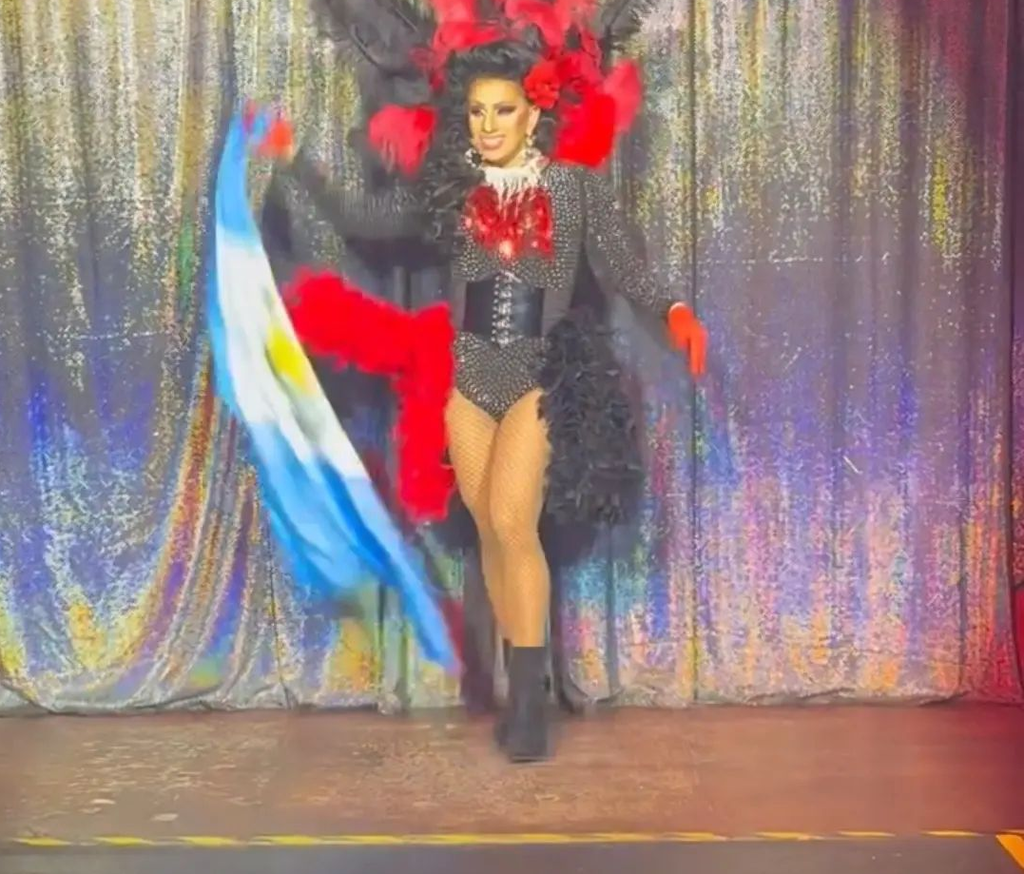
Simone had to leave Guatemala and now lives in Canada. She received death threats for knowing how a human trafficking network operated and for wanting to escape it. The lack of opportunities in healthcare, employment, and education were other factors that forced her to flee. Today, she performs as a drag queen in various venues, where people buy tickets to see her and admire how her elegant costumes come to life. It's the wardrobe of a diva and also that of a trans woman conscious of maintaining a political stance of denunciation regarding the situation her peers continue to face in Guatemala and Central America.
We are present
We are committed to journalism that delves into the territories and conducts thorough investigations, combined with new technologies and narrative formats. We want the protagonists, their stories, and their struggles to be present.
SUPPORT US

FOLLOW US
Related notes
We are present
This and other stories are not usually on the media agenda. Together we can bring them to light.