

LGBT youth renewed the pride march in Honduras
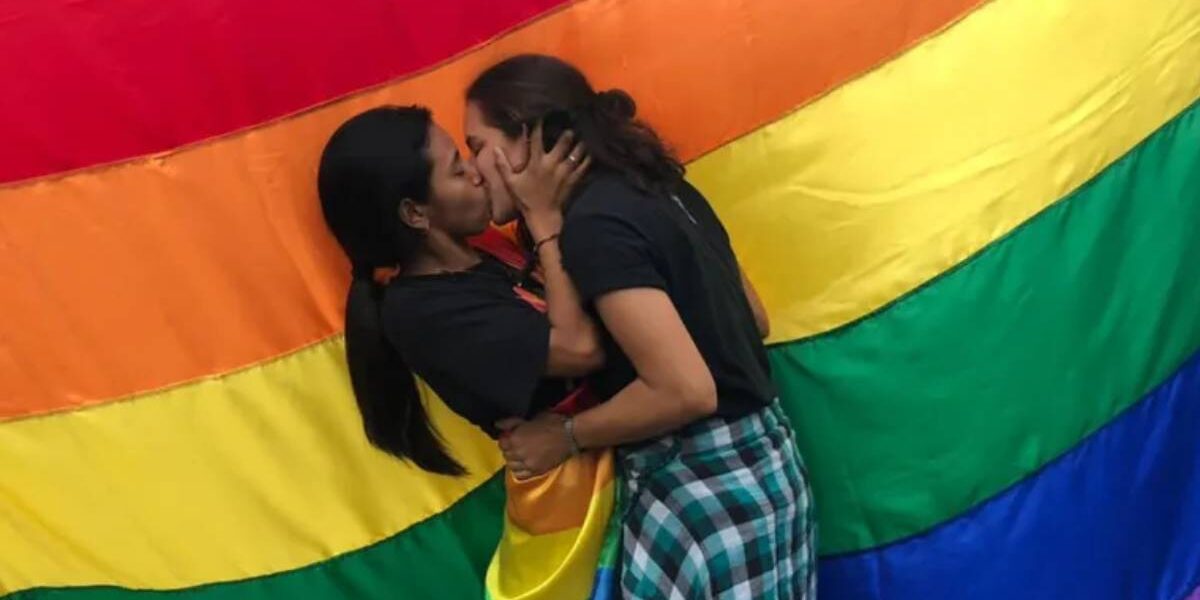
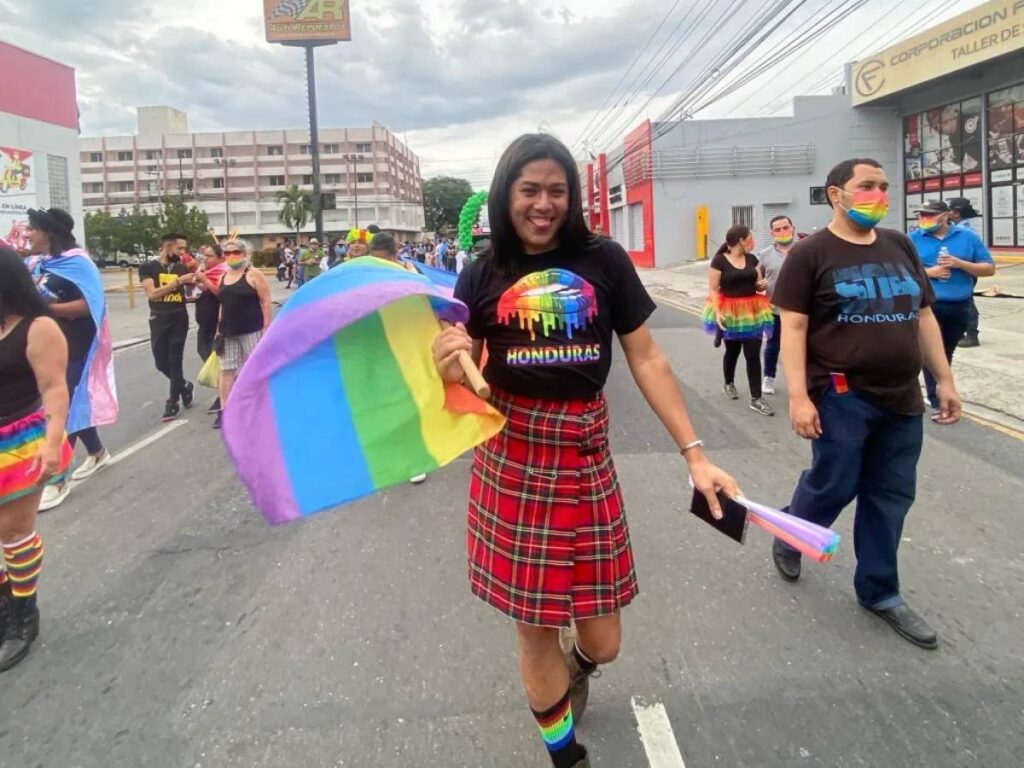
About a thousand people from all over Honduras participated in the massive Pride march. It was a parade full of color and music.


Share

SAN PEDRO SULA, Honduras. “This faggot will remain in the streets,” said Javier Carrington , after several drivers attempted to run over those attending the 2022 Pride march on Saturday, July 30, which traveled through the main streets of downtown San Pedro Sula.
Javier wasn't the only one stopping cars. Allyson Hernández Trans Feminist Association (AFET), and Osman Lara, president of the Sula Valley LGBTIQ+ Committee, were also there to protect their fellow marchers. They came from Tegucigalpa, La Ceiba, San Manuel, Puerto Cortés, Tela, Nacaome, Choloma, Villanueva, Siguatepeque, Santa Cruz, Santa Bárbara, and other cities.
“There were insults and they wanted to run us over with their cars. We defended ourselves tooth and nail. It was a peaceful demonstration and it was worth it because we no longer want to be invisible,” said Hernández.
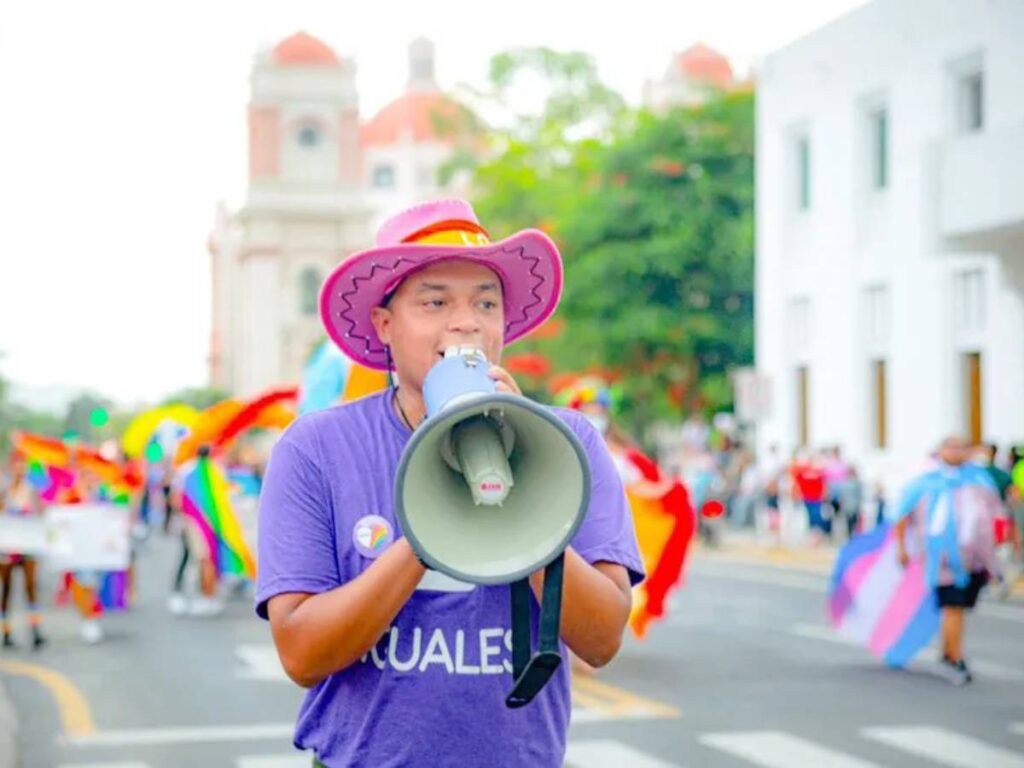
The march faced not only aggression from motorists but also an attempted boycott, as several organizations from San Pedro Sula and Tegucigalpa decided at the last minute not to attend. Despite this, the number of participants was enormous, mostly young people, as confirmed by the Reportar sin Miedo (Report Without Fear) news team.
“This march represents a new generational shift,” said Osman Lara. “We are opening the door for these new youth, identities, and bodies to be included. We are offering greater visibility in a context like Honduras, where LGBTI+ people exist and resist.”
@reportarsinmiedo This is how we celebrated LGBTI+ Pride Carnival in Honduras. 🇭🇳🏳️⚧️🏳️🌈
♬ I Like To Party – Official Sound Studio
“We all have the right to be different”
The event demonstrated the strengthening of alliances with various organizations that withstood internal pressure from other groups. It also showcased the support of the Governor of Cortés, Alexa Solórzano, the Libre party representative, Víctor Grajeda , and the Vice Mayor of San Pedro Sula, Omar Menjívar.
“We all have the right to be different.” Those were Menjívar’s words while participating in the LGBTQ+ Pride march. The event took place in the city of Mayor Roberto Contreras, who has sent hateful messages against diverse populations, such as not attending their events, while simultaneously opening up the San Pedro Sula municipal building to advertise mass weddings organized by religious groups.
Menjívar distanced himself from the mayor's rhetoric and adopted a more inclusive stance. "A demonstration like this is important because it brings visibility to a population that exists, resists, and has rights," he stated.
The governor of the Cortés department and the Libre party representative were named marshals of the march. “We will continue to support all initiatives that promote inclusion and diversity,” stated Alexa Solórzano.
For his part, Víctor Grajeda, the first openly gay member of the Honduran National Congress, emphasized the importance of participating in these kinds of forums. “Although several politicians were invited, not all of them are here, but we know there will be more opportunities next year.”
Forums for equality
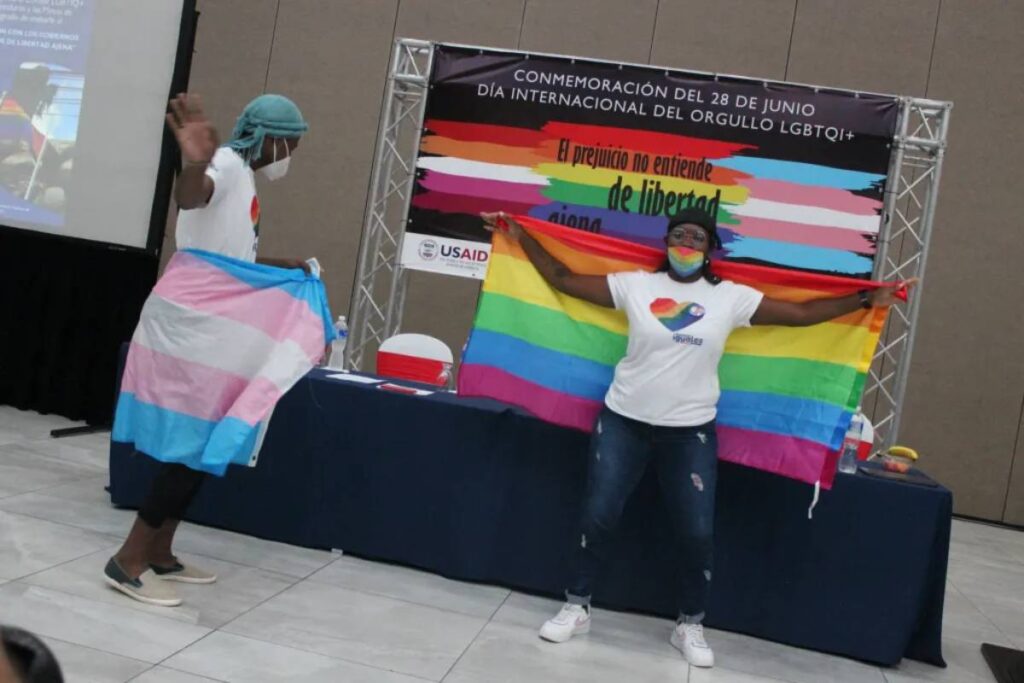
USAID, along with its United for Justice and Local Governance programs, directly sponsored and supported the march. Other organizations also participated, including PASMO, the Episcopal Church, Doctors Without Borders, ASONAPVSIDAH, Peace Brigades International, the National Police, and members of the San Pedro Sula Municipal Police. The Taiwanese Embassy in Honduras provided support.
During Pride Week, USAID sponsored two forums: the first on inclusion and non-discrimination with local governments, and the second on LGBTQ+ migration. Organizations from San Pedro Sula, Tegucigalpa, Tela, La Ceiba, Choloma, Puerto Cortés, and other cities participated.
Among the organizations that participated were Somos CDC , Horus, LGBTI Sureña, Aprest, Iguales, Oprouce , Humanos en Acción , Sitraluna, CEFI, Muñecas de Arcoiris , Asociación de Mujeres Lesbianas y Bisexuales LITOS , Afet , Alma Violeta and Cepres , among others.
A march for diverse families
Among the majorettes who enlivened the parade with their skills and rhythm were girls like JLo Córdova, the niece of the leader of the Rainbow Dolls organization. “What we want in our country is for our LGBTI+ community to live with pride,” Córdova demanded. “Without contempt or discrimination, without malice or prejudice towards us.”
The parade drew massive crowds of young Hondurans, as well as children accompanied by their mothers, fathers, and relatives. One example was Max, who came with her daughter, niece, and family to send messages to diverse families. She says it's difficult being a diverse woman in a context like Honduras. But marching for equality is worthwhile, which is why she does it with her family.
The streets were mostly filled with color and music, thanks to the protests and actions of some drivers in San Pedro Sula who were bothered by the peaceful demonstration by the LGBTQ+ community.
Blanca Osorio marched alongside her son Gago, supporting him and demanding his rights. “As a mother, I support him unconditionally. It was very sad at first because you don't accept it. But seeing things and dealing with them makes us realize that everyone has to respect their decisions.”
2022, the year of LGBTIQ+ youth
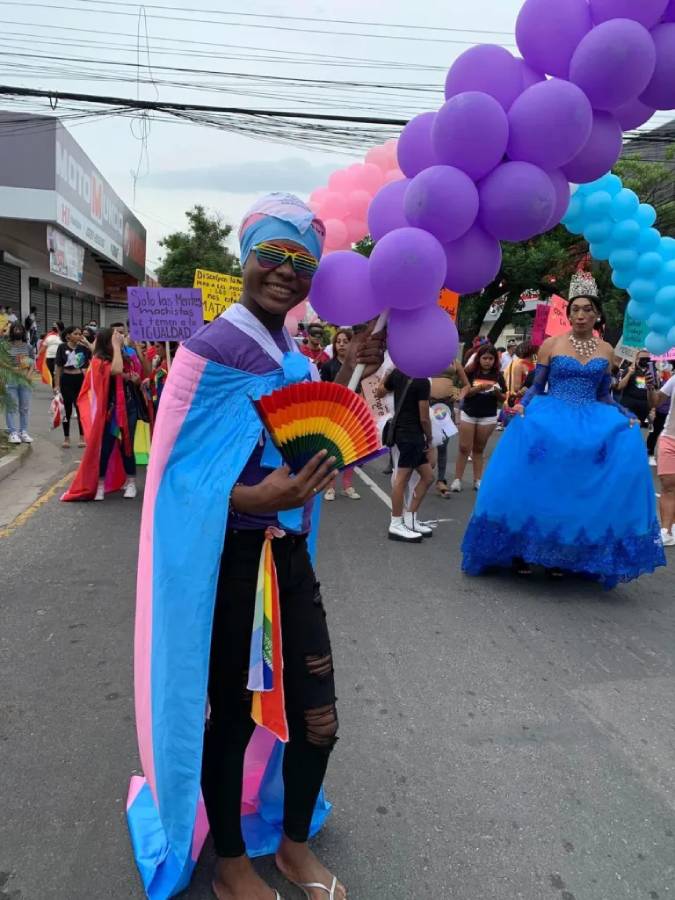
Nearly a thousand people, mostly young people, filled the main streets of San Pedro Sula to participate in the LGBTQ+ Pride march. The parade traveled along the central Third Avenue and First Street, ending at Plaza de las Banderas, next to the Morazán Stadium.
This year, the march was mostly attended by representatives of LGBTQ+ youth from all over the country, adding color and rhythm to the event.
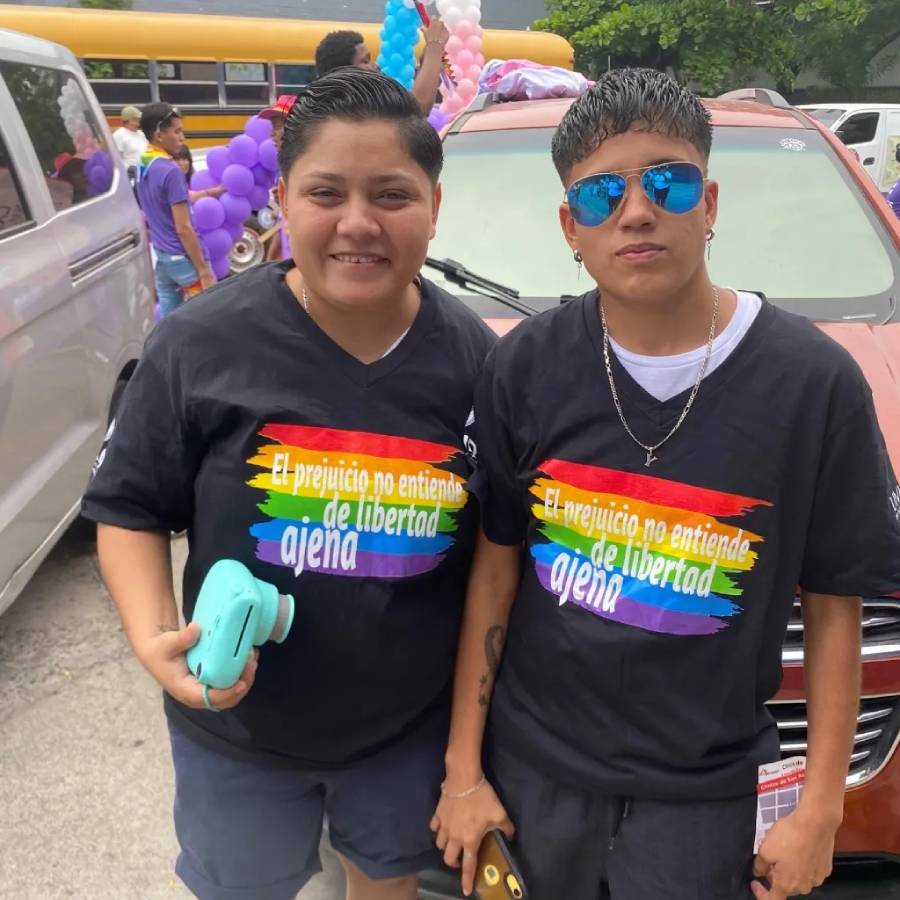
In addition to members of organizations such as Coven, Iguales, Cepres, Afet, Cefi, Pueblo y Barrio, Asociación Luna, Aprest, Humac, Oprouce , Muñecas de Arcoiris, Litos, Arcoiris , Horus, Red LGBTIQ de Chamelecón, Frida Trans, and Red LGBTIQ de Choloma, among others, the Independiente Tecno Sampedrano marching band participated in the parade. They provided Honduran folk, traditional, and punta music with their lyres and drums.
Representing the trans community were Andy Tosta and Alex Bustillo. They stated that these spaces are important for raising awareness of the violence suffered by trans men in Honduras. “Let’s end the trans genocide,” they shouted in the streets of San Pedro Sula.
The diverse Afro-descendant and Garifuna youth also stood out for their messages of inclusion. Honduran Garifuna leader Darwin Pérez wore an inclusive shirt that read “we are all human.” “My message is to achieve true inclusion and for Afro-descendant LGBTQ+ people to have real spaces,” he emphasized.
The Pueblo y Barrio collective stood out for its anti-patriarchal, anti-colonialist, and anti-heteronormative messages, demanding inclusive representation of sexual minorities. Asexual, non-binary, and queer people were also present. Their message was clear: “We, the people, are diversity.”
The generational shift
Esdras Sosa, director of Litos , traveled from Tegucigalpa and was among hundreds of people who supported the Pride march in downtown San Pedro Sula. The event proceeded along the two main avenues to Plaza de las Banderas, located next to the Morazán Stadium, in the western part of the city. Shortly before reaching the Plaza, the organizers set off fireworks that filled the city sky with colorful sparks.
“There are new leaders and new stages to continue the fight,” said Sosa. She and her collective traveled from Tegucigalpa demanding equality for diverse women, who face three times more discrimination in the country. First, for being women; second, for being lesbians; and third, for lacking resources or belonging to an Indigenous or Afro-descendant group.
Just as Esdras was present, Fredy Funes, an activist with Iguales and former congressional candidate for the department of Cortés, emphasized that participating in this forum is not to ask for anything extraordinary, but rather for respect and inclusion. The most important request is the approval of a comprehensive gender identity law. “Honduras already has the Vicky Hernández case , and it is important that it be enforced.”
The missing guarantees
The State of Honduras, through President Xiomara Castro, apologized on May 9, 2022, for the murder of Vicky Hernández. This apology is part of the Inter-American Court of Human Rights' ruling that obligates the Honduran government to provide a set of rights for transgender and LGBTI+ people.
To date, trans people still do not have access to their ID card or other guarantees.
Among the march participants was Donys Reyes, leader of Arcoiris, who called for greater inclusion for diversity and an end to hate crimes. In 2022, more than 12 LGBTQ+ people have been killed, bringing the total to over 412 since 2009, according to the Violent Deaths Observatory of the Cattrachas Lesbian Network.
Ramón Valladares, founder of the Sampedrana Gay Community, also resurfaced, having recently founded a collective in Chamelecón. “I’m very proud because we’ve cleared the path; this continues, and we’re moving forward. It’s great to see young people, but we’re still fighting because the Church has a lot of influence over the State, and Honduras is supposed to be a secular state,” he concluded.
We are present
We are committed to journalism that delves into the territories and conducts thorough investigations, combined with new technologies and narrative formats. We want the protagonists, their stories, and their struggles to be present.
SUPPORT US

FOLLOW US
Related notes


We are present
This and other stories are not usually on the media agenda. Together we can bring them to light.