

Pachamama Diverse: Honoring, Thanking, and Defending the Body as Territory
In their own words, trans people recount this ancestral ceremony. "August 1st is a day of reflection and joy. We recognize ourselves as fighters and guardians of the land. We shout out against the pettiness of economic power and the heteronormative structure."


Share

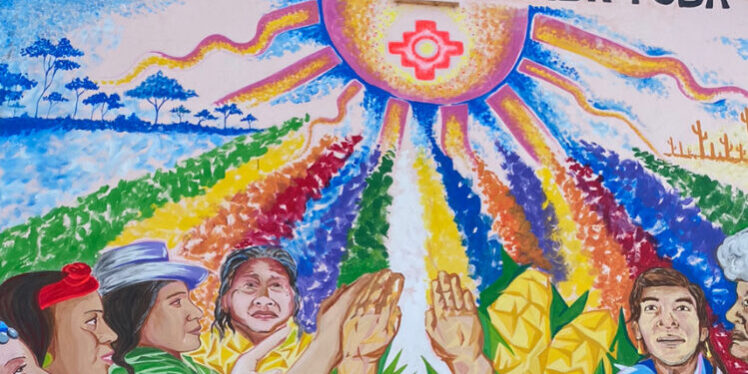
SALTA, Argentina. Since time immemorial, the Pachamama ceremony has been held every August 1st in the various indigenous nations that share the culture of the Andes.
In the highlands of the Altiplano, the puna, deserts, valleys and ravines, the Diaguita, Coyas, Aymara, Omahuaca, Quechua people, among other nations, perform the worship of the earth.
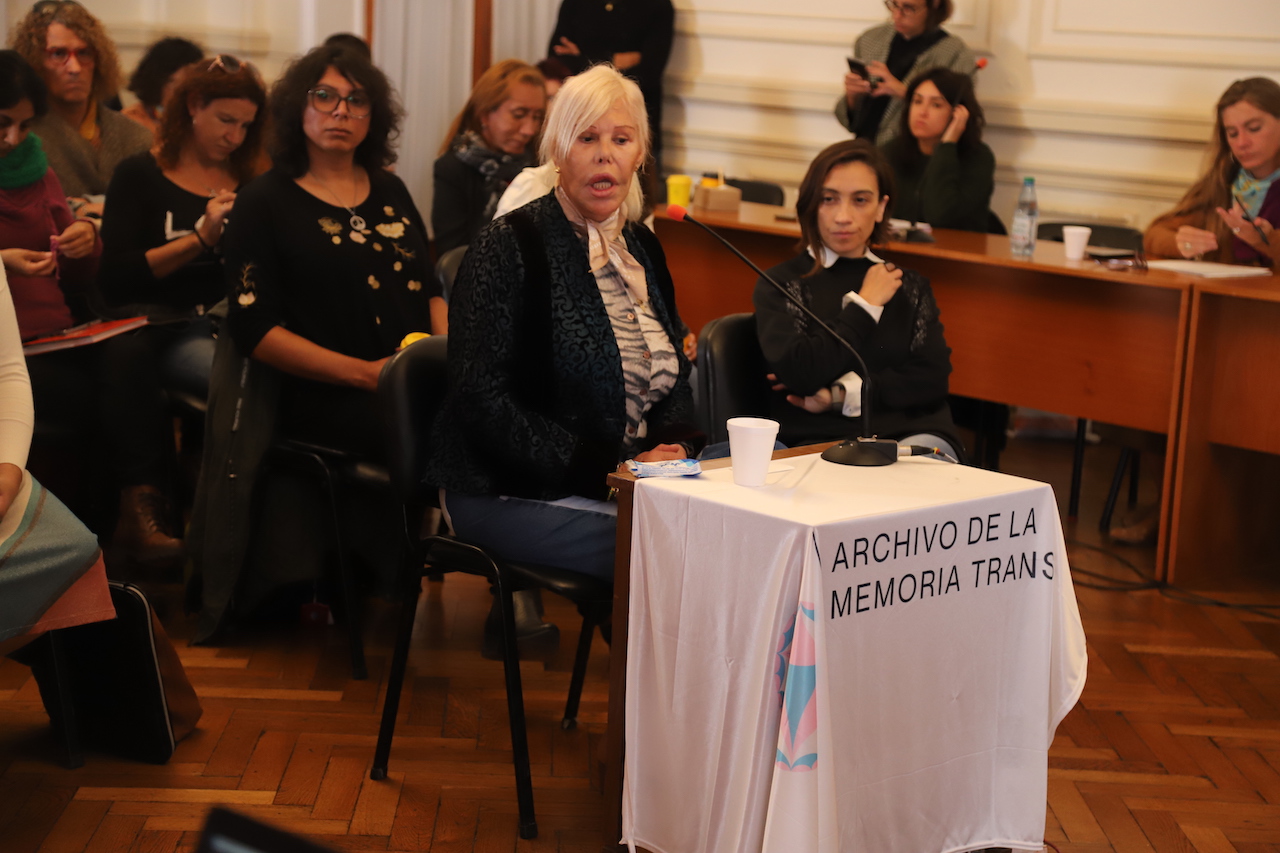
María Pia Ceballos, a trans woman and Afro-Indigenous leader, a representative of the Argentine Trans Women's Movement, and a member of the Movement of Indigenous Women and Diversities for Good Living, explains: “ Pacha is a fabric that unites us with all elements. August 1st is a day of reflection and joy. We recognize ourselves as fighters and guardians of the land . We cry out against the human pettiness of economic power and the heteronormative structure.”
Lorena Carpanchay, a transvestite activist, copla singer, and Diaguita woman from the Calchaquí Valleys in Salta, says that the ritual to Pachamama “is an act of offering that is performed as a way of giving thanks and connecting.”
Earth is life
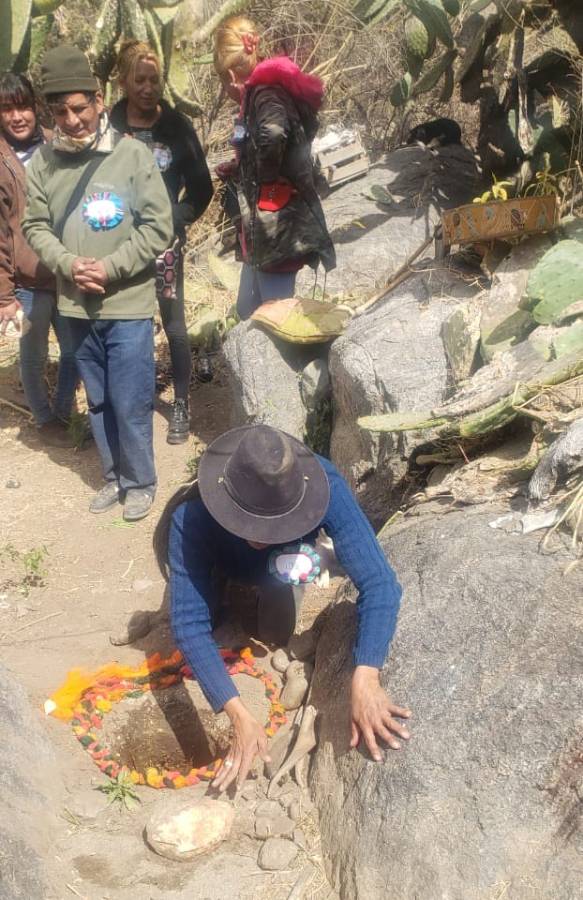
We Indigenous people understand that the land is life. And in this ceremony, a hole is dug in the ground in the morning to offer food, drinks, and precious objects. Throughout the day, various activities take place, such as singing and dancing, welcoming those who have come from afar, and later in the afternoon, everyone gathers together and closes the hole. “We give Pachamama the best we harvest during the year. Everything beautiful that we harvest is for her,” says Lorena.
MTA Cafayate 's commitment has been to hold the "Diverse Pacha," with the aim of bringing together people of sexual diversity, especially transvestite-trans people, around an ancestral ceremony to thank and honor Pachamama for the past year, and at the same time ask for health, well-being, and the needs and desires of each one for the coming cycle.
Ritualizing our beliefs and connecting with the land, the territory, and our own bodies is about loving ourselves and feeling that we are part of a whole. Unlike Western beliefs, the connection is with nature and the spirits that inhabit it.
Before the arrival of the Spanish usurpers, many Andean practices were led by trans/travesti people , male-female, two-spirit (to use equivalent current concepts). It was well understood that our experiences were bridges between the material and spiritual worlds, between the feminine and the masculine . By cross-dressing and exercising our right to self-determination, we gain the experience of inhabiting open duality within a single body.
A diverse Pacha
María Pia points out, “We are the bridge with a trans heart, who from the margins shouted with fury against everything imposed by the colony: racism, hatred, and terricide. Today we come together with strength and courage to renew our pact as defenders of Mother Earth. Without a doubt, trans women come from that sacred fire .
Along the same lines, Lorena Carpanchay tells us about the transvestite ceremony. “We decided to hold the diverse Pacha ceremony in order to reclaim ancestral practices that belong to us and that are our beliefs, as well as to create space for us to unite as people of different genders with spirituality and the earth.”
The awakening of Indigenous trans people is taking place in all territories. In what is now Belén, Catamarca, activists and members of the LGBTQA+ community are preparing to hold the third edition of what they have called the “Trans Pacha” on August 1st.
Our Pachamama, our bodies
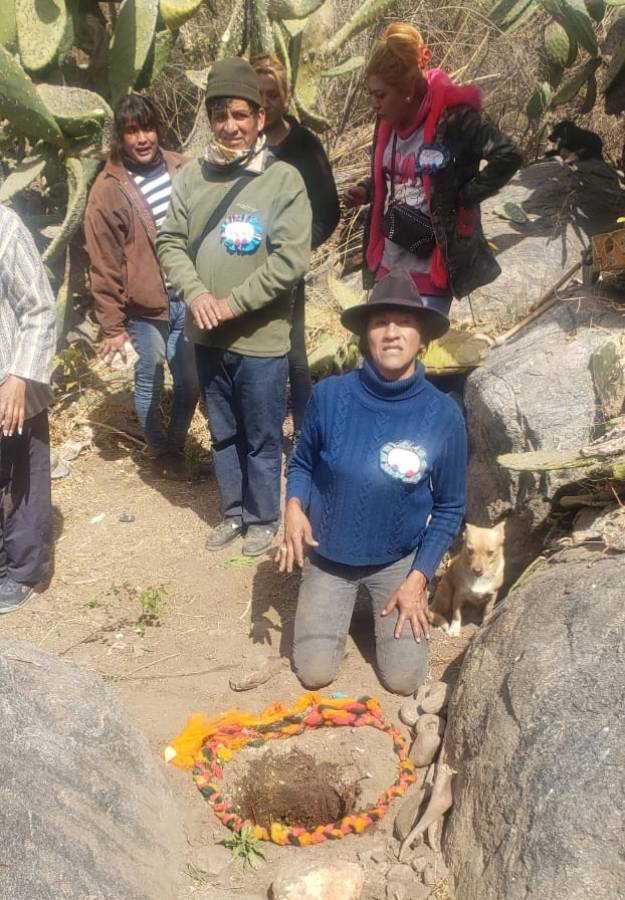
Juan José tells us: “We also use this ritual to assess the state of our bodies, the Pachamama . To examine our relationships, not from a normative perspective, but rather from an affective one. This day will be about embracing the Aconquija mountain range, about talking, about connecting. The idea is to gradually loosen up after the opening and offering to the earth, and later to put our bodies into motion with dances and self-defense workshops.”
It's important to mention the anti-extractive struggle being waged by those organizing this day. It's not just about giving and receiving, but also about defending the land and our bodies.
María Pía Ceballos refers to the state of the land we inhabit. “We live in an extractive model that exploits, oppresses, and destroys the world—its Indigenous lives, its forests, its waters. We feel the pain of the land,” she says. “In Catamarca, people are consuming poisoned water.”
The Mara Group, which unites the Aguarica and Alumbrera mining companies—as the people who live in these territories repeatedly recount—is exploiting the hills of Aconquija, a sacred mountain for the great Diaguita Calchaquí nation. It's impossible to continue living there when you see trucks destroying everything every day, solely for the monetary gain of powerful, concentrated groups.
María Pía emphasized that “ on Pachamama Day we reunite with the spirits of our ancient Indigenous transvestite and trans ancestors. It is the time of Pachamama, a time to banish negative energies and strengthen our spirits, embracing each other with much love.”
We are present
We are committed to journalism that delves into the territories and conducts thorough investigations, combined with new technologies and narrative formats. We want the protagonists, their stories, and their struggles to be present.
SUPPORT US

FOLLOW US
Related notes

We are present
This and other stories are not usually on the media agenda. Together we can bring them to light.