

The civil registry of Veracruz delivered birth certificates to a group of trans women
A group of trans girls from Veracruz agreed to change their identity in a mobile operation of the civil registry.


Share

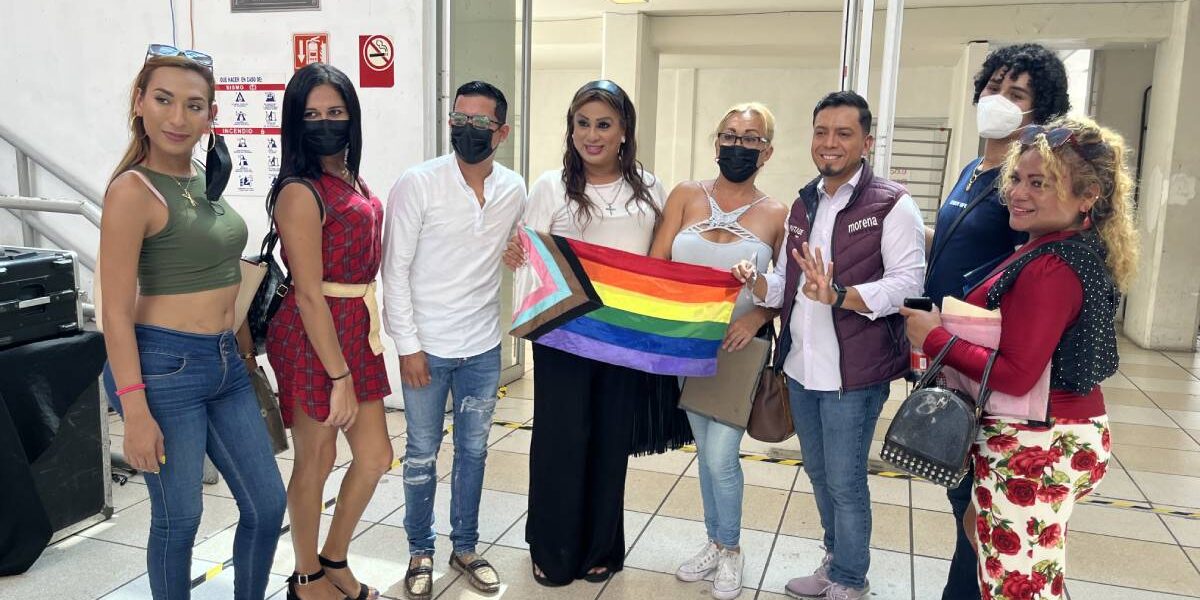
VERACRUZ, Mexico. Paulina waited at the side of the line where hundreds of people were standing. Behind her were just a few other women, all smiling, just like her. Her procedure was special: to legally become her.
In her hands, an envelope filled with papers she thought she might need. And in her mind, a single thought: in just a few hours, she would be officially recognized as Paulina, in a single procedure she had long desired but which the law had not allowed.
Veracruz law still prohibits legal gender change. However, since some judicial rulings have been issued, the Civil Registry and state authorities have finally decided to comply, making it a simple administrative procedure.
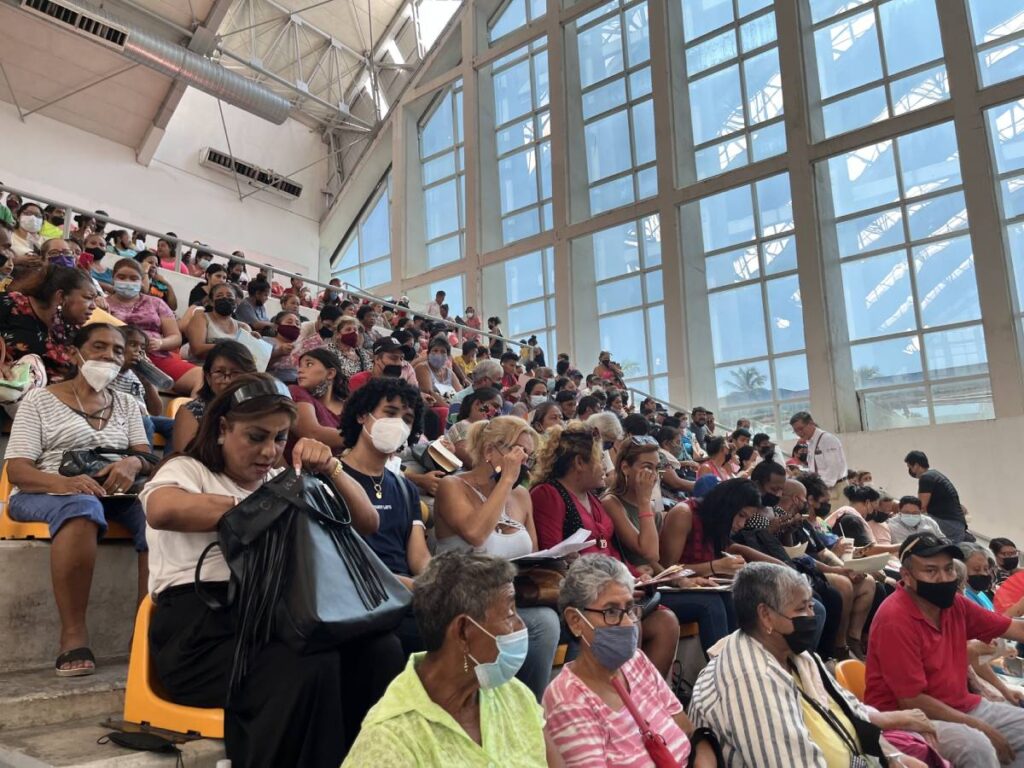
Like any bureaucratic process, it's difficult, time-consuming, and tiring, and many people fear it won't go well. That's why, when they announced free Civil Registry services, including identity changes and same-day document delivery, Paulina didn't hesitate: she traveled five hours, starting at dawn, to reach the Port of Veracruz where the services would be offered.
A personal triumph
“What does it mean to me? For me, it means a personal triumph. It opens up the possibility for all trans women to be treated as we deserve. We are people who pay taxes, people who have rights, people who work and strive every day like anyone else,” says Paulina Castán Salas.
She wasn't the only one. Dozens of women came to the free events at the Veracruz Civil Registry, which stood out from many others by allowing trans people to change their gender identity, issuing the new birth certificate in a few hours.
Twenty-five years ago, when Paulina began her transition, she couldn't have imagined she would be able to complete this process. Her happiness is evident from afar. Several of her friends have birth certificates that correspond to their names, but they obtained them in Mexico City. This means they have two birth certificates: one from Veracruz and one from Mexico City. Furthermore, this involved travel and, in some cases, legal problems.
“Several friends from my city did it in Mexico City. The truth is, they had to go through a lot of hoops, and because of my job, my commitments, my family, I hadn't been able to do it. Besides, I wanted to do it in my home state; I'm from Veracruz, very proud of it, and that's why waiting for me and this great opportunity is really cool,” she said.
The missing law
Mexico City was the first place in Mexico to allow changes to birth certificates to reflect self-identified gender. Currently, 19 states in the country have laws permitting this. Veracruz is not among them.
Due to the delays in completing the paperwork in their home states, many women, like Paulina's friends and Kimberly, traveled to Mexico City. The city, about five hours from Veracruz, has different legislation, so essentially they only created a new birth certificate.
They then had to complete a procedure at the Veracruz Civil Registry to have this document added to their original birth certificate and safeguarded, thus avoiding any issues of dual identity. However, some women have been unable to do so due to the inherent difficulties posed by Veracruz legislation.
For a complete procedure
That's why Kimberly Martínez is waiting in line; she looks a little nervous. Her face mask covers half her face, and she speaks softly as she tells her story of how she decided to go through the process. In her pink bag, she carries the papers that she hopes will finally give her certainty about her name, her documents, her identity.
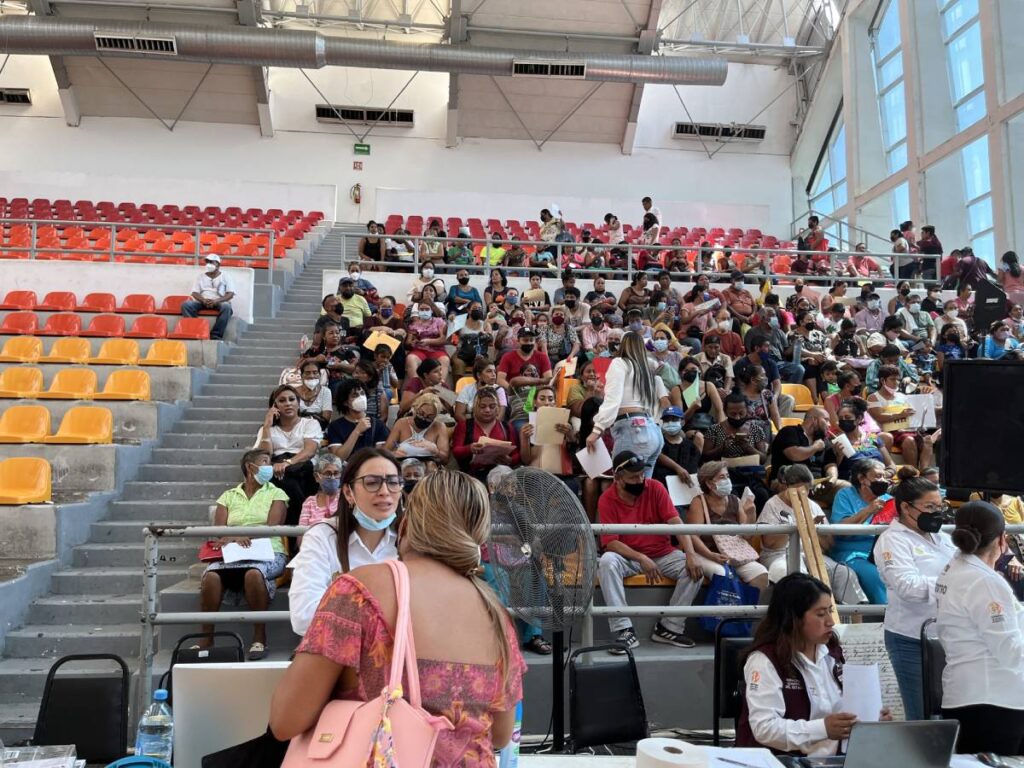
She arrived early, before the doors opened, and found hundreds and hundreds of people there to complete other procedures, such as registering children or obtaining certified copies of birth certificates. She was taken aside with a small group; they are the fewest, but they are the ones who seem to be happiest to be there.
“I already completed my gender transition in Mexico City. Right now, I'm only here to secure the birth certificate, so I don't have any problems there either. I came to make sure it's properly documented and I don't run into legal issues because I'm using a double identity,” she said.
That day she was going to go with other friends who were in the same situation. Ultimately, due to time constraints, she decided to go alone. She had been told that the process was very expensive, requiring around 50,000 pesos for making copies, requesting certified copies, submitting documents, and traveling between the municipality where she lives (Veracruz) and the state capital (Xalapa). She didn't have that kind of money, so she was hoping that it would be free that day, all in one place.
This happens because there is no legislation that dictates how public officials should proceed in these cases. They do what they see fit.
The option to legally change one's gender identity is also unavailable. Until last year, transgender people who wanted to change their gender had to file for legal protection, which generated numerous expenses and delays. They also required the assistance of an expert.
A recurring request
On December 1, 2021, three years after the first injunction filed by the Strategic Litigation Clinic for Legal Transformations of the University of Veracruz, the Judicial Branch called on the State Congress to include the reform of the Civil Code in this matter on its agenda.
“The Constitutional Chamber ruled, as a guarantee of non-repetition of the indirect and structural discrimination suffered by the victims, that the Legislative Branch must adapt the rules of the self-perceived identity process in the Civil Code of our entity in the next legislative agenda,” they stated in a press release at the time.
From there, the Veracruz Civil Registry issued guidelines to streamline the process administratively. This is why people who attended the events could obtain their birth certificates without needing to go through the courts.
A long journey
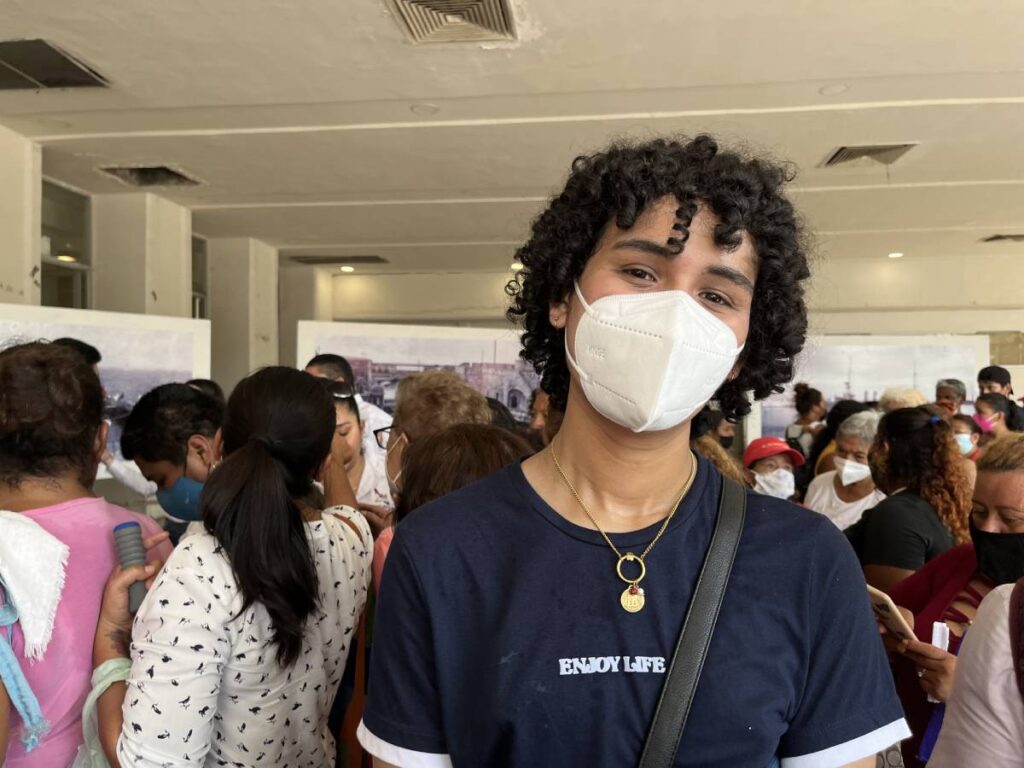
Carhi Amelia Padilla was one of those who arrived to do so after traveling four hours from Minatitlán, where she lives. She is familiar with the Civil Registry's regulations. In fact, she knows them well because she has often inquired about the options and procedures available to make the change. She knows that because it is not a legal process but rather a matter of goodwill on the part of the Civil Registry, it can take months.
Representative Gonzalo Durán Chincoya stated that this type of procedure can be carried out at any civil registry office. However, he admitted that the Gender Identity Law is required, and he assured that a proposal will be submitted to the State Congress for its approval in the near future. Nevertheless, an initiative has been under review since January.
Carhi feels she doesn't have the months it would take to make the change. She's just been accepted to the Benemérita Universidad Autónoma de Puebla and wants to do it now, using her own name, her own identity, being who she is. For that, she needs to move quickly.
A group of activists from her community told her that the events would be held, and in less than a week she arranged everything to go with her mother to the Port of Veracruz and return with the legal certainty she had always wanted.
“If I don’t do it, there will be more things I’ll have to change, and that would be a bigger problem. It’s better to do this separately from the sexual transition, the transition in my life because of university and for the rest of my adult life,” she stated.
One by one they approach the special table set up for them. One by one they hand over the required documents, and after hours of waiting in sweltering heat exceeding 36 degrees Celsius, they finally leave as legally recognized individuals. They leave happy, but knowing that many other transgender people will still have to wait to access that right.
We are present
We are committed to journalism that delves into the territories and conducts thorough investigations, combined with new technologies and narrative formats. We want the protagonists, their stories, and their struggles to be present.
SUPPORT US

FOLLOW US
Related notes

We are present
This and other stories are not usually on the media agenda. Together we can bring them to light.