

Trans Memory Archive in Mexico: Life, Repression, and Survival
The Trans Memory Archive in Mexico is available online to everyone. "We want it to be educational, informative, and to preserve the memory of everything that happened."


Share

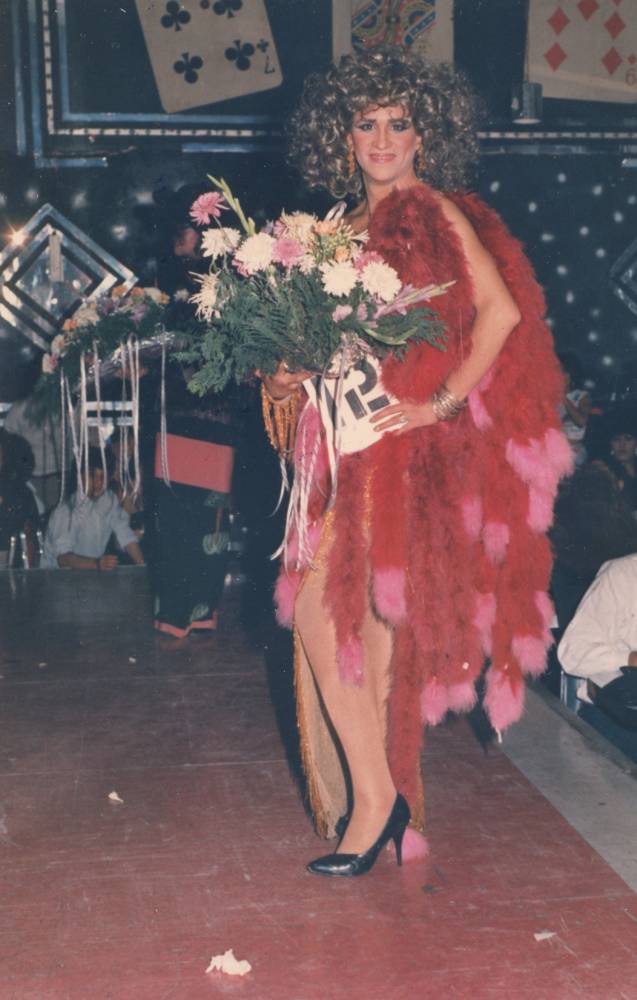
MEXICO CITY, Mexico. The history of trans people matters. Their memory must be preserved, reconstructed, and dignified. This is clear to Brandy Basurto, Emma Yessica Duvali, and Terry Holiday—dedicated to the world of culture, entertainment, and trans activism in Mexico—and César González Aguirre, curator and researcher. And it was in 2019 that various circumstances led them to join forces to create the Trans Memory Archive Mexico .
One of the catalysts was the exhibition "Pirates on the Boulevard: Public Interruptions " by Agustín Martínez Castro. The artist was one of the driving forces behind the Revolutionary Homosexual Liberation Front (FHAR) , created in 1978 at the Centro de la Imagen (Center for the Image). In the photos of that exhibition, they identified trans friends and began to investigate.
Another factor was that César González Aguirre, who curated Piratas , came across the archives of trans actress and activist Coral Bonelli after her death. They noticed that Bonelli's material was highly structured. Shortly afterward, González Aguirre proposed to Terry, Emma Yessica, and Brandy that they create an archive. They used the Argentine Trans Memory Archive as a reference.
Then, the process of launching the project through self-management began. To raise funds and create the website https://www.memoriatrans.mx/, t-shirts were sold. Funds were raised using the photographic archives of Brandy, Terry, Emma Yessica, and Coral. A council was also formed, comprised of Juan Jacobo Hernández, co-founder of FHAR (1978) and Colectivo Sol, AC (1981); Rodrigo Parrini, researcher and playwright; Siobahn Guerrero, transfeminist philosopher; and trans activist Kenia Cuevas.

Images and voices from a lifetime
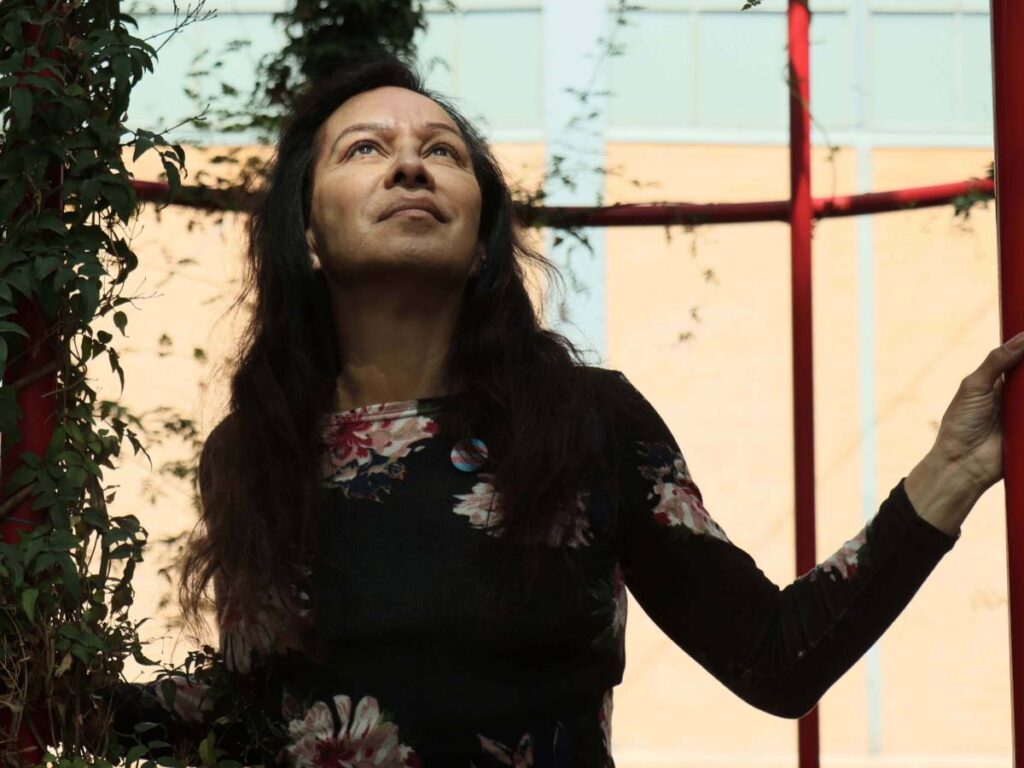
They gradually realized that the archive was compiling not only photographs, but also testimonies . “From a life, from an era, from a life we went through with no small amount of hardship. We experienced some very tough, very difficult times, but ultimately we were resilient, we got through it not only in our jobs but in life itself,” says Terry Holiday.
Terry is 66 years old, an actress, dancer, and has worked in cabaret, theater, film and documentaries.
“As survivors, we felt even more obligated to try to ensure that this memory was not lost. On the contrary, we wanted it to be compiled, to be shown, and in that way, people would be aware that we have always been here, of what we have done, and that these testimonies should not be lost,” he adds.
The marks of repression
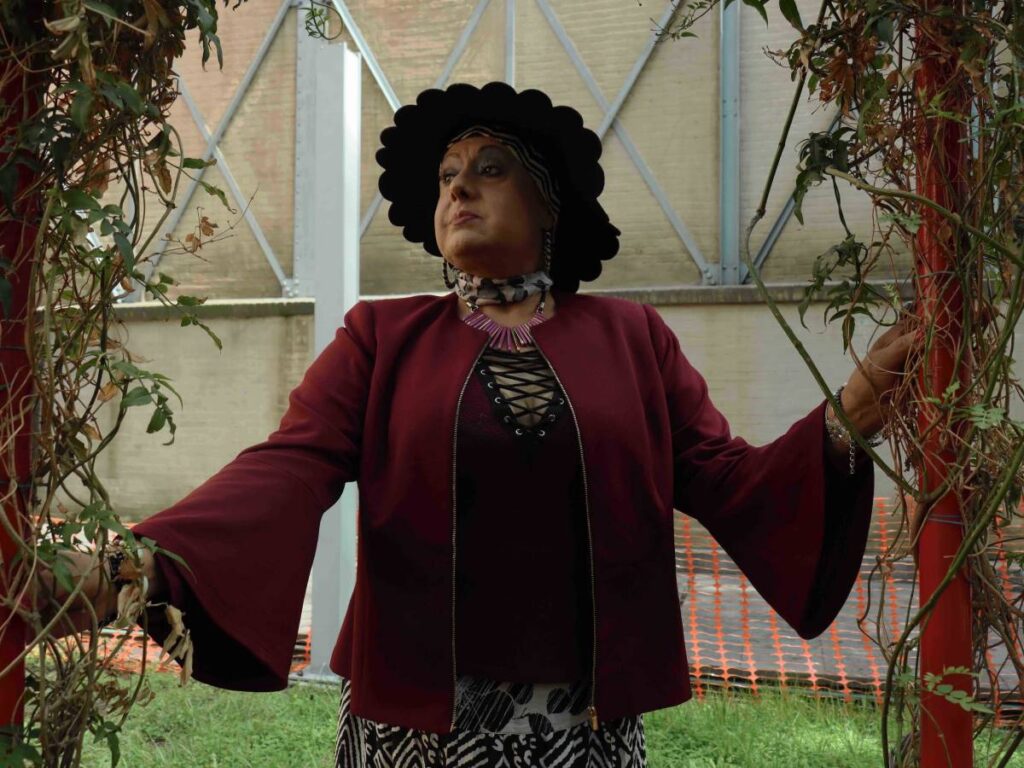
Emma Yessica shares that they discovered that the archive allowed them to record that the lives of trans women were linked to the repressive systems of the 60s, 70s, 80s and even 90s in Mexico.
“Human rights didn’t exist for us. They curtailed our opportunities to study, to have a pension, to have social security, and even to have decent housing.” She is 70 years old and dedicated her life to theater, burlesque, and cabaret. She reports that when she was 17, she was a victim of repression and was imprisoned for a month and a day for dressing as a woman.
“This history of repression and invisibility perpetrated by these systems definitely needs to be documented and preserved in an archive. Fortunately, those of us who survived this chaos have to speak out so that the mistakes of being silenced and submissive in the face of this type of repression are not repeated. What we want is for this archive to be educational, illustrative, and, of course, to preserve the memory of everything that was experienced ,” she points out.
To tell stories to dignify
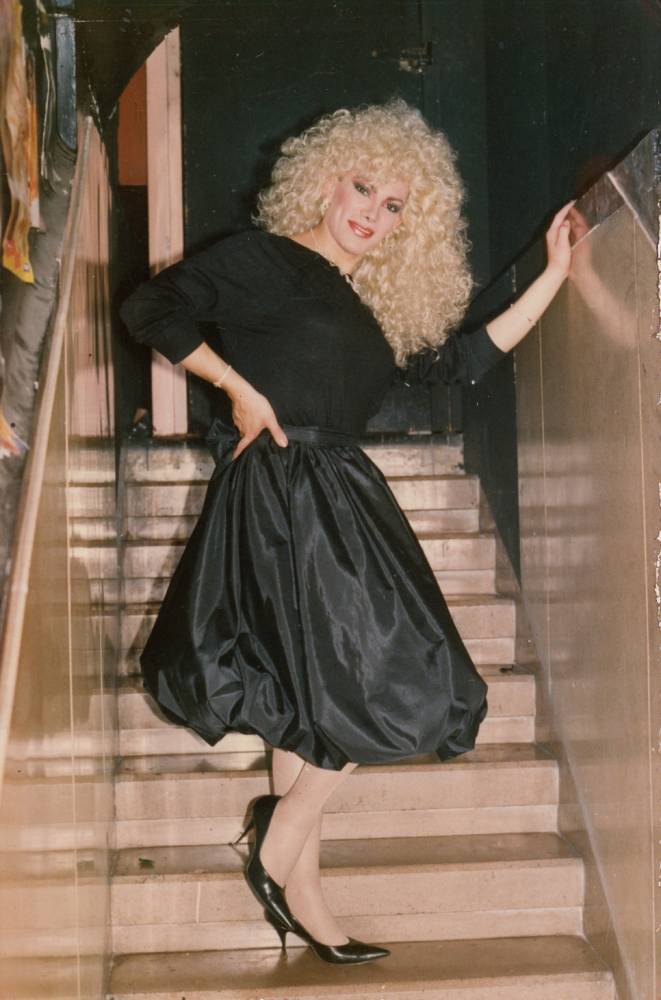
Brandy Basurto dedicated more than 35 years to the nightlife scene, performing drag shows. She speaks of the importance of making room for the diversity of stories and contexts.
“My contribution can be to show that not all trans lives have been terrible. Maybe I'm an island among so many, but I was fortunate to have a family that always supported me. I had an education; I have a degree in classical ballet from UNAM and INBA, and a master's degree in beauty consulting. So, I also want to show people that we don't necessarily have to be punished or murdered for being trans, for being different. I want to show that we deserve respect, understanding, and love. My contribution is to show that it is possible.”

César González Aguirre, curator and researcher, shares that in conceiving the archive they explored themes of memory, dignity, and photographic memory. “ We have been interested in highlighting those things that have been denied, made invisible, excluded, but which, however small they may be, are very powerful together.”
Towards the new generations
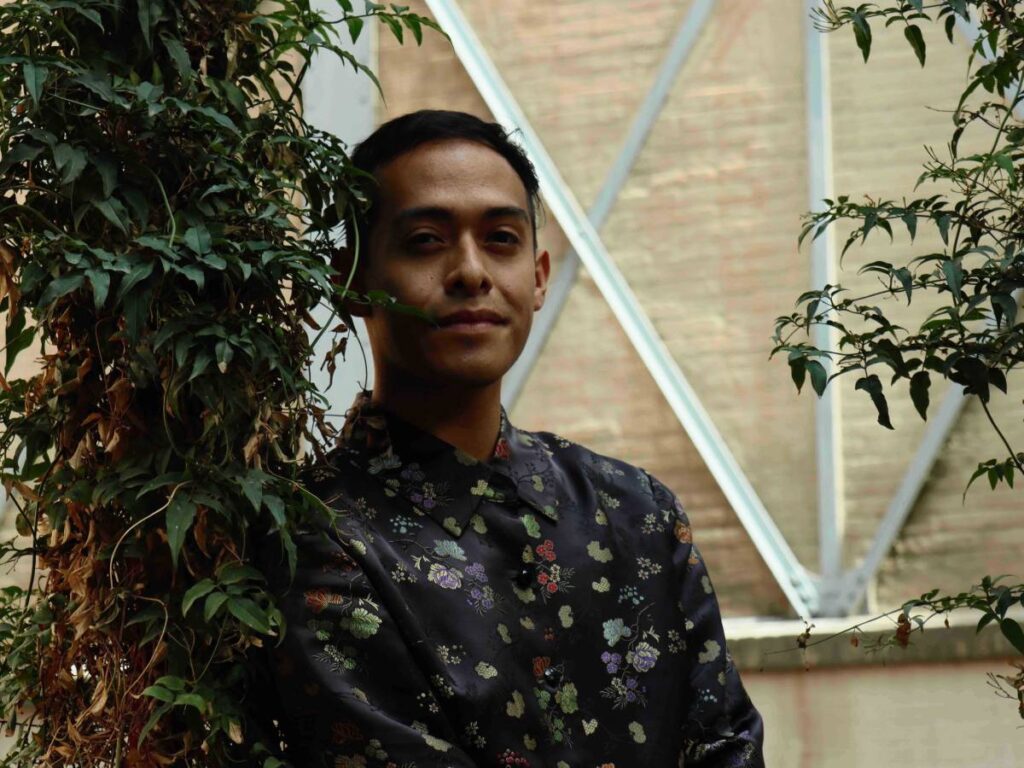
Among the goals of the Trans Memory Archive Mexico is to give people “a general overview of trans women,” Terry Holiday points out. She explains that their involvement in creating this archive doesn't “make them feel superior, or like they've discovered something groundbreaking. It's not about egos; it's an obligation to show society what it hasn't wanted to see. We've always been here, we've fought against the current our whole lives, simply for being ourselves.”
Emma Yessica adds that they will seek more stories from trans women in other states: “We don’t want six grants, we want 6,000.” She also comments that, while there has been progress for trans women, not everything is resolved; problems persist, including a lack of access to rights.
In Mexico, violence against trans women continues to have a significant impact. In 2021, 55 trans women were murdered, according to the report on violent deaths of LGBT+ people published by the organization Letra S.
“Imagine the responsibility of being able to tell those stories, of people who are no longer here… They can’t just be gone and no one knows about their efforts. Thanks to them I had this wonderful life, people who suffered so that those who came after wouldn’t,” says Brandy Basurto.
Terry also reflects on what she, and others, have contributed to the history of trans people in Mexico. “We’ve paved the way so that it won’t be so difficult for new generations to walk it. Because yes, we suffered; we experienced things like: my house was stoned, I was yelled at in the street, in a time when you couldn’t hold hands with your boyfriend, or things that we now see as so normal.”

From the personal to the collective
The archive also allows trans women to share their life stories. These are more personal, intimate accounts, where they themselves can define how to represent themselves. “I have to represent myself now as a dignified, fulfilled, and productive woman,” says Emma Yessica.
Terry shares that decades ago, they had to hide being trans. “For a while you couldn’t say you were trans, you had to say, for example, I’m an actor.”
Brandy believes it's very difficult for people to change their way of thinking, but she has been fortunate enough to be respected for who she is and has witnessed that not everyone is so lucky. Now she identifies as "non-binary; I don't mind being addressed with male or female pronouns, but I do ask for respect."
“They paved a great path for us.”
The Trans Memory Archive of Mexico was launched on June 30th at the Museo del Chopo . Its website is accessible to everyone, which is unique. While other archives exist in universities and private collections, it is uncommon for LGBT+ memory, let alone trans memory, to be readily available to all.
The Witch of Texcoco was one of the artists invited to the presentation. For her, this project “is important to understand our experiences. What we are experiencing as dissidents in this time we owe to people who lived through violence firsthand. We can talk about violence and very sad things, but they were there and experienced it themselves.”
“ I can’t say we’re free of violence now, but they paved a great path for us. Thanks to them, I can say I can perform on stage, that my transition to womanhood goes beyond putting myself in that place where all trans women are relegated, which is sex work in nightclubs. We can do other things. I know sisters who are lawyers, doctors, and that’s really beautiful. Much of that is thanks to their experiences; they lived in the moment, they lived through the process in the 80s. Aside from all the prejudice from the community that subjected them to violence, the HIV pandemic, they truly persevered, and celebrating the lives of women like Terry, Brandy, and all the women here who are over 50 is a triumph,” she emphasizes.


Alliances for memory
Looking ahead, the goal is to expand the photographic and testimonial archive. They are working on partnerships with projects like Juan Jacobo Hernández's Colectivo Sol They are also exploring partnerships with activist Kenia Cuevas and other projects like the Trans Memory Archive in Argentina, with whom they have discussed the influence these projects have had on this initiative in Mexico.
Behind the website is a team made up of Esteban Germán, programmer, Javier Silva with digitization, Marco Ramírez in design, and Omara Corona who has done research.
After the presentation, there was a celebration. There, Brandy, Terry, and Emma Yessica, accompanied by other trans women and LGBT+ activists, celebrated their struggle and their joy. Trans resistance also lies in nurturing memory.
We are present
We are committed to journalism that delves into the territories and conducts thorough investigations, combined with new technologies and narrative formats. We want the protagonists, their stories, and their struggles to be present.
SUPPORT US

FOLLOW US
Related notes



We are present
This and other stories are not usually on the media agenda. Together we can bring them to light.