

Mireya's transfeminicide: Mexico's justice system leaves unpunished a case that could have marked a turning point
Mireya Rodríguez Lemus, a trans activist, was murdered in 2020 in Chihuahua. It was the first case to go to court that considered gender identity. How will the demand for justice for Mireya continue after the ruling that leaves the crime unpunished?

Share

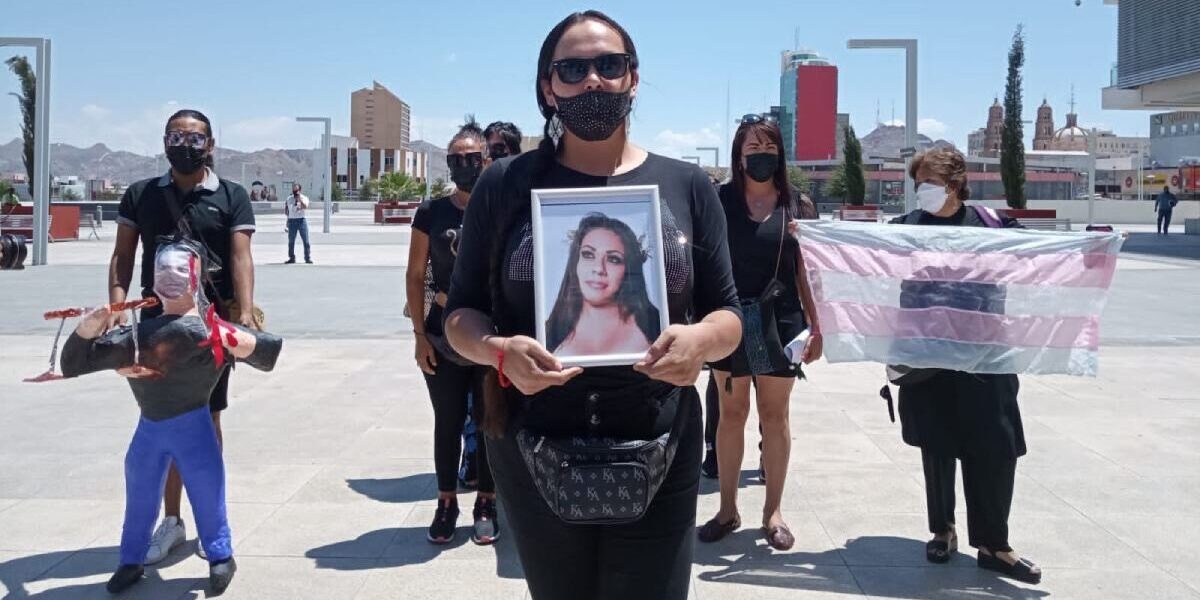
The case of Mireya Rodríguez Lemus, a trans activist murdered in 2020 in Chihuahua, could have been a watershed moment for trans women's right to access justice in Mexico . It was the first case brought to court in which a trans woman's gender identity was considered. Nearly two years after the transfemicide of Mireya Rodríguez Lemus, three judges of the Chihuahua Superior Court of Justice left her murder unpunished by dismissing more than 70 pieces of evidence implicating the only person arrested , who was subsequently released. Activists and family members believe that the justice system acted in a discriminatory manner in this instance.
The Specialized Prosecutor's Office for the Investigation of Human Rights Violations announced that it will appeal the ruling. "Technical and legal staff from the Prosecutor's Office, in collaboration with the organization Unión y Fuerza de Mujeres Trans Chihuahuenses (the organization founded by Mireya ), are preparing the respective grievances so that an Appeals Court can review the ruling."
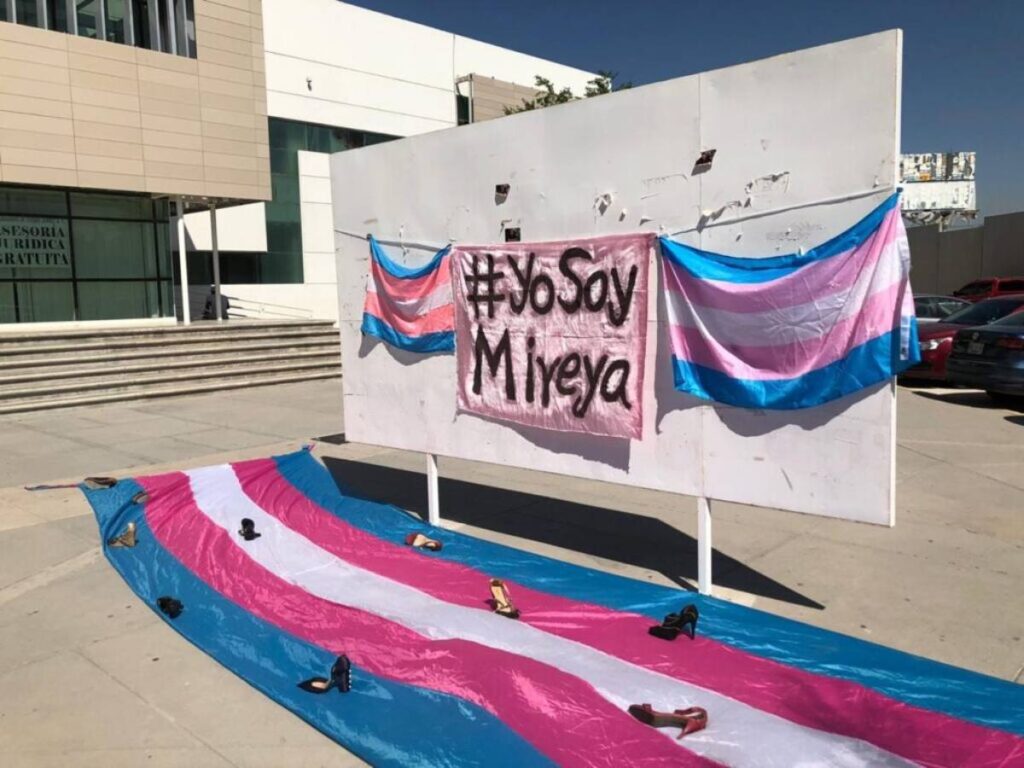
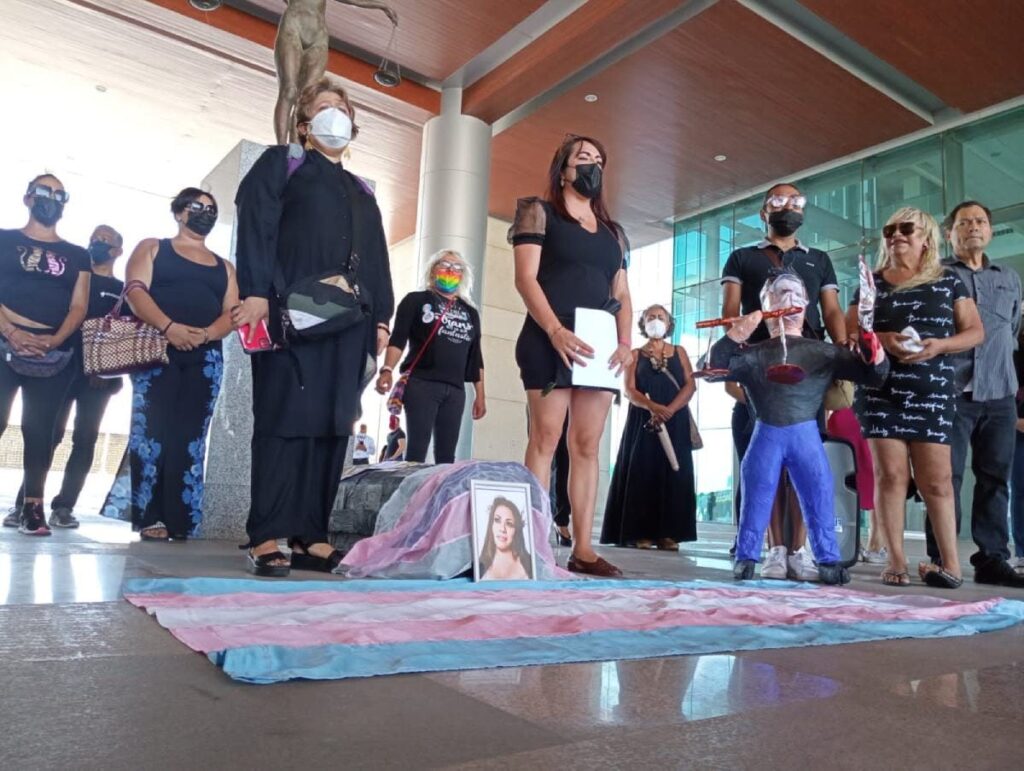
Mireya was a trans woman, sex worker, and activist from Chihuahua, a state in northern Mexico. On September 2, 2020, she was found dead in her home with signs of violence.
The organizations closely following the case—Unión y Fuerza de Mujeres Trans Chihuahuenses (Union and Strength of Trans Women of Chihuahua), the Arturo Díaz Betancourt Virtual Clinic, the Letra S , and Mireya's father—rejected the verdict. They denounced the biased actions of the judges on the panel of the Superior Court of Justice of Chihuahua (TSJ) and stated that they will seek recourse through other legal channels.
On July 8, 2022, Judges Aram Delgado García and Ricardo Márquez Torres, and Judge Lucero Moreno Navarrete of the Chihuahua Superior Court of Justice questioned the last proof of life of Mireya. They dismissed more than 70 pieces of evidence and released the alleged murderer.
First transfemicide investigated “on the grounds of gender”
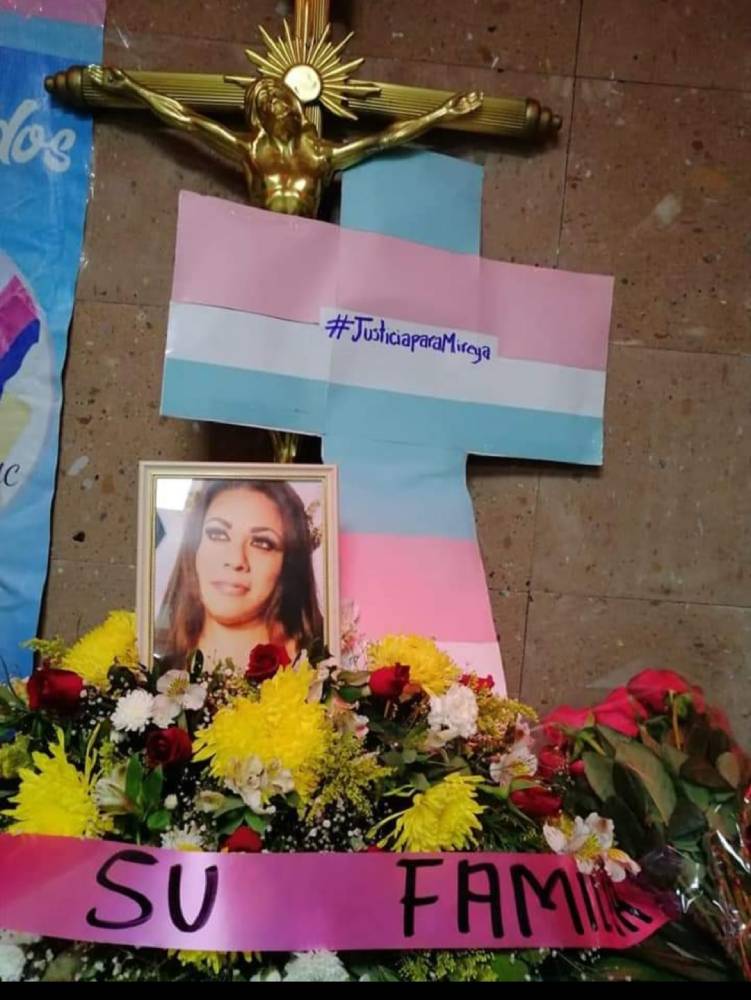
“On July 8, those three judges killed my sister Mireya again, and all the trans people of Chihuahua. That’s the message they send : that we are worthless, as if we were invisible to the justice system, that anyone could be next and nothing happens. The message for the people who hate us is that nothing will happen to them because justice is not served,” Mayte Gardea, activist, friend of Mireya, and current president of Unión y Fuerza Mujeres Trans Chihuahuenses (Union and Strength of Trans Women of Chihuahua) Presentes
It was the first legal case in Mexico where the gender identity of a murdered trans woman was formally included as part of the judicial investigation . Never before had such a crime been classified as "gender-based homicide." This classification was adopted by the Specialized Prosecutor's Office for the Investigation of Human Rights Violations and Forced Disappearances in Chihuahua, days after the crime. On September 11, 2020, the office charged the alleged perpetrator with aggravated homicide based on gender and aggravated robbery . The accused was ordered to be held in pretrial detention for two years.
All of this occurred after complaints and demands made in 2020 by activists and the Office in Mexico of the United Nations High Commissioner for Human Rights.
The Office of the United Nations High Commissioner for Human Rights, through its office in Mexico, also joined the call for justice for the transfemicide of Mireya. Her death occurred within a context of extremely high levels of lethal violence against human rights defenders like her.
“Despite the relevance of the case, since it is the first murder of a trans woman in the state that was investigated with a gender perspective, certain flaws still permeate the justice system, as they base their decisions on biased perspectives, with the presence of certain prejudices, which directly affect the final resolution,” the organizations supporting the case press release
Who was Mireya?
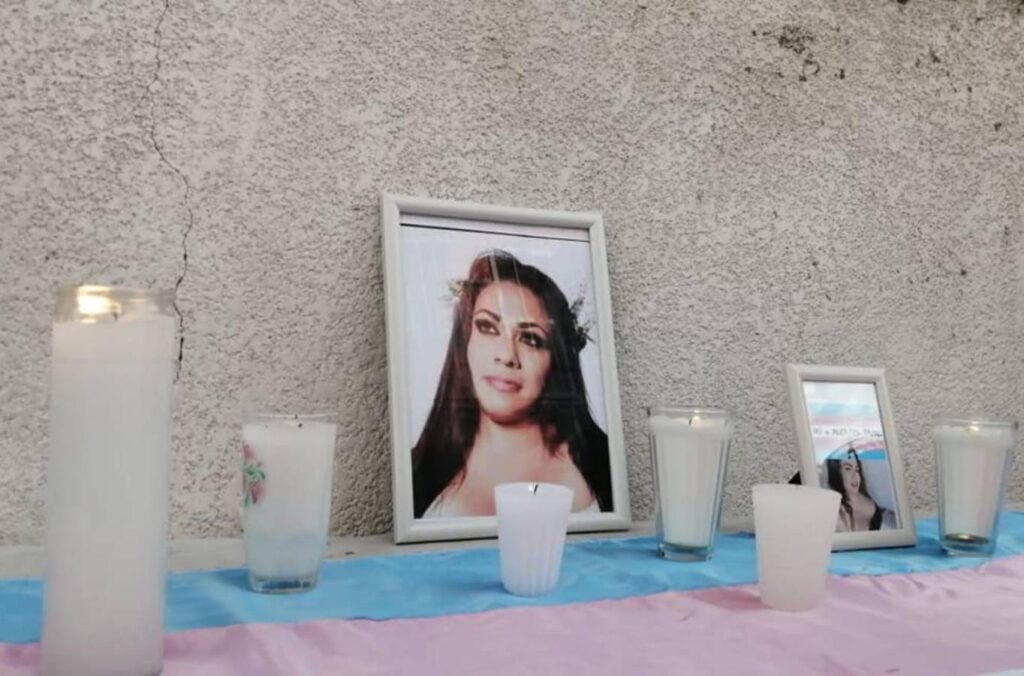
“Mireya was a strong, courageous trans woman. She worked as a sex worker and was a human rights defender. Mireya fought for the rights of trans women and sex workers in Chihuahua. She succeeded in getting the 'health card' ( recommendation 58/2016 of the State Human Rights Commission) repealed—a card that wasn't about health but about stigma, police persecution, and discrimination against this population,” Mayte Gardea recalls in an interview with Presentes .
In addition, Mireya was a promoter for the Global Fund to Fight AIDS, Tuberculosis and Malaria. She founded the Union and Strength of Trans Women of Chihuahua Association and organized the first state-level meetings of trans women.
What is known about the transfeminicide of Mireya
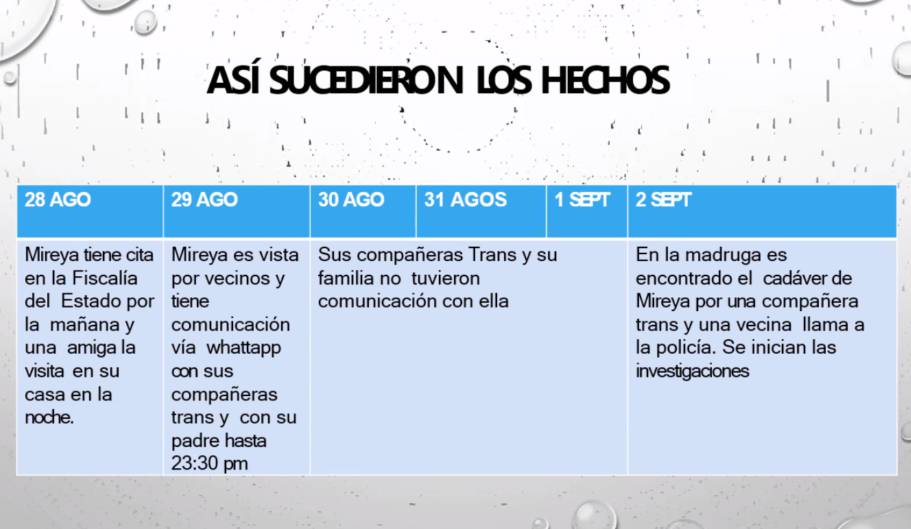
Mireya Rodriguez was last seen on August 30, 2020. On September 2 of that year, she was found dead in her home, and her body showed signs of violence. Her cell phone and car had also been stolen.
According to Laura Hernández, the lawyer for Mireya's family, the chronology of events shows inconsistencies between the versions of the Prosecutor's Office and the defense of the accused, which influenced the order of events considered by the judges of the Court of Justice.
In the early hours of September 2, 2020, Laura Hernández recounts, “trans colleagues and a neighbor found Mireya’s body, called the police, and that’s when the investigations began.”
On September 11, 2020, as mentioned, the Specialized Prosecutor's Office for the Investigation of Human Rights Violations and Forced Disappearances in Chihuahua charged the alleged perpetrator with aggravated homicide due to gender-based violence and aggravated robbery. He was ordered to be held in pretrial detention.
Journalist Leonardo Bastida reported that the arrest of the alleged perpetrator occurred after "clothing with blood was found at his home, including a pair of sneakers whose prints were detected at the scene of the crime. He also tested positive in handwriting analysis."
The lawyer mentioned that the alleged murderer also stole and sold Mireya's car after killing her. He also had the activist's cell phone in his possession, but she did not specify whether this evidence was dismissed by the judges.
Inaccuracies and discarded evidence
The lawyer explained: “The medical examiner who performed Mireya’s autopsy concluded: ‘The exact date of death cannot be determined due to various factors; it could have been within the last five days.’ But the court handling the case stated that Mireya ‘died around 8:00 a.m. on August 28.’ However, there is evidence that Mireya was alive that day and WhatsApp communication logs.”
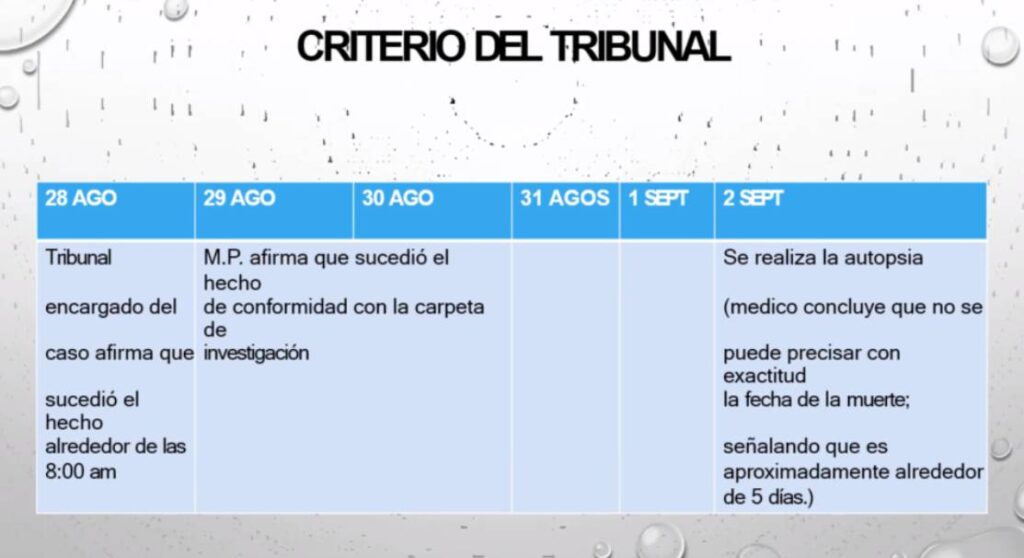
Furthermore, he commented that the Chihuahua State Attorney General's Office case file contained 65 testimonies, of which the judges only considered ten. And there were 75 pieces of documentary evidence, of which only one was considered.
“It seems that the judges are trying to justify their ruling in the sentence, with prejudices towards Mireya and trans women,” the lawyer said.
She added that two of the main pieces of evidence that the judges did not consider in the sentence were: the WhatsApp communication that Mireya maintained with her colleagues and family members during August 28 and 29, 2020 ; and a contextual expert report that considered the vulnerability of trans women in Chihuahua and the violence motivated by prejudice, in order to judge with a differentiated approach, a human rights perspective, and a gender perspective.
The biases of the judges, the discarded evidence, and the imprecision regarding the date on which Mireya was murdered were the reasons why the Chihuahua Superior Court of Justice kept the transfeminicide of Mireya Rodriguez unpunished.
“Mireya was revictimized even after her murder”
In Mexico, a national protocol for those administering justice in cases involving sexual orientation or gender identity It was not enough to guarantee justice for Mireya Rodríguez.
Mayte Gardea said that “the investigations were supposed to have a human rights and gender perspective. That wasn't the case. To the point that on the day they handed down the sentence, my lawyer and I were already surrounded by security personnel. But the trans femicide perpetrator wasn't. We live in a state rife with prejudice.” Gardea warns that her sister Mireya “was revictimized even after she was murdered by those three judges who are a danger to women who are victims of femicide and trans femicide in Chihuahua.”
For her part, lawyer Laura Hernandez pointed out that the sentence also has procedural flaws. Its wording revictimizes Mireya, but not the accused.
“Many of the existing prejudices are repeated. There is prejudice-based violence within the very wording of the sentence ; for example, 'Mireya was robust, had large hands, was aggressive.' And the accused says 'she was athletic,' he explains.
With the decision of the judges, Mayte Gardea feels afraid and during the phone call with Presentes, she could not help but remember Marisela Escobedo.
Marisela Escobedo was a woman who sought justice for the femicide of her daughter, Rubí Fraire Escobedo, a 16-year-old girl murdered by her boyfriend. Marisela began a fight for justice and truth, investigating on her own, and despite all the evidence presented, the judges acquitted the man. Months later, in 2010, Marisela was murdered in front of the Chihuahua State Government Palace. The mastermind behind the crime was the same man who had killed her daughter.
“If there was no justice for Marisela, who was murdered in front of the Government Palace, what awaits us trans women when the trans femicide perpetrator is free? Fear, fear, and impunity because there is no justice,” Mayte Gardea continues to ask.
Impunity and transfemicides: on the rise
According to the hate crime registry observatory run by Letra S , from 2015 to 2021, at least 28 trans women were murdered in Chihuahua .
“ The vast majority of trans femicides in Chihuahua have gone unpunished. In most cases, the killer is not identified. Sometimes the victim isn't even identified, and there's no contact with the victim's family. When the killer is identified, they are often not arrested. And when they are arrested, as in the case of Mireya Rodriguez, the judges rule in favor of the alleged perpetrator and, with an acquittal, release them,” explained Alejandro Brito, director of Letra S, during a press conference.
She added, “Impunity in trans femicides is very close to one hundred percent. Hence the rage we feel at the release of this perpetrator. For us, he met all the criteria that proved this person was the one who took our colleague's life,” Brito concluded.
They request security measures and an appeal.
Following the ruling by the Superior Court of Justice, the lawyer requested security measures from the Attorney General's Office of the State of Chihuahua and the Executive Commission for Attention to Victims (CEAV) for the people who were protected witnesses during the investigations.
Furthermore, the Specialized Prosecutor's Office for the Investigation of Human Rights Violations announced that it will appeal the court's decision. Together with the Union and Strength of Trans Women, they are compiling a list of grievances stemming from the acquittal of Iván Arturo GP, who, according to the technical body, is likely responsible for the murder of activist Mireya R. L.
“What we want is justice.”
Mayte Gardea commented that they will exhaust all possible legal avenues at the state and federal levels, including the Supreme Court of Justice of the Nation. They may even file a claim with the Inter-American Court of Human Rights.
“We are fed up. What we want is justice , and to be entitled to it,” she said.
She spoke about strengthening community work with trans women and sex workers in Chihuahua, providing information on justice and prevention, how to report abuse, and what to do if they find themselves in a risky situation.
“ Given the lack of sensitivity from the authorities, the lack of justice, all we have left is community work . But I won't lie to you, there are mixed feelings. I see a future of tireless struggle. Especially because (in Chihuahua) we are in a moment of crisis for all human rights defenders,” she concluded.
“They took my daughter away, I hope they value human life.”
The case of Mireya Rodriguez could be a watershed moment for the right of access to justice for trans women at the local and national level, as it was the first case that was judicialized where the gender identity of a trans woman was considered.
Besides being the first case in which Mireya's gender identity was recognized in court, at least by the Prosecutor's Office, the lawyer considers it "a landmark case." It was also the first time that trans women who gave testimony during the investigations were classified as protected witnesses. And because Mireya's father remains involved in the fight for justice for his daughter's transphobic murder; something that activist Mayte Gardea considers unusual.
“ Having (family) support after being murdered is not common for most trans women ,” she says.
In that regard, Mireya's father, Jesús Rodríguez, said at a press conference: “What I want is for justice to be served. When the crime was committed, they not only took away my daughter, they took away my health. I hope this message reaches everyone and that honest judges hear it and uphold the value of human life.”
We are present
We are committed to journalism that delves into the territories and conducts thorough investigations, combined with new technologies and narrative formats. We want the protagonists, their stories, and their struggles to be present.
SUPPORT US

FOLLOW US
Related notes


We are present
This and other stories are not usually on the media agenda. Together we can bring them to light.