
 Apoyanos
“Travesía Travesti”, la película que reúne piezas fundamentales de la memoria trans-travesti de Chile
El documental fue filmado durante el estallido social de 2019-2020 en Chile. Ya estrenó en su país y está participando de festivales.
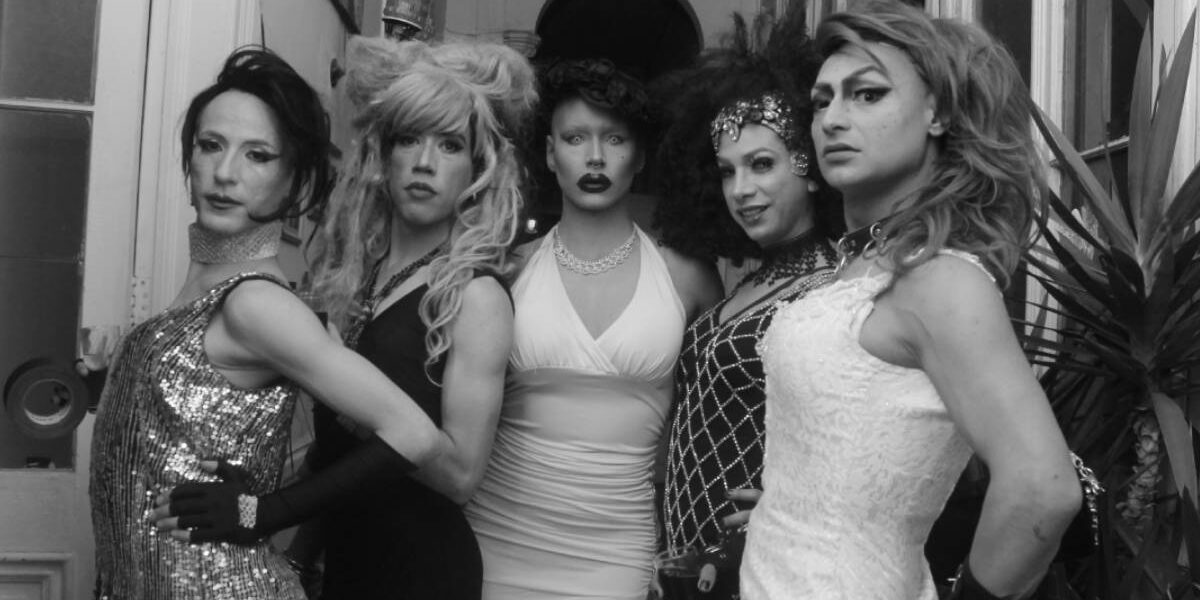


SANTIAGO DE CHILE, Chile. “Que no me roben más. Que los hombres se puedan enamorar de las travestis. Retorno. Turgencia. Volver a amar. Viajar, por mí y por todas mis compañeras”.
Anastasia Benavente es licenciada en Literatura y Lingüística Hispánica, académica y activista del sindicato de trabajadoras sexuales Amanda Jofré. Escribe ese deseo en una carta de Año Nuevo que lee en una de las primeras escenas de Travesía Travesti, una película documental que gira en torno a los vínculos de la amistad, el amor, el desencuentro, el arte, la memoria, la política y las crisis y urgencias de la comunidad trans-travesti de Chile.
Es el tercer largometraje del director chileno Nicolás Videla, conocido artísticamente como Amnesia Letal. Indaga en la historia y relación laboral y de amistad que Anastasia tiene con Maracx Bastardx, cuyas disputas históricas terminan por desintegrar a una colectiva artística y a su mayor éxito teatral, la obra “Cabaret Travesía Travesti”.
La película fue filmada entre 2019 y 2020. La última función del cabaret coincidió con el estallido social de Chile, justo cuando lxs performers intentan reagrupar el fracturado elenco para sumar sus demandas a ese momento clave en la historia del país. Se estrenó en junio en salas de Santiago y otras ciudades, después de un largo periplo por festivales internacionales. En septiembre debutará en salas de Argentina.
No solo es un documento que plantea preguntas sobre los modos de organización social, política y afectiva de la comunidad trans-travesti. En un país donde no existe un archivo histórico de la comunidad, esta pieza también apuesta por empezar a construirlo, a partir del rescate de distintos materiales audiovisuales, especialmente de Munique Fonguebertt, una artista fundamental en la historia del transformismo chileno, que pocxs conocen. Anastasia, una de sus discípulas y coprotagonista de la película charló con Presentes.
– ¿Qué representa este documento para ti y para toda la comunidad trans-travesti de Chile?
-Las mujeres trans y travestis hemos vivido bajo un contexto de violencia estructural. Vivimos en un entramado de prácticas de discriminación, de trans-odio, falta de oportunidades, de violencia física, violencia del Estado, de las instituciones y de la familia. Pero, además, vivimos en medio de una violencia que no es muy nombrada: la violencia epistémica. Esto significa que hemos quedado sin la posibilidad de generar nuestro propio conocimiento. Por el contrario, el conocimiento que se generó sobre nosotras ha sido bajo la lógica cisgénero, donde casi siempre hay una criminalización o una espectacularización de nuestras prácticas. Lo que hace esta película es contribuir a la construcción de una memoria de la comunidad a partir de sus propias voces. Amnesia Letal, quien la dirige, también es parte del espectro travesti y drag queen y es una persona que ha experimentado con su género y con su expresión.
Además, ha sido parte de la colectiva que inspira el documental. Su mirada es clave para construir una memoria que se aleje de la perspectiva cis, y se acerque a la de su propia comunidad, que finalmente es la que sobrevive a este contexto de violencia.
-Tu relación de amistad y complicidad con Maracx Bastardx es el hilo conductor de la historia, pero algo se rompe entre ustedes y vemos mucho desencuentro a raíz de los intereses de cada una. ¿Crees que le hace bien a la comunidad mostrar ese tipo de conflictos?
-Este es un tema recurrente desde que empezamos a exhibir la película y me gusta mucho hablar de ello. Siendo una comunidad sometida a esta violencia epistémica, efectivamente entre nosotras también existe mucha violencia. Tenemos dificultades y problemas para organizarnos. Creo que eso ocurre porque todo el odio que nos llega lo acumulamos en nuestras cuerpas, cotidianidades y experiencias. Entonces, no juzgaría en términos binarios sobre si es bueno o malo mostrar las diferencias o rivalidades, porque al final son prácticas heredadas de un sistema patriarcal y heteronormativo. Lo que hace esta película es intentar componer la fractura que existe en este colectivo artístico, y como las fracturas que existen en la vida, es relevante y necesario mostrarlas. Sobre todo, porque se dan en un grupo humano altamente golpeado como el nuestro.
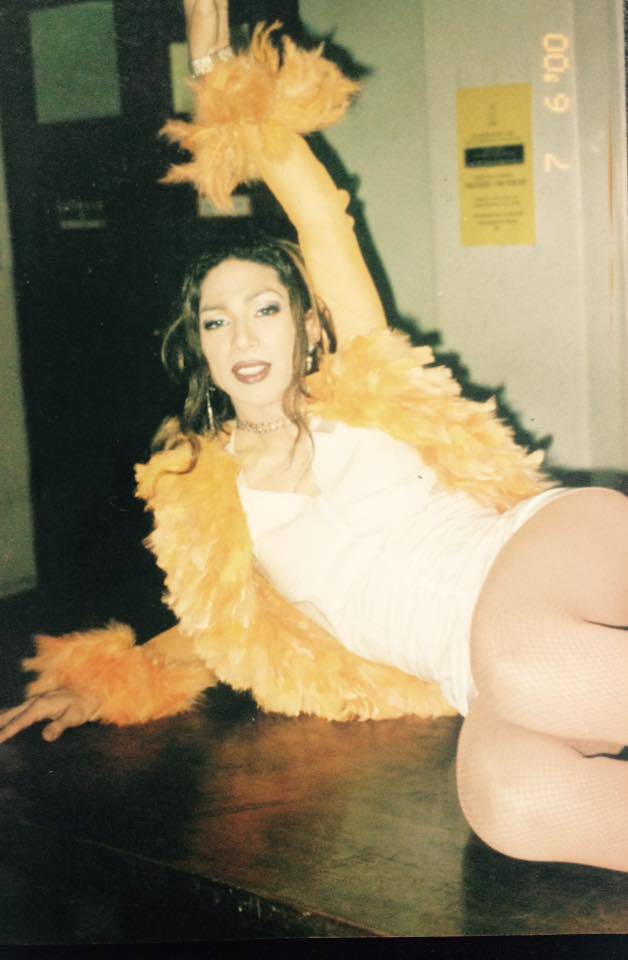
-Viajaste a muchos países promocionando la película, algo que no le pasa muy a menudo a una mujer trans. ¿Cómo fue esa experiencia?
-En el Festival de Cine de Valdivia, en Chile, se decidió mostrar por primera vez la película, porque lo consideramos relevante en el contexto del estallido social. Pero vivimos una experiencia muy discriminatoria y nos trataron pésimo. Hubo mucha descoordinación en medio de un día lluvioso, de mucho caos… Yo llegué al teatro directo del aeropuerto y no quisieron prestarme un baño para cambiarme o maquillarme, aun cuando vieron que estaba totalmente empapada por la lluvia. Tuve que cambiarme en un rincón. Algunas compañeras llegaron cinco o diez minutos tarde a la función y no las dejaron entrar. La mayoría eran mujeres trans que nunca en su vida habían ido al cine, porque la cultura no es algo a lo que tenga acceso nuestra comunidad. Fue una experiencia realmente traumática.
Con ese temor embarqué un avión a Ámsterdam, pensando en que quizás algo así podría repetirse en el IDFA. Es el festival más reconocido de la industria de cine documental en todo el mundo. Pero la experiencia fue totalmente distinta. Nos recibieron con una alfombra roja y nos sirvieron una copa de champán, se preocuparon de detalles y de darnos todo lo que necesitábamos para que estuviéramos cómodas. En todo momento nos preguntaban cómo estábamos y cómo nos sentíamos, preguntas tan simples y a la vez tan importantes. Fue una experiencia hermosa. Nunca jamás me imaginé que yo iba a tener estas posibilidades, después de tanto pelear con la vida para salir adelante.
Así ha seguido la dinámica en otros festivales donde hemos ido. Y con esto no quiero decir que las personas trans necesitemos un trato especial, pero sí un trato digno. Eso lo entienden en otros países, pero no en Chile.
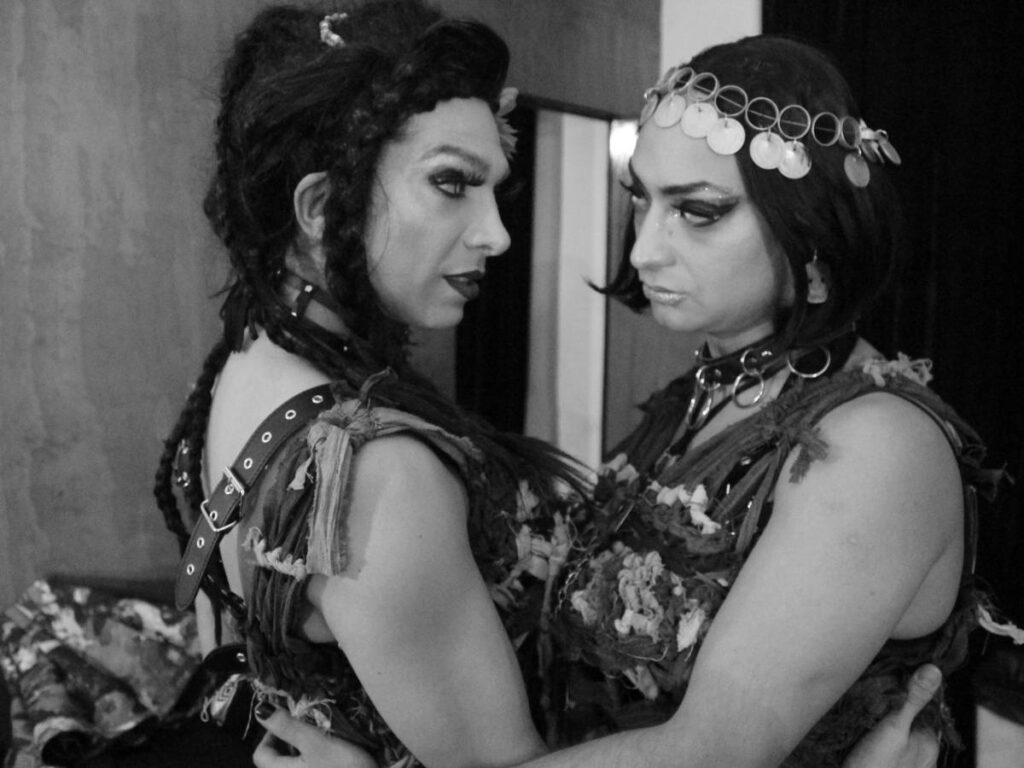
– ¿Cómo reaccionan las personas de otros países cuando ven la película?
-Se interesan mucho por la realidad sociopolítica que estamos viviendo y por todo el proceso de cambio que vino con el estallido. Los temas de la comunidad travesti-trans que tratamos en la película ya están muy resueltos en Europa. El tema de la expectativa de vida, que en Latinoamérica es de apenas 35 años, ya no es una urgencia en ese lado del mundo. Menos en un país tan avanzado como Holanda. Allá los temas son otros. Por ejemplo, el estreno de la película coincidió con las disculpas y reparación que el gobierno holandés estaba ofreciendo a los ciudadanos trans que hasta 2014 fueron forzados a esterilizarse para poder cambiar de identidad. Eso sucedió en el marco de una ley de identidad de género, vigente desde 1985.
Es una discusión muy interesante. Porque además de reconocer una violación de derechos humanos, abre la puerta a otro debate que a nuestra comunidad le importa mucho, como el de la maternidad y paternidad. Iniciar un proceso de transición no tiene que significar necesariamente que se anulen nuestras posibilidades de construir familia, tener hijes, criar y educar a otro ser humano. En términos políticos, es una discusión de la que Chile está a años luz.
-¿Qué expectativas tienes del gobierno actual y de una eventual nueva Constitución para Chile con respecto temáticas que afectan a la comunidad trans?
-Con Alejandra Soto, presidenta del sindicato Amanda Jofré, tuvimos la oportunidad de participar del proceso de audiencias de la Convención Constituyente. Cuando asistimos, teníamos diez minutos para exponer y nos dejaron hablar más de 30 minutos, porque nuestro testimonio y el informe que presentamos causó mucho impacto. Ese espacio nunca antes lo habíamos tenido y lo agradecemos profundamente. Creo que la Convención se quedó muy sensibilizada con el tema. Es muy esperanzador saber que hay un artículo que garantiza el derecho al libre desarrollo y el pleno reconocimiento de la identidad de cada ser humano. O leer líneas que nos permitirán la igualdad de oportunidades y la posibilidad de emanar leyes que efectivamente vayan en favor de mejorar nuestra calidad de vida.
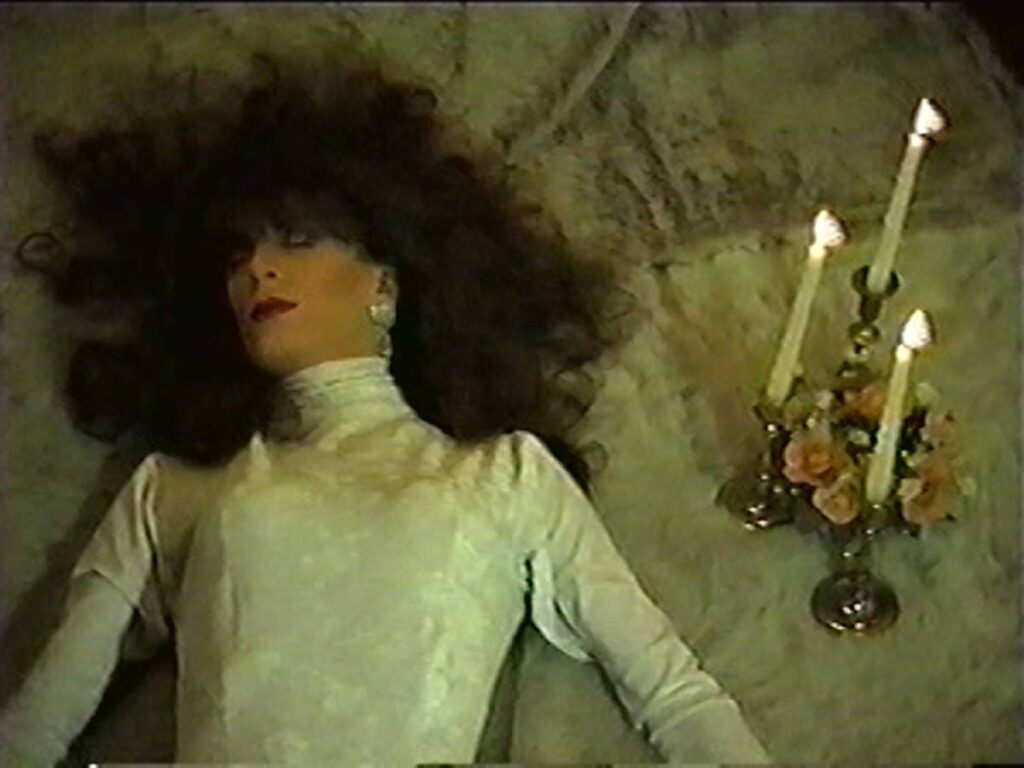
-Casi al final de la película dices que a nadie le importa la historia de tu amiga y maestra Munique Fonguebertt más que a ti. ¿Por qué lo dices?
-La Munique fue una gran estrella, salió en televisión, tuvo su propio bar… Fue una persona muy creativa y talentosa, y un personaje clave en la historia del transformismo chileno, pero casi olvidado. Tuve la oportunidad de conocerla y el privilegio de ser su discípula, su amiga, casi como una hija. Cuando ella muere, heredé todas sus cosas y entre eso había una caja llena de cintas de VHS donde estaban registradas todas sus apariciones en televisión y muchos de sus shows.
Guardé ese tesoro durante diez años y nunca más lo vi. Cuando Amnesia empezó con la idea de la película le comenté que tenía ese material, fue mágico y calzó perfecto. Ella terminó alejándose del transformismo muchos años antes de morir, pero su legado tiene que estar vivo, y por eso le hacemos una suerte de homenaje en la película. Esa construcción de memoria que queremos compartir con el mundo también se va dando por la posibilidad que hemos tenido de organizarnos y de acompañarnos.
Entonces, si yo no me hubiese quedado con esas cintas de video y no las hubiese guardado como el tesoro que eran, hace años estarían en la basura y las nuevas generaciones no sabrían quién fue la Munique. Esta es mi forma de agradecerle todas las herramientas que me entregó. Todo lo que hizo por mí hace más de 30 años, cuando en Chile era muy difícil hacer transformismo y mucho más difícil todavía atreverse a ser una persona trans.
Somos Presentes
Apostamos a un periodismo capaz de adentrarse en los territorios y la investigación exhaustiva, aliado a nuevas tecnologías y formatos narrativos. Queremos que lxs protagonistas, sus historias y sus luchas, estén presentes.
APOYANOS

SEGUINOS
Notas relacionadas
Estamos Presentes
Esta y otras historias no suelen estar en la agenda mediática. Entre todes podemos hacerlas presentes.