

Argentina passed a new law on HIV, Hepatitis, Tuberculosis and STIs
After many years of struggle, the new law on HIV, Hepatitis, Tuberculosis, and STIs was approved in the Argentine Senate. Why it can save many lives.



Share

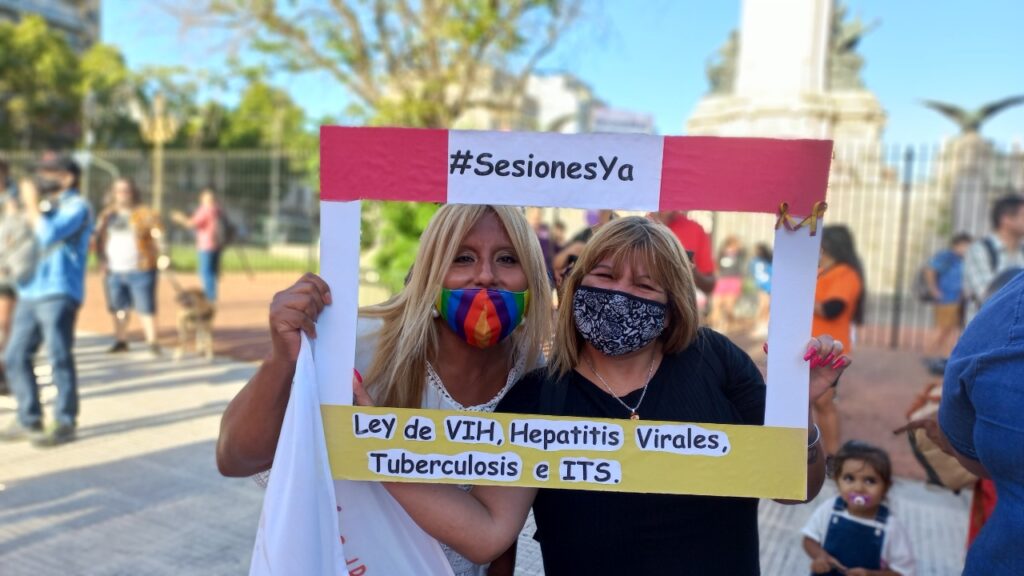
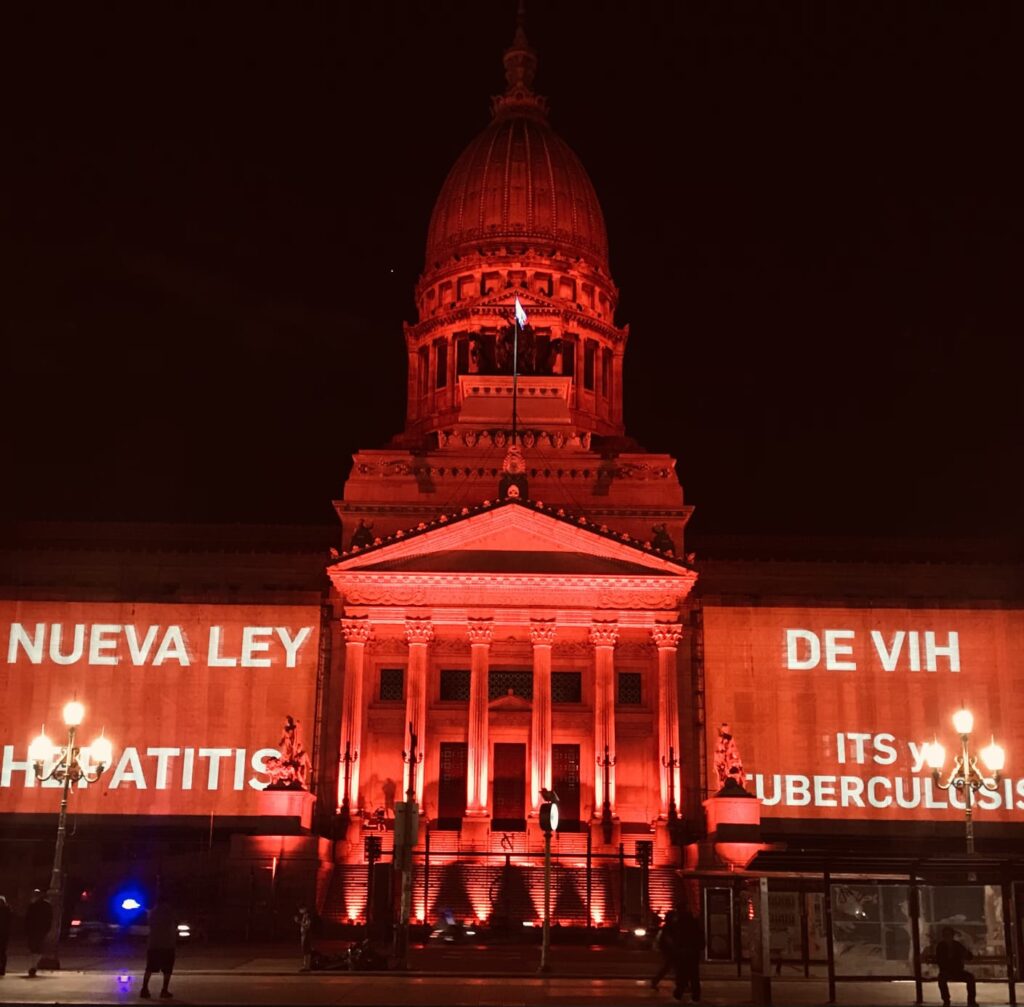
BUENOS AIRES, Argentina . The new law on HIV, Hepatitis, Tuberculosis, and STIs was approved tonight in the Senate by a wide margin, with 60 votes in favor and one against. Its implementation will have a tremendous impact on the lives of many people. José María Di Bello is convinced that what has just happened will save lives.

“This law is going to change my life forever. I found out about my diagnosis through a pre-employment test when I was trying to get a job, which I ultimately didn't get. I know that this is still happening to many people. And now we're going to have a legal framework to protect us,” said Manuel Ferreiro, provincial coordinator for the City of Buenos Aires of the Network of Positive Youth and Adolescents (RAJAP). He knows what he's talking about.
Why will this law save lives?
José María Di Bello is president of the GEP Foundation, and one of the people who has been fighting for eight years to get this law passed, putting together and debating the five projects that were presented since 2016.
“The most important impact of this law is that it will save lives. Every year, 5,000 people die in Argentina from causes associated with HIV and chronic viral hepatitis . Many of these deaths are preventable. But these deaths are not due to a lack of treatment. Nor are they due to a lack of access to the healthcare system, although access is often complicated by vulnerable situations. These deaths are related to social vulnerability, poverty, and discrimination. That is why this law will save those lives,” José María insists.

The focus emphasized by the organizations that make up the National Front for the Health of People with HIV is that this new law addresses social determinants.
“Because it proposes a social protection response. It creates non-contributory pensions for people with HIV and chronic viral hepatitis who do not have formal employment. It is essential so that people have something to eat before taking their medication every day ,” warns the president of the GEP Foundation.

Years of struggle for the new law

Until today, Argentina had a law dating back to 1990. And this isn't the first time a bill has been introduced in Congress to amend that document, which reflects 32 years of history and struggles that went unmentioned. This was, in fact, the third attempt.
The first two times (in 2016 and 2018) it lost its parliamentary status; that is, the stipulated time between a bill's introduction and its debate in session passed. And if that happened, the organizations explain, it was because of a lack of political interest.
“In 2018 we added the pension articles, because after the first years of Macri's administration, people who had access to non-contributory pensions had them taken away. This cannot be left to the discretion of the government in power. That's why we added them,” explains José María.
He continues: “In 2020, we undertook a review process of the 2018 bill. We met every Sunday for six hours each time, for five months, in the midst of the pandemic, to improve the bill's drafting in terms of legislative technique. That's when tuberculosis was added. We took into account that these are the most prevalent communicable diseases in Argentina and the world, and they are also common co-infections with HIV.”
This revised version also included a chapter on women and people with reproductive capacity. The gender perspective was incorporated into the writing, and some articles were explored in greater depth.
“We’ve never gone this far before. Fortunately, many legislators have taken up the bill and brought it to the floor, championing it as their own: Carolina Gaillard (Frente de Todos), Maximiliano Ferraro (Coalición Cívica), Romina Del Plá (FIT – Unidad). It transcends political parties. We learned this from the abortion bill. This has to be a demand of all of society, not something that can be exploited by a single political party,” explained Manuel Ferreiro.
A sign of the political system
For Leandro Cahn, executive director of Fundación Huésped, this new law carries an important message: “It’s a positive sign from the Argentine political system that it’s putting back on the agenda an issue that should remain a priority: the response to HIV, Hepatitis, and STIs. While the current law guarantees crucial rights such as access to care, prevention, treatment, and access to healthcare, we clearly need new strategies to reverse the course of the epidemic.”
With this law, people with chronic viral hepatitis now have a legal guarantee for the first time . For the first time, their rights to access free treatment and diagnostic testing will be guaranteed .

María Eugenia De Feo, from HCV Sin Fronteras, also believes this law will change the lives of many people. She explains that today, 50% of her NGO's work is dedicated to ensuring access to the healthcare system for those diagnosed, and the other 50% to working on information and prevention campaigns aimed at finding more than 350,000 Argentinians who may have hepatitis B or C and are unaware of it.
“These diseases usually don't present symptoms until liver damage is significant and the disease is advanced. As the drafter of the chapter on viral hepatitis, we sought to change this reality; for this reason, the article on diagnosis mandates that doctors offer the diagnostic test during consultations, something that is very rarely requested today,” says María Eugenia.
For the National Ministry of Health's Epidemiological Bulletin on Viral Hepatitis , published in December 2021, she wrote: “In Argentina, we need a comprehensive response to chronic viral hepatitis as a state policy that remains in place despite changes in government. For this reason, we, as civil society organizations dedicated to hepatitis, promote the need for legislation that protects our rights; which are ultimately rights for all Argentinians.”
Today, that law exists.
Against stigma and discrimination
According to the Index against stigma and discrimination towards people with HIV in Argentina , carried out by RAJAP, people with HIV still find it difficult to make their serological status public.
“There is a delay in starting antiretroviral therapy (ART) as a consequence of stigma . This extends to all areas, and even leads people to avoid disclosing their HIV status when seeking care at health centers for issues unrelated to HIV . Workplace relationships continue to be a source of stigma for people with HIV. 35% of the sample stated they were unaware of the laws related to HIV or simply believed they did not exist,” the report explains.
For people with viral hepatitis, stigma and discrimination are also a serious problem. According to María Eugenia De Feo of HCV Without Borders, this “is suffered in silence in different areas of daily life, both at work and in social settings. Social prejudice associates hepatitis C with drug addiction and hepatitis B with sexual promiscuity.”
The most important impact of the law's enactment, according to Manuel Ferreiro, "is linked to incorporating social determinants into a picture that today remains a medical pathology, but does not take into account the social situation of living with HIV in Argentina today. In this sense, it will address what affects us most and poses a threat to people living with the virus, which is stigma and discrimination."

What are the key points of the new law?
RAJAP organization compiled this list of the main measures of the law:
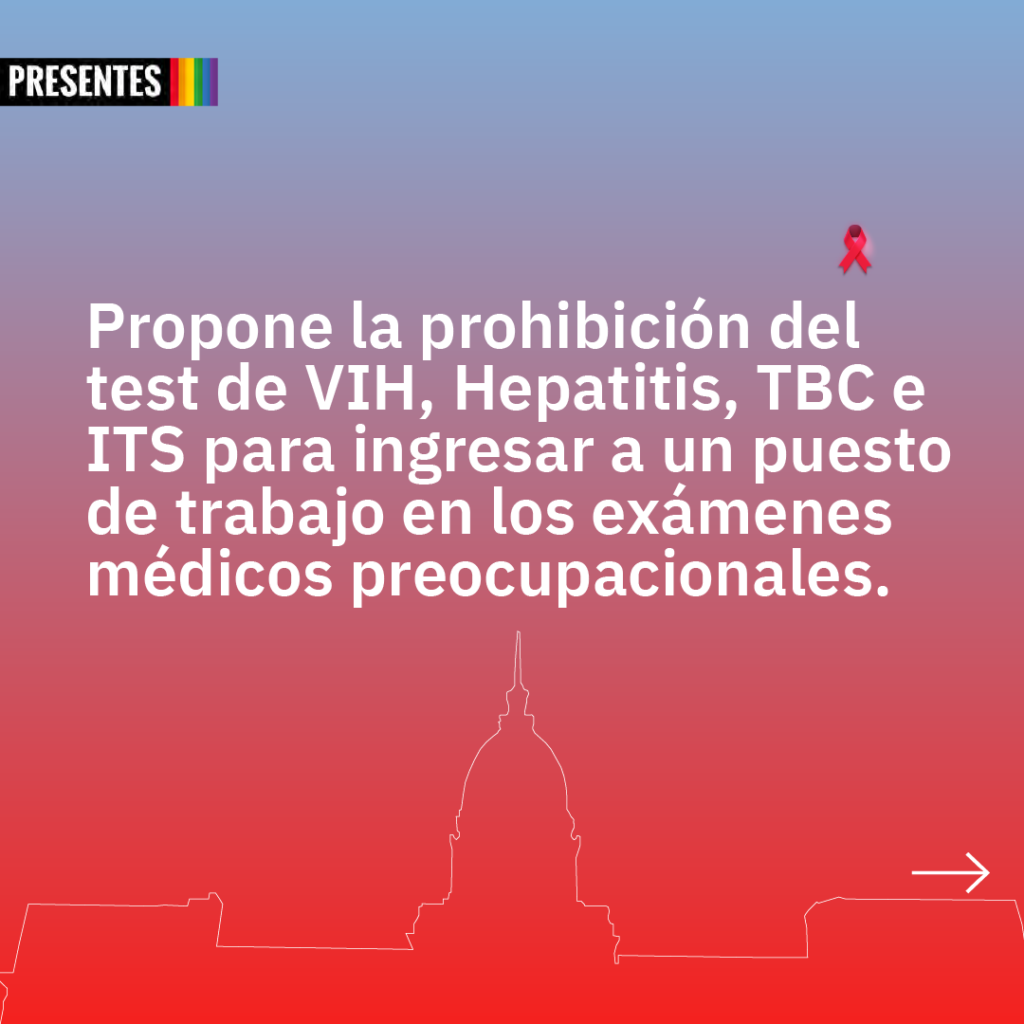
- The ban on STI diagnostic tests in pre-employment examinations and the dismissals associated with these pathologies.
- Early retirement for those diagnosed with premature aging due to antiretroviral treatments or HIV.
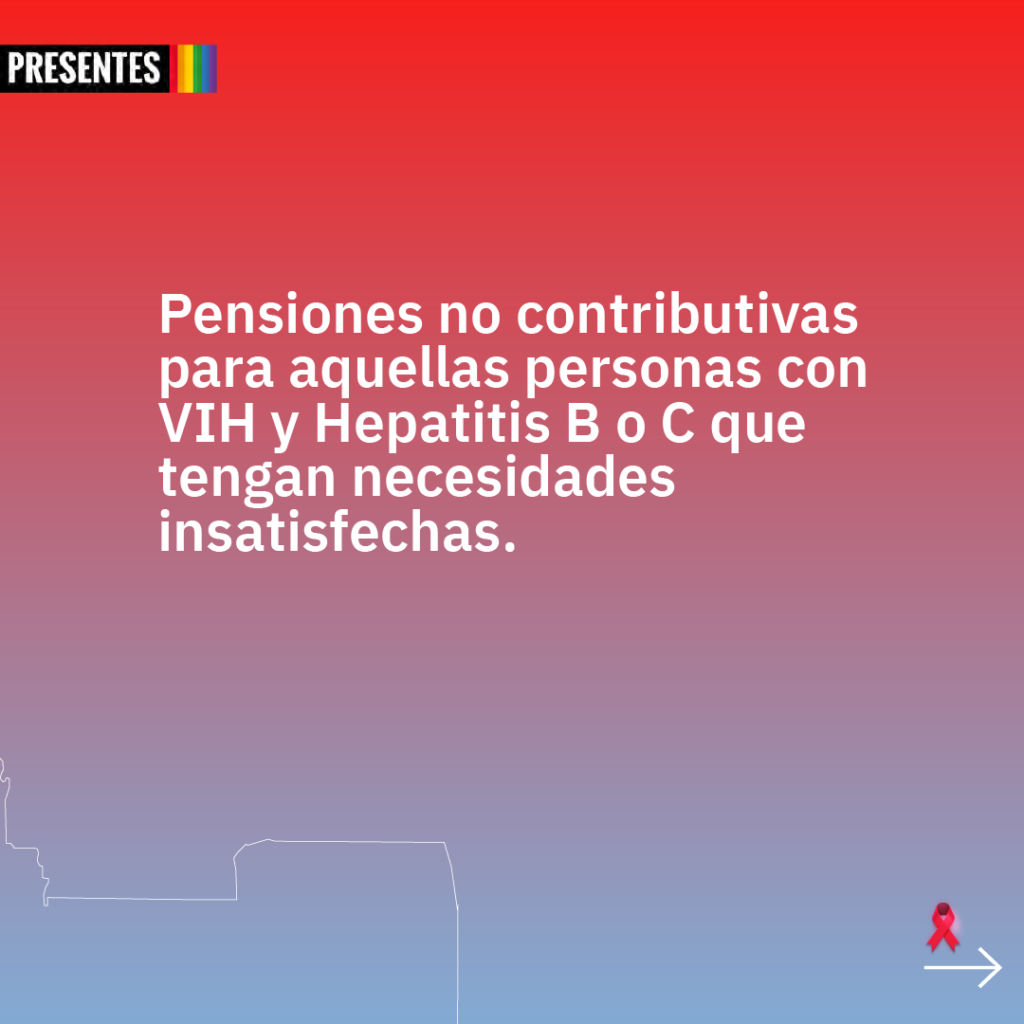
- Non-contributory pensions for people with HIV and Viral Hepatitis in situations of social vulnerability.
- The right to the necessary health information before and after diagnosis, and before and after childbirth.
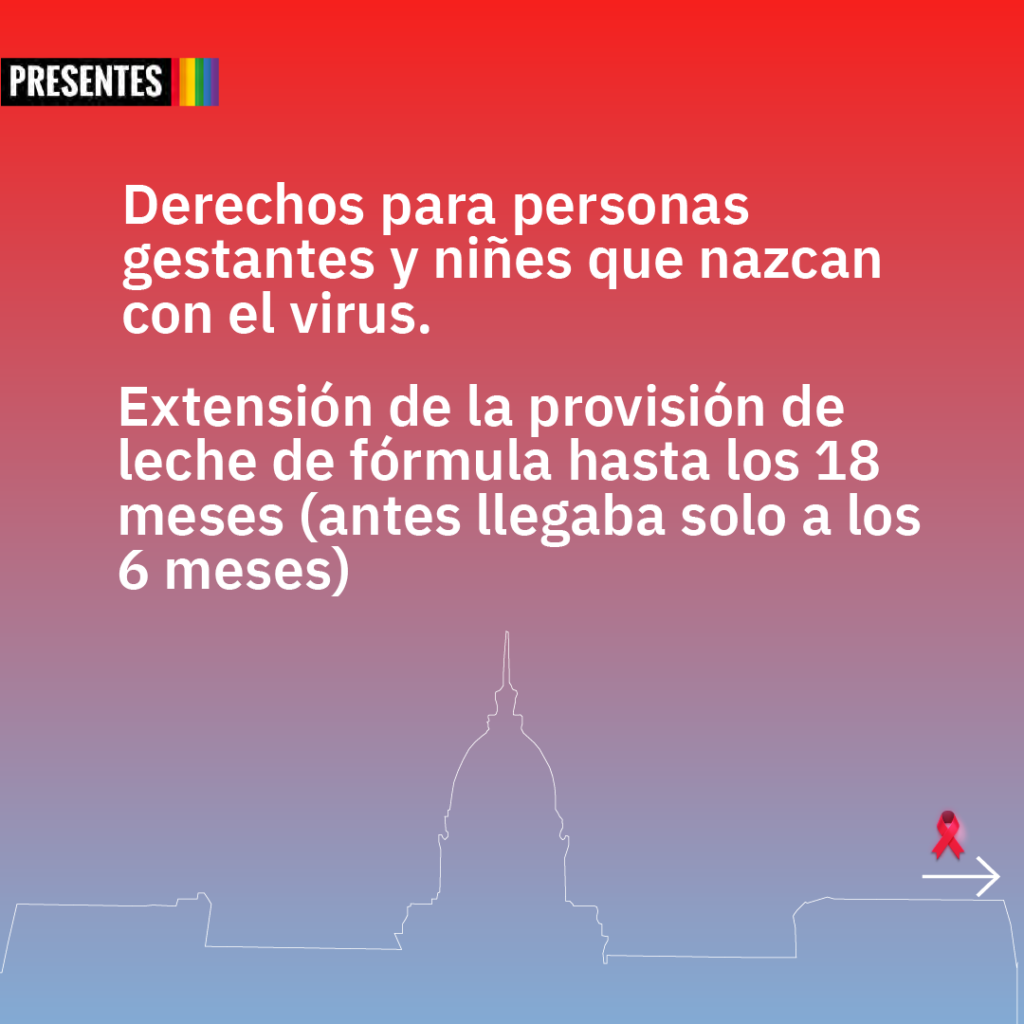
- Free access to formula milk for the children of HIV-positive pregnant people who are unable to breastfeed.
- The obligation to inform pregnant people about delivery options and the prohibition of suggesting unnecessary cesarean sections based on the person's serological status.
- Mandatory training and education for all teams working with STIs, including state authorities, health workers and communicators.
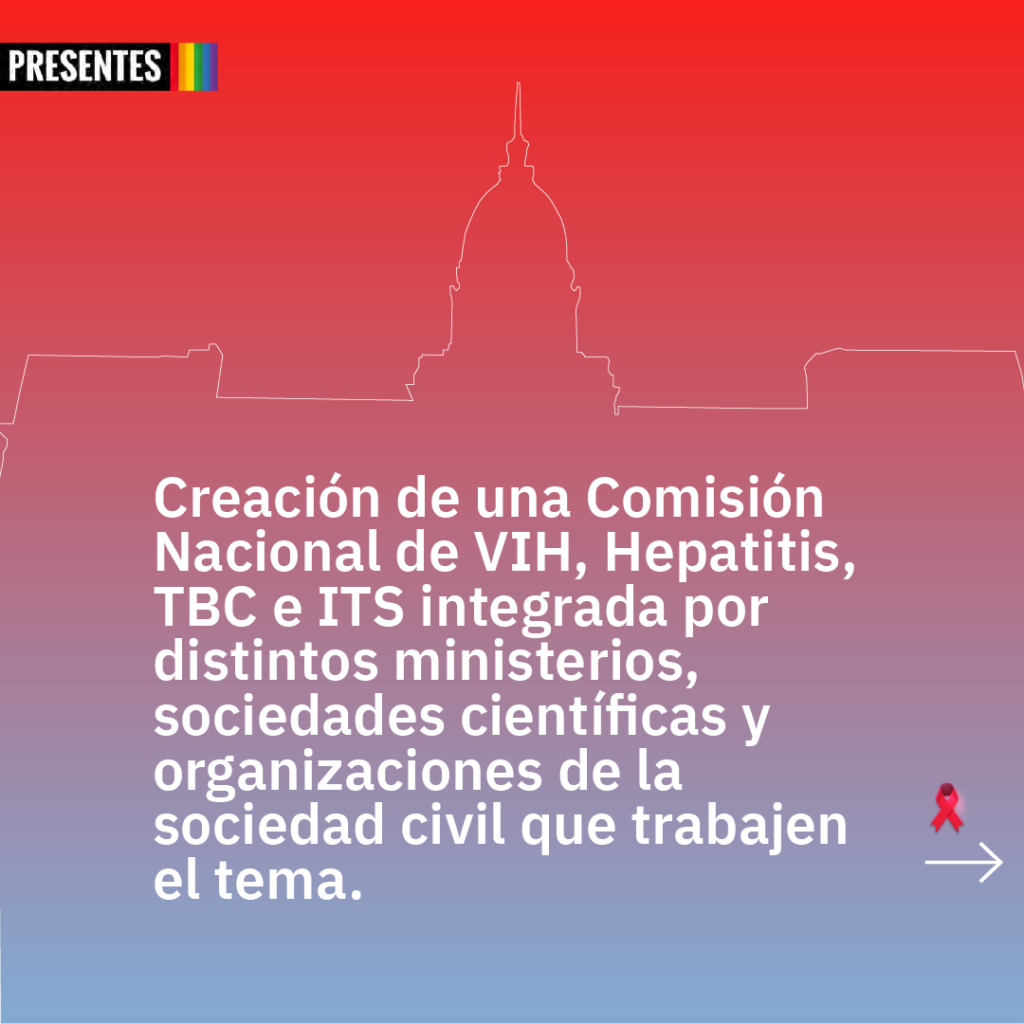
- The creation of various management bodies to strengthen organizations working on STIs, to reduce stigma and discrimination, and to create public policies that address the issue effectively.
The regulations are still pending, but this is a day of celebration for the organizations. A day they dreamed of more than eight years ago, and today it becomes a reality.

We are present
We are committed to journalism that delves into the territories and conducts thorough investigations, combined with new technologies and narrative formats. We want the protagonists, their stories, and their struggles to be present.
SUPPORT US

FOLLOW US
Related notes



We are present
This and other stories are not usually on the media agenda. Together we can bring them to light.