

Amal: songs of love, identity and pride
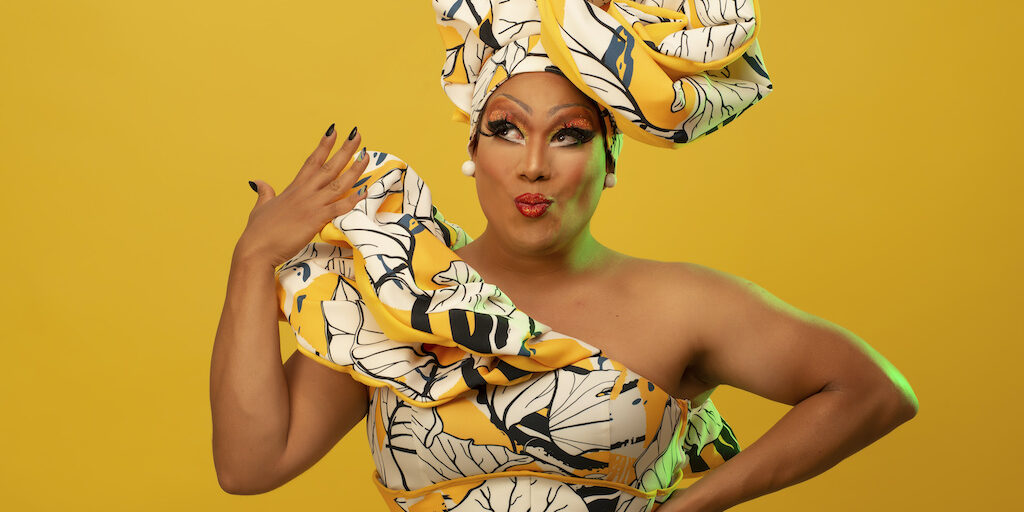
Amal, drag queen singer-songwriter. From childhood in La Matanza to Latin American popular music.


Share

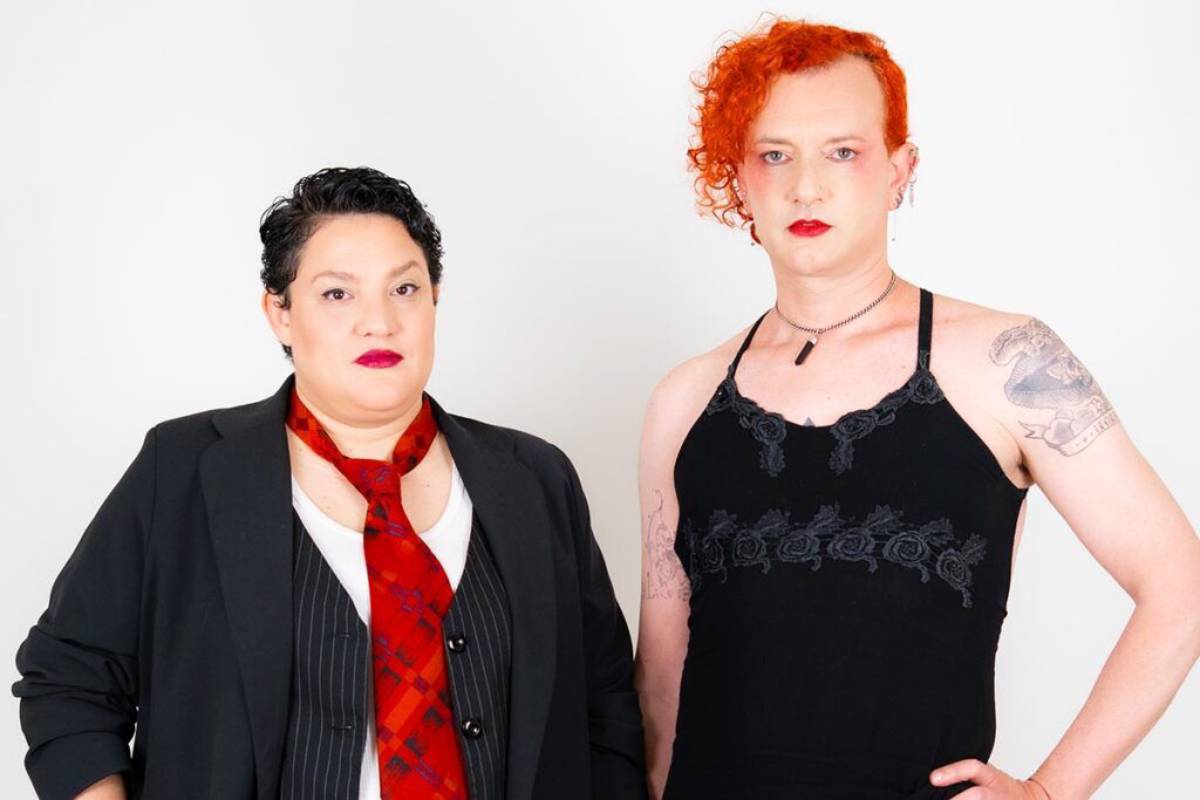
BUENOS AIRES, Argentina. Boleros, zambas, and tangos. These three styles remind Amal, a drag queen singer-songwriter, of her childhood and her family. She recounts how, in her home in Villa Celina, La Matanza (Buenos Aires province), she used to sing and dance with them to the music they heard on the radio.
Those memories and that childhood emotion inspired the repertoire of her first album, Amal , which she presents on Tuesday, June 28th at Sala Siranush, coinciding with International LGBT Pride Day.
His first steps in music were as Horacio San Yar. It was a time when he was exploring the countertenor range (the highest male voice). Gradually, the need arose to find a female character that would complement his voice and interpretive possibilities. Thus, Amal was born, a drag queen with Latin American features.
“Amal reclaims a bit of who I am. My feminine and masculine sides—through her, I can amplify all of that,” Amal tells Agencia Presentes . “Amal also comes from the theater because it was a suggestion from the director, Emiliano Dionisi. It’s a character that brings me a lot of satisfaction. As Amal, I can communicate about the influence of Latin American music, which moves me so deeply,” she adds.
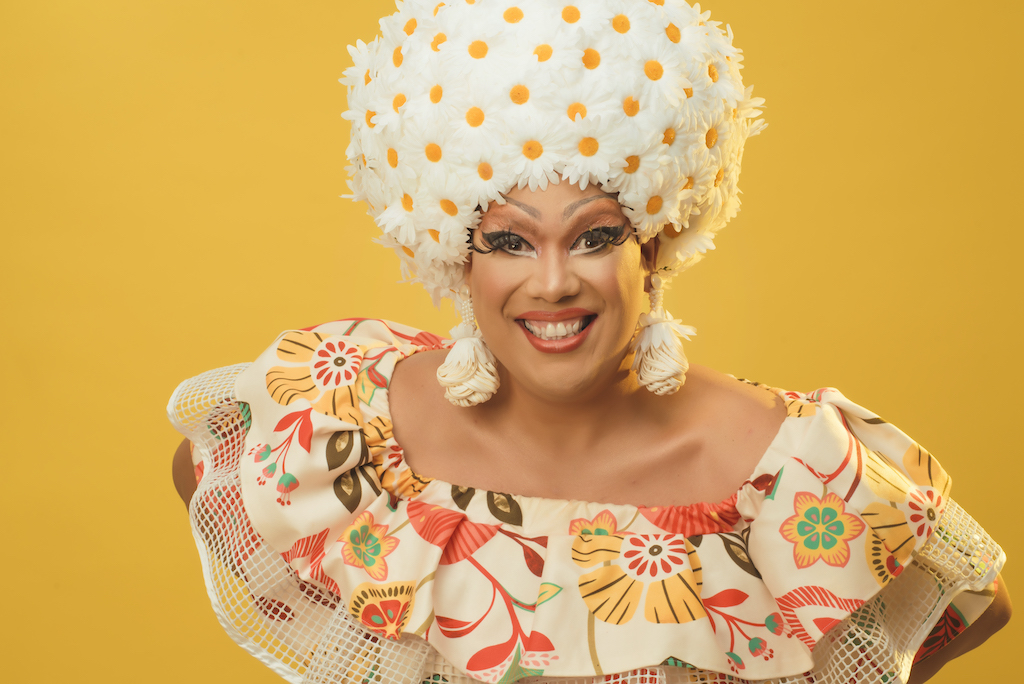
Popular music of Latin America
Amal, the album being released on Tuesday, was recorded during the coronavirus pandemic, a time of confinement, silence, and death. “I had a great need to make art in the midst of a pandemic that locked us all down. The album had been in the works for some time, and we managed to produce it with great professionalism.”
The album features Horacio Pallarás on piano and was produced by renowned producer Peter Akselrad, while Gabriel Sainz was the arranger and co-author of the album's original tracks.
The repertoire features classics of Latin American popular music with a wide variety of musical genres such as bolero, bachata, cumbia, tango, Argentine folklore and Brazilian samba.
“Reclaiming Latin American culture has to do with the infinite range of musical styles that exist, especially in their essence. We wanted to talk about the background and the need of all these Latin American peoples to communicate,” Amal explains.
The music of childhood
Her childhood is also featured on this Amal album, in one of the three songs she composed.
“In two of them I spoke primarily about love. But I also composed 'Negro lindo', a song that directly refers to my family, to a specific moment in my childhood,” he says.
“I’m from La Matanza. In my childhood, there were ditches in the Greater Buenos Aires area, and we used to play around them. We had wonderful parties. So, that song (Negro lindo) is a way of telling people who I am,” he adds. He says his decisions have always been supported by his family. “I try to transform difficulties and approach them with love,” he says.
Being a drag queen and singing boleros
In May, the Argentine version of The Voice airing on Telefe. Amal appeared on the show and was very well received by the audience and the judges, including singers Ricardo Montaner, his sons Mau and Ricky, Soledad, and Lali Esposito.
“It was another beautiful experience in my life. I’ve been on big stages, but this is a program where you have the opportunity (as happens to so many artists) to showcase your music on a mass medium like television. I’m grateful to have been able to show people what my art is,” he emphasizes.
As musical influences, Amal names Olga Guillot, Omara Portuondo, Chavela Vargas, and Toto la Momposina. She states that they not only deeply move her, but that she is also interested in the revival of Latin styles that these musical traditions brought to light.
For many years, the drag world was separate from popular music. However, for Amal, it was natural to conceive of a Latin American repertoire from her drag perspective.
“I am Amal. A drag character who communicates that this Latin American influence and art exist. Today I am Amal and as Amal I receive a lot of love and I celebrate that people embrace my art and enjoy it as much as I enjoy creating it,” she says.
A date for claims
In November 2021, Amal closed LGBT Pride Week with a concert at La Usina del Arte. According to her, fate decreed that her first album would be released precisely on International LGBT Pride Day.
“It’s an album that speaks about love in its different forms. It’s a day when we’re celebrating who we are and inviting people to see differences as an opportunity. I want to celebrate that we’re alive and celebrate who we are.”
Amal performs on Tuesday, June 28 at 8:30 p.m. at Sala Siranush, Armenia 1353.
We are present
We are committed to journalism that delves into the territories and conducts thorough investigations, combined with new technologies and narrative formats. We want the protagonists, their stories, and their struggles to be present.
SUPPORT US

FOLLOW US
Related notes
We are present
This and other stories are not usually on the media agenda. Together we can bring them to light.