

Pride 2022: Hundreds of thousands of LGBT+ people filled the streets of Latin America amid celebration and protest
Celebrations and protests from Lima, Santiago de Chile, El Salvador, Guatemala and Mexico City reflecting different realities and the same struggle.


Share

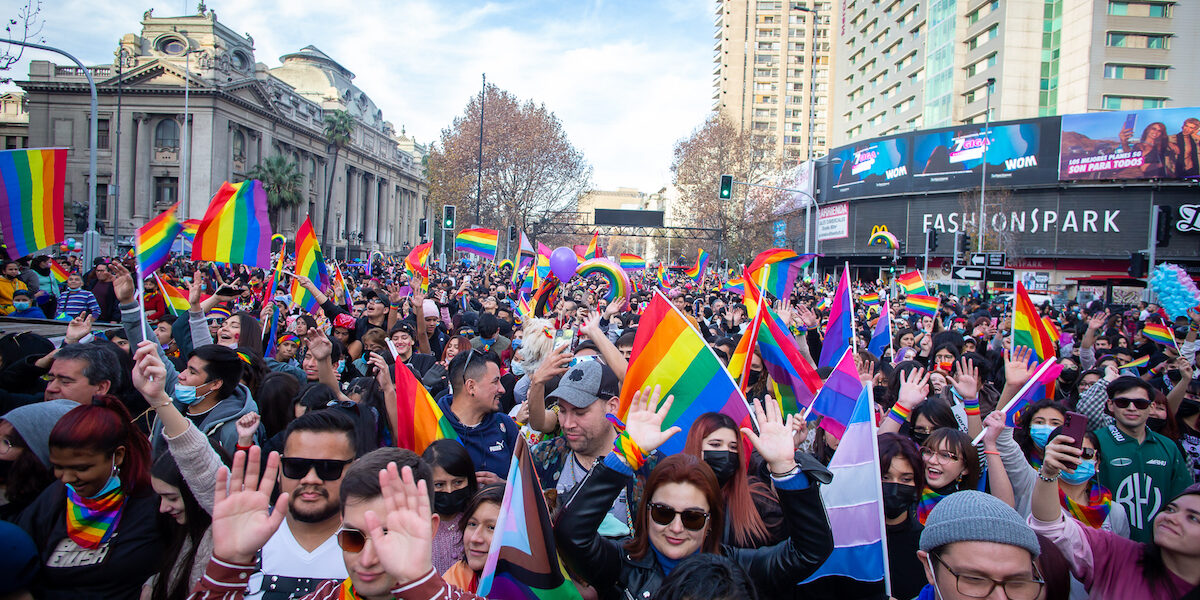
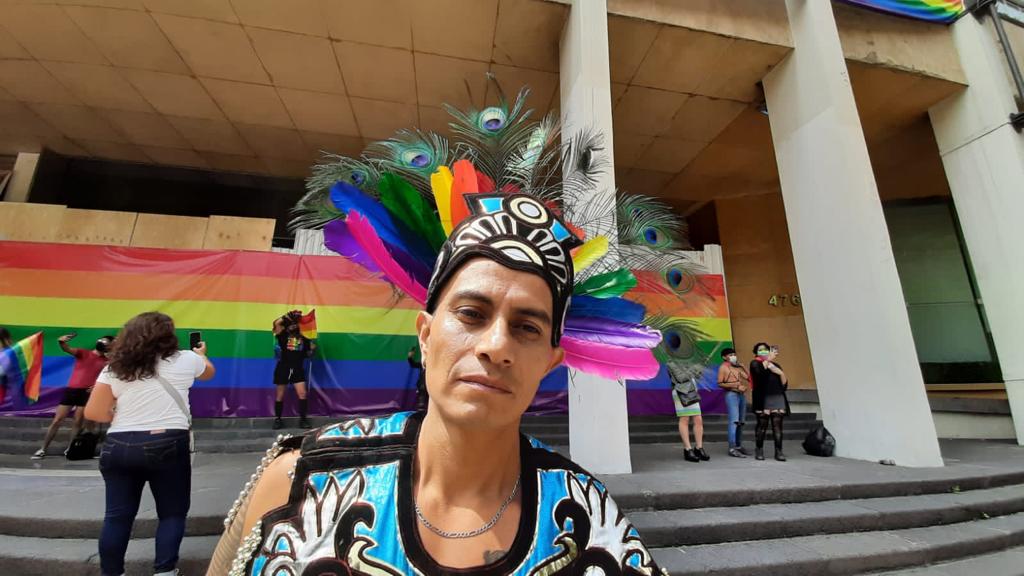
Saturday, June 26th, was a day of celebration and protest for LGBTQ+ people in Latin America. As every year, various cities celebrated Pride with marches, concerts, and protests. Presentes broadcast from Lima, Santiago, El Salvador, Guatemala, and Mexico City, reflecting diverse realities and a shared struggle: resistance against conservative powers that restrict rights in Latin America.
Peru against setbacks
In Peru, more than 100,000 people marched in a context of significant setbacks to rights, with a right-wing Congress that has passed legislation against the gender perspective in education. Furthermore, a president who has shown no interest in protecting this policy, despite having championed it as his thesis. And a reactionary Constitutional Court that rejected the possibility of registering same-sex marriages performed abroad in Peru.
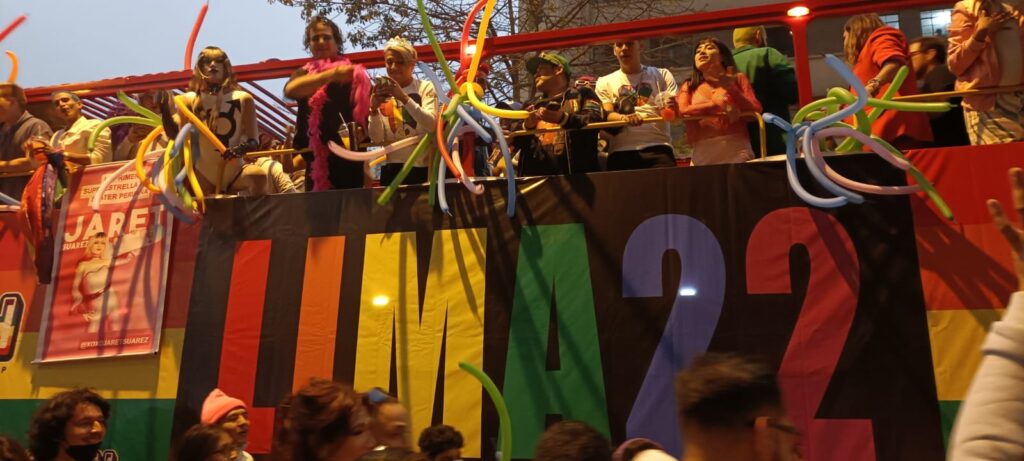
Despite this, thousands took to the streets to demand their rights, under the banner of Social Change with Diversity. They sought to reverse the conservative advance and to finally address the pending issues of the gender identity law and marriage equality, currently stalled in congressional committees.
Chile took to the streets again to celebrate
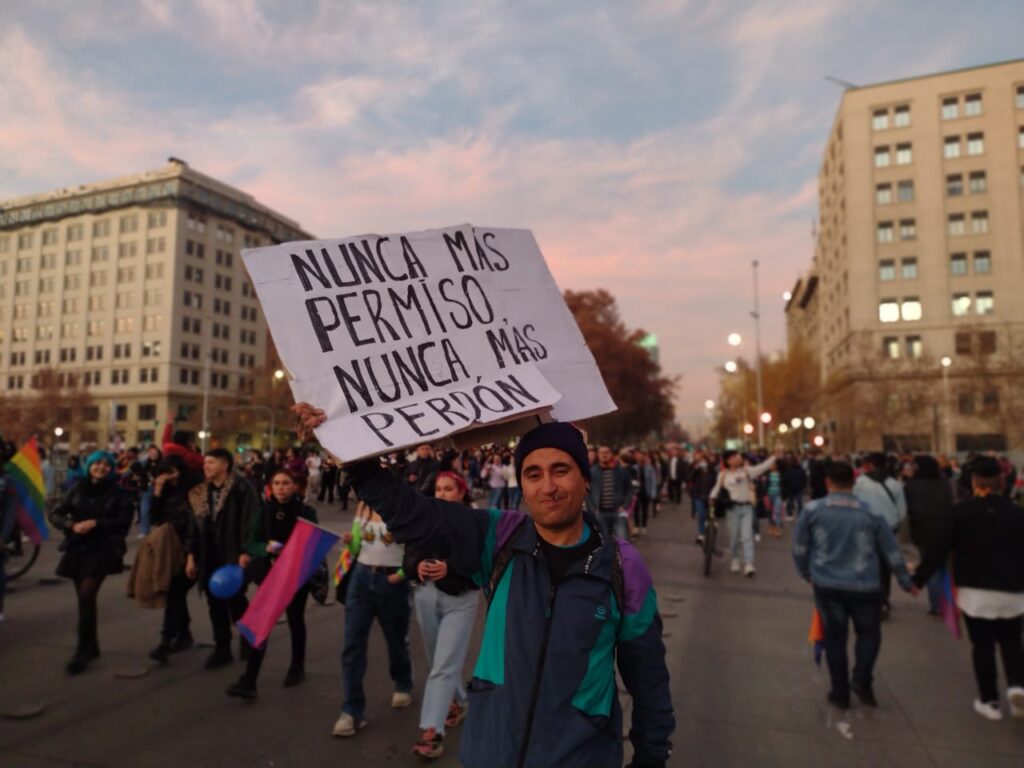
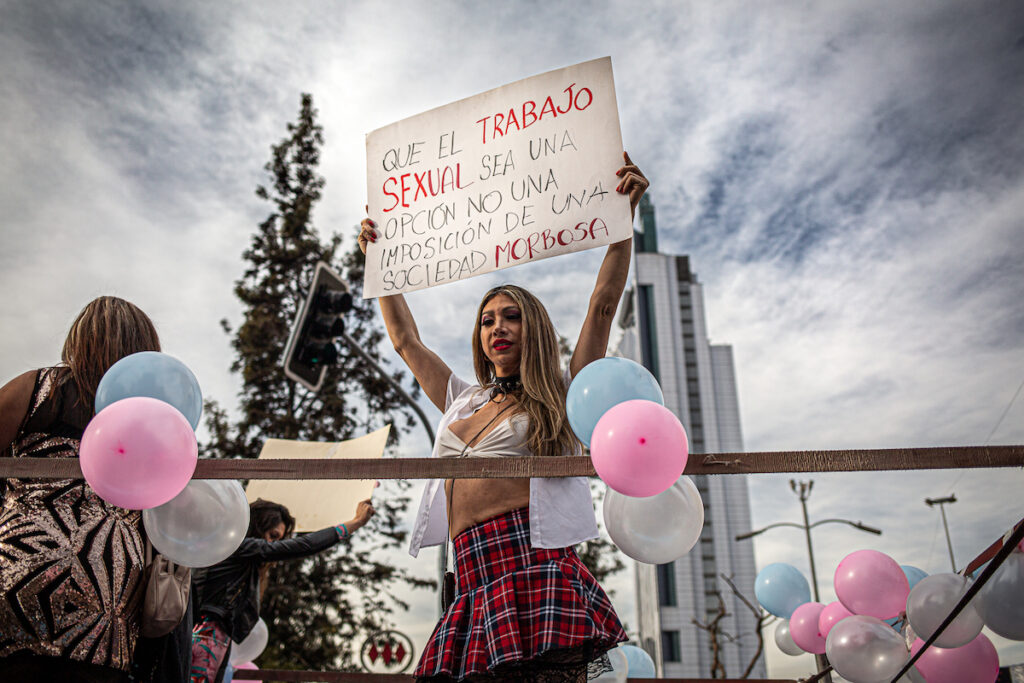
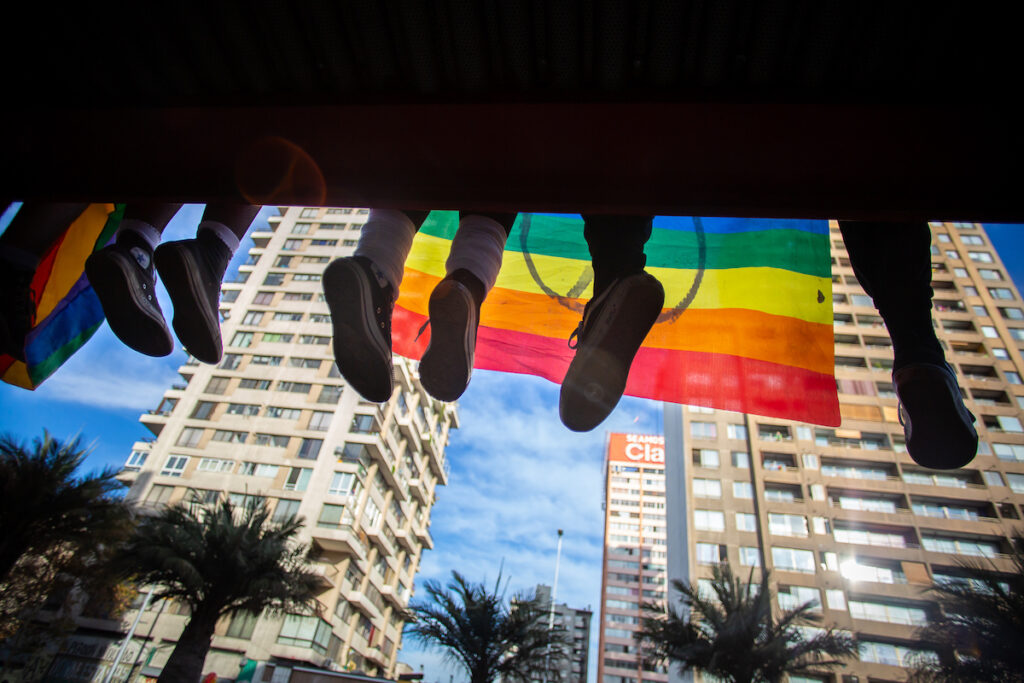
The 22nd Pride March held this Saturday in Santiago was a celebration, according to the Movement for Homosexual Integration and Liberation (Movilh). Around 80,000 people took to the streets to celebrate, but also to demand more rights, justice, and reparations. It is the second massive Pride march held during the pandemic . This year, one of the central demands was the repeal of Article 365 of the Penal Code. This article establishes 18 as the age of consent for same-sex male couples, while for heterosexual couples it is 14.
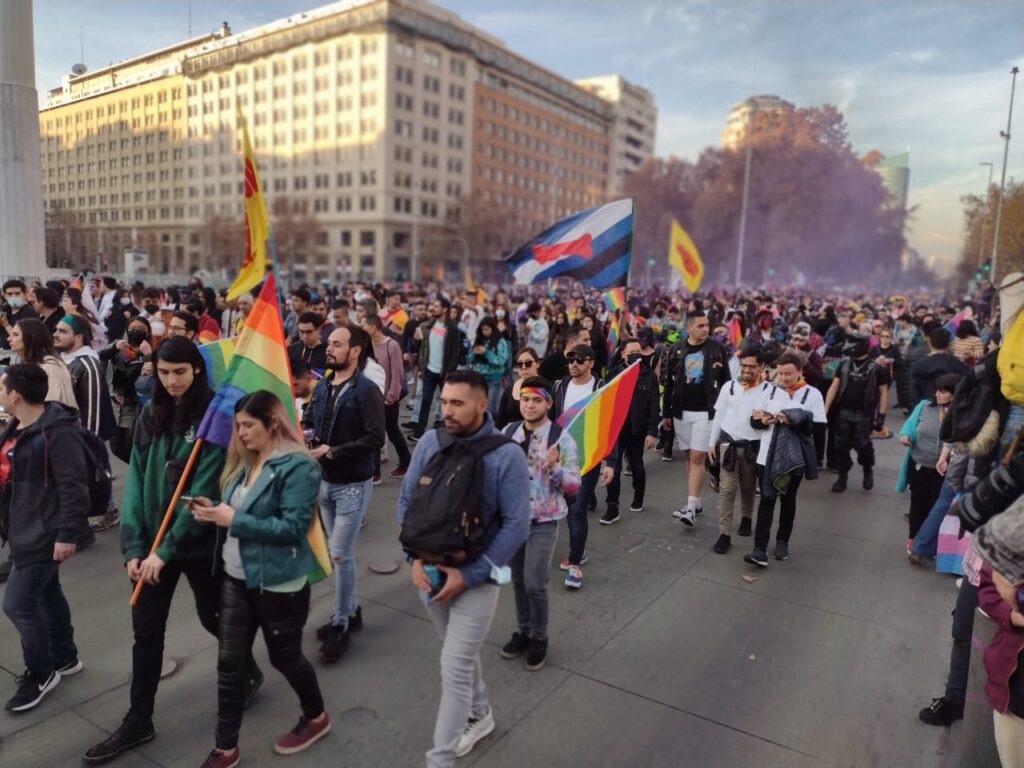
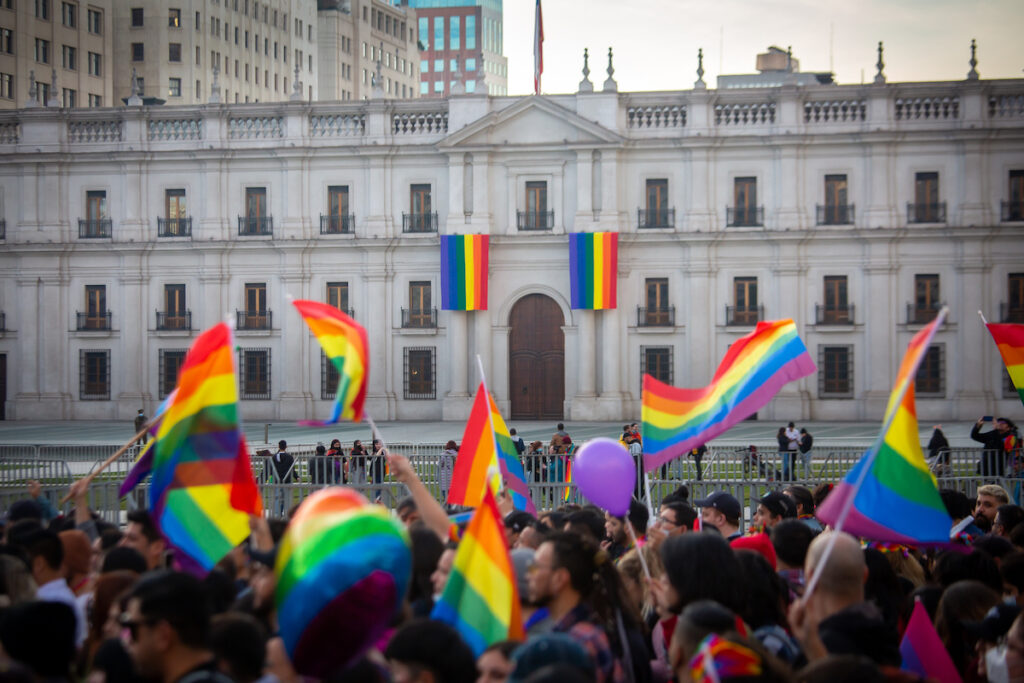
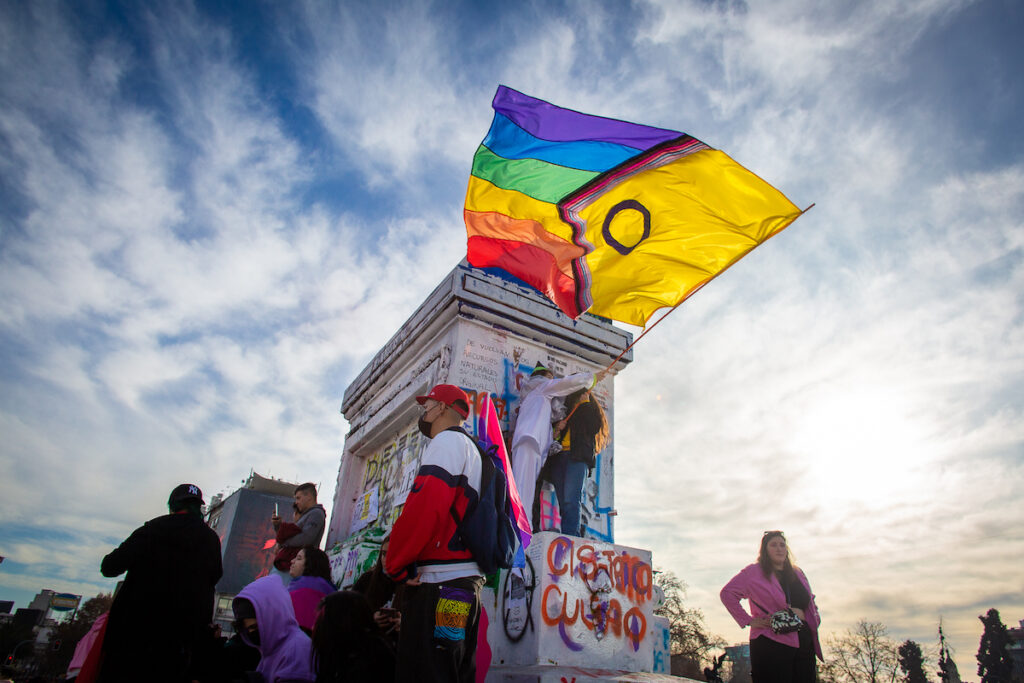
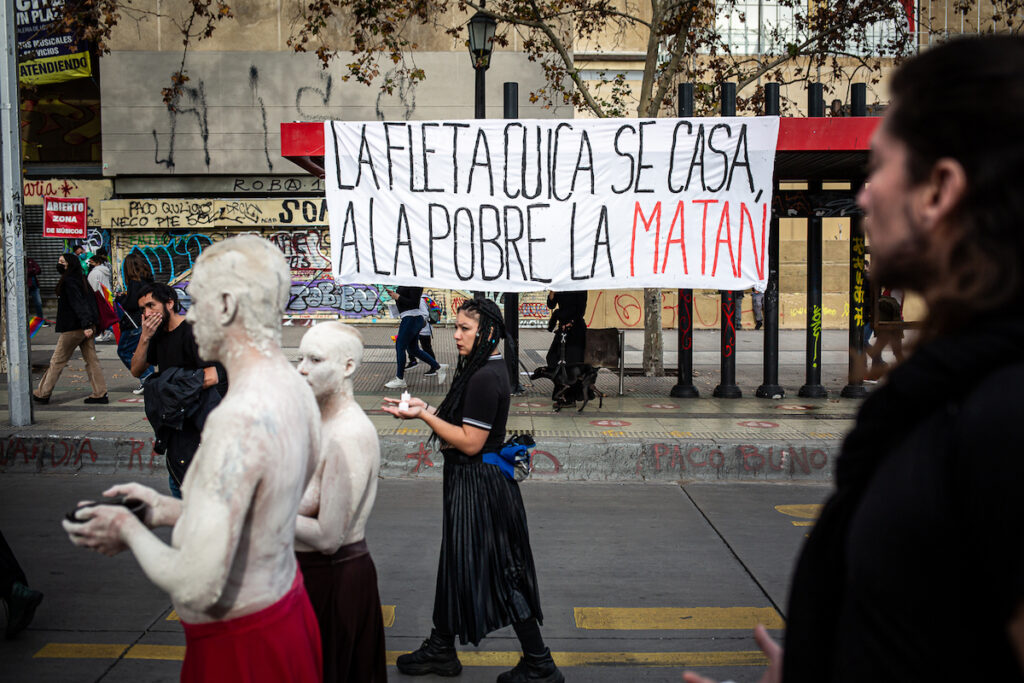
The reform of the Anti-Discrimination Law—better known as the Zamudio Law—and the cessation of violence against diverse and dissident groups also marked the day. The march began in Plaza Italia, renamed Plaza Dignidad (Dignity Square) since the social uprising of October 2019, and ended in Plaza Los Héroes with a stage where local musicians and artists performed.
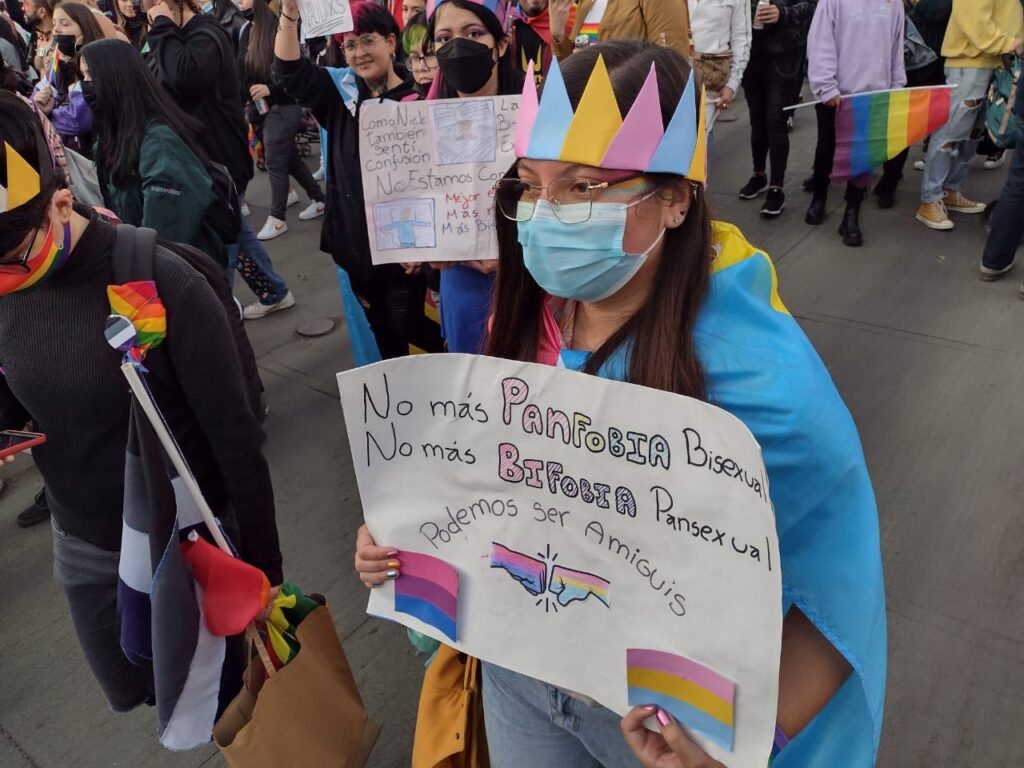
Politics and the process of structural changes that Chile has been undergoing recently permeated the mobilization. Among the usual banners with slogans of love and tolerance, there were also some alluding to the plebiscite to be held on September 4 to decide whether or not the country will have a new Constitution.
Dissident blocs
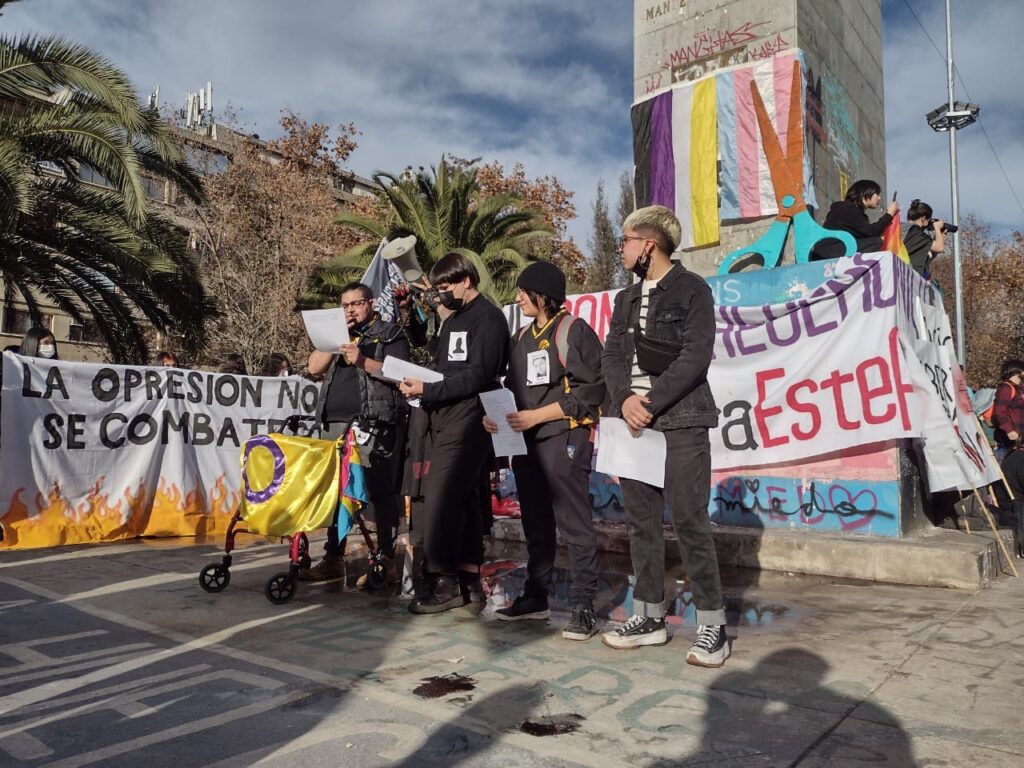
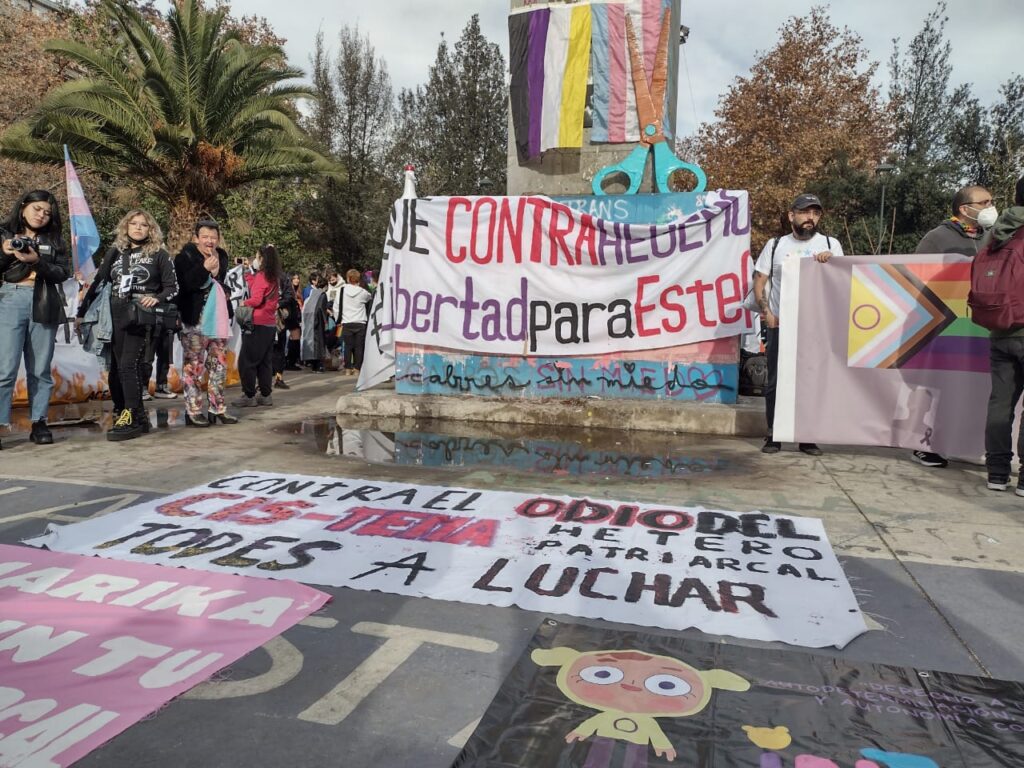
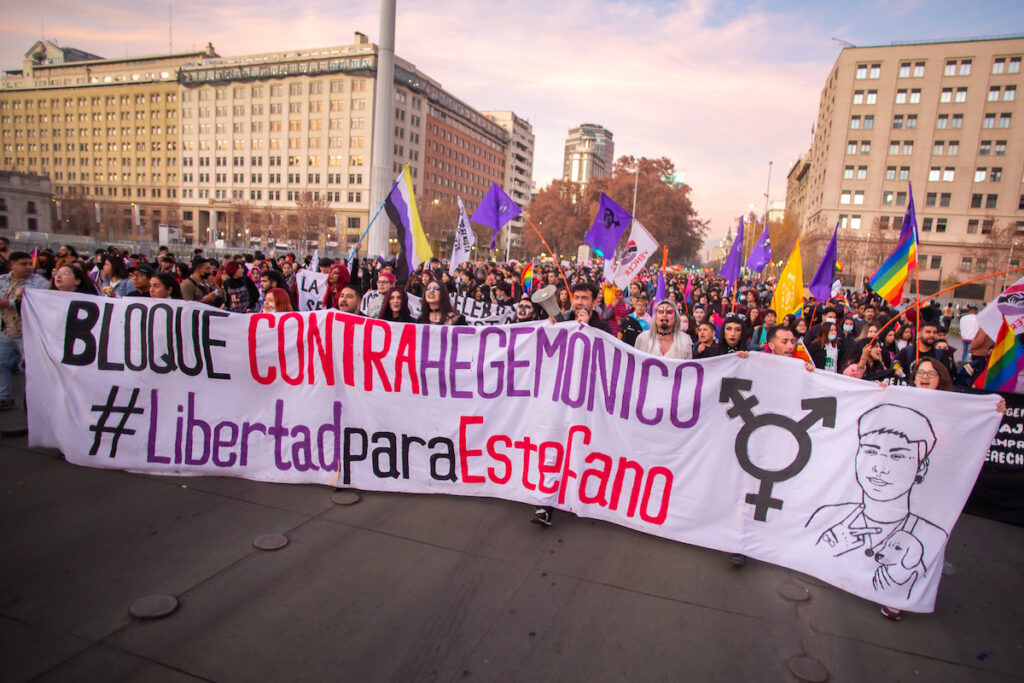
Several dissident LGBTQ+ activist groups also formed, such as the Counter-Hegemonic Bloc and the Marika Guerrilla, which do not identify with MOVILH. These groups seek to redefine the purpose of the march, making protest more visible than celebration. Along this column, banners were raised in memory of Nicole Saavedra, a young lesbian murdered in 2016, and Emilia Baucis, a young trans woman murdered last year in a Mapuche community.
Others were calling for the release of Estéfano, a 19-year-old transmasculine youth who has been imprisoned since April, after defending himself against what those close to him say was a hate attack.
El Salvador protests against President Bukele
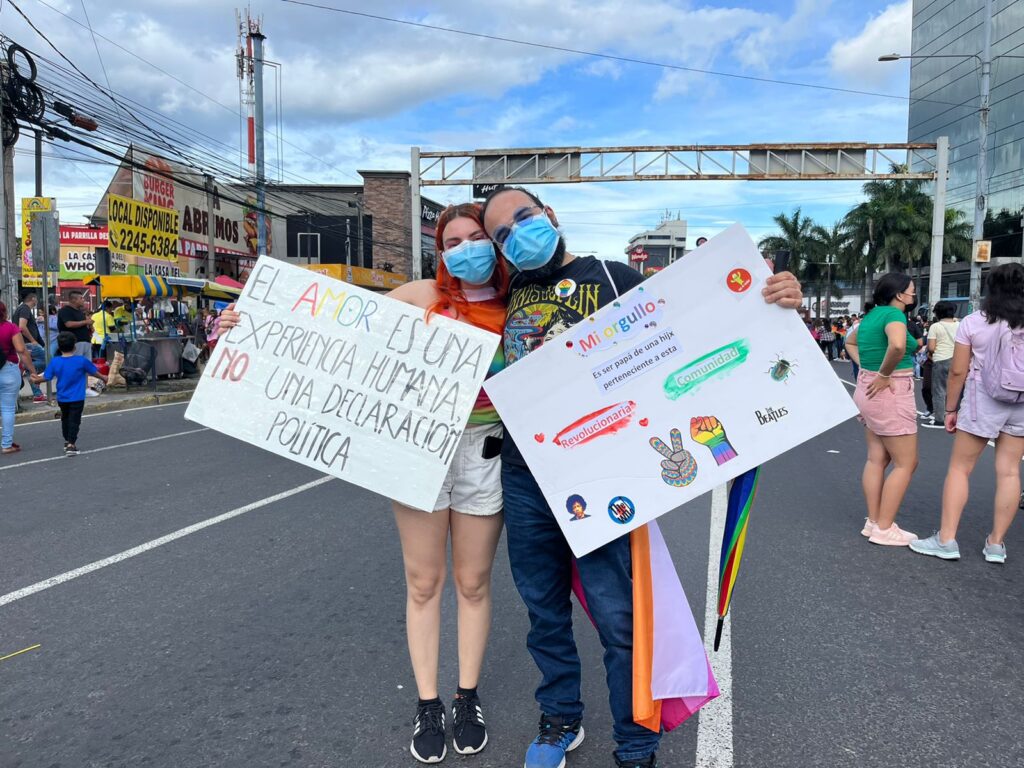
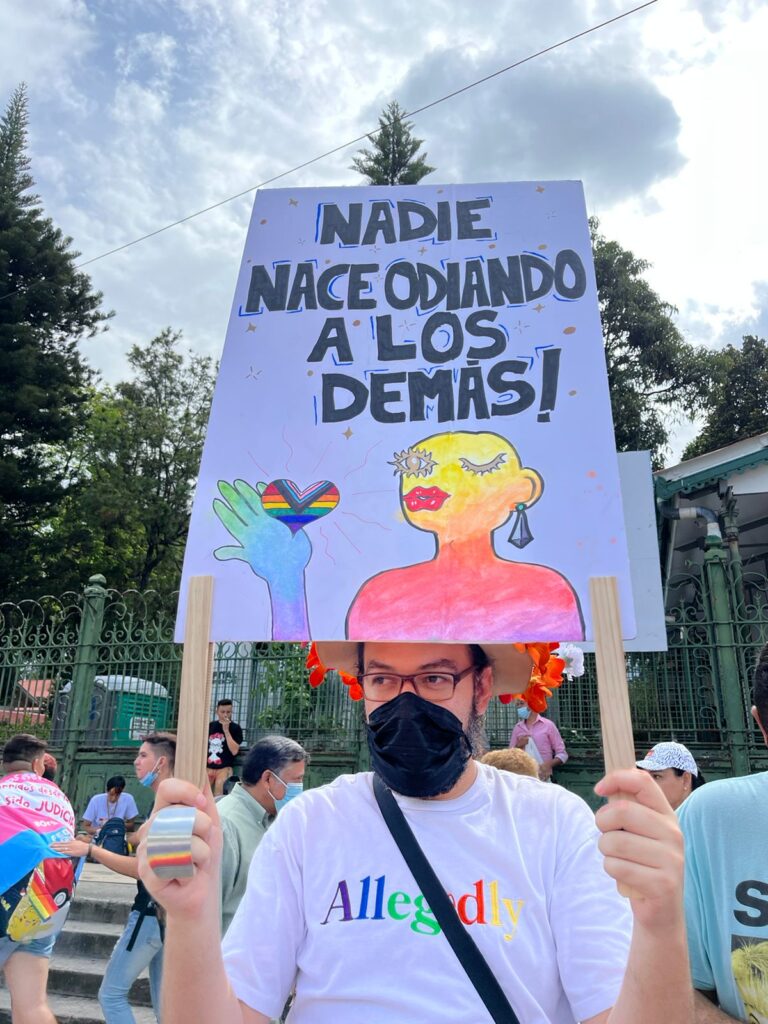
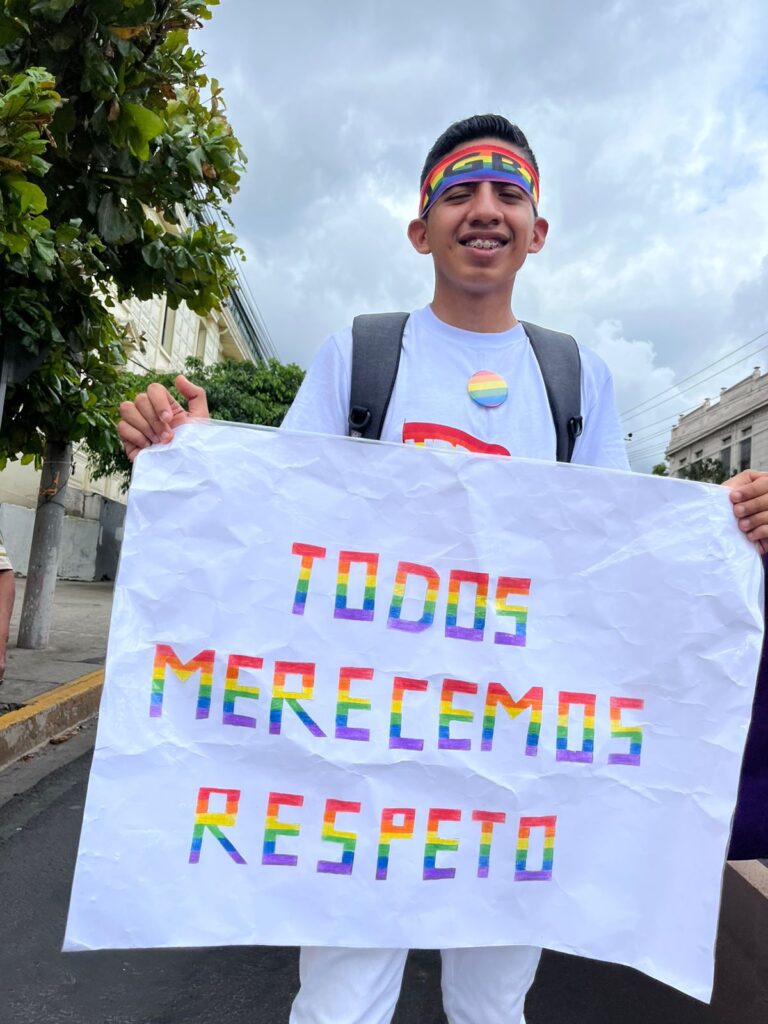
Thousands of people took to the streets of San Salvador to demand the approval of the draft Gender Identity Law presented to Congress in 2018. They also remembered all the victims of hate crimes who have not yet received justice.
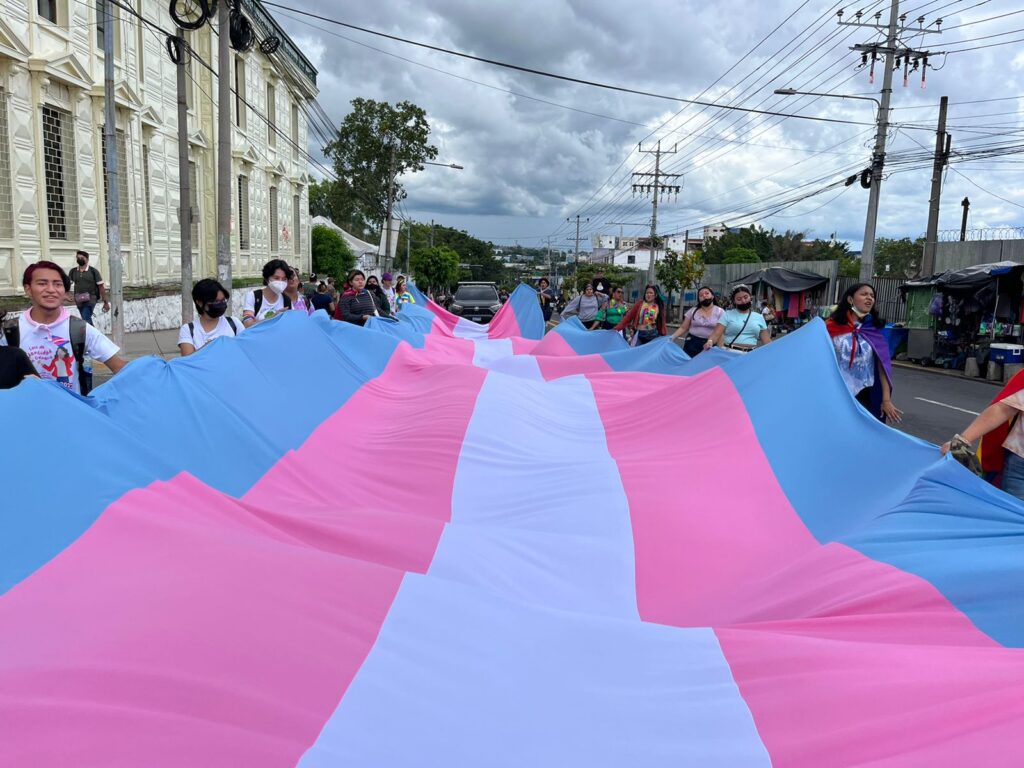
The rights of the LGBTI population in El Salvador have regressed since President Nayib Bukele took office in June 2019.
The closure of the diversity office; the dismantling of working groups in government institutions; and the refusal of Congress to discuss and approve the Gender Identity Law were some of the demands of the organizations during the march.
Guatemala took to the streets after two years
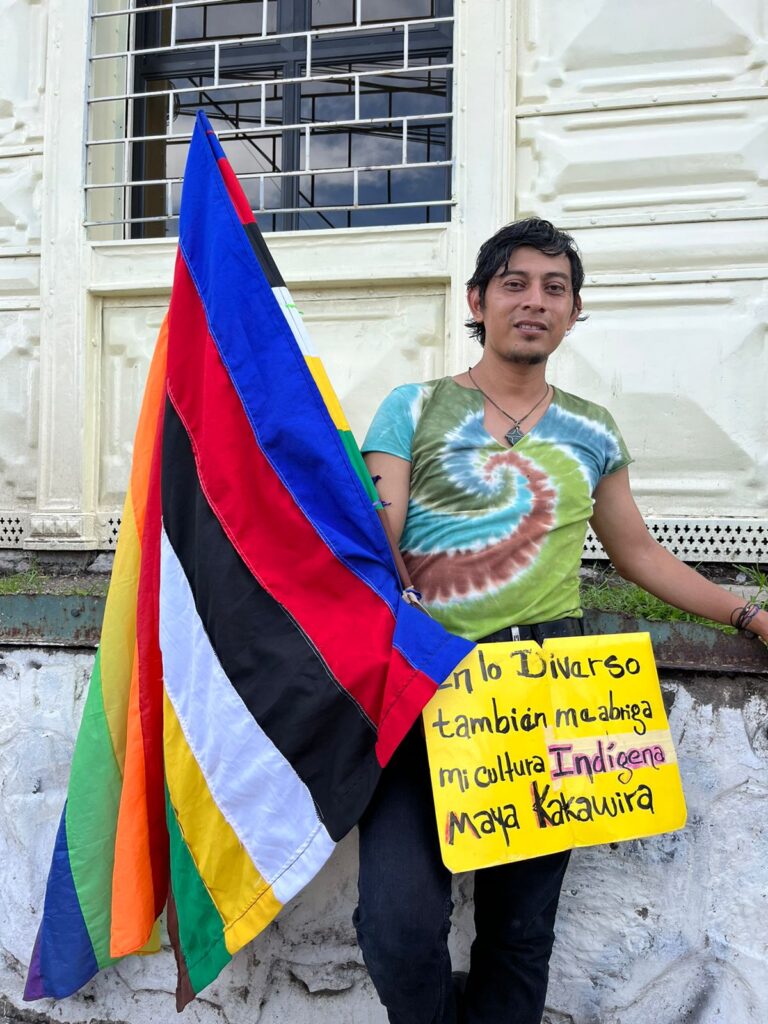
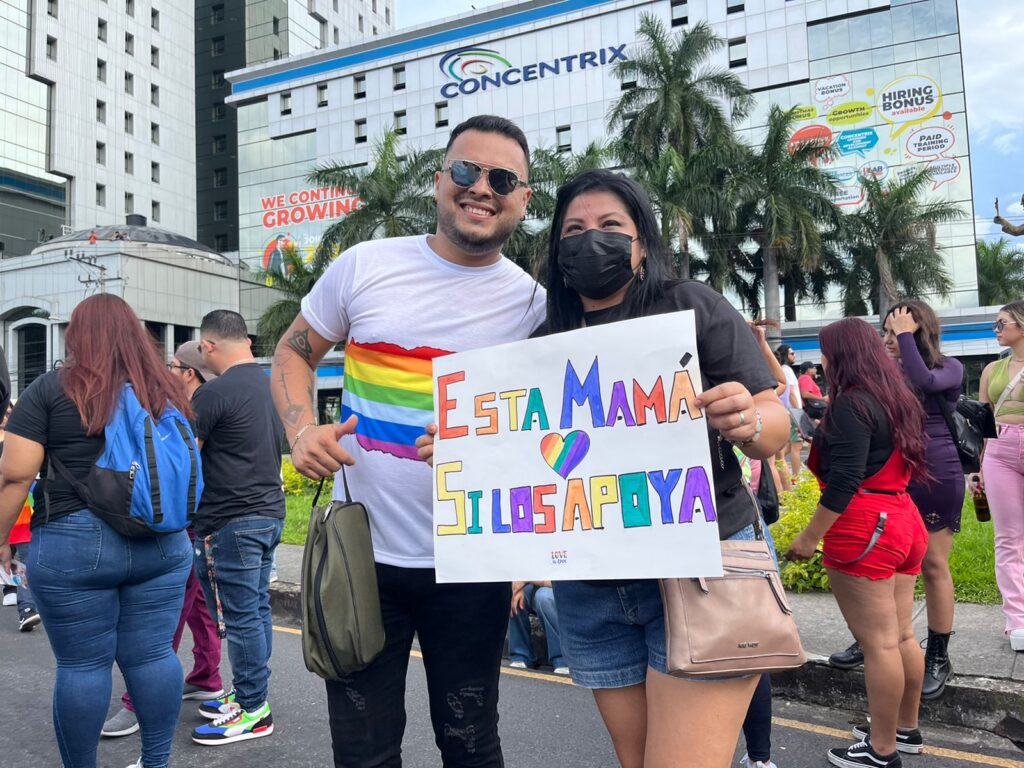
This Saturday, the 25th, the Sexual Diversity and Gender Identity Parade took place in Guatemala. The parade began at Plaza de la República in Guatemala City, after a two-year hiatus due to the Covid-19 pandemic.
This year's theme was "I exist, I persist, and I resist."
In a climate of repression and authoritarianism, Guatemala has recorded 15 hate crimes so far this year, according to Diego Lima of the Observatory for Violent Deaths.
She left with the latent demand for the elimination of anti-rights laws such as the "Law for the protection against gender identity disorders" and the "Hate Law" Decree 18-2022, which was shelved in March due to public pressure as it also threatened women and doctors in the exercise of their profession.
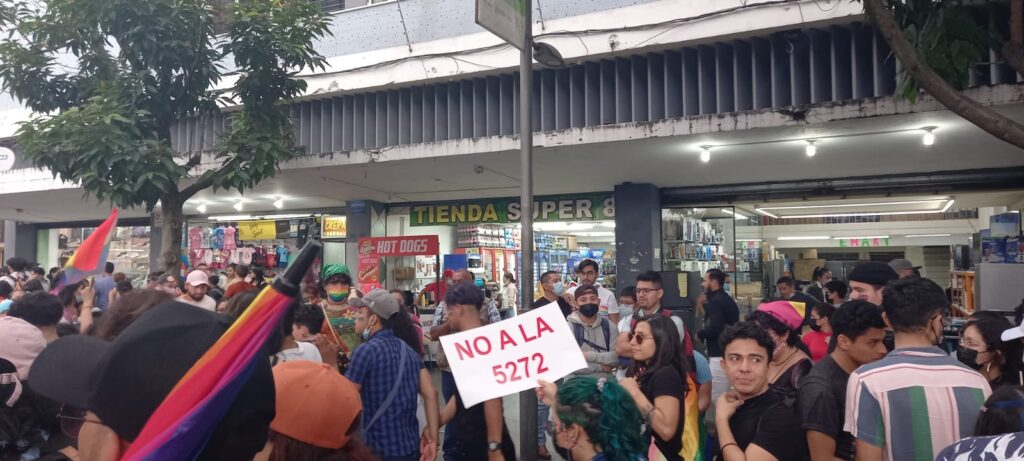
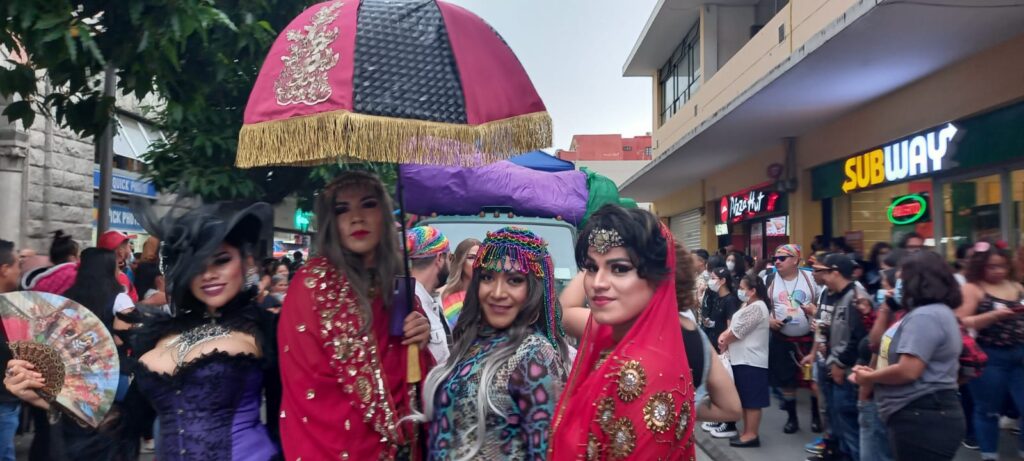
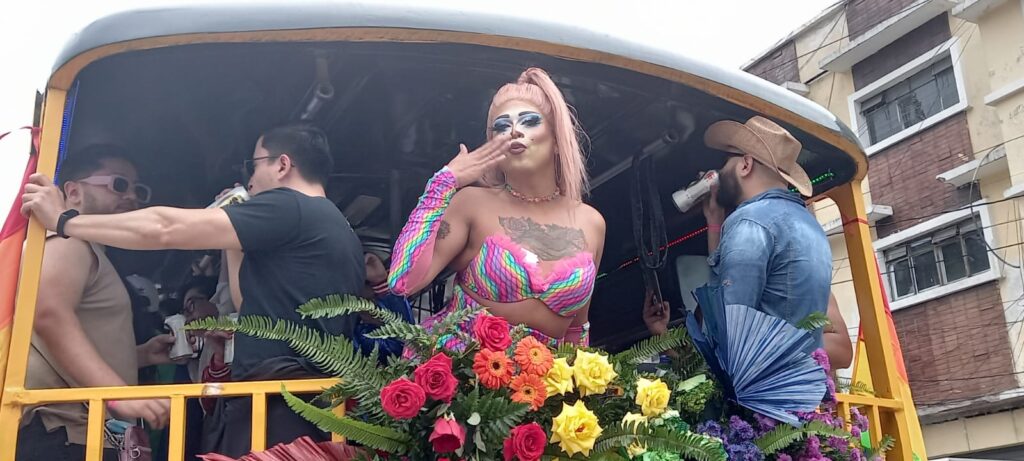
The parade ended with an artistic show featuring drag queens, performers, and non-binary singers, as well as a message from the only openly gay congressman, Aldo Dávila, who emphasized his regret that Guatemalan President Alejandro Giamattei would attack a community to which he belongs but whose human rights he systematically denies and violates.
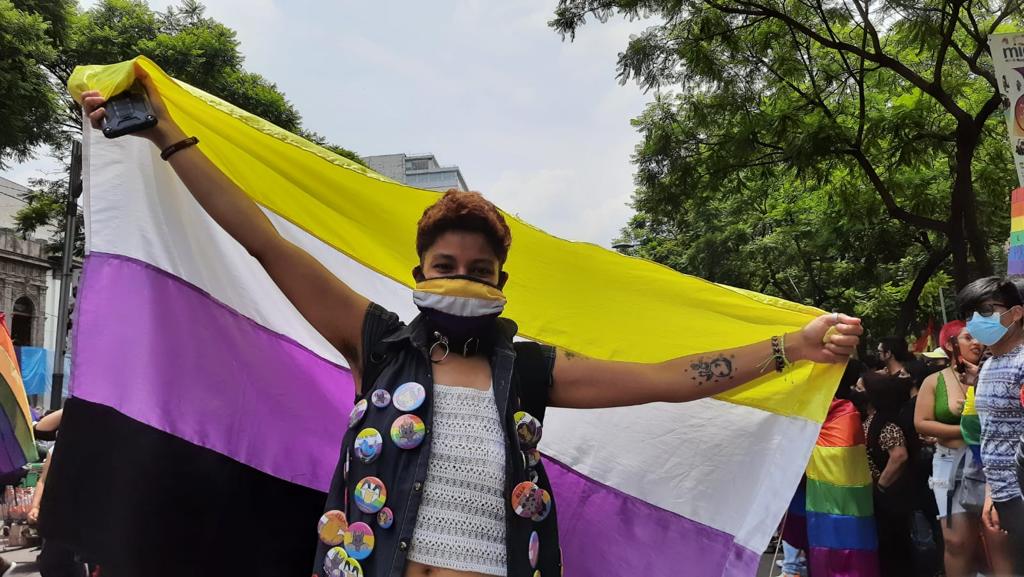
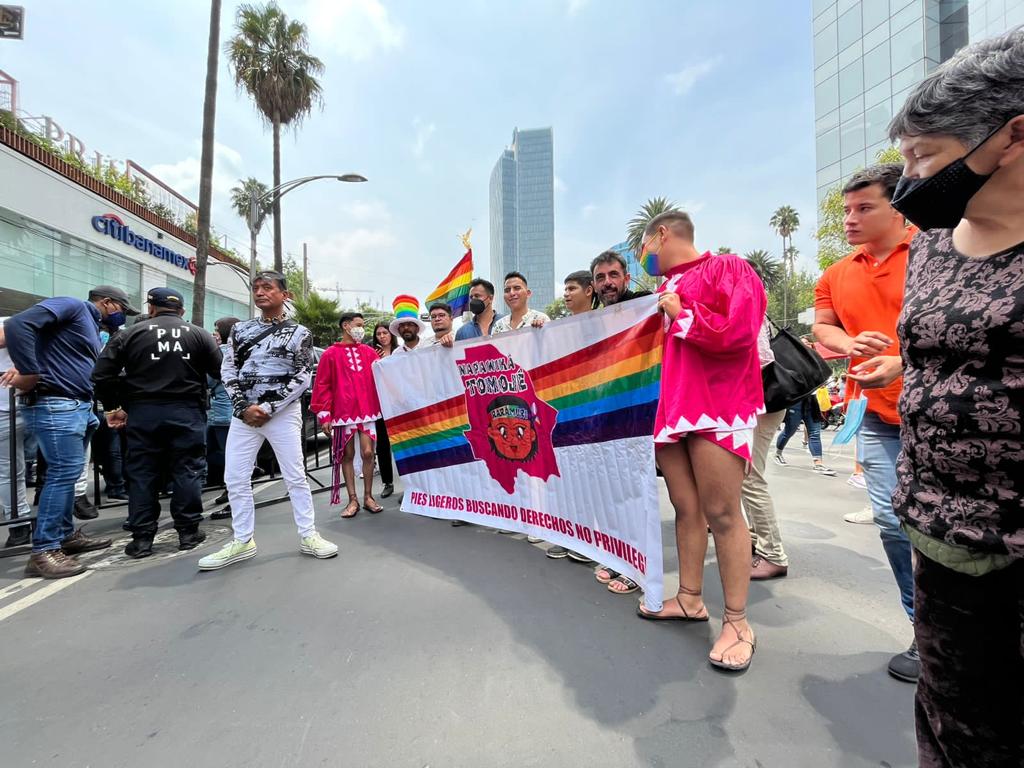
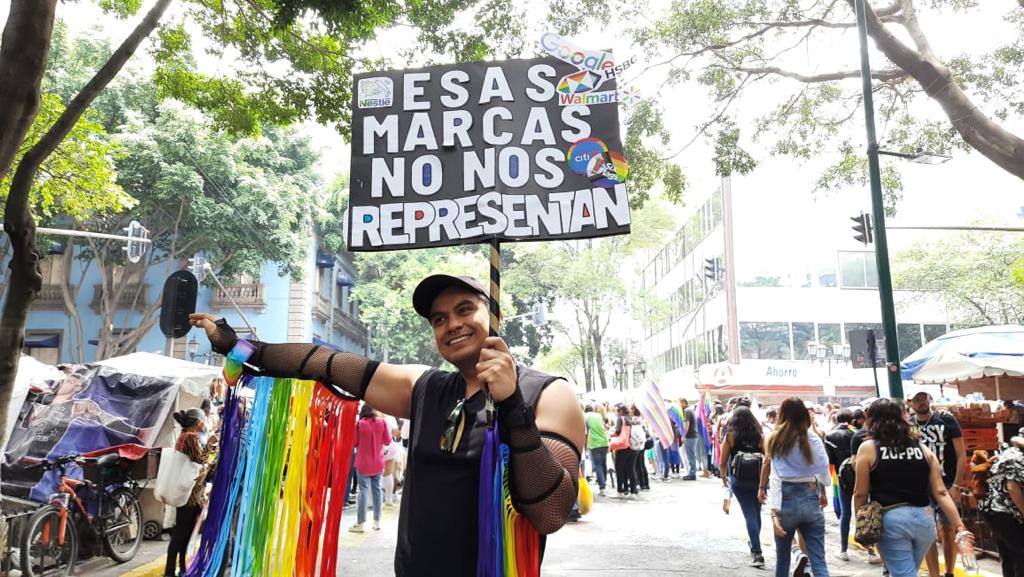
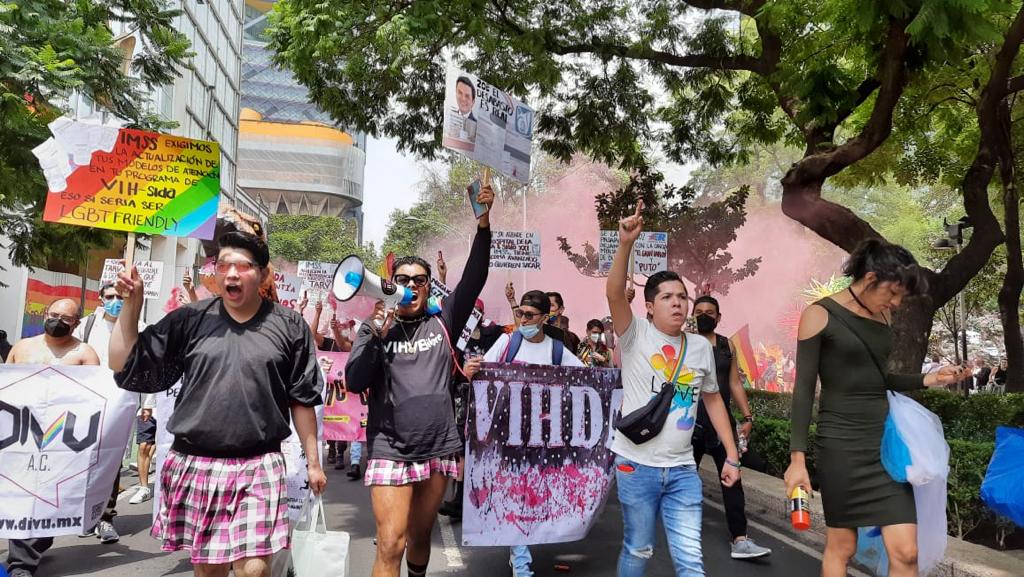
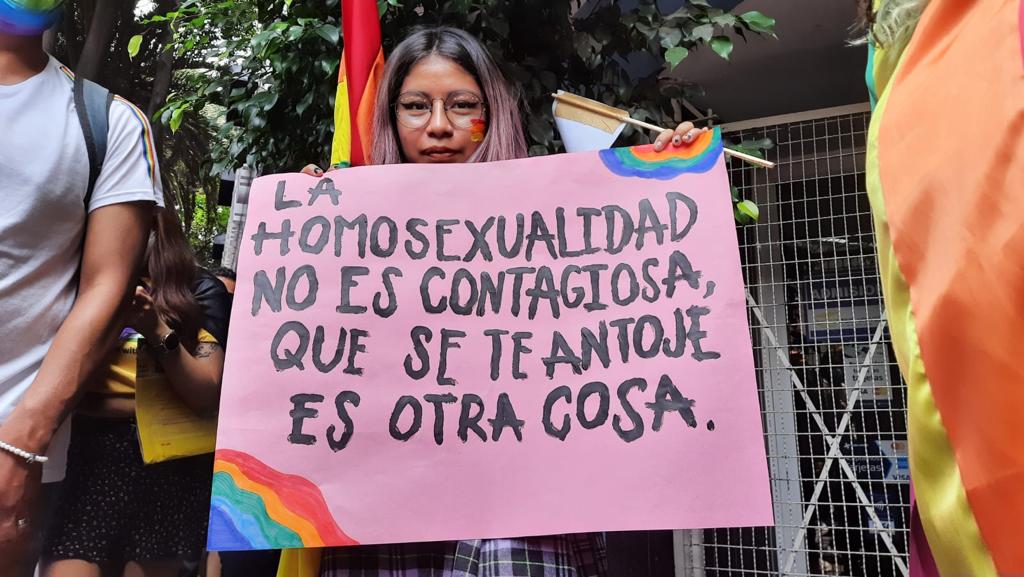
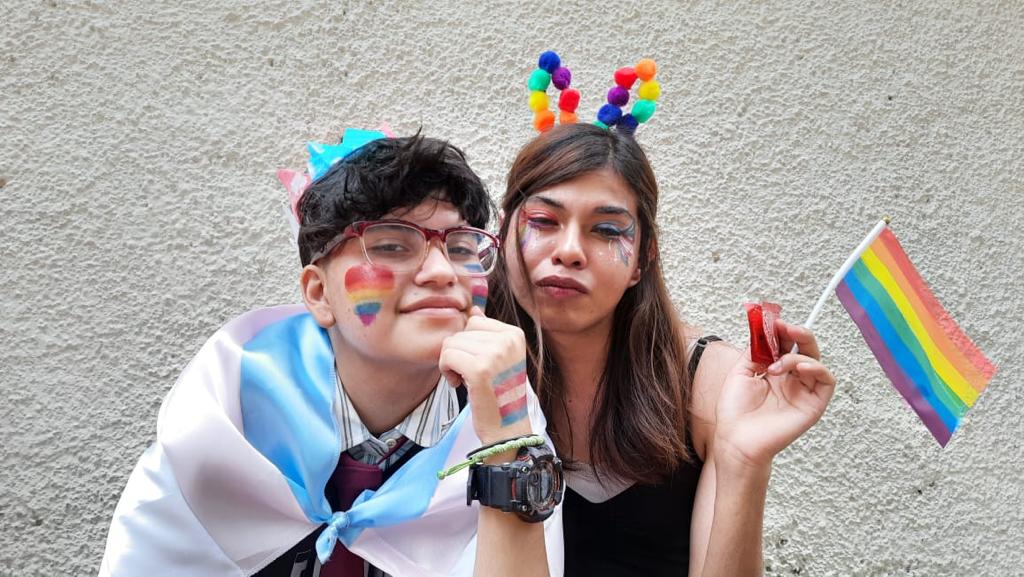
Mexico City overflowing with brands and activism
We are present
We are committed to journalism that delves into the territories and conducts thorough investigations, combined with new technologies and narrative formats. We want the protagonists, their stories, and their struggles to be present.
SUPPORT US

FOLLOW US
Related notes



We are present
This and other stories are not usually on the media agenda. Together we can bring them to light.