

Our existence is resistance: that's how the second Lencha March in Mexico City resonated
"We, the 'lenchitudes,' are the people who are affected by the stigma directed at 'lesbians' in all our diversity."


Share

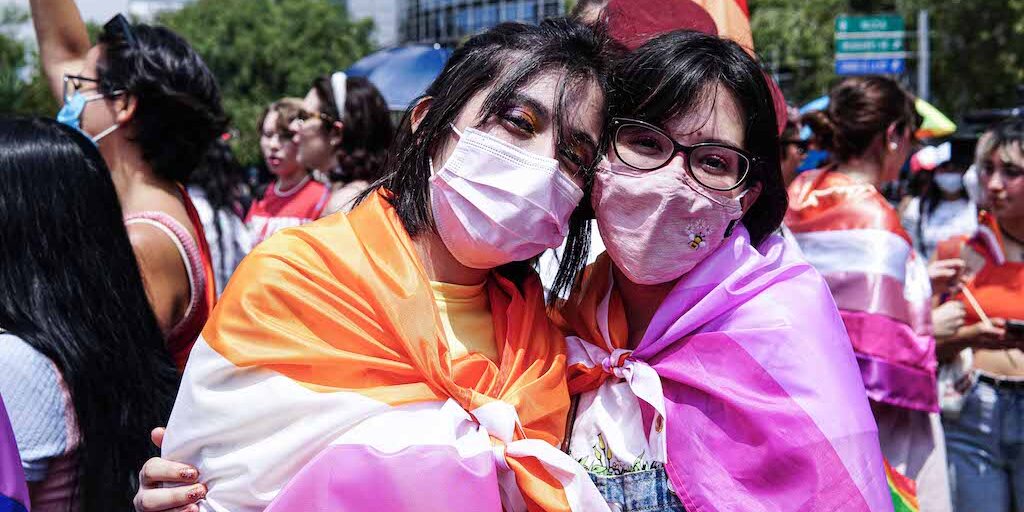
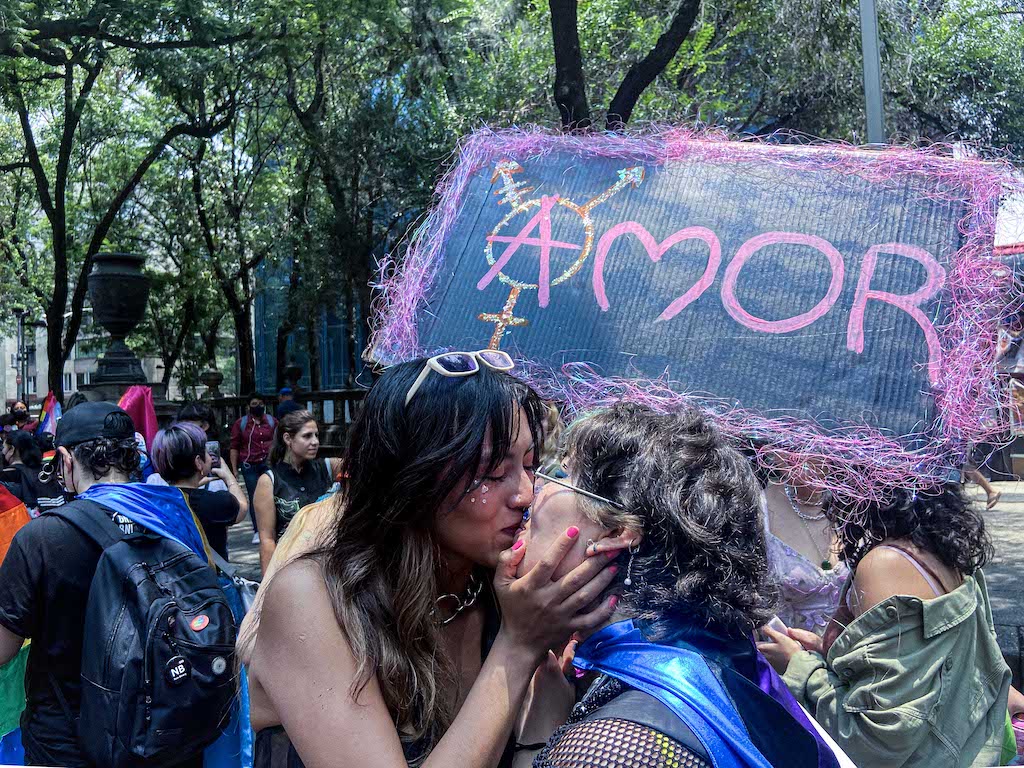
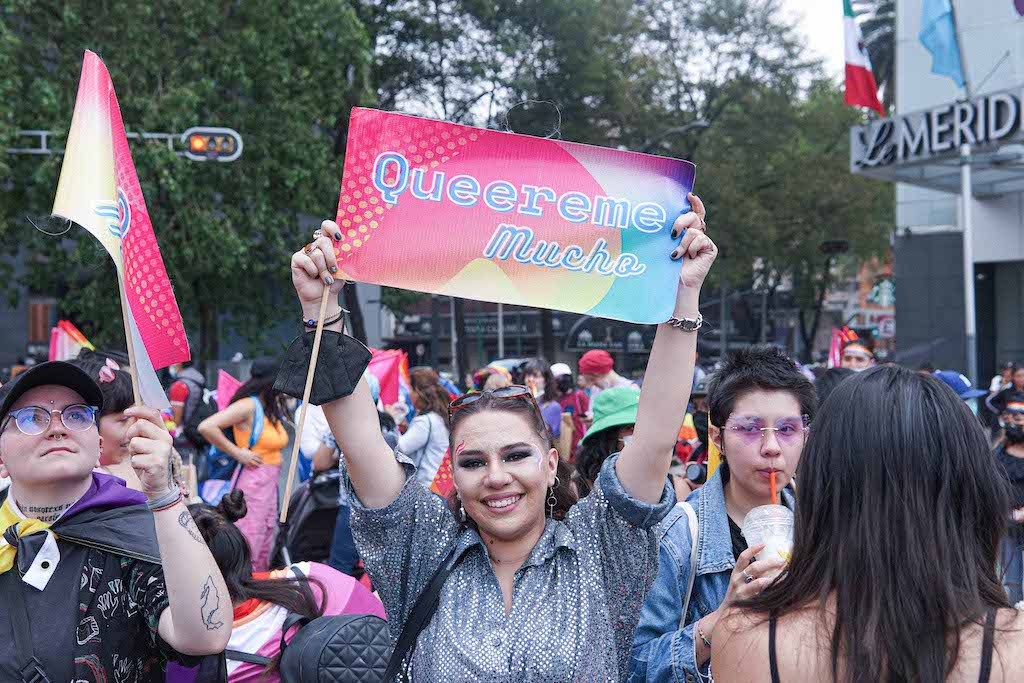
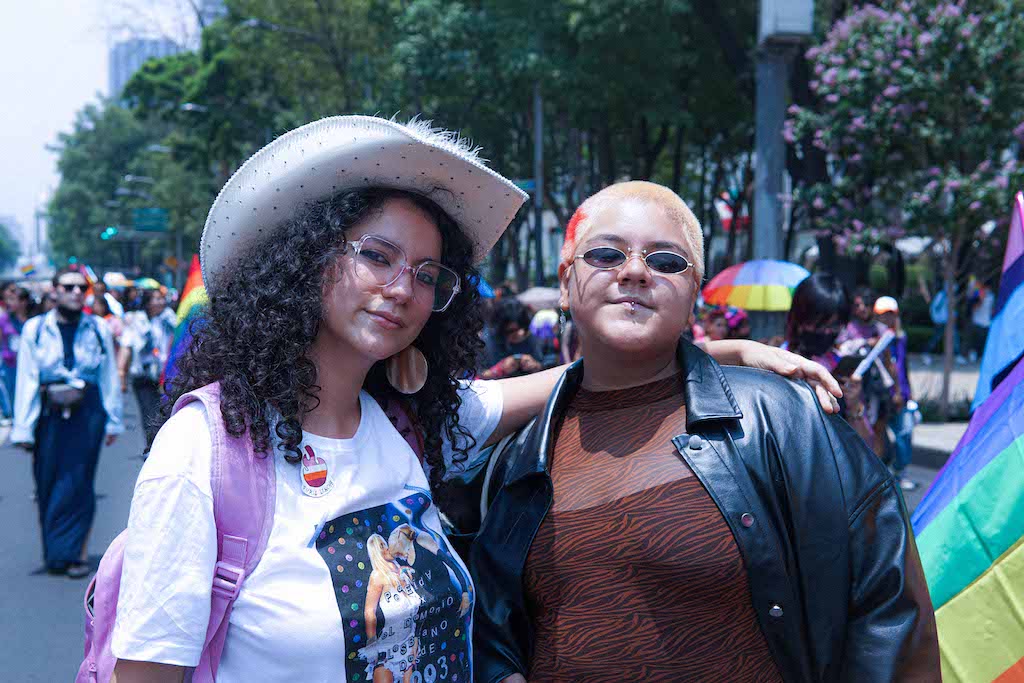
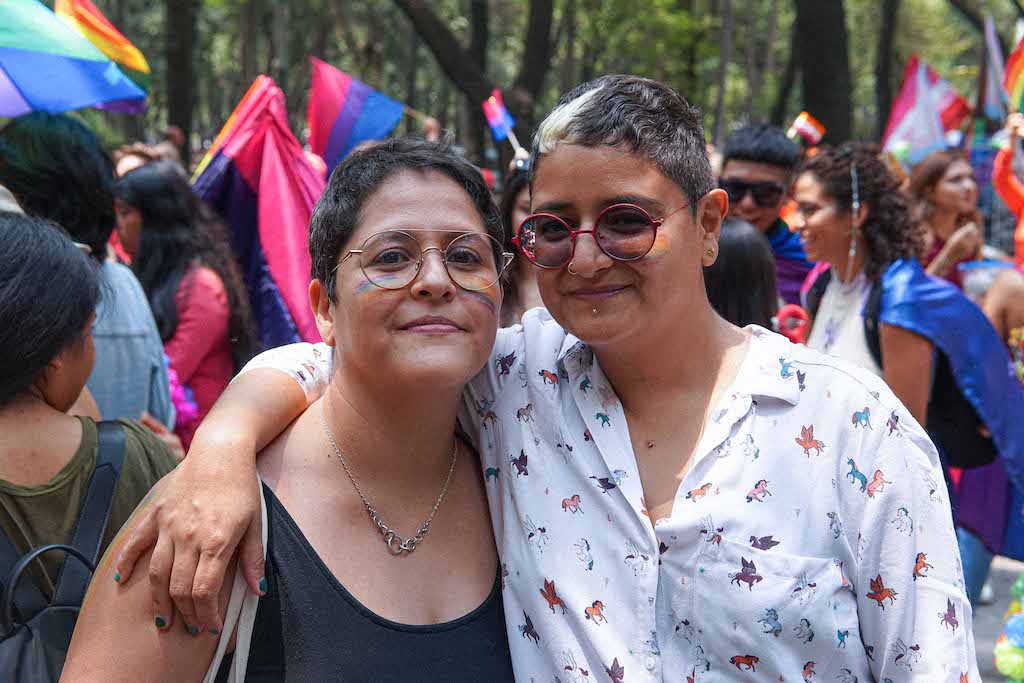
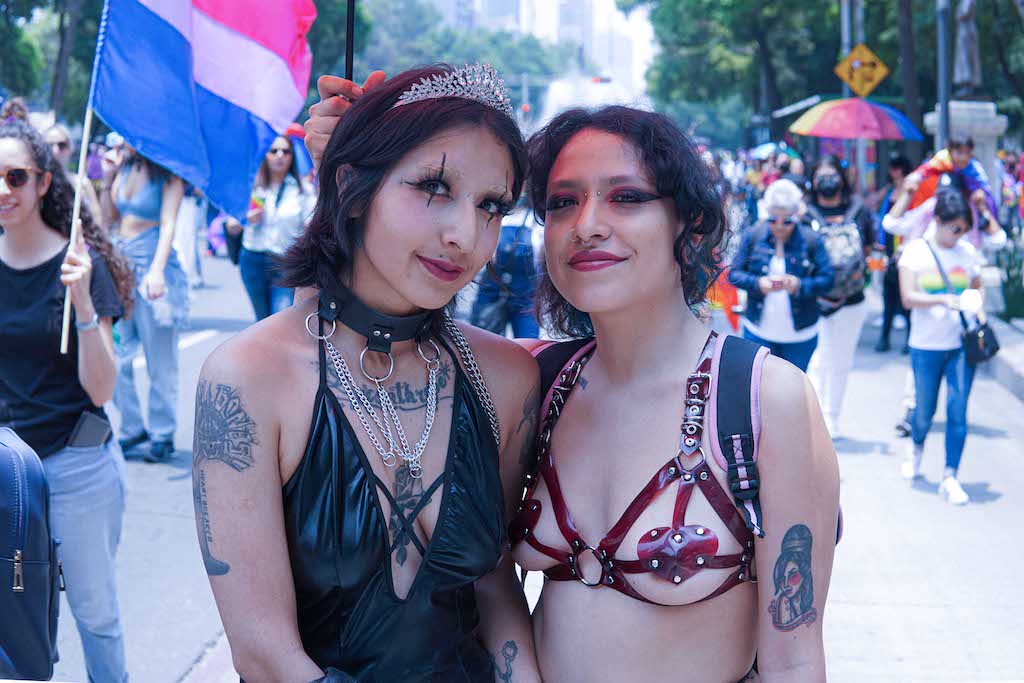
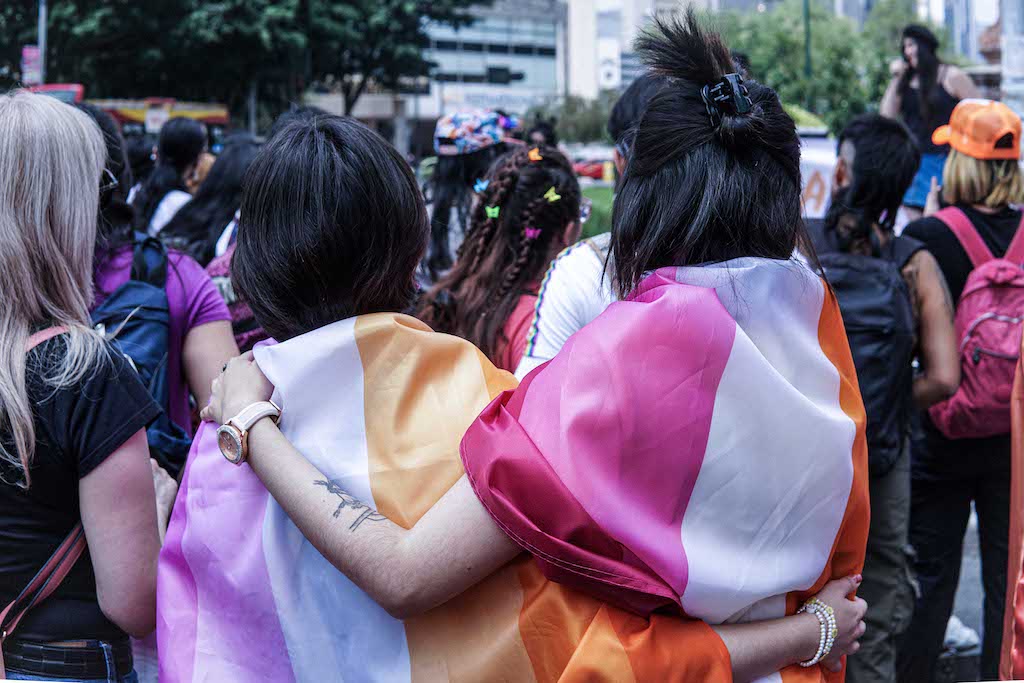
On Saturday, June 18th, the second annual Marcha Lencha (Lencha March) was held in Mexico City. This self-organized demonstration and event focuses on lesbian identity, its realities and needs, and the Mexican state's failure to recognize the human rights of lesbians.
What do we talk about when we talk about lenchitudes?
“We, the 'lenchitudes' (lesbians), are the people who are affected by the stigma directed at 'lesbians' in all our diversity. We are trans, non-binary, and cis people; lesbians, bisexuals, pansexuals, asexuals, transvestites, intersex, queer; parents, mothers, and fathers of diverse families creating bonds within a system that conveniently renders us invisible.” With these words, the organizers of the Marcha Lencha (Lencha March) explained their statement.
The march began at the Glorieta de las Mujeres que Luchan (Roundabout of Women Who Fight) on Avenida Reforma and proceeded to the Botanical Garden in Chapultepec Park. The cultural event took place there.
Rights for lesbian mothers and diverse families
Lesbian mothers and their children—part of the Lesbian Mothers Network—marched at the head of the march. Their main demand: that the Mexican state recognize the rights of their families and ensure the protection of their children from violence.

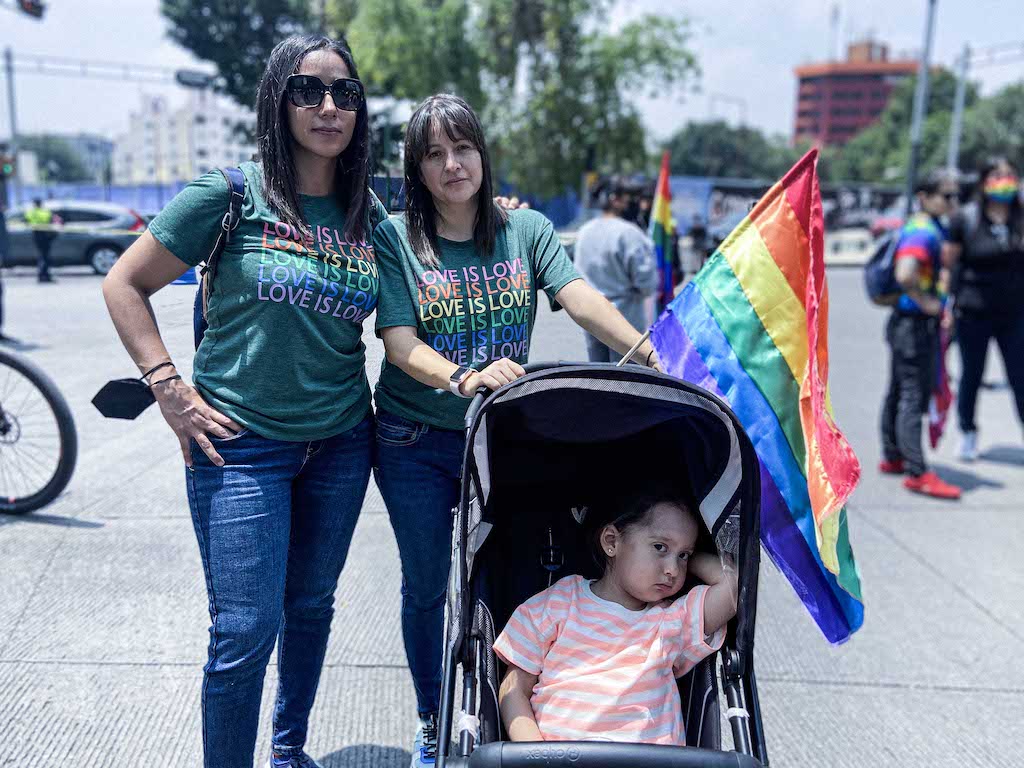
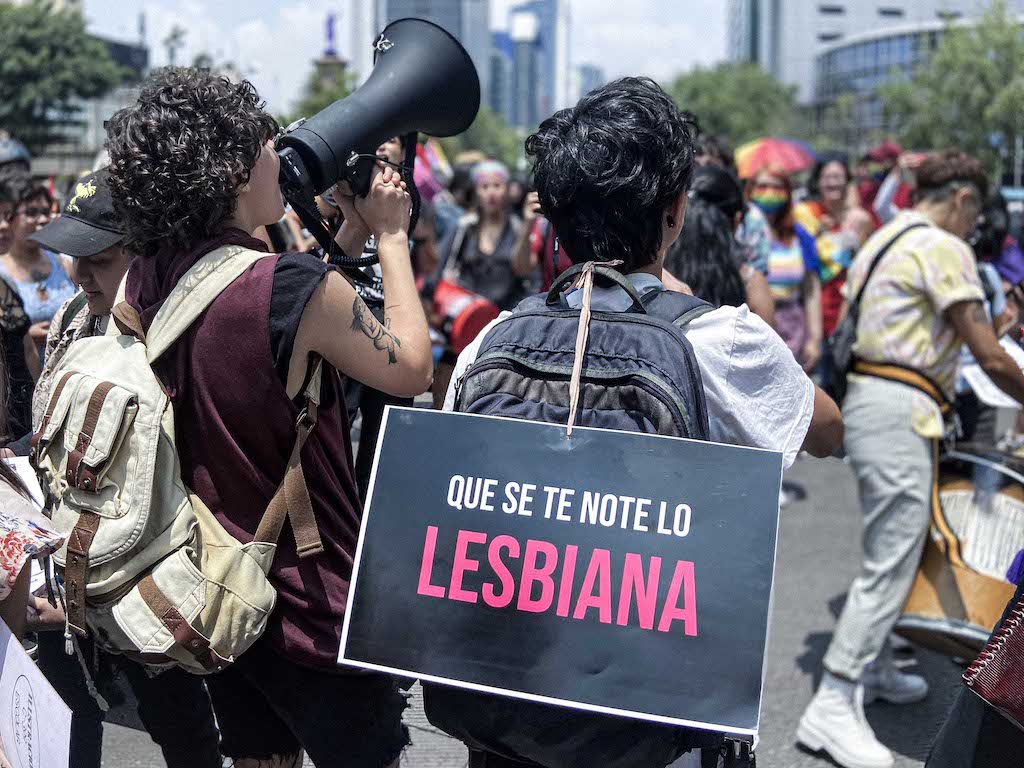
Sudor Común accompanied the demonstration with a batucada band. “Pucha or no pucha, lesbians in the struggle. Neither god nor master, nor assigned gender. Madam, madam, don't be indifferent, lesbians are being killed right in front of everyone. We weren't born in the wrong body, we were born to love, to live, to enjoy without your sins.”
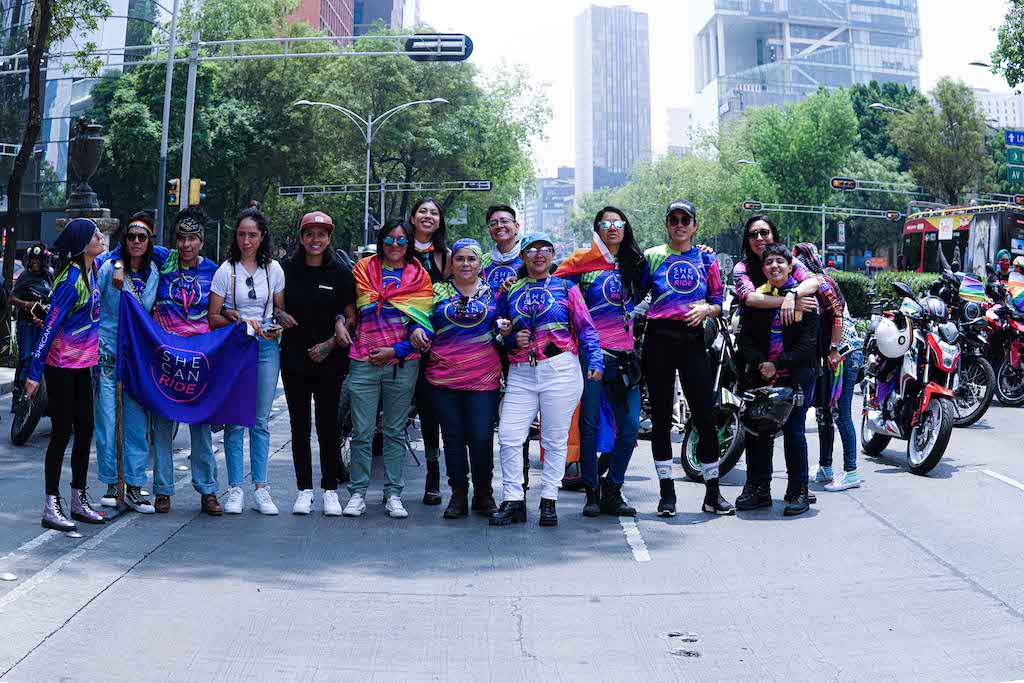
The demonstration was escorted by She Can Ride biker community that organizes rides for women and diverse groups.
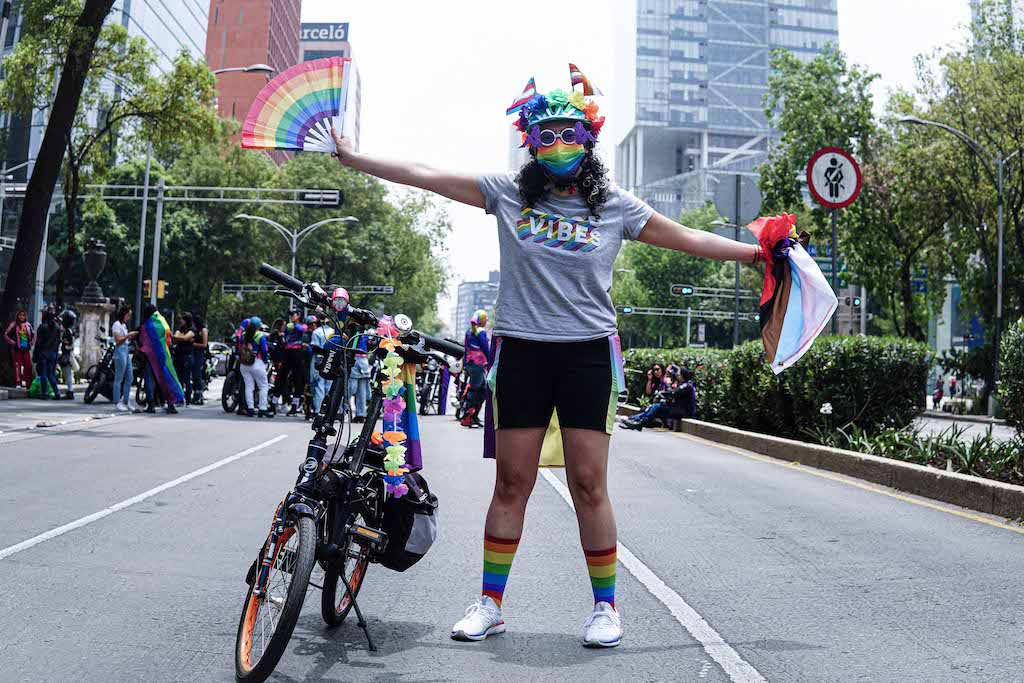
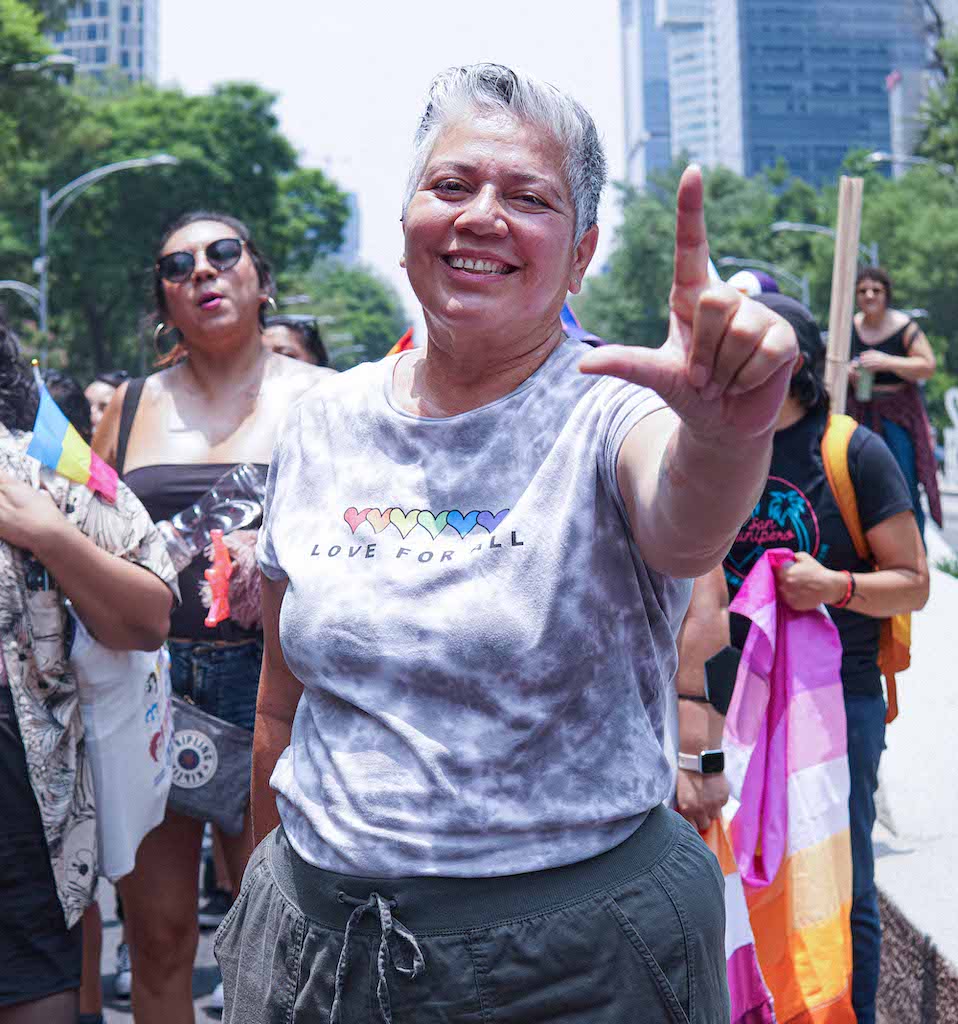
During the march, Enma Obrado, a 51-year-old lesbian feminist and lawyer from Atizapán, State of Mexico, told Presentes : “A march like this is very important because it is inclusive. Being here makes me happy because it hasn't been easy for everyone, especially those of my generation, to be able to show ourselves publicly without shame and without fear; it's a source of pride.”
Stop hateful violence
During the demonstration, protesters demanded justice for the lesbian femicides of Nohemí Medina and Yulizsa Ramírez in Chihuahua. They also demanded justice for the attacks in public spaces against lesbian couples, reported earlier this year in Mexico City's Chinatown
In that sense, one of the main demands was an end to hate-based violence, lesbofeminicides, transfeminicides, and hate speech that harms lesbians. They also demanded the recognition, respect, and guarantee of their rights, such as access to comprehensive healthcare, decent work, family, and a life free from violence.
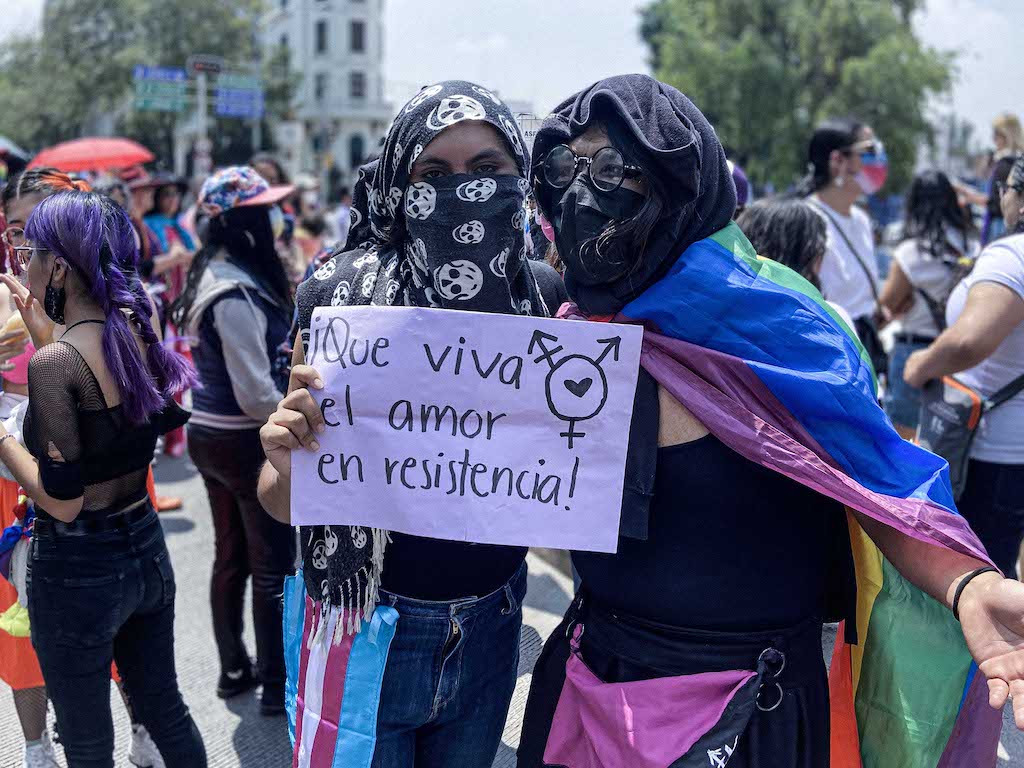
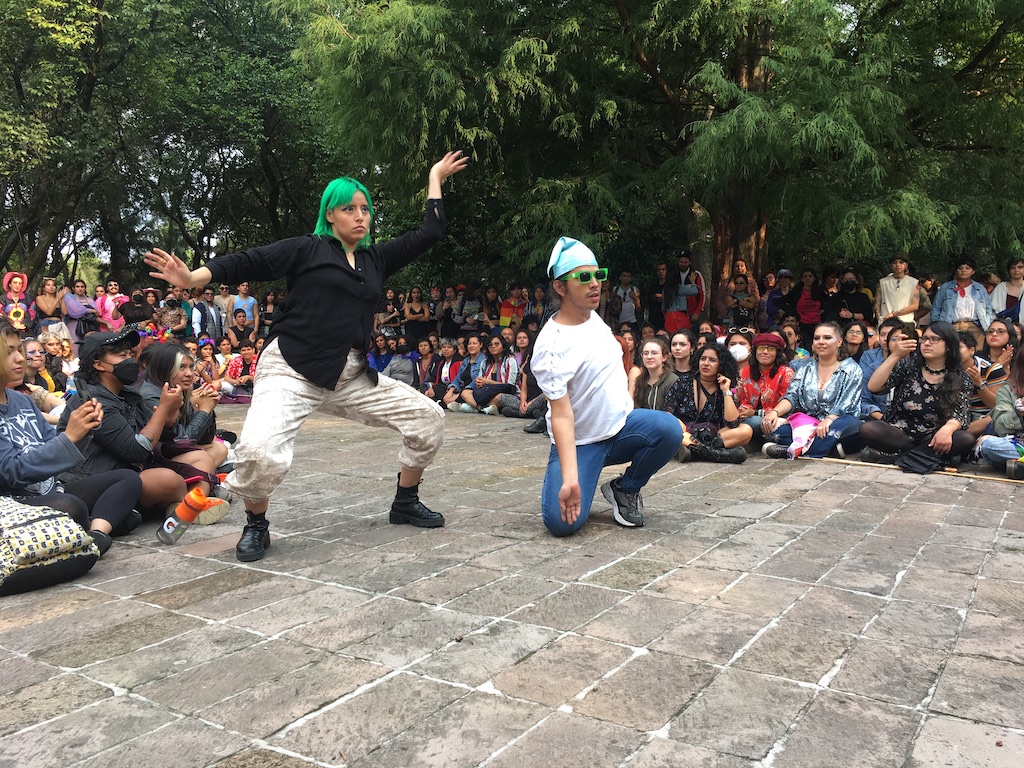
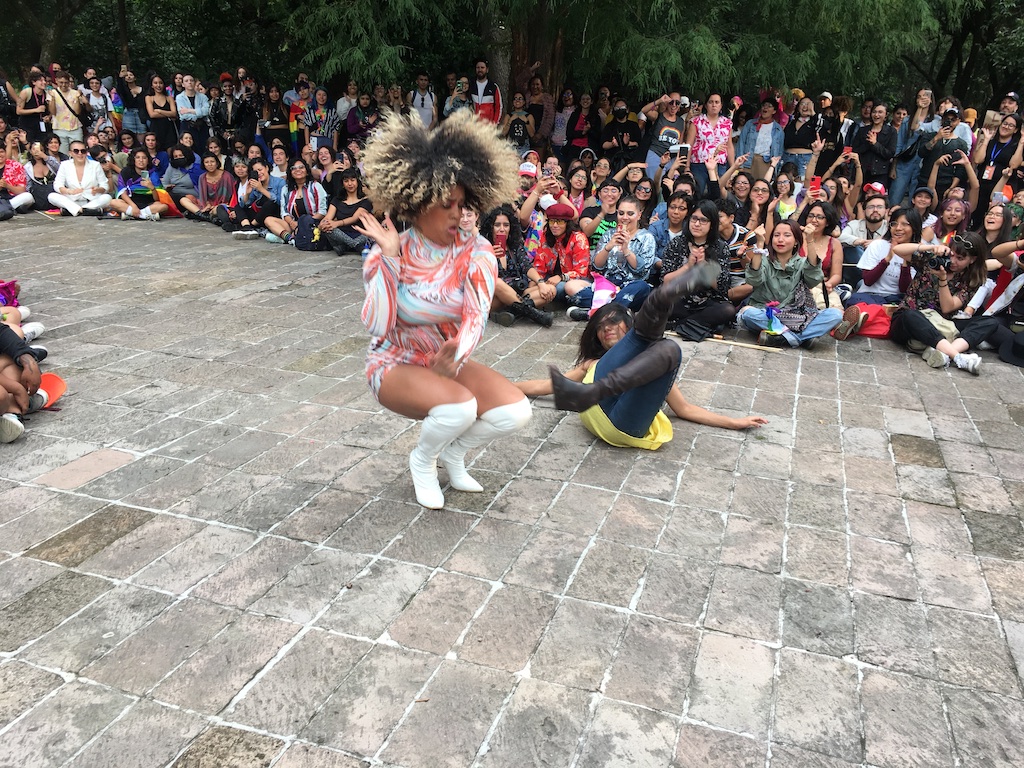
The cultural event featured performances by artists, stand-up comedians, rappers, DJs, and vogue dancers. Marion Reimers, sports journalist and president of Somos Versus, was also present and spoke about enjoyment, and about lesbianism.
“Pleasure, so foreign and forbidden to women. So naturalized and taken for granted by men. The pleasure of going out, of dancing, of laughing, of sleeping with whomever you want, of celebrating and living. Of living. Living, that verb which, no matter how we conjugate it, is in itself an act of resistance and an extreme sport in this country for women, for lesbians, for trans people, for any dissident. And let them endure it! This pleasure we experience today is a direct and indirect consequence of those who came before us, of those who fought and are still here, of those who marched, and shouted, and pointed fingers, and also of those who are no longer with us. This pleasure must also be a trigger for those who continue on the path, for those of us who haven't grown weary. Thank you for not giving up, thank you for your support.”.
The cultural event concluded with a Kiki ball featuring runway, old way, vogue femme, and sex siren categories. The participants and winners were applauded by the lesbians in attendance, many of whom were experiencing vogue battles for the first time.
We are present
We are committed to journalism that delves into the territories and conducts thorough investigations, combined with new technologies and narrative formats. We want the protagonists, their stories, and their struggles to be present.
SUPPORT US

FOLLOW US
Related notes


We are present
This and other stories are not usually on the media agenda. Together we can bring them to light.