

Language belongs to everyone: why inclusive language bothers so much
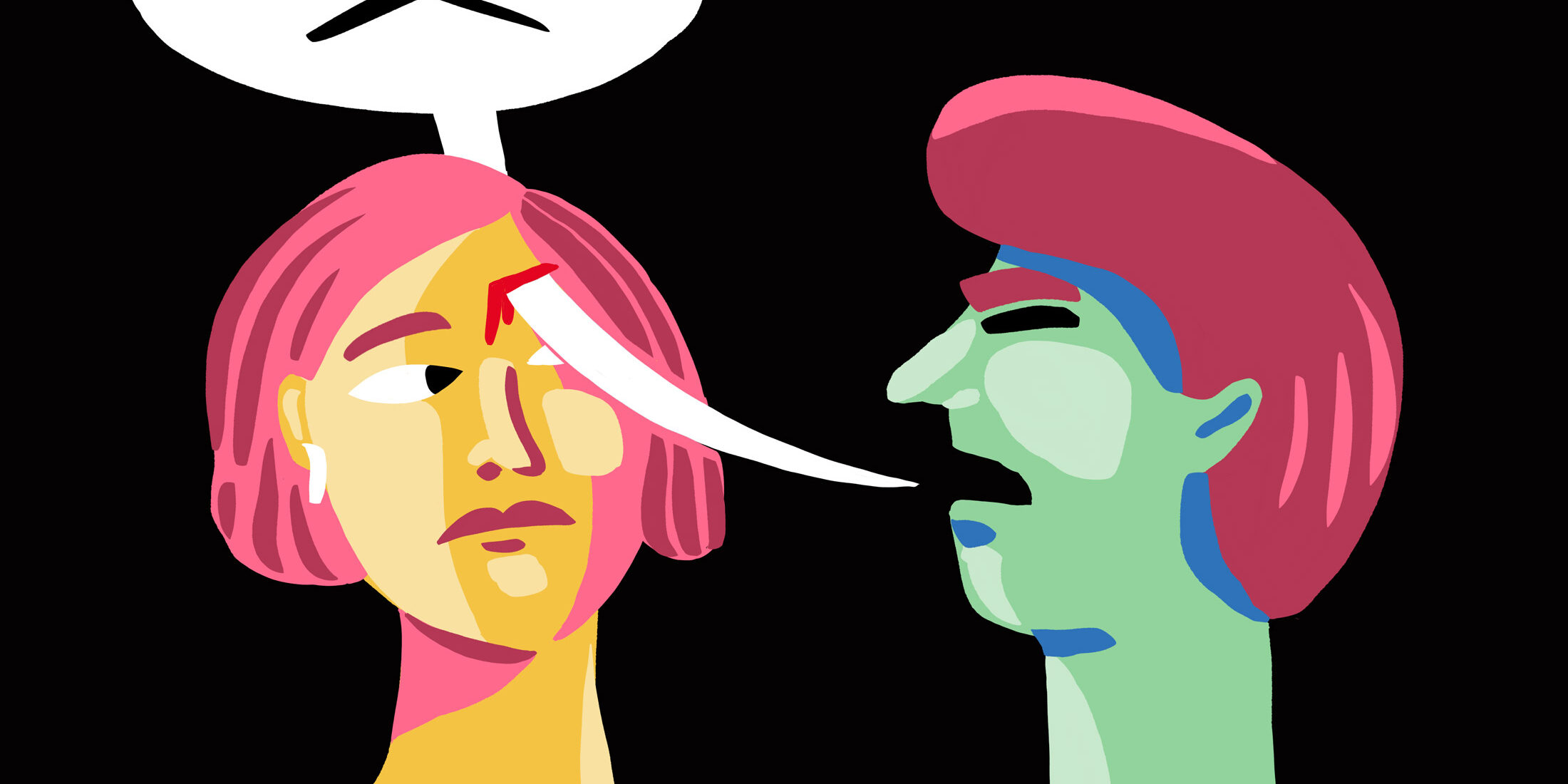
Language is not neutral; it has an ideology. And inclusive language, in a way, came to challenge it.


Share

“Inclusive language confronts us with the ideological baggage of language, which is usually invisible to us,” said the Argentinian writer María Teresa Andruetto in her closing speech at the International Congress of the Spanish Language (Córdoba, 2019). Because language is not neutral; it has an ideology. And inclusive language, in a way, came to challenge it, making it visible by highlighting the hitherto unequal relationship between language, thought, and gender .
Why use inclusive language?
Why use inclusive language ? Because language orders, names, and classifies the world. Until recently, Spanish organized it in binary terms: feminine and masculine. But when referring to people in general, it only used the latter, reproducing the male hegemony that governed the world for years. On the other hand, for some time now, identities that had historically been relegated, discriminated against, and criminalized by patriarchal power itself have begun to gain visibility and occupy a political space. Because they were marginalized, it didn't matter if or how they were named.
What are those who oppose inclusive language resisting?
Many trans, non-binary, or gender-nonconforming people do not identify with either side of the gender binary. So what do we do with these people, who are rights holders? Do we force their identity into a language that is itself an artifice? Or do we modify language use to include everyone? Language is a tool for communication, and communication involves otherness. We can use language as a way to establish power and subjugation, or as a bridge to others. We prefer the bridge.
Inclusive language doesn't change the world, nor is it intended as a mandatory option in all areas. So what are people resisting when they oppose inclusive language? Why does it bother people so much, and why do some look at each other strangely, smile, or mock us when we use it? Perhaps it's because language is a battleground of meanings, where proposing new categories of personhood is a way of proposing other ideologies, of making another possible world visible.
We don't really know what will happen to inclusive language in the future. What we do know is that as long as we pretend that ideology is invisible to language, those who remain invisible—excluded—are people. And language belongs to its speakers, to everyone, as diverse as they are.
This article was originally published in The Future Is Genderless, Trans Stories from Colombia, Chile and Argentina, edited by the University of the Andes, CEPER, Journalism Notebooks, Faculty of Arts and Humanities, February 2021.
We are present
We are committed to journalism that delves into the territories and conducts thorough investigations, combined with new technologies and narrative formats. We want the protagonists, their stories, and their struggles to be present.
SUPPORT US

FOLLOW US
Related notes

We are present
This and other stories are not usually on the media agenda. Together we can bring them to light.