

Indigenous women will demand the State abolish chineo: "We are waking up"
The fight against child exploitation, racism, and spiritual healing were the central themes of this Third Plurinational Parliament of Indigenous Women and Diversities for Good Living.


Share

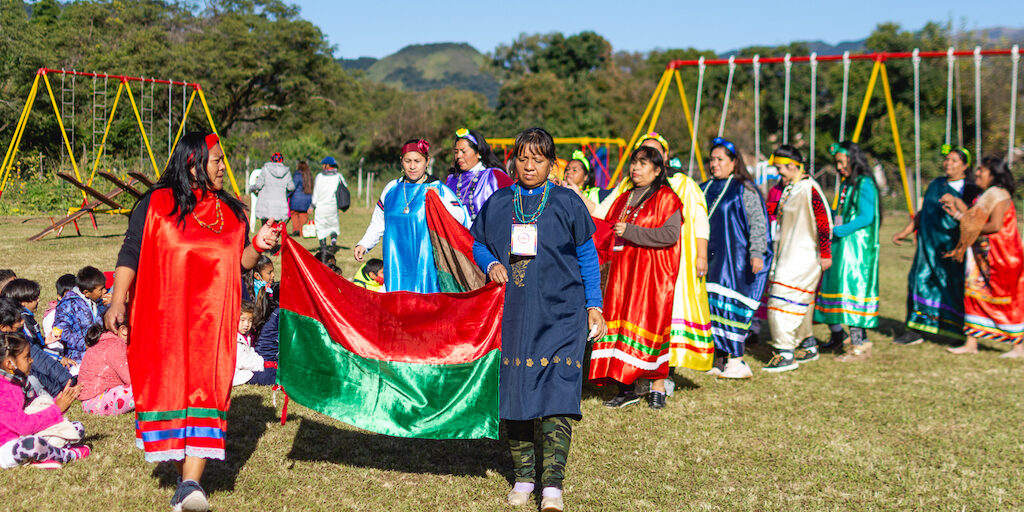
SALTA, Argentina. With a spiritual ceremony and after four days of intense exchange and shared experience, the Third Plurinational Parliament of Indigenous Women and Diversities for Good Living concluded. Tuesday the 24th was a key day: the third day of this gathering, held in Chicoana, 50 km from the city of Salta, focused on collecting testimonies and outlining actions to fight against child sexual abuse. This sexual violence against Indigenous children was defined by several participants as “a hate crime laden with racism and colonial roots.”
From early morning, more than 250 sisters from 21 indigenous peoples-nations of Argentina, Chile, Bolivia and Mexico came together in a plenary meeting to organize working groups for a survey of cases based on the experiences of the sisters.
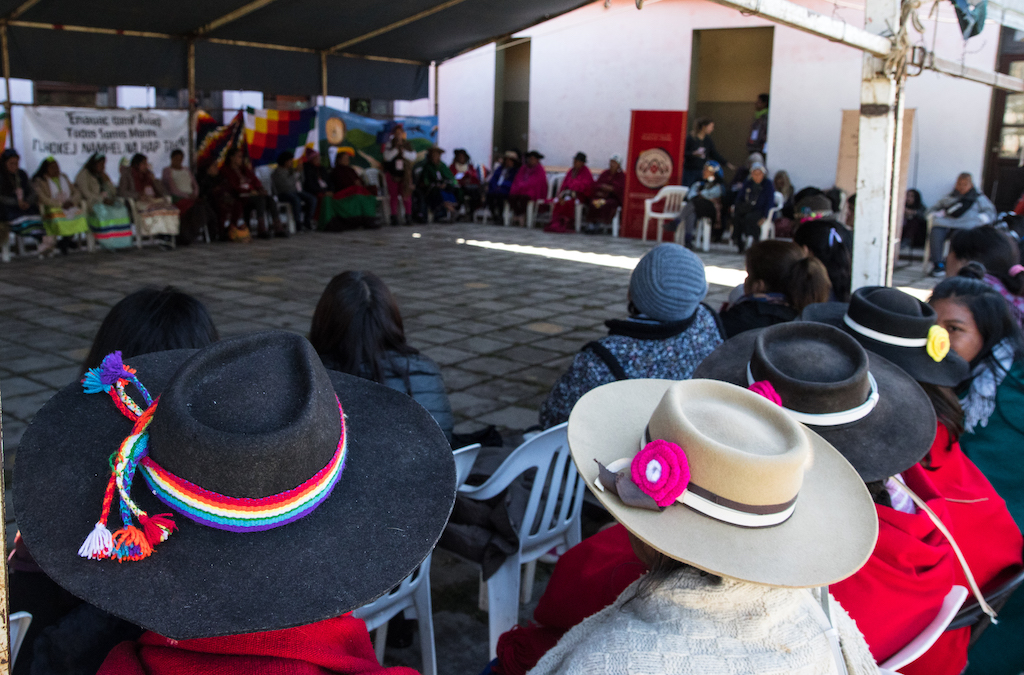
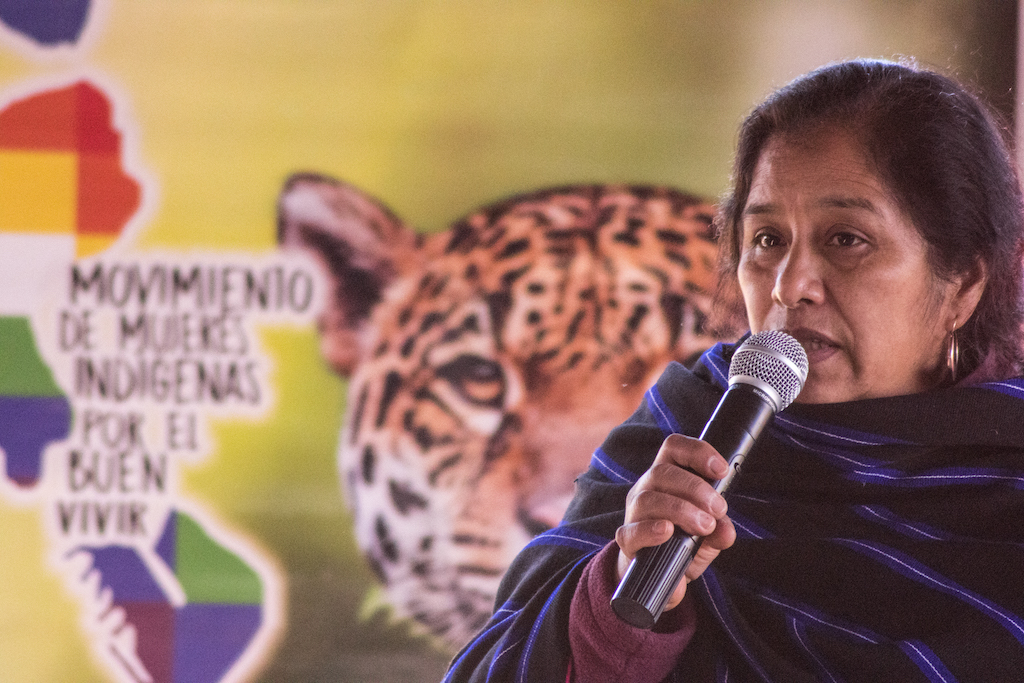
“Chineo is affecting the future of our territories, killing our people. If we don't take action, it will become part of our genocide. I urge you to have the strength to speak with us and together decide on the actions to take to end chineo,” Marilyn Cañío, from the Mapuche people, told her Indigenous sisters.
“The name doesn’t matter, what matters is that this has been happening for a long time and it has to end now. We are going to make this decision, and together we will achieve it. All our grandmothers are with us. We are going to discuss what actions will be taken. And we are going to eradicate child abuse,” shared Sister Vilma Díaz Zárate, a Tehuelche Mapuche woman.
Indigenous and LGBTQ+ women organized themselves into six groups to share their stories. Throughout the morning, in small, intimate circles, they discussed the sexual abuse and violence suffered by children, women, and LGBTQ+ individuals. They spoke of the complicity of local leaders, the police, judges, and politicians, as well as the role of border crossings, drugs, and the trafficking of girls. They also discussed the discrimination they face in hospitals and within the justice system when they manage to file a report.
It was a difficult few hours, marked by accounts of painful experiences that, in many cases, had been silenced for years. Some sisters didn't know the word "chineo" despite having suffered it, while others emphasized intrafamilial sexual abuse. "It's very hard for us to talk, to listen to each other, but we broke the silence. We were able to express ourselves despite the tears," said Irene Cari.
“Most of the women in the group were raped as children”
Afterwards, some testimonies, feelings, and possible actions to abolish child molestation were shared. Some of the words that circulated during that round were:
“In our group there were 25 women and there were 15 reported cases of abuse.”
“We are talking about many direct cases that affected the spiritual health of the territories, the community and the family.”
“Sometimes the rapists are also uncles, grandfathers, brothers, and fathers.”
“It happened with the complicity of police and schools”
“Tourism can also worsen these problems of sexual violence”
“We know of cases of rape by priests and pastors”
“Most of the cases had no support other than from the women themselves. The municipal, provincial, and national government is absent.”
“We hear of cases not only in northern Salta but also in what is now Bolivia, Argentina and Peru.”
“There are no protocols in hospitals or schools. Or if there are, they are not respected.”
“They go hunting”
“Sometimes it is the chiefs themselves who hand over the girls in exchange for something.
“Sexual violence is worse in border areas and where drugs are traded.”
“We are not discovering something. We are waking up.”
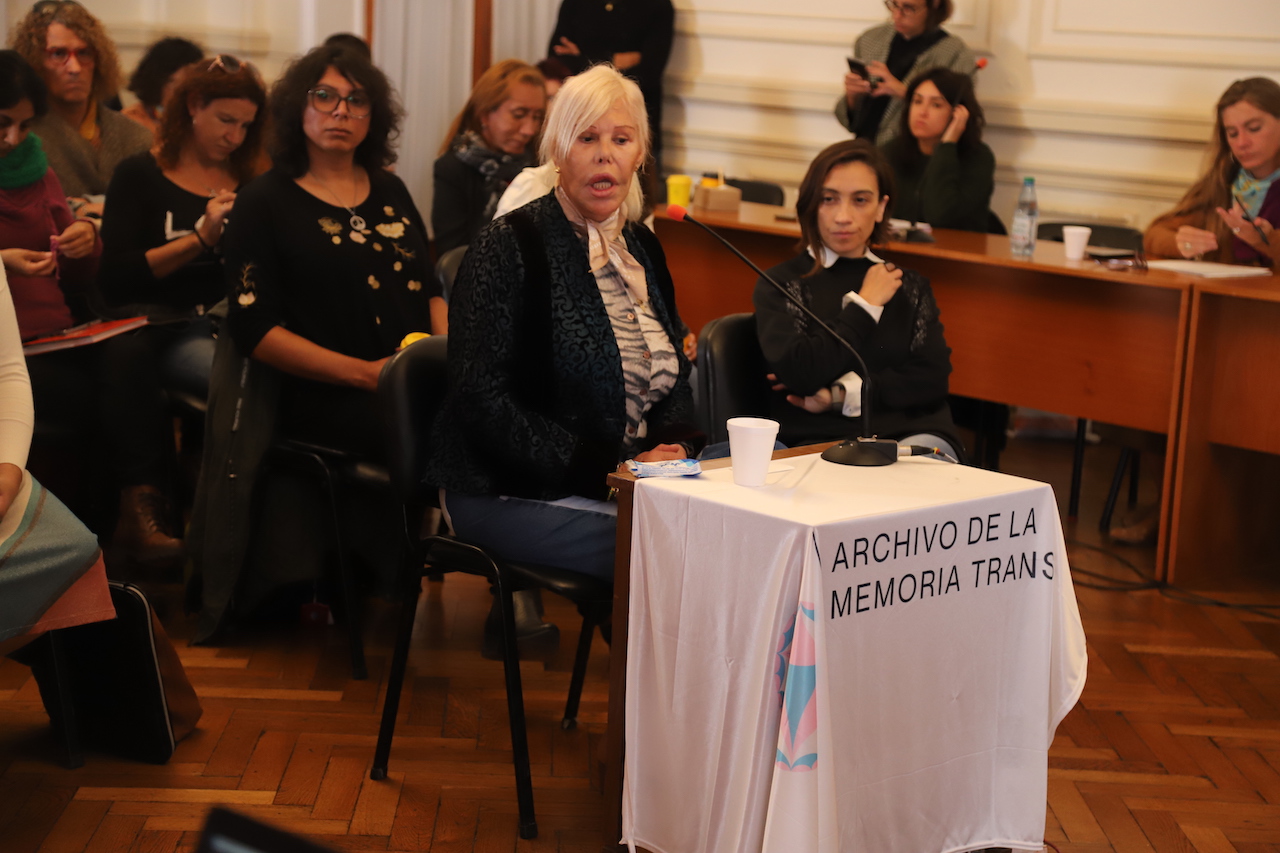
From this sharing of experiences, new questions emerged: how are we doing, what do we want, and how do we move forward? “How are we doing? We are becoming aware of what is happening. The first step is for other people to know that we are fighting to end child molestation,” said María Pía Ceballos, a trans activist with Mujeres Trans Argentina (MTA). María Pía spoke about what was discussed in several groups: “the rapes that almost all of us have suffered in our childhood for being trans or gay.” And she emphasized: “We need to talk about sexual violence in our communities.”
“We don’t want child abuse and we don’t want trans femicides,” shared Lorena Carpanchay, a Diaguita trans folk singer from the Calchaquí Valleys. “We have to fight for our lives. Machismo kills trans women and trans people in the streets and on the roads. We have to fight to stay alive, against hatred and cover-ups, and for Mother Earth.”
“Besides sexual violence, there is racial violence. The ‘chineo’ is racist and colonial,” added Peuma, a Mapuche trans woman from Chile. “It is crucial that Comprehensive Sexuality Education addresses this and how we were expelled from our territory and impoverished. Our territory and our way of thinking were disintegrated.”
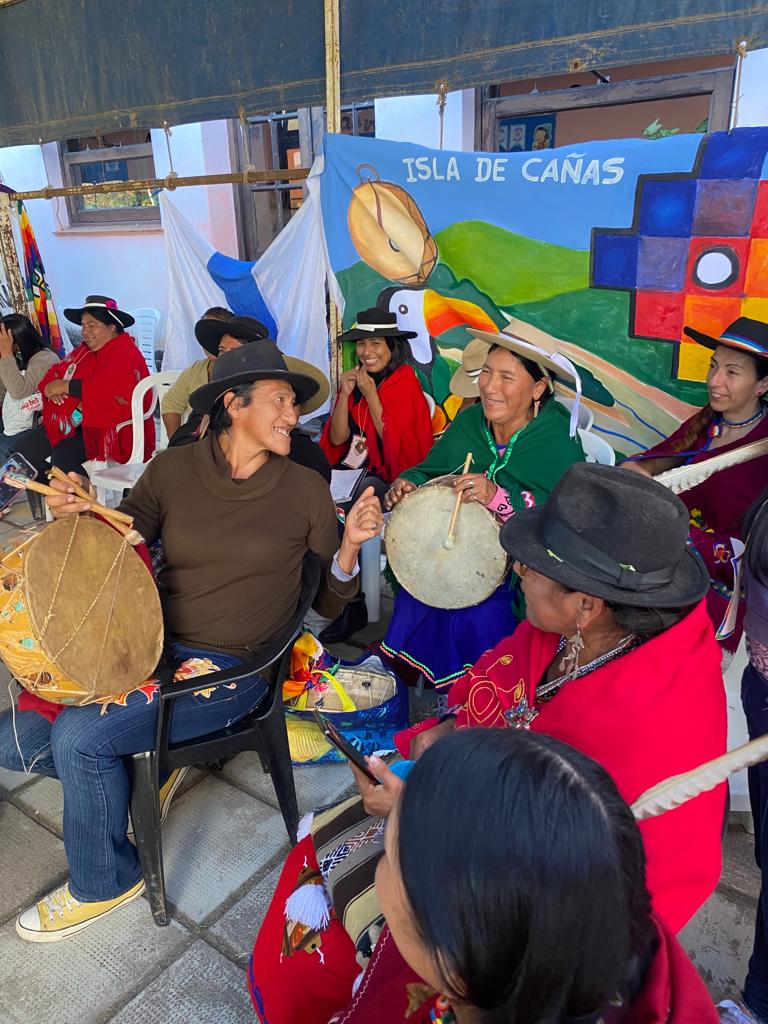
To abolish the "chineo" (a derogatory term for sex workers).
In addition to the testimonies, the groups brought a series of proposals to the plenary session for the abolition of child sexual abuse: from the creation of a support network among communities to specific demands on the State, including intra-community work and the creation of safe spaces. Urgent actions were also proposed: in the final plenary session, it was resolved to give the State an ultimatum to put an end to these sexual abuses, which in many cases involve institutional complicity.
One of the lines of work proposed by the Indigenous Women's Movement for Good Living to end child abuse is to identify the contexts in which it occurs and generate information and data that will allow for the development of preventative policies. “We want to identify the context of child abuse in order to dismantle it. We don't want to hand over the lives of our daughters on a silver platter,” said Moira Millán.

Healing the spirit
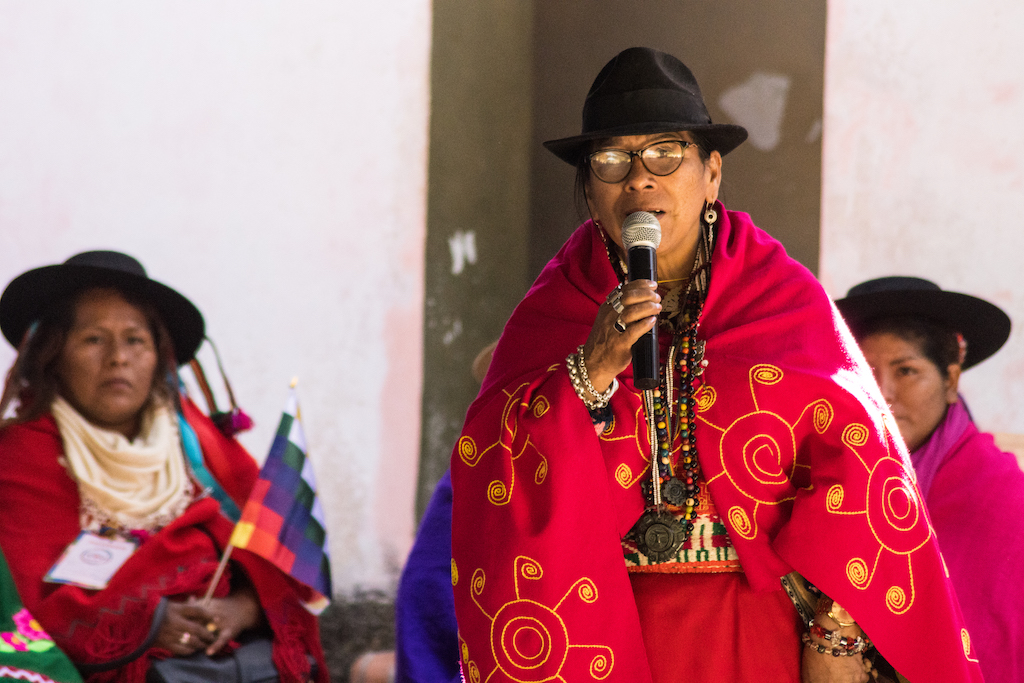
The night before, a healing ceremony led by the aumatas (medicine women) of Bolivia had been held to bid farewell to unborn children, ancestors, and those who had passed away. Among the hills at dusk, surrounded by trees and birdsong, the medicine women guided the ritual around the fire.
The topic of abortion was discussed from a first-person perspective, along with the guilt that this practice inflicts on Indigenous women. “Ancestral ceremonies bring order to our soul and body, they center us. It is health, it is healing,” explained Vilma Díaz y Zárate.
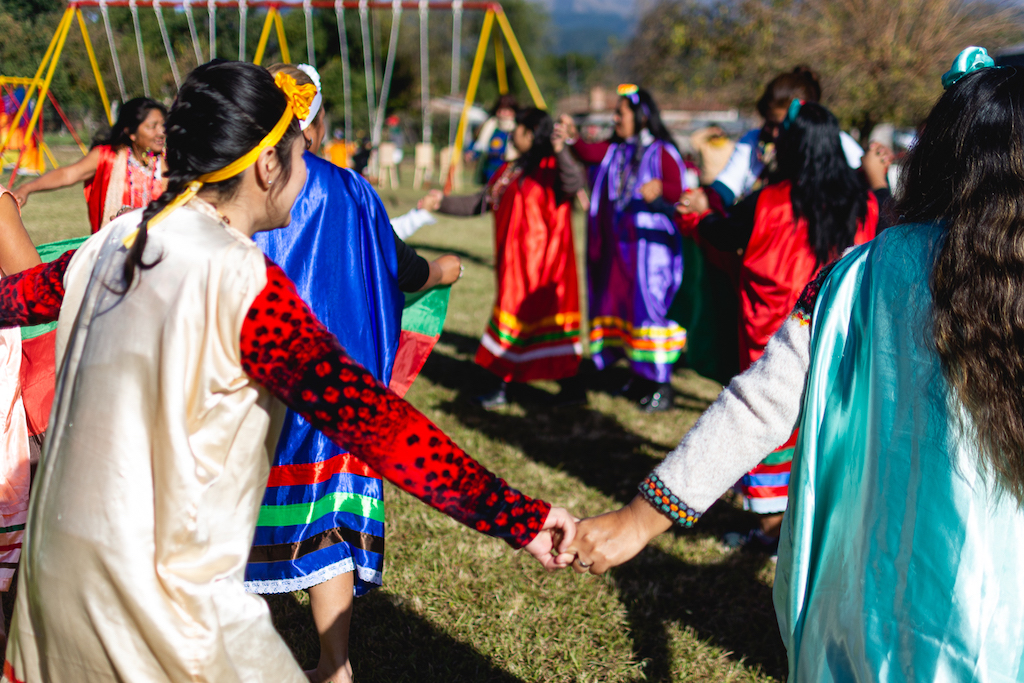
Today, the last day of the Plurinational Parliament, a closing and cleansing ceremony was held. Under the midday sun, the amautas (Aymara medicine women) and spiritual authorities of the territory led the rituals around the fire. Members of the Indigenous Women's Movement for Good Living formed a circle of reciprocity and offered their gifts of gratitude to those who participated.
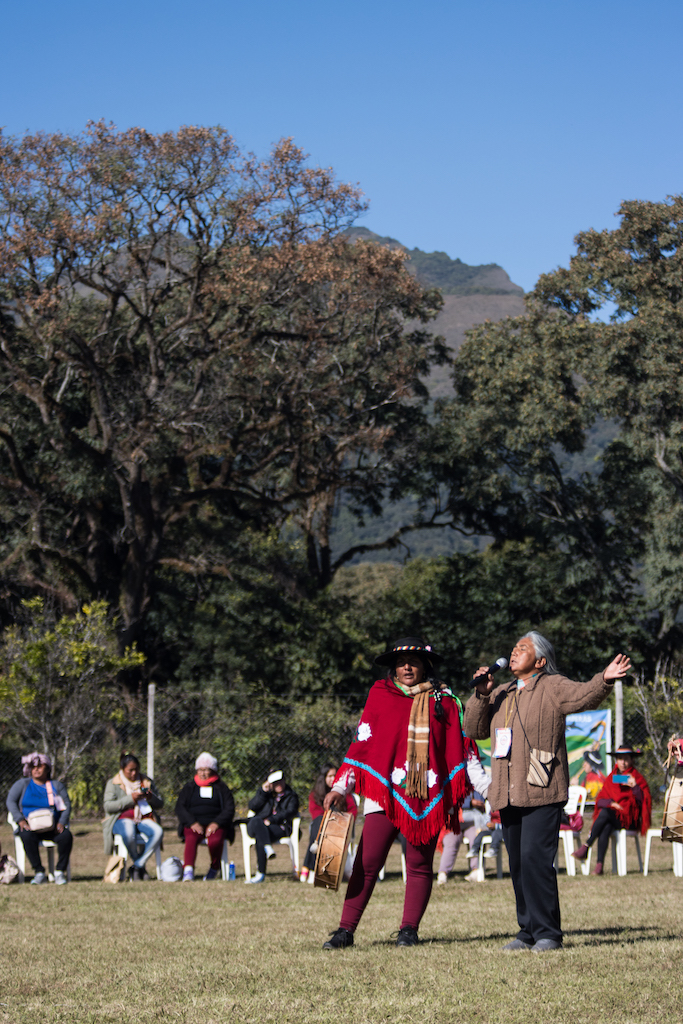
The Parliament was a gathering for spiritual strengthening. And the children were also present during these days, playing, painting, and participating in games and activities in an area designed especially for them and run by volunteers. For the Indigenous worldview, childhood is sacred and a transmuter of energy.
It wasn't easy getting to Parliament.
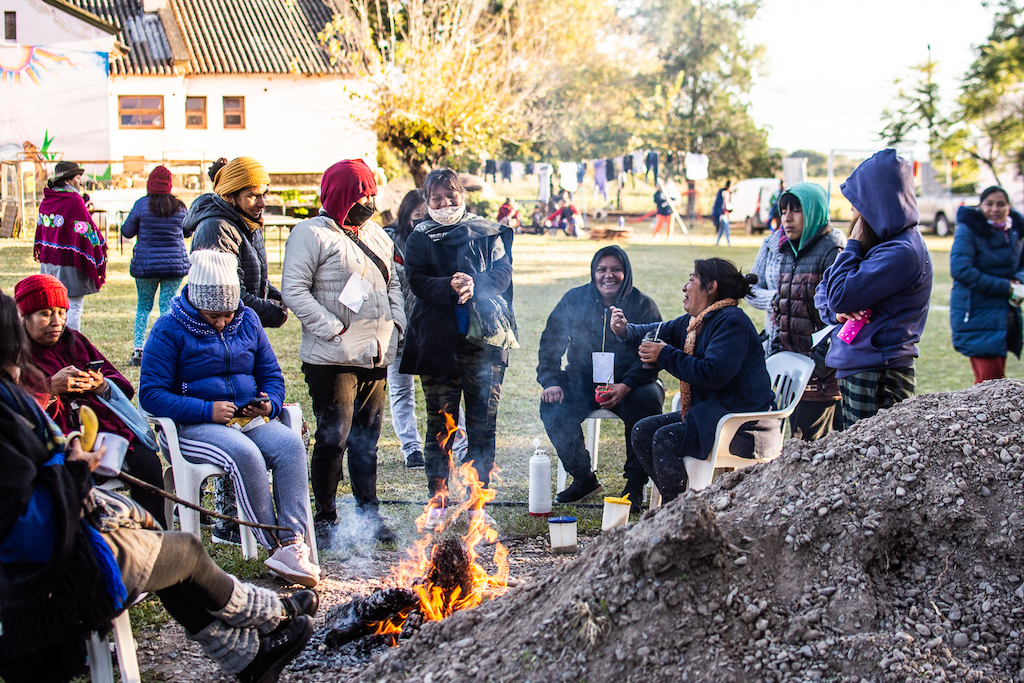
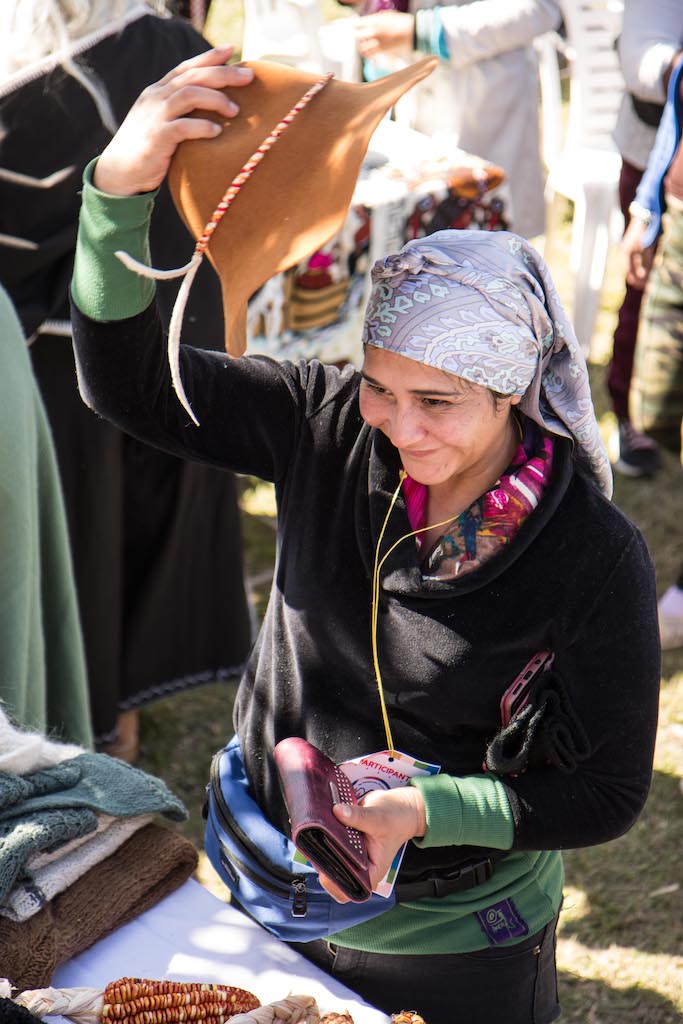
It was four days of gathering, work, and celebration, but also of exhaustion and fatigue. Organizing the Parliament independently and on their own was a challenging task for the women and diverse groups. The logistics, they recounted, were fraught with obstacles: from finding a suitable venue to accommodate nearly 300 people to providing healthy food for the kitchen, as well as securing mattresses, cleaning supplies, and the necessary funds to pay for airfare and ground transportation for the sisters who traveled from their communities. Some of them couldn't even make it because it was their first time flying and they encountered problems at the airport. Other sisters, like the amauta from Bolivia, were intercepted at the airport, and authorities attempted to confiscate the herbs and objects they were carrying for the ceremonies.
It was also planned that the family of Juana, the 12-year-old Wichí girl who was raped by a group of non-Indigenous people in 2015, . The Indigenous Women's Movement for Good Living reported that Juana's mother received threats to prevent her from attending Parliament.
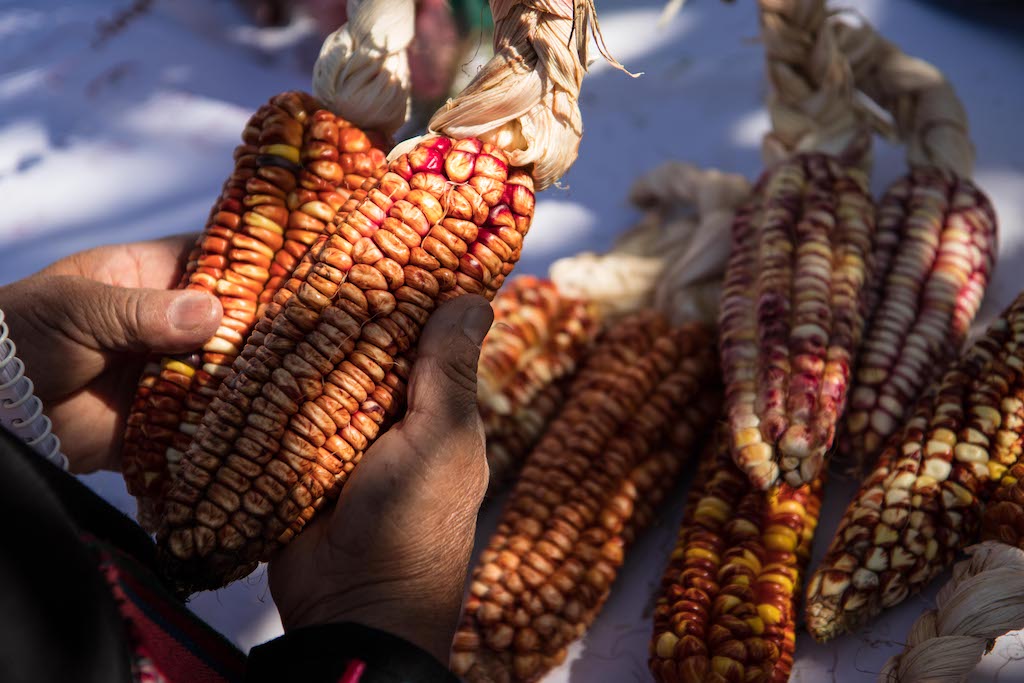
Even so, the organization was impeccable and followed sustainable principles. The meals were prepared by volunteers, based on a menu featuring local ingredients, with daily rations for 300 people.
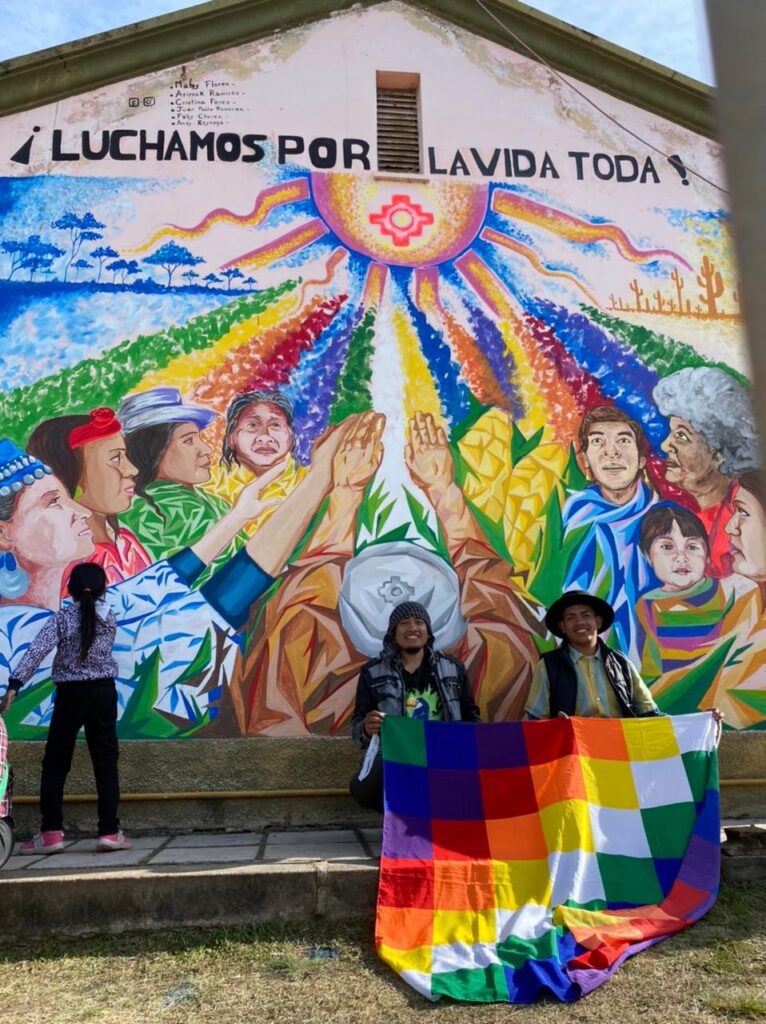
A group of artists from the Ava Guaraní community of the Yungas region of Jujuy created a mural—following the tradition of previous Parliaments, which leave a painting in each location. “We fight for all life,” reads the artwork that encapsulates the spirit of this 3rd Plurinational Parliament.
The suffering deeply rooted in the sisters' bodies also found a place of solace and embrace during these days, where music, song, and dance were ever-present. The accounts of pain from the last day were surrounded by circular dances, and thus the struggle also became a celebration.
We are present
We are committed to journalism that delves into the territories and conducts thorough investigations, combined with new technologies and narrative formats. We want the protagonists, their stories, and their struggles to be present.
SUPPORT US

FOLLOW US
Related notes
We are present
This and other stories are not usually on the media agenda. Together we can bring them to light.