

How to report hate speech
In a scenario where hate speech is expanding globally, how can discriminatory messages from audiovisual media in Argentina be reported easily and quickly?.


Share

Discriminatory and hateful rhetoric circulating through the media, social networks, and other spaces is becoming a global problem. Incendiary messages that stigmatize or promote racism, xenophobia, and religious intolerance are spreading worldwide, following common patterns. We know that LGBTQ+ people are one of their targets, but not the only one.
In Argentina, the Ombudsman's Office received over 600 complaints in May regarding discriminatory remarks made by television host Viviana Canosa on various days and segments of the week. The majority of these complaints concerned gender and sexual orientation. Back in March, the Ombudsman's Office had already received a record of over 750 complaints in a single week concerning discriminatory opinions expressed on television programs about transfeminism, gender, and LGBTQ+ issues.
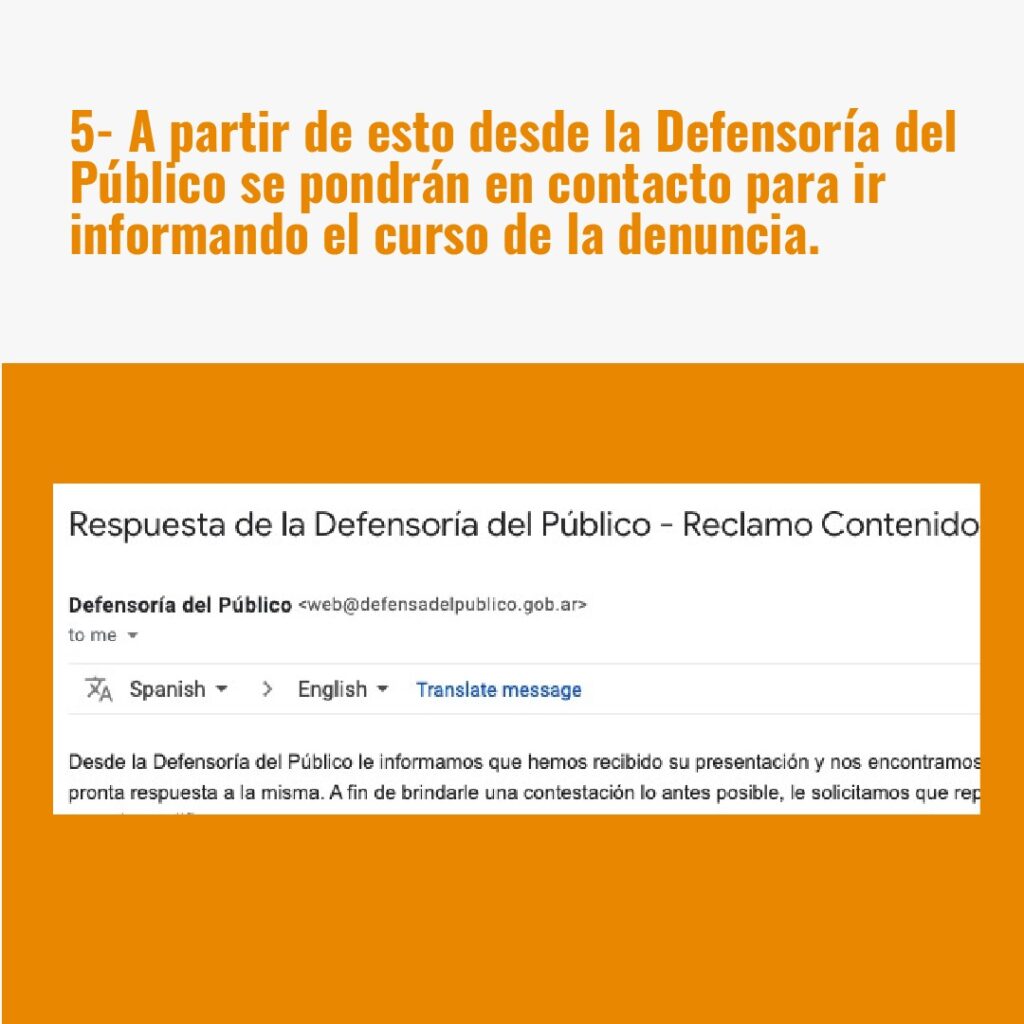
How and what can be reported to the Ombudsman's Office?
“Discriminatory speech can be reported to the Ombudsman's Office. We are seeing that, on the one hand, people are reporting more. There is a lot of speech that violates rights, but on the other hand, audiences are very active and vigilant in preventing its repetition. And we believe that the increased visibility of the Ombudsman's Office also plays a role,” says Alejandra Iriarte, Director of Rights Protection and Legal Affairs at the organization.
The Ombudsman's Office is concerned about the record number of complaints it received at the beginning of the year regarding gender-based violence and discriminatory speech. This agency does not have the authority to sanction those who broadcast discriminatory messages, as that power rests with ENACOM (National Communications Agency). However, it offers other types of responses: “We promote restorative measures, which can include training, apologies, or guaranteeing a space for people whose rights have been violated,” explains Iriarte. She adds, “From this agency, we can also facilitate dialogue with the media outlet in question. We have had fruitful meetings, for example, with América TV.”.
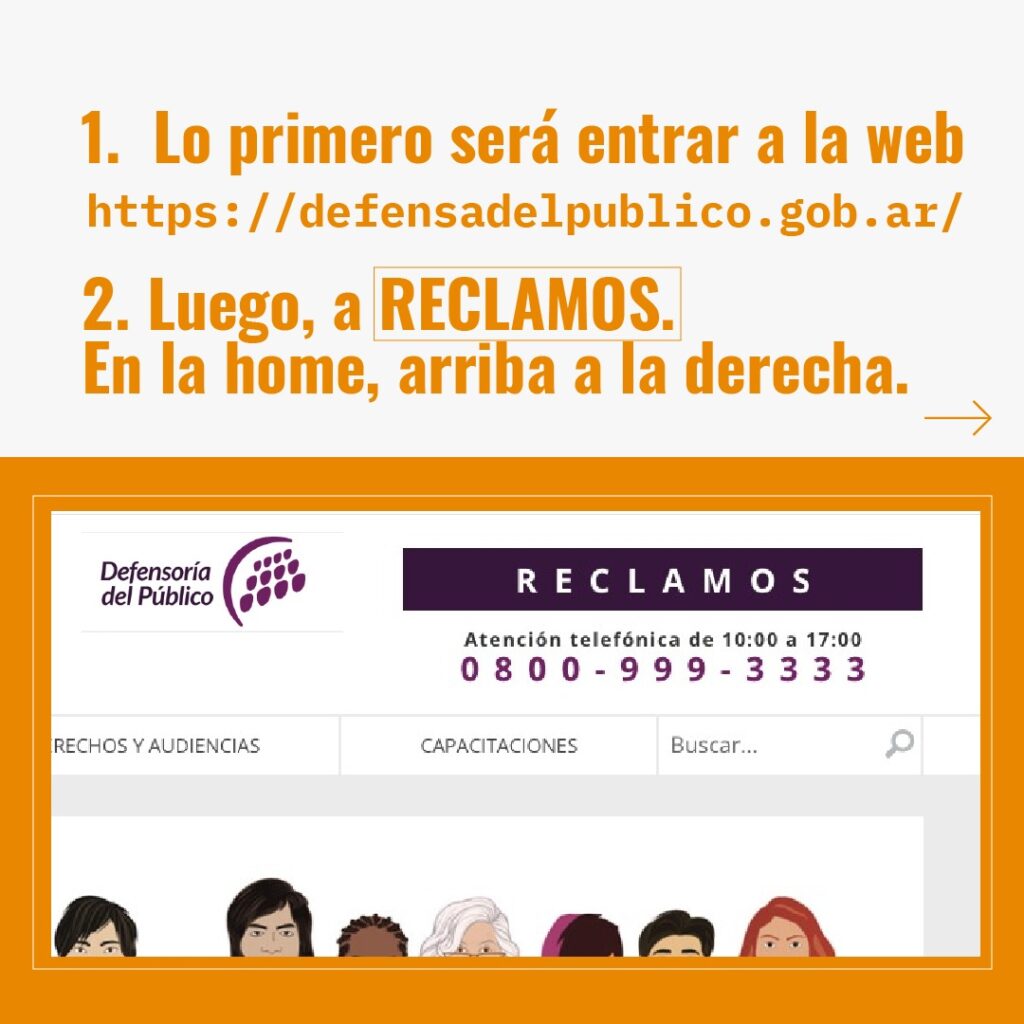
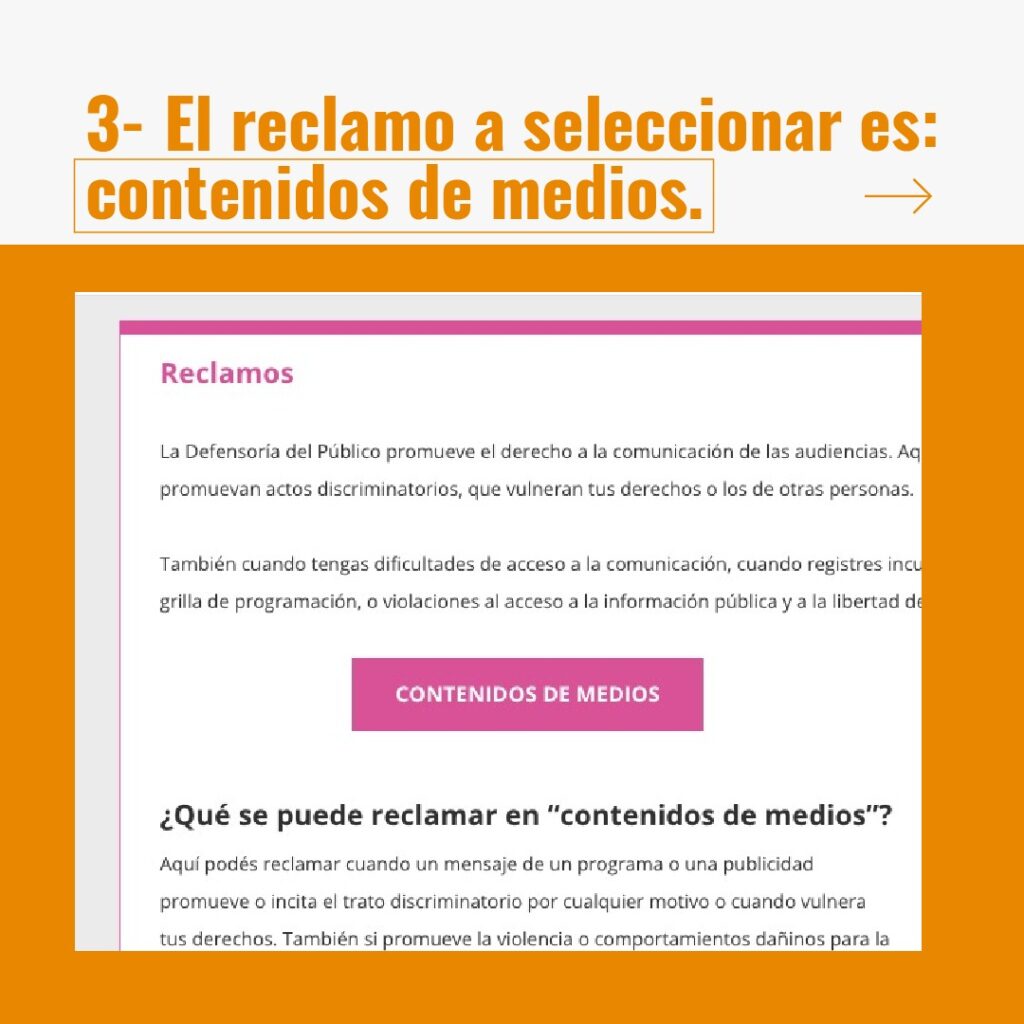
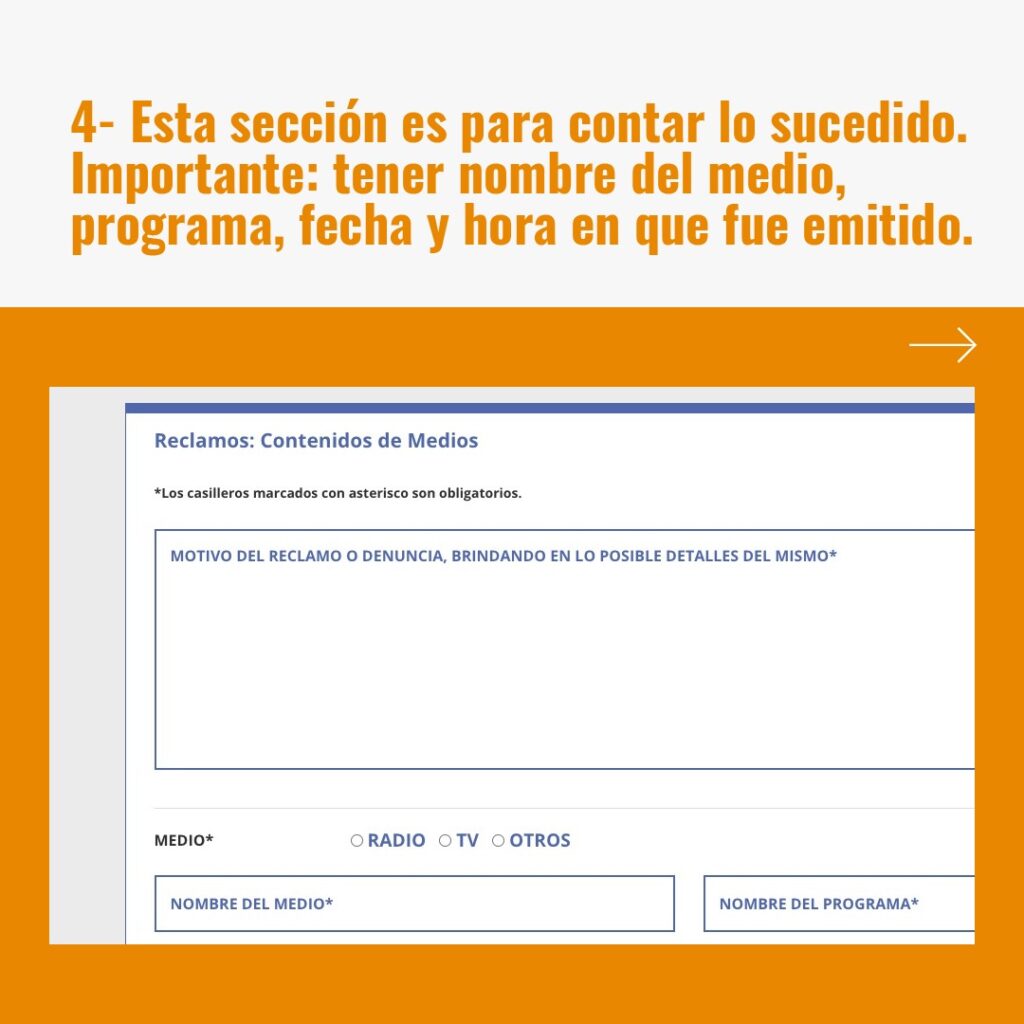
How to report in one click
What is hate speech?
Although there is still no definitive and universally agreed-upon definition, hate speech is defined as “ any type of speech uttered in the public sphere that seeks to promote, incite, or legitimize discrimination, dehumanization, and/or violence toward a person or group of people based on their membership in a religious, ethnic, national, political, racial, gender, or any other social identity group .” This is how researchers define it in the report “ Hate Speech in Argentina ,” who have been working on the topic at the National University of San Martín, under the direction of CONICET researcher Ezequiel Ipar.
International organizations have already placed them on the agenda. The United Nations clarifies that there is no international legal definition. And talking about hate is, at the very least, controversial and quite contradictory. Even so, the United Nations describes it as “ any form of communication—spoken, written, or through behavior —that is an attack on , or uses derogatory or discriminatory language toward, a person or group based on who they are. In other words, on account of their religion, ethnic origin, nationality, race, color, ancestry, gender, or other identity factor. In many cases, hate speech is rooted in, or generates, intolerance and hatred, and in certain contexts, it can be degrading and divisive.”
Working group against hate speech
Currently, various measures are underway to try to curb rhetoric that violates rights. One of these is a working group initiated by Buenos Aires City legislator Victoria Montenegro. Convened by the Human Rights, Guarantees, and Anti-Discrimination Committee, which she chairs, the first meeting was held in March at the City Legislature. Participants included representatives from various social, political, and cultural organizations, as well as justice and government officials, all seeking to coordinate new strategies for raising awareness and addressing these issues.
“Hate exists and it must be fought. Human rights are not a thing of the past. It is important to identify some patterns that these discourses share (which can be directed at different groups) and work on effective mechanisms to combat them,” said legislator Montenegro.
Freedom of expression and discrimination
Many people who spread hate speech claim to be protected by the right to freedom of expression. Several organizations have already spoken out on this matter. “The right to freedom of expression is not absolute and is subject to limitations. On the one hand, the American Convention establishes that freedom of expression may be limited to the extent necessary to guarantee certain public interests or the rights of others,” says the Special Rapporteur for Freedom of Expression.
Therefore, any “hate speech” directed against people based on their gender identity, sexual orientation, body diversity, that involves incitement to violence or “any other similar illegal action” falls under this provision for the agencies.
What is the relationship between discriminatory discourse and violence?
The Inter-American Commission on Human Rights (IACHR) states that it has received information indicating that violence against lesbian, gay, bisexual, transgender, and intersex (LGBTI) people is reinforced by the dissemination of hate speech directed at this community in various contexts. These include public debates, the rejection of events organized by LGBTI people (for example, Pride Marches), and also through the media and on the internet. “While it is necessary to study this phenomenon in greater depth, the evidence shows that when crimes against LGBTI people occur, they are frequently preceded by a context of high dehumanization and discrimination,” says the IACHR in what is considered the most comprehensive report to date on the situation of LGBT* people in Latin America : Violence against LGBT people.
We are present
We are committed to journalism that delves into the territories and conducts thorough investigations, combined with new technologies and narrative formats. We want the protagonists, their stories, and their struggles to be present.
SUPPORT US

FOLLOW US
Related notes

We are present
This and other stories are not usually on the media agenda. Together we can bring them to light.