
 Apoyanos
Diez años de la Ley de Identidad de Género argentina, un hito que cambió la vida de miles de personas
La militancia travesti trans logró hace diez años la aprobación de una ley de avanzada. El camino recorrido y lo que falta.



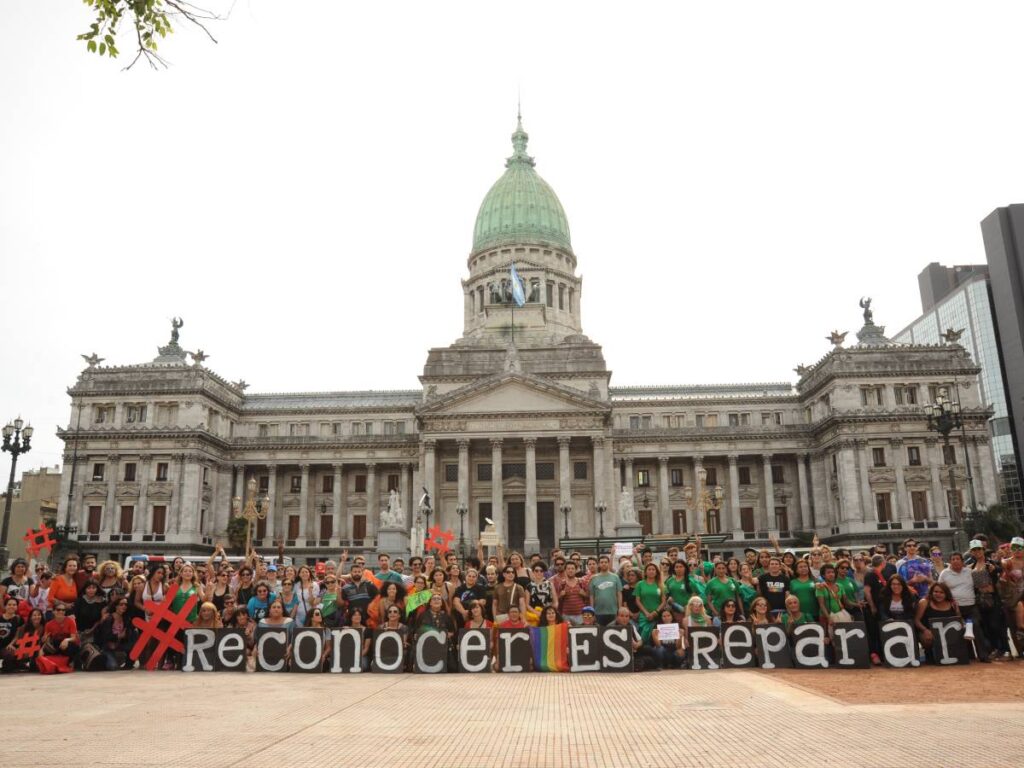
BUENOS AIRES, Argentina. “Cualquier compañera o compañero -porque hay varones trans también- que vaya a cualquier registro civil del país van a poder hacer su cambio de DNI y no van a tener que pagar con su cuerpo ni con ninguna pericia psiquiátrica ni médica, que son de terror”, decía la histórica activista travesti Lohana Berkins en noviembre de 2011, cuando el proyecto de Ley de Identidad de Género esperaba para ser tratado en la Cámara de Diputades. Diez años después, 12.655 personas pudieron acceder a este derecho y tener un DNI conforme a su identidad de género.
Con 55 votos afirmativos, ninguno en contra y una abstención, el Senado convirtió en ley el 9 de mayo de 2012 el proyecto militado durante años por las organizaciones del colectivo travesti trans. Se oficializó, así, que “toda persona tiene derecho al reconocimiento de su identidad de género, al libre desarrollo de su persona conforme” a ella y a ser tratada de forma digna de acuerdo su identidad.
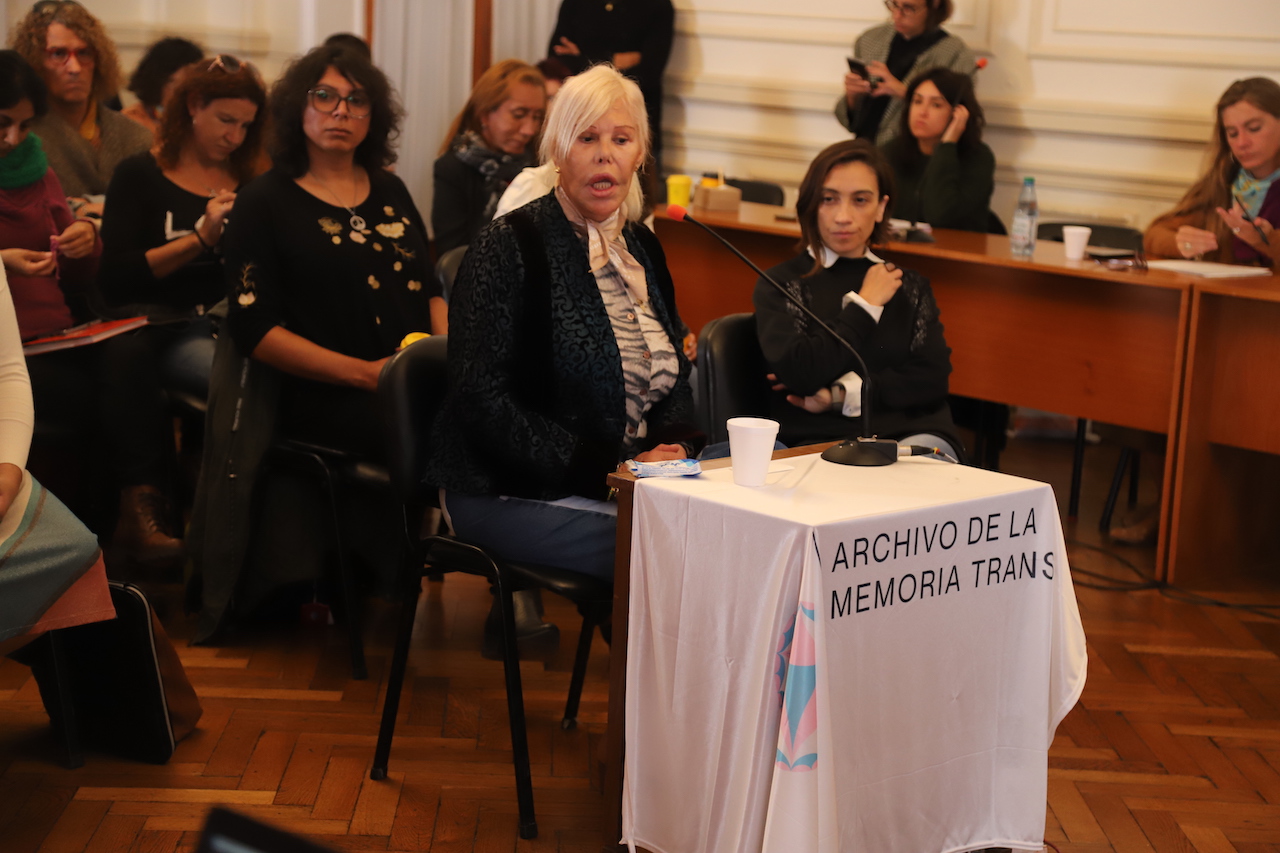
“La ley cambió todo el escenario político”, dijo a Presentes la presidenta de Mujeres Trans Argentina y una de las militantes que participó de la creación del proyecto de ley, Alba Rueda. Para ella en ese momento el colectivo surgió “como un sujeto político”.
“Se consolidó la perspectiva de derechos humanos y se ratificó en una votación democrática donde se aprueba una de las leyes más importantes” en esta materia, aseguró la recientemente designada bajo el cargo de representante especial sobre Orientación Sexual e Identidad de Género del Ministerio de Relaciones Exteriores, Comercio Internacional y Culto.
Además, se hizo posible tras “luchas sociales y colectivas”, lo cual es “un aprendizaje de cómo desarrollar política”, agregó la funcionaria.
La Ley N° 26.743 modificó la vida de las personas alcanzadas por ella y también la de la población argentina en su totalidad. A 10 años de su sanción, Presentes conversó con activistas y funcionarias para conocer los alcances que tuvo y los desafíos actuales para garantizar su implementación.

Las cifras de un cambio necesario
Desde la aprobación, 12.655 personas hicieron la rectificación de su documento nacional de identidad (DNI), conforme a su identidad de género. Así lo muestra el informe “Caracterización sociodemográfica de las personas que rectificaron sus datos identificatorios de acuerdo a la Ley de Identidad de Género”, publicado en abril de este año por la Dirección de Población del Registro Nacional de la Personas (Renaper), dependiente del Ministerio del Interior.
De las personas que actualmente están vivas y cambiaron su DNI, el 35,15% eligió la opción varón (4.331), mientras el 61,98% optó por la categoría mujer (7.635).
Dentro del primer grupo se encuentra Ese Negro Montenegro, militante trans masculino por los Derechos Humanos y asesor de la Comisión de Mujeres y Diversidad de la Cámara de Diputades de la Nación.
El impacto para él es “obviamente positivo” en cuanto al acceso a los procesos administrativos que permite el cambio registral. “Nuestra vida está atravesada y condicionada por el derecho al DNI y sabemos las múltiples violaciones a los derechos humanos que suceden cuando uno/a/e no puede acceder a ese tipo de documentación por acción u omisión del Estado”, dijo al respecto.
Pero también tuvo un impacto en la conformación de su persona. “Lo que me sucedió con la Ley de Identidad de Género fue poder pensar mi identidad: desnaturalizar el hecho de lo que me fue dado o me fue impuesto y hackear esos cánones bajo los cuales había transitado mi niñez y mi adolescencia”, expresó.
“Es necesario que las conquistas que tenemos las podamos trabajar para que se transformen en derechos»
Desde la provincia de Córdoba, la histórica militante trans rosarina, Ivanna Aguilera, manifestó a Presentes que esta ley es “modelo en el mundo”. Sin embargo, también considera que aún es necesario reforzar su aplicación. “A 10 años de dicha ley, todavía los estamentos estatales, las diferentes oficinas y organismos que dependen del Estado no están adecuados y no tienen capacitaciones sobre esta norma”, afirmó.
Y remarcó: “Es necesario que las conquistas que tenemos las podamos trabajar para que se transformen en derechos. Eso es lo que tenemos que hacer: disfrutar y trabajar para que los derechos, que tanto nos han costado, queden plasmados para las generaciones que vienen”.
En 2018, con diez años, Tiziana fue la primera niña de Salta que cambió el nombre y sexo en su DNI. Significó tener reflejada su verdadera identidad, además de potenciarla a “ser una humilde referente para muchas niñeces y adolescencias trans que tenían o tienen miedo de hablar”.
En sintonía con las palabras de Ivanna, manifestó a Presentes que aún “hay muchas cosas que todavía no cambian” como el “no respetar la ley en muchas instituciones, especialmente en los colegios, y hasta en las propias familias”.
“Lamentablemente tener una ley que nos ampare no garantiza que sea cumplida en todo momento. Por eso no debemos conformarnos y seguir luchando”, señaló.
A pesar de los cambios, las violencias continúan
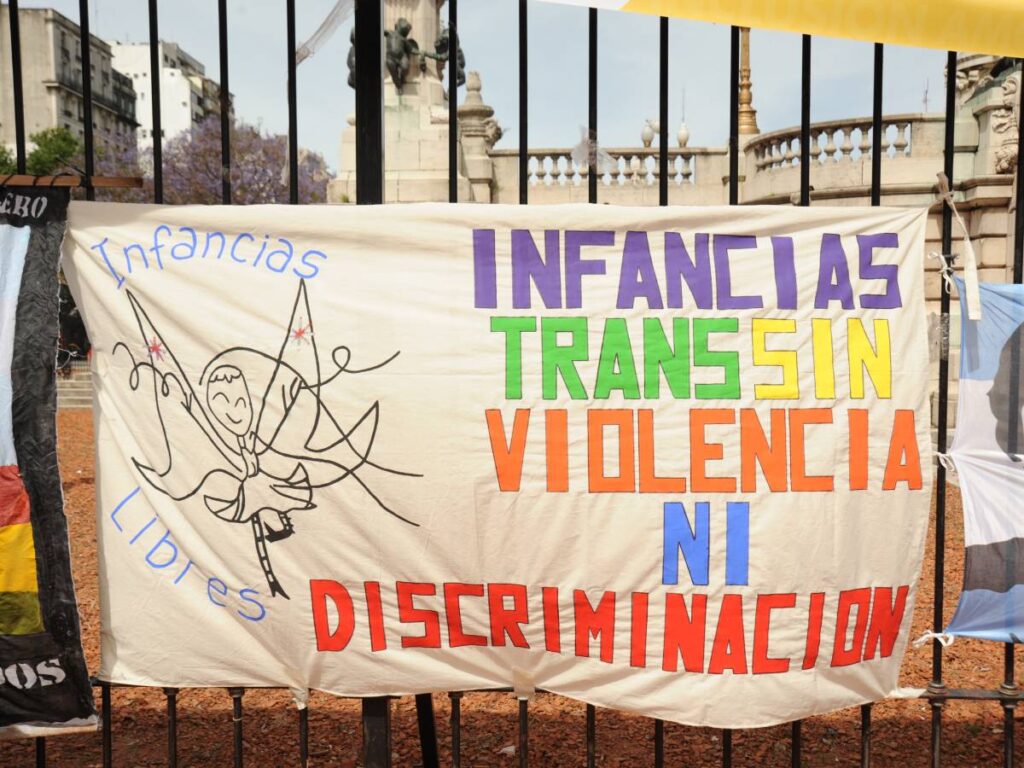
Para la subsecretaria de Políticas de Diversidad del Ministerio de Mujeres, Géneros y Diversidad de la Nación, Greta Pena, la ley ha sido “un antes y un después, un hito en la democracia de nuestro país”. Sin embargo, “esto no quiere decir que automáticamente haya borrado las violencias históricas y estructurales que padecen las personas trans”, agregó.
En este sentido, el informe de la Dirección de Población de Renaper observa que entre las 335 personas que realizaron el cambio de género en el DNI y se encuentran fallecidas, el promedio de edad de muerte fue de 40 años y el 75% murió antes de los 53 años. Estos datos demuestran la baja esperanza de vida que caracteriza al colectivo.
Si bien los valores “corresponden solo a las personas que realizaron el trámite de cambio de género y no al total del colectivo LGTBIQ+”, estos “coinciden con las estimaciones de la baja esperanza de vida de la población trans.
Según distintos organismos de la comunidad el promedio de vida ronda entre los 35 y 41 años de edad”, se detalló en el documento.
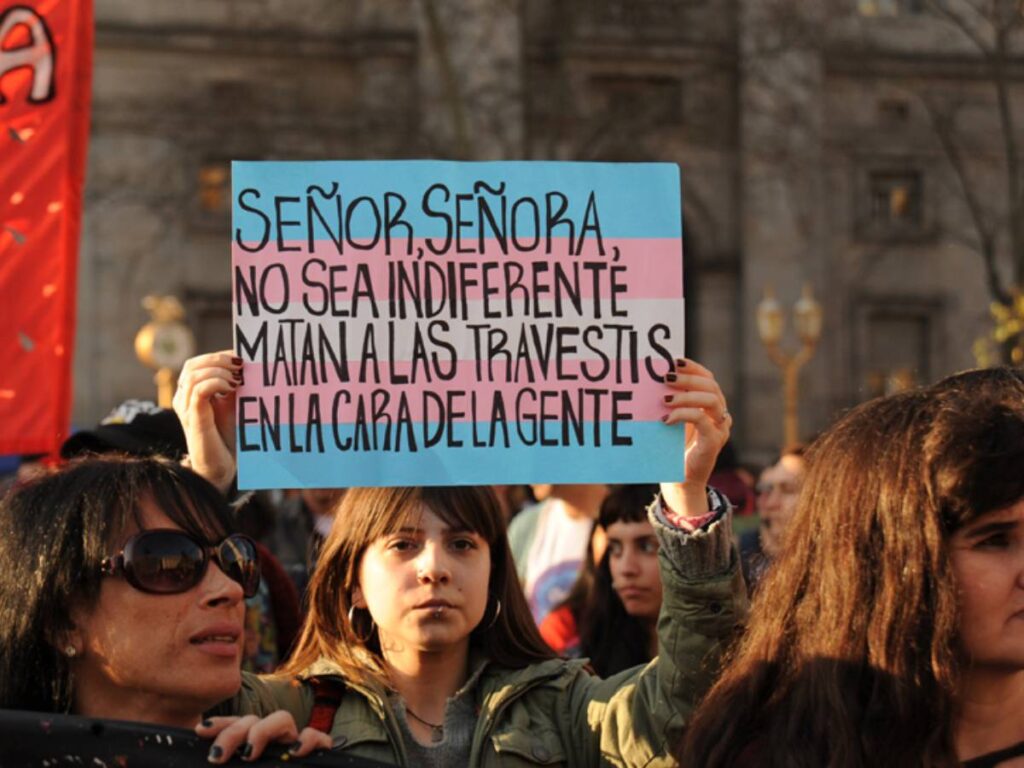
En lo que va del año, la organización La Rosa Naranja lleva contabilizadas 26 muertes por travesticidios sociales (muertes por abandono estatal y/o social) de mujeres trans, varones trans, travestis y transgéneros, además de 4 travesticidios / transfemicidios.
La ley, en tanto, promovió a lo largo de estos diez años el despliegue de leyes y políticas que profundizaron el acceso a derechos por parte de la población travesti trans.
En ese camino se encuentra la sanción el 24 de junio de 2021 de la Ley de Cupo e Inclusión Laboral Travesti Trans “Diana Sacayán – Lohana Berkins”. “Se ha multiplicado por 10 el ingreso de personas trans en la administración pública nacional. Además, en nuestro registro voluntario para el acceso al empleo ya hay 5.800 personas inscriptas”, informó la subsecretaria Pena.
La libertad de decidir
Otro hito que no habría sido posible sin el antecedente de la Ley de Identidad de Género fue el Decreto 476/2021 que permite la incorporación de la opción “X” en el campo destinado al sexo, para salir del esquema binario de “femenino” y “masculino”.
Desde el decreto hasta el 31 de marzo se realizaron 354 rectificaciones de DNI con nomenclatura “X”, informó Renaper en su informe.
“Están naciendo niñes que van a tener y tienen la posibilidad de expresar libremente su identidad de género, su expresión de género, sin ningún tipo de interferencia del Estado. Creo que ese es el desafío que nos plantea la Ley de Identidad de Género: seguir profundizando este nuevo país que nos trajo libertad a todes”, ratificó Pena.
Para la activista Alba Rueda, no es lo mismo transitar la vida “sin aliades en el Estado, sin derechos, sin instituciones que defiendan nuestros derechos, que vivirlos debatiendo con esas lógicas no solo desde el Estado sino desde un marco de derechos que nos protege”.
En este sentido, aseguró que “es urgente que todos los países tengan ley de identidad de género”.
Somos Presentes
Apostamos a un periodismo capaz de adentrarse en los territorios y la investigación exhaustiva, aliado a nuevas tecnologías y formatos narrativos. Queremos que lxs protagonistas, sus historias y sus luchas, estén presentes.
APOYANOS

SEGUINOS
Notas relacionadas


Estamos Presentes
Esta y otras historias no suelen estar en la agenda mediática. Entre todes podemos hacerlas presentes.