

HeartStopper: The love story I missed growing up
The series, which premiered on April 22 on Netflix, revisits LGBT+ adolescence with a loving perspective.


Share

BUENOS AIRES, Argentina. On one of those movie outings with my first boyfriend, we saw Brokeback Mountain , or as so many people liked to call it with a derogatory air: the one with the gay cowboys. I remember being fascinated and in love, living out a fantasy: going on a date with a guy. While I imagined I was starting a relationship on screen, gay love was hidden, punished, forbidden, murdered. That movie was part of my comprehensive sex education. We left there understanding that what we were doing was a crime, a danger. The category was romantic drama; it should have been horror.
While I don't consider myself that old, things have changed very quickly. Before, to access any of these LGBT+ films, series, or materials, you had to go to the cinema, rent them at a video store, or note down the day and time they would be shown on that indie cable channel: I-Sat.
Krampack was another foundational film in my sexual and emotional development. Two teenage friends, while doing everything they could to "lose their virginity" with a woman, masturbated each other. Their love was unrequited, and their anguish spiraled toward frustration.
Ever since the Hays Code, which censored films in the 1930s, decreed that all "perversions" could not be portrayed in a positive light, gay men, lesbians, trans women, monsters, and the abject have been relegated to the silver screen as either victims or villains. And my own Truman Show, a "neighborhood faggot" version, felt like it had a spoiled ending two minutes in.
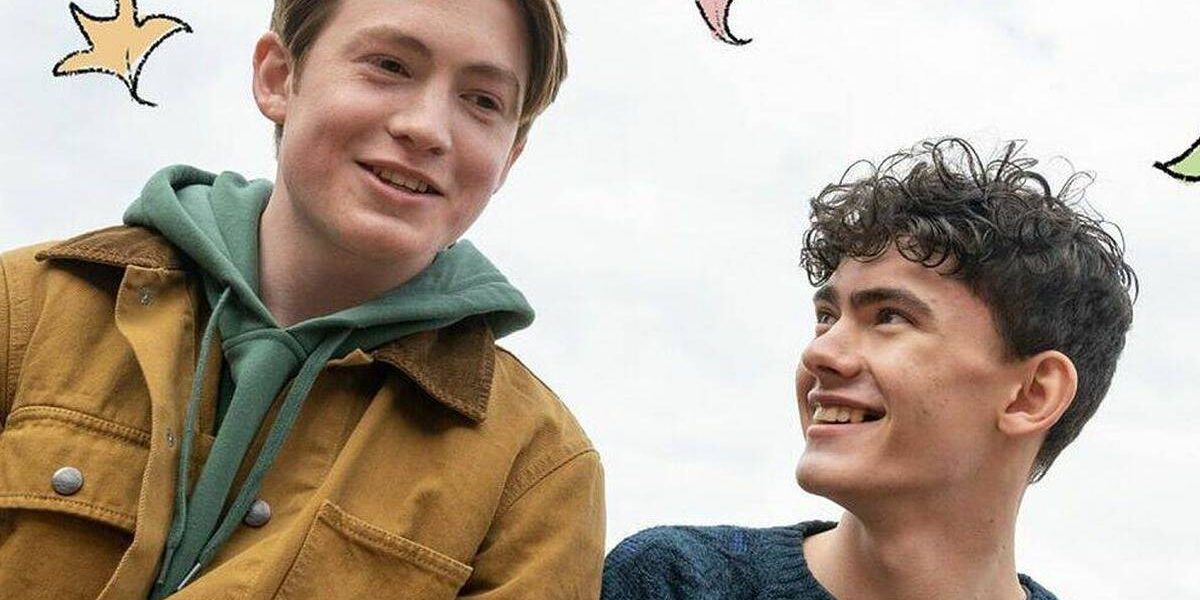
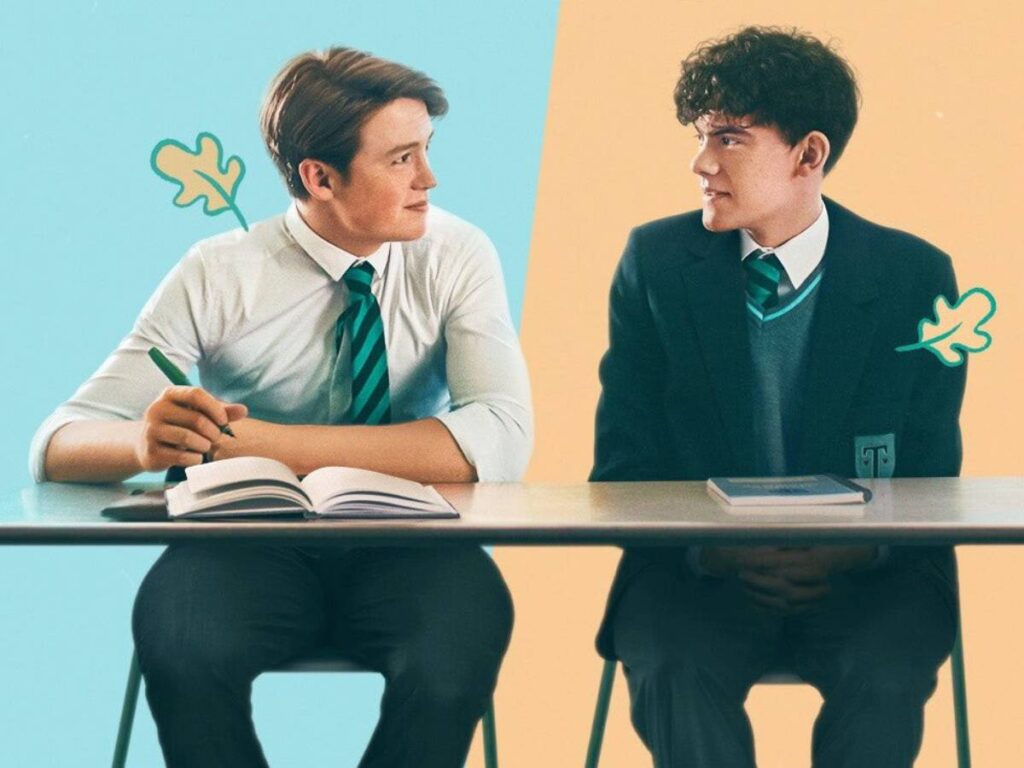
In the series HeartStopper , Charlie falls in love with Nick. One is gay, the other is coming to terms with his sexuality. The story centers on tenderness and conflict, but without being morbid. Here, transformative love coexists with the bullying that has historically plagued us, but unlike other portrayals, this one doesn't focus obsessively and morbidly on hatred. HeartStopper proposes love—their love, plus that of their families and friends—as a counterweight to harm and prejudice.
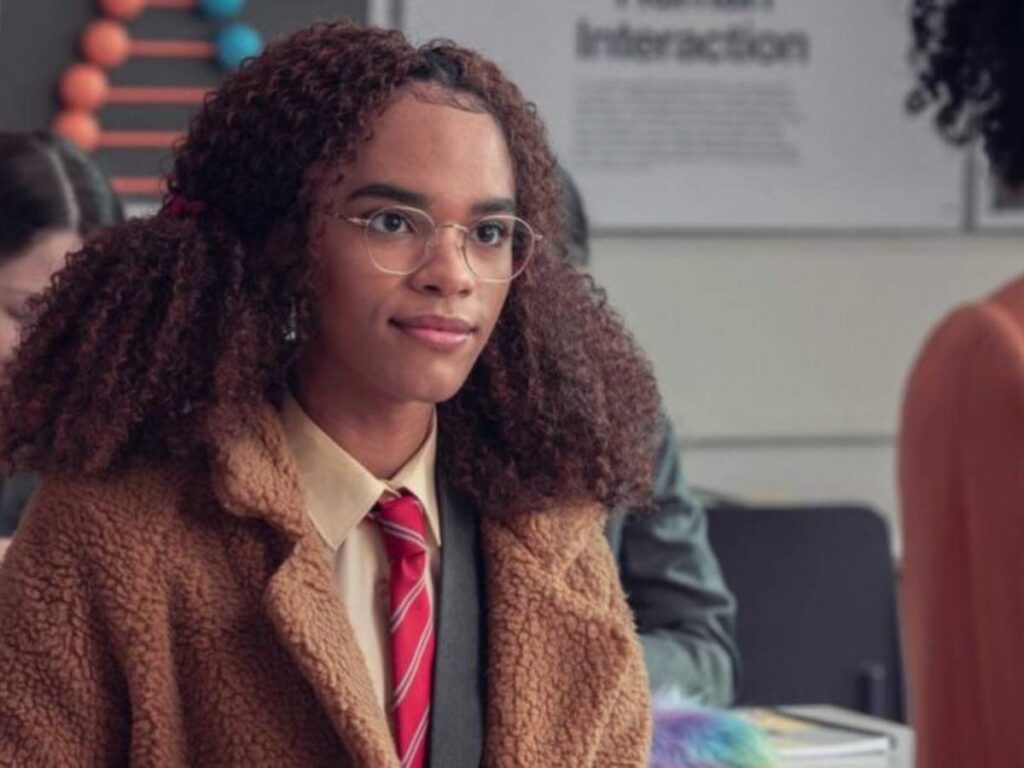
Elle is part of that group. She's a young trans woman who had to change schools because of the bullying she endured, and she'll once again find herself focusing on positivity. With the series' success came the trending topic, and some people labeled the show 'naive,' almost unrealistic. This isn't a problem with the show itself; the real tragedy lies in our hateful society, which creates a context where LGBT+ love and friendship stories seem like a utopia.
Another important factor is that the characters are not sexualized , and this doesn't mean they're being made invisible; it simply means the story takes a different approach. This is interesting because LGBT+ sexuality seems to be an obsession for anti-rights groups who dwell on our genitals and whether or not we have sex to fuel their hateful rhetoric.
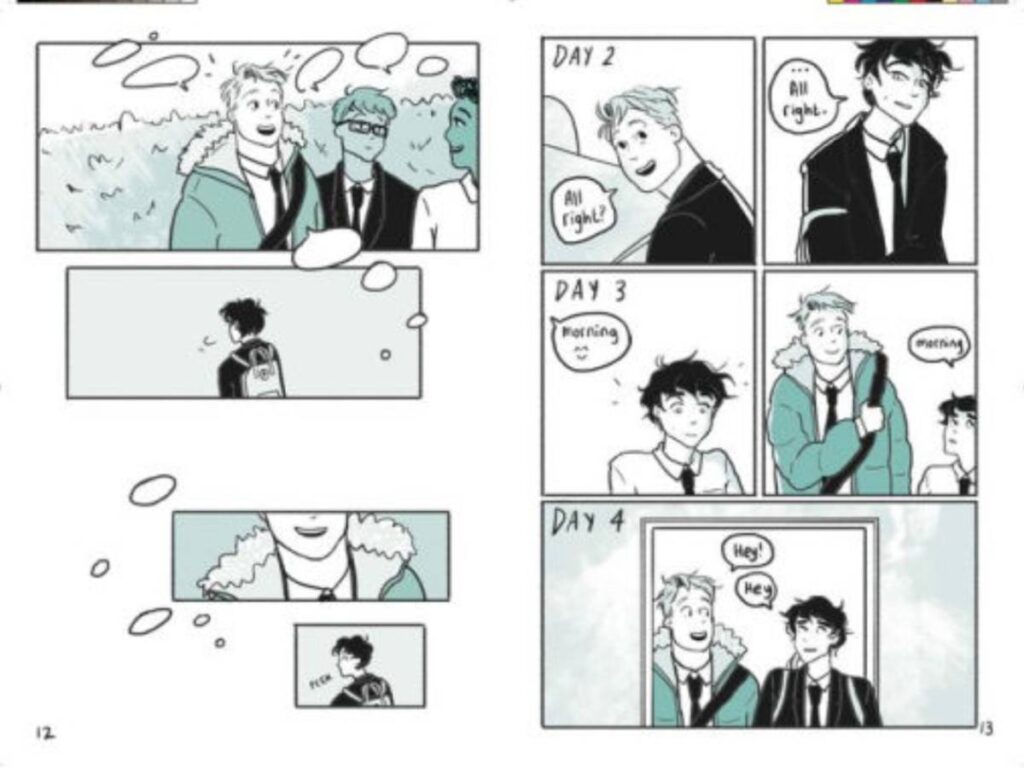
From the moment I pressed play, I couldn't stop and finished it in one night . I assume (I'm sure) that a lot of the crying I did was thinking about how much a series like this would have helped my younger self. Between sniffles and tears, it filled me with hope to know that this material is available to many children and teenagers, who will be able to experience the bittersweet journeys and flavors of the rainbow. HeartStopper originated in 2016 as a comic book by Alice Oseman, who also wrote the series. Among the differences between the two versions is the addition of a new character, Isaac.
Every book Isaac reads is an 'easter egg,' a hidden message. For example, while the rugby match is underway, he reads *Proud *, the autobiography of Gareth Thomas, one of the sport's greatest players, who is gay. Undoubtedly, Isaac's character leaves us wanting more; in a context of breaking down barriers, it would have been interesting to see what happens to the shy, overweight character. There's already talk of a sequel; let's hope they consider it.
The numbers demand more LGBT productions
According to Forbes, 'HeartStopper' became the highest-rated film on Netflix and also achieved great success with audiences. This sends a very clear message: we want more LGBT+ productions with stories that go beyond the path of heartbreak; we want them in real life and in series and films.
In the United States, one in four LGBT+ teenagers said they attempted suicide during the first half of 2021, according to the Centers for Disease Control and Prevention (CDC). According to the 2021 survey published by The Trevor Project , the previous year 42% of LGBT+ youth reported the same intention.
A TV series or a movie isn't going to change this forever, but it will certainly help lessen the anxiety, because we exist, and we have what we deserve: a happy ending. Or rather, a happy beginning.
We are present
We are committed to journalism that delves into the territories and conducts thorough investigations, combined with new technologies and narrative formats. We want the protagonists, their stories, and their struggles to be present.
SUPPORT US

FOLLOW US
Related notes
We are present
This and other stories are not usually on the media agenda. Together we can bring them to light.