

El Salvador: A trans woman was arbitrarily arrested under the state of emergency.
The woman was forcibly removed from her home for not having an identity document.


Share

EL SALVADOR, San Salvador. In the early hours of Tuesday, April 26, 24-year-old Alessandra Sandoval awoke to the sound of police banging on the door of the home she shares with her mother in a densely populated neighborhood on the outskirts of the capital. She was arrested for failing to present her personal identification.
“My sister was at my mother’s house. They arrived at the house to search, and because she was the only person without documents, they arrested her,” Carlos Rivera, Alessandra’s brother, Presentes
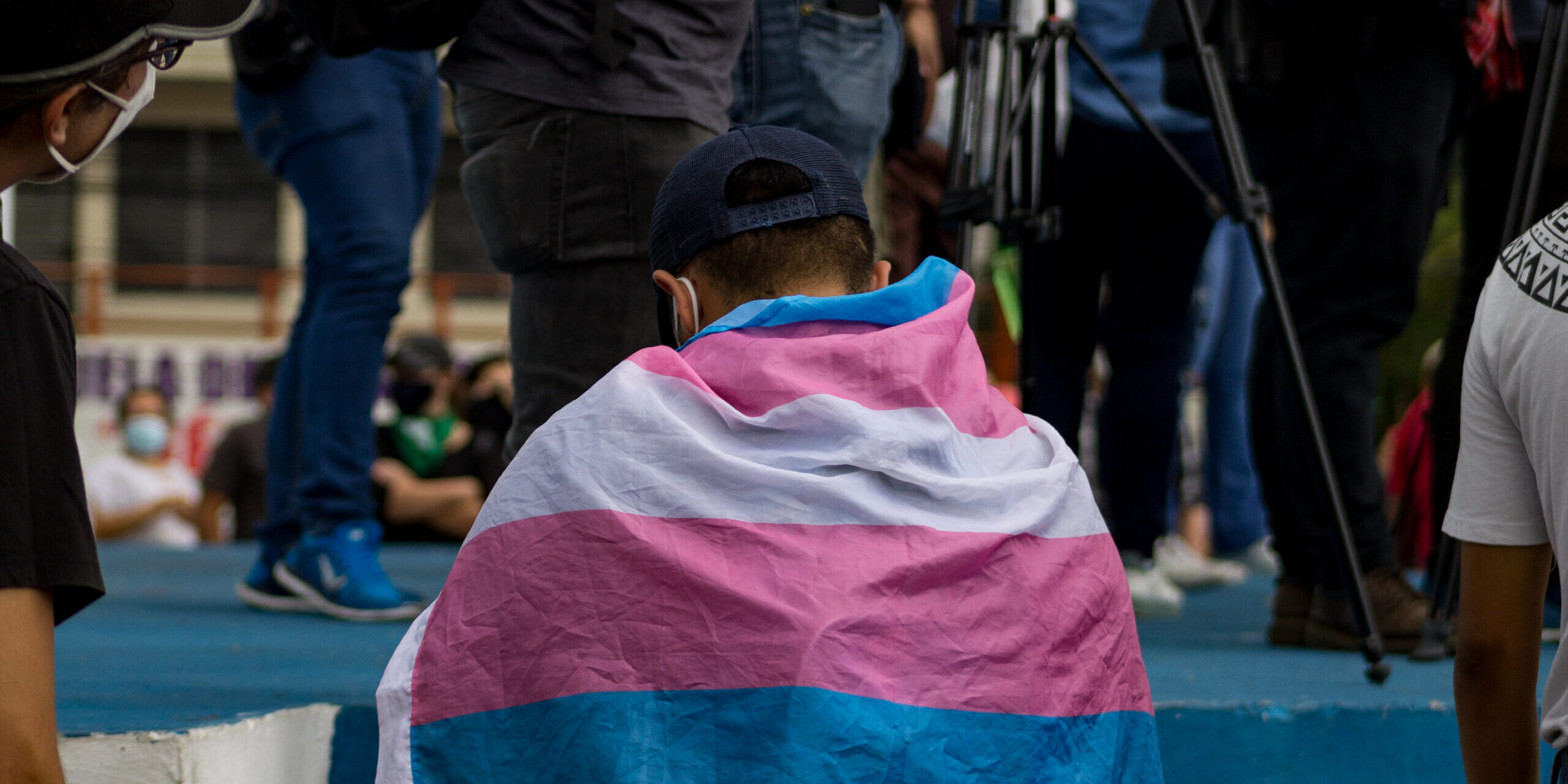
Alessandra has not obtained a National Identity Document (DUI) because she refuses to use the male name assigned to her at birth. El Salvador does not yet have a gender identity law that recognizes a person's name according to their self-perceived gender.
Alessandra's family stated that this is not the first time the police have conducted routine checks in their homes. Entry must be authorized by each resident and is permitted as part of the Safe House plan implemented by the public security agency. However, since the state of emergency began, police and soldiers have been able to enter homes without prior notice.
“They arrested her unjustly because she’s not a criminal or anything like that, and she’s being held just for not having her ID. The police got angry about that and took her away,” Carlos said.

A regime that takes away rights
The state of emergency, approved by Congress on March 27, was renewed for another 30 days this week. Eighty-seven people were murdered between March 26 and 28. Sixty-two murders were recorded in a single day, the highest number this century, according to human rights advocates.
President Nayib Bukele asked his deputies to approve an emergency regime of exception , which temporarily suspends constitutional rights such as free association, the inviolability of communications and correspondence, detention by the police or military and the annulment of legal defense.
“Since we already know how the authorities in El Salvador are—they hit first and ask questions later—we have to have all our documentation in order. We must take certain precautions,” Monica Linares , director of the Solidarity Association to Promote Human Development – ASPIDH Arcoiris Trans Presentes .
No money to hire legal advice
Alessandra sells secondhand clothes, just like her brother Carlos. Since her arrest, she hasn't been able to deliver orders placed through social media. She also lacks the resources to pay for legal counsel.
Alessandra's lack of identity documents is causing difficulties. Without them, authorities cannot request the criminal record check or police clearance certificates required for her release.
Criminal lawyers charge between five hundred and three thousand dollars to defend people detained during the state of emergency.
More than 19,000 people have been arrested in 32 days on charges of gang membership. None of these arrests were made with a court order.
In March, Congress passed reforms to increase prison sentences for crimes covered by the penal code, the criminal procedure code, the anti-terrorism law, and the juvenile criminal law. The goal was to deter those who join or collaborate with violent gangs. Minors between the ages of 12 and 16 could face up to ten years in prison.
“We demand that at least the minimum respect for the presumption of innocence be shown. Until that is proven, they should take a minimum of care not to make arbitrary arrests simply to meet a quota or target that the police have been given,” Mónica stated.
Alessandra's situation
Police informed Alessandra's family that she would be charged with gang involvement and could face 20 to 30 years in prison.
“I’m in pretty bad shape. The police officer told me that if we don’t find a way to get my sister into trouble, they’re going to label her a gang collaborator, and she’s nothing like that,” Carlos told Presentes .
According to Amnesty International, the state of emergency has created "a perfect storm" in human rights violations against people detained during this period.
“For the past 30 days, President Bukele’s government has trampled on the rights of the Salvadoran people. From legal reforms that violate international standards to mass arbitrary arrests and ill-treatment of detainees, the Salvadoran authorities have created a perfect storm of human rights violations that are now expected to continue with the approval of the extension of the state of emergency,” the organization said in a statement released this week .
During the state of emergency, audiovisual producers, human rights defenders, employees, and senior citizens have been arrested. Social organizations reported that five detainees died after being beaten by police and gang members in prison.
Until May 27, the guarantees of a fair trial in the Central American country are suspended. Those detained during this period do not have the right to legal counsel and can be held for up to six months while the prosecution's investigations are underway.
The Twitter account Halcón Azul published photographs of two naked trans women during the arrest, referring to them by their gender identity names as “aliases”.
We are present
We are committed to journalism that delves into the territories and conducts thorough investigations, combined with new technologies and narrative formats. We want the protagonists, their stories, and their struggles to be present.
SUPPORT US

FOLLOW US
Related notes
We are present
This and other stories are not usually on the media agenda. Together we can bring them to light.