

Images and demands of March 8th in Latin America
Marches for International Working Women's Day were held in various parts of the region.


Share

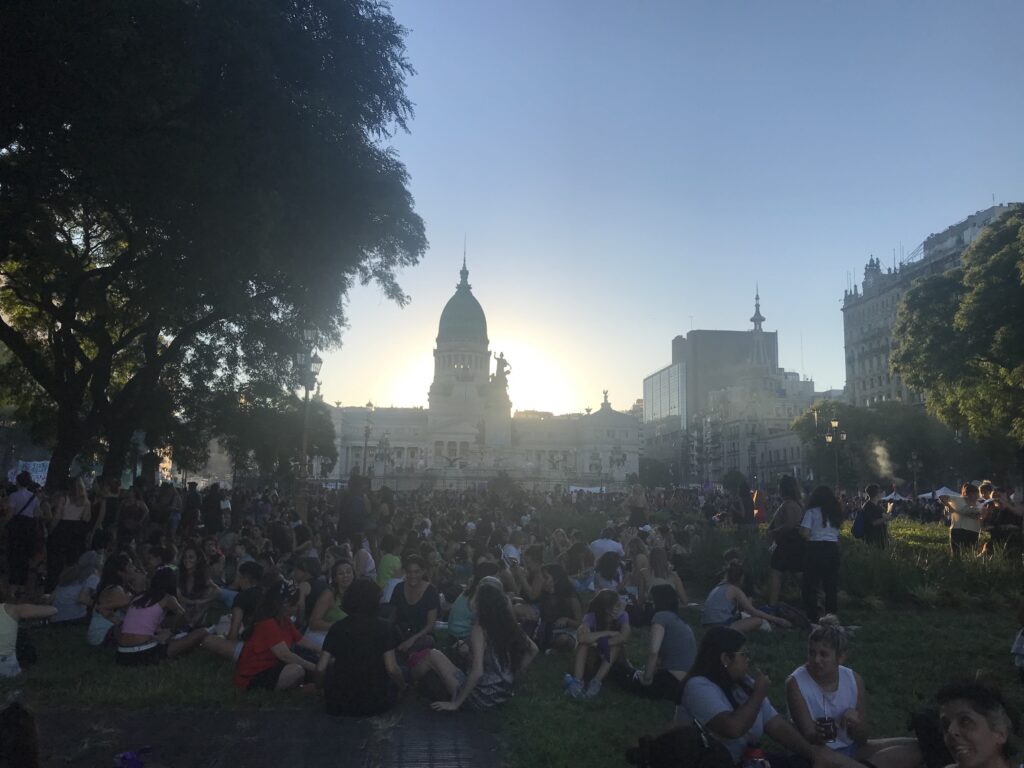
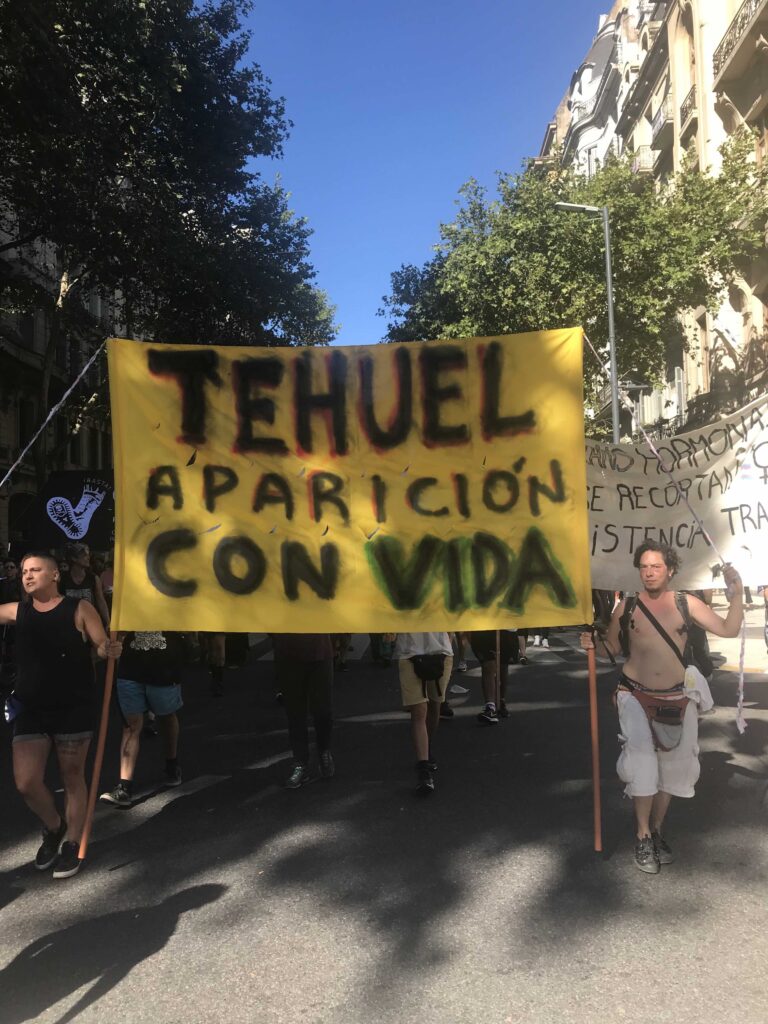
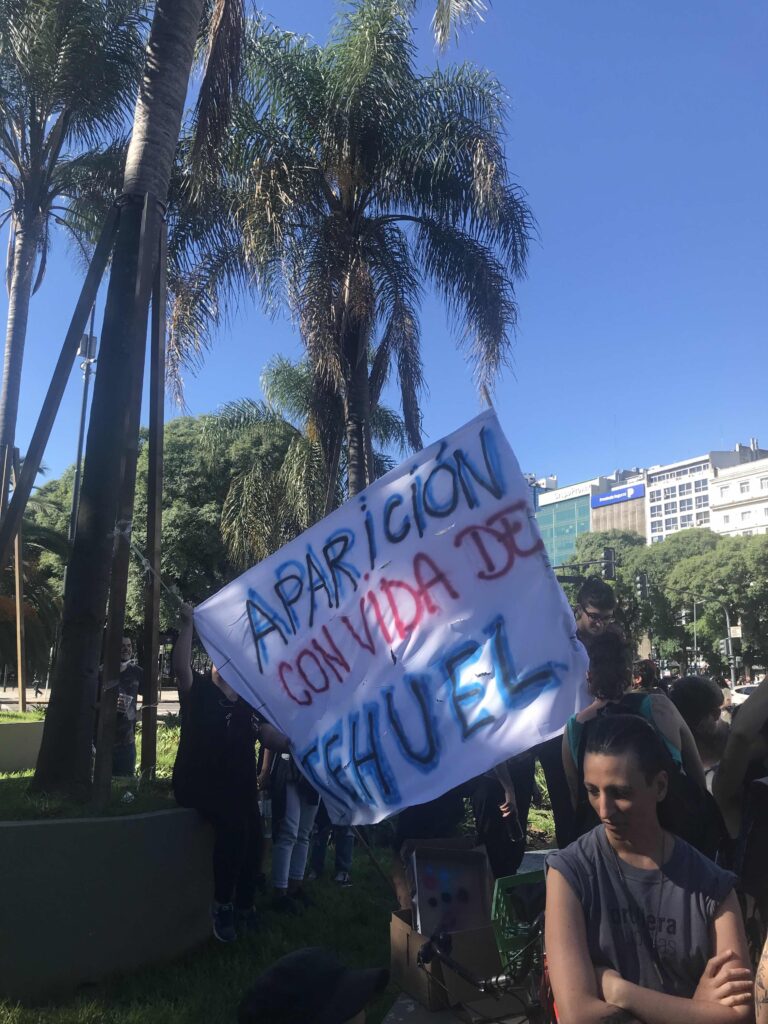
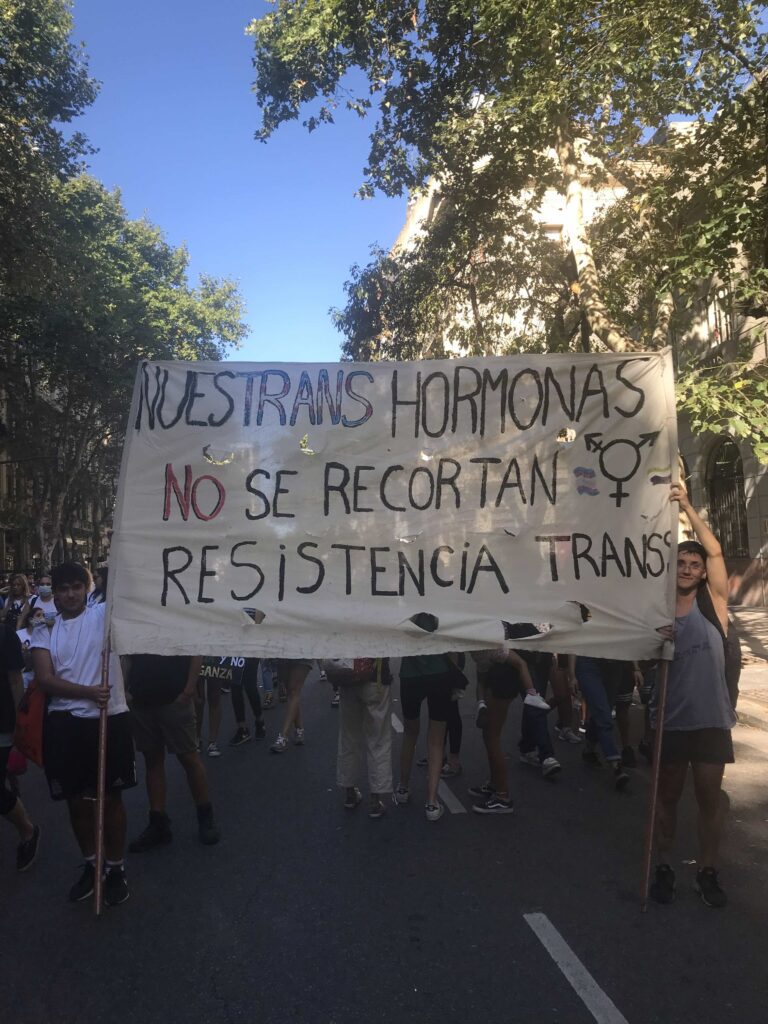
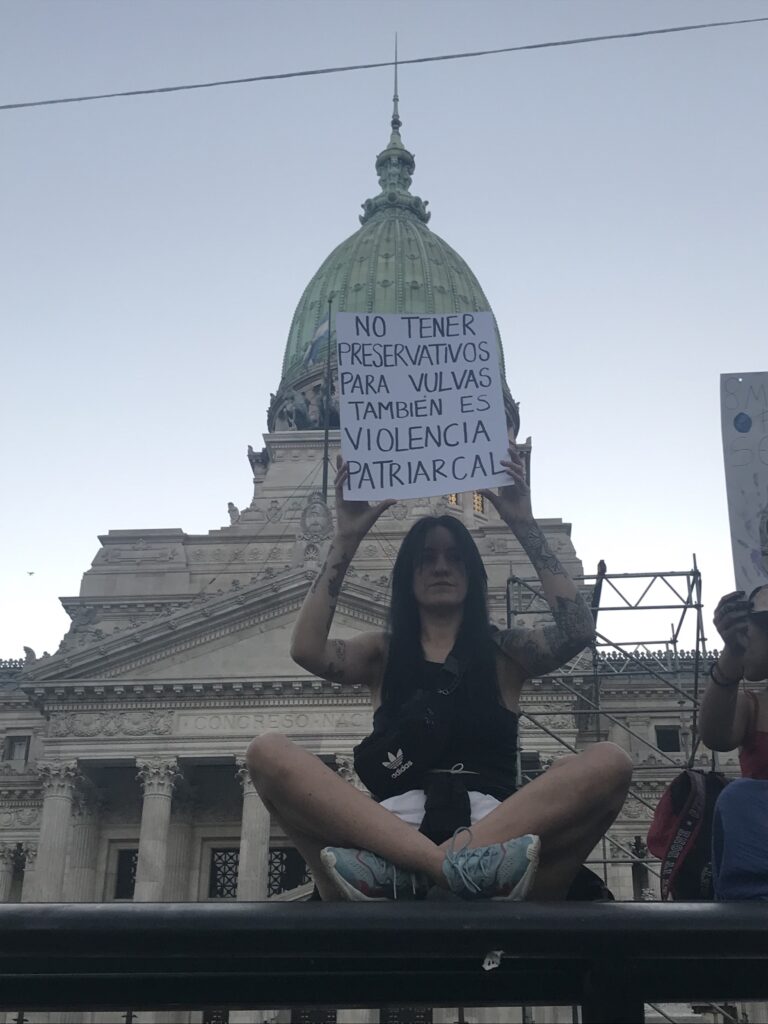
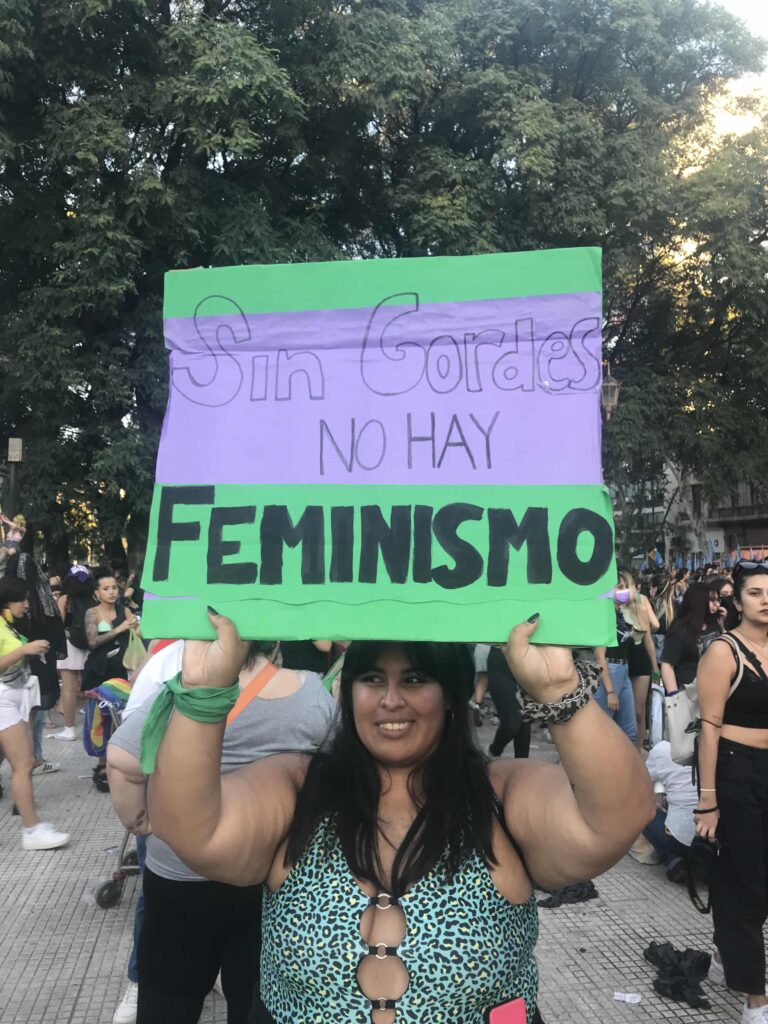
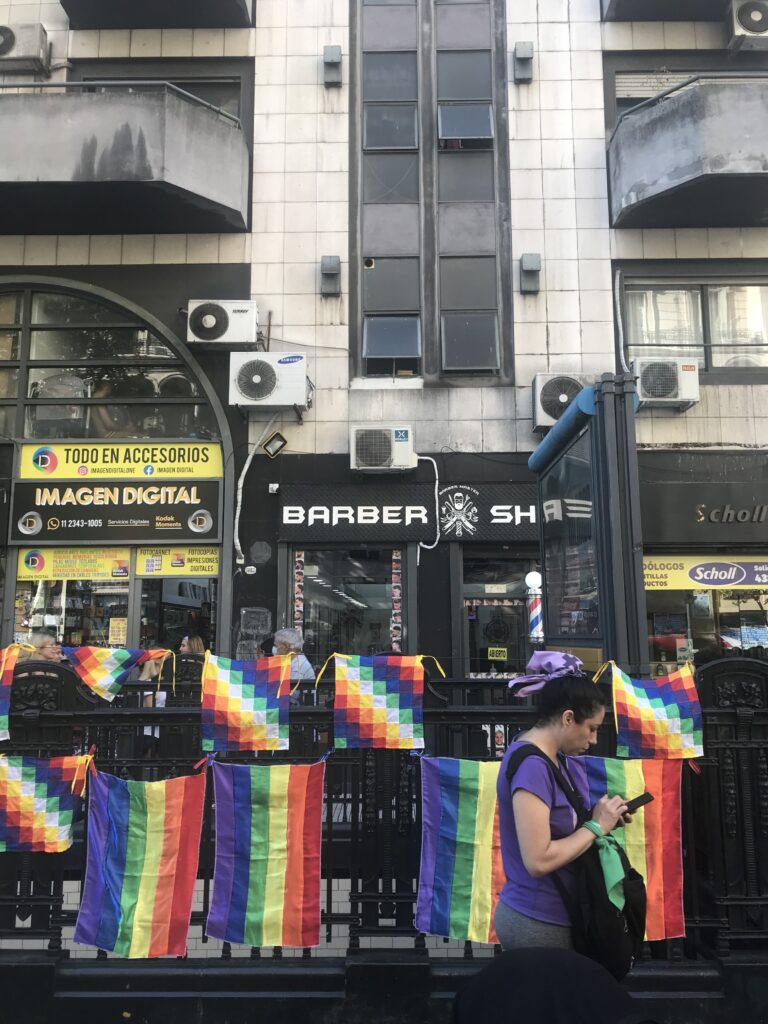
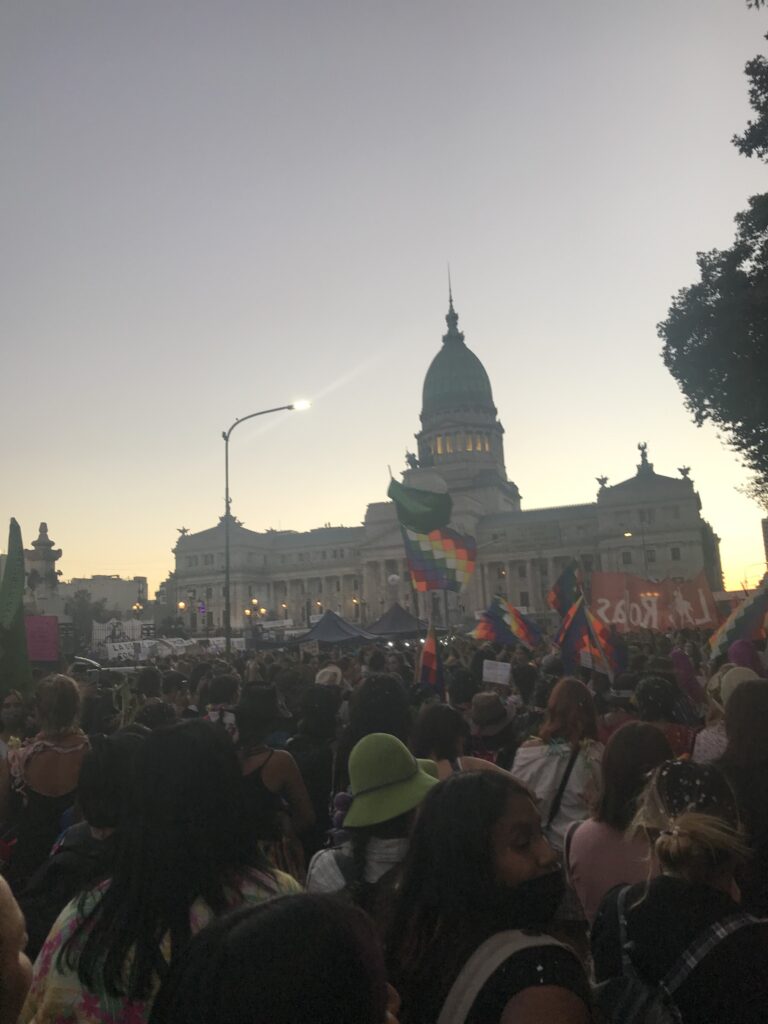
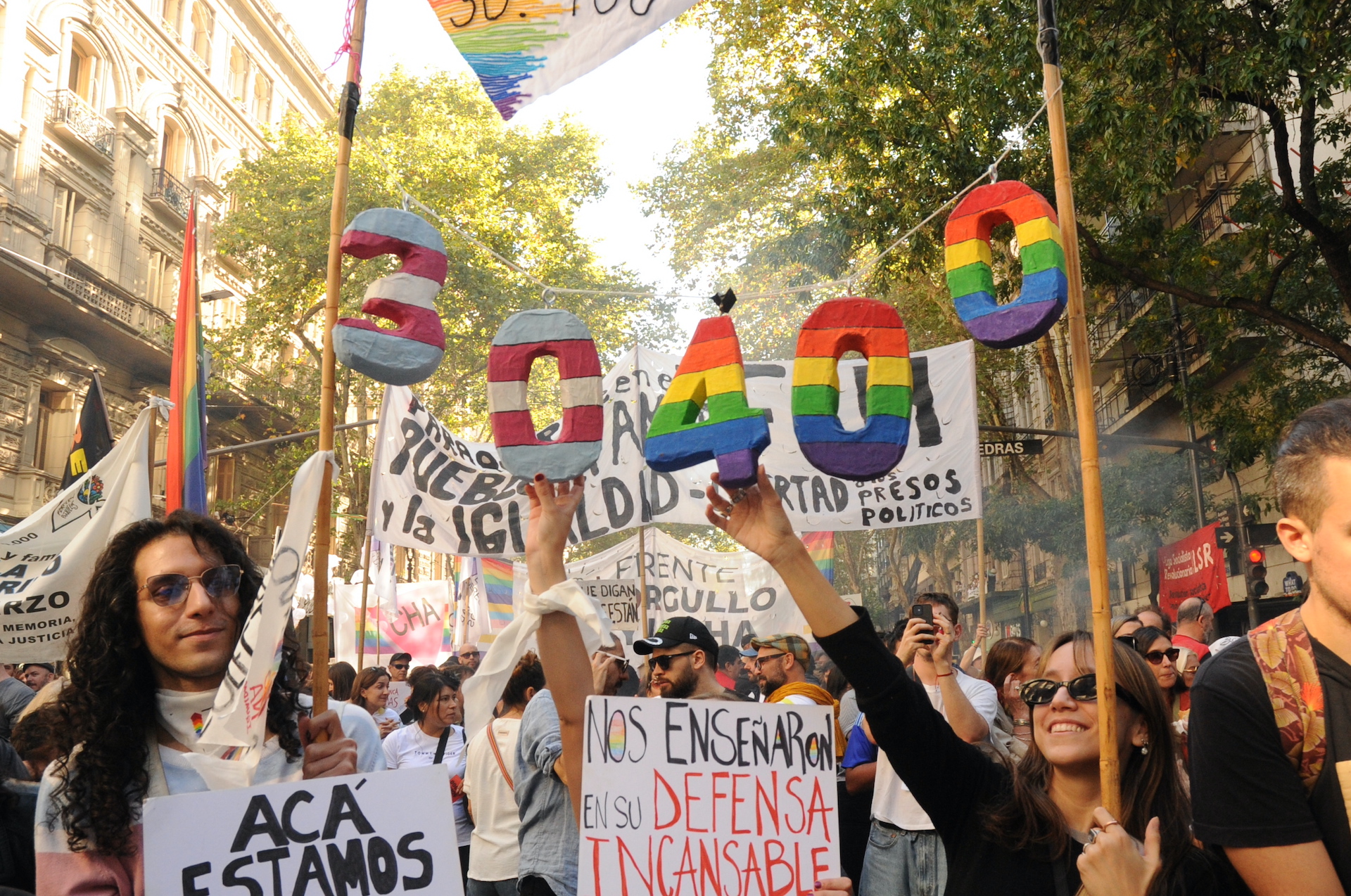
In Buenos Aires, thousands of women, lesbians, transvestites, trans people, and non-binary individuals marched through the streets to reach the National Congress. " The debt is with us! And we demand that those who evaded it pay it!" was the main slogan promoted by the organizing groups.
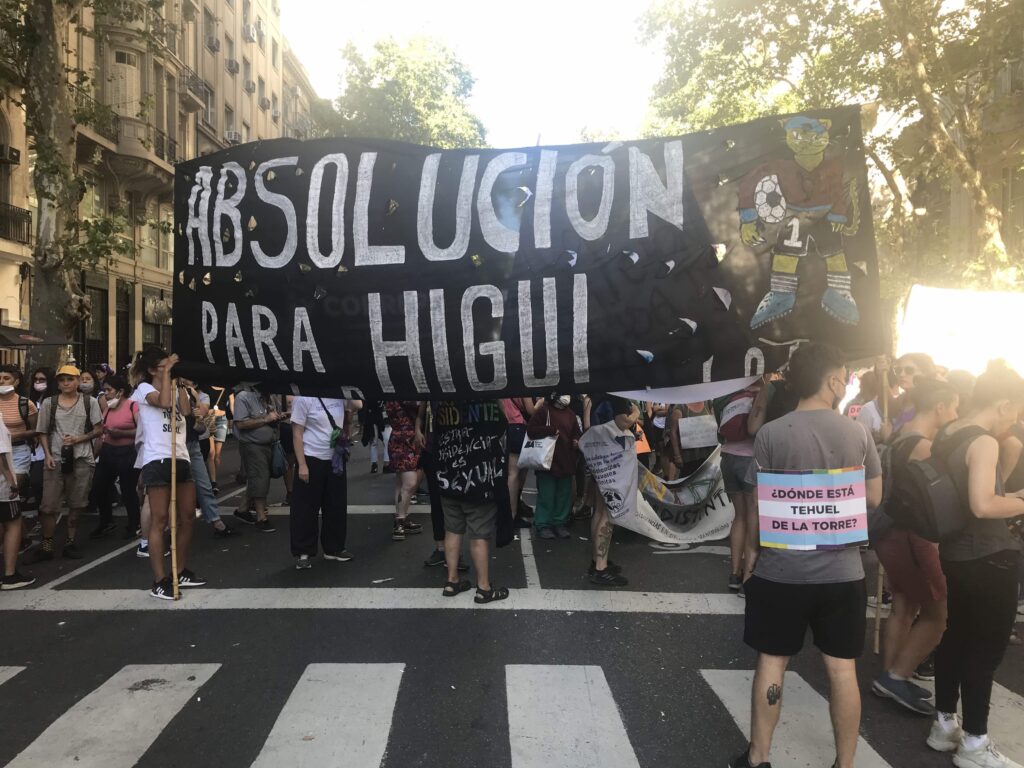
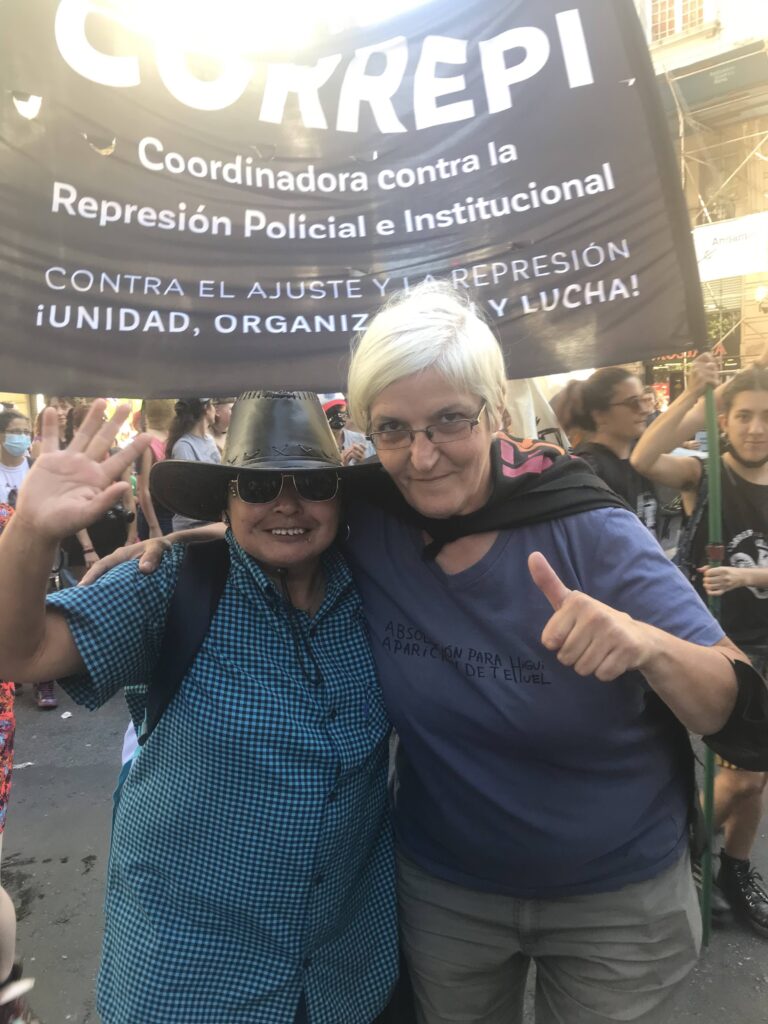
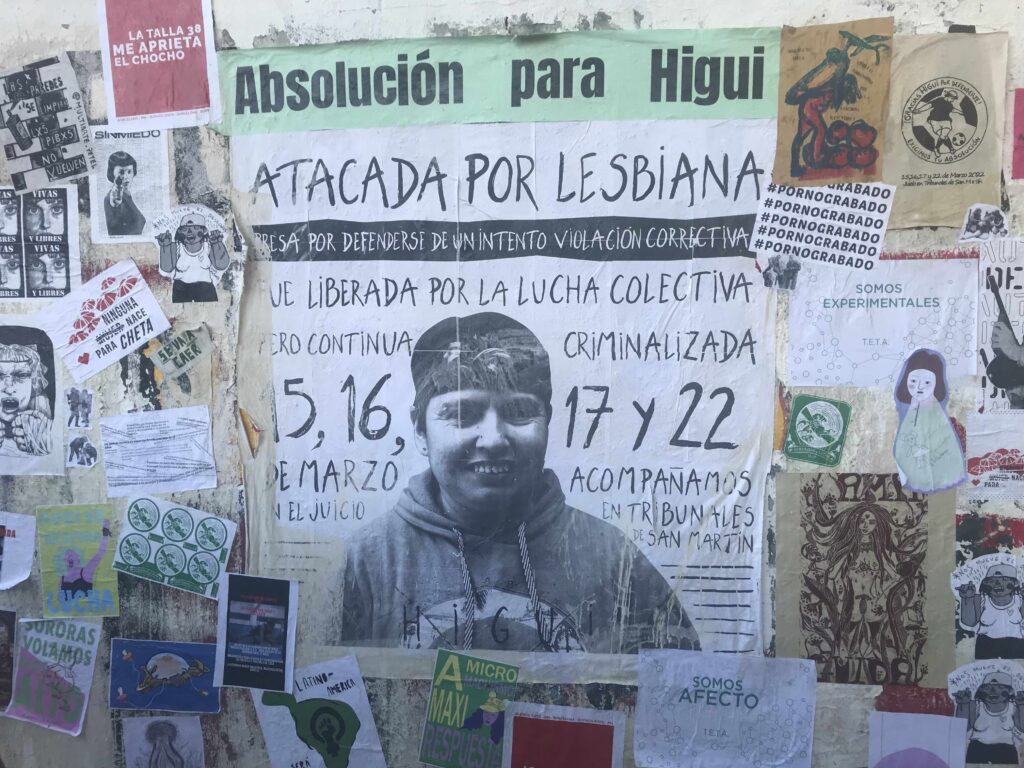
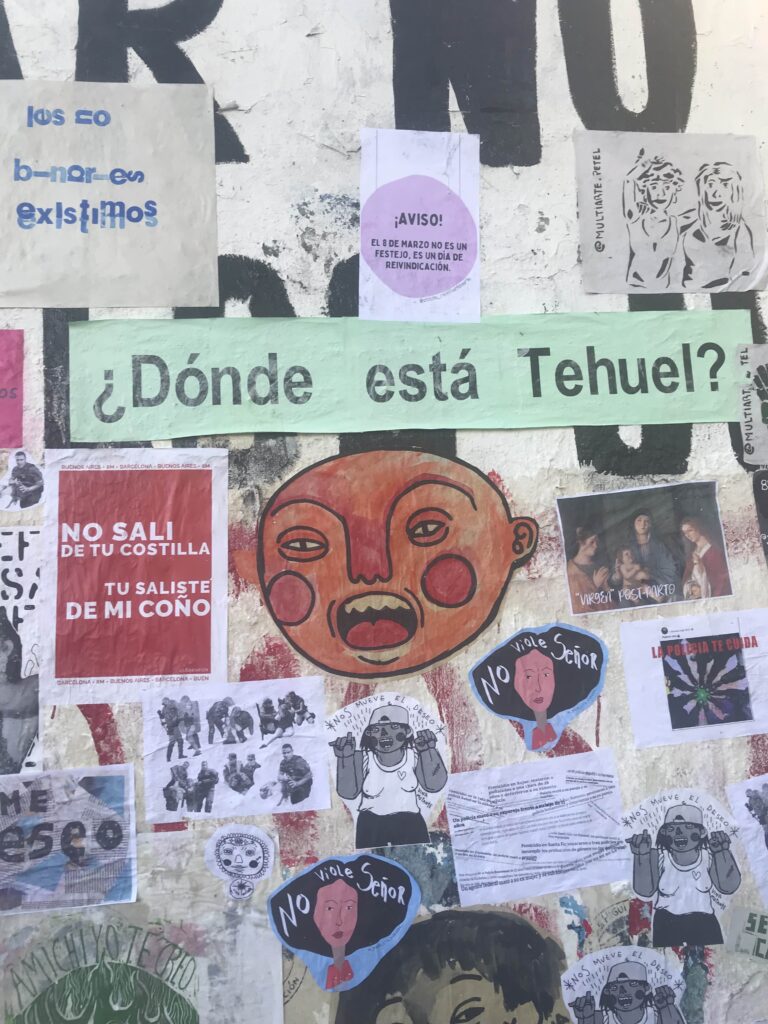
Everywhere the same question was loudly repeated: Where is Tehuel?, multiplied on signs and graffiti. There was also a demand for the acquittal of Higui de Jesús, who will be tried starting March 15th for defending herself against a gang rape that sought to "correct" her lesbianism. Higui was present at the march, and the activists welcomed her with their songs of struggle and resistance.
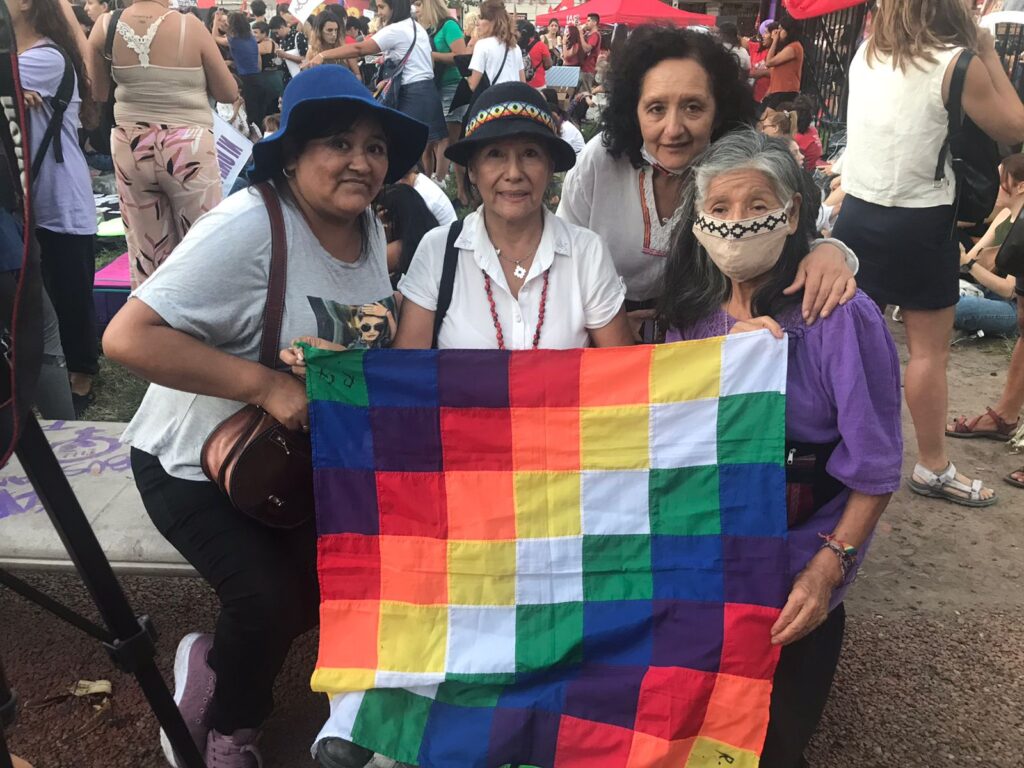
Indigenous women arrived at Congress at dusk, playing panpipes and dancing. Their demands: to make visible the violence and racism suffered by women and gender minorities in their communities.
The massive march in Mexico
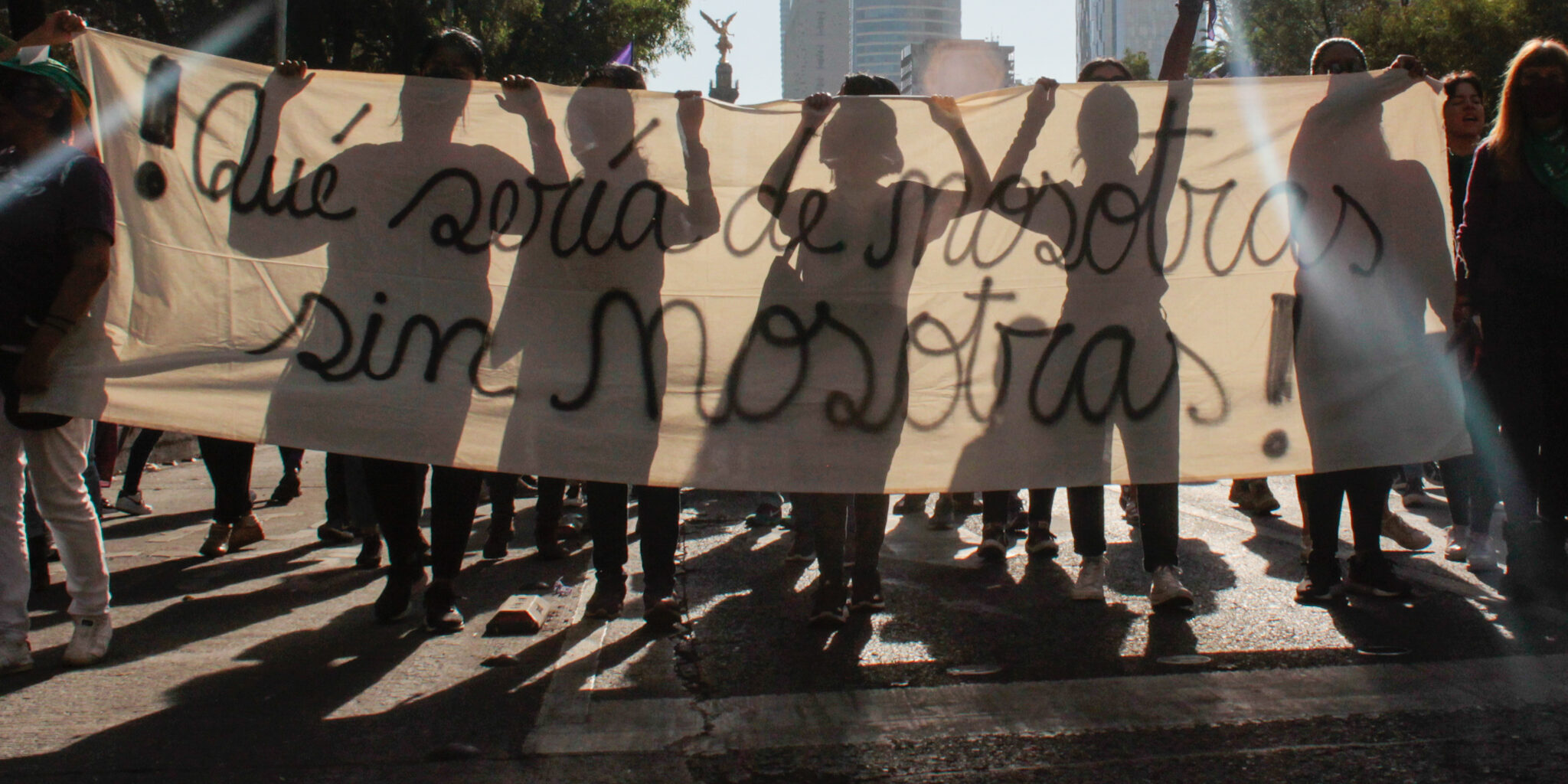
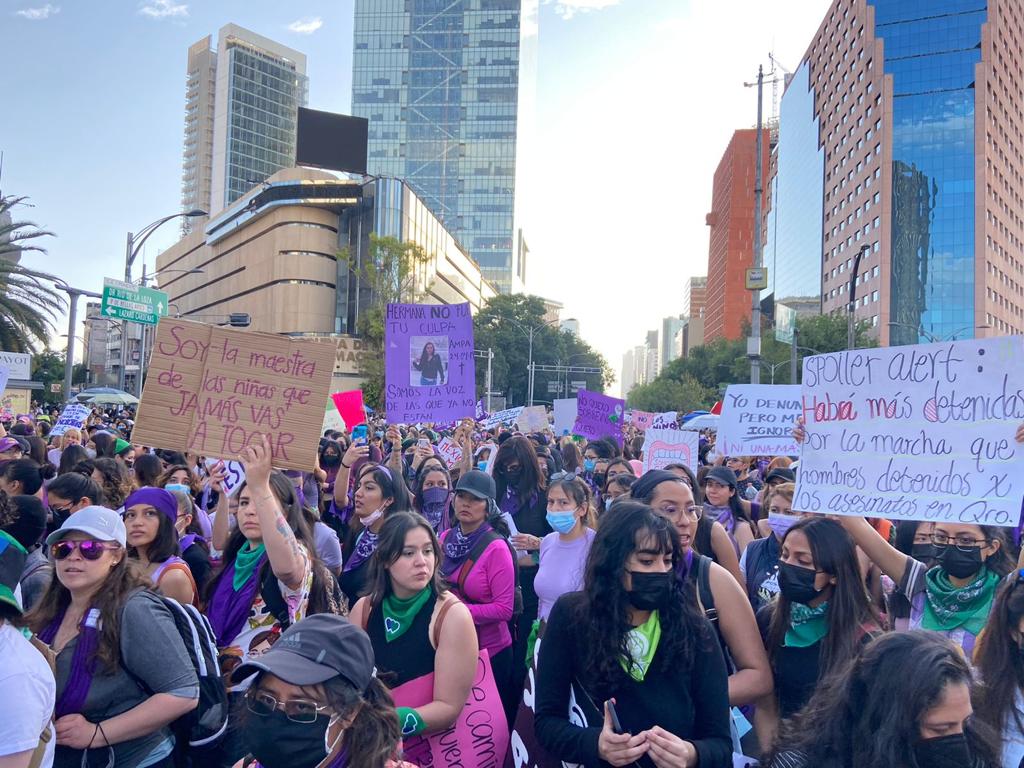
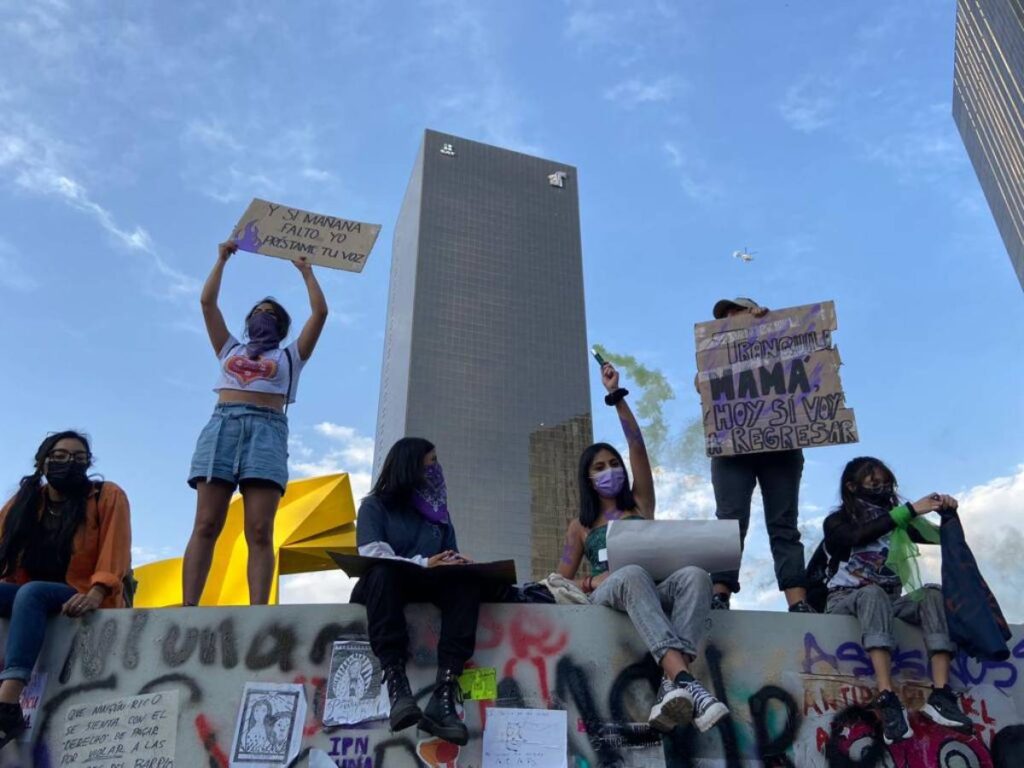
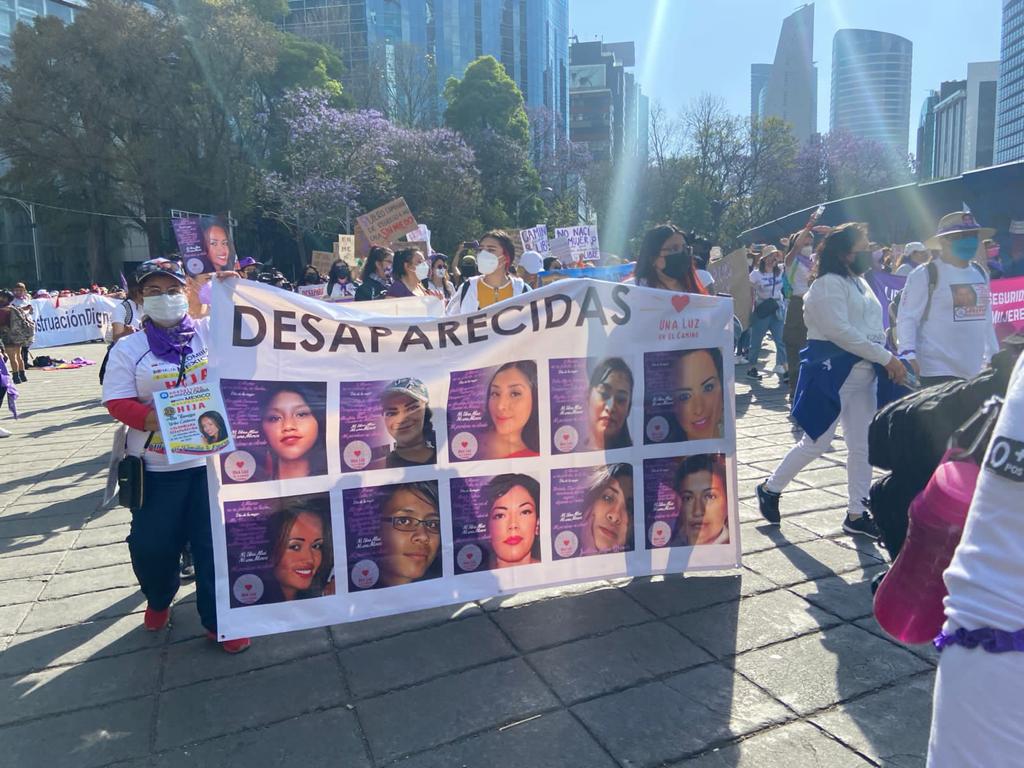
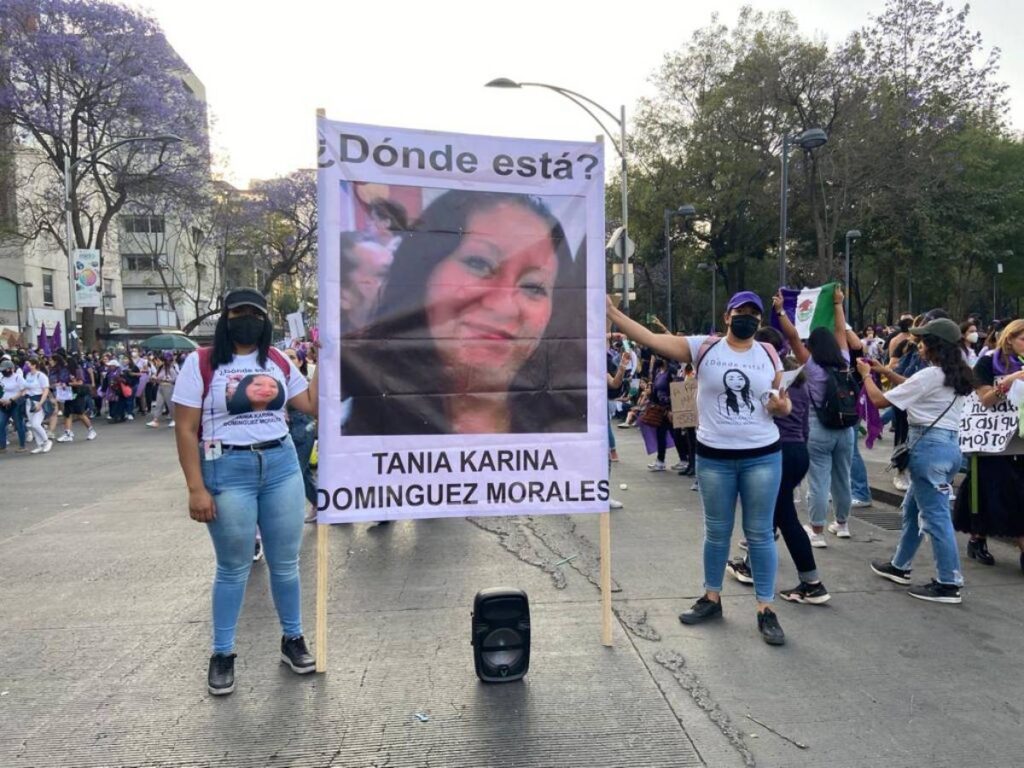
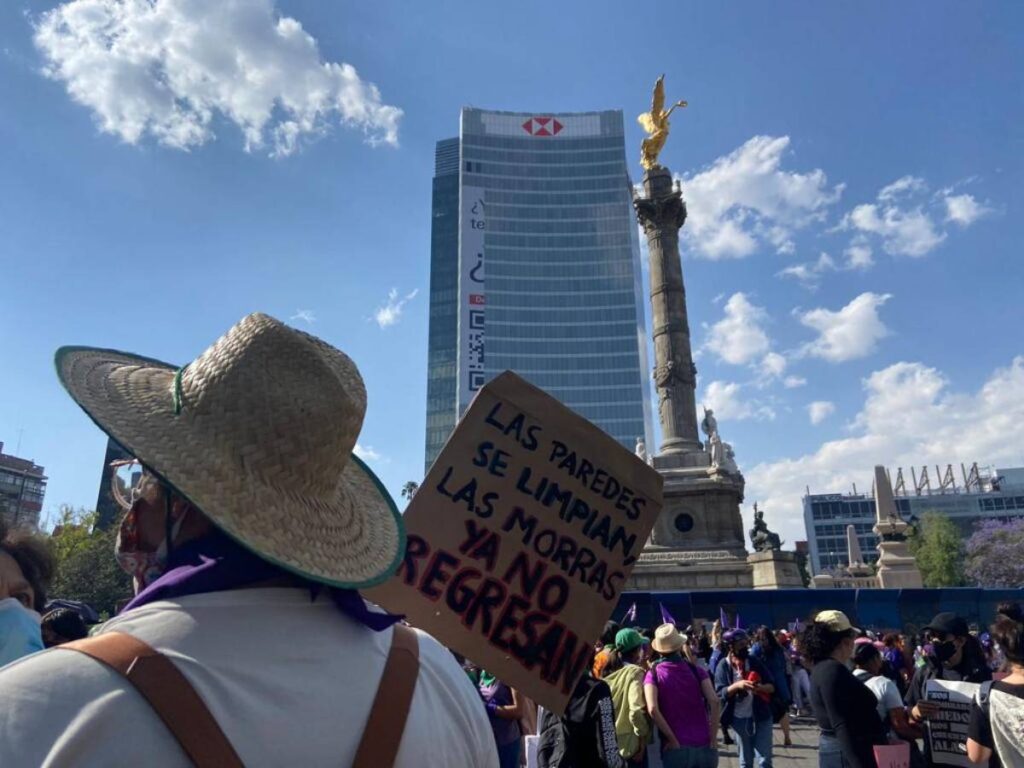
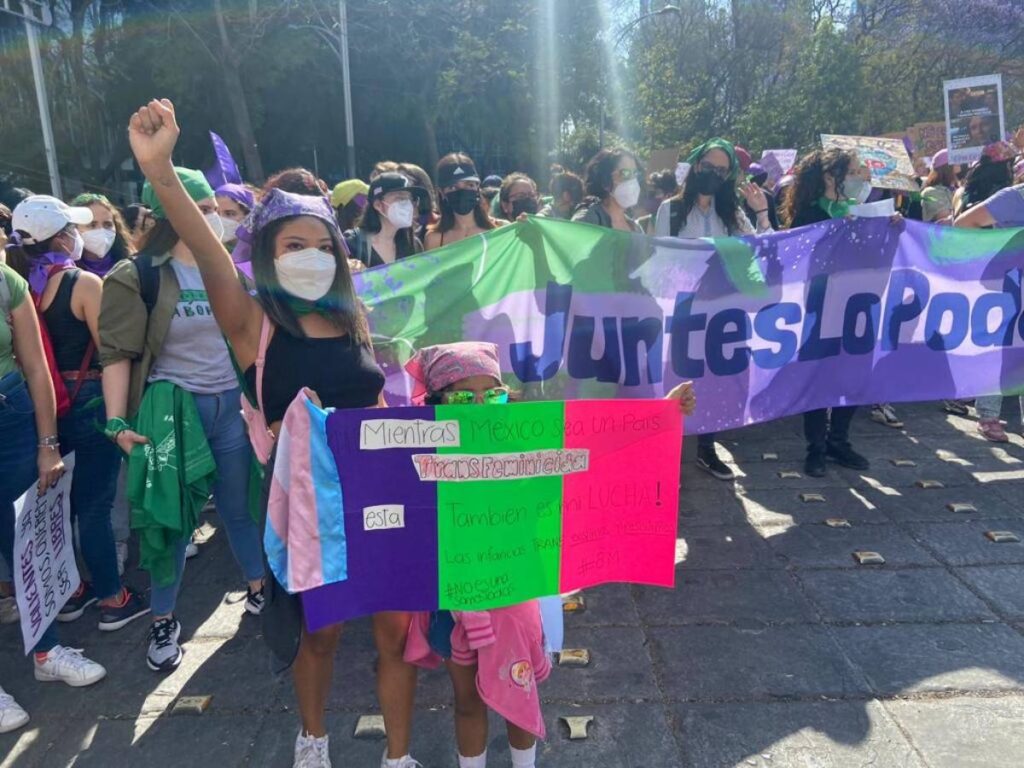
This March 8th in Mexico City, mothers and fathers of victims of femicide and disappearance, contingents of the green wave, students, scientists, musicians, indigenous women, cannabis users, street vendors, migrants, embroiderers, girls, teenagers, older adults, trans women, lesbians and non-binary people and more took to the streets to demand justice, security, memory and rights in a country where 10 women are murdered daily.
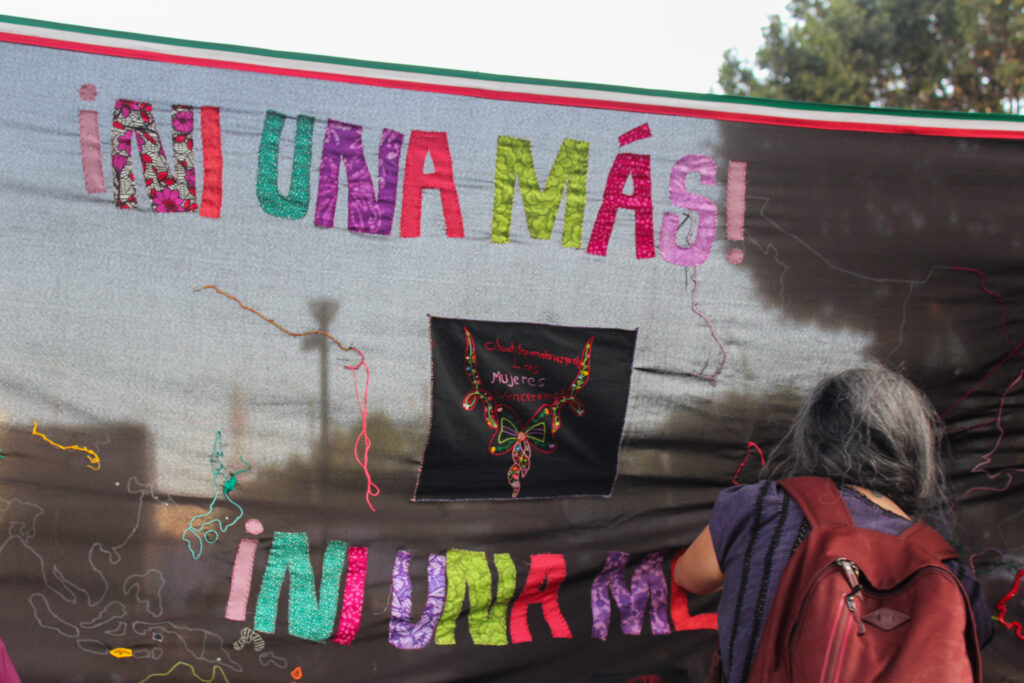
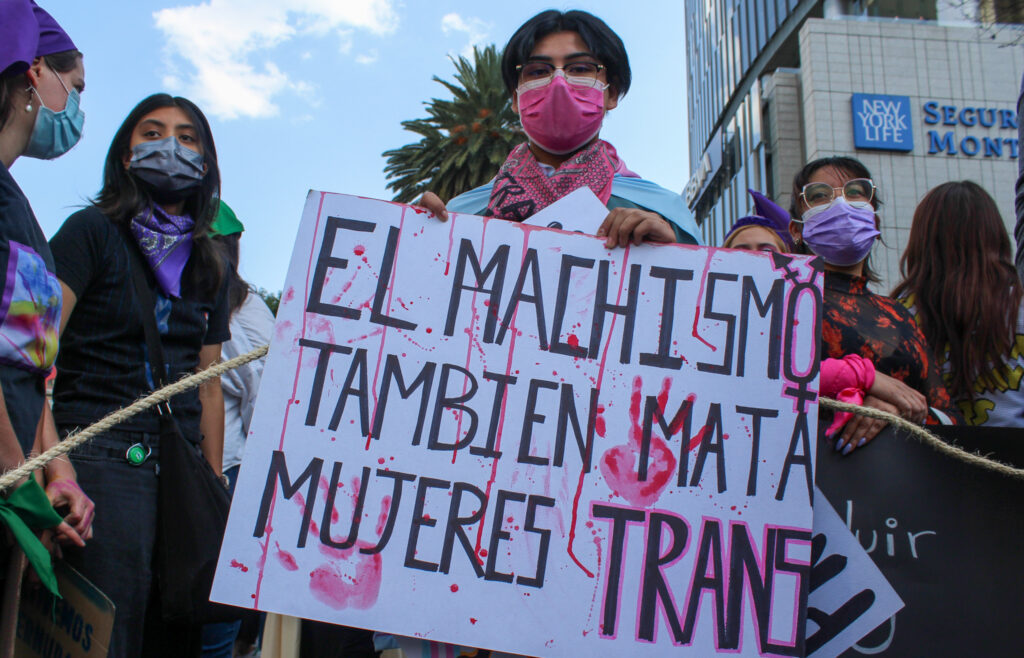
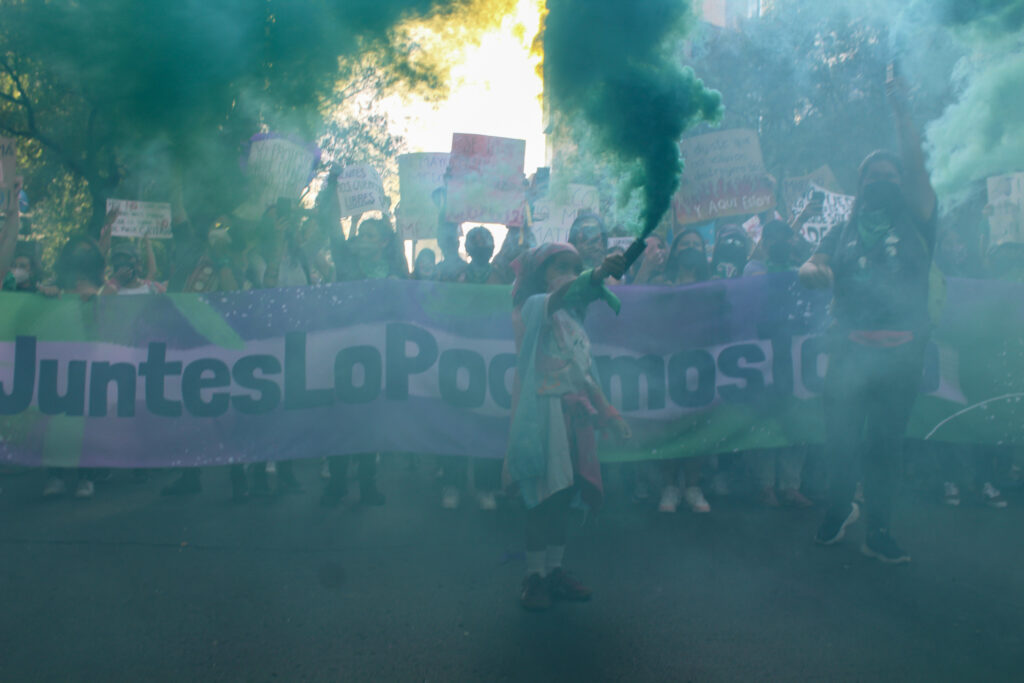
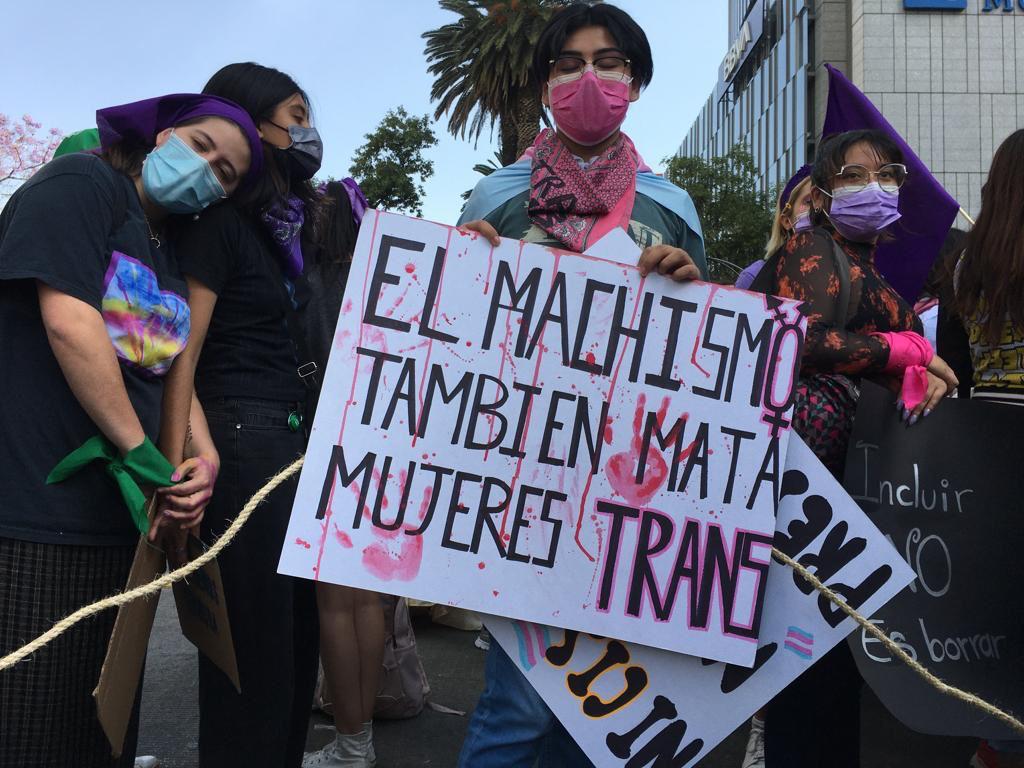
The march departed from the Angel of Independence and the Monument to the Revolution, heading towards the Zócalo. Throughout the route, the numerous signs against sexist and patriarchal violence stood out, along with slogans such as: “Sir, Madam, don’t be indifferent, women are being killed right in front of everyone”; “Neither cis nor trans, not one more death”; “Legal, safe, and free abortion”; “The police don’t protect me, my friends do”; “We are not afraid,” all accompanied by the sounds of batucada drums and jaranas.
In the face of the rise in Mexico of feminist movements that seek to exclude trans people and their rights, this march stood out for the diversity of women who felt called to participate. Some groups explicitly stated they were not transphobic, while others echoed slogans from the trans resistance movement. Ultimately, the widespread demand during the march was for public policies that guarantee rights and a life free from violence for women and trans people.
The march seemed endless, and as the various contingents arrived at El Zócalo, they engaged in different activities, from lighting bonfires and shouting slogans, to performing artistic acts and even attempting to tear down the metal barriers that the federal and Mexico City governments had placed days earlier to protect the National Palace (presidential residence) and the cathedral.
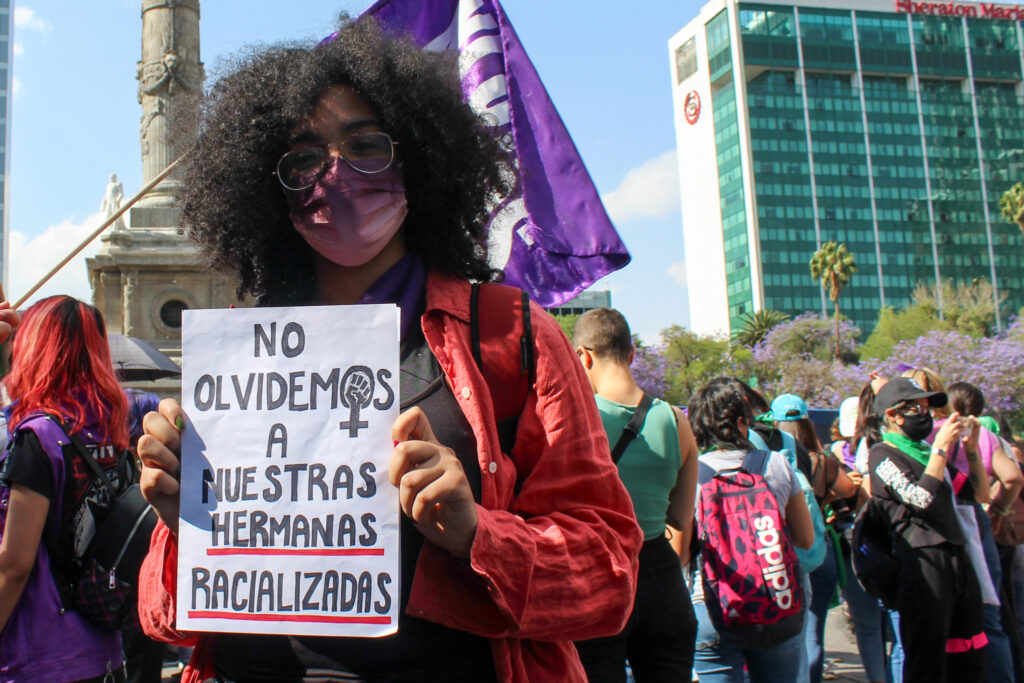
Compared to last year's march, which coincided with the first year of the pandemic, this time saw a much larger turnout. The city government estimated an attendance of 75,000 people.
Furthermore, for the first time, a president has decided to mobilize members of the Mexican Navy (the national military institution) to guard the presidential building and accompany the Mexico City police during the security operation for the March 8th demonstrations. This comes after President Andrés Manuel López Obrador anticipated that he had information (without mentioning the source) that it would be a “very violent” march because, according to his logic, “right-wing conservatism” is “infiltrating” the protests.
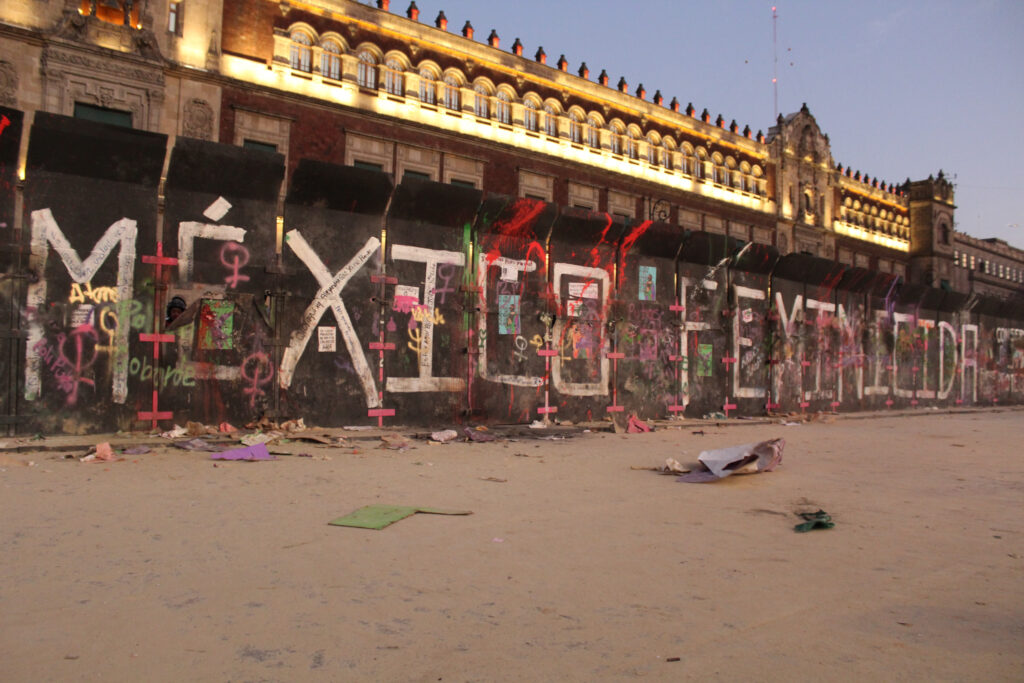
Unlike previous demonstrations, this one did not see any extremely violent incidents with the police along the route. According to local government data, 25 people required medical attention, including only one police officer. Behind the National Palace wall, riot police from the Navy and Mexico City police responded with tear gas and fire extinguisher powder to protesters' attempts to tear down the metal barriers.
March 8th in Paraguay
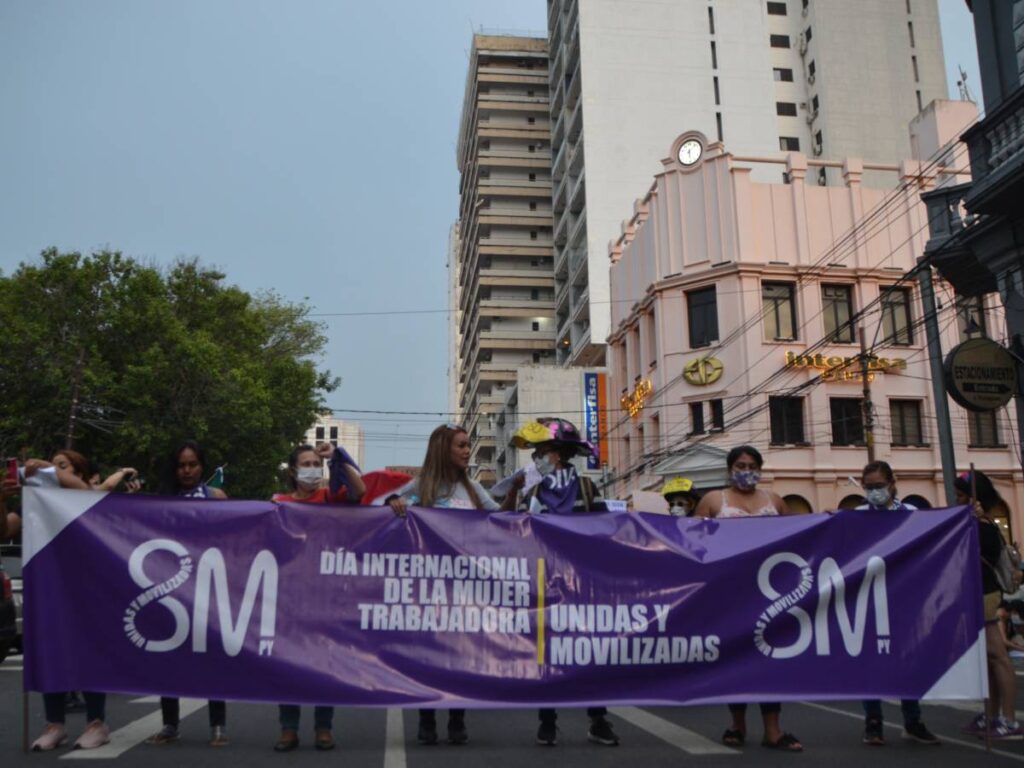
As every year, the feminist group International Women's Strike – Paraguay called for a mobilization on Tuesday at 5 pm in Plaza Uruguaya, in the microcenter of Asunción, where 3000 people participated.
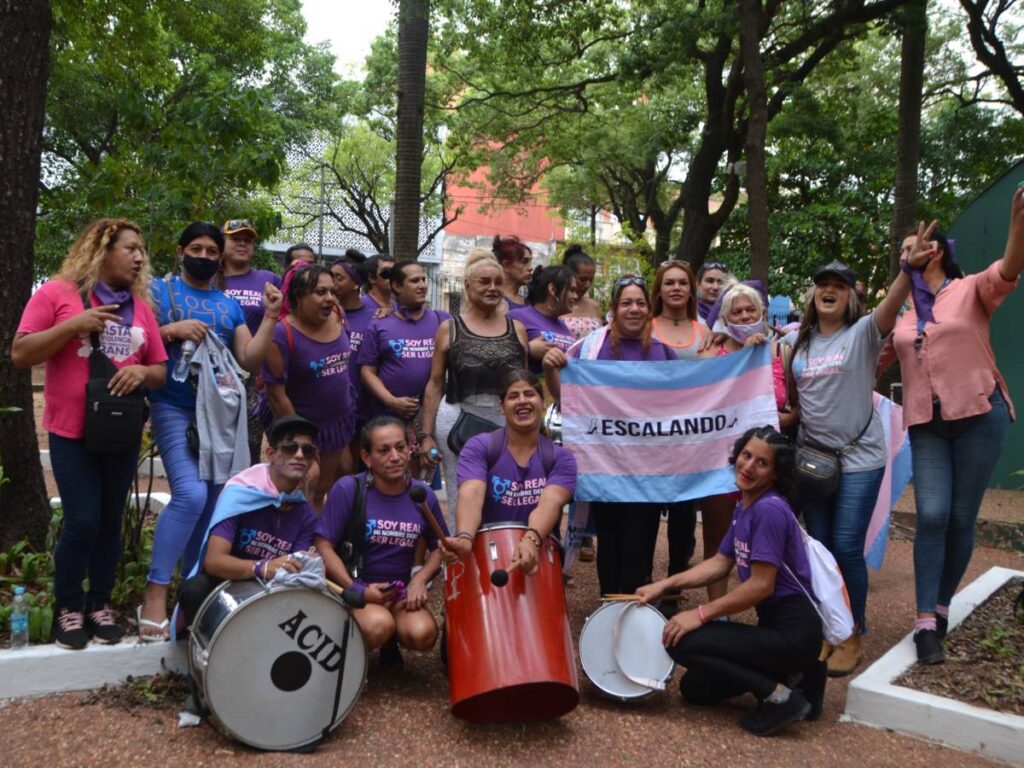
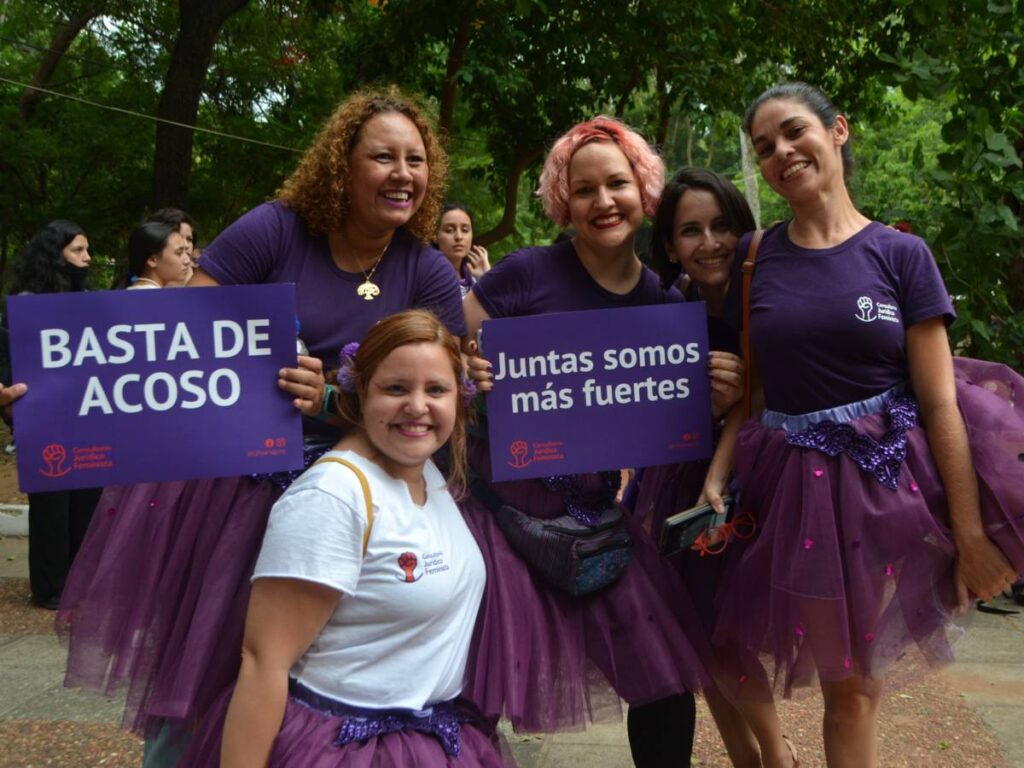
Under the slogan “United and Mobilized,” thousands of diverse women marched to Democracy Square, where a manifesto was read and an arts festival organized by Kuña Sorora . The march was led by volunteer firefighters , sex workers from Unidas en la Esperanza (United in Hope) , peasant women from Conamuri, and female politicians from the Paraguay Pyahurã Party , the political arm of a sector of the National Peasant Federation.
They were followed by delivery women on motorcycles, representing one of the most precarious sectors. Despite playing an essential role during the pandemic, it is still not considered formal employment. Among the complaints and demands in the manifesto were the repeal of the Zavala-Riera Law, which attempts to legalize illegally acquired land and criminalize the struggle for land; an end to narco-politics; the lack of decent work; the increase in layoffs; and the correction of transgender people's names on their identity cards.
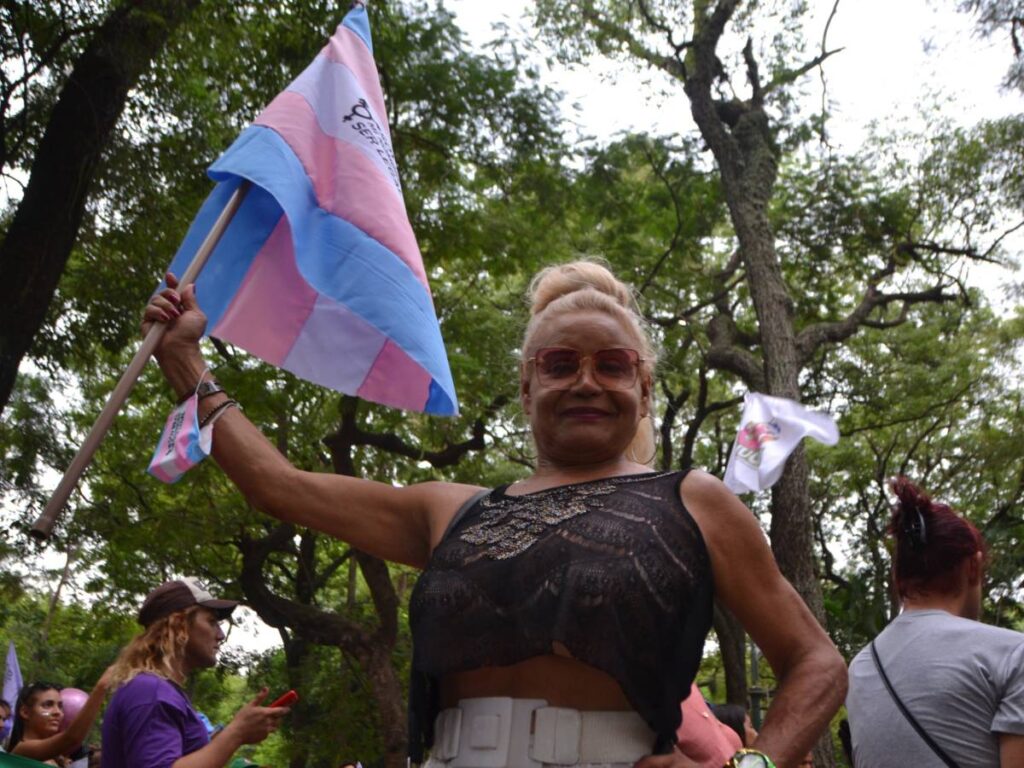
The feminist movement also demanded respect for natural resources and the recognition of all women's rights. In one of the final acts, trans women took to the stage, and each member of the various organizations—such as Casa Diversa, Panambi, and Escalando—held up a giant letter to deliver a clear message: "I am real, my name must be legal."
El Salvador demanded its rights
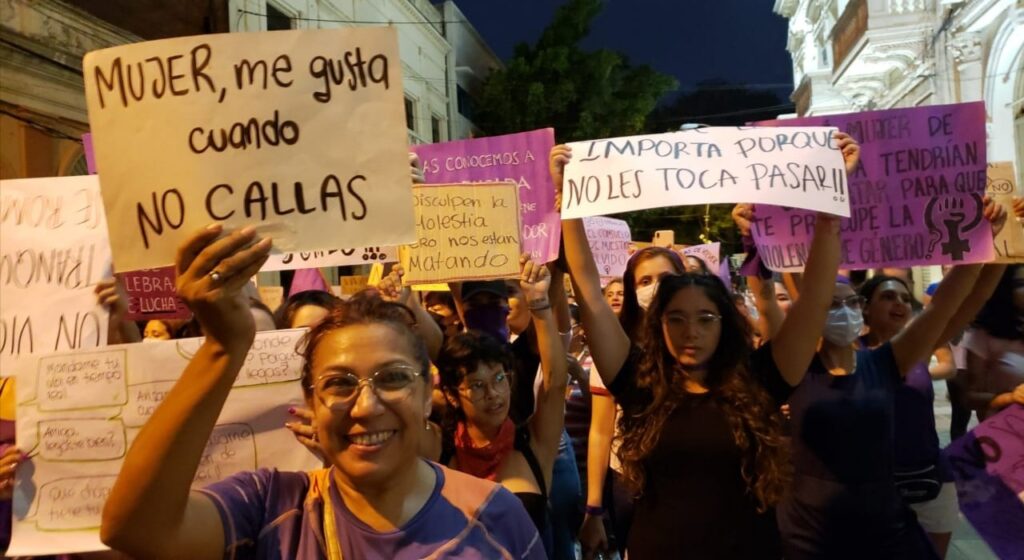
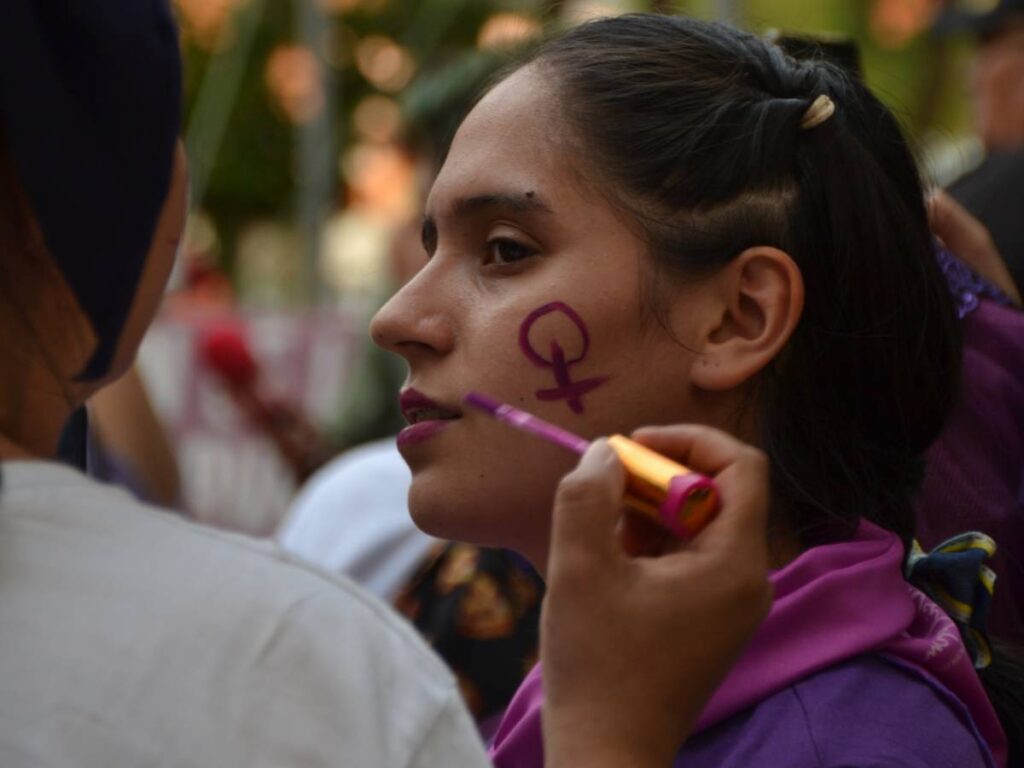
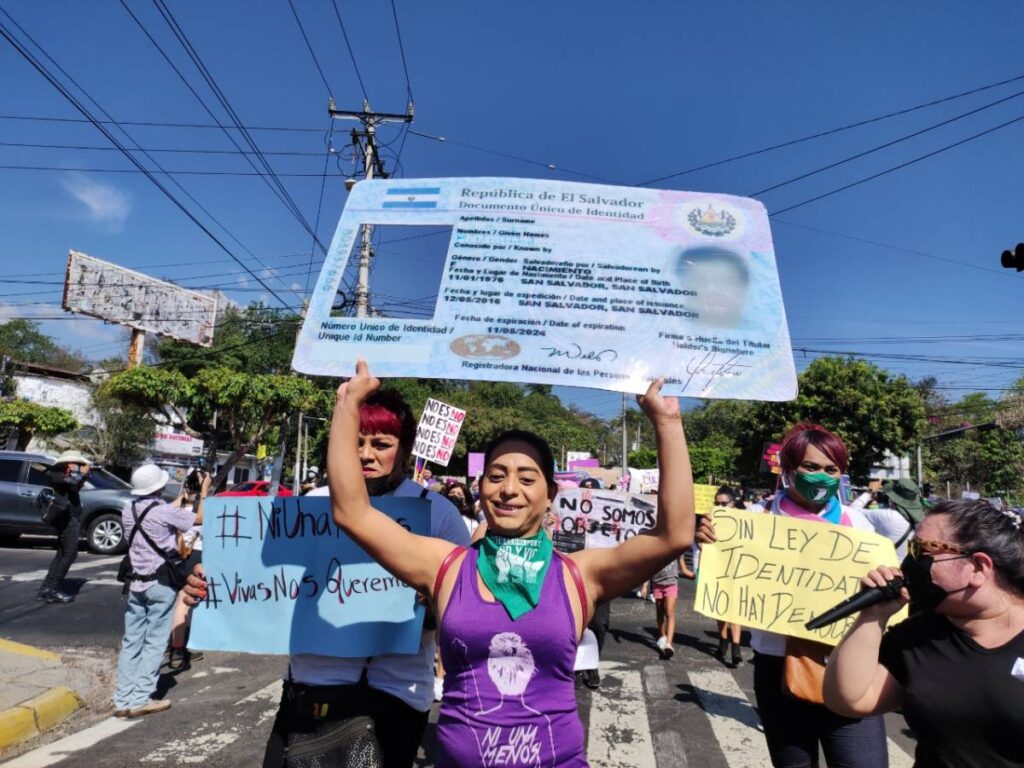
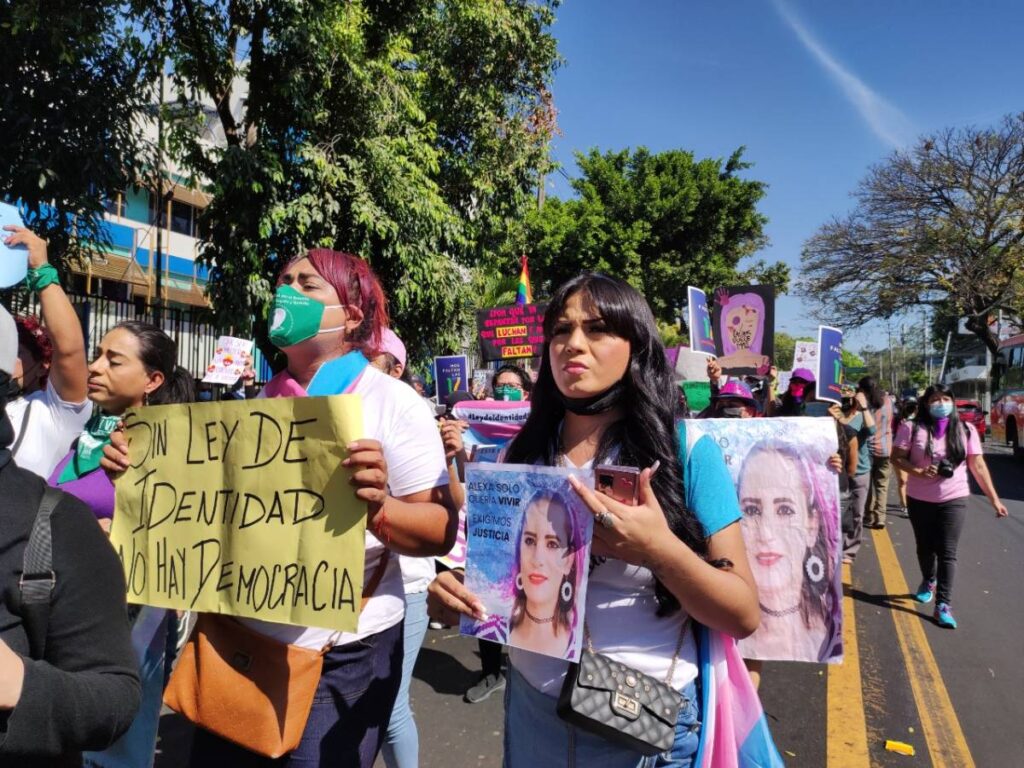
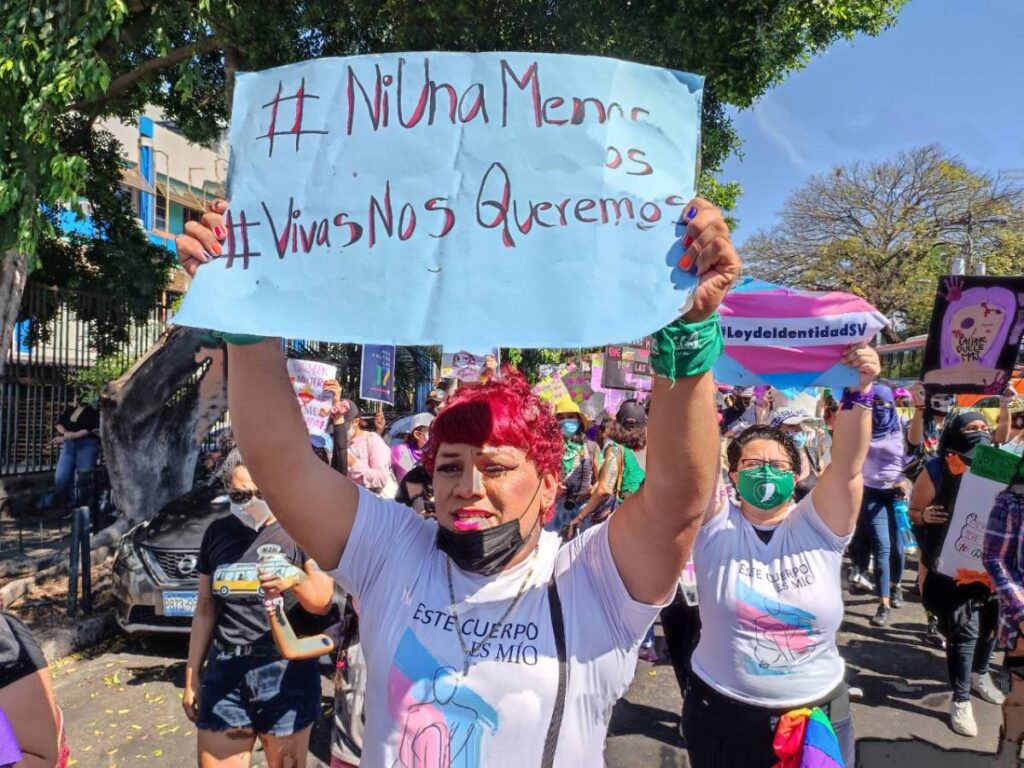
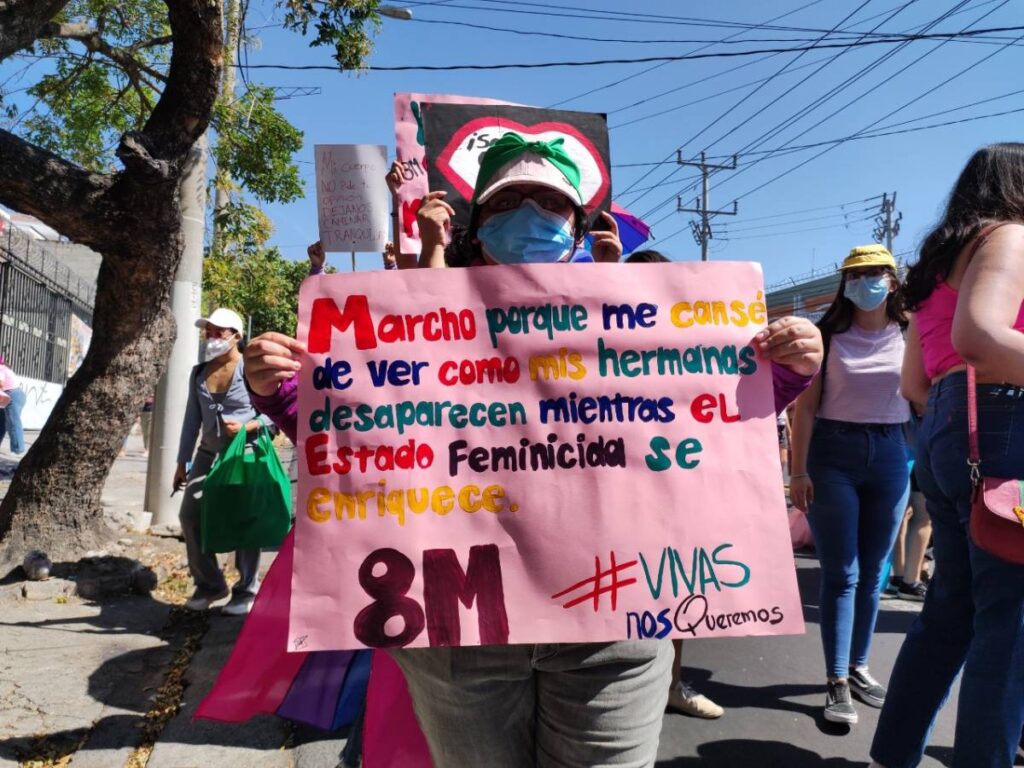
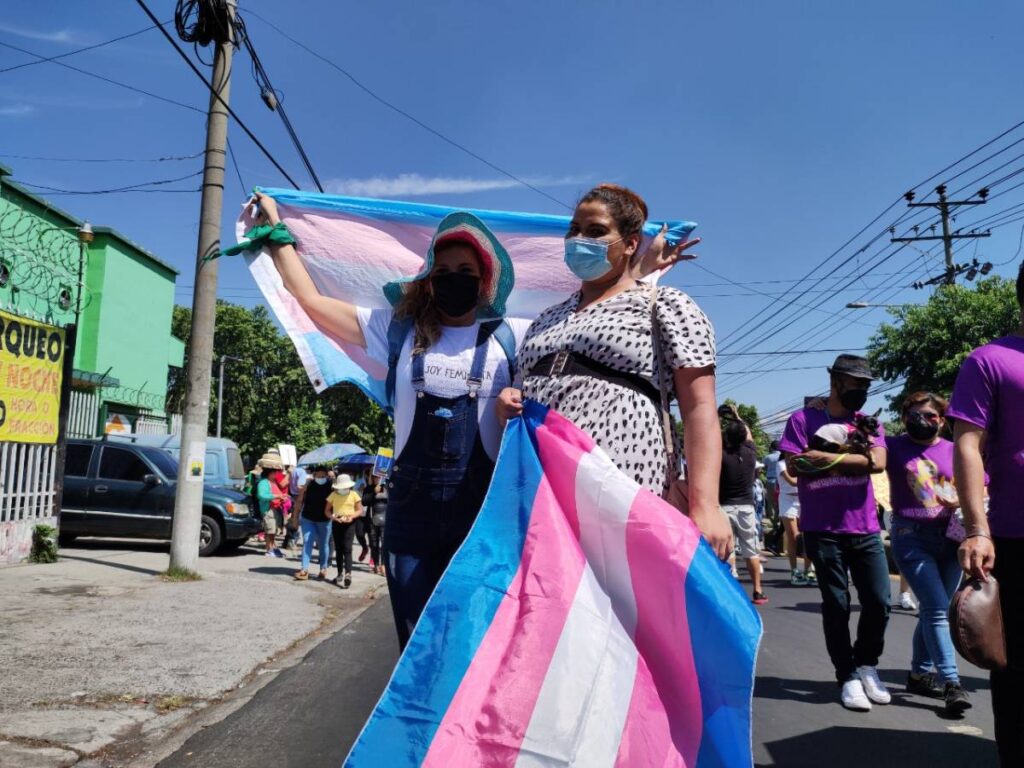
On Sunday, March 6, some 1,200 women took to the streets of San Salvador to protest, marching from the public university of El Salvador to Cuscatlán Park.
Trans women, lesbians, young women, and adults demanded that the government search for their missing loved ones, address the murders, the symbolic violence of the State in denying legal abortion, and the refusal of Congress to approve a gender identity law.
The demands were collective and accompanied by each of the women.
We are present
We are committed to journalism that delves into the territories and conducts thorough investigations, combined with new technologies and narrative formats. We want the protagonists, their stories, and their struggles to be present.
SUPPORT US

FOLLOW US
Related notes


We are present
This and other stories are not usually on the media agenda. Together we can bring them to light.